
Review · MOUNT FUJI TOURS
Mount Fuji Full Day Sightseeing Tour from Tokyo
Fuji in one stress-free day. This full-day group tour connects central Tokyo pickup with eight standout stops around Mount Fuji and Lake Kawaguchiko, so you get multiple mountain views without building a transport plan yourself.
I love the variety of Fuji angles, from lake viewpoints to the iconic pagoda area. I also like that the day is run with real timing discipline, with enough time at stops to walk, photograph, and not feel like you are sprinting between checklists.
The possible drawback is that, since it is a bus tour, you may get less of a guided narrative than you want, especially if you prefer longer explanations at each stop. You should also expect some walking around viewpoints.
Key highlights worth your attention
- Two central Tokyo pickup points make it easier to get on the bus fast
- Eight major Fuji-area stops pack in the classic sights
- Free admission at every listed stop keeps the day simple
- Guides who help you find strong photo angles and good snack ideas
- Group size capped around 45 people so it still feels manageable
- A 10-hour full day designed for first-timers and tight schedules
A Fuji Day Trip Built for First-Timers and Tight Tokyo Schedules
If you only have time for one Fuji day, this type of tour is exactly the right tool. It is designed to remove the biggest headache in the region: getting from Tokyo to the Fuji area, then bouncing between multiple viewpoints on your own.
The structure is what makes it work. You start in central Tokyo, spend the day moving through well-known spots around Lake Kawaguchiko and Fujiyoshida, and end with a chance to browse shops and pick up souvenirs. Even better, the stops are spaced in a way that lets you actually enjoy what you came for, the mountain itself, instead of spending your time transferring trains and praying the connections line up.
More Tokyo tours and experiences for the shortlist

Pickup Points and the Real-Life Bus Time
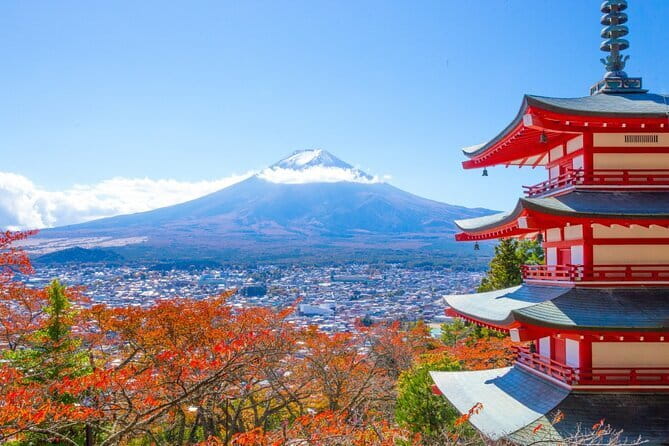
The tour includes air-conditioned transportation and uses two central pickup options. That matters because Tokyo can eat your energy before you even leave the city. A convenient meeting spot also helps if you are coming from a hotel that is not right by a major rail line.
Yes, it takes time to reach the Fuji region. A long bus ride is part of the deal, and on clear weather the payoff feels huge. If clouds move in, you will still get plenty to do and see, but the views are obviously better when the mountain is out.
One practical note from the way the day is run: the tour is built around consistent meeting times. That is good for organization, but it means you should keep an eye on where the group is meeting back at the bus.
Lake Kawaguchiko: Your First Big Fuji Moment
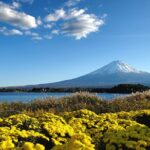
Lake Kawaguchiko is the start of the show. It is known as one of the five Fuji lakes, and the shoreline gives you multiple angles to catch the mountain. You get about 20 minutes here, so treat it as a quick orientation stop, not a long picnic.
What I like about this start is that it sets the tone early. You get your first real look at Fuji while you are still fresh from the trip out. It also helps you understand how the rest of the day will work, meaning you start thinking in viewpoints rather than just checking off names.
Oishi Park for Seasonal Flowers and a Simple Walk
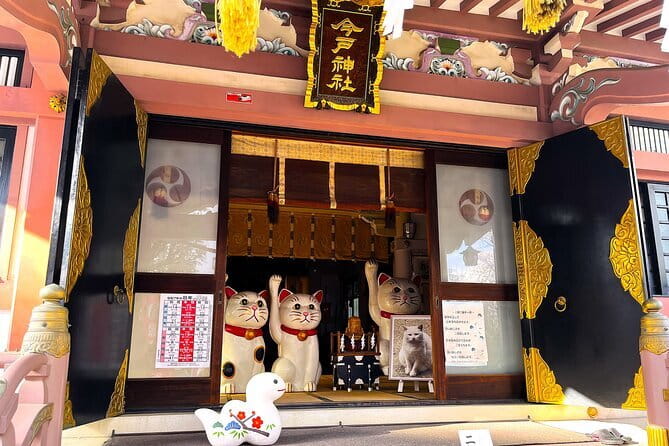
Next is Oishi Park, with about 25 minutes on the ground. This is famous for seasonal flower displays, including a long stretch called the Flowers Road. Even if you are visiting in a calmer season, the park layout is still made for postcard-style photos with Fuji in the background.
The tradeoff here is time. If you want long wandering time, you may feel slightly rushed. But as part of a day trip, Oishi Park does its job well by giving you a pretty setting and strong photo framing without dragging the schedule.
The Kawaguchiko Natural Living Center Photo Opportunity
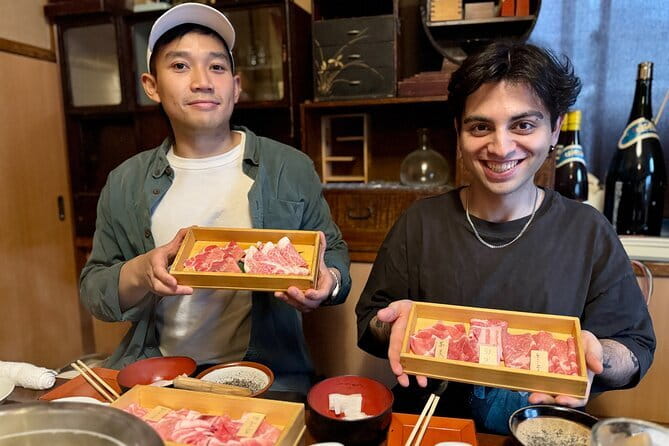
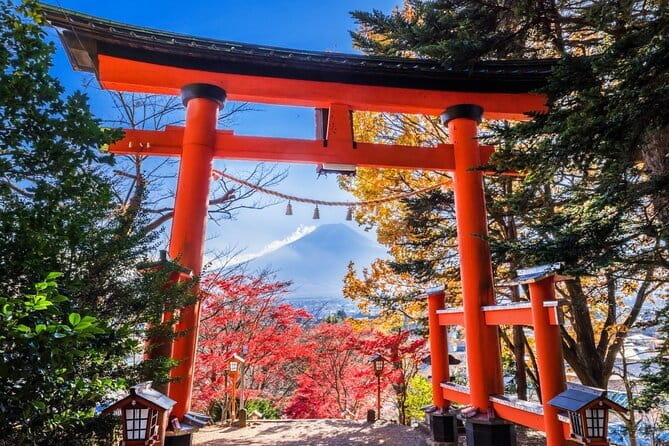
At the Kawaguchiko Natural Living Center, you get a shorter stop of about 10 minutes. The highlight is a photo angle that blends a red torii with Mount Fuji, which is the kind of shot that makes people stop scrolling.
This is not a must-see museum-style stop. It is a viewpoint stop. If you love photography, it is great because the goal is clear and the time matches the job. Go with the mindset of quick photos, not a long read-and-roam session.






The Lawson Stop: For the Instagram-Worth Contrast
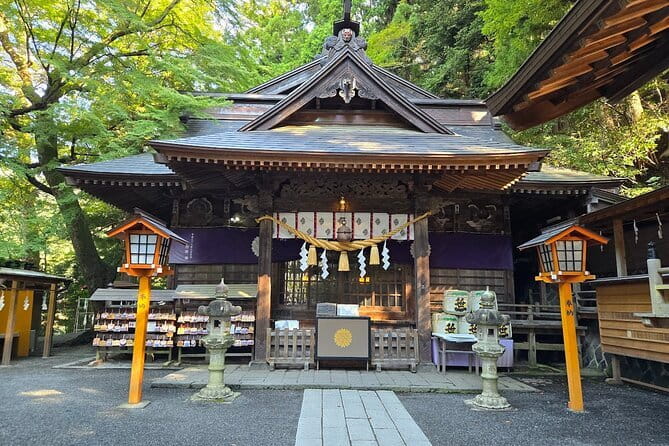
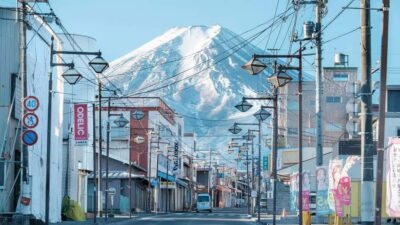
Then comes one of the more unusual elements: the Lawson Fujikawaguchiko Town Hall area. It is about 15 minutes, and the attention-grabber is the modern blue facade of the convenience store set against Fuji.
Some people love this kind of contrast because it feels real and local, not just a themed attraction. Others may wonder why it is on the list when you already have plenty of viewpoints. My take: it is a fast photo stop, and if you treat it like that, it works.
Oshino Hakkai: Springs, Heritage, and a Breather
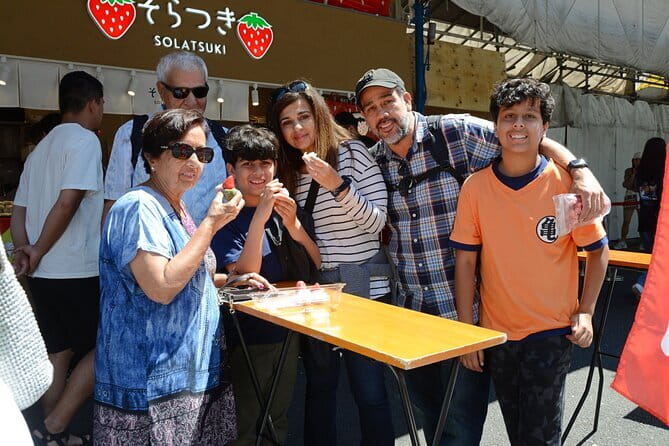
Oshino Hakkai is where the day adds a different kind of interest. It is a World Heritage Site known for eight clear springs formed by snowmelt from Mount Fuji. You also have about one hour here, which is the longest stretch on the middle of the route.
This is the stop that helps your day feel more than just scenic photo breaks. It gives you something tangible to look at and a sense of how Fuji shapes daily life in the region. It is also a useful break time, because after several quick stops, one longer stop lets you slow down.
There is also a practical side. If you are hungry or need a restroom, this kind of spot usually makes it easier to reset your energy before the pagoda climb area.
Arakurayama Sengen Park and the Chureito Pagoda
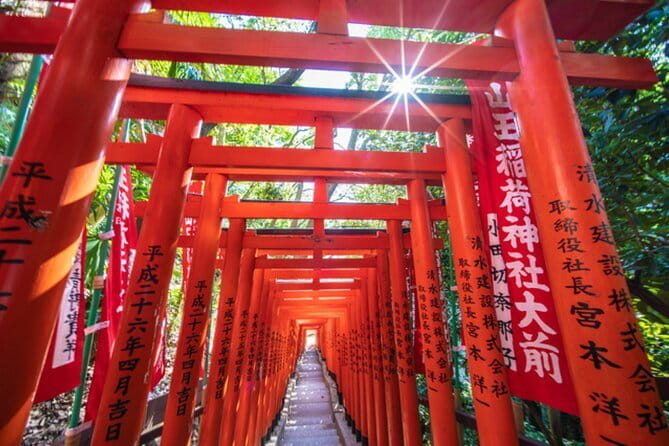
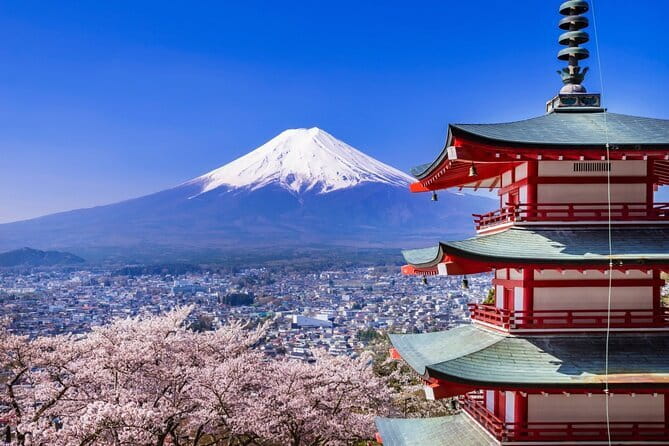
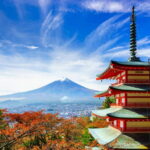
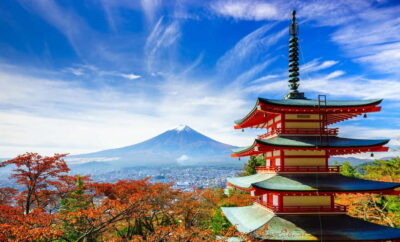
If you came for the classic Fuji photo, this is the heart of it. Arakurayama Sengen Park is about one hour, and it is known for the Chureito Pagoda, the five-story pagoda that photographers flock to.
You should know what to expect: the park involves stairs and walking. One review mentioned the 400 steps idea, so if you are not used to hills and stair climbs, wear shoes with grip and go at your pace.
The payoff is that Fuji can look dramatically different at this location. Sometimes you get Fuji straight on with the pagoda framing it. Other times you get partial views as the crowds and angles shift. Either way, this is a high-likelihood stop for a memorable picture.
Arakura Fuji Sengen Shrine: Calm Pause with a Long Timeline
After the pagoda area, you visit Arakura Fuji Sengen Shrine for about 15 minutes. The shrine is described as having origins dating back to 705, with a history of more than 1,300 years.
This stop works best if you treat it as a quick cultural pause after the physical climb. You are not here for a long lecture, but you do get a chance to slow down, see a sacred space, and connect the mountain to local belief systems. Even for people who are not big shrine visitors, it adds meaning to the views you just chased.
Fujiyoshida Retro Shopping Street: Souvenirs and the Stairway Feeling
The final stop is Fujiyoshida Retro Shopping Street, about 20 minutes, near Shimoyoshida Honcho Street. The highlight connection here is the Stairway to Mt. Fuji, a serene path that leads toward iconic views.
This is a good ending because it gives you a chance to do something practical. You can browse for small souvenirs, look for snacks, and pick up last-minute gifts without feeling rushed by a train schedule.
It also helps you decompress. After the viewpoint-heavy middle of the day, this feels more like a wander break.
Timing, Weather, and How to Maximize Fuji Visibility
This tour lives or dies by weather luck, but you can still stack the odds in your favor.
First, plan your expectations. On a clear day, Fuji can look shockingly crisp. On a cloudy day, you will still get enjoyable scenery and strong photo moments in some pockets, but the mountain might not cooperate. That is true of every Fuji plan, guided or DIY.
Second, you will see Fuji from multiple vantage points throughout the day. That is the real advantage of this route. Instead of betting everything on one location, you get repeated chances as the day moves from lake to springs to pagoda area.
Third, keep your photo strategy simple. Use the longer stops like Oshino Hakkai and Arakurayama Sengen Park to explore angles, and treat the shorter stops like the torii photo spot or Lawson facade as quick grab-and-go opportunities.
Guides, Story Style, and What You Can Learn
One of the biggest strengths of this tour type is the human factor. Many guests highlight guides who do more than read a script, they help with photo spots and practical food ideas.
Names that come up often include Betty-ko, Keiko, Kishida Winnie, Joey, Tim, Belle, Augustin, Zoe, and Wennie. What seems consistent across guides is that they aim to keep things running smoothly and help you get value out of each stop.
Still, a balanced note: if you want deep, uninterrupted storytelling at every location, you might find the bus-tour format limits how much you get on certain days. One person felt the explanations were hard to follow, and the overall pattern felt more like drop-offs with meet-back times. In other words, expect structure first, long narration second.
If you want the best of both worlds, use the guide time to ask quick questions. Even short chats can help you get context for what you are seeing, and then you can enjoy the rest at your own pace.
Price and Value: Why $67 Can Beat DIY in Real Time
At $67 per person, this is not a luxury tour, but it can be a smart value depending on how you would otherwise travel.
Here is the value math I like to use:
- You get air-conditioned transport plus the labor of connecting multiple regional stops.
- You do not have to solve the logistics puzzle from Tokyo.
- The listed stops show free admission, so you are not adding surprises from entry fees.
- The route is designed for a one-day experience without requiring extra lodging near Fuji.
DIY can be cheaper on paper, but the hidden costs add up fast, especially if you lose time figuring routes, dealing with train changes, or trying to synchronize multiple areas. For many people, the bus and guide are worth paying for because they protect your schedule.
The one thing not included is lunch, so you will need to budget for food. The bright side is that most guides also point people toward practical nearby options, so you are not stuck guessing in a new area.
Who This Tour Suits, and Who Might Prefer Something Else
This tour is a good fit if you:
- Want one full day away from Tokyo without planning transport between distant spots
- Care most about seeing Fuji from multiple viewpoints, including the Chureito Pagoda area
- Like a structured day with guided help for photo timing and local tips
- Are okay with walking on stairs and moving on a schedule
It may be less ideal if you:
- Want long cultural time at fewer locations, rather than short stops at many places
- Prefer a highly detailed lecture style at each viewpoint
- Have trouble with stairs, because the pagoda area involves climbing and uneven walking
Should You Book This Mount Fuji Full Day Sightseeing Tour from Tokyo?
I think this is worth booking if your goal is simple: maximize Fuji chances in one day. The combination of eight major stops, free admissions, and a route that avoids the Tokyo-to-Fuji logistics headache makes it a strong option for first-timers.
Book it sooner if:
- You are traveling during a time when you care about seasonal scenery, like the flower displays at Oishi Park
- You want a clear plan that does not depend on train schedules
- You are looking for an organized day rather than an all-day DIY adventure
Skip it or switch strategies if you want a slower experience with fewer moves, or if you are not comfortable with stair-heavy areas around the pagoda. In that case, you might prefer an itinerary built around one base area.
Bottom line: if you want Fuji pictures, variety, and convenience, this is a solid value play for a one-day Mount Fuji reset from Tokyo.
FAQ
How long is the Mount Fuji full day sightseeing tour from Tokyo?
It runs for about 10 hours.
What is the price per person?
The price is $67.00 per person.
Where do we get picked up in Tokyo?
You can choose from two convenient central Tokyo pickup points.
What are the main stops on the route?
The tour includes Lake Kawaguchiko, Oishi Park, Kawaguchiko Natural Living Center, a Lawson in Fujikawaguchiko area, Oshino Hakkai, Arakurayama Sengen Park (Chureito Pagoda area), Arakura Fuji Sengen Shrine, and Fujiyoshida Retro Shopping Street.
Is lunch included in the tour price?
No. Lunch is not included.
Are admission fees included?
Included pricing covers all fees and taxes. The listed stops show free admission.
Is this tour in a group, and how large is it?
It is a group tour with a maximum of 45 travelers.
Is there a mobile ticket?
Yes, it uses a mobile ticket.
Is free cancellation available?
Yes. You can cancel for a full refund up to 24 hours in advance.
What should I know if I have stroller or large luggage?
You should indicate this when booking, and the tour notes that you should share details so the team can account for it.
More Full-Day in Tokyo
More Tours in Tokyo

More Tour Reviews in Tokyo
Not for you? Here's more nearby things to do in Tokyo we have reviewed



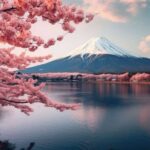


Mount Fuji Tours, side by side.
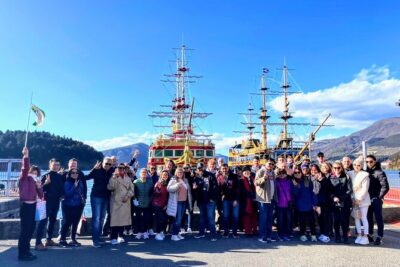 ★ 5.0Mt Fuji and Hakone 1-Day Bus Tour Return by Bullet TrainFrom $16326,383 reviews
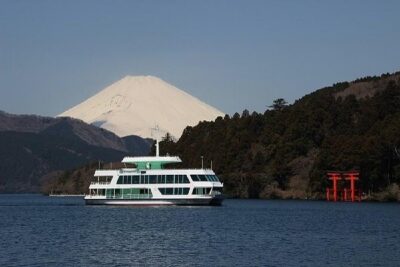 ★ 4.0Mt Fuji & Hakone Cruise, Drum Show Bullet Train 1 Day from TokyoFrom $1497,413 reviews
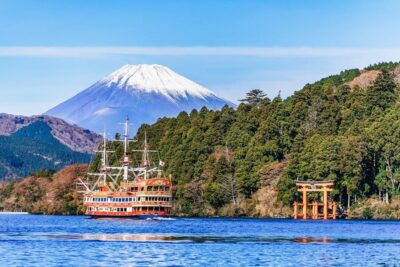 ★ 4.4Tokyo Mt Fuji 5th St & Hakone Cruise Bus Tour w/Bullet TrainFrom $1545,024 reviews
 ★ 4.5From Tokyo: Mount Fuji Full-Day Sightseeing TripFrom $684,970 reviews
 ★ 4.7Mt. Fuji Tour, Hakone Ropeway, Owakudani, Lake AshiFrom $544,002 reviews
 ★ 4.2Mt. Fuji 5th Station & Hakone Cruise 1-Day Bus TourFrom $1292,381 reviews
 ★ 4.7Mt Fuji Top 5 Spots Day Tour: Arakurayama Park,Oshino HakkaiFrom $532,066 reviews
 ★ 5.0Private Tour to Mt. Fuji and Hakone (Fully Licenced Operator)From $4971,910 reviews