
Review · NIKKO DAY TRIPS
Nikko Toshogu, Kegon waterfall, Lake Chuzenji One Day Pvt. Tour
Nikko, without the bus crush. This private one-day trip turns Tokyo into a shortcut to Nikko’s big-name shrines, plus waterfalls and lake views, all on an easy route planned for you. The UNESCO World Heritage stops give you that wow factor without guessing how to link everything.
Two things I especially like: you get there and back in comfort in an air-conditioned car, and the plan stacks multiple must-sees close together. One thing to consider, though, is that it is still a long day (about 12 hours), and lunch plus shrine and temple admission fees are not included.
Key highlights at a glance
- Private vehicle and pickup so you skip crowded transfers and keep your day on schedule
- Tōshō-gū plus Rinnō-ji under the same UNESCO umbrella, with time to actually look
- Kegon Falls and Chuzenji Lake paired for a classic nature payoff at the end
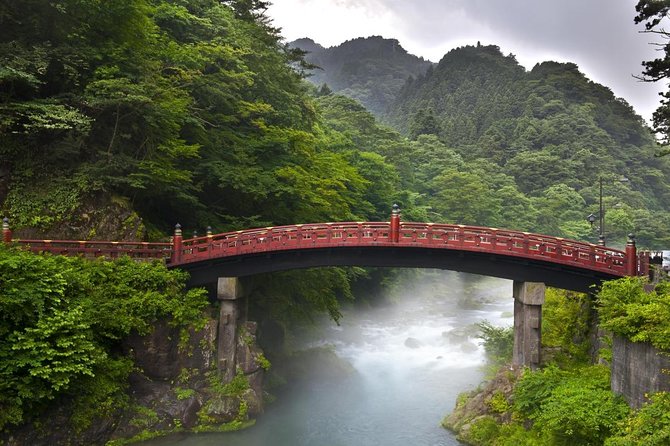
- Shinkyo Bridge at the shrine entrance, including the chance to walk the famous red bridge
- Budget-friendly entrance fees once you know what to pay, and the rest is built into the route
How the Nikko one-day private tour really works from Tokyo
This is the kind of day trip that feels calmer than the usual do-it-yourself scramble. You start in Tokyo at Tokyo Station (Marunouchi, Chiyoda) and head out in a private, air-conditioned vehicle. Since it is private, your group moves together and you do not get stuck waiting for a bunch of different schedules.
You also get a few practical extras that matter on a long outing: parking fees are covered, and there is a hotspot on board, which helps if you want maps, translations, or just connection for the ride. The tour includes getting you back to the same meeting point in Tokyo at the end.
The route is structured around Nikko’s best-known clusters. That is smart. Nikko is not hard to reach, but it can be slow to stitch together efficiently by public transport. With this format, you spend more time looking and less time figuring out transit.
One more detail that can make the day feel more personal is the host-style driver vibe. In the experience feedback, people are especially happy when the driver handles small comfort touches like water and snacks and also points you toward a good lunch option on the way. It is a small thing, but on a long day, it changes your mood.
More Tokyo tours and experiences for the shortlist



Tōshō-gū Shrine: Tokugawa Ieyasu, Shinto and Buddhist spaces, and a 36m pagoda
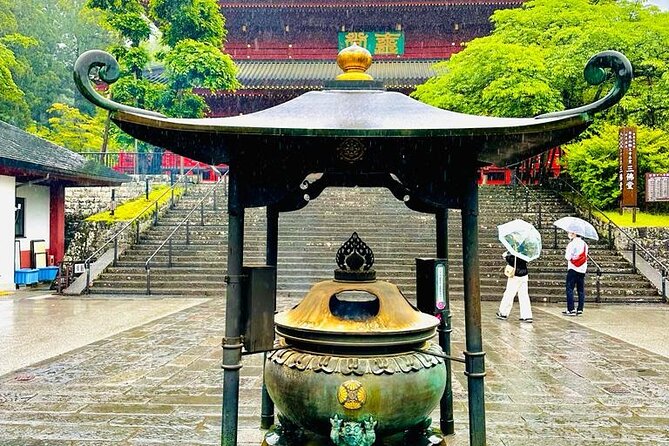
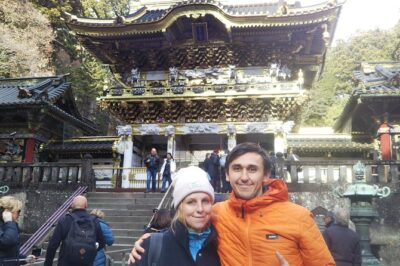
Your first major stop is Nikko Tōshō-gū, the shrine complex dedicated to Tokugawa Ieyasu. He is the famous samurai leader whose rise helped launch the Edo period (1603 to 1867), a time Japan is often associated with stability and growth. At Tōshō-gū, that story is not just mentioned. It is built into the setting, with ornate decoration and architecture that make you slow down.
What makes this stop especially strong is that it is not one single building. Within the complex you can easily see:
- a Shinto shrine
- a Buddhist shrine
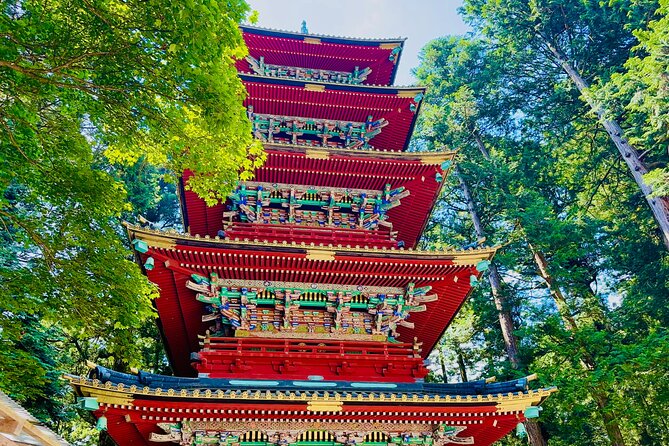
- a pagoda about 36 meters tall
The way these are grouped is what helps you avoid rushing. Because the buildings are near each other, you can go from one religious space to the next without losing momentum. That is a big deal when you have limited time and you still want to enjoy the details.
Timing is also set aside for a real visit, around 2 hours. That is enough to see the highlights and not feel like you are power-walking through a checklist.
A practical tip: plan to stand still for a few moments while you look upward. Nikko’s artistry is often in the height and repetition, not just on the surface at eye level. If you are photographing, do it slowly. You will want the best angles from different points in the walkway.
Rinnō-ji Temple and Sanbutsudō area: three gilded Kannon statues and Shōyō-en calm
After Tōshō-gū, you move to Rinnō-ji Temple, another UNESCO cornerstone. This is one of Nikko’s most significant Buddhist sites, and it is famous for how much it packs into a relatively concentrated area.
Rinnō-ji’s backstory adds weight fast. It was founded around 766 AD by the Buddhist monk Shōdō Shōnin, who introduced Buddhism to the Nikko area. That means you are looking at a site with a long religious thread, not just a modern tourist rebuild.
One of the top wow elements is the main hall, described as one of the largest wooden buildings in the area. Inside, you will find three massive gilded wooden statues tied to the mountain deities of Nikko:
- Amida Nyorai (Amitabha)
- Senju Kannon (Kannon with a thousand arms)
- Batō Kannon (Horse-headed Kannon)
That mix can feel visually intense in a good way. If you like Buddhist iconography, this is the stop where you will feel like you understand why Nikko became such a pilgrimage center.
You also get time for parts of the broader complex, including:
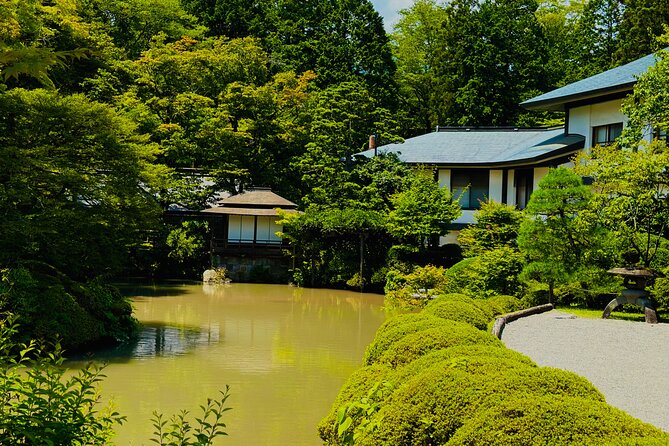
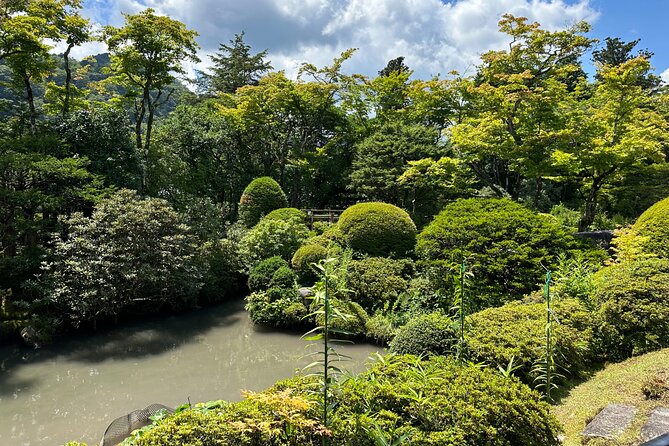
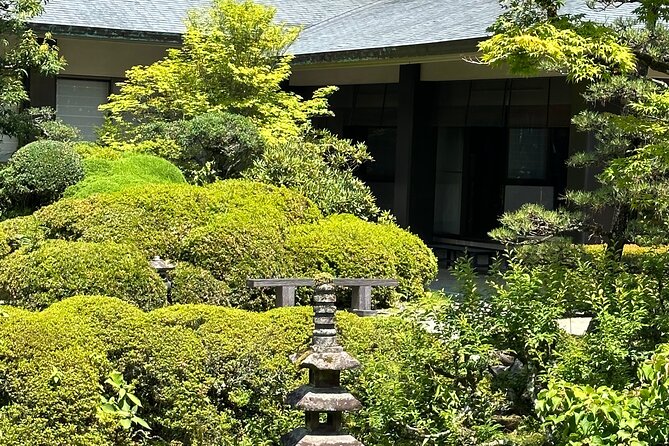
- the Shōyō-en Garden behind Sanbutsudō, a serene traditional garden design
- the Taiyūin Mausoleum area, associated with the Tokugawa era
You get about 1 hour here. That is enough to cover the main hall area and still step into the garden for a quiet reset. If you hate rushing, you will appreciate that the garden is not the only thing you are forced to do. It is built in as a breather.
Budget note: entrance fees apply. The tour information lists Rinnō-ji Temple, Old Era Garden, and the Rinnō-ji Treasure Museum together for about $7 USD per person. If you are budgeting a day like this, that is useful because it avoids surprises at the gate.
The Nikko Tōshō-gū Museum plus the garden stop: where the details slow you down
Nikko’s main shrines can sometimes pull you into a high-speed visual mode. This part of the tour helps you return to the human scale of the story.
Next up is the Nikko Tōshō-gū Museum (also called a Toshogu treasure museum), located within the Tōshō-gū complex. It is a shorter stop, about 30 minutes, but it is chosen for maximum payoff.
Here, you see artifacts connected to Tokugawa Ieyasu and the shrine’s history, including items like:
- samurai armor
- swords
- personal belongings of Ieyasu
This is the kind of museum time that works well on a one-day schedule because it gives context without dragging you through hours of galleries. You walk back out into the shrine complex with better understanding of what you just saw. If you care about the Edo period at all, this is a smart mid-day anchor.
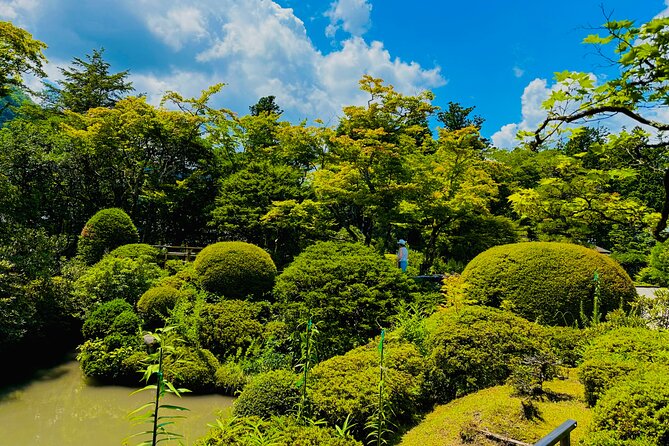
Then you move to Nikko Botanical Garden. The tour describes this garden as a historically significant Tokugawa-era garden style, connected to the Rinnō-ji Temple Garden area and reflecting traditional landscape design with rocks and ponds. Even when you only have 30 minutes, the goal is clear: break up the shrine intensity with a slower, quieter setting.
What I like about fitting gardens into temple days is that it changes your body tempo. After steps, stairs, and bright carvings, you get a calmer place to stand and look. You will feel less tired when you reach the next photogenic landmark.
Shinkyō Bridge: old Tokugawa-era gateway and the red bridge walk
At Shinkyō Bridge, you shift from temples to a classic Nikko entry moment. The bridge is also known as the Red Bridge, and it sits at the entrance to Nikko’s shrine and temple area. It technically belongs to Futarasan Shrine, which is one of the other key elements of Nikko’s sacred geography.
This is not just a scenic bridge. It has a strong timeline:
- it is the oldest bridge since the Tokugawa era
- the current bridge was constructed in 1636
- a bridge has marked this spot for longer, though the exact origins are unclear
- until 1973, Shinkyō was off limits to the general public
- it underwent major renovations in the late 1990s to early 2000s
- you can now walk across it for a fee
You get about 30 minutes here. That is enough time to cross, take photos, and read the vibe of the area without feeling trapped. Since the tour lists the bridge admission as free, it is likely you are not hit with a separate tour fee for the stop, but the walkway itself can still involve a small entrance cost once you are there.
Practical advice: if the weather is damp, the stone and railings can feel slippery. Wear shoes you trust. This is the kind of spot where people slow down to take photos, and you do not want to rush your footing.



Kegon Falls and Lake Chuzenji: the 100m drop with a 1930 elevator viewpoint
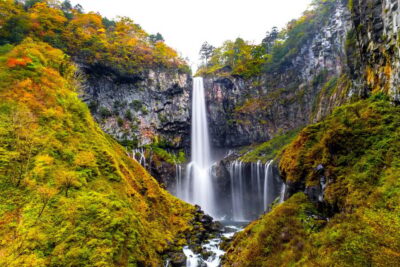
The day’s nature payoff is Kegon Falls, one of Japan’s most famous waterfall sights. The scale is the main story here: it is described as almost 100 meters deep. That kind of height changes your sense of space in a hurry.
You also get a special viewing feature built into the experience. The tour notes an elevator installed in 1930, designed to bring you closer for the best views of the falls. Even if you do not use every option, knowing the elevator exists tells you this stop is built to be accessible and not just an exhausting hike.
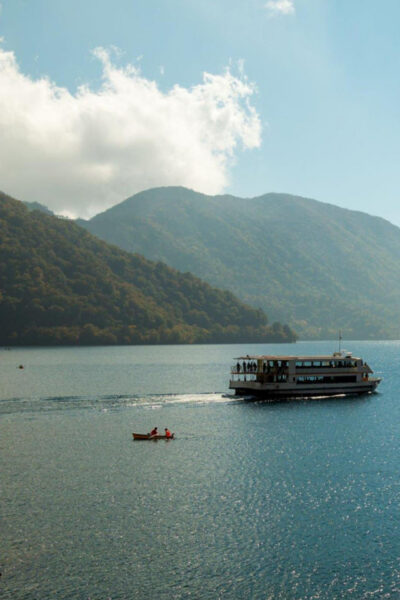
Kegon Falls is also paired with the Lake Chuzenji and the Chuzenji Shrine nearby, described as peaceful and beautiful. The tour gives you about 2 hours here, which is important. Waterfalls are not like monuments you can just look at once. You tend to reposition for better sightlines, and you might want a slower break near the lake side.
This is also the stop where timing matters. You want to arrive with enough energy to wait for the best light and to handle crowds if they show up. A private tour helps because your schedule is less rigid than a public bus parade, but it still cannot control daylight or weather.
If rain is possible, bring a light outer layer. Even when the air is warm, mist can make you feel cooler up close to falls.
Price and value for a group up to five, plus what you should budget for
At $500 per group for up to 5 people, this tour is priced like a premium private day trip. The key question is not only what you pay, it is how that payment saves you time and stress.
Here is the value math most people miss at first:
- You are paying for private door-to-door style transport, not individual seats on a shared bus.
- You also get a driver-led day structure with multiple fixed stops that are close enough to feel efficient.
- The car includes air-conditioning, parking fees, and a hotspot, which helps on a long ride.
If you split the cost across five people, it can feel much more reasonable than you expect for a day that includes UNESCO sites and a classic waterfall plus lake viewing.
What about costs on top of the $500?
- Lunch is not included, so you will want to plan meal time and budget accordingly.
- Entrance fees are not included. The tour lists:
- about $7 USD per person for Rinnō-ji Temple, Old Era Garden, and the Rinnō-ji Treasure Museum
- about $10 USD per person for Nikko Tōshō-gū Shrine
(and it also notes the museum and garden stops as ticket-related)
So you should think of the $500 as covering the private transport and the guided structure, then budget a modest extra amount per person for temple admissions and choose your lunch on the day.
This is also where the private format can save you money indirectly. With public transport, you often end up buying multiple tickets and spending time on transfers. If your day is precious, the private car price can start to look like buying time and comfort.
Who this Nikko day trip suits best
This tour fits best if you want Nikko to feel smooth, not stressful. It is a strong match for:
- small groups and families who would rather share a car than split up on transit
- anyone who wants UNESCO Shrines and Temples of Nikkō highlights plus the big nature scenes, in one day
- people who prefer a planned route so they can focus on looking
It may be less ideal if you love freeform travel and want to linger in one place for hours. This schedule has set durations, like 2 hours at Tōshō-gū, 1 hour at Rinnō-ji, and then the nature stretch at Kegon Falls for about 2 hours. The day is full, and the pacing is intentional.
Should you book this Nikko private day trip?
Book it if your top goal is a stress-light Nikko day: shrine highlights first, then the bridges, and finally Kegon Falls and Lake Chuzenji. The private vehicle makes the biggest difference. You spend your energy on the sights, not the routes.
I would hold off if you are traveling solo and hate paying for a group rate, or if you want a slower, deeper visit where you can customize time at each temple complex. This is built for a well-paced day, not a long retreat.
One smart decision step: budget entrance fees and lunch up front, then pack comfortable shoes. After that, you are set up for exactly what Nikko does best, ornate sacred architecture in the morning and a dramatic waterfall-lake finale later.
FAQ
How long is the Nikko one-day private tour?
The tour runs for about 12 hours.
Where does the tour start in Tokyo?
The tour starts at Tokyo Station, 1 Chome-9 Marunouchi, Chiyoda City, Tokyo 100-0005, Japan and returns you to the same meeting point.
What is the price for this tour?
The price is $500.00 per group, up to 5 people.
What is included in the tour price?
Included features are an air-conditioned vehicle, hotspot on board, fuel surcharge, private transportation, and parking fees.
What entrance fees should I expect to pay?
The tour does not include entrance fees. The information lists about $7 USD per person for Rinnō-ji Temple, Old Era Garden, and the Rinnō-ji Treasure Museum, and about $10 USD per person for Nikko Tōshō-gū Shrine.
Is this a private tour?
Yes. It is a private tour/activity, meaning only your group will participate.
More 1-Day Tours in Tokyo

More Tours in Tokyo

More Tour Reviews in Tokyo
Not for you? Here's more nearby things to do in Tokyo we have reviewed












Nikko Day Trips, side by side.
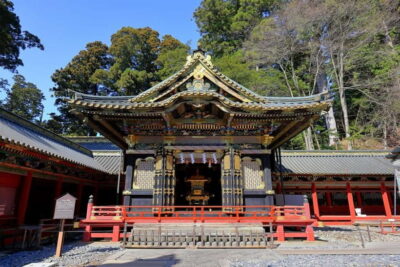 ★ 4.6Nikko: Kegon Falls, Lake Chuzenji & Toshogu TempleFrom $891,577 reviews
 ★ 4.5Nikko Toshogu Shrine and Kegon Waterfall TourFrom $841,266 reviews
 ★ 5.0Nikko Full-Day Private Tour with Government-Licensed GuideFrom $155259 reviews
 ★ 4.9From Tokyo: Nikko World Heritage Site Private Full-Day TripFrom $483243 reviews
 ★ 4.3Nikko: Edo Wonderland Edomura Cultural Theme Park TicketFrom $35205 reviews
 ★ 4.8Nikko World Heritage Private Day Trip Hotel Pick-upFrom $390145 reviews
From Tokyo: Nikko World Heritage Sight Full Day Private TourFrom $362127 reviews
★ 4.8Nikko World Heritage Private Day Trip Hotel Pick-upFrom $390145 reviews
From Tokyo: Nikko World Heritage Sight Full Day Private TourFrom $362127 reviews
 ★ 4.9Nikko – Beautiful Full-Day Personal and Private TourFrom $364119 reviews
This tour also belongs to