
Review · FOOD & DRINK
Okonomiyaki making experience~Japanese popular food
Griddle cooking in Shinjuku tastes like comfort. This okonomiyaki making experience is a hands-on, 1-hour class built around Japan’s favorite savory pancake, cooked right on a griddle and finished with classic toppings. You’ll choose between seafood or meat styles, then learn how the batter turns into that signature tender, pan-seared bite.
What I like most is the choice built into the experience. You get to pick the version you want, so you are not guessing what you will eat later. I also like the human side of it, with English support and a translator named Nina showing up as part of the experience for at least some sessions.
One thing to consider: bottled water is not included. If you are prone to getting thirsty while you cook, plan to buy a drink nearby before you start, especially since the class is about an hour long.
Key things to know before you go
- Meat or seafood, straight from the start: you choose your flavor direction for the pancake.
- Cook it on a griddle: this is not just watching, it is active griddle time.
- English support is part of the setup: help is available, including a translator named Nina.
- Private group class: only your group participates, so it feels less like a crowded demo.
- You might get more food than you expect: at least one participant was able to make a second okonomiyaki to take home.
Okonomiyaki in plain terms, and how you choose meat or seafood
Okonomiyaki is a Japanese savory pancake that people treat like comfort food. It is popular at home, at festivals, and in regular restaurants because it adapts easily, both to what you like and to what ingredients are available. The base usually centers on flour, eggs, and cabbage, with other add-ins like seafood, meat, and even noodles.
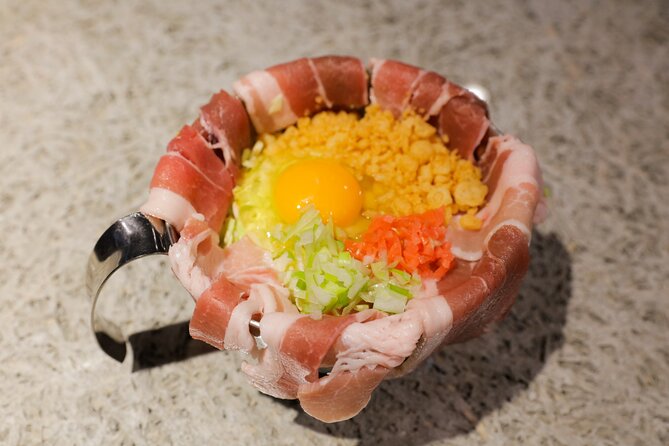
The class leans into that variety by giving you a choice: seafood or meat. That matters because okonomiyaki is not a one-note dish. Seafood versions can feel lighter and brinier, while meat versions tend to be heartier and more deeply savory. Either way, you are learning the same core griddle technique, but your final flavor profile changes.
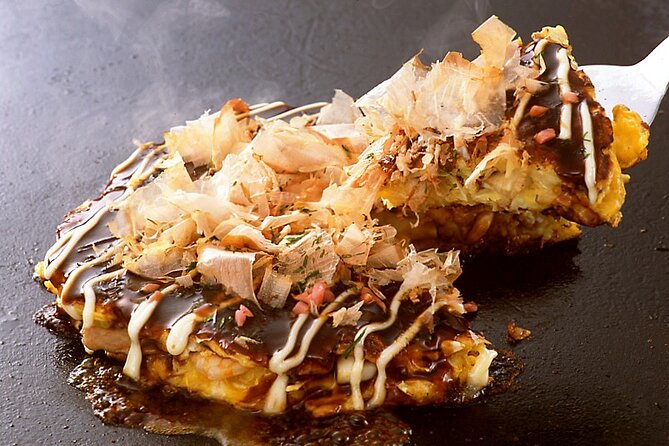
Then it comes together with the classic toppings. Expect condiments like Japanese sauce, mayonnaise, and aonori, the dried seaweed flakes that add that salty, ocean-y finishing touch. It is the kind of ending that makes the whole pancake taste more “finished” than just batter plus fillings.
You can also read our reviews of more food & drink experiences in Tokyo


Finding the class in Shinjuku, and what the mobile ticket means
The meeting point is a specific spot in Shinjuku: a house with flowers at Japan, 160-0022 Tokyo, Shinjuku City, Shinjuku, 3-chōme 67 第6三和ビル 4階. Yes, it’s a mouthful, but it also gives you something useful: you are going to a building address on the fourth floor, not wandering around an outdoor market.
The good news is that the location is near public transportation. That helps because Tokyo can make walking distances feel bigger than they are, and a class that runs about an hour needs you to arrive with a little buffer.
You also get a mobile ticket, which usually means you can keep everything simple on your phone. Do plan for battery life, though. A dead phone during check-in in a fourth-floor building is not a fun way to start cooking.
Private tour setup helps here too. If it is only your group, you are more likely to get clear check-in attention, rather than trying to fit into a wave of people.
What happens during the 1-hour class on the griddle
This is a 1-hour experience, so it moves at a steady pace. The structure is simple: you mix, you assemble, you cook on the griddle, and then you eat your results with the classic toppings.
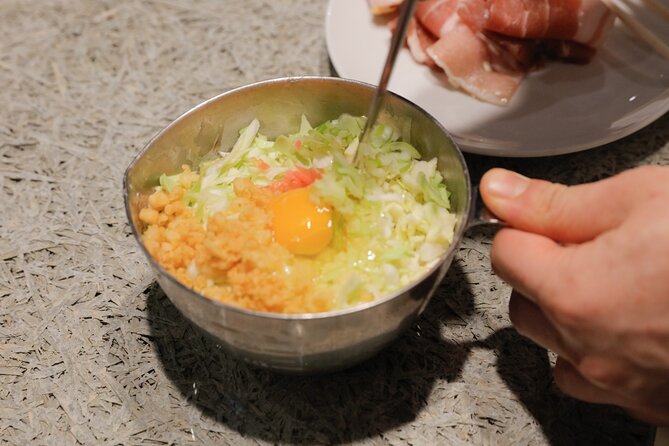
Okonomiyaki batter starts with flour mixed with water, then other elements get folded in. The dish is often described as cabbage-forward, with eggs in the batter and then add-ins based on your chosen style. In other words, you are not dealing with a delicate dessert batter. It is a forgiving savory mix meant for a hot pan and a bit of cooking confidence.
Once the griddle is going, you cook until the pancake sets. The goal is to get that balance of tender inside and browned edges. Since you are cooking, you are also learning by doing, which is why this kind of class feels more like a skill than a “meal event.”
After cooking, you finish it with sauce, mayonnaise, and aonori. That final step is where you see the difference between okonomiyaki that is just food and okonomiyaki that tastes like Tokyo. The toppings are not optional. They are the flavor language.
One extra note that can make the class feel extra worth it: at least one participant said they were able to make a second okonomiyaki to take home. That may not apply to every session, but it is a good sign that the class is not only about one small bite.
Toppings and flavor, sauce and aonori are not decoration
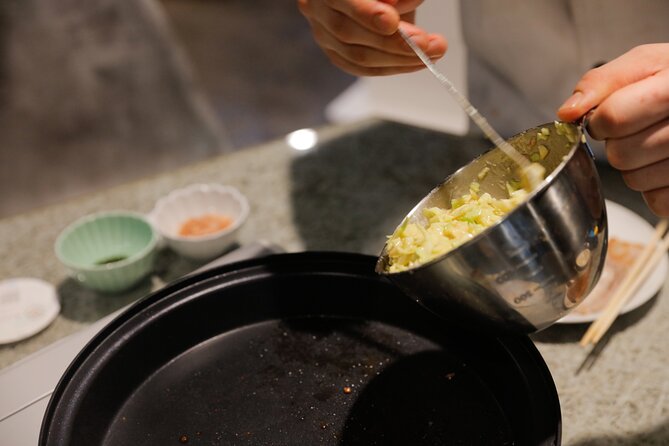
Okonomiyaki can taste “simple” until you get to the toppings. Then it suddenly becomes more complex. Japanese sauce brings a sweet-savory tang. Mayonnaise adds richness and creaminess that cools down the heat from the griddle. Aonori adds that dry seaweed aroma that makes the whole pancake taste coastal, even if your main filling is meat.
I like that the class includes the topping logic. A lot of cooking classes teach how to cook the base, then leave students to guess the finish. Here, the finish is part of the experience: sauce, mayonnaise, and aonori are part of the expected serving.
If you are a toppings person, this section is where you can have fun. If you are not, still try it at least once the classic way. It is hard to overstate how much the final flavor depends on those condiments.
Also, keep your expectations realistic about the texture. Okonomiyaki is not a crepe and it is not a thick American pancake. It is a savory griddle pancake with a unique bite. You will probably like it more after the first few bites because you start to understand the texture.
Price and logistics, does $39.02 feel fair?
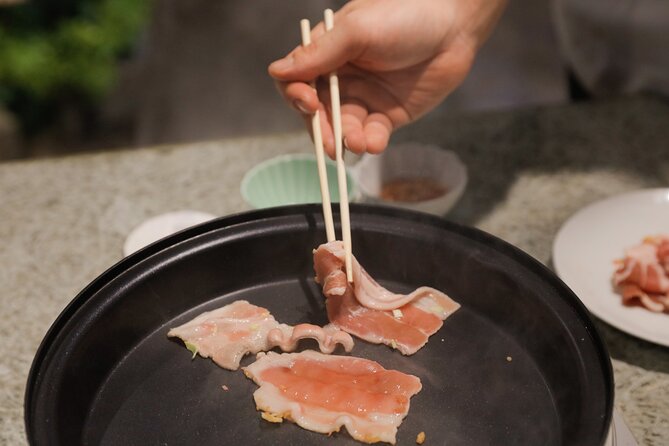
At $39.02 per person, this class has a strong value angle, mostly because it includes all fees and tax. For a Tokyo food activity, that kind of “no surprise costs” pricing is comforting. You are paying for a guided cooking experience, and you are not getting hit later for fees once you’re already there.
The duration also helps the value. At about one hour, this is easy to fit into a day without sacrificing half your sightseeing plan. It is long enough to learn something real, short enough that you can still do other things afterward.
Private group format can add value too. Even if the class is not a long private tour, being with only your group tends to mean less waiting and more attention. That matters for hands-on cooking.
What is not included is worth noting: bottled water, additional meals and drinks, transportation to the meeting point, and lunch or dinner. That is normal for a cooking class, but it does affect your overall day budget. If you need to plan a meal later, do it before you go.
My practical takeaway: if you want a hands-on Tokyo food experience that is short, guided, and tax-included, the price is in the right neighborhood.
More Tokyo tours and experiences for the shortlist


Language support, Nina, and getting real guidance
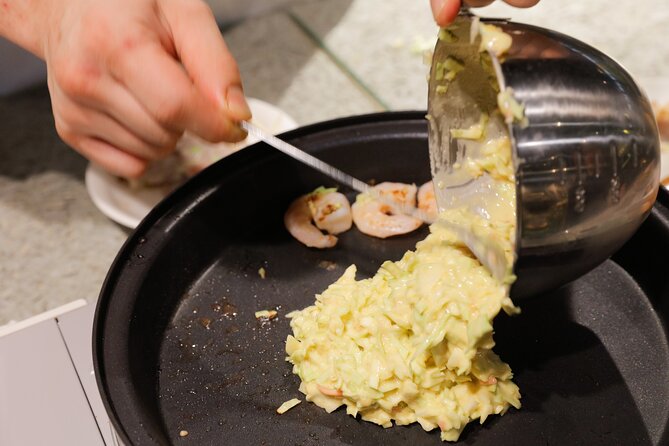
One of the biggest “make or break” factors in a cooking class is whether you understand what to do. Here, English-speaking support is part of the experience setup, and a translator named Nina is specifically mentioned in connection with the class.
In practical terms, English support matters because cooking is timing. If you miss the cue about heat, flipping, or plating, you can end up with a pancake that tastes fine but looks undercooked. When translation is clear, you spend time cooking instead of worrying.
I also like that the class feels welcoming and helpful. Cooking classes are stressful for some people, especially if they are shy about not knowing the steps. When the guidance is friendly, you are more likely to relax and actually enjoy the process, not just complete it.
Who this okonomiyaki class is best for
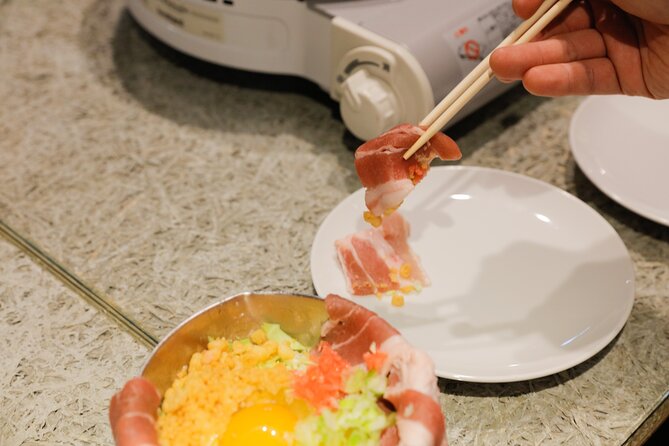
This kind of experience fits best if you want food that is hands-on, not just food you order. It is ideal if you enjoy cooking, or if you enjoy learning how everyday Japanese comfort food is made. The griddle angle is also fun, because the cooking is visible and interactive.
It is also a good fit for solo travelers who want a structured activity with human interaction. Since it is a private group setup, you are not stuck blending into a giant crowd. If you are coming with friends, it can be a low-pressure way to share an activity that results in something delicious.
Most travelers can participate, which suggests the experience is not built for a niche skill level. Still, consider your comfort with cooking time. The class is about an hour, so it is not the place to take a slow sightseeing approach.
If you hate any kind of cooking mess, or you get flustered when you have to follow steps quickly, you might want to think twice. But if you are curious and willing to try, you will likely enjoy it.
Tips to get great results on your first okonomiyaki
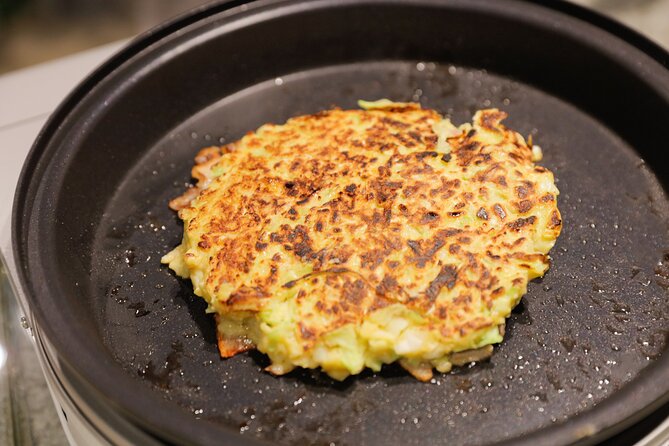
You do not need cooking talent here, but a couple habits help any first-timer. Start by paying attention to the batter consistency. If it looks too thick or too runny, that will affect how the pancake cooks on the griddle.
Next, work with the griddle’s logic. Okonomiyaki needs heat to set and brown. If you keep adjusting too much, you can tear up the texture. Instead, aim for steady cooking and let it do its work.
Finally, do not hold back on the finishing. Sauce, mayonnaise, and aonori are part of the flavor build. Even if you think you will add toppings later, do it right after cooking while things are still at their best eating temperature.
If the class offers the chance to make an extra okonomiyaki to take home, consider how you will keep it from drying out. Use any provided packaging and eat it soon after you arrive back at your day plan.
Booking timing and practical expectations
On average, this experience gets booked about 14 days in advance. If you travel during peak seasons or want a specific day, it helps to lock it in earlier rather than later. Since it runs around an hour, it is also the kind of activity that fills up when people plan focused food mornings or afternoons.
You also want to be mindful that good weather is required. If weather is poor, the experience may be canceled and you are offered a different date or a full refund. That matters more for outdoor components, but even when it’s mostly indoor cooking, the provider can still treat the day as weather-dependent.
One last practical note: bottled water is not included. I’d plan on buying a drink before you start, then focus on cooking without worrying about hydration.
FAQ
How long is the okonomiyaki making experience?
It lasts about 1 hour.
How much does it cost?
The price is $39.02 per person.
Is this experience a private class?
Yes. It is a private tour or activity, and only your group will participate.
What is included in the price?
All fees and tax are included.
What do I need to bring for check-in?
You’ll receive a mobile ticket, and you’ll check in at the meeting point.
Is bottled water included?
No. Bottled water is not included.
Can I choose between seafood and meat okonomiyaki?
Yes. There are two taste options, seafood and meat, and you can choose which one you like.
Will there be English help during the class?
Yes. The experience includes English-speaking guidance, and a translator named Nina was specifically mentioned in connection with the class.
What happens if the weather is bad?
This experience requires good weather. If it’s canceled due to poor weather, you’ll be offered a different date or a full refund.
Should you book this okonomiyaki making experience?
If you want a Tokyo food activity that is short, hands-on, and genuinely fun, I’d book it. The meat or seafood choice, the griddle cooking, and the classic topping finish (sauce, mayonnaise, and aonori) make it more than a one-time meal.
Book it especially if you like comfort food and you enjoy learning how everyday Japanese dishes are made, not just tasting them. If you are budgeting, the price is reasonable because fees and tax are included, but plan to buy your own bottled water and handle meals outside the class.
If you hate cooking steps or want a passive food experience only, this may not be your best match. But for most people who like food and want a memorable Tokyo bite you can say you made, it is a strong choice.
More Food Experiences in Tokyo
More Food & Drink Experiences in Tokyo
More Tour Reviews in Tokyo





Not for you? Here's more nearby things to do in Tokyo we have reviewed












Food & Drink, side by side.
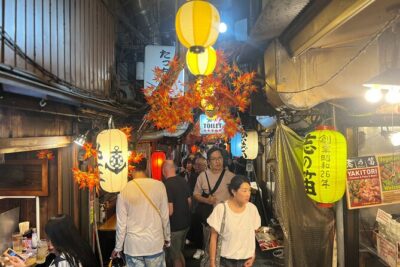 ★ 5.0Shinjuku Food Tour (13 Dishes at 4 Local Eateries)From $866,603 reviews
 ★ 5.0Tokyo Tsukiji Fish Market Food and Culture Walking TourFrom $993,184 reviews
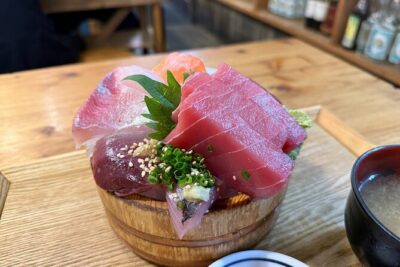 ★ 4.9Shinjuku Food Tour (15 Dishes and 4 Eateries)From $852,033 reviews
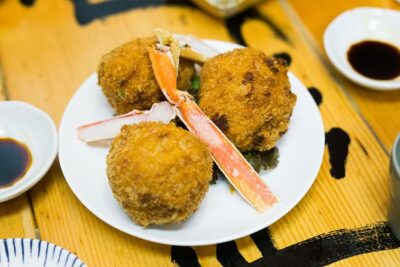 ★ 5.0Best of Shinjuku: Izakaya Food Tour (4 Stops, 14+ Tastings)From $921,863 reviews
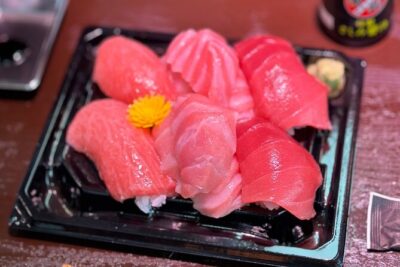 ★ 5.0Tsukiji Fish Market Food and Walking tourFrom $301,724 reviews
 ★ 5.0Eat and Drink Like a Local: Tokyo Ueno Food Tour-Taverns&RamenFrom $95957 reviews
 ★ 5.0Shibuya Food Tour (13 dishes and 4 Eateries)From $77770 reviews
★ 4.7Tsukiji Fish Market Food and Culture Walking TourFrom $96757 reviews
This tour also belongs to