
Review · TOKYO CITY TOURS
Private Tokyo Custom Full-Day Tour by Chartered Vehicle
A private car day in Tokyo can feel like a cheat code. You get a custom itinerary with stops like Tsukiji, Meiji Jingu, Asakusa, Harajuku, Omotesando, and Shibuya, plus hotel pickup and drop-off so you spend less time figuring out transit. My favorite parts are the way the plan can flex to your group and how the guide stays patient with your questions, but note that the day can be packed with people at big sights depending on your travel dates.
This is priced per group, not per person, and that’s what makes the math interesting. With up to four people sharing, the cost can start to look less crazy, especially if you value not wrestling with trains and crowds all day. The one drawback to consider is simple: you are still visiting popular central Tokyo places, so on high-demand dates you may feel the crowd energy more than you’d like.
Key Takeaways Before You Go
- Private chartered vehicle means your group stays together and you can move on your own pace
- Hotel pickup and drop-off from central Tokyo cuts out the start and end scramble
- Free admission at each listed stop helps you control daily expenses (food is still extra)
- A flexible plan lets your guide adjust which major landmarks fit your interests
- Courteous, accommodating guides are a standout, with examples like Yutaka and Toshio who are described as patient and responsive
Why a Private Chartered-Vehicle Tokyo Day Works
Tokyo can be a lot even for confident navigators. With this kind of tour, you get a dedicated driver and private transport, so you’re not constantly switching lines, checking exits, or losing time to transfer chaos.
Two things I really like about this setup. First, you get to slow down where it matters, like taking photos, chatting with your guide, and deciding on the next stop without the pressure of keeping up with a large group. Second, it’s built around a customization idea. The tour wording makes it clear the itinerary is suited to your interests, so you can steer the day instead of passively watching a checklist.
My practical caution is about crowds and timing. Some of the most famous areas in Tokyo can be intense, and the tour includes multiple major sights in one day, so your experience will depend a lot on when you go.
You can also read our reviews of more private tours in Tokyo
Tsukiji Fish Market, One Hour: Where Your Day Starts
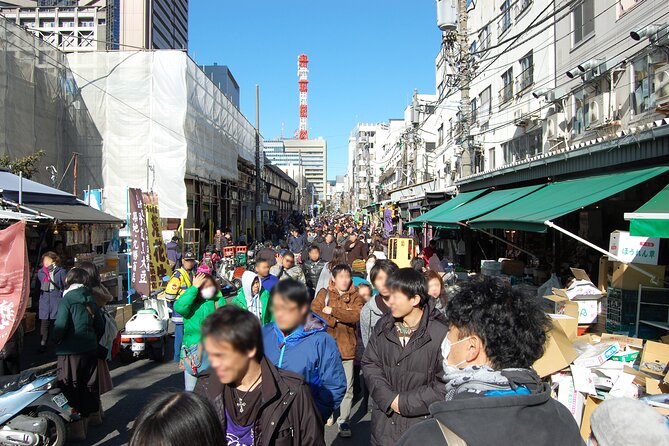
Tsukiji is a strong first stop because it sets a sensory tone fast. The focus here is Tsukiji Market, known for fresh seafood, and the tour plans about one hour in the Tsukiji area. Admission is marked free, which means you can spend your budget on what you actually want to eat instead of ticket fees.
What I’d do with that first hour is keep expectations simple. This stop is short, so aim for quick browsing and a few bites rather than treating it like an all-day market expedition. If your group has strong opinions about food, this is a good place to let your guide help you sequence things efficiently so you don’t waste time deciding.
If your group prefers calmer starts, you might also think about how much you want to linger before the next shrine and temple areas. The tour moves on after the market, so plan for an active morning rhythm.
Meiji Jingu Shrine: Two Gates and a Reset Button
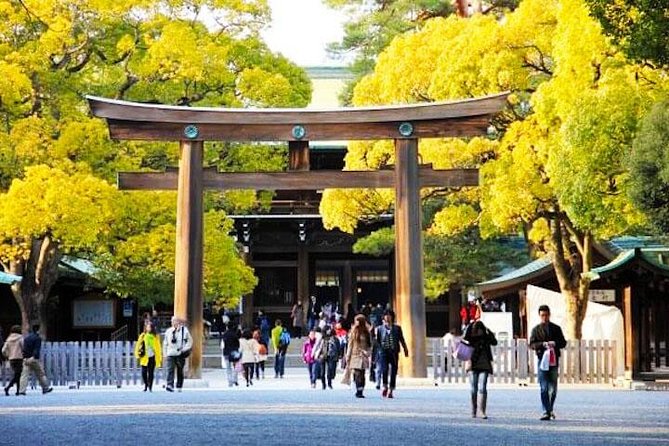
After the market, the tour shifts to Meiji Jingu Shrine, with about one hour set aside. The description highlights two large gates framing the entrance, and the shrine is dedicated to Emperor and Empress Meiji. Admission is also marked free.
This stop works well because it breaks up the day’s pace. Even if you’re not deeply religious, it’s a classic Tokyo contrast point: you’re moving from a food-focused, high-energy area into a shrine setting with a clear visual gateway moment. It’s the kind of place where having a guide can help you connect what you’re seeing to what it represents, especially when you’re walking through those major gates.
The one practical note is that “one hour” can feel different depending on your group. If you like slow photos and extra wandering, you may want to tell your guide you’re okay with adjusting how long you want here versus later shopping streets.
Asakusa and Senso-ji: Thunder Gate Photos Without the Stress
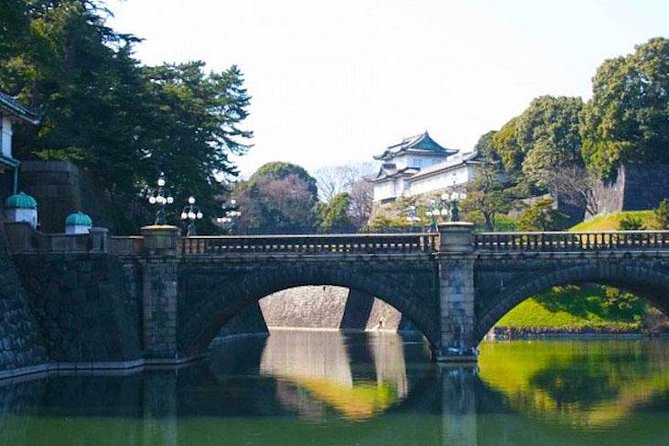
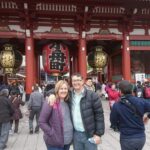
Asakusa is home to Senso-ji Temple, and the tour gives you about one hour here. The approach described is very specific, starting with the Kaminarimon (Thunder Gate), the outer gate of Senso-ji. This is also one of the most popular sights of traditional Tokyo, and admission is marked free.
I like this stop because it’s a clear “Tokyo tradition” moment early enough in the day that it doesn’t feel rushed. When you’re already in Asakusa, you can focus on the iconic entry experience rather than trying to squeeze it in later.
One thing to keep in mind is that this is a high-profile temple area. That means you might see more people than you’d like depending on the day. A private guide helps here because you can ask for pacing suggestions on the spot, rather than being stuck in a rigid group timetable.
Harajuku Station and Takeshita Street: Pop Culture on Schedule
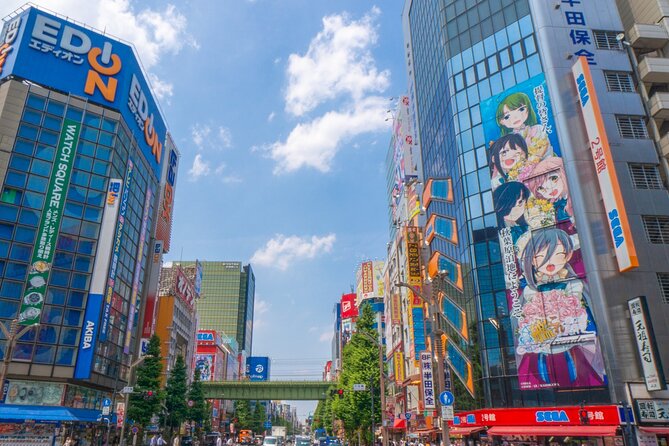
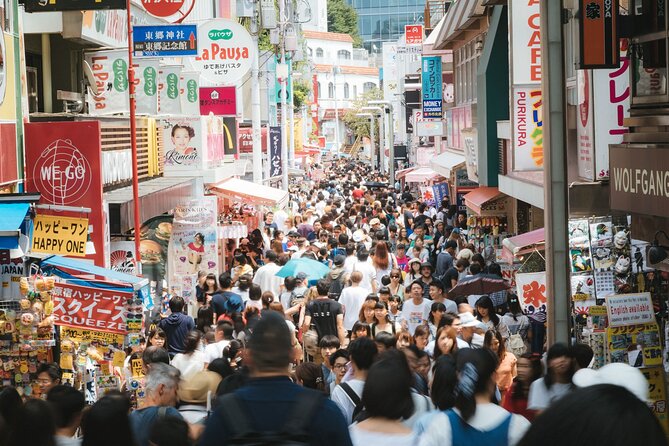
Next comes Harajuku Station and Takeshita Street for about one hour. Admission is marked free for this stop, which is helpful because it’s a place where you might otherwise expect some kind of ticket cost.
This is where Tokyo feels more youth-driven and fast-moving. The tour doesn’t try to turn it into a long shopping marathon, which I appreciate. One hour gives your group a taste of the area without dragging your whole day into purchase decisions and backtracking.
If your group is split between window shopping and browsing, tell your guide your priority early. The advantage of private touring is that the driver and guide can keep things moving while you decide what deserves your attention.
More Tokyo tours and experiences for the shortlist

Omotesando Shopping Area: Contrast After the Street Energy
Omotesando is listed as the next one-hour stop, framed as a shopping area. This part of Tokyo often feels different from Harajuku, more about style and strolling than quick bites and impulse shopping, and it’s a smart transition after Takeshita Street.
Since the tour keeps to a structured sequence, Omotesando is likely timed to give you a breather between the loud energy of Harajuku and the main “wow” intersection later at Shibuya. Admission is marked free here too, so your spending will be voluntary, which is exactly how I like it on a day like this.
If you’re the type who likes to hunt for small souvenirs, this is a good slot. If you’re not shopping-focused, treat it like a walking and people-watching stretch and save money for the food you want later.
Shibuya Crossing: The Big Intersection Moment
The final listed stop is Shibuya, including the crossing, for about one hour. Admission is marked free, and this is a very recognizable Tokyo highlight for first-timers.
I think Shibuya is best handled with a mindset of short and focused. One hour is plenty to get your photos, observe the flow, and then decide if your group wants a bit more time in the area or would rather keep moving.
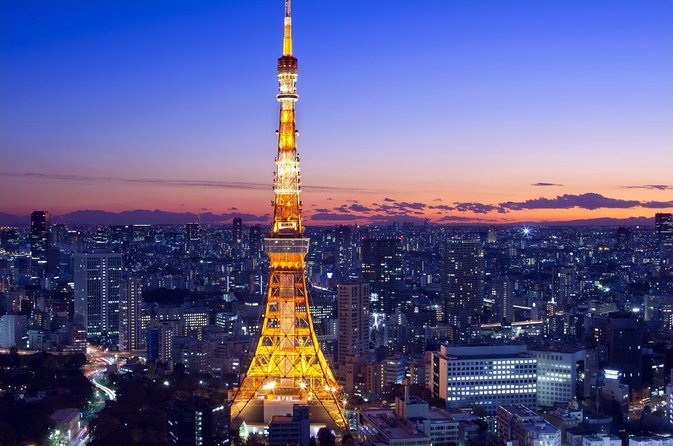
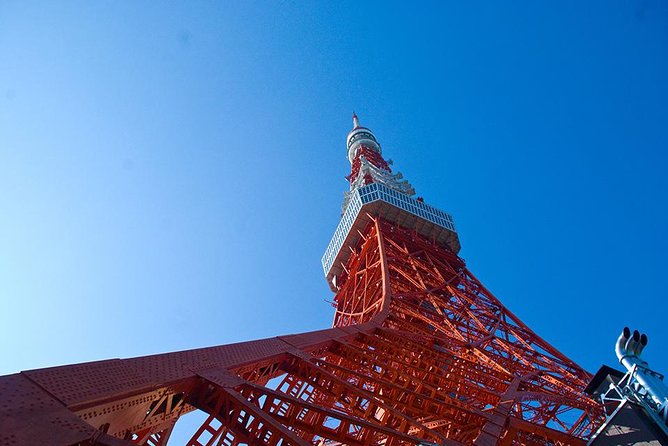
This is also a good moment to ask your guide how the day feels so far. Since the tour is built for customization, your guide can help steer what comes next, especially if you want to add or swap major landmarks like Tokyo Tower, the Imperial Palace, or Edo Castle, which are mentioned as possible interests.
How Customization Actually Feels During the Day
The word customization can sound fluffy, but the way this tour is described gives it real meaning. You’re in a private vehicle, you have a dedicated guide, and the itinerary is described as suited to your interests. That combination is what turns “custom” into something you can feel.
Here’s what that looks like in practice. Your guide can help you choose which attractions to prioritize, including major historic and landmark options such as the Imperial Palace, Edo Castle, and Tokyo Tower, alongside the day’s core neighborhoods. If your group is photography-heavy, you’ll likely spend more time at the moments you care about. If someone in your party just wants the highlights without extra walking, the guide can adjust pace.
It also helps that the guides and drivers reported in the experience descriptions are described as flexible. One guide name that pops up in feedback is Yutaka, described as providing a lot of information and being patient with questions. Another name you may run into is Toshio, described as courteous and super accommodating. For the driver, Tetsuo is mentioned as polite and cheerful. Those personality traits matter more than people expect, because they affect whether your day feels smooth or stressful.
Price, Value, and Who This Tour Makes Sense For
The price is $1,273.75 per group (up to 4) for an 8-hour day. That’s not cheap on a per-person basis, so I’d look at it like this: you’re paying for convenience, private transport, and a dedicated guide, not for a pile of paid attractions.
The value math improves if:
- You’re traveling with up to three others and can share the group cost
- You want hotel pickup and drop-off from central Tokyo
- You care about flexibility, not just seeing a fixed list
- You’d rather pay for fewer logistical headaches
If you’re solo or a couple with no interest in customizing, you might find the cost harder to justify. But if your group is the type that likes to stop, talk, and adjust, this tour fits that style.
One more angle: most listed admissions for the planned stops are marked free. That reduces the chance of surprise ticket costs, leaving food and a few extras as the real variables.
Logistics That Matter: Pickup, Timing, and Comfort
This tour starts at 9:00 am, and the structure is built around a full-day rhythm, about eight hours total. Hotel pickup and drop-off are included, which is huge in a city where getting across town can eat up time.
You also get a driver and transport by private vehicle, plus a guide. That means you’re not negotiating language barriers for directions or trying to interpret what you’re seeing as you go. You have one point of contact for the day, and your guide can steer you through questions as they come up.
There’s also a small practical detail that helps: the tour includes a mobile ticket and is described as near public transportation. That doesn’t replace pickup, but it can help if plans change.
Parking fees are not included, so you might not want to assume parking costs are absorbed if the route requires it. Food and drinks are also not included, so bring a plan for meals, especially since the itinerary includes multiple stops.
Best-Fit Travelers: Who Will Enjoy This Most
I’d recommend this tour to:
- First-timers who want to hit several iconic Tokyo areas in one day without doing transit homework
- Small groups who want control over pacing and photo time
- People who prefer a guide who answers questions calmly and adjusts on the fly
- Families or mixed-age groups that benefit from a private vehicle between walking segments
If your group loves wandering independently and you’re confident with Tokyo transit, you might not need this much structure. But if you want your day to feel planned, flexible, and low-stress, the private setup is the point.
Also, the experience is described as most travelers can participate, and it is private, so only your group joins. That privacy matters if you want a more personal conversation with your guide rather than a rigid, crowded group dynamic.
Should You Book This Private Full-Day Tokyo Tour?
Book it if you want a private, flexible Tokyo day with hotel pickup, a dedicated guide, and a route that hits the big recognizable areas. The strongest case is the combination of logistics plus responsiveness, with reported guides like Yutaka and Toshio described as patient and accommodating, and a cheerful, polite driver like Tetsuo.
Don’t book it if you’re traveling solo and can’t share the per-group cost, or if you want an entirely unstructured day with no itinerary rhythm. Also watch the calendar, because major sights can get packed, and this tour concentrates on several of them in one stretch.
If you like your Tokyo with a driver, and you want to focus on what you care about rather than transit and timing, this is a solid way to spend a first full day.
FAQ
What is the duration of the private Tokyo tour?
The tour lasts about 8 hours.
What does the tour cost, and how many people can go?
The price is $1,273.75 per group, up to 4 people.
Is hotel pickup and drop-off included?
Yes, hotel pickup and drop-off from central Tokyo is included.
What stops are included during the day?
The planned stops are Tsukiji Fish Market, Meiji Jingu Shrine, Asakusa (Senso-ji area), Harajuku Station and Takeshita Street, Omotesando shopping area, and Shibuya crossing.
What is included and what is not included?
Included: driver, transport by private vehicle, guide, and hotel pickup and drop-off. Not included: food and drinks, and parking fee.
When does it start, and how does cancellation work?
It starts at 9:00 am. You can cancel up to 6 days in advance for a full refund.
More Private Tours in Tokyo
More Tours in Tokyo





More Tour Reviews in Tokyo


Not for you? Here's more nearby things to do in Tokyo we have reviewed












Tokyo City Tours, side by side.
 ★ 5.01-Day Tokyo Bus TourFrom $12914,250 reviews
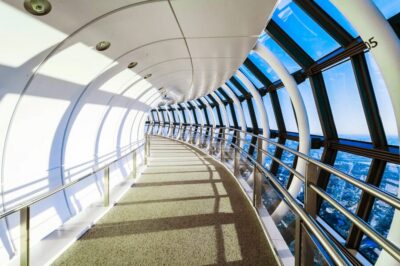 ★ 4.5TOKYO SKYTREE® Admission ticketFrom $1311,192 reviews
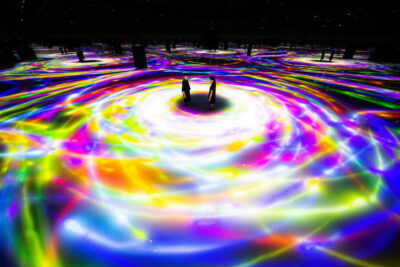 ★ 4.6teamLab Planets TOKYO Digital Art Museum Entry TicketFrom $259,779 reviews
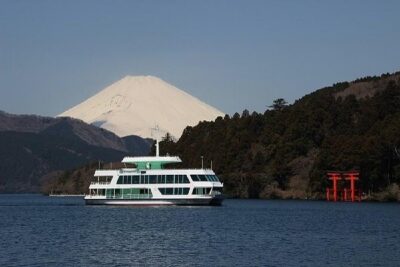 ★ 4.0Mt Fuji & Hakone Cruise, Drum Show Bullet Train 1 Day from TokyoFrom $1497,413 reviews
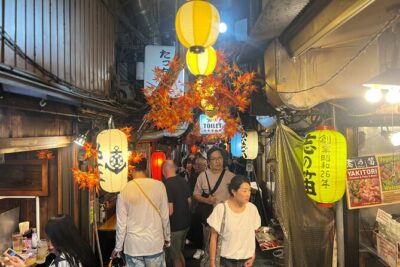 ★ 5.0Shinjuku Food Tour (13 Dishes at 4 Local Eateries)From $866,603 reviews
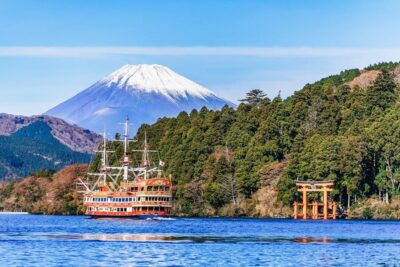 ★ 4.4Tokyo Mt Fuji 5th St & Hakone Cruise Bus Tour w/Bullet TrainFrom $1545,024 reviews
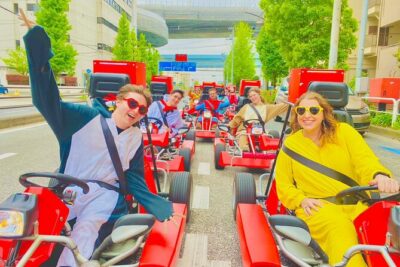 ★ 5.0Flagship 2-Hours Official Street Go-Kart Tour – Tokyo Bay ShopFrom $644,974 reviews
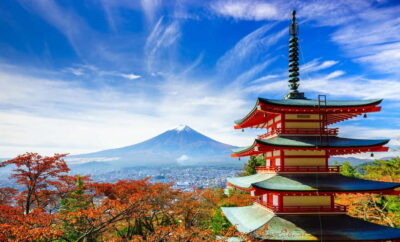 ★ 4.5From Tokyo: Mount Fuji Full-Day Sightseeing TripFrom $684,970 reviews