
Review · TOKYO CITY TOURS
Private Tokyo with Exceptional Guide Tailored to Your Needs
A private guide changes Tokyo fast. This is a custom Tokyo day where you pick the sights and the pacing, with real neighborhood time instead of rigid bus stops. The best part is that you’re not stuck doing the same top-10 loop every visitor does, because your guide adjusts the route to your interests and energy.
I especially like the balance of big landmarks and smaller local streets. You can start at Tsukiji’s snack-hunting, hit historic temples like Senso-ji, then pivot to pop culture areas like Akihabara or shopping lanes such as Yanaka Ginza, all without you figuring out every train change. One caution: lunch and some on-site costs are on you, so plan a little extra budget for meals and any paid admissions where the guide also needs access.
Key things to know before you go
- You choose the pace and the places, from 2 to 3 stops for about 4 hours, or 4 to 5 for about 8 hours
- Hotel pickup makes day one easier, especially if you land jet-lagged or you just want to start moving right away
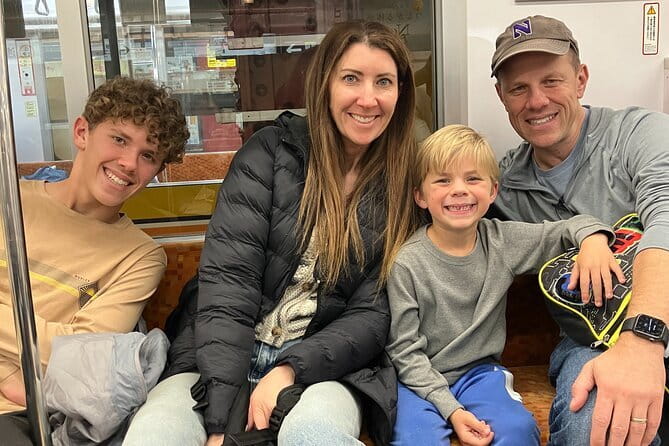
- Public transport is part of the experience, and many guides help you learn the system so you can ride it later too
- You can upgrade to a private car, useful when weather turns or your group wants less walking
- Guides bring personality and planning, with standout feedback about guides like Hitomi, Miyuki, Kaz, and Miho
- Expect added value beyond sightseeing, like practical advice for what to do next in Tokyo (and sometimes help with big-ticket planning)
How This Private Tokyo Tour Works With Your Time
This tour is built around choice. You’re not assigned a fixed route, so your day can be light and scenic, or packed with temples, markets, and shopping. The typical structure is straightforward: for a 4-hour tour you select about 2 to 3 places, and for an 8-hour tour you select about 4 to 5 places.
That stop-count matters more than it sounds. Tokyo can swallow hours fast when you’re traveling between areas, so limiting the number of stops keeps the day from turning into a sprint. You also get an English-speaking guide, plus bottled water, so you’re not juggling hydration and translation at the same time.
A nice bonus is that you’ll get advice on future plans from your guide. That can be as simple as telling you which neighborhood fits your interests next, or giving practical tips about how to structure the rest of your trip.
You can also read our reviews of more guided tours in Tokyo
Picking Public Transport vs Private Car (and Why It Changes Everything)
You’ll usually have two ways to move through Tokyo: ride public transport like a local, or upgrade to a private car. If you choose public transport, it’s recommended that you buy Tokyo Subway tickets (24-, 48-, or 72-hour passes) in advance.
Here’s the real-world difference. Public transport is slower in short bursts, but it also gives you something important: you see how people actually live and move around the city. Guides can help you avoid the most annoying parts, like incorrect station exits or timing mismatches. In one review, the guide experience included real coaching on how to use the system along with Google Maps, so the trip didn’t end when the tour ended.
Private car is the calmer option. It can save walking time, reduce transfers, and help if someone in your group has lower stamina. But you give up some of that street-level Tokyo texture you get when you ride trains and walk a few blocks between stops.
A Typical Day’s Mix: Food Markets, Sacred Sites, and Real Neighborhood Streets
The stops you pick can range from famous to very “only locals would suggest this.” In practice, the best itineraries tend to alternate between sensory experiences and slower cultural moments. Start with something active like Tsukiji, then shift into temples and shrines where you can slow down and actually notice details.
A lot of the joy here is in how the guide frames each place. Reviews highlighted guides who explain history and context along the way, not as a lecture, but as quick background that helps you understand what you’re looking at. That makes photos more meaningful too, because you know what the icons mean and when to pay attention.
If you’re visiting Tokyo for the first time, a day like this is a smart way to create a foundation. Later, when you return on your own, you’ll understand where neighborhoods sit in relation to each other.
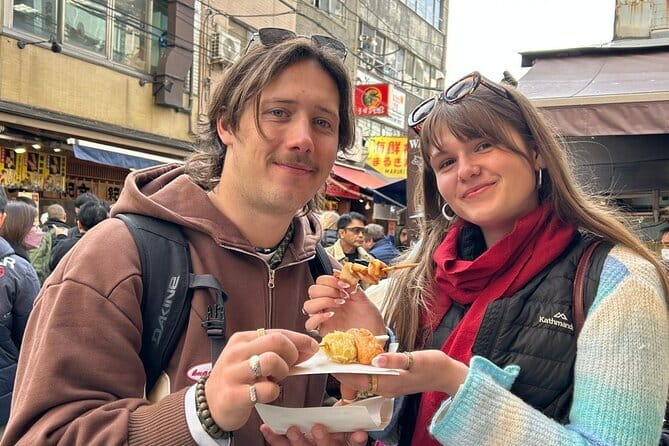
Tsukiji Fish Market: Snack Hunting and Street Energy
Tsukiji Fish Market is one of those places that’s fun even if you’re not a hardcore seafood person. The tour experience here is less about formal shopping and more about watching the flow of people and soaking in the food atmosphere.
What I like about this stop is how quickly it grabs your senses. You can browse for snacks, see fresh seafood, and catch that behind-the-scenes vibe that makes the area feel alive. The visit is typically around one hour, so it stays focused, and you can move on before crowds and heat get too intense.
Practical tip: bring cash for small bites. Even with modern payment systems around, you’ll often find the easiest snack buys work smoothly with small bills.
Senso-ji in Asakusa: Big Lanterns, Fortune Rituals, and Classic Tokyo
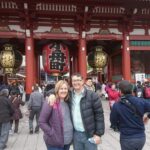
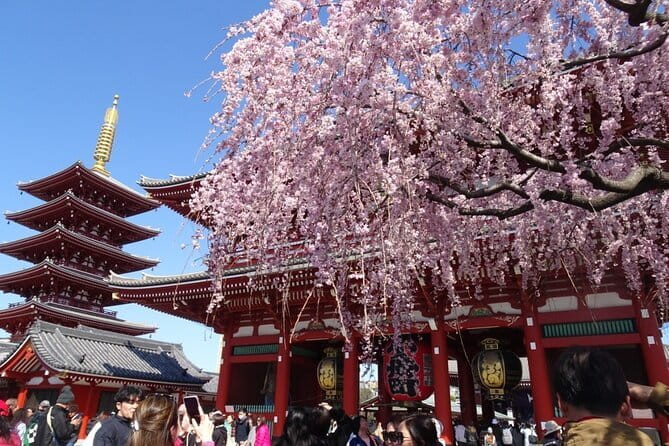
If you only visit one temple area for atmosphere, Senso-ji is the one. The setting is instantly recognizable, with the huge red lanterns and the feeling that the traditions of old Tokyo still matter here.
What makes this stop special on a guided day is the chance to do the small rituals without feeling lost. In feedback, one guide-led experience included doing omikuji, the fortune telling you can write, read, and hang up for luck. That’s the kind of thing you might skip if you’re just rushing through.
You usually get about one hour here, which is enough to see the main area, browse nearby street snacks, and still have time to keep your energy for what comes next.
You can also read our reviews of more private tours in Tokyo

Meiji Jingu Shrine: A Green Reset From the City
After the sensory intensity of market and street scenes, Meiji Jingu offers a reset. This shrine is known for its sacred feeling and the lush tree landscape that softens the city noise.
Plan for about one hour. It’s not a “speed walk” stop. You’ll likely spend time just taking in the atmosphere and the way the pathways guide you through the space.
If your itinerary includes both Meiji Jingu and more high-energy areas later, this is a good place to refill your attention. A guide can also help you understand the etiquette and what to notice, so the visit feels respectful without being stressful.
Shibuya Crossing and Hachiko: Photo Stop With Less Time Pressure
Shibuya Crossing is famous for a reason, but it can also feel chaotic if you don’t know where to stand. Having a guide helps you pick practical viewing points and timing, so you’re not spending your whole hour just trying to find the right angle.
This stop is usually shorter, around 30 minutes, and you’ll likely do a quick video or photo moment. The area also connects to the Hachiko statue, which adds a story element if you know what to look for.
If you’re traveling with teens or anyone into pop culture, Shibuya often becomes a highlight because it feels like modern Tokyo on full volume.
Imperial Palace: Moats, Stone Walls, and the Edo Castle Legacy
The Imperial Palace area is a different kind of Tokyo. It’s grand, but it also feels more spacious and reflective compared to dense shopping streets.
You’ll spend about one hour here. The moat and massive stone walls create a clear “this was built for defense” feeling, and the park-like space gives you room to breathe.
If you like context, ask your guide what used to sit on this land historically. Reviews praised guides for weaving history into the walk, which turns this from a quick photo stop into a place that makes more sense.
Akihabara: Otaku Culture Without the Confusion
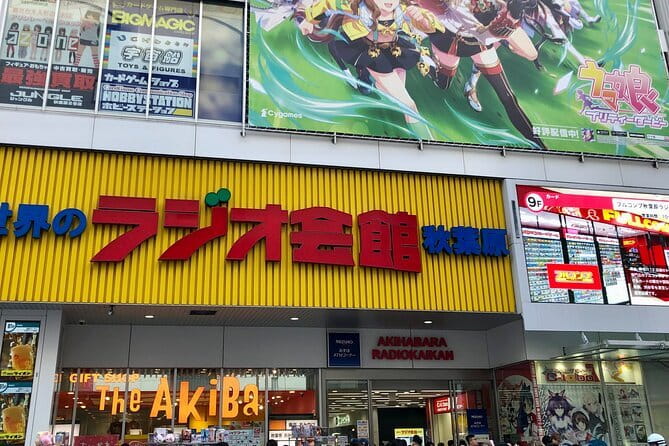
Akihabara is where anime, games, and manga culture show up in big, visible ways. It’s fun, especially if you’re curious but don’t want to get stuck wandering between loud storefronts with no clue what you’re looking at.
Expect about 30 minutes for a quick pass. On a guided day, the value is knowing what to see fast, and what’s worth skipping based on your interests. This keeps you from spending your Tokyo time aimlessly.
If you’re a collector type, tell your guide what you like (figures, vintage items, games, related merchandise). You can then aim your route instead of just following the crowd.
Yanaka Ginza: Old Tokyo Streets for a Slower Hour
For something more relaxed, Yanaka Ginza Shopping Street is a strong choice. The lanes keep traces of older Tokyo, and it’s the kind of place where you can see locals casually eating and browsing.
You’ll often have about one hour here, and that’s perfect for slow wandering and small treats. If your group likes photography, this neighborhood tends to deliver because it doesn’t look like the newest Tokyo districts.
This is also a good “cool-down” stop between major sightseeing hubs. You’ll leave it feeling like you actually saw how Tokyo looks away from the biggest tourist grids.
Omotesando and Takeshita Street: Architecture and Street Style Contrast
Omotesando is known for striking buildings by major architects and has a stylish, fashion-forward vibe. It can feel like Tokyo’s answer to an artful boulevard.
Takeshita Street, on the other hand, is more youthful and playful, famous for cute fashion and photo-friendly bits like Rainbow Cotton Candy. It’s often a 30-minute stop, so it works well as a quick hit if you’re curious.
Putting these together can be a fun contrast day: design-forward elegance in one pocket, then pop energy in the other. A guide helps you avoid feeling like you’re doing two random stops that don’t connect.
Ueno Park and Nearby Culture: Museums, Shrines, and Seasonal Moments
Ueno Park is a flexible choice. It’s famous for cherry blossoms, but it has more going on than seasonal sightseeing. Depending on timing and your interests, this stop can include museums and the Ueno Toshogu shrine area.
The tour data points out that Ueno Toshogu is connected to the Tokugawa legacy. That gives you a chance to move from nature and strolling into a more historical stop without switching locations too radically.
If you like a mix of parks and culture, Ueno is a practical anchor. It also gives your day a change of pace from shopping streets.
Optional Local Stops: Weather Shrines, Maneki Neko, and Contemporary Breaks
Your guide may weave in smaller experiences that feel very Tokyo. These are the kinds of stops that often become the story you tell later because they’re specific and a bit unusual.
Some examples mentioned in the experience options include:
- a weather prayer stop at a shrine connected to forecasting good conditions
- a Maneki Neko story stop, tied to the origin of beckoning cats
- a break at Takashi Murakami’s Cafe, mixing contemporary art with a calm pause
- Teishakuten Temple for Japanese garden scenery and sculptural details, plus dumplings
You’re not forced to do everything. The whole point of the private setup is that you can choose what fits your mood and your interests.
Why the Guides Feel Exceptional in Real Life
The standout pattern across the feedback is not just that guides are friendly. It’s how they work with you.
Communication shows up again and again. One experience described WhatsApp contact and planning before arrival, with frequent suggestions sent ahead of time. Another noted that the guide asked what you wanted to see in advance and scheduled the time appropriately, so the day felt organized instead of rushed.
You’ll also see a theme of teaching, not just showing. Guides like Hitomi, Miyuki, Kaz, and Miho were praised for sharing history in a way that helps you connect the dots, and for explaining how to use public transport so the learning doesn’t end when the tour ends.
And yes, guides can sometimes help with bigger planning wins. One review described help securing difficult tickets for Ghibli Museum, and another mentioned a Samurai sword experience through the guide’s connections. Those are not guaranteed elements of every day, but they show the level of effort some guides bring when they can.
Value and Timing: Is $151.54 per Person a Good Deal?
At $151.54 per person, what you’re paying for is a private, English-speaking guide plus practical help that saves time and stress. Hotel pickup is included, and there’s bottled water, plus guidance for future plans.
The real value comes from what’s not obvious at first: Tokyo is a city where small navigation mistakes and slow transit planning can waste hours. Paying for a guide means you trade money for time and confidence. You also avoid the common trap of trying to do too much yourself, then getting worn out before you reach the neighborhoods you came for.
Just budget for the extras. Lunch is not included, and entrance fees can apply, especially if you want the guide to accompany you inside a paid facility. If you’re the type who likes full meals and paid attractions, plan to handle those costs directly with your guide.
Who This Tour Suits Best
This tour fits best if you:
- want a first-day Tokyo orientation without the usual trial and error
- like mixing iconic sights with neighborhood streets
- are traveling as a family, couple, or small group that wants flexibility
- prefer learning practical transport so you can move around the rest of the trip confidently
- want a route that matches your interests, not a generic checklist
It may be less ideal if you only want one or two ultra-specific sites and you know Tokyo well already. With a custom tour, you pay for that guidance, so it shines when you actually plan to use it.
Should You Book This Private Tokyo Tour?
I think it’s a strong choice if you want Tokyo to feel organized from the start. The private format, hotel pickup, and the option to use public transport with guidance make it a practical way to see a lot without feeling frantic.
Book it if you’ll take advantage of the customization. Bring your must-sees, tell your guide what you care about, and let them shape the order and pacing. If your main goal is to check off a few landmarks with minimal planning, you’ll still enjoy it, but you might get less value out of the guide time.
One last tip: pick your 4 or 8-hour stop count carefully. If you choose too many, the day will feel crowded no matter how good the guide is. Choose fewer stops, linger where it matters, and let the neighborhoods do their job.
FAQ
How long is the private Tokyo tour?
The tour runs about 4 to 8 hours, and you can choose half-day or full-day timing to match your schedule.
Can I choose which places to visit?
Yes. You can select 2 to 3 places for a 4-hour tour, or 4 to 5 places for an 8-hour tour. Your guide can also recommend options based on your interests.
Is hotel pickup included?
Pickup is offered, which makes it easier to start your day without figuring out meeting points.
Do we use public transport or a private car?
You can travel like a local using public transport, or you can upgrade to a private car option.
What should I budget for during the tour?
Lunch is not included. Entrance fees may also apply, especially if you want the guide to accompany you into facilities that charge admission.
When will I get confirmation after booking?
Confirmation is typically received within 48 hours of booking, subject to availability.
What if weather is poor?
This experience requires good weather. If it is canceled due to poor weather, you will be offered a different date or a full refund.
More Private Tours in Tokyo
More Guided Tours in Tokyo


More Tour Reviews in Tokyo






Not for you? Here's more nearby things to do in Tokyo we have reviewed












Tokyo City Tours, side by side.
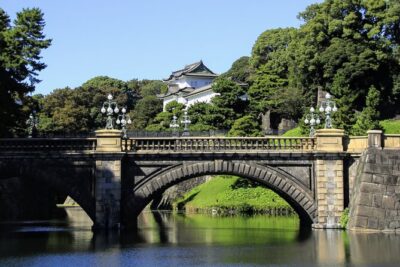 ★ 5.01-Day Tokyo Bus TourFrom $12914,250 reviews
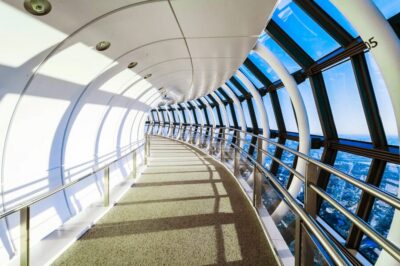 ★ 4.5TOKYO SKYTREE® Admission ticketFrom $1311,192 reviews
 ★ 4.6teamLab Planets TOKYO Digital Art Museum Entry TicketFrom $259,779 reviews
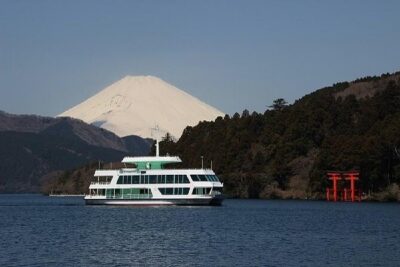 ★ 4.0Mt Fuji & Hakone Cruise, Drum Show Bullet Train 1 Day from TokyoFrom $1497,413 reviews
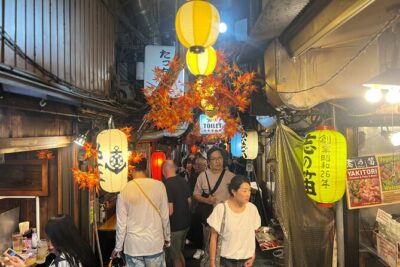 ★ 5.0Shinjuku Food Tour (13 Dishes at 4 Local Eateries)From $866,603 reviews
 ★ 4.4Tokyo Mt Fuji 5th St & Hakone Cruise Bus Tour w/Bullet TrainFrom $1545,024 reviews
 ★ 5.0Flagship 2-Hours Official Street Go-Kart Tour – Tokyo Bay ShopFrom $644,974 reviews
 ★ 4.5From Tokyo: Mount Fuji Full-Day Sightseeing TripFrom $684,970 reviews