
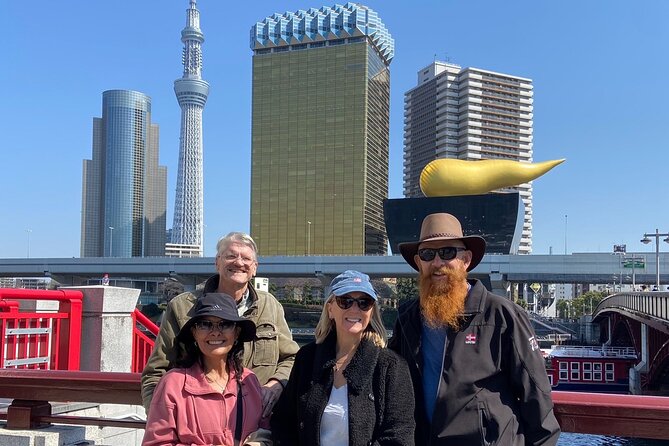
Review · GUIDED
Private Tour Guide in English or Spanish (Español)
Tokyo can feel like a lot on day one. This private tour gives you a guided path through major neighborhoods without the stress of finding your way. I like the hotel pickup setup, and I also like that the experience stays private for your group only, so the pace can match you. One thing to consider: with 2 to 4 hours and many stops, you will see a lot, but you will not get long, deep time at every single place.
The route is a smart mix of Tokyo icons, from temple streets to pop-culture blocks, plus big-city energy at Shibuya and Shinjuku. You also get a guide who can help with practical stuff like metro navigation and what to do when you step into crowds. A possible drawback is that public transport costs and any paid add-ons are on you, so bring a bit of cash or a transit card and do not expect everything to be included.
If you are doing your first Tokyo trip, this is a great way to get your bearings fast and leave with ideas for what to return to next.
Key highlights worth your time
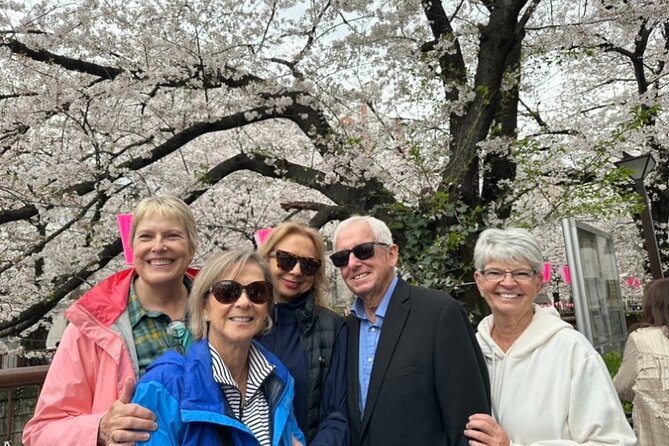
- Hotel pickup, no meeting place: your guide meets you at your hotel so you start moving quickly
- English or Español tour: choose your language for a smoother first-day experience
- Private for your group only: no blending into strangers, which helps with kids and slower walkers
- Seven major areas in a few hours: temples, markets, electronics, and two of Tokyo’s biggest districts
- Free admission at the core sights: the listed stops have free entry, so your time stays flexible
- Guides who adjust the pace: people mention guides like Taisei, Himena, Chisato, Tai, and Junsei as attentive and responsive
A first-day Tokyo sweep with hotel pickup and a private pace
I love tours that respect your time. Tokyo transit is good, but it can still feel like a maze the first day. Here, the guide can pick you up at your hotel, which means you skip the whole scramble of finding a meeting point with jet lag, rain, or an overpacked day bag.
The private format is also a big deal. In a group tour, you often end up orbiting the most aggressive walkers and hoping you can keep up. With a private guide, you can set your own tempo. Many people talk about guides taking special care of pacing, including groups with kids and families, and even adjusting when someone wants to walk slower or needs extra time to regroup.
One more practical win: because you are not stuck to a huge group rhythm, you can ask questions that actually matter to you, like how to move through busy areas, how to handle transit transfers, and what neighborhoods fit your interests.
You can also read our reviews of more guided tours in Tokyo
Price and what you really get for $58.27 per person
At $58.27 per person, this tour can be a strong value if you are coming in with limited Tokyo knowledge and limited time. The big value is not just the sights, it is the guidance and planning overhead that a private guide removes. In other words, you are paying to avoid the trial-and-error phase of getting around.
Here is the honest breakdown of what is included versus what you pay separately:
Included:
- Hotel pickup
- An English speaking tour guide (and you can choose English or Spanish for the tour)
Not included:
- Public transportation fees (you pay your own transit costs)
- Any paid entrance fees for extra attractions
- Lunch or dinner and drinks
- Private transportation
- Use of bicycle
So yes, you might still spend a bit on trains and occasional optional tickets. But the core stops on the route list are free admission, which helps keep your overall day under control.
If you compare this to doing the same route on your own, the math usually depends on one thing: do you want to spend time figuring out transit and logistics, or do you want to spend that time actually seeing Tokyo?
Picking your English or Español guide, and making the day your own
You can choose an English or Spanish tour, which is huge for first-timers. Tokyo is full of helpful signage, but having a guide who can explain what you are seeing, how neighborhoods work, and where to stand for photos makes the experience feel easier from minute one.
The other quality to look for is flexibility. People describe guides like Taisei and Himena as communicative and ready to shape the itinerary around the group. That can mean emphasizing what your family wants most, slowing down when kids need breaks, or skipping around the order of areas to match energy levels and interests.
A practical tip: email or message in advance with your must-sees and your must-avoids. Even with a set route, the guide can often steer the day toward what matters most, like temple time versus shopping time, or pop-culture stops versus viewpoints.
The route that hits seven icons in 2 to 4 hours
This is a fast, well-paced sampler tour. Expect walking and transit in between areas, plus short time blocks at each stop. That is not a flaw. In Tokyo, one of the biggest mistakes first-timers make is trying to do everything alone and ending up spending half the day moving and half the day asking where to go next.
The stop order matters too, because it creates a flow from classic Tokyo atmosphere (temples) to food-market energy, then into pop culture, and finishing with major city districts. With 2 to 4 hours, treat each stop like a highlight reel, and use your guide’s context to decide what you want to return to later.
Asakusa and Senso-ji Temple: old Tokyo street energy
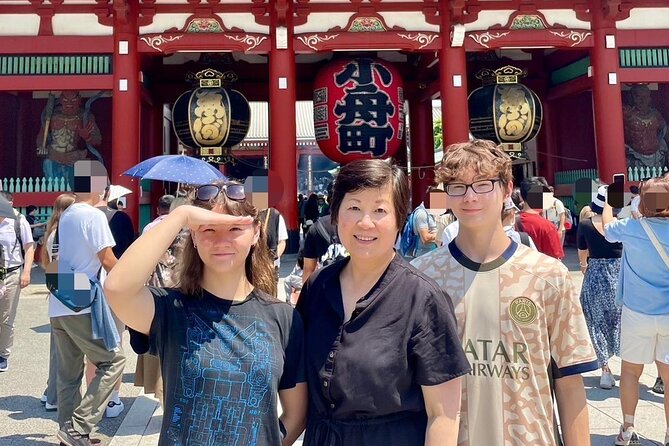
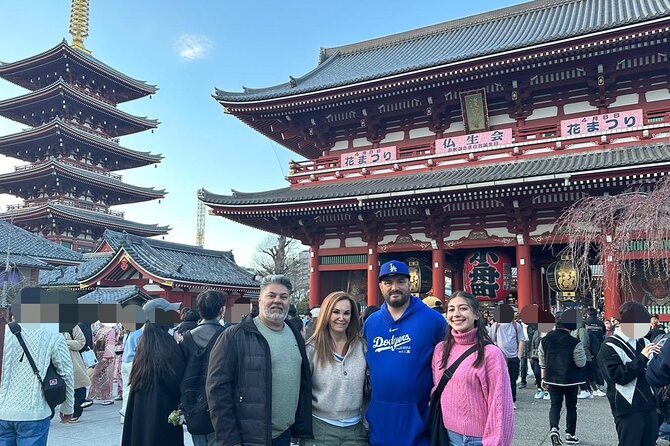
Asakusa is one of the easiest places in Tokyo to feel the city’s traditional side. Your stop centers on Senso-ji, a Buddhist temple with free admission. Even if you only spend about half an hour, you can still soak up the sights and understand why Asakusa remains a top name on any Tokyo list.
The practical benefit of a guided stop here is direction. Temple areas can be confusing when you are trying to photograph and walk at the same time, especially around peak foot traffic. A good guide helps you know where the key areas are, how to move through crowds, and what to pay attention to.
The small drawback: because time is limited, you will likely focus on the main sights and nearby streets rather than slower side lanes. If you want a longer, deeper temple wander, you might use this tour as the warm-up and plan a return.
You can also read our reviews of more private tours in Tokyo

Meiji Jingu Shrine: a breather away from the chaos
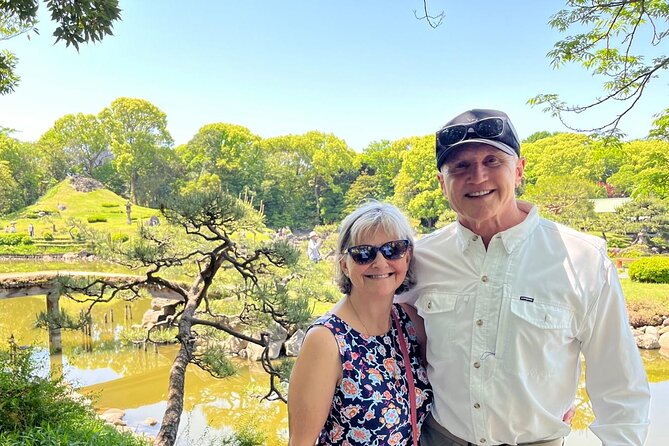
Next comes Meiji Jingu Shrine, also free entry. This stop is about contrast. One moment you are in a busy neighborhood, and the next you are in a calmer, shrine-focused environment. People often appreciate this timing because it resets your brain before heading into the more energetic districts.
With about 30 minutes on the route, you can still appreciate the shrine setting and learn the basic context of why it is dedicated to Emperor Meiji. A guide also helps you understand the flow of a shrine visit, where to look, and what you are seeing so it feels more than just photos.
Consideration: if you prefer long, quiet time, you may want to add a separate visit later. But as part of a short first-day route, it is a smart use of time.
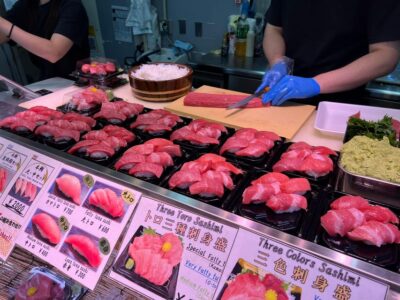
Tsukiji Fish Market: seafood world without the guesswork
Your route includes Tsukiji Fish Market for about 40 minutes. The market is famous for seafood variety and energy, and having a guide helps you handle the practical side, like where it is easier to walk and how to take in the sights without getting in everyone else’s path.
Also, since admission is listed as free, you can focus on the experience rather than ticket hassles. If you want to taste something, you will still be responsible for food and drinks during the tour, but at least you know it is your call.
One thing to keep in mind: market areas can get crowded and involve lots of stairs and foot traffic. If you are not comfortable standing for a while, tell your guide early so they can adjust how you move through the area and where you pause.
Akihabara: electronics and anime at walkable speed
Then you jump into Akihabara, known worldwide as Electric Town, with about 40 minutes. This is a great stop if you like electronics, gaming culture, anime, and the whole pop-culture vibe that Tokyo exports globally.
A private guide adds real value here because it is easy to get turned around when you are scanning storefronts and trying to compare shops. The guide can point out where to focus based on what you care about, whether that is gadgets, character goods, or game-related stores.
Possible drawback: Akihabara can be tempting to overstay. With limited time, it helps to decide ahead of time what you want from this stop so you do not end up spending all your minutes inside the first store you enter.
Shibuya Crossing: one photo stop, big Tokyo energy
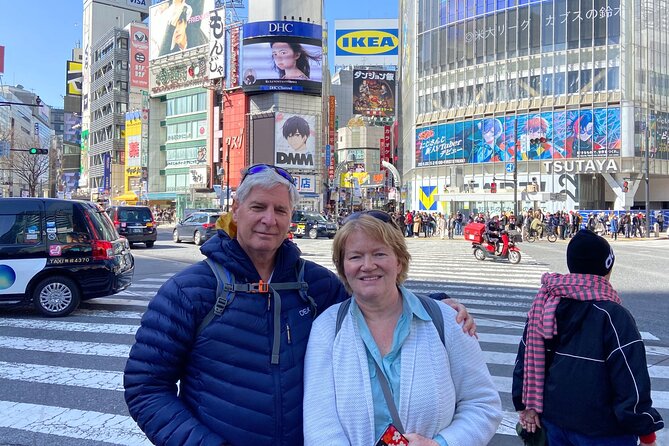
Shibuya Crossing is the kind of place where you feel like you are stepping into a Tokyo scene. You get about 20 minutes, which is perfect for seeing the crossing and getting your bearings in the Shibuya area.
A guide helps with timing and positioning. Crowds move in patterns, and standing in the wrong spot can turn a quick photo stop into a frustrating wait. Having someone who understands pedestrian flow helps you get the payoff without wasting time.
Because the stop is short, this is not the moment for a long wandering shopping spree. Think of it as a dramatic landmark you check off so you can explore Shibuya later on your own with more confidence.
Shinjuku: the city-on-steroids district
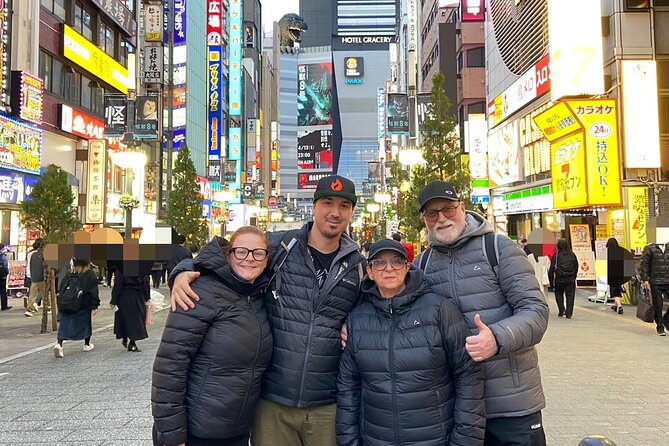
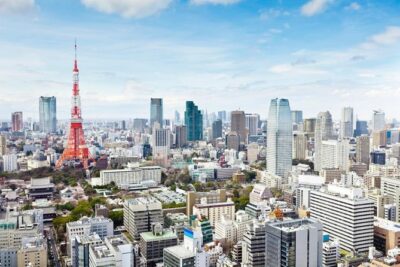
Your route continues to Shinjuku for about 40 minutes. Shinjuku is Tokyo at full volume: skyscrapers, neon, and constant movement. It is a great place to round out your day because it shows you how Tokyo works as a modern machine.
The guide’s job here is to help you enjoy the energy without getting lost in it. Even if you just walk through a few key blocks, you can start to understand how the district’s different zones connect.
Consideration: Shinjuku is where you will feel that Tokyo is a big city. If you want a calmer vibe, you may want to keep your focus on specific areas your guide recommends rather than drifting everywhere.
Ueno: culture and park life in a calmer lane
Finally, you end at Ueno for about 40 minutes. Ueno mixes culture, open space, and local atmosphere, which can feel like a nice wind-down after Shibuya and Shinjuku.
This stop also gives you options depending on what you like most. If you enjoy parks and strolling, you are in the right zone. If you prefer museums, this might be where you decide which one is worth a separate visit since entrance tickets are not included for paid attractions.
One practical note: Ueno can work well for families and mixed-age groups because there is more breathing room compared to some of Tokyo’s tightest shopping corridors. Still, it is Tokyo, so comfortable shoes matter.
Subway know-how: how the guide saves you from Tokyo friction
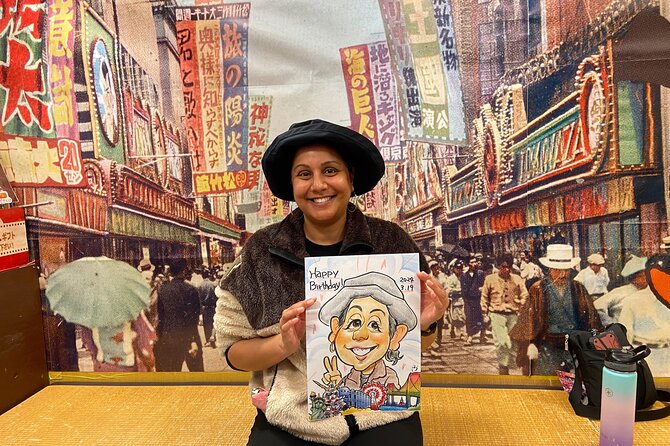
Tokyo transit is excellent, but it can be mentally heavy when you are tired. The biggest value of a guided private tour is not that it replaces your attention. It helps you focus your attention where it counts.
In practice, that means:
- knowing which stations are most convenient
- understanding how to transfer without getting spun around
- keeping you moving at a pace that matches your group
People also point out that guides do more than lead you. They explain context and help you understand neighborhood differences. That turns your day from a checklist into something that sticks.
If you want to follow up after the tour, your guide’s advice can help you build your own route. For example, once you understand how the areas connect, planning a second visit to Asakusa or Akihabara becomes easier instead of stressful.
Who should book this Tokyo private tour, and who should pass
This tour is a great fit if:
- You are visiting Tokyo for the first time and want a fast orientation
- You want a private day with hotel pickup and a guide who can adjust the pace
- Your group spans ages or interests, like temple time plus manga, electronics, or shopping
- You like the idea of seeing big icons like Shibuya Crossing and Shinjuku without getting lost
It might not be the best fit if:
- You want long time at one place, like a full museum day or a deep market exploration
- You hate walking and quick stops, because this route is designed to cover a lot
- You expect paid attractions to be included, since entrance fees for add-ons are not part of the price
Should you book this tour?
I think you should book it if your main goal is to reduce day-one stress and get a clean overview of Tokyo’s top neighborhoods. At $58.27 per person, the value is strongest when you would otherwise spend time figuring out logistics, transit routes, and how to prioritize stops.
Book it especially if you like the idea of a mix: temples in Asakusa and Meiji Jingu, a market stop for Tokyo flavor, pop culture in Akihabara, then the big-city buzz of Shibuya and Shinjuku, with a calmer finish in Ueno.
If you have unlimited time and already feel confident with Tokyo transit, you could DIY it. But if you want a smooth first pass with a guide who can handle the details, this private tour is a smart buy.
FAQ
How long is the private Tokyo tour?
The tour lasts about 2 to 4 hours.
Is this tour private or shared?
It is private. Only your group will participate.
Do you get picked up from your hotel?
Yes, hotel pickup is offered, and the guide can meet you at your hotel.
What languages are available for the tour?
You can choose an English or Spanish tour.
Are tickets for the main stops included?
Admission for the listed core stops is listed as free, but entrance fees for other attractions are not included.
Do I need to pay for public transportation during the tour?
Yes. Public transportation fees are not included, and you are responsible for those costs.
Is lunch included?
No. Lunch or dinner, and any food or drinks during the tour, are at your own expense.
What happens if I want to add an attraction with an entrance fee?
Entrance fees are not included. The guide will wait outside or may join if you provide the ticket.
Is a mobile ticket provided?
Yes, a mobile ticket is included.
What is the cancellation policy?
You can cancel for a full refund up to 24 hours before the experience starts. Canceling within 24 hours does not receive a refund.
More Guided Tours in Tokyo

More Tours in Tokyo





More Tour Reviews in Tokyo


Not for you? Here's more nearby things to do in Tokyo we have reviewed












Guided, side by side.
 ★ 5.0Tokyo 6hr Private Tour with Government-Licensed GuideFrom $1553,902 reviews
 ★ 4.9Shinjuku Local Bar and Izakaya Guided Walking TourFrom $341,794 reviews
 ★ 4.8Private City Highlights Tour with Local GuideFrom $1061,433 reviews
 ★ 4.9Tsukiji Fish Market Guided Walking TourFrom $221,397 reviews
 ★ 5.0Tokyo 4hr Private Tour with Government-Licensed GuideFrom $1091,394 reviews
 ★ 5.0Tokyo Guided Small-Group Biking TourFrom $1061,250 reviews
 ★ 4.6Samurai Ninja Museum Guided tour and ExperienceFrom $271,010 reviews
 ★ 5.0Tsukiji Fish Market Guided Tour and Sushi Making with Pro ChefFrom $104775 reviews