
Review · TOKYO CITY TOURS
Private Tour Through the Tokyo National Museum & Ukiyo-e
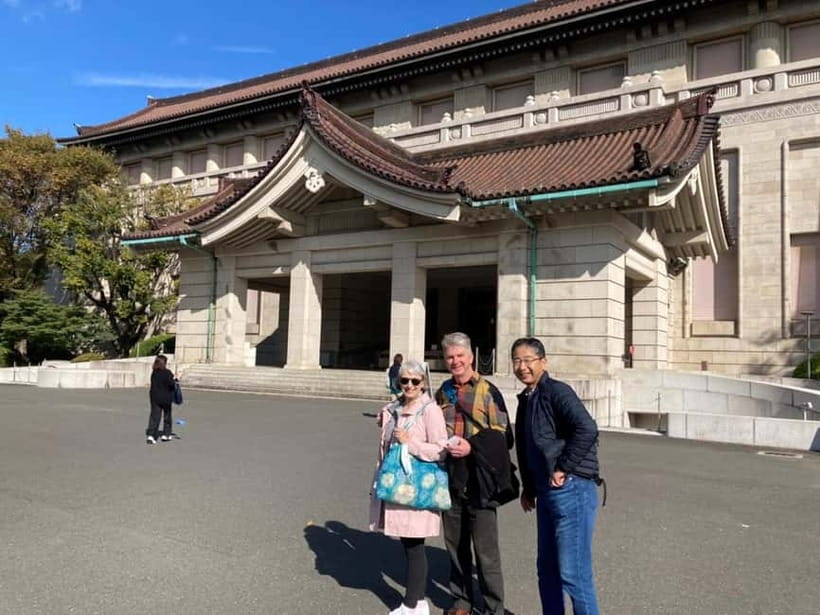
Ueno history, guided at a walk’s pace. This private 150-minute tour links Ueno Park with the Tokyo National Museum, then ties it all together with temple and shrine stops that connect to the Tokugawa era.
I like two things a lot: the English-speaking guide who explains what you’re looking at, and the Kiyomizu Kannon-do photo moment with views over Ueno Park from the temple’s wooden stage.
One thing to consider: the time is short. You’ll see museum highlights, not a full, slow-paced museum deep study, and the route involves walking outdoors.
Key highlights worth your time
- Private, English-led pacing for questions and clarifications as you go
- Ueno Park viewpoints from Kiyomizu Kannon-do, a calm break from the crowds
- Ueno Toshogu Shrine with Tokugawa connections that make the surrounding sights easier to understand
- Tokyo National Museum admission included, plus a guide to help you focus on key displays
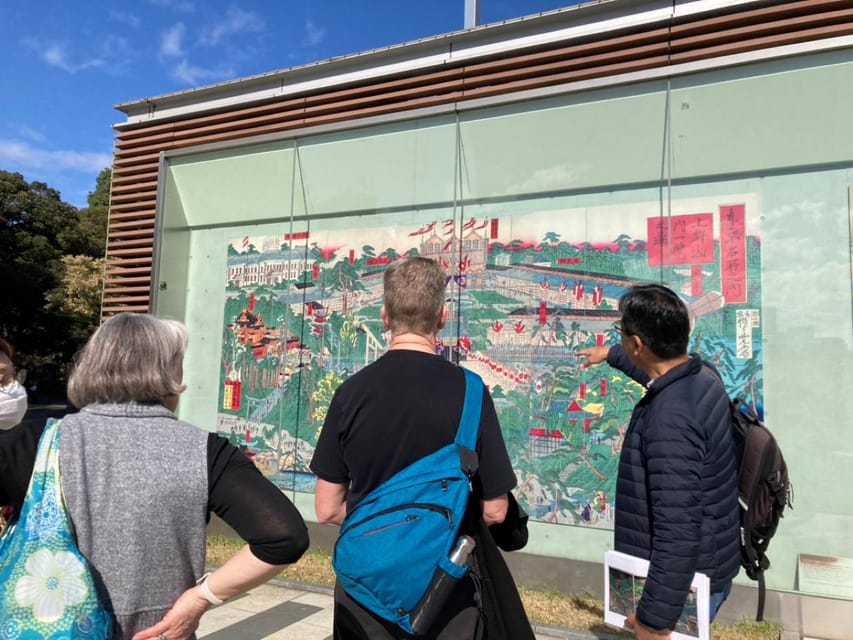
- Ukiyo-e woodblock prints and samurai armor as the core museum theme
- Guides with names like Shigeru, Hattori Yutaka, Mieko, and Masahito show up in the recent tour experiences
How this 150-minute private Ueno plan works
This tour is built for people who want a concentrated hit of Ueno without turning the day into a marathon. You get three different “ways of seeing” Japan in a single block: a shrine and temple setting in Ueno, then indoor museum time where you can actually study objects up close.
With 150 minutes, the trick is focus. The guide helps you choose what matters, which is especially useful in the Tokyo National Museum, where it’s easy to wander and lose the thread. You’ll leave with a clearer sense of how the Ueno area evolved from older temple grounds into a major public space, and how that story runs into the Meiji period and the Battle of Ueno.
Value-wise, the price is $74 per person for a private group, and you do get what you pay for: museum admission included, plus guidance through both outdoor stops and the museum. If you’re the type who enjoys context more than ticking off rooms, this format usually feels like a win.
You can also read our reviews of more private tours in Tokyo
Finding the meeting point near FamilyMart on Ueno Park’s edge
Your start is at ファミリーマート 上野公園店, and the key detail is that the FamilyMart faces the street, not inside the park. That matters because Ueno Park can be confusing at first, and you don’t want to waste time figuring out which entrance you’re near.
Tip: arrive a few minutes early and take a quick look at street-facing landmarks. Once you spot the storefront, you’ll know you’re in the right place. Since the tour begins at a very specific spot, being early is the easiest way to keep the rest of the day stress-free.
Also, bring practical items before you go. The tour lists comfortable shoes, a hat, camera, sunscreen, and water, and that makes sense because you’ll be out walking between stops.
Kiyomizu Kannon-do: the quiet temple stop and the wooden-stage view
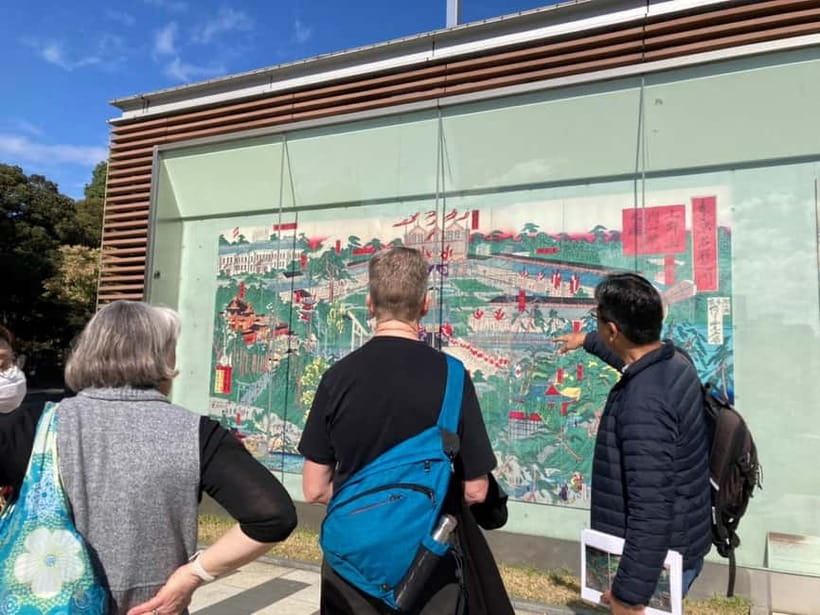
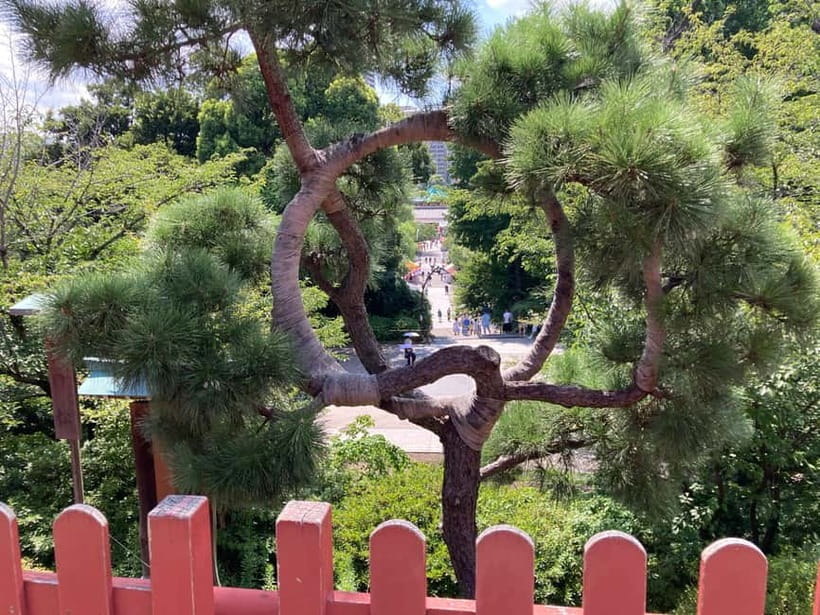
The tour’s first sightseeing stop is Kiyomizu Kannon-dō, with time for photos and a guided walk. This is the part that feels like a breather. The temple is described as quiet and surrounded by nature, so it’s a good reset after the bustle that can happen around Ueno Station.
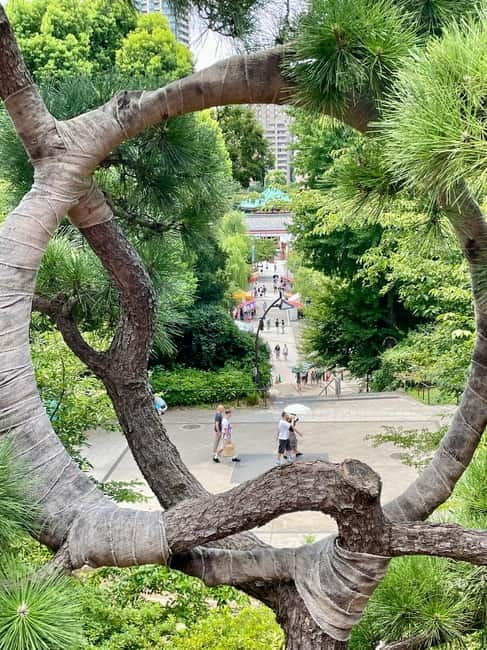
The biggest payoff here is the view. You’ll get a spectacular look over Ueno Park from the wooden stage of the temple. Even if you’re not a big “temple person,” that viewpoint gives you a map in your mind. You start to understand why this area became such an important gathering spot over time.
What I like about a stop like this on a short tour is that it changes the pace. The museum is indoors, and shrines are often about symbols and layout. A temple viewpoint gives you a mental picture of the landscape, and the guide can connect that to how the area functioned during different eras.
Practical note: photos are expected at this stage. Just remember the tour rules also say flash photography is not allowed.
Ueno Toshogu Shrine and Tokugawa-era connections you can actually feel
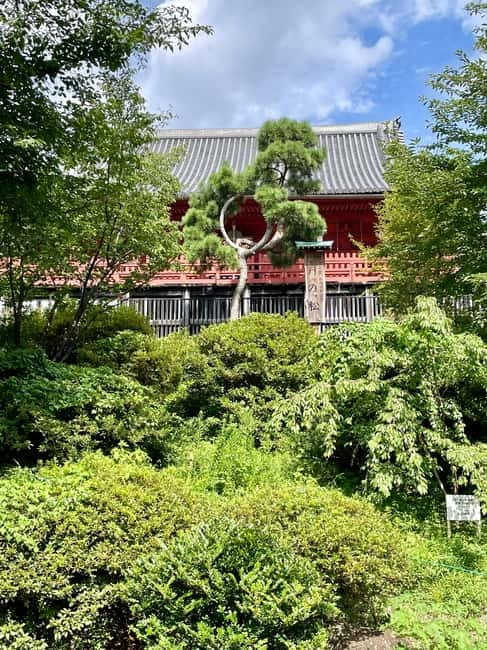
Next up is Ueno Toshogu Shrine, another photo stop with guided sightseeing. The standout theme here is its connection to the Tokugawa Shogunate. Even if you don’t know Japanese history already, this stop gives you a human-scale entry point into the era that shaped a lot of Japan’s governance and culture.
What makes the shrine meaningful on a short tour is that the guide can connect it to what you saw at Kiyomizu Kannon-do and what you’re about to see at the museum. Shrines in Japan can look similar at a glance, but understanding the political and historical links changes your attention. You’ll probably notice details more, since the guide is giving you a reason for them.
If you like symbolism, you’ll enjoy how a place like this turns history into physical space. It’s one thing to read about power. It’s another to stand near a shrine tied to a shogunate and have the guide explain the link in plain language.
One more small win: the shrine stop includes sightseeing time, so you’re not rushing through a checklist. You should feel like you’re actually seeing the place, not just passing it.
Tokyo National Museum: ukiyo-e woodblocks, samurai armor, and museum focus
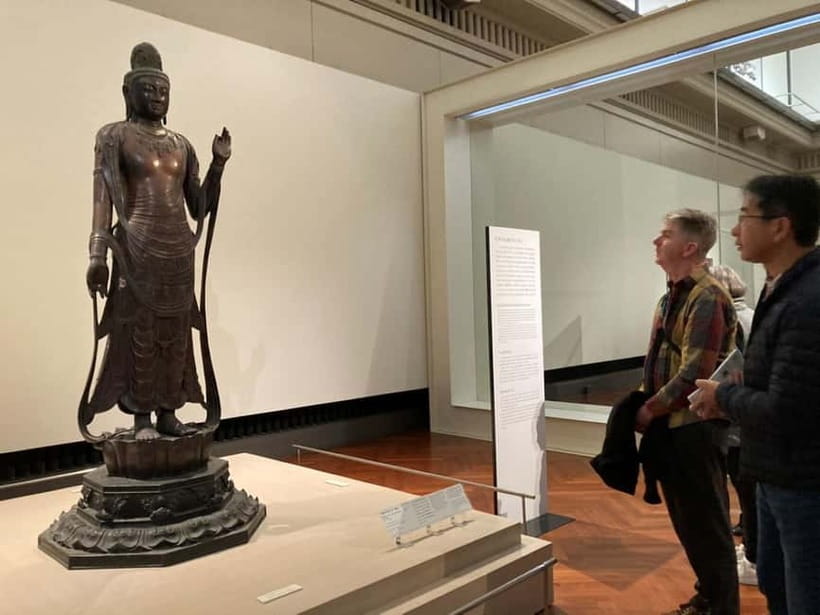
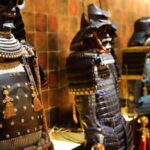
The main event is the Tokyo National Museum. You’ll tour the collections with an English-speaking guide, and museum admission is included. The tour is designed to show you key artifacts, including samurai armor and colorful ukiyo-e woodblock prints.
This is where the guided part matters most. The Tokyo National Museum is not a tiny place. Without guidance, many first-time visitors either see too little or spend time wandering without an organizing theme. Here, the guide helps you aim your attention at the displays that connect to the tour’s overall story: what was happening in Japan historically, and how art and material culture reflected it.
A few practical rules you’ll want to respect while you’re there:
- Flash photography is not allowed.
- No smoking.
If you’re carrying a camera, remember the stop at the temple is photo-friendly, and the museum section is more controlled. Having that mindset helps you avoid getting frustrated when you see signs that restrict camera behavior.
Also, since this is a private group and the guide is English-speaking, you have a better chance of getting answers to your questions. Some recent tour experiences highlight that guides like Shigeru, Hattori Yutaka, Mieko, and Masahito help with clear explanations and enough time for questions. If you have specific interests, this format is a solid way to make sure the museum visit doesn’t feel one-size-fits-all.
You can also read our reviews of more museum experiences in Tokyo


Ueno Hill’s transformation from Kaneiji Temple grounds to modern public space
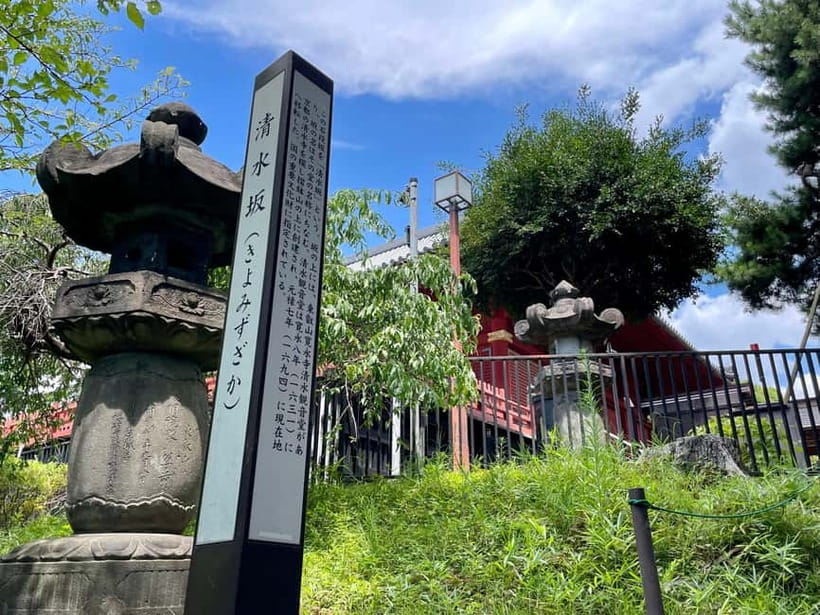
There’s a story that runs beneath this whole route: Ueno Hill, once the vast grounds of Kaneiji Temple, and also a popular public space during the Edo period. The guide brings that arc into focus as you move through the area and into the museum.
You’ll hear how the Meiji Restoration changed the landscape and how Ueno’s past connects to the Battle of Ueno. Even if you’re not a hardcore history buff, having this context turns a place from a set of buildings into a timeline you can understand.
Why this matters: Ueno can feel like a “Tokyo neighborhood” at street level, but it isn’t just a location. It became a stage for big shifts in Japanese society. When the guide links what you’re seeing in the shrine and temple spaces to those historical transformations, the whole tour feels less random.
This is the part I’d recommend to anyone who wants to leave Japan with more than photos. You’ll come away with a clearer sense of why Ueno has its current character, and why museums and memorial places belong in the same conversation.
What the guides do well, and what that means for you
This tour is consistently praised for the guide experience, and that’s not a small detail. You’re paying for a focused route, and the guide is what makes the route coherent.
In particular, several guides have been highlighted for:
- giving lots of detailed information without making it feel like a lecture
- answering questions and adjusting pacing
- helping visitors feel comfortable, including families
- taking and coordinating photos during the sightseeing moments
Names that show up in recent experiences include Shigeru, Hattori Yutaka, Mieko, and Masahito. Even without choosing your guide in advance, the pattern tells you something important: the tour provider invests in English explanations and patient, friendly delivery.
There’s also a practical side. One experience noted the guide suggested a tasty lunch venue, which is useful because Ueno is full of options and you might not want to guess after museums and temples. Another experience mentions the guide tried to make people comfortable and worked well with children, which hints at a flexible, humane style of guiding.
If you want a tour where the guide handles the “what should I care about?” part, this is the right setup.
Price and value: is $74 per person worth it?
At $74 per person for about 150 minutes, the cost can feel either reasonable or high depending on what you want out of the day. Here’s how I’d judge value based on what’s included.
You’re paying for:
- Private group time (not a packed bus feel)
- English live guide
- Tokyo National Museum admission included
- Access to Kiyomizu Kannon-dō
- A route that combines museum artifacts with outdoor “context stops”
Where it’s a good deal:
- If you plan to visit the Tokyo National Museum anyway, the included admission lowers your risk.
- If you want help focusing on ukiyo-e and samurai armor rather than getting lost in galleries.
- If you care about seeing how Ueno’s older temple grounds connect to later history like the Meiji Restoration and the Battle of Ueno.
Where you might question it:
- If you prefer self-guided museum wandering for hours, and you dislike walking between stops.
- If your main goal is museum-only and you don’t care about shrine and temple viewpoints.
For most first-timers to Ueno who want structure and context in a short block, I think the math works.
What to bring, what to watch for, and walking reality
The tour lists what you should bring: comfortable shoes, hat, camera, sunscreen, and water. I agree with that list because Ueno can be sunny, and you’ll be outside between stops before settling into the museum.
You should also plan your day for walking. The tour is about 150 minutes, but that includes moving between locations and photo moments. If you’re sensitive to walking time, it’s smart to go in rested and wear grippy shoes.
One important limitation: it is not suitable for people with mobility impairments and wheelchair users. If you fall into that category, you’ll likely find the route challenging. The tour is also not a smoking-friendly environment, and flash photography is not allowed.
Who should book this private Ueno National Museum and ukiyo-e tour?
Book this tour if:
- You want a guided English explanation, not a silent museum experience.
- You like learning through places and objects together, not just one or the other.
- You want the Tokyo National Museum highlights focused on uki yo-e woodblock prints and samurai armor.
- You enjoy short, well-paced routes where you still get photo moments and context.
Consider skipping or choosing something else if:
- You need step-free access or wheelchair-friendly routing.
- You want a long museum visit with no walking outside.
- You’re okay with basic entry into the museum and prefer to read on your own.
This is a good fit for couples, friends, and families who want clarity and a guide to manage the flow.
Should you book it?
If you’re doing Tokyo for the first time and you want Ueno to make sense, I’d book this. It gives you the museum you came for, plus two meaningful context stops, and a guide who can explain what you’re actually seeing, from the ukiyo-e themes to the Tokugawa connections.
If your ideal day is slow and museum-only, you might feel boxed in by the 150-minute structure. But if you like compact plans with clear takeaways, this one is built for that.
FAQ
How long is the tour?
It runs for 150 minutes.
Is this tour private?
Yes, it is a private group tour.
What language is the guide?
The live guide is in English.
Where do we meet?
Meet in front of the FamilyMart Ueno Park branch (ファミリーマート 上野公園店), facing the street and not inside Ueno Park.
What does the tour include at the museum?
Admission to the Tokyo National Museum is included, along with a guided visit and sightseeing inside.
Do we get access to Kiyomizu Kannon-dō?
Yes, access to Kiyomizu Kannon-dō is included.
Are there rules about photos?
Flash photography is not allowed, and smoking is also not allowed.
Is the tour suitable for wheelchair users or mobility impairments?
No. It is not suitable for people with mobility impairments and wheelchair users.
How does the tour end?
The tour finishes at Tokyo National Museum.
More Private Tours in Tokyo

More Tours in Tokyo






More Tour Reviews in Tokyo

Not for you? Here's more nearby things to do in Tokyo we have reviewed












Tokyo City Tours, side by side.
 ★ 5.01-Day Tokyo Bus TourFrom $12914,250 reviews
 ★ 4.5TOKYO SKYTREE® Admission ticketFrom $1311,192 reviews
 ★ 4.6teamLab Planets TOKYO Digital Art Museum Entry TicketFrom $259,779 reviews
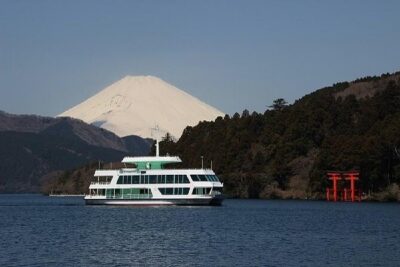 ★ 4.0Mt Fuji & Hakone Cruise, Drum Show Bullet Train 1 Day from TokyoFrom $1497,413 reviews
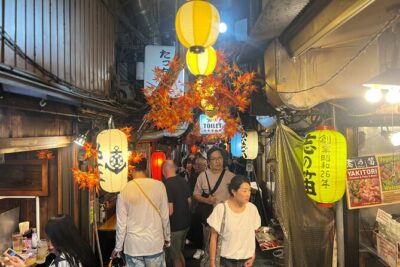 ★ 5.0Shinjuku Food Tour (13 Dishes at 4 Local Eateries)From $866,603 reviews
 ★ 4.4Tokyo Mt Fuji 5th St & Hakone Cruise Bus Tour w/Bullet TrainFrom $1545,024 reviews
 ★ 5.0Flagship 2-Hours Official Street Go-Kart Tour – Tokyo Bay ShopFrom $644,974 reviews
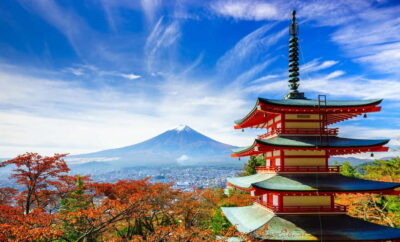 ★ 4.5From Tokyo: Mount Fuji Full-Day Sightseeing TripFrom $684,970 reviews
This tour also belongs to