
Review · TOKYO CITY TOURS
Small Group Cycling Tour in Tokyo
Tokyo looks different at bike speed. With small-group max 8 routing you into quieter streets and electric bikes when hills hit, plus guides like Aiko and Noriko explain the stuff behind the headlines. The only catch is you need moderate fitness, because even on a mostly manageable ride, a few uphill moments and street crossing demand attention.
What makes this tour feel special is the mix of big-name Tokyo and the in-between parts most people skip. You spend real time on temple and shrine grounds, then roll through neighborhoods where you can actually read the city instead of just passing through it.
I also like that it is paced like a human day, not a sprint. The stated time is about 3 to 6 hours, with timed stops and breaks, so you can enjoy photos, questions, and scenery instead of just checking boxes.
Key highlights worth planning around
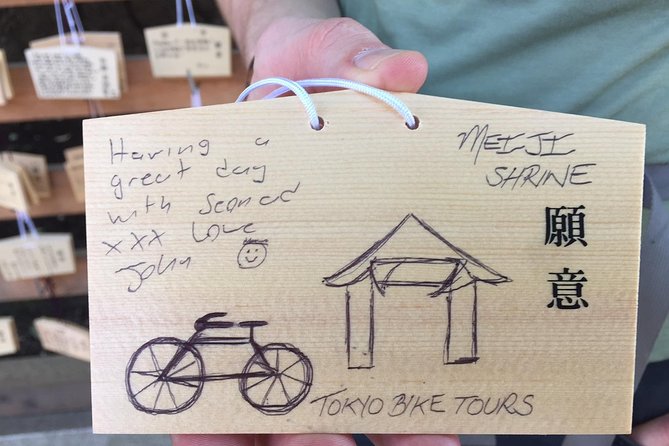
- Meiji Jingu Shrine grounds walk for a slow, respectful introduction to Shinto in Tokyo
- Aoyama Cemetery pause where you get a quiet, historical contrast to the city rush
- Roppongi Hills lunch-area energy for a modern break between temples and palaces
- Zojo-ji and Tokyo Tower views from one of the best temple picture angles
- Shiodome Tokyo Bay viewpoint after lunch, with a large-city skyline payoff
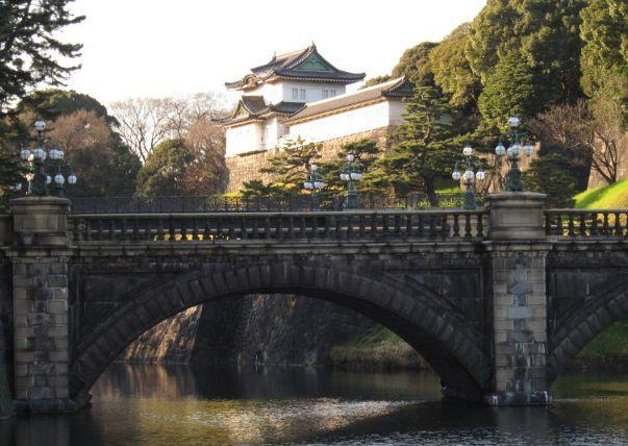
- Imperial Palace moat cycling for a rare-feeling look at the imperial grounds
Why biking Tokyo beats the usual rush
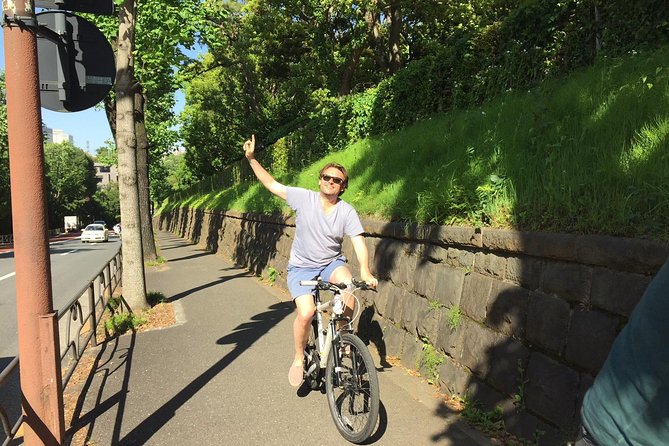
Tokyo by bike works because it changes your pace. On foot, you can feel the distances. On the train, you get speed but not texture. On a bicycle, you catch the rhythm: storefronts, side alleys, temple approaches, and the small shifts in neighborhood style.
This tour is built around that feeling. You ride at a leisurely pace compared to big bus tours, and you get access to routes bigger vehicles cannot reach. The practical win is that you are not stuck watching Tokyo from the same handful of main roads. The human win is that the ride feels like a conversation with the city.
Another big plus is how the guide tends to set the tone. In the past, guides including Aiko, Akio, Noriko, Keco, and Nikita have been praised for clear explanations and answering questions. You also get photo stops along the way, which matters in a city where it can be hard to get a good shot without constantly asking strangers.
The tradeoff is normal for cycling anywhere: you are sharing roads and sidewalks with real traffic. The route includes both quieter back streets and some main roads. So you should feel comfortable riding in a busy, multi-lane city environment, even if the pace is controlled.
You can also read our reviews of more cycling tours in Tokyo
Getting started at KakouJapan near Shinjuku
The meeting point is at KakouJapan, on the 3F of the Hyatt Regency Tokyo (Nishishinjuku), located at 2-chōme 72, 160-0023 Tokyo. The tour ends back at the same meeting point, so you are not trying to navigate your way to a far-off finish.
This location is helpful because Shinjuku is one of Tokyo’s most connected hubs. Even if you are coming in by rail or walking from a hotel, you will likely have a straightforward route to get there.
You also get a mobile ticket. That’s a small thing, but it makes pickup and entry smoother. The tour size is capped at 8 travelers, so it does not feel like you are herding bikes through crowds.
Stop 1: Meiji Jingu Shrine, a slow start that sets the mood
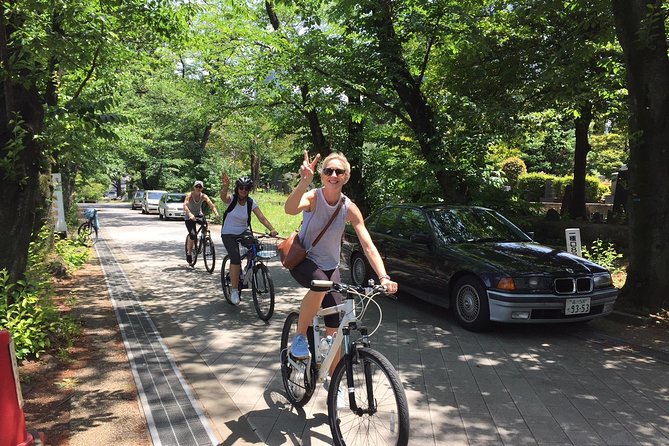
You begin with Meiji Jingu Shrine, the largest Shinto shrine in Tokyo. You walk around the shrine’s grounds for about 40 minutes, and the time feels well used. This is one of those places where speed hurts. The approach roads and open areas let you take in the atmosphere, and you get enough time to wander without feeling rushed.
If conditions line up, you might catch something memorable. Some groups have been lucky enough to experience cherry blossoms during the season. Even if you do not, Meiji Jingu still delivers because it changes the soundscape fast, from city noise to shrine quiet.
Practical note: this is a walking stop inside a longer bike day. Plan on wearing comfortable shoes and expecting some standing and gentle walking on uneven paths.
Stop 2: Aoyama Cemetery, history in a place people forget
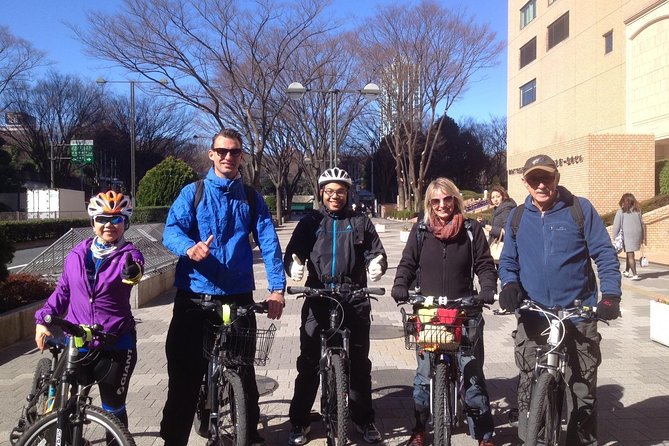
Next comes Aoyama Cemetery, known for graves of many historical figures, including both Japanese and Westerners. You get about 20 minutes here, which is enough time to understand what the site represents and to notice details you would not spot quickly on your own.
What I like about this stop is the contrast. You go from shrine spirituality to a more reflective, historical mood. In a city full of headlines and neon, that pause can feel surprisingly grounding.
The downside is that the stop is short. If cemeteries are your thing, you may want more time than the scheduled window. Still, as part of a multi-stop cycling day, it is a smart way to add depth without derailing the schedule.
Stop 3: Roppongi Hills shops and restaurants, a modern reset
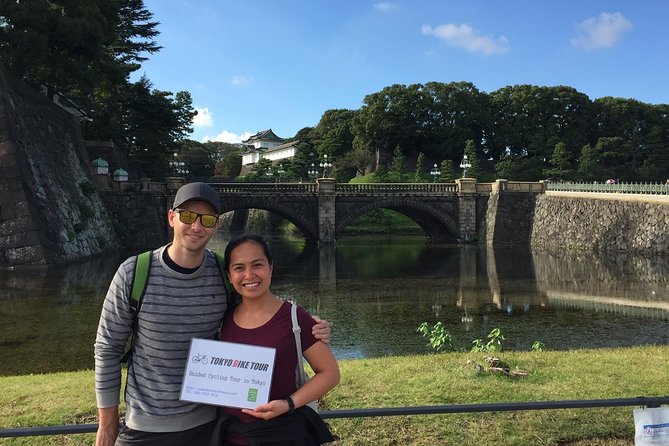
Then you roll into Roppongi Hills for about 15 minutes. This is Tokyo’s modern side, a mega-complex of shops, cafes, and dining.
Think of this as a sensory reset. Earlier you were in sacred and historical spaces. Here you get glass-and-street energy and an easy break where you can buy water or snack if you need it.
Because this stop is brief, it is not about full shopping time. It is more about orientation, a quick recharge, and a taste of the neighborhood style before you head toward temples again.






Stop 4: Zojo-ji, the Tokyo Tower photo moment
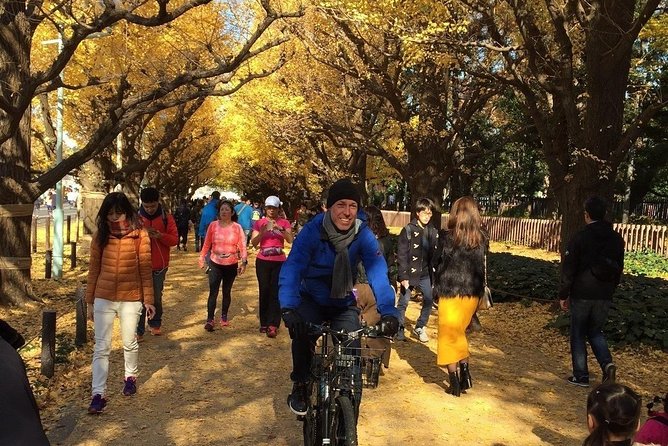
Zojo-ji is the main temple of the Jodo sect in the Kanto area, and it also happens to be one of the best places to view Tokyo Tower. You spend about 20 minutes here.
This stop is popular for a reason: the view. Tokyo Tower is one of those landmarks you recognize instantly, but seeing it framed by a historic temple setting gives it a totally different context. It is a rare blend of old and iconic modern.
What makes it work on a bike tour is the timing. You are not forcing the view at the top of a crowded building. You are getting a temple stop with a view that feels natural.
Stop 5: Shiodome lunch break and Tokyo Bay views
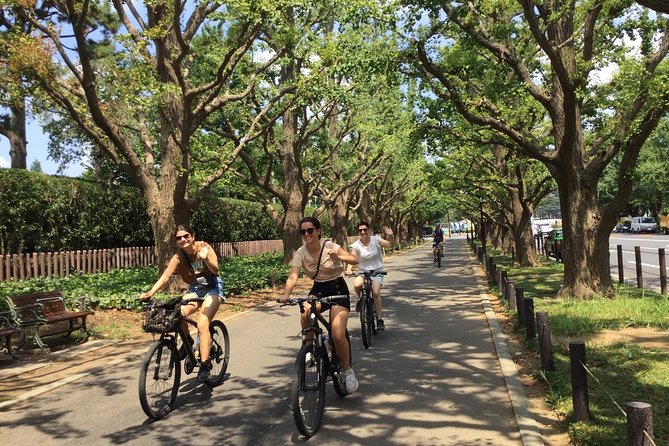
Shiodome is Tokyo’s biggest redevelopment area of the modern city, and you take a lunch break here. The scheduled time is about 50 minutes, and admission is free.
After lunch, you get the skyline payoff: a view of Tokyo Bay from the top of a building. Even if you are not obsessed with viewpoints, this is a good moment to see how water and city form the Tokyo edge.
What to plan for: lunch is not included in the tour. So you will want to come with a sense of what you can afford or what you actually want to eat. The upside is choice. You can pick something quick that fits your tastes instead of being locked into a preset meal.
Stop 6: Imperial Palace moat ride, then back toward Shinjuku
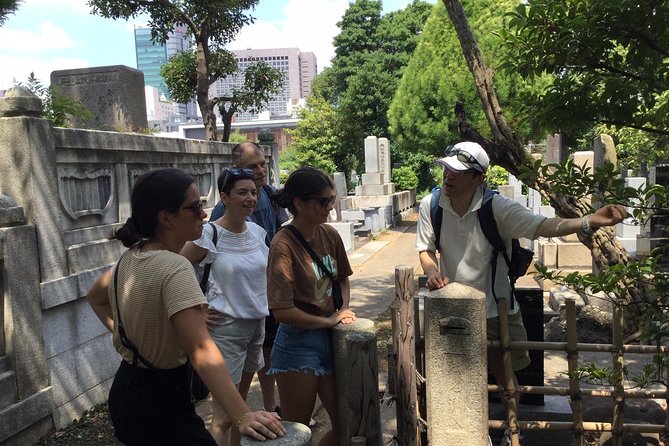
The final big cultural stop is the Imperial Palace, residence of the Japanese Imperial family. Admission is free for this part of the day. You cycle some of the way around the moat and then head back toward Shinjuku.
The moat ride is special because it is movement, not just sightseeing from a fence line. You feel like you are tracing a boundary that shapes the whole area.
Expect this to be more reflective and open-feeling than the high-energy urban stops. It also makes a nice finale because you end in a central return area, so you are not stuck on transit for ages right after.
How hard is the cycling, and how do the bikes help?
Most people can enjoy this tour if they are comfortable riding for a few hours. The tour info calls for moderate physical fitness. That matches what riders describe in their notes: it is not an extreme training ride, but it is also not a casual Sunday pedal the whole time.
One rider estimated roughly 15 miles (about 12.5 miles noted in a half-day context) with only a couple hills, while another talked about around 20 km mostly flat with some inclines. Translation: you should expect some uphill moments, and you will be happiest if you can ride continuously at a steady pace.
Here is where the electric bike option becomes a game-changer. Multiple riders specifically call out that the e-bike makes slopes easier. Another review suggests the e-bike option is offered, so if you want it, confirm in advance. If you prefer a standard bike, you can still do it, but bring a realistic mindset about hills.
Safety-wise, the route includes back streets, sidewalks, and some main roads. Guides are there to manage the group and keep you moving together, which is a big deal in Tokyo’s traffic patterns. One practical tip from riders is to ask for a helmet.
Also, plan your day around comfort. Cycling in a large city means your lower back and hands will feel it if you sit wrong. A relaxed grip and short pauses during stops make the ride better than you might expect.
Value for $66.32: what you actually get
At $66.32 per person, the value comes from two things: you get the bike plus guided routing, and most of the paid access is already handled for key stops.
Included:
- Bicycle use
Not included:
- Lunch
And several stops include entry tickets or have free access as part of the scheduled visit time. For example, Meiji Jingu and Zojo-ji have entry included, and Shiodome and the Imperial Palace portion are listed as free. You also spend time walking within the shrine grounds and on-site, so you are not just driving past locations.
So you are paying for logistics and time saved. The guide handles route choices, timing between stops, and explanation, which is where group touring becomes worth it. Without that, you could do it yourself with transit, but you would lose the ability to connect those sites efficiently and you would spend more time managing transfers.
In plain terms: if you want a guided Tokyo highlight route with less walking and better neighborhood access, this price can feel fair.
What kind of experience this is, beyond the checklist
The reason this tour scores so high is that it does not treat Tokyo as a set of roadside monuments. It mixes landmark scale with local-feeling streets, then slows down where it matters.
You get:
- temple and shrine time that allows real wandering
- a cemetery stop that adds emotional variety
- a modern Tokyo reset at Roppongi Hills
- an iconic view moment at Zojo-ji and Tokyo Bay from Shiodome
- a quieter, perimeter ride at the Imperial Palace moat
The guide also shapes the day. Riders repeatedly praise guides for being friendly, patient, and good at fielding questions. Names that come up in prior tours include Aiko, Noriko, Akio, Keco, and Nikita, and the common thread is explanation plus encouragement, especially for uphill moments.
Another subtle benefit: small group size changes everything. With a max of 8, you do not feel like you are being pushed through landmarks. You can ask questions, take photos, and regroup easily.
Who should book this Tokyo small-group bike tour?
This is a great match if you:
- want a first-time Tokyo overview without spending your whole day on trains
- like history and culture but also enjoy moving through different neighborhoods
- feel comfortable riding a bike for a few hours in a city setting
- prefer small groups, not mass touring
It is also a smart choice if you dislike the boredom of transit hopping. Biking gives you a more continuous Tokyo experience.
You might think twice if:
- you are not confident on a bike around city streets
- you dislike any uphill effort, since the day includes some inclines
- you need guaranteed long stop times at every site, since each place is timed to keep the ride moving
Should you book this tour or plan something else?
I think this tour is worth booking if your goal is to see real Tokyo highlights in a way that feels personal and practical. The small group size and the mix of shrine, temple, modern districts, and viewpoint time make it a strong “use your limited hours well” plan.
Choose it especially if you want:
- a guided route that takes you to places larger vehicles cannot reach
- time to walk the sites, not just stand for a photo
- a plan that ends back near Shinjuku, so your day remains easy
If your priority is maximum flexibility or you want to spend long hours at one attraction, you might do better with self-guided exploring. But if you want a well-paced highlight loop with guidance, this is one of the smoother ways to get your bearings fast.
FAQ
How many people are on the tour?
The tour has a maximum of 8 travelers.
How long is the cycling tour in Tokyo?
It runs for about 3 to 6 hours.
Where is the meeting point, and where does the tour end?
You meet at KakouJapan, 3F of the Hyatt Regency Tokyo in Nishishinjuku (2-chōme72). The tour ends back at the same meeting point.
What is included in the price?
The bicycle is included. Admission is listed as included for some stops and free for others.
Is lunch included?
No, lunch is not included. There is a lunch break at Shiodome.
Are electric bikes available?
An electric bike option is offered, and riders note it helps on slopes. If you want one, you should request it before the tour.
What fitness level do I need?
The tour is described as requiring moderate physical fitness.
What if the weather is bad?
This experience requires good weather. If it is canceled due to poor weather, you will be offered a different date or a full refund.
Is free cancellation available?
Yes, you can cancel for a full refund up to 24 hours in advance. Within 24 hours, no refund is provided.
More Cycling Tours in Tokyo
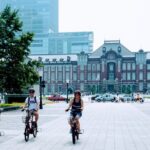
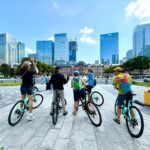
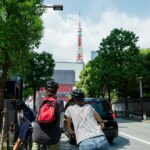
More Tours in Tokyo
More Tour Reviews in Tokyo
Not for you? Here's more nearby things to do in Tokyo we have reviewed












Tokyo City Tours, side by side.
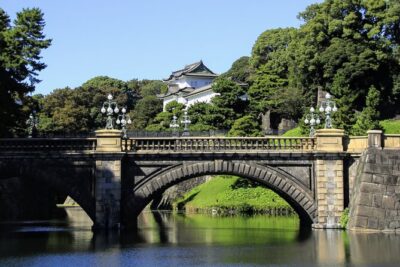 ★ 5.01-Day Tokyo Bus TourFrom $12914,250 reviews
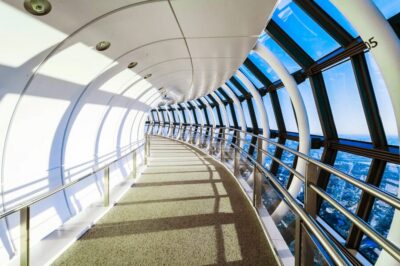 ★ 4.5TOKYO SKYTREE® Admission ticketFrom $1311,192 reviews
 ★ 4.6teamLab Planets TOKYO Digital Art Museum Entry TicketFrom $259,779 reviews
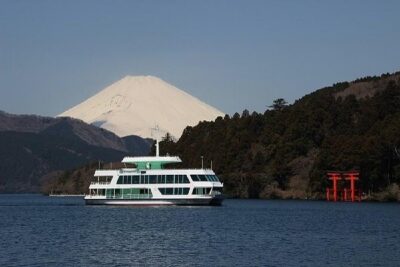 ★ 4.0Mt Fuji & Hakone Cruise, Drum Show Bullet Train 1 Day from TokyoFrom $1497,413 reviews
 ★ 5.0Shinjuku Food Tour (13 Dishes at 4 Local Eateries)From $866,603 reviews
 ★ 4.4Tokyo Mt Fuji 5th St & Hakone Cruise Bus Tour w/Bullet TrainFrom $1545,024 reviews
 ★ 5.0Flagship 2-Hours Official Street Go-Kart Tour – Tokyo Bay ShopFrom $644,974 reviews
 ★ 4.5From Tokyo: Mount Fuji Full-Day Sightseeing TripFrom $684,970 reviews
This tour also belongs to