
Review · TOKYO SUMO EXPERIENCES
Tokyo: Challenge Sumo Wrestlers and Enjoy Meal
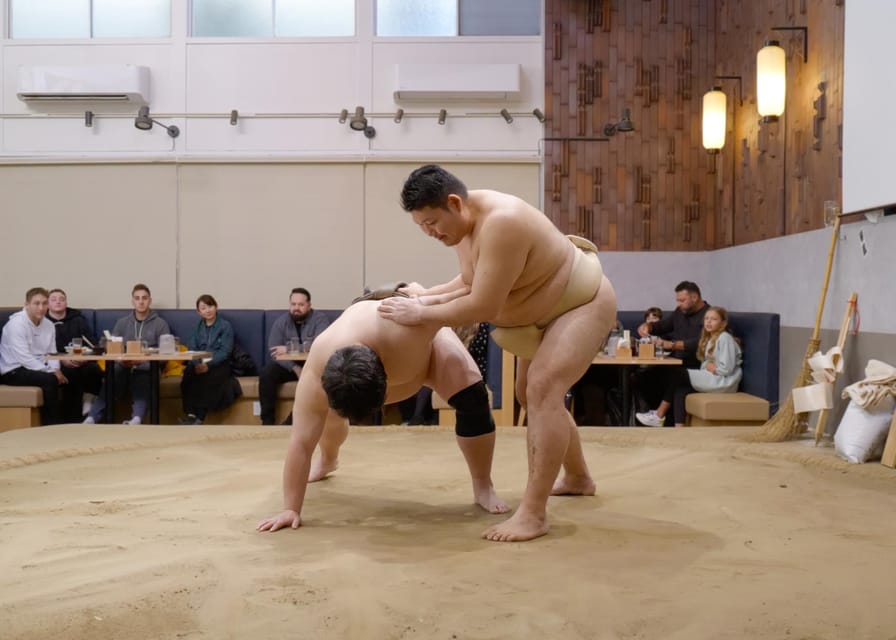
Sumo hits different when you step inside. This 1.5-hour session pairs a real sumo demonstration with a hands-on sumo costume moment, plus a filling tonkatsu lunch or sukiyaki dinner. I love how the retired wrestlers keep it practical and human, and I love the included meal after all the clapping and question time. My only caution is that the room layout matters, so book early and aim for seats that let you hear the English explanations clearly.
You’ll meet at Kikukawa Station (Shinjuku Line), walk a short distance to the venue, and get English/Japanese support throughout. The best part is that it is not just a passive show, you get to stand in the dohyo, take photos with the wrestlers, and ask questions in a friendly, low-pressure format.
Key points to know before you go
- Former wrestlers run the session so you hear the sport from people who lived it
- You try sumo in a costume and step into the ring for a real hands-on moment
- Meal included (tonkatsu or sukiyaki) so you leave fed, not just entertained
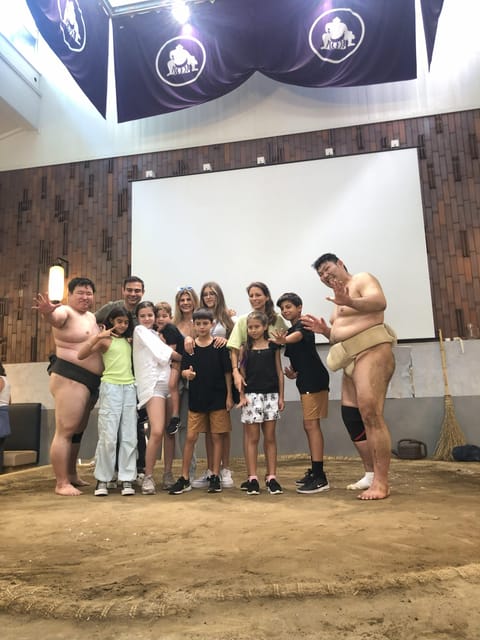
- Photo time with the wrestlers makes for an easy souvenir moment
- Seating depends on booking order so earlier bookings help with hearing and comfort
Why A Sumo Demo With Lunch Feels Worth Your Time
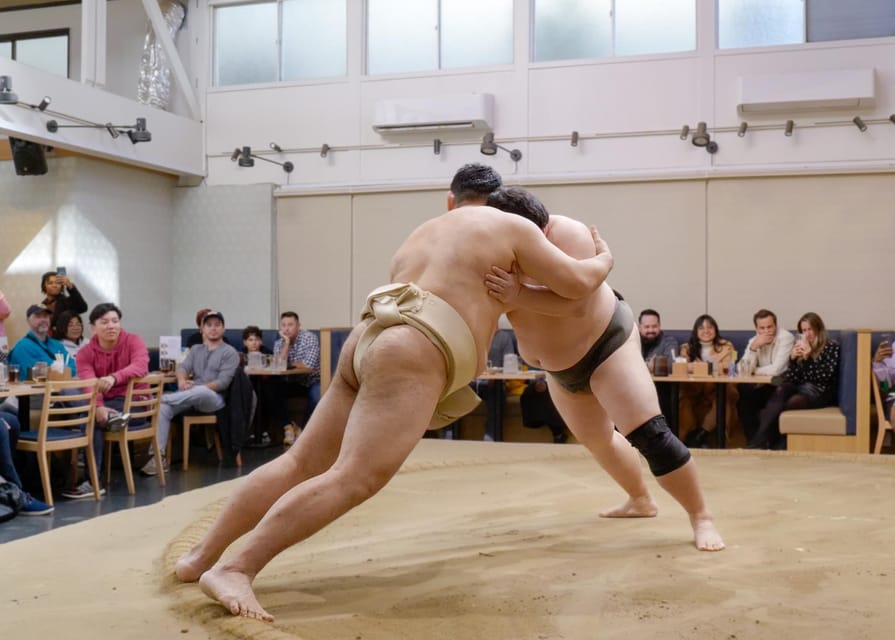
A straight sumo ticket is great, but this format scratches a different itch. Here, you learn the basics while watching a lively exhibition match, then you get to participate, not just watch. That combo is why this can be a top-value Tokyo activity when the big tournaments are not happening.
I like the structure because it flows naturally. You start with explanation and terminology, move into what you are seeing in the ring, then shift into the fun part where you actually wear the gear and try a few moves. After that, the included tonkatsu or sukiyaki gives you a proper break, not a sad snack.
One more smart touch is the setting of the session itself. It is designed for visitors who may know very little about sumo, so the pace and English commentary are built for you to follow along without translating in your head.
You can also read our reviews of more tours and experiences in Tokyo.



Finding Kikukawa Station And Getting There Smoothly
Your meeting point is Kikukawa Station on the Shinjuku Line. You exit at A1 and walk about 5 to 8 minutes to the venue.
Why this matters: Tokyo station exits can be confusing when you are in a hurry. If you arrive right on time, you give yourself less buffer for stairs, elevators, and signage changes. I suggest you show up a little early, especially if it is your first time using the Shinjuku Line.
Also, the tour ends back at the meeting point. Hotel pickup and drop-off are not included, so plan your own route. Transportation to and from the restaurant is on you, but that also means you stay flexible with your day schedule.
How The Retired Wrestlers Teach Sumo Basics In Real Time
This is not a lecture that tries to force you to memorize history. You meet and learn from retired sumo wrestlers, and the session includes an English explanation. The goal is simple, help you understand what you are watching, and what the sport means in Japanese culture.
Here is what this kind of coaching usually does well for first-timers: it gives your eyes a job. When someone explains the logic behind stance, grip, balance, and timing, the match stops looking like chaos and starts looking like technique. The information also helps you connect sumo to everyday Japanese cultural signals like discipline, ceremony, and respect.
You will also hear commonly used sumo terminology, and you get an exhibition-style clash inside the dohyo, the sacred wrestling ring. That matters because sumo is not just sport. It is performance, ritual, and athletic competition all at once.
The Hands-On Sumo Costume And Ring Experience
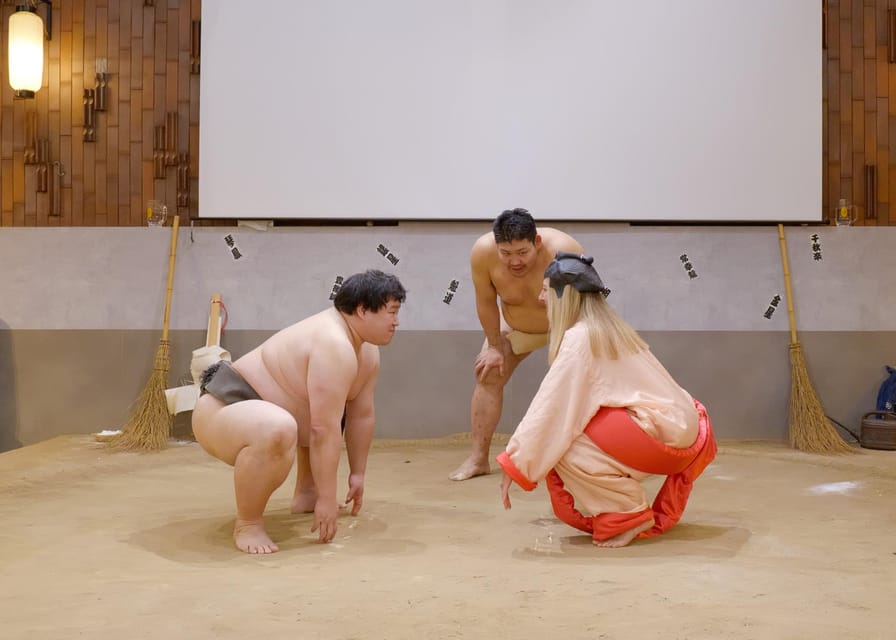
This is the part most people remember. After the demonstration, you put on a sumo costume, step into the ring, and try your own technique. The session stays friendly, with a bit of competition energy, but it is not about toughness or proving yourself.
Why I think this is a smart use of time: the costume moment makes sumo feel real. It turns what could be a confusing sport into something you can physically understand. Even if you only manage a couple of moves, you learn quickly how balance and footwork are everything in the ring.
One practical note: do not treat the costume part as a quick photo stop. The best experience happens when you follow the staff instructions closely. Watch how the former wrestlers position themselves, then try to mirror the basics the way they guide you.
Tonkatsu Lunch Or Sukiyaki Dinner, And How To Choose
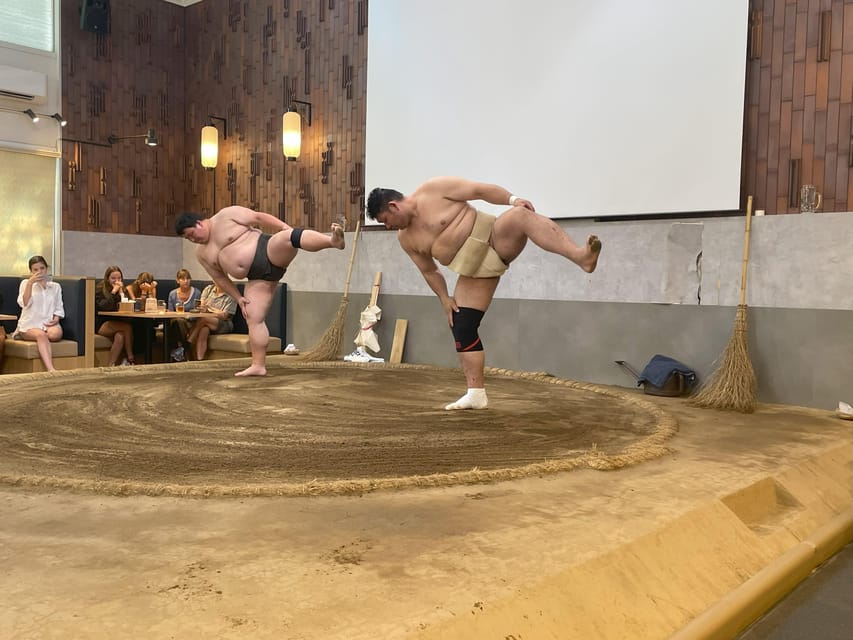
You select your meal option at booking. The experience includes either tonkatsu (deep fried pork cutlet) lunch or sukiyaki (beef and vegetable hot pot in a sweet soy broth) dinner.
Both work. Tonkatsu is the classic comfort choice and a great way to refuel right after standing and watching in a seated hall. Sukiyaki is warmer and more filling, and it makes sense if you prefer a slower, savory meal after the show.
Bring your expectations back to earth on one point. The food is included, but additional food and drinks are not. If you know you like extra tea, water bottles, or a second dish, plan to buy it separately.
Also, if you have dietary needs, the important thing is simple: advise the provider when booking. The experience does not claim specific meal substitutions in the details you have here, so communication is your best tool for getting what you need.



Photo Time, Q&A, And How To Get The Best From Your Seats
Most sumo experiences end with photos, but this one is built around audience participation. You get the chance to take a photo alongside the wrestlers, and there is also a question and answer session at the end.
Seating can affect your whole experience. The operator arranges the best seats available in order of booking, and groups can be seated at different tables depending on participant count. I would treat that as your cue to book earlier if you care about hearing the English commentary, not just seeing the ring.
A practical strategy: when you arrive, listen first. If you can hear the host clearly, you are set. If you cannot, adjust your attention to the staff and wrestlers who are speaking closest to your side. The session is short, so you want to catch the explanations as they happen.
If you want the photos to feel relaxed, listen during the Q&A. You will already know what questions people are asking, and that makes your own interaction smoother when your turn comes.
Price And Value: What $117 Buys You In Tokyo
At $117 per person for about 1.5 hours, this is not a bargain-basement activity. It is closer to a curated cultural experience with real people, not just a ticketed show.
So where does the value come from?
- You are paying for former wrestlers and guided explanation in English
- You get real participation, costume up and try sumo
- You get a complete included meal, either tonkatsu lunch or sukiyaki dinner
When you do the math, the included meal is a big part of what makes the price feel fair. Tokyo meals can add up fast, and this is built into the schedule so you do not have to spend time hunting for lunch afterward.
If your top priority is only photos, you might feel you could do something cheaper. But if you want context, terminology, and the chance to actually step into the ring, this format is one of the more efficient ways to get a lot of sumo in a limited day.
Who This Sumo And Meal Experience Fits Best
This experience is ideal if you meet any of these conditions.
You should book it if:
- You are new to sumo and want a simple way to understand what you are seeing
- You want a hands-on activity, not just sitting in a room
- You will be in the Shinjuku area and want a time-boxed cultural stop
- You care about an included meal that is actually part of the experience timing
It is also a good choice for families, because the session is described as interactive and light-hearted while still being informative. Just note that the venue seating can split by group size, so you may not all be right next to each other depending on how the operator arranges tables.
Small Rules That Matter Once You’re Inside
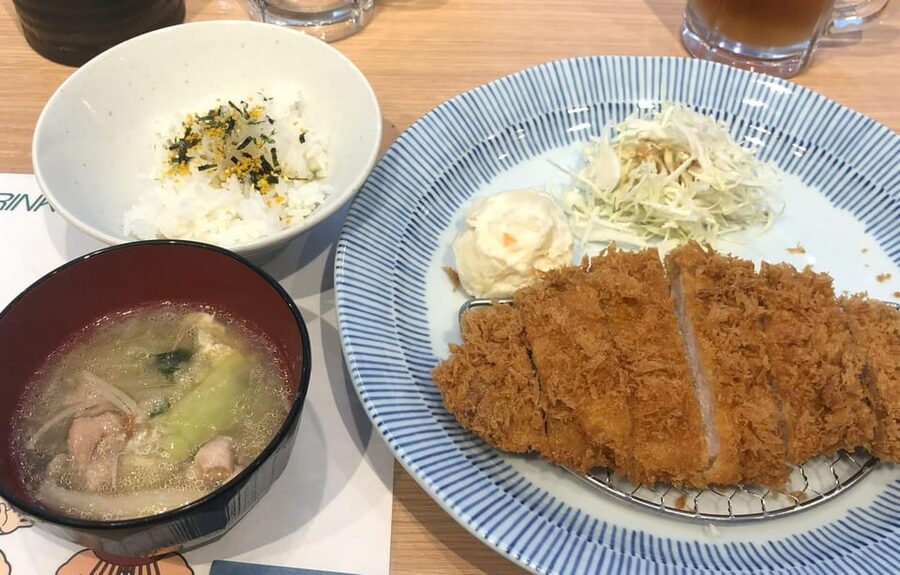
This tour has clear expectations once you enter the hall. You must follow staff instructions, and if your behavior is troublesome you may be required to leave the hall, with no refund provided in that instance.
Also, confirmation is received within 24 hours of booking, subject to availability. If you have specific dietary requirements, tell them. And if you have to bring your own food and drinks for personal reasons, the information says it is acceptable.
Finally, if you are traveling with an infant: infant rates apply only if the infant does not occupy a seat, and infant meals are not included. That helps you avoid surprises at check-in.
Should You Book It Or Skip It?
Book this experience if you want an efficient, friendly introduction to sumo that includes both participation and a proper meal. It is especially worth it when you cannot catch sumo training or a tournament and you still want the sport to feel tangible.
Skip it if:
- You only want a passive viewing experience and do not care about participating
- You are extremely sensitive to noise levels in a shared room (some audience chatter can spoil the focus)
- You are looking for a food-only deal, since additional drinks and extras are not included
If you do book, my practical tip is simple: arrive early, get the best seat you can based on your booking order, and come with one or two questions. The session is short, but your payoff is highest when you engage.
FAQ
What is the duration of the Tokyo sumo and meal experience?
It lasts about 1.5 hours. Starting times vary, so you should check availability for the options offered.
Is lunch or dinner included?
Yes. You get either lunch or dinner depending on the option you select when booking.
Where do we meet for the tour?
You meet at Kikukawa Station on the Shinjuku Line, exiting at A1. The venue is about a 5 to 8 minute walk from the exit.
Is hotel pickup and drop-off included?
No. Hotel pickup and drop-off are not included, and transportation to and from the restaurant is also not included.
What languages are spoken during the experience?
The host or greeter provides English and Japanese support, and the explanation is in English.
Can I request dietary requirements?
Yes, you should advise of any specific dietary requirements when booking.
Are drinks or additional food included?
No. Additional food and drinks are not included.
How does seating work?
The best seats available are arranged by order of booking. Depending on group size, you may sit at different tables.
What is the policy if plans change?
This activity is non-refundable, so you should plan carefully before booking.
More Tour Reviews in Tokyo
Not for you? Here's more nearby things to do in Tokyo we have reviewed












Tokyo Sumo Experiences, side by side.
 ★ 4.8Sumo Show and Dining ExperienceFrom $792,742 reviews
 ★ 5.0the SUMO showFrom $891,960 reviews
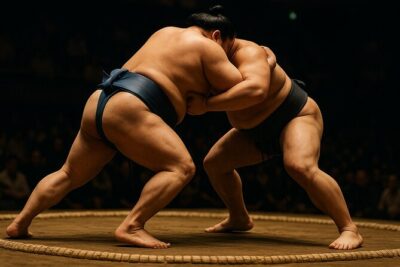 ★ 5.0Tokyo Shinjuku Sumo Show & Experience with PhotoFrom $791,750 reviews
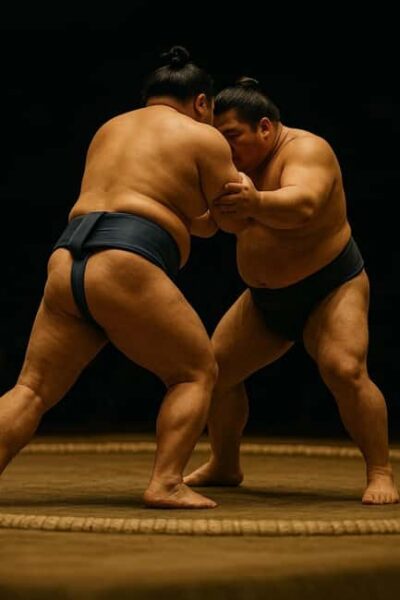 ★ 4.8Sumo Show and Experience in ShinjukuFrom $691,001 reviews
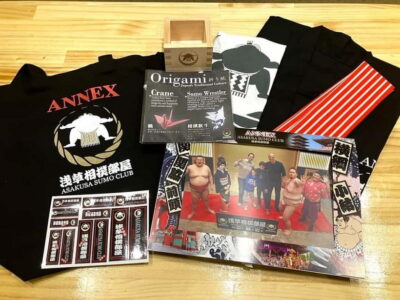 ★ 4.7Luxury Sumo Show Experience & Japanese cuisine & DrinkFrom $103577 reviews
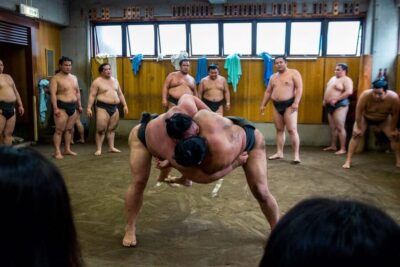 ★ 4.8Sumo Morning Practice Viewing TourFrom $81570 reviews
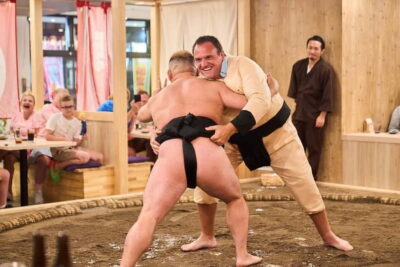 ★ 4.8Tokyo Sumo Experience: Chanko & Mochi with a Former ProFrom $103567 reviews
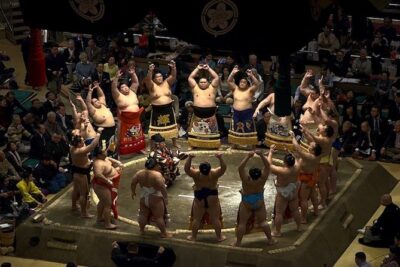 ★ 5.0Ultimate Sumo Tournament: Tokyo, Osaka, Nagoya, FukuokaFrom $184468 reviews
This tour also belongs to