
Review · TOKYO CITY TOURS
Tokyo downtown bicycle tour Tokyo Backstreets Bike Tour
Tokyo on two wheels beats Tokyo on foot. This half-day ride is a practical way to see classic sights plus local corners around Asakusa and Sumida, without the stress of map-reading. You’ll get guide help and a route that favors quieter streets and short, pleasant stops.
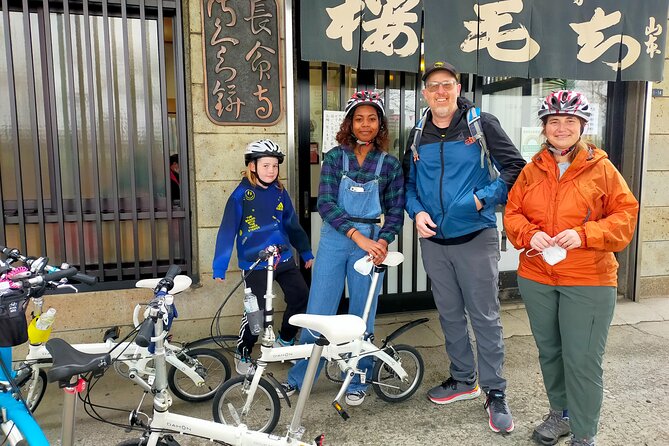
I love how the tour keeps things personal, with a maximum of 6 people and a guide who can adjust the plan to your interests. I also love the thoughtful extras: a provided bike and helmet, plus water and a snack from a traditional sweet shop along the way.
The one thing to keep in mind is bike fit and weather. The tour uses folding bikes sized for people roughly 140-180 cm tall, and it requires good weather, so plan for heat and rain.
Key points before you pedal
- Small group (up to 6) means more attention and an easier pace
- Folding bikes are sized for many riders, but tell the operator if you are over 180 cm
- Helmets are provided, and they’re not mandatory, which keeps the ride feeling casual
- You get a snack plus water, including sakuramochi from a traditional shop
- Classic Tokyo sights plus everyday neighborhoods around Asakusa, Sumida, and Kyojima
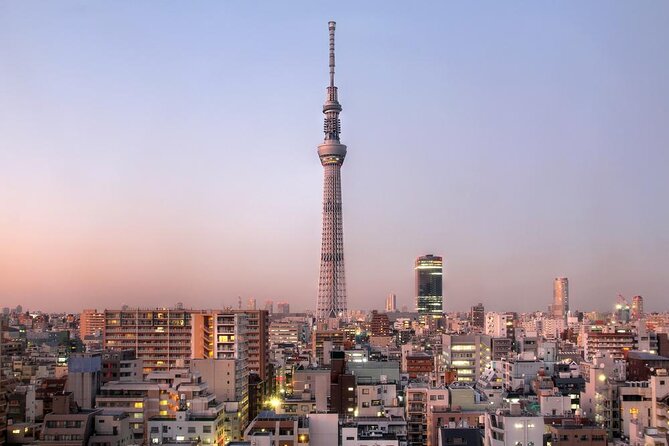
- Photo opportunities built in, including the area near Senso-ji and the Skytree zone
Why Tokyo Backstreets on a bike feels smarter than walking
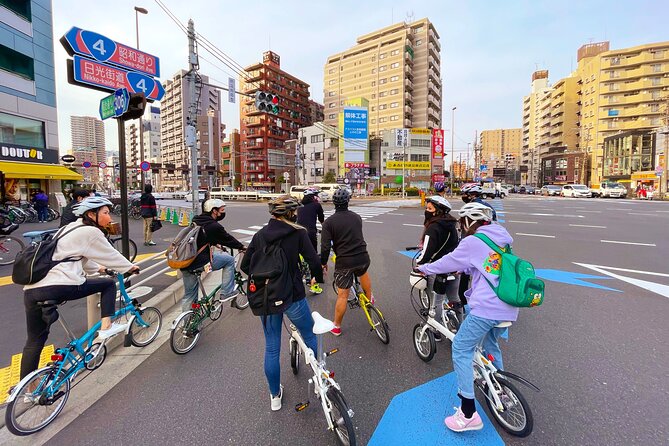
Tokyo can be a lot on foot. Even if you have great stamina, walking from one “must-see” to the next can turn into a series of cross-town sprints and tourist crowds. This tour solves that with a simple idea: cover distance by bike, then slow down for the places that deserve a look.
The route focuses on downtown Tokyo areas that are packed with history and daily life, but you do not spend the whole time stuck on the busiest streets. That means you get the best of both worlds. You’ll roll past iconic landmarks like Senso-ji and ride toward Tokyo Skytree, yet you’ll also spend meaningful time in quieter temple lanes, craft stops, and local shopping streets.
And because the group is small, the ride feels like a shared stroll with wheels, not a chaotic scooter parade.
You can also read our reviews of more cycling tours in Tokyo
Meeting point, timing, and what “4 hours” really means
Plan on about 4 hours total. That is enough time to see a full slice of central Tokyo without turning the day into a marathon. You will cycle between a series of stops, then usually spend around 10 to 30 minutes on foot or waiting at each highlight.
The tour starts and finishes at the same place, at Tokyo Backstreets Bike Tour Japan, 131-0032 Tokyo, Sumida City, Higashimukōjima, 2-chōme 24-14, inside the share office Synaps. It is listed as near public transportation, which matters in Tokyo where “where do I go” can be half the battle.
In terms of pace, one common theme in the feedback is that it feels easy and low-key. That fits the route style too. You are not doing a hardcore training ride. You are doing sight-hopping with breaks, and you’ll still get a satisfying amount of exercise.
Bikes, helmets, and the practical safety stuff
You get a rental folding bike, typically in the 14-20 inch size range. The operator states these bikes are suitable for people between 140 and 180 cm, and they ask you to inform them in advance if you are over 180 cm.
That size note matters more than it sounds. A bike that fits well makes the ride smoother, less tiring, and easier to control when you stop and start near busy areas.
Helmets are also provided. The tour info is clear that helmets are not mandatory, so expect a casual vibe about wearing them. Still, since you’re on urban streets, I’d recommend you use the helmet if you feel more comfortable that way.
On the ride itself, you should expect calm street segments and a guide who handles the group. Multiple write-ups call out the sense of comfort in Tokyo’s cycling environment and the guide’s careful attention while moving between areas.
The guide factor: Takeshi makes the tour feel personal
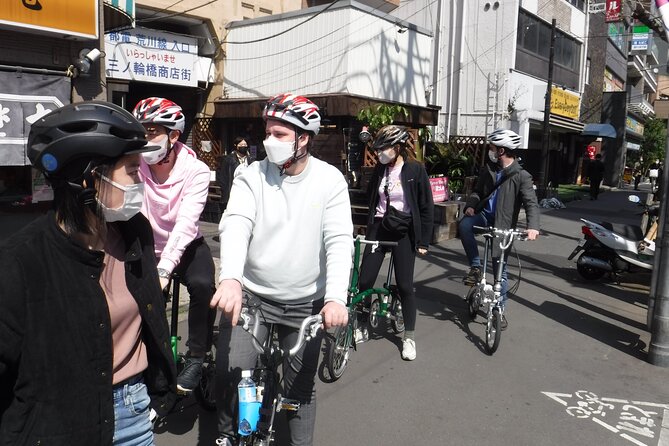
The biggest upgrade on a bike tour is not the bike. It is the guide. You’ll see a lot of praise for Takeshi and his calm, friendly leadership.
In several comments, Takeshi is described as:
- giving clear explanations
- tailoring the plan when someone wants extra time in a certain area
- staying alert to the group’s needs
- taking photos so you do not lose the moment to selfie stress
Some guides on tours like this also add small extras, and one note specifically mentions extra treats and tea. Even if that is not guaranteed every day, it shows the overall approach: friendly, flexible, and happy to help you slow down in the right places.
If you want a tour that includes both “what you’re seeing” and “how to understand it,” this is the right model. The stops are interesting, but the explanations are what turn sightseeing into something you remember later.
Stop-by-stop: what you’ll actually do (and why each stop works)
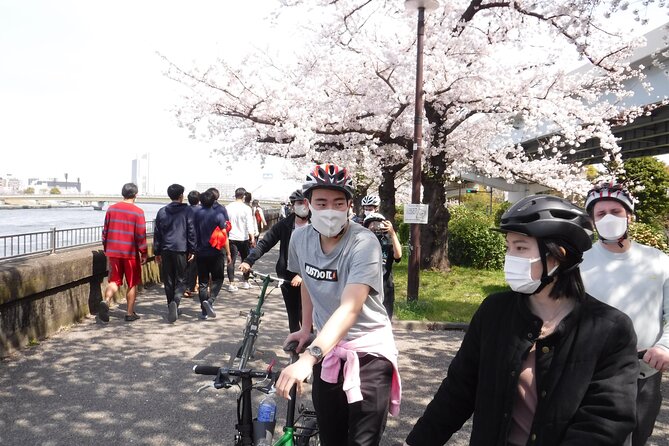
This tour strings together a smart mix of sweets, temples, crafts, gardens, and modern-skyline moments. Here’s the flow and what each stop offers.

Stop 1: Yamamotoya and sakuramochi
You begin with a classic Japanese sweet at Yamamotoya (linked to Sakuramochi, Chōmeiji Sakuramochi). Sakuramochi is a cherry cake wrapped in a salt-pickled cherry leaf and filled with red bean paste. It is one of the most recognizable traditional sweets, and it sets the tone nicely for the day.
Why it works early: it gives you a quick cultural start plus a small energy boost before you ride.
Stop 2: Honryuin Matsuchiyama Shoden (part of Senso-ji)
Next up is Honryuin Matsuchiyama Shoden, described as part of Sensoji, founded in 595. You will find temple imagery tied to a “daikon” (Japanese radish) and a pouch, plus symbolic meaning explained on-site.
Trade-off to consider: this stop is short. You are there for a look and a focused introduction, not a long museum-style session.
Stop 3: Imado Shrine and the power-spot vibe
At Imado Shrine, the tour focuses on its reputation as a “power spot,” especially for people seeking love or marriage connections. It is also linked to popular charms like the beckoning cat and fortune cat.
Why this stop feels real: it’s not only about big sightseeing. It’s about how people actively use these sacred spaces in everyday hopes and routines.
Stop 4: Edo Taito Traditional Crafts Center
Then you head to the Edo Taito Traditional Crafts Center (also described as the Edo Shitamachi Traditional Crafts Museum). This is where craftsmanship gets the spotlight. You can see traditional handicrafts and appreciate the work behind everyday Japanese culture.
This is a good mid-tour reset. After temple stops, it shifts you to something hands-on with visual detail, and it helps break up the day so you do not feel like you are only “looking at buildings.”
Stop 5: Senso-ji, Kaminarimon area, and a short walk inside
At Senso-ji Temple, you bike in front of Kaminarimon gate, then you leave the bikes and enjoy walking inside for about 20 minutes.
This is the biggest “icon” moment on the ride. Even if you’ve seen photos of Senso-ji before, being there in person hits differently. You get the scale, the energy, and the sensory overload. The key advantage here is that the tour places a short walk into a broader plan, so it does not swallow your whole day.
Practical note: because this is a major temple, expect more people in this zone. The guide’s timing and pacing help keep it manageable.
Stop 6: Kyu Yasuda Garden (17th-century quiet time)
After the temple crowd energy, you shift gears to Kyu Yasuda Garden, a Japanese traditional garden built in the 17th century. You’ll spend about 20 minutes walking the grounds.
This stop is valuable because it gives you calm. Gardens in Tokyo are like a pressure valve, and this one is an ideal break after temples and streets.
If you like design, composition, and the feeling of moving through carefully planned space, this is one of the best spots on the ride.
Stop 7: Ryogoku Kokugikan, sumo stadium photo moment
You cycle in front of Ryogoku Kokugikan, the sumo arena. The time here is brief, around 5 minutes, with a chance to take pictures.
This is not a full stadium visit, but it works as a marker. Sumo is part of Tokyo culture, and seeing the stadium from the street gives you that “oh, this is where it happens” context without forcing extra detours.
Stop 8: Oyokogawa Water Park toward Tokyo Skytree
Then the route carries you through Oyokogawa Water Park on the way toward Tokyo Skytree, with about 30 minutes in this stretch. You’re cycling through a more open-feeling area, and the ride itself becomes part of the experience.
Why this matters: it’s a change in scenery. It also helps you build momentum toward the big skyline moment.
Stop 9: Tokyo Skytree under the tower
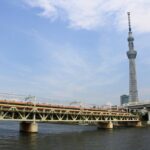
At Tokyo Skytree, you cycle under the tower area for about 10 minutes. Even a short stop is enough because Skytree is one of those structures you feel in your body once you’re nearby.
If you are visiting Tokyo for the first time, this gives you a modern anchor after the classic past stops.
Stop 10: Kyojima Minami Park and old-school everyday streets
You finish at Kyojima Minami Park. This section is described as old-fashioned shopping malls where you can see daily life in action. You’ll spend around 30 minutes here.
I like end-of-tour neighborhood stops because they answer the question, What does normal Tokyo life look like when you’re not in a photo zone? This is where that feeling shows up.
How to get the most out of the ride
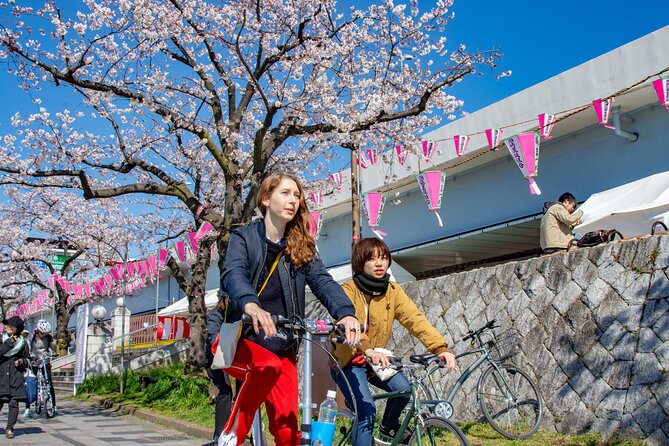
A bike tour is not only about the landmarks. It’s about how you use your time.
Here’s what helps most:
- Ask the guide to explain what you’re seeing at each stop, not just the headline facts
- If something catches your eye, say so. The tour is designed to be customizable, and Takeshi is noted for working with people’s interests
- Use the snack moment early. The sweet and water included at the start and along the way can make the mid-tour heat or fatigue easier to handle
- Bring a phone or camera ready, but let the guide take photos too. It’s faster and you get better angles without breaking the group rhythm
Also, Tokyo is hot and crowded at certain times of year. Even when the ride is easy, the open parts can feel warm. Dress accordingly, and slow down when the guide signals a stop.
Value check: is $65.41 for four hours a good deal?
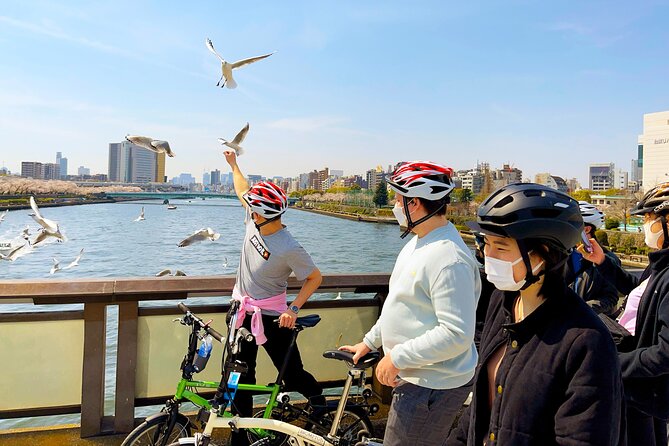
Let’s do the practical math. At about $65.41 per person for around 4 hours, you’re paying for more than “transportation.” You’re paying for:
- a guided route that keeps you off the busiest main streets
- bike and helmet use
- water plus a snack, including traditional sakuramochi
- a sequence of free admission stops across temples, a crafts museum, a garden, and major landmark zones
A normal walking plan in Tokyo can easily cost you in energy and time. You might see fewer places with less context, or you might spend more money on trains just to connect distant sights.
A good sign: multiple mentions highlight that the tour covers substantially more ground than you would on foot while still feeling relaxed. One couple even noted they covered about 15 km in roughly 4 hours, which is a solid distance without feeling like a workout class.
If you want maximum context per half-day, this tends to feel like a good value.
Who this tour suits best (and who should think twice)
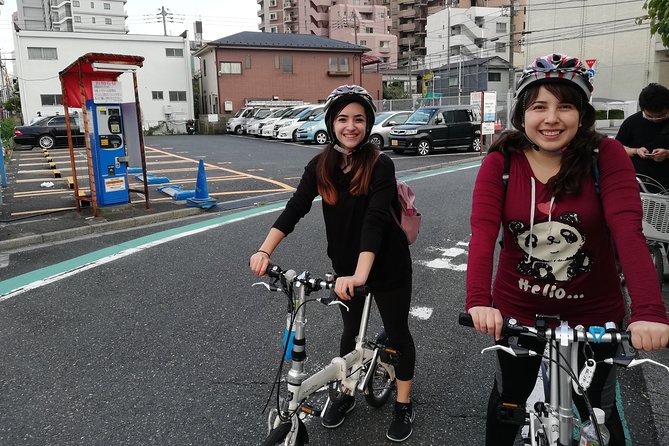
This tour is a strong match if you want:
- an easy way to combine classic Tokyo with quieter neighborhoods
- short, meaningful stops instead of long museum marathons
- a guide who can explain and adjust the plan, especially if you have specific interests
- a family-friendly style, since the route is described as easy and the streets are fairly quiet for much of the ride
It may be less ideal if:
- you are uncomfortable riding on city streets at all, even with a guide
- you are tall beyond the stated bike range and you did not inform the operator in advance
- you are traveling during weather that is likely to be poor, since the tour requires good weather
Should you book Tokyo Backstreets Bike Tour?
If your idea of a great Tokyo day is “see more than the postcards,” this tour is worth booking. The mix is smart: sweet tradition at Yamamotoya, temple and shrine culture, craft focus, garden calm, and a modern skyline hit near Tokyo Skytree, then a finish in neighborhood shopping lanes.
I’d especially book it if you like guided context and want your time to feel efficient without feeling rushed. And if you are curious about the local rhythm of Tokyo beyond the main attractions, the backstreet style is exactly the point.
One last tip: when you book, tell them your height (especially if you are over 180 cm). Small details like that can make the difference between a smooth ride and a fussy one.
FAQ
How long is the Tokyo Backstreets Bike Tour?
It lasts about 4 hours.
What is the price per person?
The price is $65.41 per person.
What kind of bikes are used, and will they fit me?
The tour uses folding rental bikes in the 14-20 inch range, suitable for people between 140 and 180 cm tall. If you are over 180 cm, you should inform the operator prior to the tour.
Are helmets provided?
Yes, bikes and helmets are provided. Helmets are not mandatory.
What are some of the stops on the route?
Stops include Yamamotoya (sakuramochi), Honryuin Matsuchiyama Shoden, Imado Shrine, the Edo Taito Traditional Crafts Center, Senso-ji, Kyu Yasuda Garden, Ryogoku Kokugikan, Oyokogawa Water Park, Tokyo Skytree, and Kyojima Minami Park.
Does the tour run in poor weather?
The experience requires good weather. If it is canceled due to poor weather, you will be offered a different date or a full refund.
More Cycling Tours in Tokyo
More Tours in Tokyo
More Tour Reviews in Tokyo
Not for you? Here's more nearby things to do in Tokyo we have reviewed


Tokyo City Tours, side by side.
 ★ 5.01-Day Tokyo Bus TourFrom $12914,250 reviews
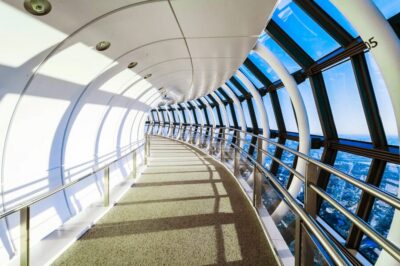 ★ 4.5TOKYO SKYTREE® Admission ticketFrom $1311,192 reviews
 ★ 4.6teamLab Planets TOKYO Digital Art Museum Entry TicketFrom $259,779 reviews
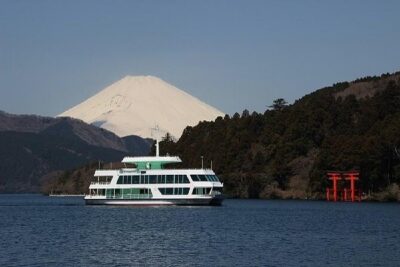 ★ 4.0Mt Fuji & Hakone Cruise, Drum Show Bullet Train 1 Day from TokyoFrom $1497,413 reviews
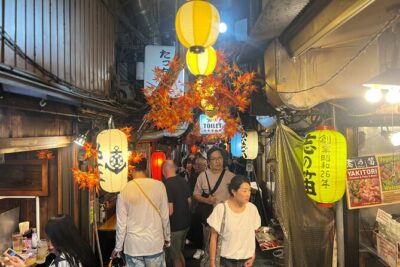 ★ 5.0Shinjuku Food Tour (13 Dishes at 4 Local Eateries)From $866,603 reviews
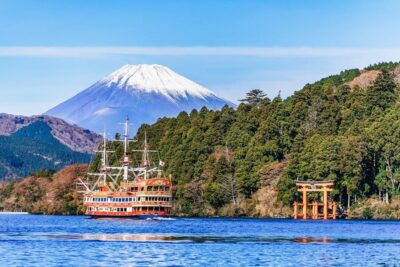 ★ 4.4Tokyo Mt Fuji 5th St & Hakone Cruise Bus Tour w/Bullet TrainFrom $1545,024 reviews
 ★ 5.0Flagship 2-Hours Official Street Go-Kart Tour – Tokyo Bay ShopFrom $644,974 reviews
 ★ 4.5From Tokyo: Mount Fuji Full-Day Sightseeing TripFrom $684,970 reviews
This tour also belongs to