
Review · TOKYO CITY TOURS
Tokyo: Evening Tour – Temples, Neon Streets & Culture
Tokyo glows differently after dark. This 3 hour walk strings together temples at night and neon neighborhoods with a local guide who can shape the route to your pace.
I also like that you start after 4:00 PM, when the city feels less like a sweat marathon and more like a movie set. The main drawback is simple: it is still a walking tour, so comfortable shoes matter, and you may cover public transit fees yourself since they are not included.
Key things I’d mark on your must-do list
- Starts after 4:00 PM, so you dodge the worst daytime crowds and heat
- Flexible routing based on your interests and energy level, not a rigid checklist
- Asakusa at night, where an old temple setting feels calmer and easier to photograph
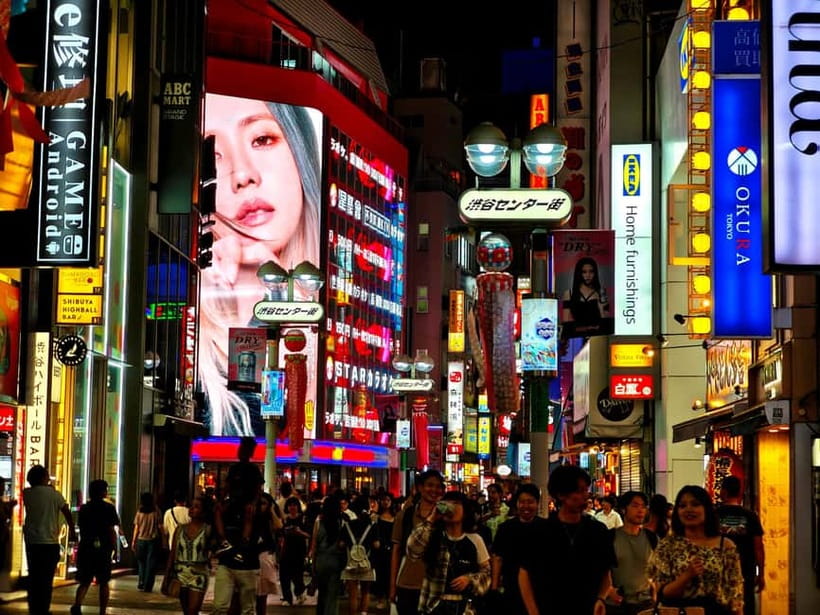
- Shibuya Crossing under billboards, for that fast, cinematic pedestrian crossing vibe
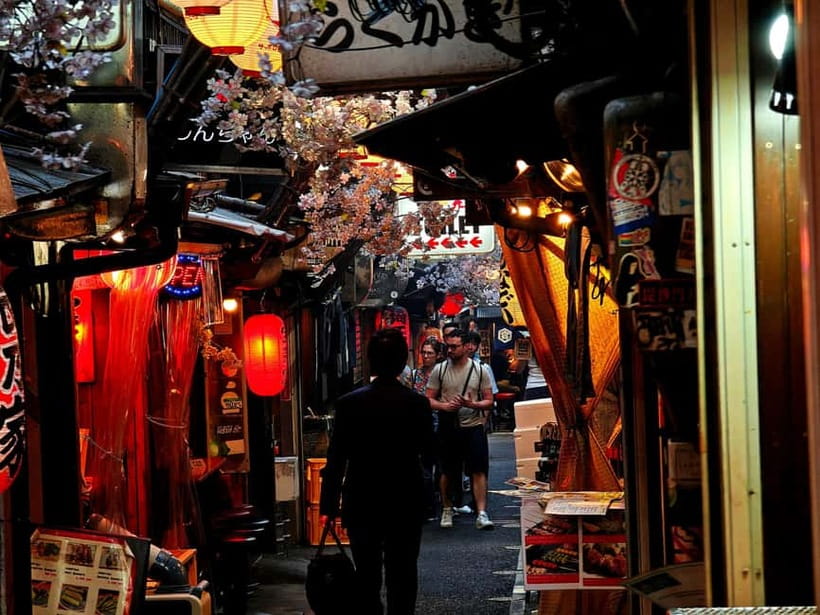
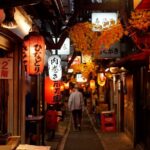
- Shinjuku nightlife lanes, from Omoide Yokocho onward through sign-lit areas
- Akihabara after dark, built for anime, gaming, and tech culture
Why the tour starts after 4:00 PM
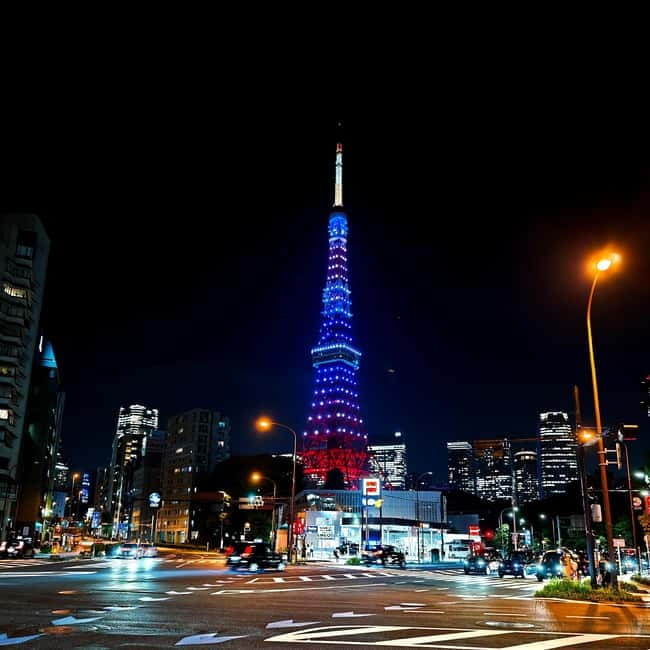
Tokyo after sunset has a different tempo. Shop signs turn into glow sticks, temples look softer in the light, and the streets feel like they belong to Tokyo, not tour buses.
This tour is timed to start anytime after 4:00 PM. That flexible start matters because you can build the day around your jet lag, your hotel check-in, or a late lunch. I like that it keeps the focus on the evening transformation, not daytime sightseeing you can do on your own.
And yes, the evening helps with comfort. You are generally walking in cooler air than the midday heat, which makes a 3 hour neighborhood hop feel far more doable.
You can also read our reviews of more evening experiences in Tokyo

Getting around: public transit, a walking plan, and a guide who adjusts
This is designed as a walking experience, with movement between neighborhoods using Tokyo’s public transit system. You will cover enough ground to feel like you moved through Tokyo, but not so much that it turns into a forced march.
A big plus is that the route can flex. Your guide can adjust based on what you care about most, and also based on how your group is doing. I especially appreciate this when someone in the group wants a slower pace. Guides like Deen are known for tailoring the tour on the fly, even for people recovering from knee surgery.
If you want it, there is hotel or location pickup on foot as an optional add-on. So you can meet up close to where you are staying, which reduces the pre-tour scramble.
One practical consideration: the tour includes getting you to places, but it does not include public transportation fees. That means you should be ready to pay transit costs yourself while the guide handles the route and timing.
Asakusa after sunset: when the old temple experience turns gentler
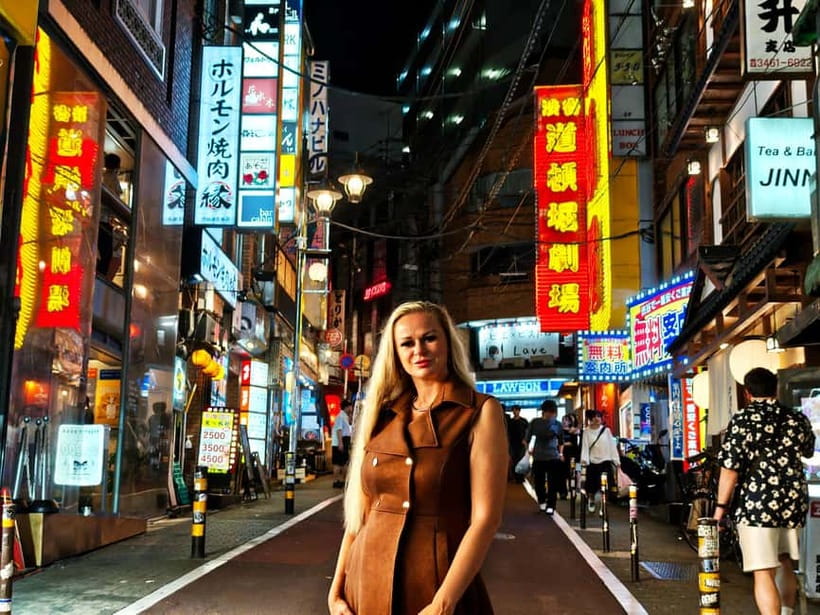
Asakusa is a top anchor stop for this tour, and doing it at night changes the feeling fast. As lanterns and soft illumination take over, the area can feel more peaceful, and the crowd energy usually shifts compared with daytime.
You are visiting Tokyo’s oldest temple area, and the tour is built around experiencing it with the evening light and thinning crowds. That matters for two reasons. First, the atmosphere is calmer, so you can actually look at details instead of just scanning for the next photo. Second, night lighting gives temples a different texture, especially around lanterns and traditional streets nearby.
This is also where the guide’s local know-how helps. You are not just walking in front of famous sights. You are being routed in a way that supports the story of old traditions inside a living modern city.
If you care about photos, this is usually where you will get the best payoff early. You are often not fighting as much daylight glare, and the evening glow helps your images look more like postcards without needing fancy settings.
Shibuya Crossing: neon billboards and pedestrian chaos, but managed
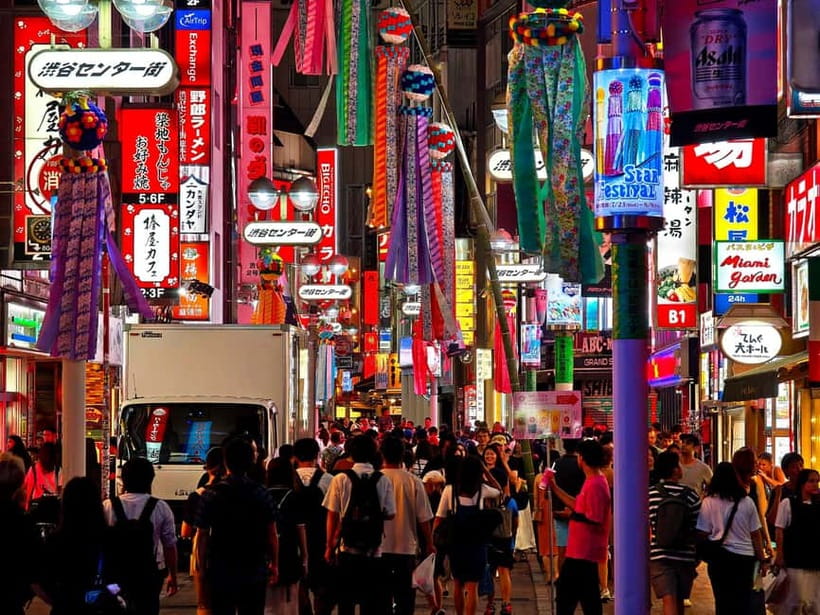
Next comes Shibuya Crossing, one of the world’s most famous pedestrian intersections. The point here is not just to say you were there. It is to experience the crossing when the billboards and city lights take over the background.
At night, Shibuya feels like an electronic world laid over the street grid. The signals change, the light shifts with passing vehicles, and you get that constant stream of people crossing in layers.
The practical advantage of doing this with a guide: you are not left alone trying to figure out where to stand and when. Your guide helps you navigate the busiest flow area and keeps the timing moving. That means you spend more time watching the choreography and less time second-guessing your position.
If you are a first-timer in Tokyo, this stop is also a quick orientation moment. After Asakusa, Shibuya is a dramatic contrast, and it sets up the rest of the night in a way that feels natural.
Shinjuku at night: izakayas, arcades, karaoke, and sign-lit backstreets
Shinjuku is where the city gets loud, playful, and highly photogenic. This part of the tour is focused on the nightlife district energy, with stops that can run from Omoide Yokocho into Kabukicho.
The value here is guidance through the maze. Shinjuku has layers, and without a plan it is easy to bounce between places that all look similar. With a local guide, you get a route that actually makes sense, including how to move through busy streets without losing your way.
This is also the section of the tour that tends to feel the most personal. If you like food culture, you will get plenty of references to izakayas and the kinds of spots people gravitate toward at night. If you like games and pop culture, the arcades and neon signage do their job quickly. And if karaoke is your thing, Shinjuku is the right neighborhood to be in after dark.
From what I value in guided nights like this, it is the balance of chaos and control. You still experience the intensity of Shinjuku, but you do not feel like you are wandering blindly.
One more thing: the pace can feel faster here because the streets are more lively. If your group needs a gentler rhythm, this is a good place to tell your guide early, so adjustments happen before you get tired.






Akihabara after dark: anime, gaming, tech culture on full display
Akihabara at night is where Tokyo’s fandom culture feels most visible. This stop leans into anime, gaming, and tech culture, and it is great for both visitors who already know the scene and people who want to peek in without needing insider knowledge.
Even if you are not deeply into the brands, the visual language is the point: neon displays, shop fronts, and the sense that people are walking with purpose. After Asakusa and Shibuya, Akihabara provides a different kind of Tokyo mood, more shop-and-street focused than temple-or-traffic focused.
Your guide may include lesser-known alleys, rooftop views, or photogenic backstreets depending on the day. That flexibility is useful because it helps the tour feel less like a fixed template and more like a guided night that responds to what the neighborhood is doing.
If you want souvenirs that feel local, this is often where you can pick up gifts with better context. I like that guides can point you toward items that actually make sense as presents, not just what looks good from a distance. One guide experience shared with me involved Sofia helping someone find gifts to bring back to the States with a sharp eye for what would work in real life.
Photo strategy: how the guide helps you get better shots
This tour is explicitly built with photography in mind. You will be walking in areas where light changes constantly, so your photos can either look great or turn into a blur. The guide helps with both timing and location.
Photos are part of the offering when available. The guide can take photos during the tour, and there may be a professional photographer if available. Even when you are taking your own shots, having someone along who understands where to stand can cut your trial-and-error time.
Here is what helps you get the most from night photography without overthinking it:
- Wear shoes you can keep on for a full 3 hours, because you will likely be stopping for shots.
- Bring a charged smartphone and be ready to adjust settings quickly.
- Look for contrast scenes, like illuminated signs against darker storefronts.
Also, evening lighting means you might prefer settings like portrait mode or night mode. You do not need to be a camera expert. The real trick is simple: move when the light changes, and let the guide place you where it looks best.
Pace, group setup, and who this works best for
This is a private group tour, which is a major quality-of-experience factor for a walking night. In a large group, you lose time waiting and you lose flexibility when people get tired. Here, the guide can match the pace to the group.
The duration is 3 hours, and tours typically run until 11:00 PM latest. That means you can plan dinner before or after without the tour eating your whole night.
The tour is also described as wheelchair accessible. That is worth noting because it suggests the route and timing can accommodate different mobility needs, though you should still wear comfortable clothes and plan for walking segments.
Who it fits best:
- First-time visitors who want multiple neighborhoods without logistics stress
- People who prefer night atmospheres over daytime crowds
- Anyone who enjoys photos and wants help finding good spots
- Groups who want flexibility, like adjusting the pace for comfort needs
If you want a slow, sit-down museum style evening, this might feel too active. But if you want Tokyo in motion, this hits the mark.
Price and value: what $83 covers, and what to budget on top
At $83 per person, you are paying for a guided evening route that stitches together several iconic areas in a single night, plus expert support for timing and photo opportunities.
Here is what is included:
- Hotel or location pickup on foot as an optional add-on
- Photos taken by your guide during the tour if available
- Flexible itinerary planning with local expert support
- A professional photographer if available
- Children under 12 join for free if included in the booking
Here is what is not included:
- Public transportation fees
- Entrance tickets if needed
- Meals and personal expenses
So the value equation looks like this. You are not just paying for a list of stops. You are paying for a guided route that helps you avoid wasting time, and that gives you better context for what you are seeing. And in a place like Tokyo, saving time on figuring out transit connections at night is real money, even if you do not buy anything extra.
If your group plans to use public transit heavily, factor in transit fares. If you want food or snacks during the walk, budget that too. Otherwise, you can treat the tour as the main experience and keep your spending controlled.
Should you book this evening tour?
I think this tour is a strong choice if you want a Tokyo night that feels guided, photogenic, and efficient. It is especially worth it for the combo of Asakusa at night, Shibuya Crossing under billboards, and the shift into Shinjuku plus Akihabara after dark. That is a lot of variety in just 3 hours.
Book it if:
- You can start after 4:00 PM and want to maximize evening atmosphere
- You like walking neighborhoods, signs, and night lighting
- You want someone local to shape the route for your group
- You care about photos and want help finding good viewing spots
Skip it if:
- You prefer a mostly seated, low-walking experience
- Your group hates night crowds at all, even with guidance
- You do not want to handle any extra costs like transit fares
If your goal is to see the Tokyo people post online, but with less stress and more sense of flow, this is a smart way to do it.
FAQ
What time can I start this tour?
You can start anytime after 4:00 PM.
How long is the experience?
The tour lasts about 3 hours, and it typically runs until 11:00 PM at the latest.
Is hotel pickup included?
Hotel or location pickup is available on foot as an optional add-on.
Do I need to pay for public transportation?
Public transportation fees are not included, so you should expect to pay those separately.
Are entrance tickets included?
Entrance tickets are not included if you need them for specific places.
Does the guide take photos?
Yes, photos taken by your guide are included if available. There may also be a professional photographer available if offered.
What languages are the tours conducted in?
The tour guide speaks English and Spanish. Italian is also listed as available.
Is this a private group tour?
Yes, it is a private group.
Is the tour wheelchair accessible?
The tour is listed as wheelchair accessible.
Are kids included, and do they pay?
Children under 12 join for free if you include them in the booking.
More Evening Experiences in Tokyo
More Tours in Tokyo
More Tour Reviews in Tokyo
Not for you? Here's more nearby things to do in Tokyo we have reviewed












Tokyo City Tours, side by side.
 ★ 5.01-Day Tokyo Bus TourFrom $12914,250 reviews
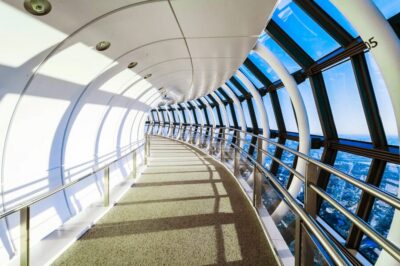 ★ 4.5TOKYO SKYTREE® Admission ticketFrom $1311,192 reviews
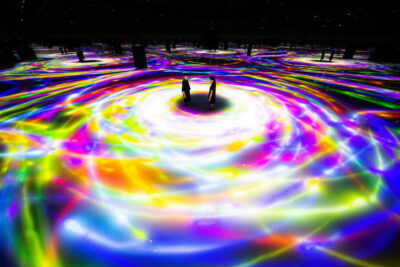 ★ 4.6teamLab Planets TOKYO Digital Art Museum Entry TicketFrom $259,779 reviews
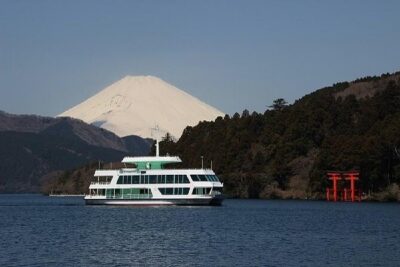 ★ 4.0Mt Fuji & Hakone Cruise, Drum Show Bullet Train 1 Day from TokyoFrom $1497,413 reviews
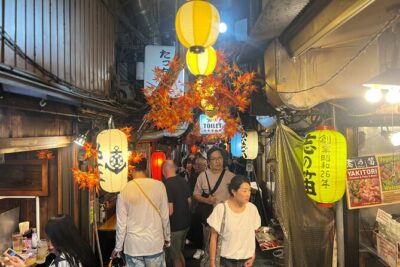 ★ 5.0Shinjuku Food Tour (13 Dishes at 4 Local Eateries)From $866,603 reviews
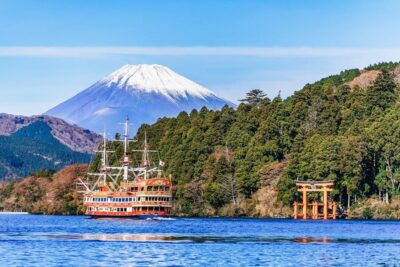 ★ 4.4Tokyo Mt Fuji 5th St & Hakone Cruise Bus Tour w/Bullet TrainFrom $1545,024 reviews
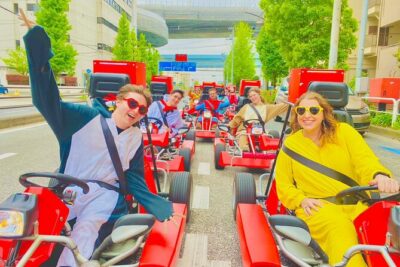 ★ 5.0Flagship 2-Hours Official Street Go-Kart Tour – Tokyo Bay ShopFrom $644,974 reviews
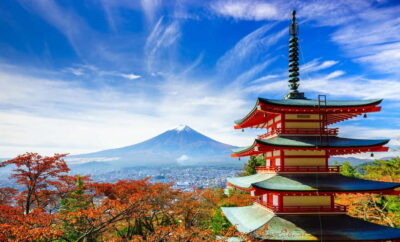 ★ 4.5From Tokyo: Mount Fuji Full-Day Sightseeing TripFrom $684,970 reviews
This tour also belongs to