
Review · TOKYO SUMO EXPERIENCES
Tokyo Ginza : Sumo and Mikoshi Experience,Open from Sep.
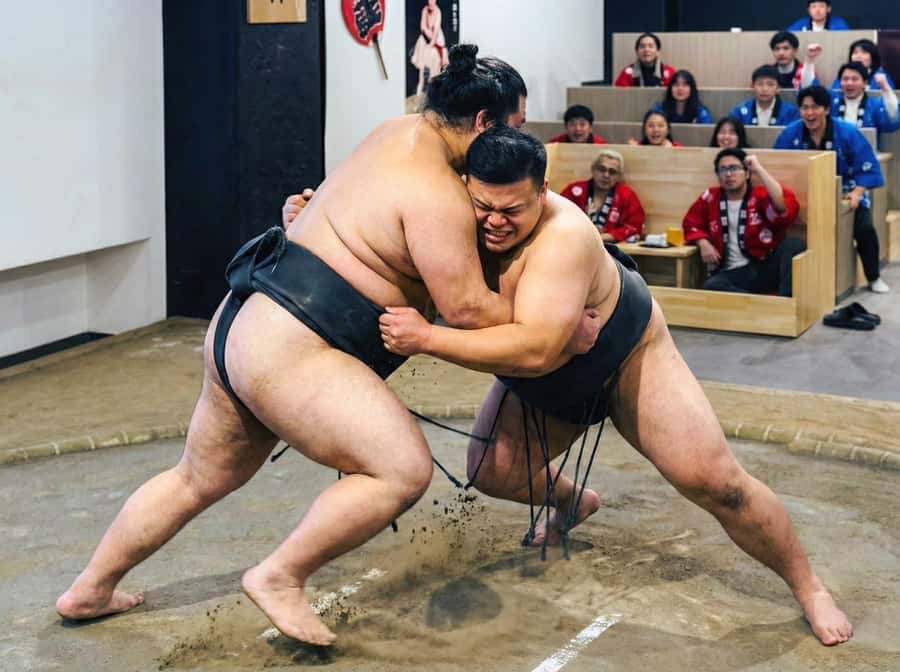
Sumo comes alive in Ginza. This festival-style experience mixes sumo practice you can watch closely with a hands-on mikoshi moment after the show. Expect an entertaining flow, clear explanations in English, and participation that can put you right at ring level.
I especially like two things. First, the food is not an afterthought, you choose chanko hot pot or a snack, in a relaxed setting that fits the theme. Second, you get real interaction, including stepping into the ring for a try against a wrestler (participation rules depend on your seating).
One thing to consider: ring time is limited. General seating can be determined by lottery when there are many applicants, while premium and box seats are guaranteed participation.
Key highlights you should care about
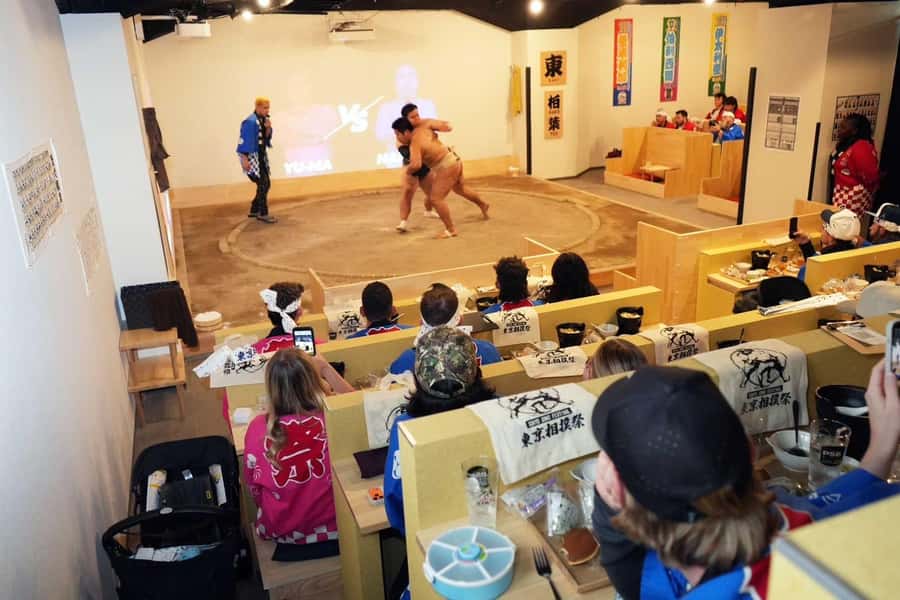
- Step into the ring and try sumo with a retired wrestler teaching the basics.
- Eat sumo-style with chanko hot pot or a snack as part of the experience.
- Carry a mikoshi, a portable shrine tied to Japanese festival traditions.
- Festival energy, not match day intensity, because the show is designed for enjoyment.
- Easy Ginza location near several major stations, with the venue on the first basement floor.
- English-friendly experience, with staff explaining clearly.
Ginza Sumo Meets Festival Tradition
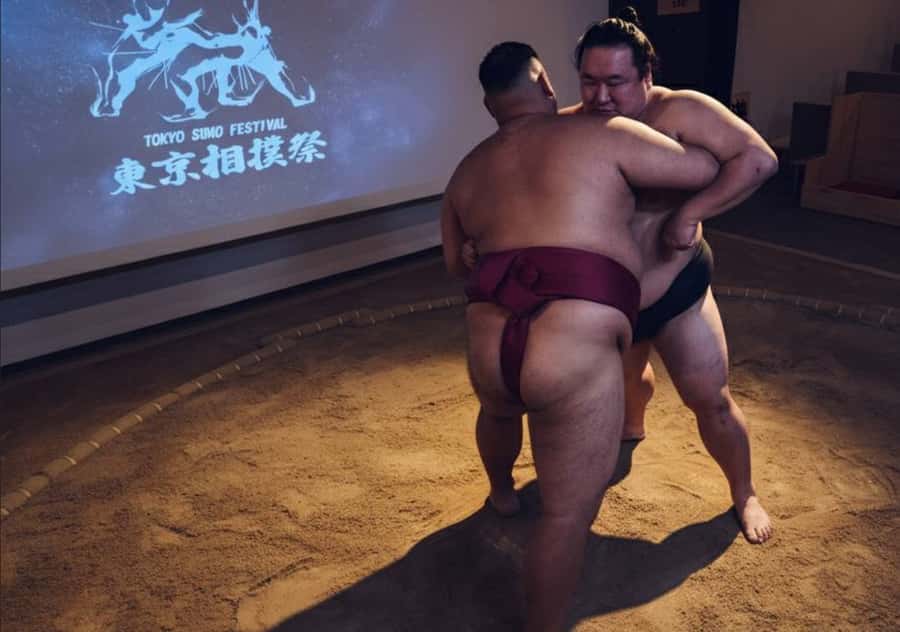
Ginza is famous for shopping, but this experience turns the volume way down on the mall vibe. You get a concentrated dose of Japanese festival culture through sumo, food, and that iconic portable shrine moment.
What makes it feel “Japan” in a good way is the sequence. You start with sumo practice and teaching, then you move from watching to doing. Finally, you shift into a mikoshi activity that connects to how festivals work in real life: loud, communal, and physical. It is not pretending to be a stadium event. It is more like a cultural stage show where you can join in.
Also, the venue is in the center of Tokyo, so you do not need a whole day of train transfers just to get a fun, memorable cultural activity. That convenience matters.
You can also read our reviews of more tours and experiences in Tokyo.



Your visit start: getting to Ginza INZ fast
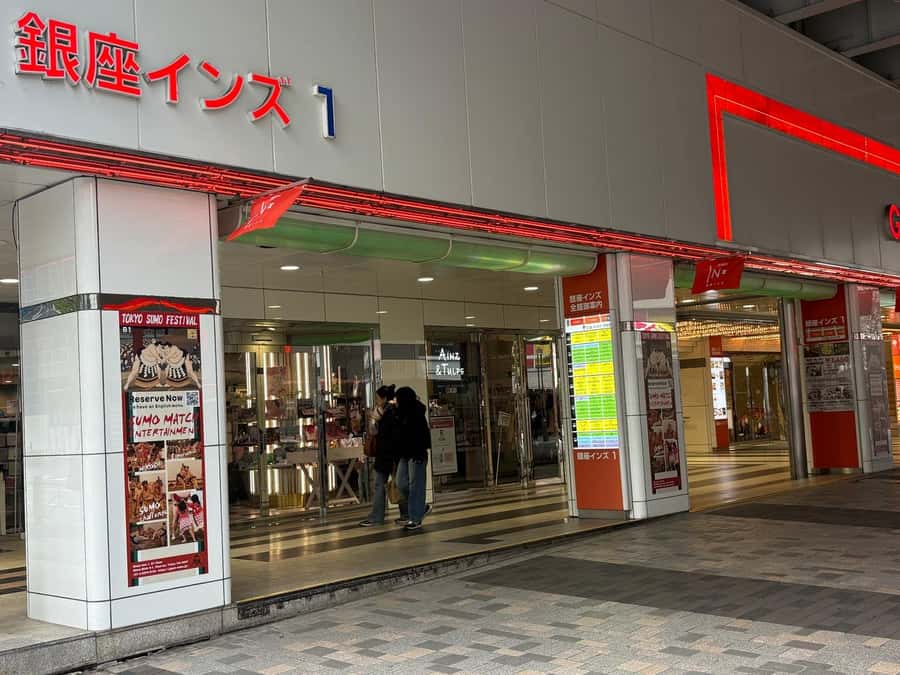
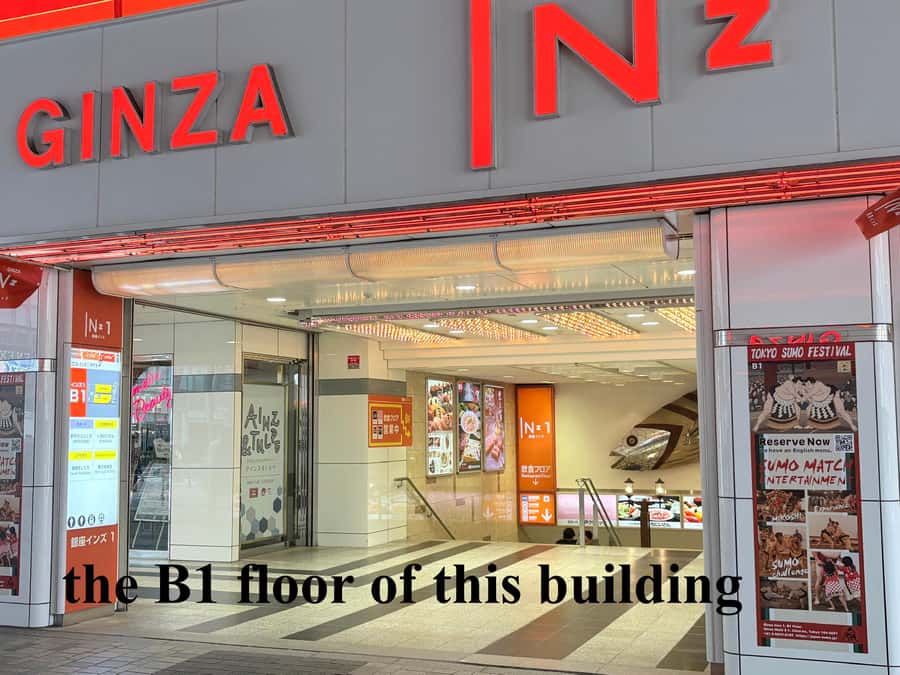
You meet at Ginza INZ1 B1, Nishi 3-chome, Ginza, Chuo-ku, Tokyo. The big practical detail: it is on the first basement floor, so you will want extra time to orient yourself and find the entrance.
Good news on transit. It is close to:
- JR Yurakucho Station, about a 3-minute stroll
- Tokyo Metro Ginza-Itchome Station, about a 2-minute walk
- Tokyo Metro Ginza Station, about a 4-minute walk
In real life, basement venues can be a little tricky with signage. If you use a map app, give yourself a buffer so you are not rushing at street level.
What the sumo show feels like (and what it is not)
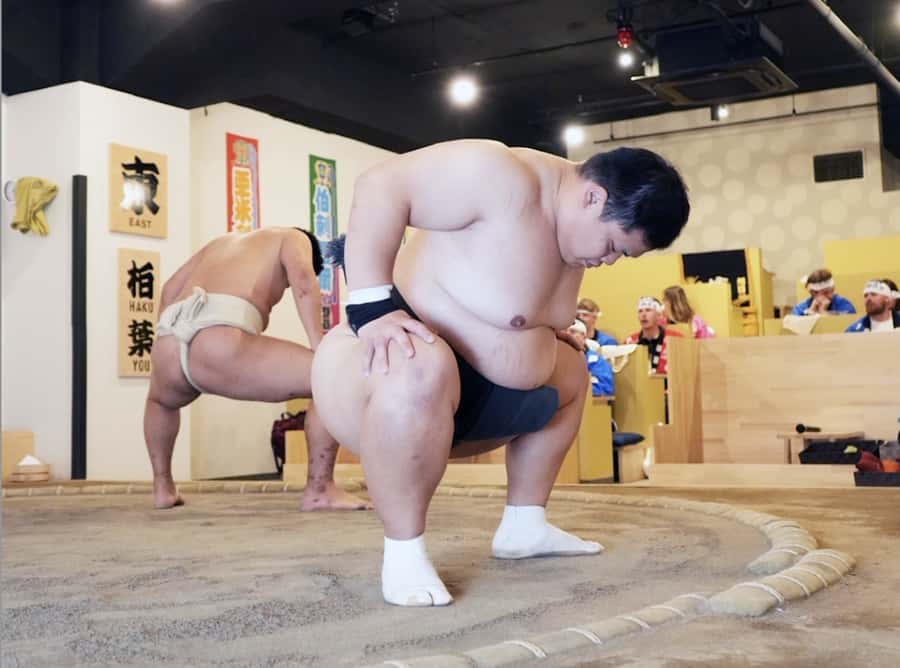
This is not morning practice for hard-core spectators. The experience is designed as an entertaining show that families and adults can enjoy. You may see elements of morning-style training, but the format is built for comprehension and participation, not just serious match preparation.
Here is the vibe you should expect:
- Winning techniques explained so the rules make sense.
- Live demonstrations by performers tied to the sumo world.
- A clear, English-friendly explanation style.
- A “join in” mindset, where you do not just sit and watch.
That matters because sumo can look mysterious if you only see the action. When someone breaks down why wrestlers move the way they do, you start noticing the details, like stance, timing, and how positioning becomes offense and defense.
A practical caution: the ring activity is structured. It is not a full-on match. You are trying sumo as a fun challenge, and the wrestlers are far stronger and larger than you. Plan for it to be humbling and fun, not competitive.
The real highlight: stepping into the ring with a retired wrestler
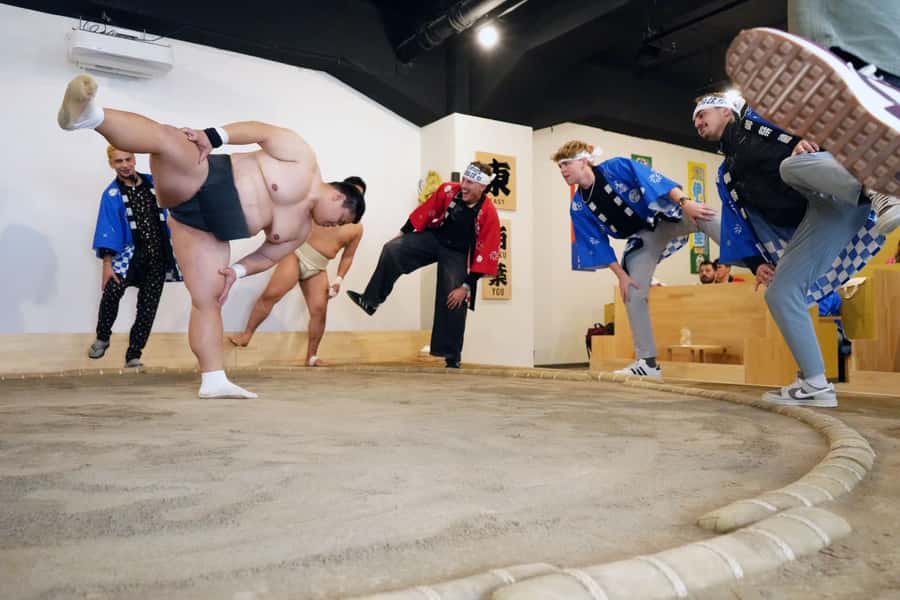
One of the best parts is the chance to try sumo against a wrestler who is part of the experience. The format is hands-on, and the teaching portion helps you understand what you are supposed to do, instead of just being pushed in and told to go.
Participation works like this:
- General seating participation is limited and may be determined by lottery if there are many applicants.
- Premium and box seats have guaranteed participation.
So, if you really care about being in the ring, your best move is to choose seating that guarantees it. If you are flexible and mostly there for the food and watching, general seating can still be a great value, as long as you accept the lottery possibility.
From the way the experience is described, the teaching is also part of the entertainment. They explain things in a way that keeps the room engaged, and you may even get stage moments beyond the ring try.
Chanko hot pot or snack: the meal that fits the theme
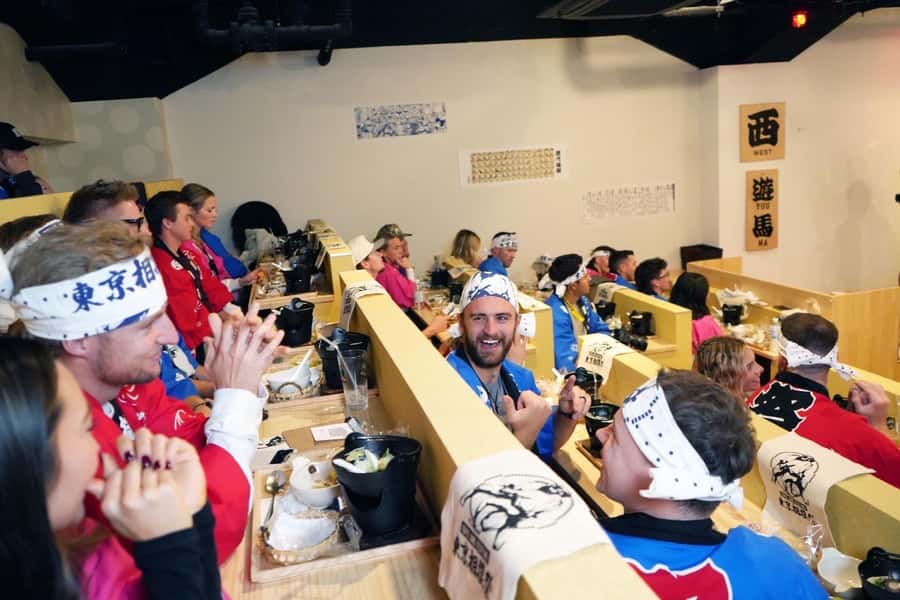
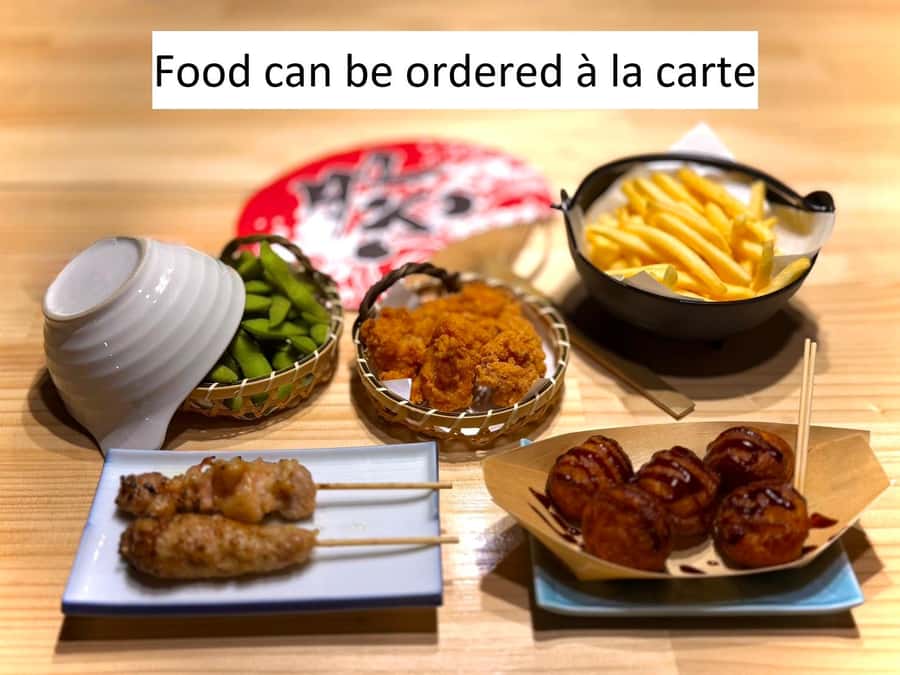
Included in your ticket is a meal. You pick:
- Chanko hot pot, or
- A snack option
This is a practical win. In Tokyo, lots of activities promise culture but deliver a vending-machine sandwich. Here, the food supports the story of sumo life. Chanko nabe is strongly associated with sumo training culture, and serving it as part of a sumo event makes the connection feel natural.
Two more food notes you should plan around:
- Drinks are not included.
- You can request vegetarian or vegan meals, but you must inform the provider 2 days before your reservation date.
Also, the experience says gluten-free and halal options are not available, so if you have those needs, you will need to plan carefully. If you do not have a safe meal option, you might bring snacks you can eat, since drinks are not included either.



The mikoshi carry: a festival action you can actually feel
After the sumo show, you get to experience a mikoshi. This is a portable shrine carried during Japanese festivals, and it is one of those cultural traditions that is hard to understand from photos.
The value here is physical understanding. When you carry something designed to be moved in a crowd, you learn how festival energy becomes coordinated motion. It is also a strong change of pace after the sumo portion, so the experience does not blur into one long performance.
If you like hands-on culture, this is the moment that often turns the whole day into a memory. Watching is fine. Carrying is different.
Costumes, stage moments, and the feel of a communal show
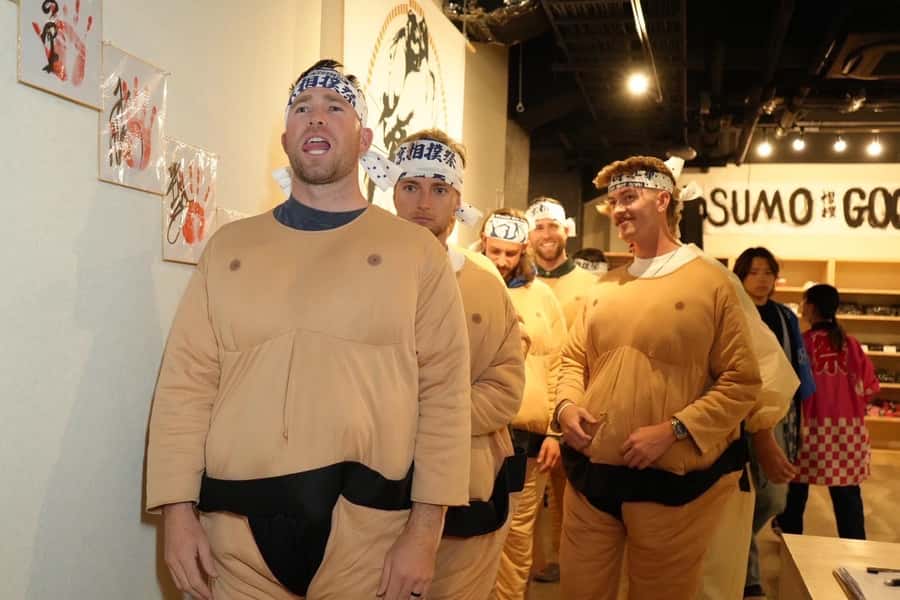
Several details point to a shared, upbeat festival atmosphere. One example: you may have chances to wear a festival-style happi coat during the experience. That kind of costume involvement is not just for photos. It helps you relax and play along, especially if you are not sure how sumo rules work.
There can also be extra stage involvement beyond the ring try. That is a big deal for people who do not want to spend the whole session seated.
The overall tone is friendly and interactive. The English explanations are a plus if your Japanese is limited.
Seating and value: what your $97 is buying
At $97 per person, you are paying for more than entry to a venue. You are buying:
- A guided show with explanations
- Included sumo-style food
- A mikoshi experience
- A chance to participate in the ring, depending on seating and lottery rules
- A souvenir
So the question is not just whether $97 is expensive. It is whether you want hands-on participation. If you do, premium or box seating can feel like better value because you are not gambling on lottery participation. If you only want to watch, general seating could still be worth it, but you should expect the participation portion to be less predictable.
Also, since drinks are not included, budget a little extra for water or tea if you need it.
Who this experience is best for
This works really well if you:
- Want sumo culture but do not want stadium logistics or long travel
- Like interactive experiences where you learn and participate
- Enjoy Japanese festivals and festival traditions like the mikoshi
- Prefer clear English instruction
It may be less ideal if you:
- Are only interested in serious sumo match-level training and tactics
- Want a quiet, museum-style experience
- Have strict dietary limits like halal or gluten-free needs (those are not provided)
For families, the description makes it sound like a good fit too, since the show is designed to be enjoyable for adults and children.
Practical tips so your day goes smoothly
A few small choices can make the experience smoother in Tokyo:
- Arrive early enough to find the basement entrance at Ginza INZ. Basement floor access can slow you down.
- Bring an open mind. This is a show with audience participation, not a professional tournament.
- If you care about ring time, treat seating choice as your main decision. Lottery rules can affect general seating participation.
- Plan your food expectations. You will get chanko hot pot or a snack, but not drinks. If you like tea or soda, plan to buy it nearby.
- If you have dietary needs, message the provider ahead of time about vegetarian or vegan meals. For gluten-free or halal, do not assume options exist.
Should you book the Tokyo Ginza Sumo and Mikoshi Experience?
If your idea of “best Tokyo culture” includes trying things yourself, I think you should book this. The combo is hard to beat: sumo education you can understand, a meal that fits the theme, and a mikoshi activity that goes beyond passive sightseeing.
I would only hold off if your main goal is hardcore, morning-style serious training or if your diet requires gluten-free or halal meals that are not promised here. And if ring participation is your top priority, choose the seating tier that guarantees it, so you are not depending on lottery luck.
Overall, this is the kind of Tokyo experience that feels both accessible and genuinely Japanese, without needing special expertise to enjoy it.
FAQ
What is included in the price?
The ticket includes a meal (chanko hot pot or a snack), the sumo experience and show, mikoshi (portable shrine) experience, sumo wrestling experience with seating rules, and a souvenir.
Is sumo ring participation guaranteed?
General seating participation is limited and may be determined by lottery if there are many applicants. Premium and box seats have guaranteed participation.
Where do I meet for the experience?
You meet at Ginza INZ1 B1, Nishi 3-chome, Ginza, Chuo City, Tokyo, Japan. The venue is on the first basement floor.
How do I get there from nearby stations?
It is about a 3-minute walk from JR Yurakucho Station, around a 2-minute walk from Tokyo Metro Ginza-Itchome Station, and about a 4-minute walk from Tokyo Metro Ginza Station.
Can you accommodate vegetarian or vegan meals?
Yes, vegetarian and vegan meals can be provided, but you must inform the provider through messaging 2 days before your reservation date. Gluten-free and halal meals cannot be provided.
Are drinks included?
No, drinks are not included.
More Tour Reviews in Tokyo
Not for you? Here's more nearby things to do in Tokyo we have reviewed












Tokyo Sumo Experiences, side by side.
 ★ 4.8Sumo Show and Dining ExperienceFrom $792,742 reviews
 ★ 5.0the SUMO showFrom $891,960 reviews
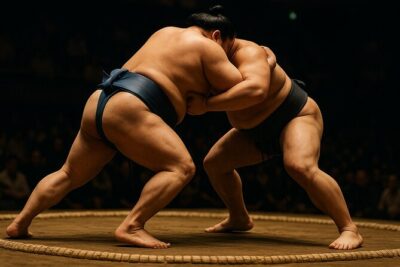 ★ 5.0Tokyo Shinjuku Sumo Show & Experience with PhotoFrom $791,750 reviews
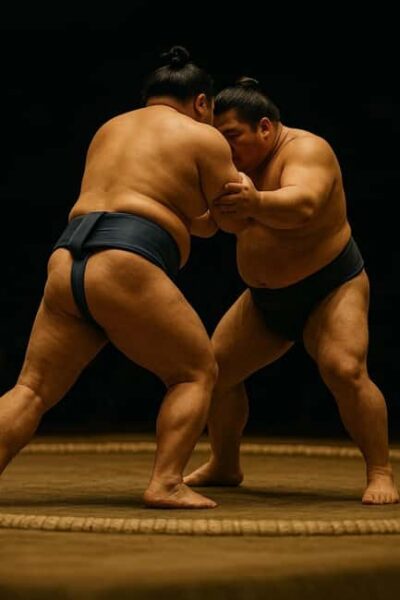 ★ 4.8Sumo Show and Experience in ShinjukuFrom $691,001 reviews
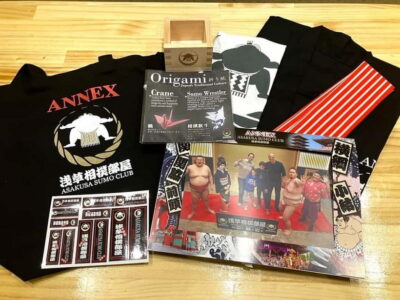 ★ 4.7Luxury Sumo Show Experience & Japanese cuisine & DrinkFrom $103577 reviews
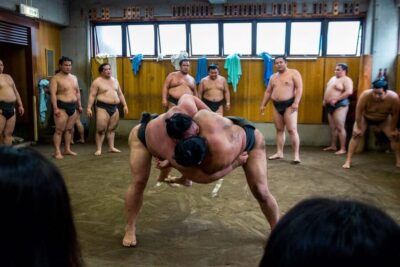 ★ 4.8Sumo Morning Practice Viewing TourFrom $81570 reviews
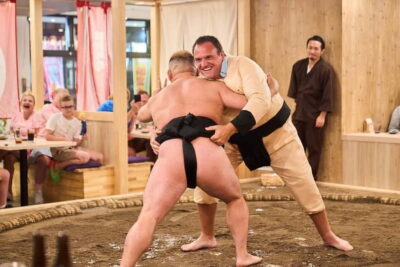 ★ 4.8Tokyo Sumo Experience: Chanko & Mochi with a Former ProFrom $103567 reviews
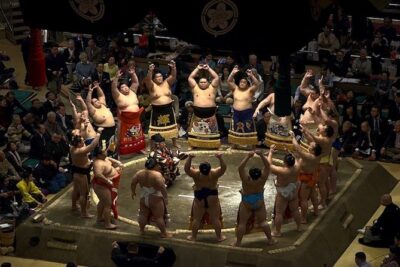 ★ 5.0Ultimate Sumo Tournament: Tokyo, Osaka, Nagoya, FukuokaFrom $184468 reviews
This tour also belongs to