
Review · TOKYO SUMO EXPERIENCES
Tokyo: Grand Sumo May Tournament
Sumo is better with context. This Grand Sumo May Tournament experience pairs a Ryogoku neighborhood history walk with live commentary in earphones, so you can follow every ritual and matchup. I also love the payoff: you end with hearty chanko-nabe, the wrestler hot-pot that turns the whole day into more than just watching.
One possible drawback: the tour value depends a lot on your guide’s style. Some guides are more quiet, so if you want lots of back-and-forth, plan to ask questions during the walk and in the arena.
Key things I’d zero in on
- Ryogoku walking time before the bouts to make the tournament feel understandable, not random
- Real-time headset commentary so you catch the why behind the who
- Kokugikan arena walkthrough including the sumo museum and big visual landmarks like murals and championship prizes
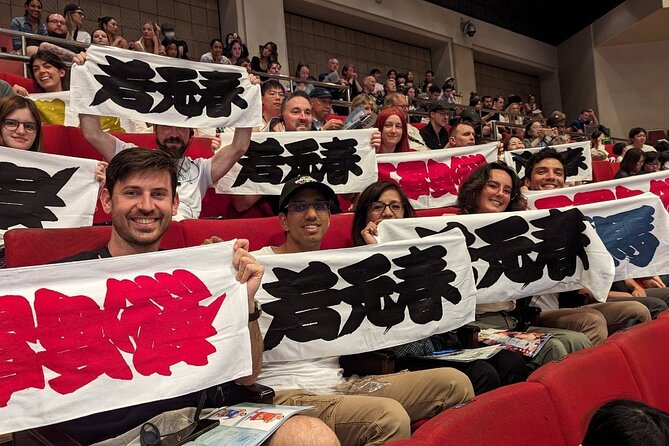
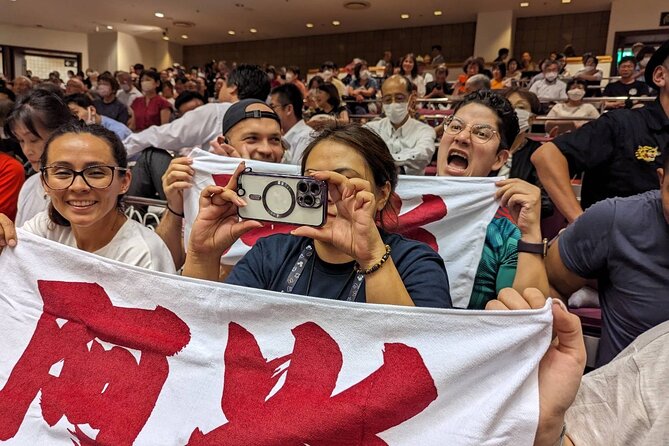
- Smart materials and rooting support via an info package, wrestler profiles, and cheer-up goods
- Chanko-nabe is optional but filling, and it can be fish-heavy for some palates
- Small-group setting with a max of 35 travelers, which keeps things from feeling chaotic
Ryogoku: The Sumo Town Where You Start Feeling the Sport
Ryogoku is where sumo isn’t a novelty, it’s the neighborhood’s rhythm. You’ll spend part of the afternoon learning how the sport grew into a whole cultural system: rankings, traditions, and why certain routines matter. That matters because sumo at the arena can look like pure athletics at first. With context, it turns into performance, rules, and symbolism all at once.
This tour is built around that exact idea. You’re not just dropped into the Kokugikan and told good luck. You meet at a convenient public-transport location in Ryogoku, then you move through the area before the matches. That timing helps you get your bearings fast, and it sets you up to enjoy what you’ll see later in the ring.
Another practical plus is the schedule design. The day is about six hours total, with optional pieces that let you match your energy level. If you want the full experience, you can take the walk, sit through the bouts, and then add the chanko-nabe dinner near the arena.
You can also read our reviews of more tours and experiences in Tokyo.



The Best Part: Headset Commentary Turns Noise Into Clarity
Sumo arenas are loud in a very specific way. Even when you can hear the crowd, it can be hard to tell what’s happening next, why a wrestler is doing a certain routine, or what changes the match situation. That’s where the headset plan comes in.
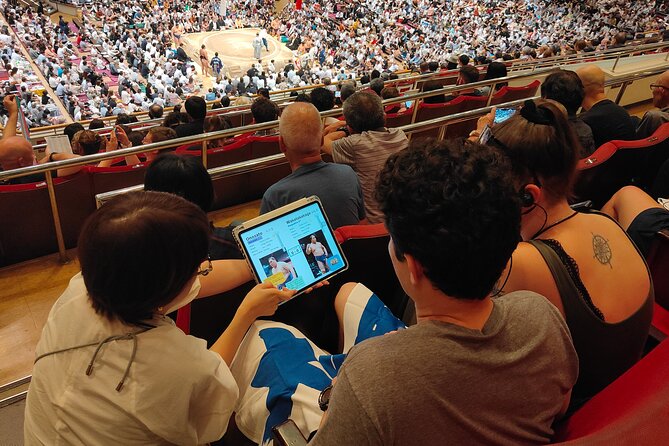
During the bouts, you get live guidance through personal earphones. The guide calls out what to watch for, and helps connect the action to rules and tradition so the match makes sense as it unfolds. You also get a tournament info package that includes sumo ranking and profiles of prominent wrestlers, which makes the tournament feel less like names you’ve just heard and more like a story you can follow.
This is also why the tour tends to work especially well for first-timers. If you’ve never watched sumo before, the hardest part is the “what am I looking at” question. The headset and the pre-bout explanations attack that problem directly.
One more thoughtful detail: for groups of three or more, headsets are provided so the guide’s voice comes through clearly even from a distance. That’s a real quality-of-life upgrade in an arena setting.
Walking the Ryogoku Landmarks Before the Matches
The pre-bout portion is where the day starts to click. You typically run from about 13:00 to 15:00, with a guided walk around sumo-related landmarks in the Ryogoku area. The goal is simple: learn enough history and culture that the tournament becomes easier to read once you’re inside Kokugikan.
This isn’t a generic sightseeing stroll. Your guide walks you past places tied to the sport’s world, including sumo stables and a shrine connection tied to grand champions. The walk also helps you understand the culture of sumo in practical terms, like how rank and reputation affect expectations, and what certain ceremonies signal.
You’ll also be walking, so wear shoes that can handle Tokyo pavement and crowds. The payoff is that you’ll arrive at the arena with a mental checklist. When you see the match flow later, you’ll know what to focus on instead of just watching the fastest part.
One caution: this section is optional. If you’re the kind of traveler who only wants the arena action, you can skip it. But if you do skip it, you lose the context that makes headset commentary land even better. Consider your style before you decide.
Inside Ryogoku Kokugikan: The Museum Stops You’ll Actually Notice
Once you’re at Ryogoku Kokugikan, the tour turns into a smart inside-the-building game plan. You go beyond finding your seat. The guide leads you through the arena highlights so you understand what the building is designed to show.
Expect a tour that includes:
- Murals that reach about 10 meters
- Championship prizes displayed in a similar 10-meter scale
- A sumo museum stop of roughly 15 minutes
- Paintings and photos connected to successive yokozuna (grand champions)
Those details sound like “nice to see” at first, but they matter. Sumo isn’t just an event, it’s a long-running institution. When you’re standing under the museum and looking at the big visual markers of greatness, the tournament feels like part of a bigger ladder of achievement, not a single afternoon of sport.
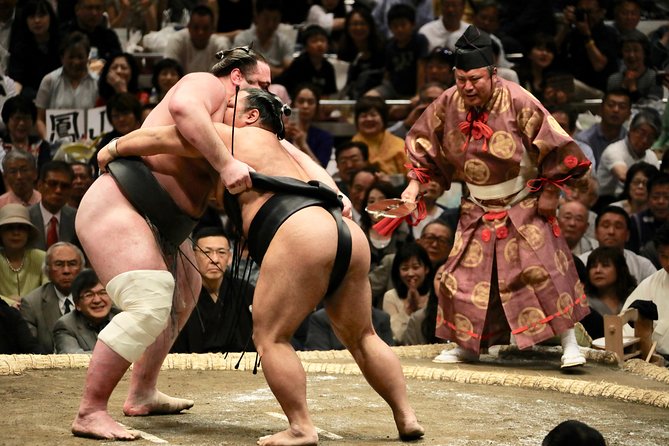
Then the main event begins: bouts from top division competitors and grand champions, with ring entering ceremonies right before they take the action to the dohyo. These ceremonies are gorgeous in a specific way, controlled and ritual-heavy. If you’ve never seen it, you’ll be glad you’re watching with someone explaining what you’re seeing and why.
Watching Bouts From the Best Seat Setup: Chairs vs Flat Floor
Seating can make or break comfort in a long sporting day. This tour includes options for where you sit inside Kokugikan, including a chair option.
If you choose chair seating on the balcony level, you’ll sit in a chair the whole time. That sounds small, but it helps a lot, especially for older knees or if you plan to spend hours staring upward at the ring.
If you do not choose the chair option and you end up on the first floor, you would sit on a flat floor rather than a chair. The tour also notes that box seats on the first floor can be on a small square floor area with cushions, so your comfort will depend on the specific arrangement you choose.
You’ll be seated either in chair B or C, depending on the seating map. If you’re considering comfort first, choose the chair setup and plan for a more relaxed afternoon.



Chanko-nabe Dinner Near the Arena: More Than Just Food
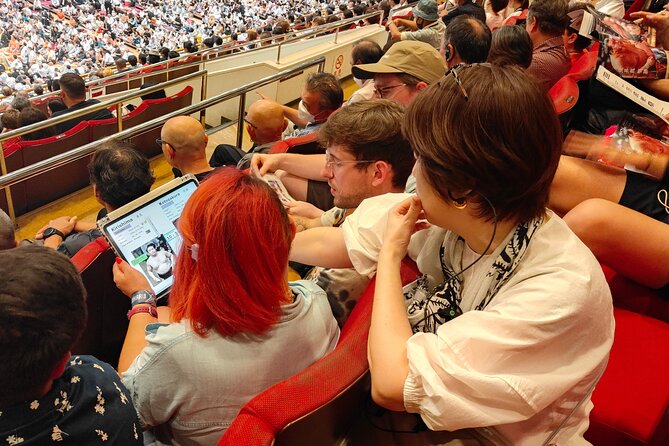
The optional chanko-nabe dinner is a strong closer to the day. After watching matches and learning about sumo culture, eating the wrestler hot-pot connects the dots in a very literal way.
Chanko-nabe is a hot-pot dish favored by wrestlers because it’s designed to support building bodies and muscle. The dinner is served at a well-regarded restaurant near the arena, and you generally get there with no long delay, so you can refuel and keep the energy going.
Here’s the one thing to think about. Chanko-nabe can be fish-heavy. If you’re not a fish eater, this may be uncomfortable. Since the tour notes that drinks are ordered separately, you’ll also want to plan what you want to drink on the side if you add dinner.
Even with that caution, this part of the experience tends to land well because it feels like a ritual companion to the tournament, not just a random restaurant stop.
Value and Price: What $198.20 Is Paying For
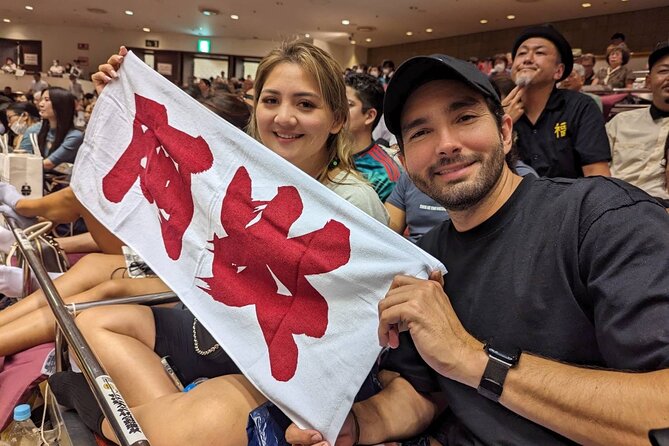
At $198.20 per person, this is not a bargain-basement outing. But it’s also not just “a tournament ticket with a tour label.”
You’re paying for:
- English guiding by a sumo expert guide
- Admission and access tied to the arena visit and museum stops
- Live, real-time match commentary through earphones
- A tournament info package with ranking and wrestler profiles
- Cheer-up goods so you can root for a wrestler with a bit of momentum
- A mobile ticket format, which makes entry smoother
The big value argument is that sumo tickets sell out quickly. The tour’s whole point is to help you see the tournament even when it’s hard to get seats. The average booking window is around 41 days in advance, which is a hint about how competitive it can be to secure entry.
Still, price can feel steep if your expectations are simple: sit down, watch fights, go home. If you want deeper understanding and you know you’ll struggle without translation and explanations, then the price starts to look like what it actually is, pay for your time, your comfort, and your ability to follow what’s going on.
A balanced way to think about it: if you’re willing to learn and you’ll use the headset commentary, this tour can make the tournament feel like a guided course. If you’re mainly chasing the event itself and you’re happy figuring it out alone, you may decide the cost is too high.
Who This Tour Fits Best, and Who Might Feel Friction
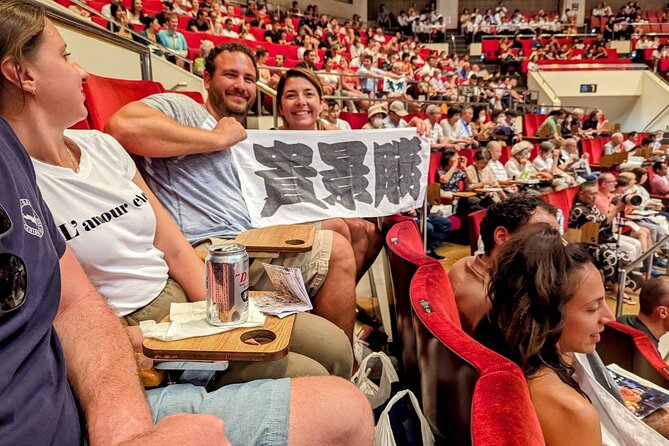
This tour tends to be perfect for:
- First-time sumo fans who want the “what am I watching” answers
- Sports enthusiasts who want rules, routines, and ranks explained as you go
- Travelers who would otherwise be stuck translating on the fly in a loud arena
- People who like cultural context, not just ticket stubs
It might feel less ideal if:
- You want nonstop chatter and constant question prompts. Some guides may be quieter, and you may need to ask questions to get the most out of the explanations.
- You’re sensitive to fish flavors if you add chanko-nabe dinner.
- You expect the same kind of flexible, spontaneous pacing you might get on your own.
The max group size is capped at 35 travelers, which helps keep the atmosphere manageable. And because the tournament portion is guided, you should still feel like you’re not drifting through a giant venue with a map and hope.
Practical Tips That Make the Day Easier
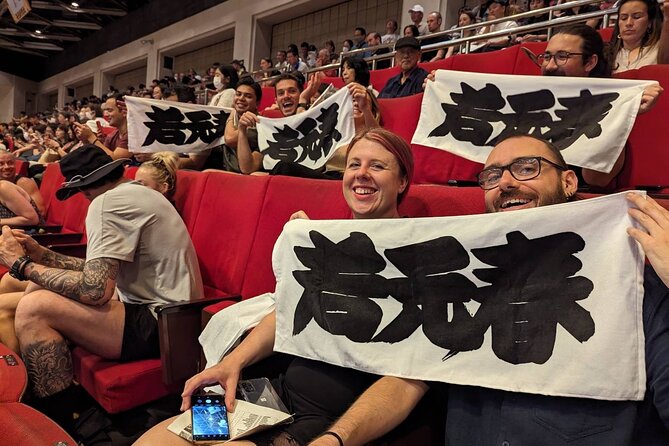
A few things can help you get the most out of the whole experience.
First, plan on being in “sumo mode” for several hours. Wear comfortable shoes and expect standing and walking during the Ryogoku portion and moving inside Kokugikan.
Second, use the headset commentary actively. Don’t save it for later. If something is confusing, ask the guide right away. The tour works best when you treat it like a two-part experience, learn during the walk, then watch with the guide’s rhythm.
Third, if you’re considering the chair option, choose it for comfort. Sitting matters in the arena, especially if you’re not sure how long you’ll want to stay focused.
Finally, if you add chanko-nabe dinner and you don’t eat fish, think ahead. The tour notes fish can be part of the hot-pot, so plan your comfort level before you commit.
Should You Book This Grand Sumo Tournament Tour?
If you’re the type of traveler who wants the event to make sense, I’d book it. The standout strength is the combination of a Ryogoku cultural walk plus headset commentary during the bouts. That turns sumo from something you watch into something you understand. The Kokugikan walkthrough, with the museum and big visual landmarks, is also a smart way to feel connected to the sport’s traditions instead of just viewing the ring.
I’d hesitate if you’re budget-first and you only want the matches. At this price point, you’re paying for access plus interpretation. If you already know sumo well, the tour may feel more expensive than it needs to be.
My practical rule: book it if you want help reading the tournament. Skip or self-plan if you’re comfortable going solo and you’re fine translating on your own. For most first-time sumo visitors, this tour is a strong way to turn a sold-out sport day into a story you can actually follow.
FAQ
How long is the Grand Sumo May Tournament experience?
It runs about 6 hours total, with the timeline split into an optional Ryogoku walking and history portion (13:00 to 15:00), the arena viewing portion (15:00 to 18:00), and an optional chanko-nabe dinner after that.
What is included in the tour price?
The tour includes all fees and taxes, English guiding by a sumo expert guide, an information package with tournament and ranking details and wrestler profiles, admission for the arena portion, and cheer-up goods to root for a wrestler.
Will I hear the guide during the matches?
Yes. The tour provides personal earphones, and for groups of three or more, each person gets headsets so you can hear the guide clearly even from a distance.
Is the chanko-nabe dinner included?
The chanko-nabe dinner is optional. If you choose it, the guide takes you to a restaurant near the arena, and drinks are not included, so you order those separately.
What seating options are available at the arena?
There is a chair option, described as balcony chair seats. If you choose not to use chair seating, you may sit on a flat floor first level. Your chair seating, if selected, is assigned in chair B or C.
What is the cancellation policy?
You can cancel for a full refund up to 24 hours before the experience’s start time. If you cancel less than 24 hours before, the amount paid will not be refunded.
More Tour Reviews in Tokyo
Not for you? Here's more nearby things to do in Tokyo we have reviewed












Tokyo Sumo Experiences, side by side.
 ★ 4.8Sumo Show and Dining ExperienceFrom $792,742 reviews
 ★ 5.0the SUMO showFrom $891,960 reviews
 ★ 5.0Tokyo Shinjuku Sumo Show & Experience with PhotoFrom $791,750 reviews
 ★ 4.8Sumo Show and Experience in ShinjukuFrom $691,001 reviews
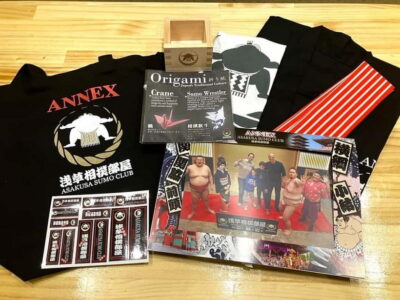 ★ 4.7Luxury Sumo Show Experience & Japanese cuisine & DrinkFrom $103577 reviews
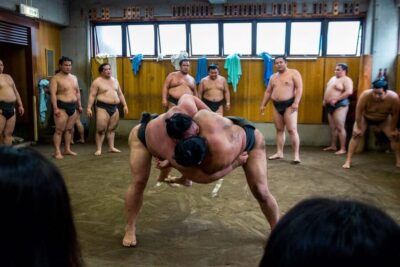 ★ 4.8Sumo Morning Practice Viewing TourFrom $81570 reviews
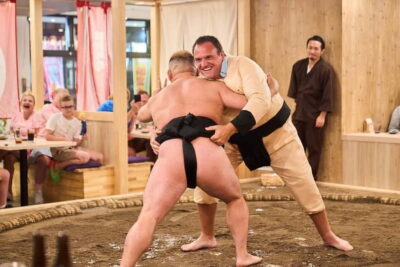 ★ 4.8Tokyo Sumo Experience: Chanko & Mochi with a Former ProFrom $103567 reviews
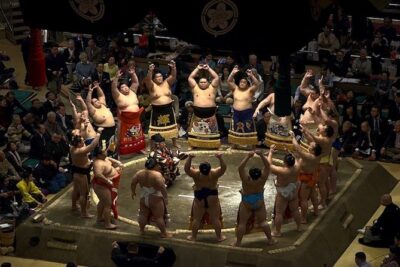 ★ 5.0Ultimate Sumo Tournament: Tokyo, Osaka, Nagoya, FukuokaFrom $184468 reviews
This tour also belongs to