
Review · HAKONE DAY TRIPS
Tokyo Hakone : Mt.Fuji, Owakudani, Open Air Museum, Hakone Shrine
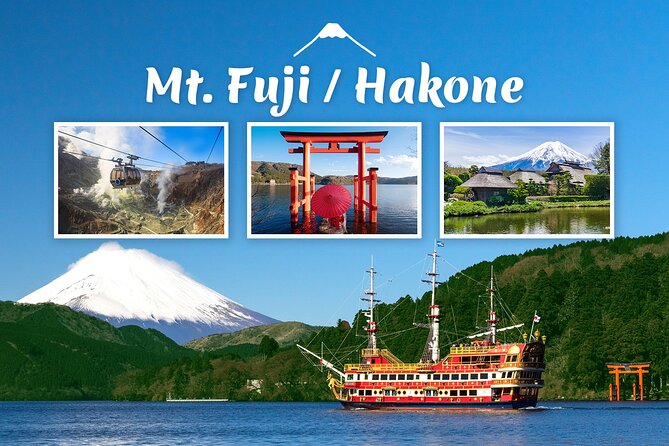
Mt Fuji in one day is possible. This Tokyo to Hakone outing stacks Hakone Open-Air Museum, steaming Owakudani, and a lakeside shrine area in one long, well-paced day, with Mt. Fuji in the mix on clear days.
I love how the day starts with world-class sculpture in open air, not a stuffy building. You get to walk landscaped grounds and take photos with big-name works like Henry Moore and Picasso. I also like the stop at Owakudani because it feels raw and real, with sulfur steam and the iconic Kuro-Tamago black eggs.
One drawback to plan around: weather controls a lot. If skies are cloudy, Mt. Fuji views and the optional Ropeway or Pirate Ship may be limited, and the order can shift when traffic gets heavy.
Key things to know before you go
- Art outdoors first, with sculpture gardens plus a glass-walled entrance that’s great for photos
- Owakudani’s geothermal drama includes sulfur steam and panoramic viewpoints on clear days
- Kuro-Tamago black eggs are a signature bite, boiled in hot spring water and tied to a life-extending legend
- Lake Ashi and Hakone Shrine are quick but meaningful, including the Torii of Peace at the water’s edge
- Optional add-ons cost extra, like the Ropeway or Pirate Ship, and depend on weather
- Small group feel with a max of 60 people, plus English and Korean support
Tokyo to Hakone in 10 to 11 hours: what this day really feels like
This is a full day. Expect roughly 10 to 11 hours of riding and walking, with enough time at each place to actually enjoy it instead of sprinting. The tour covers a lot of territory, but the pacing is built around a logical arc: art garden, volcanic valley, then lakeside shrine and lake views.
You’ll travel with transportation included, and you’ll have English and Korean-speaking staff on hand. You also get a mobile ticket, which is handy if you prefer not to track paper receipts. The group size cap of 60 helps keep things from turning into chaos.
Here’s the key thing to understand before booking: this day is weather-sensitive. Mt. Fuji visibility depends on sky conditions, and optional activities like the Hakone Ropeway and Pirate Ship depend on local weather and conditions. The guide can also adjust timing because traffic and conditions change, and in line with Japanese law, vehicles can’t operate longer than 10 hours.
If your idea of a great day is mixing culture and nature, this works well. If you only want one single focus, like pure Fuji photos, you might find this too packed.
You can also read our reviews of more museum experiences in Tokyo


Hakone Open-Air Museum: sculpture gardens, Picasso, Moore, and photo stops
The first big payoff is the Hakone Open-Air Museum, with about 2 hours on site and admission included. This is not just “look at sculptures.” It’s an outdoor walk where art sits inside mountain views and greenery. That matters, because the scenery changes as you move, and you get photo angles that feel more natural than a museum hallway shot.
What makes this stop especially good is the lineup and the setting. You’ll see works by major names such as Henry Moore and Joan Miró, and there’s even a dedicated Picasso gallery. The museum’s entrance is glass-walled, so it creates a bright, modern framing effect before you even start exploring the gardens.
Practical note: you’ll be walking outside, so bring shoes you trust. Also, do not plan to “rush for photos.” Spend a few minutes in quiet corners. Some pieces land better when you slow down, and the open-air setting makes that easy.
A possible downside is that it’s popular, so if you’re sensitive to crowds, go at a steady pace and focus on the works you actually want to see. Two hours is plenty to cover the main areas without feeling trapped.
Owakudani volcanic valley: sulfur steam and the Kuro-Tamago tradition
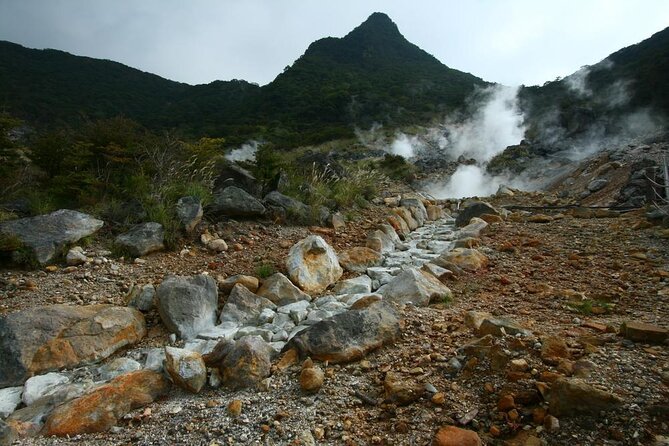
Next comes Owakudani, the stop that turns the day from pretty to dramatic. You get around 1 hour 30 minutes here, and admission is included. This is an active volcanic zone, so expect sulfur vents, steam, and geothermal activity. Even if you’ve seen volcanoes before, this one feels close-up and intense.
The big reasons Owakudani is worth your time:
- You can walk along steaming trails and see the geothermal power in action.
- On clear days, you get wide viewpoints where Mt. Fuji may be visible.
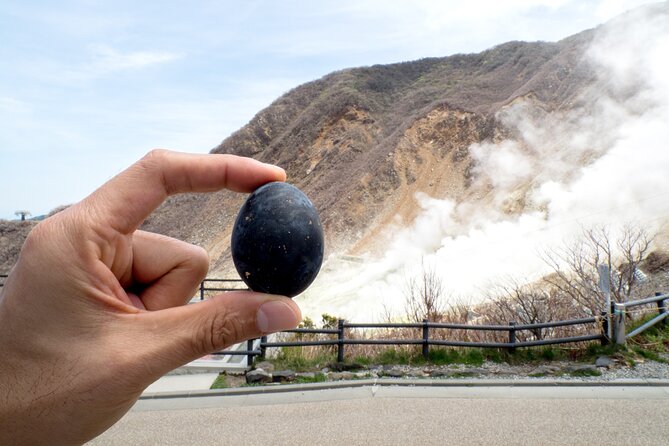
- You can try the signature snack: Kuro-Tamago, black eggs boiled in natural hot spring water.
The black egg part is a big cultural detail. The eggs are boiled and linked to a legend that says they add seven years to your life. Whether you treat it as fun superstition or a meaningful ritual, it’s still one of Hakone’s most memorable small experiences.
Considerations: steam has a smell, and you’ll be outside among active vents. If you’re very sensitive to strong odors, keep that in mind. Also, bring layers. Volcanic areas can feel cooler or windier than the town areas.
This stop is the one I’d call the most “worth it” part of the whole day, because it’s not just a viewpoint. It’s a real atmosphere shift.
Optional Hakone Ropeway and Pirate Ship: spend extra time only when it helps
You might see two optional add-ons on the day, depending on weather and local conditions:
Hakone Ropeway (optional)
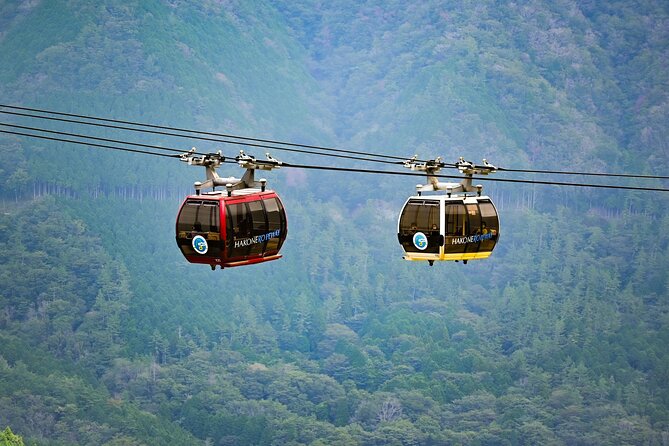
The Ropeway route typically runs from Sounzan to Owakudani, with a time window of about 30 minutes. The tour staff can help you join, but the ticket is not included. This is mainly about views over the Owakudani valley, including the sulfur smoke rising below.
When it’s a good idea: if the sky is decent and you want aerial angles that you cannot get on foot.
When it’s not: if it’s cloudy, windy, or you’d rather spend your limited time on the ground trails instead.





Hakone Pirate Ship (optional)
The Pirate Ship runs around 25 to 40 minutes, departing from Togendai Port toward Moto-Hakone Port. It’s timed as part of the lake area flow, but the ticket is not included. Onboard, the boat has pirate-themed experiences that are family-friendly and can help pass time if you’re tired.
When it’s a good idea: when visibility is fair and you want a relaxed way to see Lake Ashi from the water.
When it’s not: if weather conditions make the ride uncomfortable, or if you’d rather put that time into the shrine area and Torii photos.
The smart strategy: decide on the day, not the night before. Ask your guide what the sky looks like and whether they expect good conditions.
Lake Ashinoko and Hakone Shrine: Torii of Peace photos and a quick Shinto stop
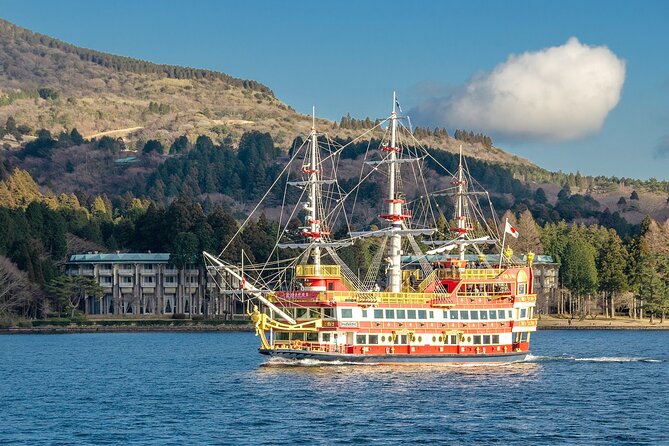
After volcanic energy, the day shifts to calm. You’ll move into the Lake Ashinoko area and the Hakone Shrine zone.
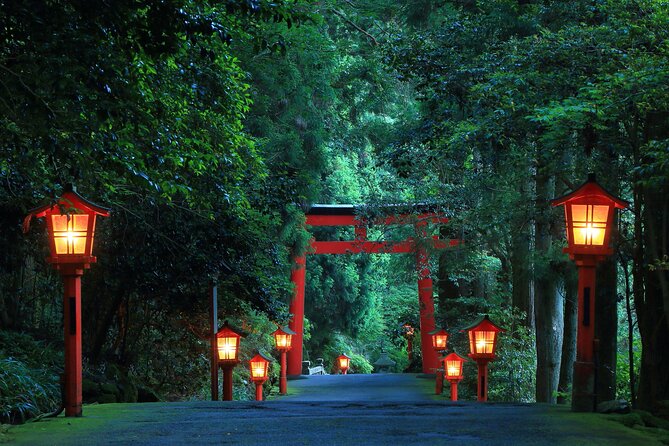
Hakone Shrine gets about 30 minutes, and admission is free. It’s a well-known Shinto shrine on the lake’s shores with a history of over 1200 years. There’s also a belief that visiting helps with productivity at work, so if you’re into small spiritual habits, this is a gentle way to do it.
You’ll also get time for the famous Torii of Peace, a red gate at the water’s edge that’s one of the most photographed spots in the area. You’ll spend about 30 minutes here, which is useful because lake light changes fast. If Mt. Fuji is in the distance, that’s an extra reason to linger.
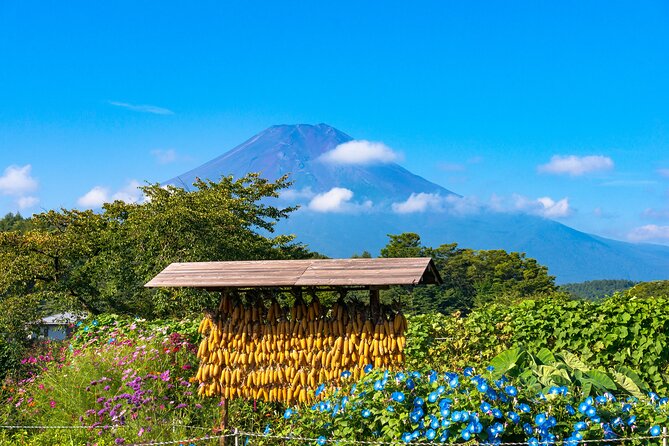
Then you’ll have around 20 minutes at Lake Ashinoko. The lake is a volcanic crater lake formed after the last eruption of Mount Hakone over 3,000 years ago. On clear days, you may see reflections of Mt. Fuji on the water, which is why people plan around weather.
A reality check: these portions are time-limited. You can’t treat this as a slow day of strolling cafes and long lake walks. But you can still make the shots count, and you can still get the feeling of the lake area without burning a full day here.
Also, lunch is at your own expense around the shrine area, so plan for that rather than assuming it’s included.
Price and value at $75.80: what you get, what you pay extra for
At $75.80 per person, the value depends on how you compare to buying everything alone. This tour bundles the big-ticket elements that can otherwise add up quickly: transportation plus admission tickets for key stops like the Open-Air Museum and Owakudani.
Included in the price:
- Transportation
- English and Korean-speaking staff
- Admission tickets (for the museum and Owakudani, plus shrine is free)
Not included:
- Meals
- Traveler’s insurance
- Optional add-ons like the Hakone Ropeway and the Pirate Ship
That pricing structure is pretty fair for a day that covers multiple distinct areas. You are paying for convenience and timed guidance, not just ticket lines.
If you’re the type who loves optional transport views, your total cost will rise with Ropeway and Pirate Ship. If you skip both, you can keep spending in check. Either way, you’re already seeing the core attractions.
One more value point: the tour has a mobile ticket system, and staff guidance helps reduce friction during a long day. That matters when you’re moving between stations and ports.
Tips that actually help: snacks, timing, and getting the most from clear-day views
This day can be long, so plan like it. The tour itself recommends bringing some snacks or a light lunch to enjoy at the attractions. I agree. Having something on hand helps you avoid the mid-day hangry spiral, especially since meals are not included.
Timing tips:
- Build your schedule around weather. Clear skies are what make Mt. Fuji views possible, especially from viewpoints tied to Owakudani and the lake area.
- Accept that traffic can change the order. In peak season, heavy traffic may reverse or shift the flow.
- Wear comfortable shoes for outdoor walking. The museum and volcanic trails both mean real steps, not just standing.
Guide quality can make or break a day like this. The reviews highlight guides like Patrick for being so nice and helpful, and Gilbert for being attentive, which is exactly what you want when you’re spending hours in a group.
If you’re traveling with a baby stroller, let the provider know in advance. That’s not just paperwork. It helps avoid problems when walking routes or boarding gets tight.
Who this Tokyo to Hakone day tour suits best
This tour fits you if you want a strong first Hakone day without planning every connection yourself. It’s also ideal if you like mixing different styles of sightseeing:
- Art in open air
- Volcanic nature effects and geothermal steam
- Lakeside shrine culture and classic Torii photos
It’s a good choice for couples, solo travelers who want company, and families who can handle a long day. The Pirate Ship option is there if you want it, and it’s described as having entertainment for kids and adults.
If you only care about one thing, like museum-only or lake-only, you might feel rushed. But for a first taste of Hakone, this is efficient.
Should you book this Tokyo to Hakone tour?
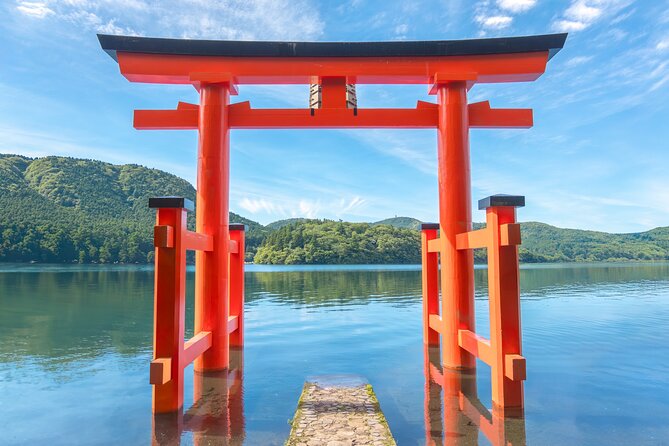
I’d book it if you want a single-day overview that hits Hakone’s best-known moments: sculpture outdoors, Owakudani steam and Kuro-Tamago, then Lake Ashi plus the Torii of Peace. The included tickets and transportation make it easy to value your time.
I would think twice if your top priority is guaranteed Mt. Fuji photos. Visibility is weather-dependent, and optional add-ons can be limited by conditions. If you’re okay treating Fuji as a luck factor and you’re here for the full Hakone vibe, this tour makes a lot of sense.
If you want the best day, pack layers, bring snacks, and keep an open mind about how the guide adjusts the route when weather and traffic shift.
FAQ
How long is the Tokyo to Hakone day tour?
The tour runs about 10 to 11 hours, depending on traffic and weather conditions.
What is included in the tour price?
The tour price includes transportation, English and Korean-speaking staff, and admission tickets for the included paid attractions.
Are tickets for the Hakone Open-Air Museum and Owakudani included?
Yes. Admission tickets are included for the Open-Air Museum and for Owakudani.
Can I add the Hakone Ropeway or the Pirate Ship?
Yes, both are optional on-site experiences. Their tickets are not included, and your guide will help if you want to join. Availability can depend on weather and local conditions.
Will I see Mt. Fuji during the tour?
Mt. Fuji is possible on clear days. Views are tied to weather, so you cannot guarantee it.
What are Kuro-Tamago black eggs?
They are black eggs boiled in natural hot spring water at Owakudani. There is a belief that eating them extends life by seven years.
How long do I spend at Hakone Shrine and the Torii of Peace?
Hakone Shrine is about 30 minutes. The Torii of Peace also gets about 30 minutes.
Is lunch included?
No. Lunch is at your own expense.
Is free cancellation available?
Yes. You can cancel for a full refund up to 24 hours in advance of the experience start time.
Do I need paper tickets?
No. The tour uses a mobile ticket.
More Museum Experiences in Tokyo

More Tour Reviews in Tokyo
Not for you? Here's more nearby things to do in Tokyo we have reviewed












Hakone Day Trips, side by side.
 ★ 5.0Mt Fuji and Hakone 1-Day Bus Tour Return by Bullet TrainFrom $16326,383 reviews
 ★ 4.0Mt Fuji & Hakone Cruise, Drum Show Bullet Train 1 Day from TokyoFrom $1497,413 reviews
 ★ 4.4Tokyo Mt Fuji 5th St & Hakone Cruise Bus Tour w/Bullet TrainFrom $1545,024 reviews
 ★ 4.7Mt. Fuji Tour, Hakone Ropeway, Owakudani, Lake AshiFrom $544,002 reviews
 ★ 4.2Mt. Fuji 5th Station & Hakone Cruise 1-Day Bus TourFrom $1292,381 reviews
 ★ 5.0Private Tour to Mt. Fuji and Hakone (Fully Licenced Operator)From $4971,910 reviews
 ★ 4.0Mt Fuji & Hakone Cruise, Drum Show Bus 1 Day from TokyoFrom $1221,287 reviews
 ★ 4.2From Tokyo: Mt. Fuji & Hakone Tour w/ Return by Bullet TrainFrom $1171,278 reviews
This tour also belongs to