
Review · TOKYO CITY TOURS
Tokyo: Local Foodie Adventure near Roppongi
Snack Tokyo like a local, not a tourist. This small-group stroll in Azabujuban turns $71 into five tastings plus time with locals, tucked near Roppongi. I love how the guide, Ellen, ties each bite to a real place you can point at later. One consideration: the exact food lineup can change day to day based on store availability.
What I really enjoyed is the blend of food with everyday neighborhood culture. You’ll visit shrines and temples for good luck, then stop into distinctive shops that have kept their doors open for decades. For Sailor Moon fans, you also get to see real-life spots that inspired Naoko Takeuchi’s manga setting. The pace stays friendly because the group is tiny, usually 1 to 4 people.
Plan on a moderate walking level, and bring comfortable shoes because you’ll be on your feet for the neighborhood loop. If you’re sensitive to heat, go in with water habits, since the streets can feel warm and humid in summer.
Key points worth knowing before you go

- Azabujuban near Roppongi: a quieter pocket of Tokyo you can actually explore on foot
- Ellen’s local storytelling connects food, shops, and the neighborhood’s long presence
- Five tastings, one alcohol drink help you sample more than a normal convenience-store snack run
- Shrines and temples add meaning, not just photo stops, with good-luck themes
- Sailor Moon inspiration sites give pop-culture fans something specific and real to look for
- Food lineup flexibility: your exact snacks depend on what stores have that day
Azabujuban near Roppongi: a calmer Tokyo lane for food lovers
Tokyo has a way of rewarding curiosity. Azabujuban is a perfect example. It’s close to Roppongi, but the atmosphere feels more like a neighborhood you’d wander through after work, not a stage built for tourists.
This area matters because it has stayed itself for a long time. You’ll hear how the town has had more than 300 shops that have been operating for nearly a century. That’s why the tour works: you’re not just eating random items, you’re learning how shop culture and local habits shape what you taste.
And yes, it has that extra hook for pop-culture fans. Sailor Moon readers get to connect the manga setting to real places in Tokyo that inspired it through Naoko Takeuchi’s worldbuilding. Even if you’re not a superfan, it’s a fun way to see how fiction borrows from everyday city life.
More Tokyo tours and experiences for the shortlist

Meeting at Azabujuban Station Exit 4, and how the small-group flow feels
You start at Azabujuban Station, Exit 4. Your guides meet you in front of Oslo Coffee with the Japan Hopping Tours logo, so it’s easy to orient fast.
This tour runs as a small group activity. Expect 1 to 4 people, which changes everything about the experience. When the group is that small, you can ask questions without waiting your turn, and Ellen can tailor the stops to what you care about, not just force everyone down the same conveyor belt.
The walk is the main “logistics” here. Transportation costs are not included, but the tour itself is built for walking. Wear comfortable shoes. If you have a moderate physical fitness level, you’ll be fine, since the pace is set to explore the neighborhood streets and shop fronts rather than race through a checklist.
Shrines and temples for good luck: why this stop actually adds to the food
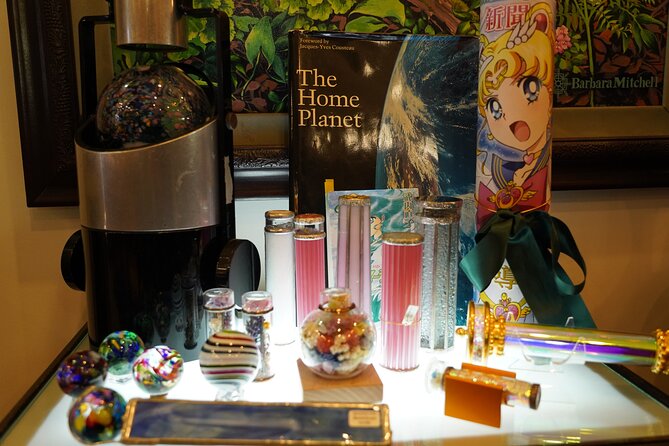
A lot of food tours stop at restaurants and call it a day. This one layers in shrines and temples, with a good-luck focus that fits how people use these spaces day to day.
What I like about this approach is that it gives context to the neighborhood. You’re tasting sweets and savory snacks, then looking at the spiritual landmarks nearby. That combination helps you understand why Japanese city blocks often feel interconnected: food shops sit next to daily-life rituals, and locals treat both as part of their routine.
The tour also includes time that feels more personal than staged. You’ll meet and chat with local residents during the experience, which turns your understanding from book knowledge into something lived-in. If you’re the type who likes Japan beyond the big-name sights, this is the moment where the tour earns its keep.
The five tastings: yakitori, mame daifuku, taiyaki, oden, and more
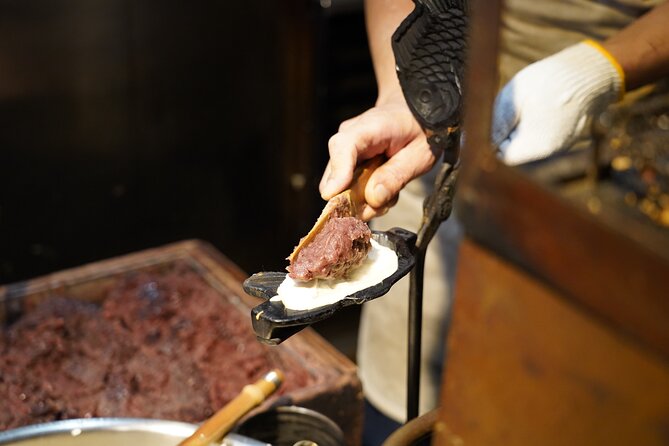
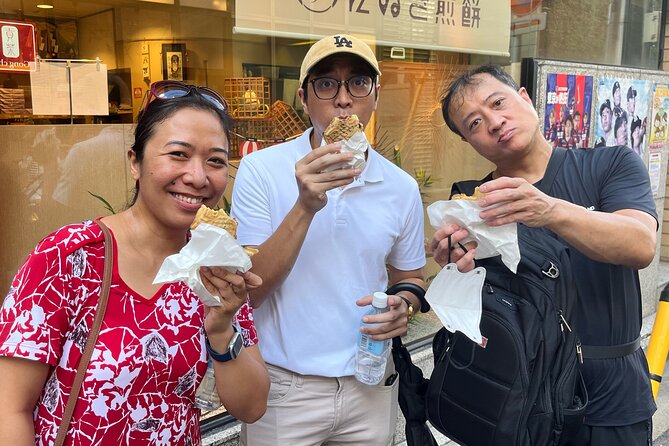
The heart of the tour is the food, and it’s built to feel like a guided “snack education.” You’ll get five different Japanese treats, with the specific selection depending on the day. The good news: the choices are varied enough that you get sweet, savory, and comfort-food flavors, not just one repeating theme.
Here are some of the tastings you can expect to see on the menu across different days:
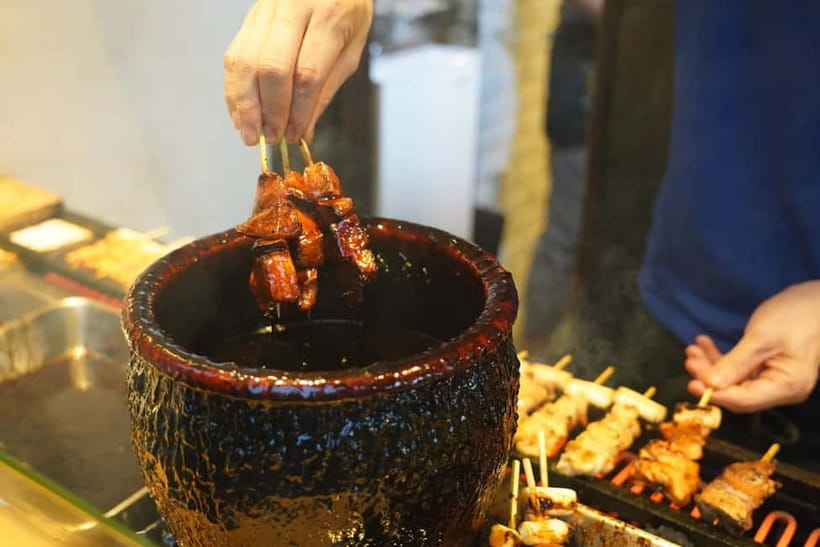
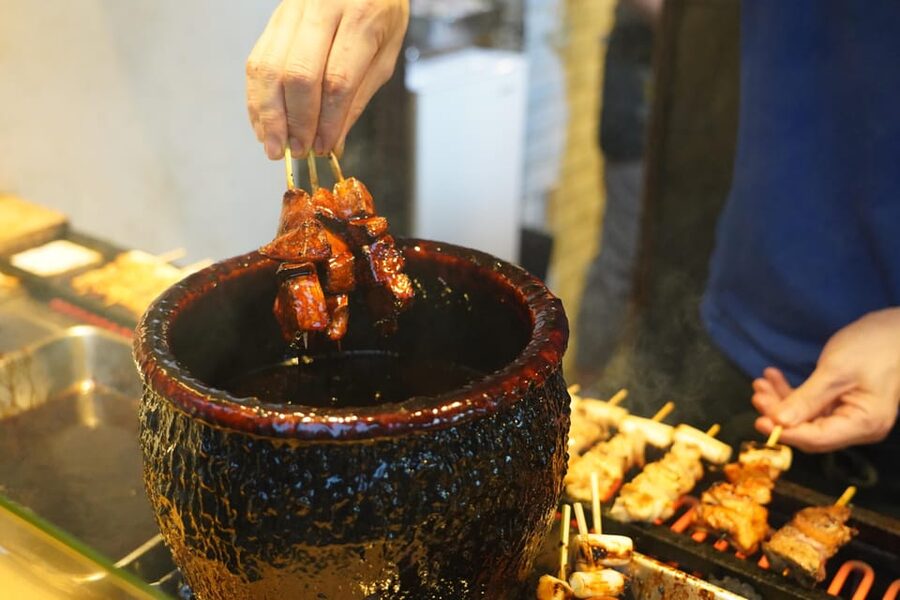
- Yakitori, the grilled skewer classic with deep umami from soy-based tare
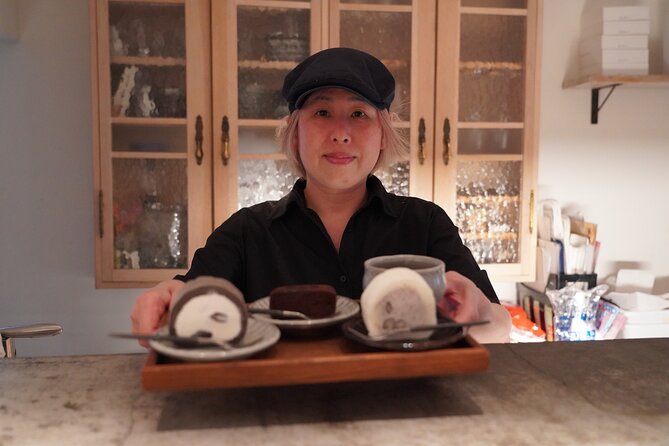
- Mame daifuku, a sweet bean-forward mochi treat that shows how Japan does “simple” in a very serious way
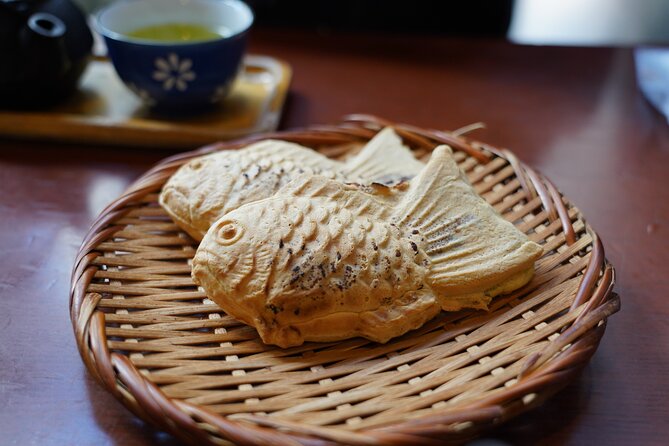
- Crispy taiyaki, the fish-shaped cake with a crunchy outside and warm filling
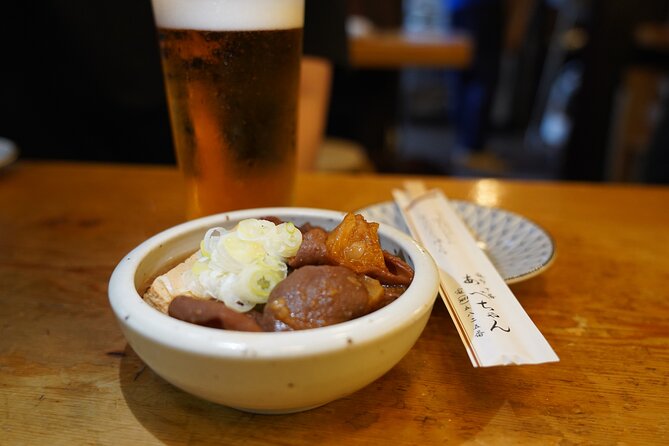
- Homemade oden, a slow-cooked comfort bowl where broth flavor is the star
- Plus additional items such as pastries, omelettes, and sushi, depending on what’s available
Because the lineup can change, I’d treat this as a tasting sampler rather than a promise of one exact item. The tour still aims to fill you up. In other words, you shouldn’t need a separate meal right after, unless you have a huge appetite or you’re traveling with very specific dietary needs.
The included alcoholic beverage adds one more layer. You’re not on an alcohol-only crawl, but it’s a nice pairing option once the tour has helped you understand what each stop is about. Since only one drink is included, pace yourself so you can enjoy the rest of the walk and the shrine/temple portions.
How each stop teaches you to taste differently
Even without knowing every exact store in advance, you can learn a lot from the way this tour is structured. Ellen doesn’t just hand you food. She connects flavor to place, and that changes how you experience it.
For example, when you try yakitori, you’re learning how grilling, sauce, and smoke work together. When you taste mame daifuku, you see that Japanese sweets can be more about texture and bean depth than heavy frosting. With taiyaki, you get that contrast between crisp exterior and softer interior, and it’s a good lesson in why Japanese pastries can feel both delicate and satisfying.
Oden is where comfort food shines. Even if you’re not expecting a winter-style stew, the idea is the same: slow-cooked flavor builds complexity. It’s also a good “bridge” between snack foods and a proper meal, which is why the tour notes that the food should be enough to fill you up.
The small-group setting makes this teaching style work. If something tastes surprising, you can ask why. If you want to compare textures, Ellen can guide you toward noticing what matters, like sweetness balance, broth concentration, or how fillings change from place to place.





Azabujuban shopping for gifts you cannot fake from a souvenir rack
Food is the main event, but the shopping stops are where the neighborhood identity shows up.
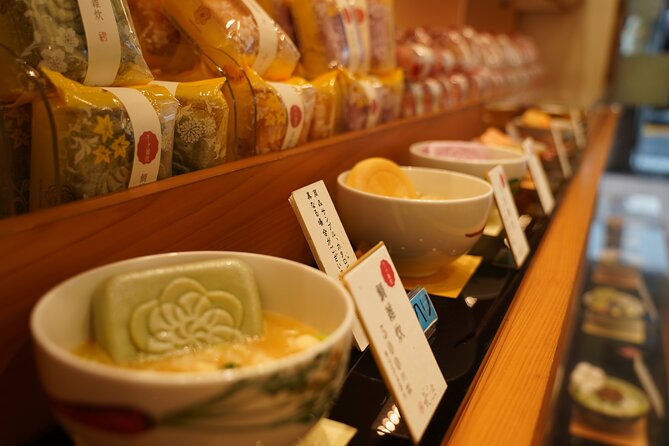
You’ll have time to shop for gifts at unique stores found in Azabujuban. This is not the kind of “buy a magnet and leave” moment. The idea is that you’ll bring home something that feels connected to the blocks you walked, not a generic Tokyo token.
Because the area has so many long-running shops, you tend to see items that don’t feel like mass-produced tourist inventory. If you like practical gifts, edible souvenirs, or small things that feel personal, this portion can be surprisingly satisfying.
One practical tip: if you plan to buy snacks to take back, keep an eye on what’s meant for eating soon versus what packs well. The tour covers gift shopping, but you can still save yourself stress by deciding what you really want before the bag load starts.
The Sailor Moon connection: looking at Tokyo through Naoko Takeuchi’s lens
If you are a Sailor Moon fan, this part can feel like a bonus tour inside the food tour. The experience includes real-life places that inspired the setting for Naoko Takeuchi’s manga.
The value here is specificity. Instead of just watching an anime themed video, you’re walking the streets where the inspiration comes from. That makes the reference stick.
Even if you’re not a hardcore fan, it’s still useful because it teaches you how creators use real cities as material. It also gives you easy points of reference while you’re eating. When you can connect a snack stop to a nearby story beat, the tour feels more memorable.
Value check: is $71 a good deal for Azabujuban?
Let’s be real about pricing. At $71 per person, this tour is not the cheapest snack option in Tokyo. But it’s also not trying to be.
Here’s what you get that makes the value math work:
- Five different Japanese treats included
- One alcoholic beverage included
- Guided walking with storytelling about the neighborhood
- Shrines and temples for good luck
- Time for shopping at distinctive local shops
- Small group size, typically 1 to 4 people, which is usually where tours either become worth it or feel crowded
The key value point is that you’re paying for guidance and selection. You don’t have to guess which stalls are worth your time, and you’re not stuck figuring out what you should try next while standing in front of a menu full of characters.
What you should budget for separately:
- Additional food and drinks, if you go beyond the included treats
- Transportation costs, since these are not included
- Personal expenses like shopping splurges
A smart way to think about it: if you’d already planned to eat multiple snack items plus want a cultural walk and local shop stops, this is built to bundle those things into one guided experience.
Who should book this tour, and who should skip it
This is a great match if you want:
- A Tokyo food tour near Roppongi that goes beyond the big-name areas
- A guided experience where Ellen can answer questions and tailor stops
- A mix of snacks and culture, including shrines, temples, and neighborhood shopping
- Sailor Moon inspiration sites that connect fiction to real streets
It may not be the right fit if:
- You dislike walking and crowds at all, since you will be on your feet and the tour is built around neighborhood exploration
- Your schedule needs guaranteed exact foods, since the selection can change based on store availability
- You are looking for a long, sit-down meal experience, because the format is tastings and walking rather than one single restaurant dinner
Also, note the age suitability limit: it is not suitable for people over 95 years. If you’re in that range, you should look for a different format that is less walking-heavy.
Should you book the Azabujuban local foodie adventure?
If you like the idea of tasting Tokyo in a way that feels specific to one neighborhood, I’d book this. The combination of five treats, a guide like Ellen who knows the area and the people, plus shrine and temple stops makes it feel purposeful, not just snack collecting.
It’s also a strong choice for value. $71 with five tastings and a drink means you’re paying for direction and selection, not just calories. And the small group size keeps it conversational, which is where the tour’s best moments tend to happen.
If you care most about one specific food item, double-check expectations since the lineup changes by day. But if you’re flexible and excited to learn why these foods matter in everyday local life, this is one of those tours that turns a few hours into a real memory.
FAQ
Where does the tour start?
You start at Azabujuban Station, Exit 4. Your guides wait in front of Oslo Coffee with the Japan Hopping Tours logo.
How many people are in the group?
This is a small group tour/activity, typically with 1 to 4 people.
What food is included?
You’ll get 5 different Japanese treats, and the selection depends on the day.
Is an alcoholic drink included?
Yes. One alcoholic beverage is included with the tour.
What should I bring?
Bring comfortable shoes since you’ll walk around the neighborhood.
Is transportation included in the price?
No. Transportation costs are not included.
Will I get exactly the same snacks every day?
Not necessarily. The food selection may change due to store availability.
What language is the tour in?
The tour is offered in English.
What is the cancellation policy?
You can cancel up to 24 hours in advance for a full refund.
More Food Experiences in Tokyo
More Tour Reviews in Tokyo
Not for you? Here's more nearby things to do in Tokyo we have reviewed












Tokyo City Tours, side by side.
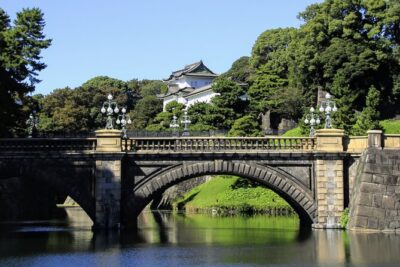 ★ 5.01-Day Tokyo Bus TourFrom $12914,250 reviews
 ★ 4.5TOKYO SKYTREE® Admission ticketFrom $1311,192 reviews
 ★ 4.6teamLab Planets TOKYO Digital Art Museum Entry TicketFrom $259,779 reviews
 ★ 4.0Mt Fuji & Hakone Cruise, Drum Show Bullet Train 1 Day from TokyoFrom $1497,413 reviews
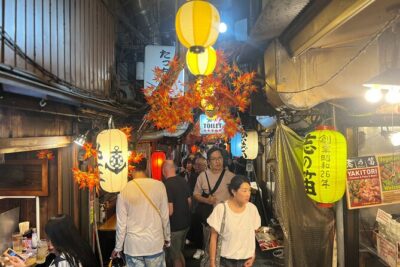 ★ 5.0Shinjuku Food Tour (13 Dishes at 4 Local Eateries)From $866,603 reviews
 ★ 4.4Tokyo Mt Fuji 5th St & Hakone Cruise Bus Tour w/Bullet TrainFrom $1545,024 reviews
 ★ 5.0Flagship 2-Hours Official Street Go-Kart Tour – Tokyo Bay ShopFrom $644,974 reviews
 ★ 4.5From Tokyo: Mount Fuji Full-Day Sightseeing TripFrom $684,970 reviews