
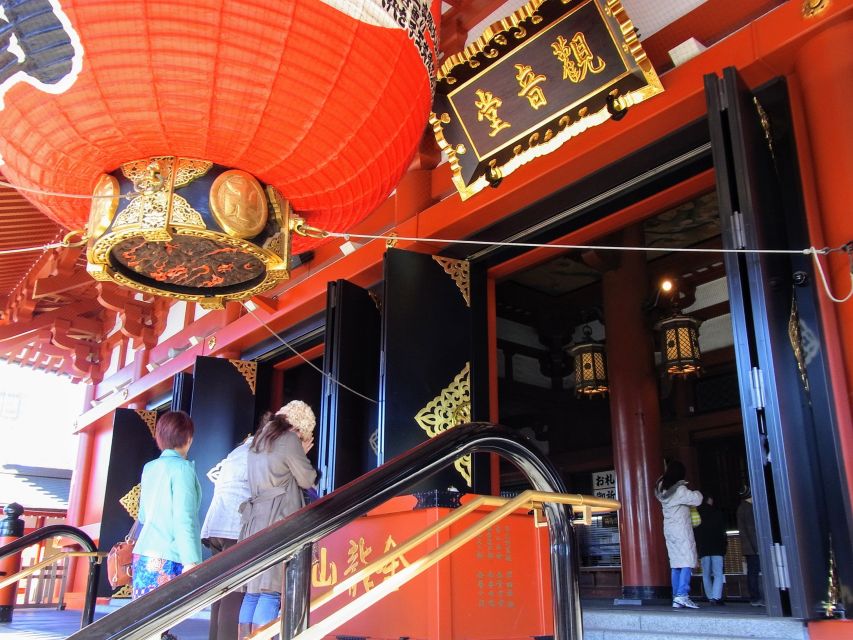
Review · TOKYO CITY TOURS
Tokyo: Morning Sightseeing Bus Tour
Three hours, best-of Tokyo, zero stress. I like how this morning bus tour strings together 12 big Tokyo sights with a live English guide and a premium Uji matcha break, so you get a fast, organized introduction without burning your whole day on transit. When guides like Aoi and Angela are on board, the explanations land clearly, and the mood stays upbeat.
The main tradeoff is time. It is efficient, so some places are photo stops only, and the tour ends in Asakusa with no extra drop-off, meaning you should already know where you will go next.
Key highlights you will actually feel
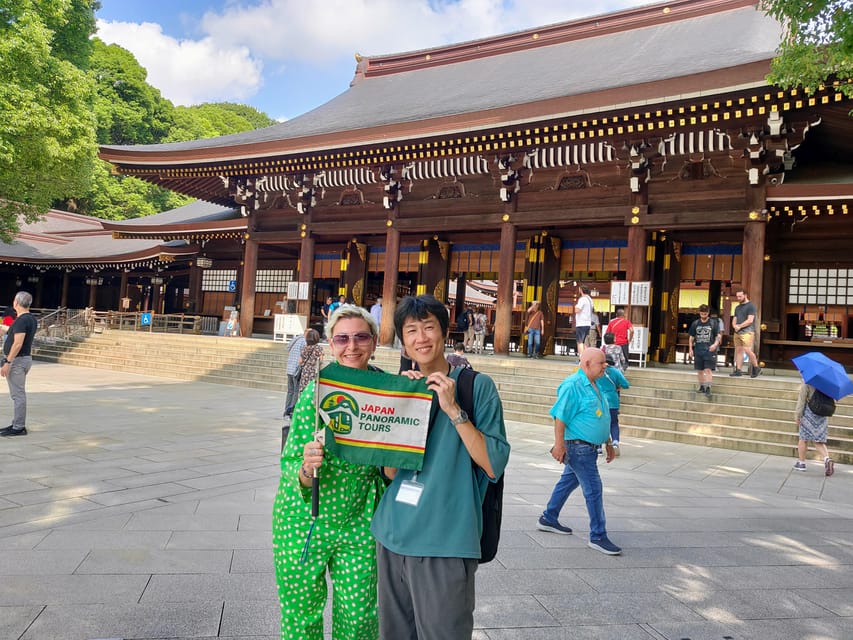
- 12 must-see stops in one morning, including Meiji Jingu, Imperial Palace area photo views, and Asakusa
- Shinto shrine guidance so you know how to do a proper visit at Meiji Jingu
- Coach route saves energy, with key neighborhoods passed by as you go
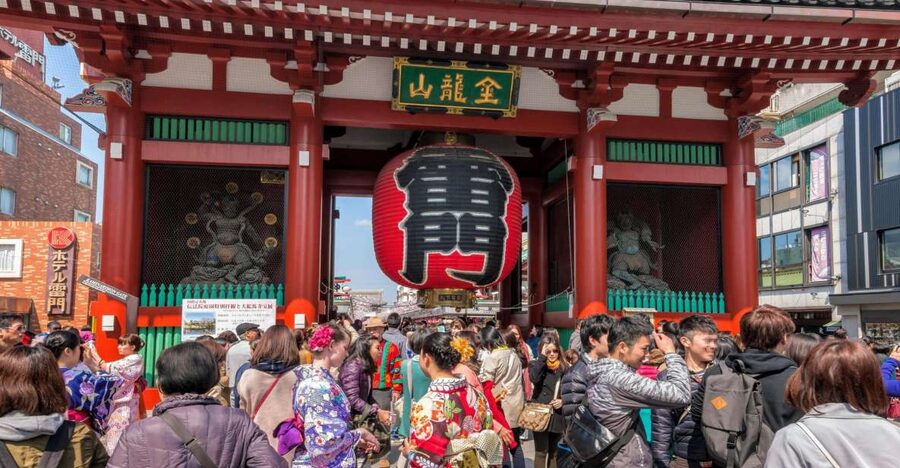
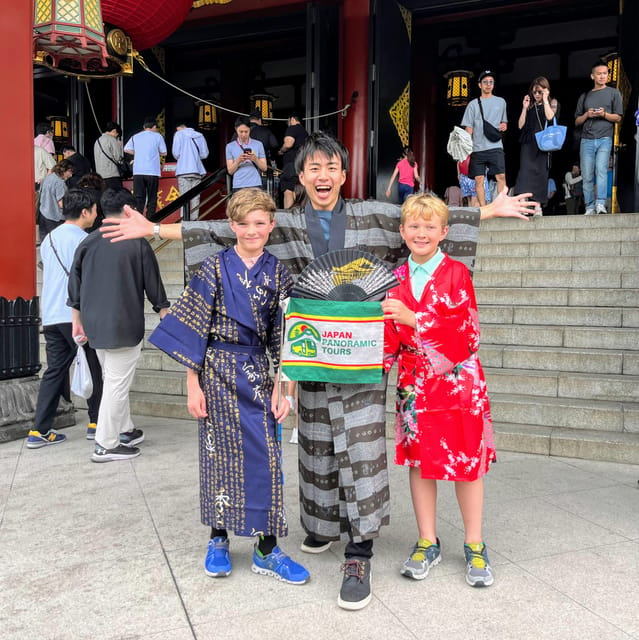
- Asakusa finish at Sensō-ji with time to shop Nakamise and take photos at Kaminari-mon
- Premium matcha from Uji (first flush) plus options like matcha gelato or matcha beer
- English live commentary plus multilingual audio headsets (Spanish, French, Italian, German, Portuguese, Ukrainian) and free bus Wi-Fi
Why a 210-minute morning coach tour fits Tokyo reality
Tokyo can be overwhelming fast. Lines, neighborhoods, and spot-to-spot travel can eat hours, especially if it is your first time. This tour is built for the practical approach: hit the headline sights in a single morning and still have energy left for Asakusa after you get off the bus.
I also like that it is not only drive-by sightseeing. You get at least a couple of meaningful moments, including a shrine visit and a matcha experience, then a real stretch of free time in the Asakusa area.
More Tokyo tours and experiences for the shortlist

Getting on board in Shinjuku or Ginza, and what makes the ride easier
The tour starts at 8am, with meeting points that can vary by option. One listed start is in Ginza at the Robert Indiana Sculpture location, and the itinerary notes Shinjuku as a central launch point. Either way, you get a comfortable, air-conditioned coach and pass through major districts as you head toward the first landmark.
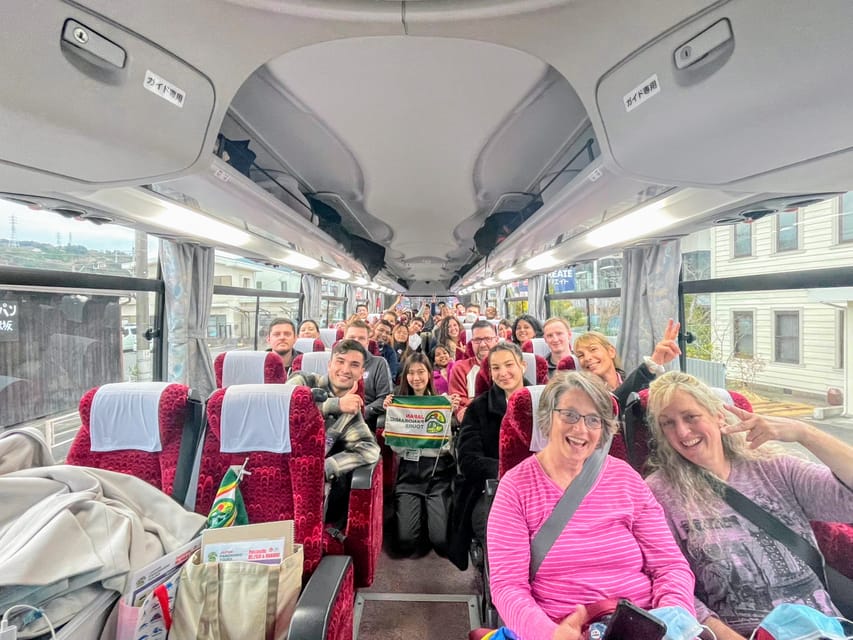
Onboard, there is free Wi-Fi and a multilingual setup with audio headsets available in several languages, while the live guide provides English commentary. The bus is also described as having antibacterial coating and regular ventilation, which matters in crowded tourist seasons.
Meiji Jingu: forest calm and simple shrine manners
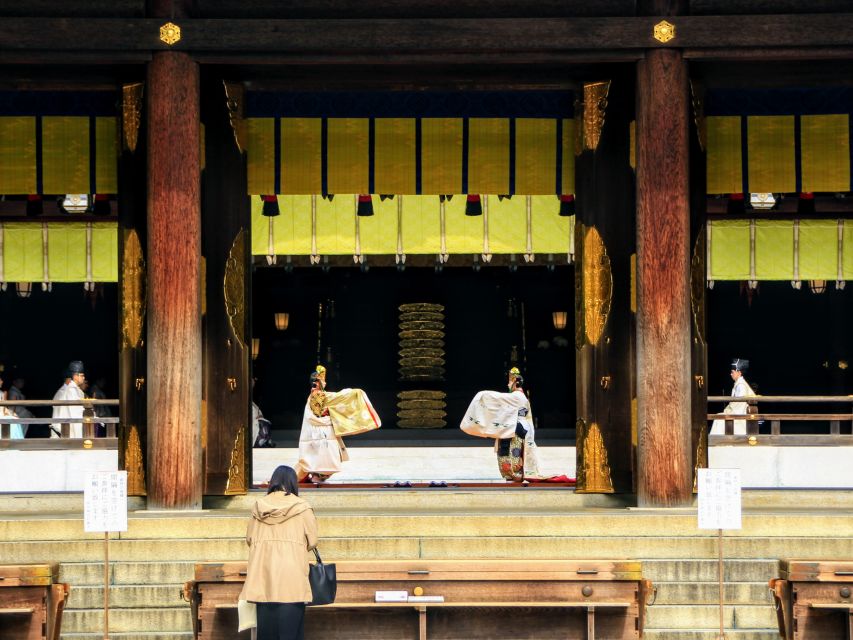
The first major stop is Meiji Jingu Shinto Shrine. It sits in a forested setting that feels like a reset button, and that contrast is part of why the shrine is so famous. You can slow your breathing, take a moment away from city noise, and focus on the atmosphere.
You will also learn the traditional way of visiting a Shinto shrine. That small instruction is worth it. If you have never done it before, you can easily feel awkward, but a quick guide on etiquette helps you participate respectfully without overthinking it.
One practical tip: wear comfortable shoes even if you are not doing a long walk. This is Tokyo, so you will still cover some ground, and you will want your feet to stay happy for the rest of the morning.
Tokyo’s pop culture stops, Harajuku windows, and Omotesando strolling
After Meiji Jingu, the coach route brings you through areas tied to Tokyo’s fashion and pop culture. You pass by Takeshita Avenue, which is a classic Harajuku reference point, and you head toward the Omotesando shopping district.
This is where the “coach plus key stops” format makes sense. You get the context of each neighborhood without trying to stitch together multiple train lines on your own. If you love seeing Tokyo through a story, the route helps it click: forest shrine first, then the fashion-forward streets.
What you can do here depends on time and the day’s flow, since the itinerary order can shift with weather and traffic. Treat it as a mix of passing views and short moments, not a deep neighborhood walk.
Imperial Palace photo views: East Garden or Nijubashi Bridge
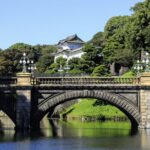
Next comes the Imperial Palace area, where you get photo time rather than a full guided walk. This matters because the palace grounds are large, and the tour has to fit everything into the morning. You will either see the East Garden in the outer area or the historic Nijubashi Bridge for a classic view.
Even with limited time, this stop gives you something you would miss if you only stayed in commercial districts. It is a chance to understand the geography of Edo Castle’s legacy and to see how the imperial complex shapes central Tokyo.
My advice is simple: plan your photos before you get out. If you wait for the perfect angle, you may end up rushing. A quick look at where the light is coming from will help you get what you need without stressing the group.


Akihabara, Ueno, and Kappa-Bashi: tech, park vibes, and kitchen gadget heaven
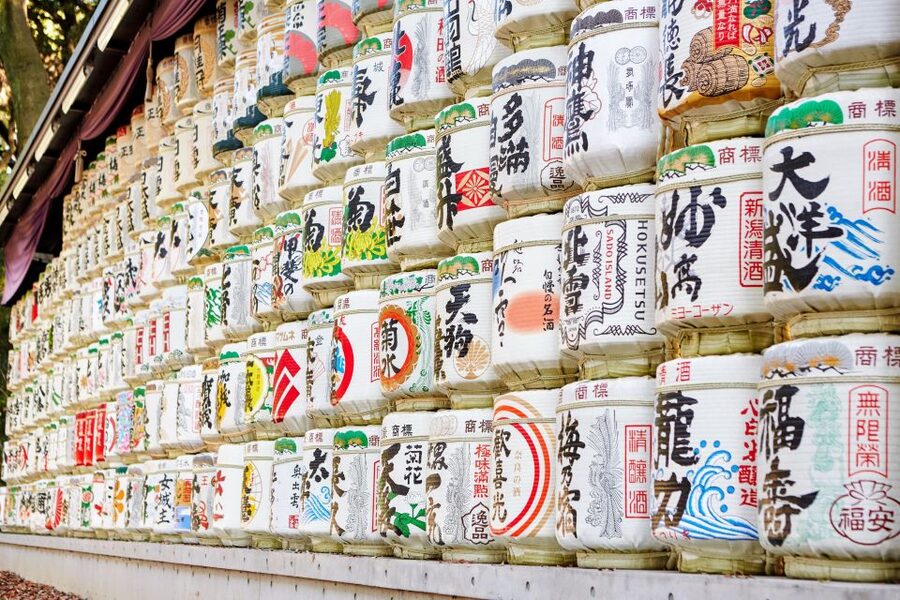
As the bus moves along, it passes by Akihabara, the well-known center for anime and “otaku” culture. It is mostly a passing-view experience, but it is a useful one if you want orientation. You see the neighborhood from the outside and can decide later if you want to return on your own.
The route also includes Ueno, noted as Japan’s oldest park in the tour notes, and it stops near Kappa-Bashi market street. Kappa-Bashi is a fun contrast to the temples and palace views. Here, you can look at kitchen items like knives, kitchen tools, and extremely realistic food replicas.
This area is especially good if you like photography or if you want practical souvenirs. If you are the type who enjoys browsing shops with specific themes, this stop is a great “Tokyo flavor” break before Asakusa.
Asakusa and Sensō-ji: the morning payoff, plus shopping time
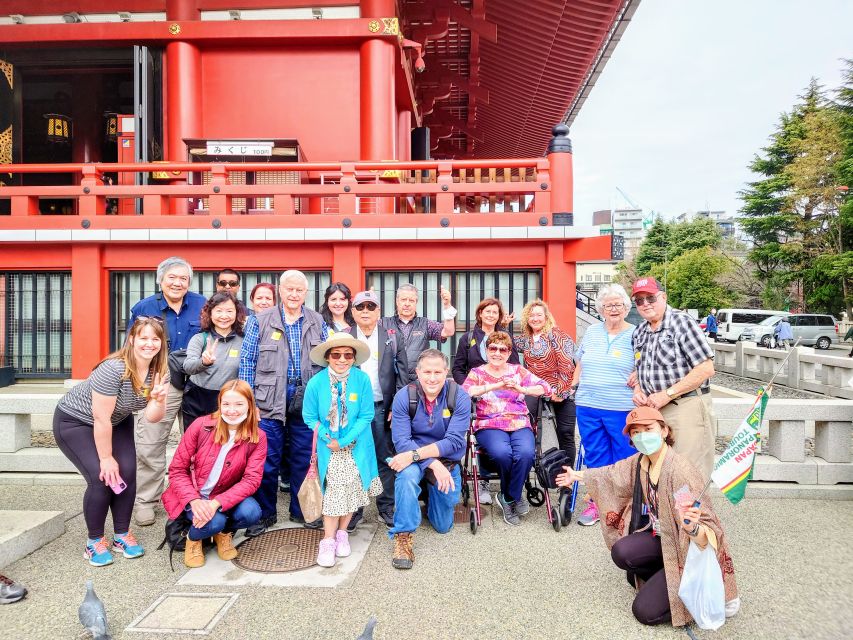
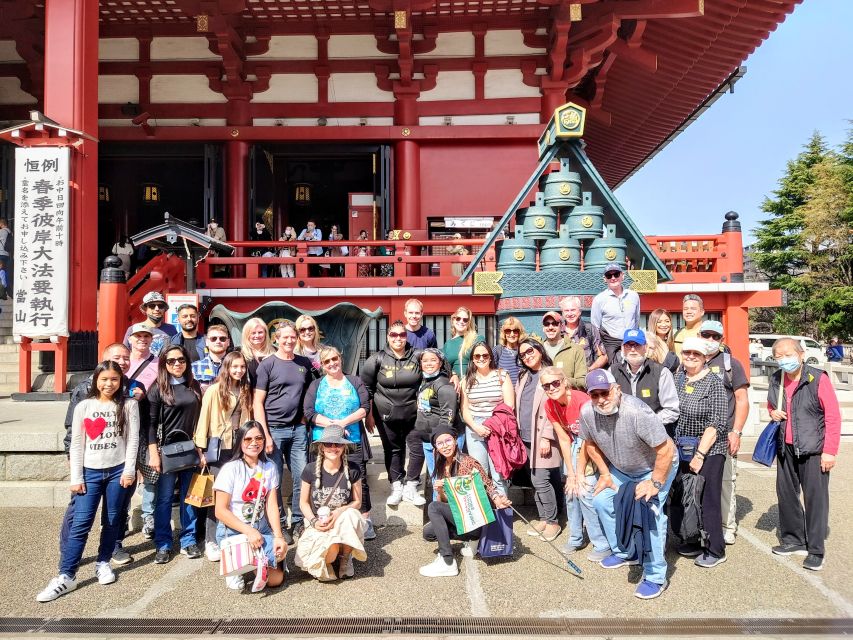
The tour finishes at Sensō-ji, in Asakusa. That is a big plus. Instead of ending at a random drop-off point, you end in a place where you can keep going on foot and at your own pace.
You will have time to explore Asakusa, including Nakamise Avenue for shopping. This is where you can snack, browse, and buy small gifts without feeling locked into a strict schedule. The tour also highlights the iconic Kaminari-mon Gate, with its red lantern, which is one of those Tokyo images that instantly tells people you have arrived.
The ending here also helps you plan the rest of your day. You are in a lively sightseeing zone with food options and nearby attractions, and you are not forced to get back onto a bus right away.
Uji matcha in Asakusa: what you are actually ordering
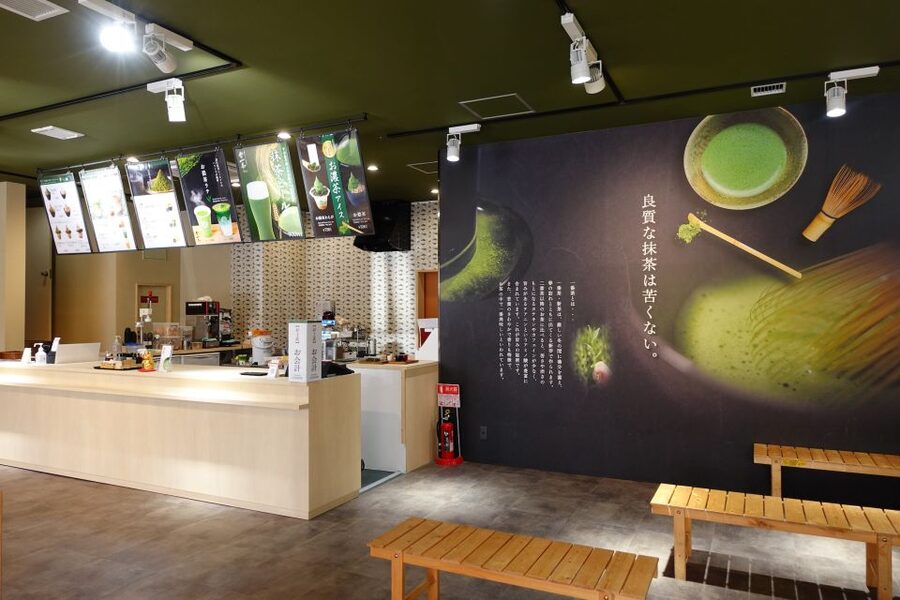
One of the best parts of this experience is the matcha break. The tour notes an authentic Uji matcha experience using ichibancha, which means first flush, and it is sourced from Uji, Kyoto. That detail matters. First flush matcha is often described as smoother and more balanced, and that is exactly what you want for a beginner-friendly tea stop.
The matcha is described as Not Bitter Matcha Green Tea, and you will get matcha as part of the tour. The tour also offers options like sweet matcha gelato or matcha beer, so you can choose what sounds best rather than being stuck with only one flavor.
Small heads-up: the matcha store will be closed on May 14, and in that case, the tour switches to giving matcha souvenirs. If you are traveling around that date, do not expect the exact in-store tasting setup, but you should still get something matcha-related.
Pacing and logistics: what to expect from 12 stops and limited time
This tour is designed for efficiency, and that is both its strength and its limitation. You get a lot of geography covered, including neighborhoods like Kabukicho passed by along the way, but the time at each spot has to fit the morning schedule.
Plan for a mix of:
- Short stops where you snap photos and walk around briefly
- One more involved visit, like Meiji Jingu shrine etiquette and atmosphere
- A matcha break to reset your energy
- A longer final window in Asakusa at Sensō-ji and Nakamise Avenue
Because you move by coach, you can relax between photo moments. Because the day still has multiple stops, you should bring comfortable shoes and keep your bag light.
Also note that you are responsible for loading and unloading your luggage from the trunk yourself, so if you have a stroller or wheelchair, you will want to manage that part when you board and exit.
Languages, audio headsets, and how the guide support works
The live tour guide provides English commentary. On top of that, you get multilingual audio headsets in several languages, including Spanish, French, Italian, German, Portuguese, and Ukrainian. This setup is helpful if your group is mixed or if you want extra detail without having to crowd the guide.
The best guides make the stop feel connected, not random. Based on what has been praised most often, the strongest experience moments tend to be when the guide explains what you are looking at, then gives a simple way to participate, especially during the shrine segment.
If you care about doing things correctly, the shrine etiquette instruction is a standout. It turns a “walk around” stop into something more meaningful.
Price and value: is $90 worth it for this morning plan?
For $90 per person, you are paying for organized logistics, transportation on a deluxe coach, and guide time. You also get included matcha (drink or gelato depending on what is offered) plus audio headsets, Wi-Fi, and a pickup option from Ginza listed in the tour details.
Is it the cheapest way to see Tokyo? No. If you are traveling super independently and already know the subway lines, you can likely spend less. But this is not only about saving money, it is about saving stress and compressing a lot into a short window.
Where the value really shows up is for first-timers who want a clean overview. You will learn how different districts connect, get the famous landmarks checked off early, and then you can return later for deeper exploration with better context.
Who this tour suits best (and who might skip it)
I think this works best if you:
- Are seeing Tokyo for the first time and want a structured morning overview
- Prefer coach comfort over juggling trains and transfers
- Want a guided shrine experience, not just a random temple visit
- Enjoy matcha and want a specific Uji-style experience included
You might consider skipping or supplementing if you:
- Want long stays in one neighborhood, like deep shopping hours in Harajuku or a long, slow temple loop
- Need a tour that returns you to your hotel, since this one ends in the Asakusa/Sensō-ji area
Should you book this morning Tokyo sightseeing bus tour?
Book it if you want an efficient first-pass through Tokyo with clear guidance and a matcha stop that feels intentional. The ending in Asakusa is a smart payoff, because you do not just exit and go back to your hotel. You get to keep exploring Sensō-ji and Nakamise at your own pace.
Pass if you hate photo-stop schedules or if you already have your day tightly mapped and are confident with transit. In that case, you may get more value spending the same time wandering one neighborhood slowly.
FAQ
How long is the Tokyo morning sightseeing bus tour?
The duration is 210 minutes, so it is about half a morning.
Where does the tour start?
It starts at 8am, and the meeting point can vary depending on the option booked. One listed option is near the Robert Indiana sculpture in Ginza, and the notes also mention Shinjuku as a central start point.
What does the tour include besides the bus?
It includes a tour guide, an air-conditioned vehicle, Wi-Fi on the bus, matcha drink or matcha gelato, and multilingual audio headsets.
Is lunch included?
No, lunch is not included.
Where does the tour end?
The tour ends at Sensō-ji in Asakusa, and you do not receive extra drop-off service after the tour.
What languages are available?
The live tour guide speaks English. Audio headsets are available in Spanish, French, Italian, German, Portuguese, and Ukrainian.
What is the cancellation policy?
Free cancellation is available up to 24 hours in advance for a full refund.
More Morning in Tokyo

More Tours in Tokyo

More Tour Reviews in Tokyo
Not for you? Here's more nearby things to do in Tokyo we have reviewed



Tokyo City Tours, side by side.
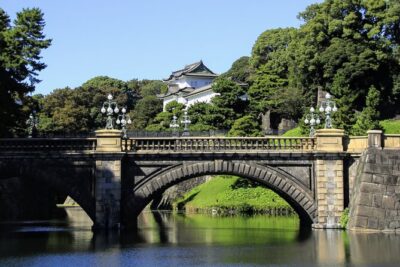 ★ 5.01-Day Tokyo Bus TourFrom $12914,250 reviews
 ★ 4.5TOKYO SKYTREE® Admission ticketFrom $1311,192 reviews
 ★ 4.6teamLab Planets TOKYO Digital Art Museum Entry TicketFrom $259,779 reviews
 ★ 4.0Mt Fuji & Hakone Cruise, Drum Show Bullet Train 1 Day from TokyoFrom $1497,413 reviews
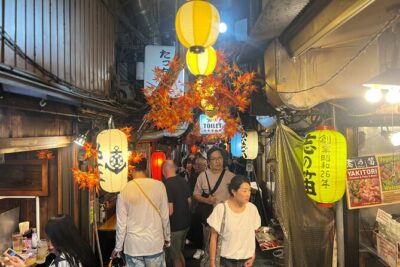 ★ 5.0Shinjuku Food Tour (13 Dishes at 4 Local Eateries)From $866,603 reviews
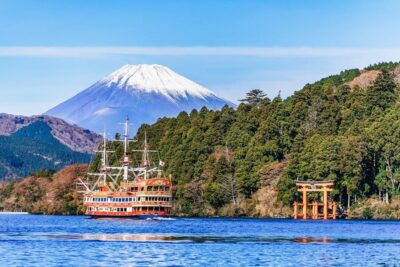 ★ 4.4Tokyo Mt Fuji 5th St & Hakone Cruise Bus Tour w/Bullet TrainFrom $1545,024 reviews
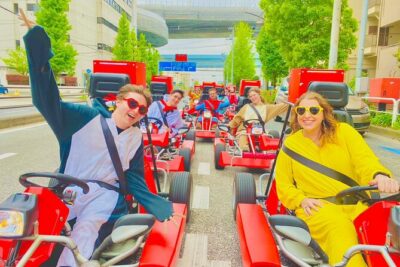 ★ 5.0Flagship 2-Hours Official Street Go-Kart Tour – Tokyo Bay ShopFrom $644,974 reviews
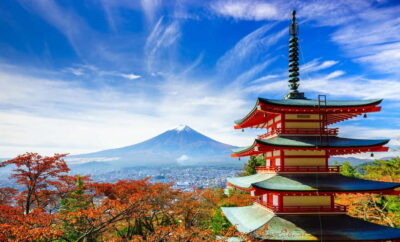 ★ 4.5From Tokyo: Mount Fuji Full-Day Sightseeing TripFrom $684,970 reviews