
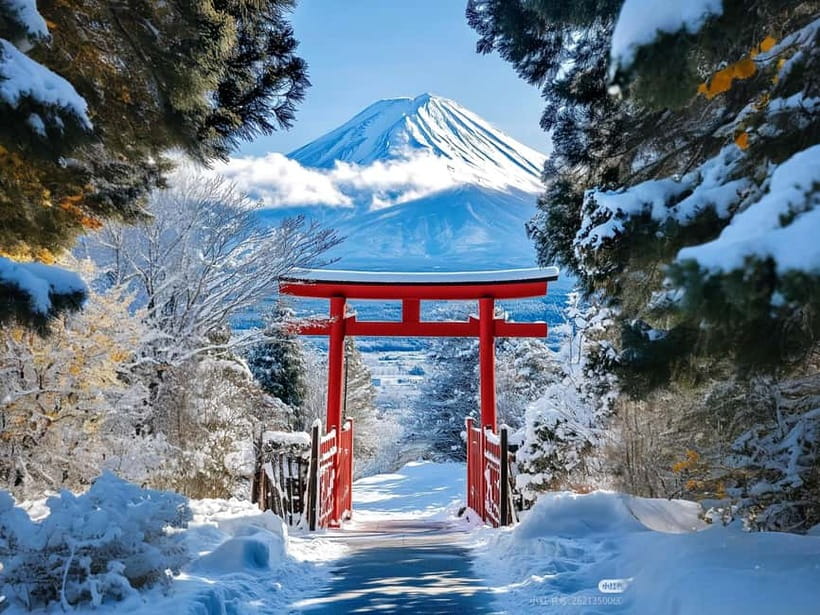
Review · MOUNT FUJI TOURS
Tokyo: Mt. Fuji & Lake Kawaguchi Instagram Full Day Trip
Mount Fuji, in one packed day, and you still get breathing room. This full-day trip strings together the best classic viewpoints, spring-summer-color photo spots, and the calm, refreshing break of Oshino Hakkai. I like that it is built for photos, but it also slows down enough to actually enjoy the places, not just pass through.
Two highlights I’d circle: the climb for the Chureito Pagoda view and the chance to see Fuji reflected in the ponds at Oshino Hakkai. The main drawback to plan for is visibility. On cloudy days you may not see Fuji as clearly, so go with a flexible attitude and use the guide’s upbeat pacing to keep the day fun.
Quick hits worth getting excited about
- Chureito Pagoda photo stop from Arakurayama Sengen Park, after a 397-step climb
- Oshino Hakkai eight-pond village, plus spring water tasting and local snacks
- Seasonal Lake Kawaguchi choice, Oishi Park for flowers or Maple Corridor in late Oct to mid Nov
- Hikawa Clock Shop in Fujiyoshida, a quick stop for a satisfying Fuji-and-town photo angle
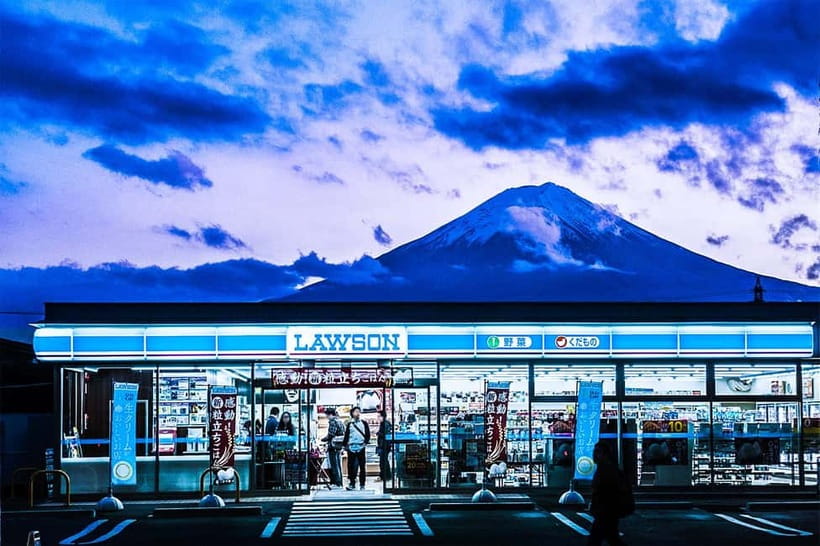
- Lawson by Lake Kawaguchi as a fast, iconic Mount Fuji sign moment and ice cream break
Why this Mt Fuji day trip is a smart use of your Tokyo time
If you are in Tokyo and only have one day to get the Mount Fuji hits, this kind of organized day trip makes practical sense. You avoid the time sink of planning trains, transfers, and route changes, and you start early with a clear plan for the best sight windows.
The value for $61 is mostly in what you do not have to figure out. You get roundtrip transportation from Tokyo plus an English or Chinese live guide. You still pay for food, drinks, and any entry tickets separately, so bring some cash and treat meals as part of the adventure.
The pacing is also realistic. It is long (about 10 hours), but you get multiple timed stops where you can step out, take photos, and reset.
More Tokyo tours and experiences for the shortlist
Tokyo Station meeting point: how to avoid a stressful start
You meet at Tokyo Station, Marunouchi North Exit. The operator sends you a photo of the meeting point and the guide phone number by email the day before, which is exactly what you should use to get your bearings fast.
Tokyo Station is crowded, and early in the day you can lose time without meaning to. My advice: arrive a little early, stay near the exact landmark from the photo, and keep your phone charged so you can reference the guide contact if you need it.
On at least one awkward day reported by customers, people struggled to locate the guide in the morning rush. You can reduce that risk by following the email instructions closely, and by making sure you actually have the correct phone number saved before you step outside.
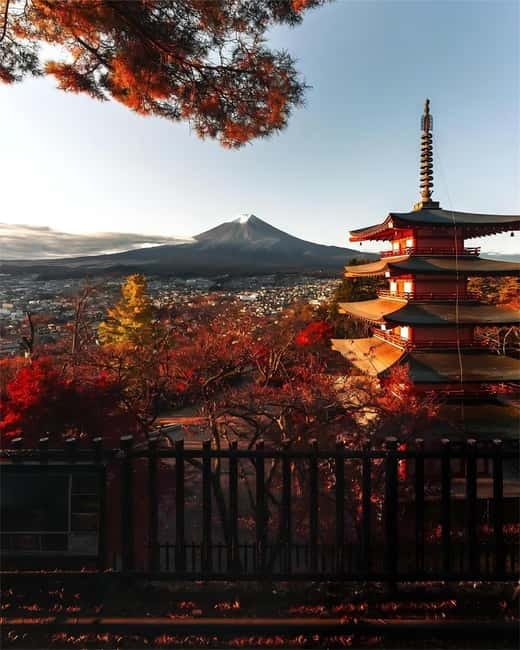
Arakurayama Sengen Park and Chureito Pagoda: the classic Fuji viewpoint
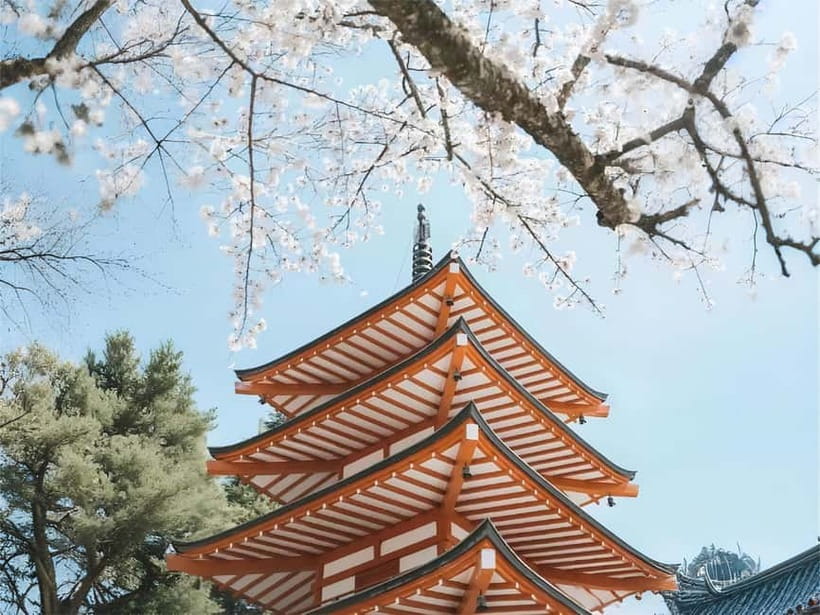
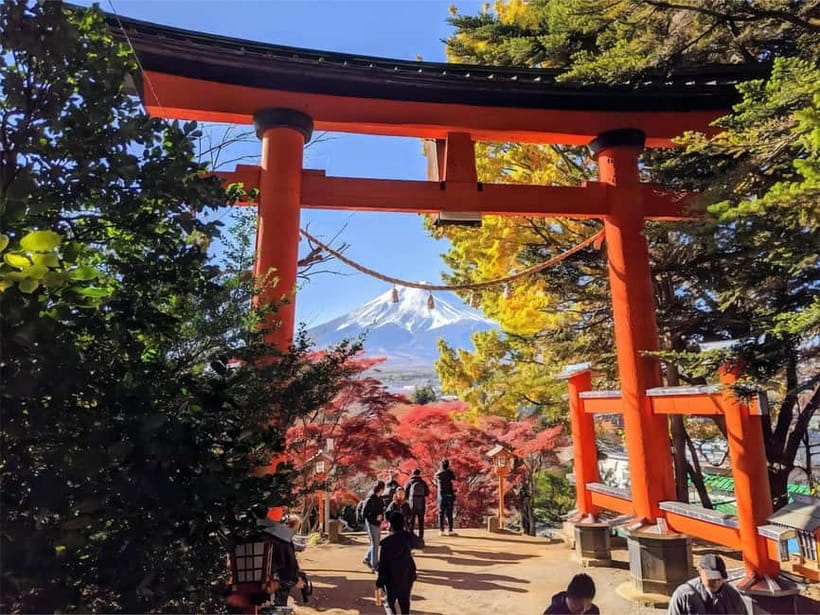
The tour begins at Arakurayama Sengen Park, where you climb to the Chureito Pagoda after a 397-step walk. This is not a gentle stroll, so if stairs tire you, plan your pace and expect to stop briefly if you need to catch your breath.
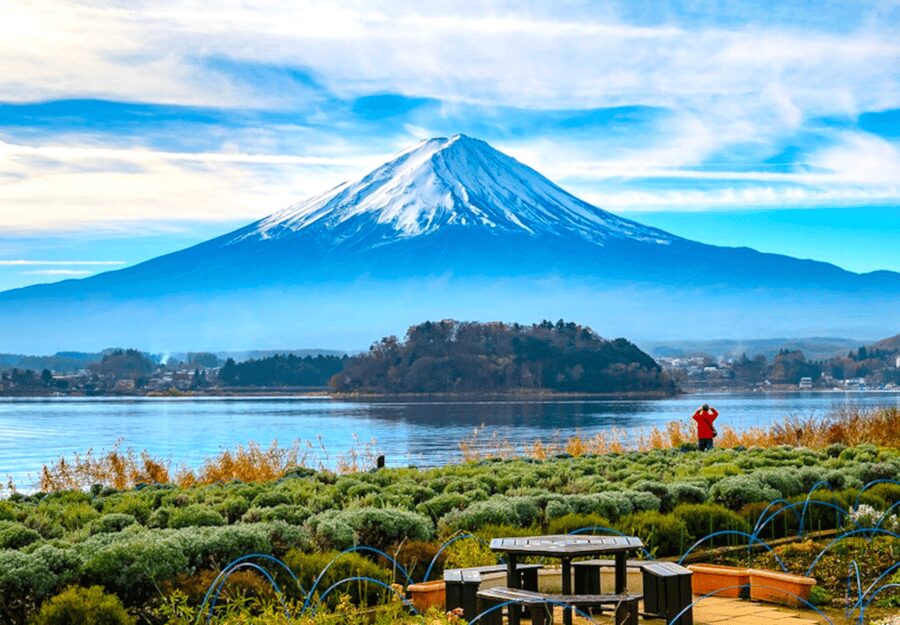
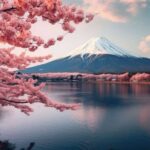
Once you reach the viewpoint, that effort usually pays off. The pagoda frames Mount Fuji, and the season changes what makes the scene feel special. In spring, cherry blossoms can create that iconic soft-and-snow-capped look. In other months, the hillside colors shift, and even when the light is less perfect, the view has weight.
Possible drawback: weather matters a lot here. If it is cloudy, Fuji can disappear behind a wall of mist. Still, the viewpoint area is worth using as a photo checkpoint because you also get a sense of the surrounding landscape and how the park is laid out for panoramic viewing.
Hikawa Clock Shop and Fujiyoshida’s Heavenly Town photo angle
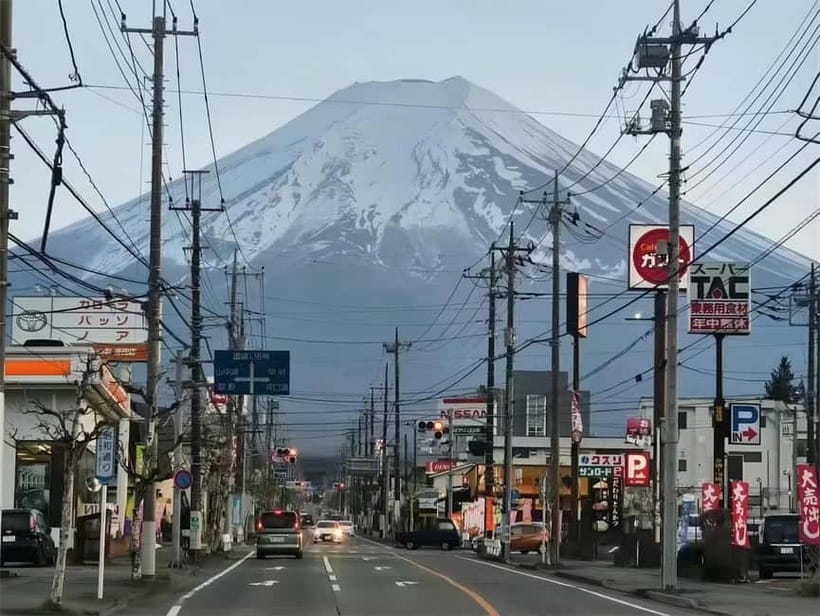
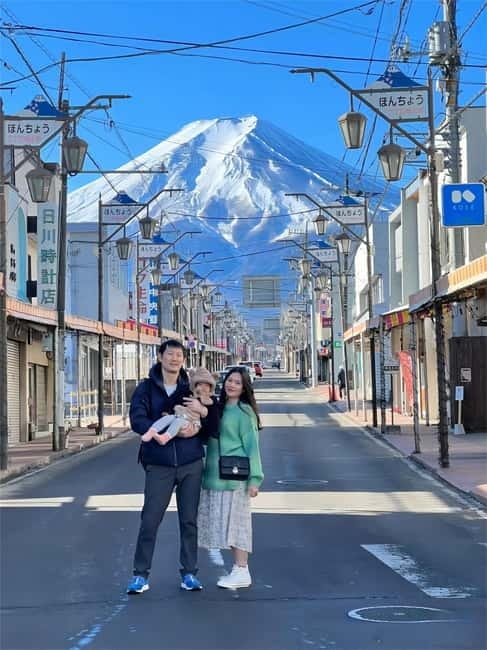
Next comes a shorter, more fun stop at the Hikawa Clock Shop in Fujiyoshida. You get time for free wandering and scenic views, plus a quick look at “Heavenly Town,” a quiet street where the framing for a Fuji photo can be surprisingly satisfying.
This is a good change of pace after the steps. You can focus on a single goal, line up your shot, then enjoy the calm street vibe instead of racing to the next landmark.
Time-wise, you should treat this as a quick reset, not a long visit. The schedule here is brief (around 20 minutes), so it is smart to decide ahead of time what you want most: the clock shop area, the street perspective, or simply a moment to step away and breathe.
Oshino Hakkai: eight ponds, spring water, and proper snack breaks
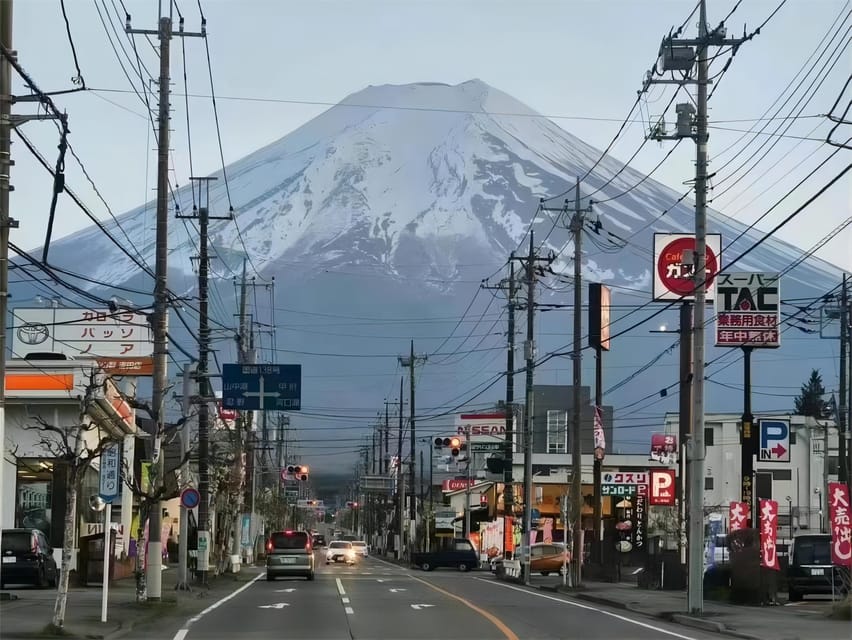
Then you hit the quieter, more local side of Fuji country: Oshino Hakkai. This village is known for its eight ponds fed by Mount Fuji snowmelt, which means the water tends to feel cool and clean even on warm days.
What I like about this stop is that it is not only about photos. You can walk, look at reflections, and then sample the spring water. That little taste turns a viewpoint into an experience you remember, because you get to sense the water quality, not just see it.
Food is part of the charm here too. You may find local options like tofu with pickled miso and kusamochi (sweet red bean filled rice cake). Since food and drinks are not included on the tour, treat these snacks as your “spend a little, enjoy a lot” moment.
This is also one of your best opportunities to slow down. You get enough time to move at your own pace, take your photos without feeling rushed, and absorb the calm village feel that most people do not get while staying strictly in Tokyo.
More Tokyo tours and experiences for the shortlist


The Lawson by Lake Kawaguchiko: tiny stop, big photo payoff
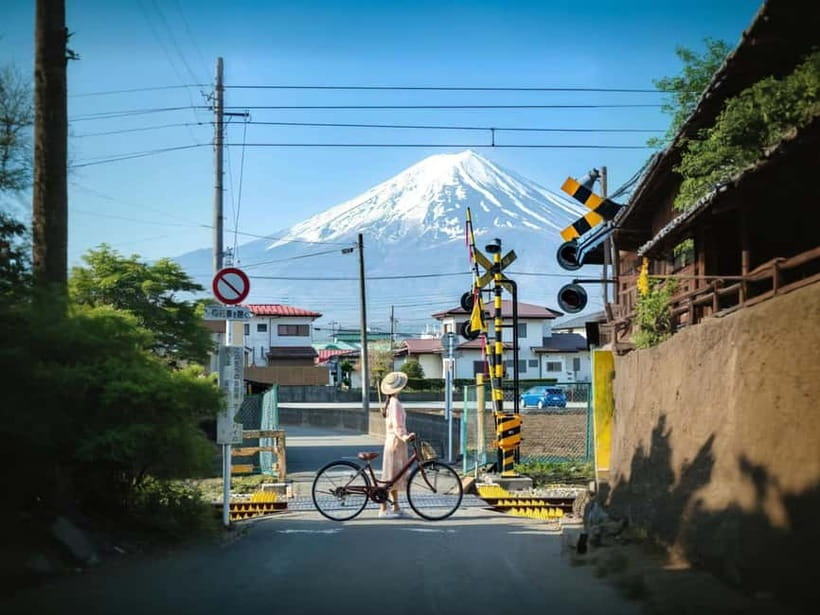
A short break comes at the LAWSON Lake Kawaguchi Station area. It is famous as an Instagram-style Mount Fuji sign photo spot, with the store’s framing making it easy to capture the view without hunting around.
The stop is brief (around 20 minutes), so go with a simple plan: snap the classic sign-and-Fuji shot, grab a quick snack or ice cream, and get back on the bus without turning it into an all-day affair.
Even if Fuji is partially hidden, this is still a convenient way to rest your legs and refuel. Convenience-store snacks are not fancy, but that is kind of the point. You get a small, fun ritual break before the longer Lake Kawaguchi section.
Lake Kawaguchi Oishi Park versus the Maple Corridor swap
Finally, you reach Lake Kawaguchi, where your tour finishes at a viewpoint park area that depends on the season.
Most of the year, you go to Oishi Park, known for vibrant flower fields. Think colors like lavender, begonia, cosmos, and Japanese blood grass. If you love photos that look like they came from a color brochure, this is where the day delivers.
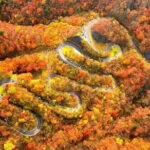
From about October 30 to November 20, the tour visits the Kawaguchiko Maple Corridor instead of Oishi Park. You stroll through a tunnel of autumn colors with strong Mount Fuji photo potential. If you are traveling for fall foliage, this swap matters. It means you do not show up to see flowers when you should be seeing red-gold trees.
Timing here is usually around 50 minutes, so you can walk, take pictures, and still have time for one more snack. Bring your camera ready and consider planning your photo path as soon as you arrive, so you do not waste daylight wandering in circles.
Timing, transportation, and what the 10-hour day feels like
The day is built around the travel time from Tokyo. You have roughly 2.5 hours each way by coach/bus, so the “10 hours” is not only about sightseeing. It includes a lot of road time, which you should treat as part of the experience rather than something to resent.
The schedule can shift a bit with traffic and weather, and that is worth remembering. Fuji viewing is sensitive to clouds, and road conditions can change your arrival time to the parks.
Group size varies based on vehicle type, from 10-seater or 14-seater up to a 49-seater bus. Either way, you will be close enough to hear the guide’s explanations, but you should expect the mood to vary with group energy. If you want quieter photo moments, use your free time blocks strategically rather than waiting for the bus to stop again.
You wrap up around 16:30, with a return to Tokyo estimated between 18:00 and 18:30 depending on conditions.
Price and value: what $61 covers, and what you should budget for
At $61 per person, this is priced like a transportation-plus-guide day, not like a full package tour with meals and tickets. That can be a good value if you want the structure and you already planned to eat locally.
What is included:
- Roundtrip transportation in a Toyota Hiace to a larger bus
- A tour guide (English or Chinese)
What is not included:
- Food and drinks
- Entry tickets
So your real out-of-pocket cost is basically meals and any paid sights. Because you are also told to bring cash, plan to pay for snacks, water, and any small extras you want during the day. I’d budget for at least one sit-down meal or a few snack stops, especially because oshino village and the Fuji-area convenience stop can tempt you.
The biggest value argument is confidence. You spend a day doing the major Fuji highlights without worrying about timing trains or finding hard-to-locate photo points.
Weather reality: if Fuji disappears, you still can have a good day
Mount Fuji visibility is the one thing you cannot control. Even on days when the peak is dramatic, clouds can roll in and change the whole mood in an hour.
Here’s the practical part: treat the Fuji view as the bonus, not the only goal. If the clouds are thick, use the trip to enjoy the viewpoints you can still reach, the village pacing at Oshino Hakkai, and the seasonal color stops around Lake Kawaguchi.
Also, your guide matters. One example from the experience notes is a guide named Hikari, praised for keeping the group upbeat even when Mt. Fuji was hidden. That kind of energy can turn a disappointing weather moment into a smooth, memorable day instead of a letdown.
Who should book this trip, and who might want a different plan
This tour fits best if you:
- Want a structured day with classic Fuji stops without juggling transit
- Like photography with multiple chances to frame Fuji
- Enjoy seasonal nature, especially flowers or fall foliage
- Want a mix of views plus a calmer village break at Oshino Hakkai
You might think twice if you:
- Hate stairs or have mobility limits, since Arakurayama Sengen Park involves a 397-step climb
- Prefer fully independent travel and long lingering time at each location
- Are the kind of traveler who wants all meals and tickets included in one price
Should you book this Tokyo to Mt Fuji full-day trip?
I think it is a good book if you go in with the right expectations. You are buying organization, transportation, and a guide, and you are targeting the most photo-friendly Fuji country highlights in one day.
Book it if you are excited by the idea of the Chureito Pagoda viewpoint, want the Oshino Hakkai pond reflections plus spring water tasting, and care about seasonal Lake Kawaguchi color. Skip it only if you need guaranteed Fuji visibility, because weather can change everything.
If you do book, do two things that make a difference: arrive at Tokyo Station Marunouchi North Exit with time to spare, and keep your guide contact info handy from the email sent the day before.
FAQ
Where do I meet the tour?
You meet at Tokyo Station, Marunouchi North Exit. The operator emails a photo of the meeting point and the guide’s phone number the day before your activity.
How long is the trip, and when do we return to Tokyo?
The tour is about 10 hours. It wraps up around 16:30 and estimates returning to Tokyo between 18:00 and 18:30, depending on traffic and weather.
What’s included in the price?
The price includes roundtrip transportation by coach or bus and a live tour guide (English or Chinese). Entry tickets and food and drinks are not included.
Is Mount Fuji guaranteed to be visible?
Visibility depends on weather, and it can be cloudy. If Fuji is not visible, you can still enjoy the viewpoints and especially the Oshino Hakkai and Lake Kawaguchi stops.
What are the main stops during the day?
You visit Arakurayama Sengen Park and the Chureito Pagoda, the Hikawa Clock Shop area in Fujiyoshida, Oshino Hakkai, the LAWSON Lake Kawaguchi photo stop, and then Lake Kawaguchi Oishi Park or the Maple Corridor depending on the season.
Do I need to pay for food and snacks during the tour?
Yes. Food and drinks are not included, so you will want to budget for snacks and meals at the stops, including local treats at Oshino Hakkai.
Is there a seasonal change at Lake Kawaguchi?
Yes. During about October 30 to November 20, the tour visits the Kawaguchiko Maple Corridor instead of Oishi Park. Other times of year, it goes to Oishi Park’s flower fields.
What should I bring, and are there any restrictions?
Bring your passport, camera, snacks, water, cash, and a charged smartphone. Food and drinks are not allowed in the vehicle.
More 1-Day Tours in Tokyo
More Full-Day in Tokyo
More Tour Reviews in Tokyo

Not for you? Here's more nearby things to do in Tokyo we have reviewed




Mount Fuji Tours, side by side.
 ★ 5.0Mt Fuji and Hakone 1-Day Bus Tour Return by Bullet TrainFrom $16326,383 reviews
 ★ 4.0Mt Fuji & Hakone Cruise, Drum Show Bullet Train 1 Day from TokyoFrom $1497,413 reviews
 ★ 4.4Tokyo Mt Fuji 5th St & Hakone Cruise Bus Tour w/Bullet TrainFrom $1545,024 reviews
 ★ 4.5From Tokyo: Mount Fuji Full-Day Sightseeing TripFrom $684,970 reviews
 ★ 4.7Mt. Fuji Tour, Hakone Ropeway, Owakudani, Lake AshiFrom $544,002 reviews
 ★ 4.2Mt. Fuji 5th Station & Hakone Cruise 1-Day Bus TourFrom $1292,381 reviews
 ★ 4.7Mt Fuji Top 5 Spots Day Tour: Arakurayama Park,Oshino HakkaiFrom $532,066 reviews
 ★ 5.0Private Tour to Mt. Fuji and Hakone (Fully Licenced Operator)From $4971,910 reviews
This tour also belongs to