
Review · TOKYO CITY TOURS
Tokyo: Personalized Half-day Tour
Tokyo feels easier with a plan. This personalized half-day tour is designed around what you care about, with an English or Japanese local guide steering the day and swapping details based on your pace and interests. If you want Tokyo without the usual scramble, this format is built for that.
I especially like the flexible itinerary, because it gives you options beyond the standard checklist. The same half-day can lean more cultural, more food-focused, or more city-energy, including places like Asakusa’s Senso-ji area, Shibuya Crossing, and Meiji Shrine. One consideration: when you choose stops that are far apart or do lots of walking, it can turn into a logistics puzzle, and you may spend more time traveling than you expect.
Key things that make this Tokyo half-day different

- Tailored to your interests: your route and stop choices are adjusted toward your vibe, whether that’s temples, neighborhoods, or food culture
- Flexible itinerary, not a rigid script: you can steer toward traditional markets or themed cafes
- Three iconic Tokyo anchors: Asakusa (Senso-ji), Shibuya Crossing, and Meiji Shrine are all part of what you can experience
- Private group format: you get a true guide connection, not a loud group funnel
- A known guide with humor and flexibility: Ian James Kerr is the listed provider, with praise for being helpful and adapting to what people want to see
- Good for first-timers and repeat visitors: a short, guided hit of Tokyo, with room to shape the day
How a personalized 4-hour Tokyo plan really helps
A half-day in Tokyo can either feel like a greatest-hits tour, or like you’re chasing train lines and crowds. This kind of private, personalized setup aims for the second half of that sentence: you arrive with goals, then your guide helps convert them into a doable route.
You’re not locked into a single theme. The tour is positioned for different interests, including culture, culinary curiosity, and urban adventure. That matters, because Tokyo is huge and your time is not. In 4 hours, the difference between a good plan and a bad one is often whether you spend your energy seeing or moving.
The private-group angle also changes the feel. You can ask questions as you go, and your guide can adjust if you want more time at a place like Senso-ji in Asakusa or if you’d rather spend that time wandering side streets and snack stops instead.
More Tokyo tours and experiences for the shortlist
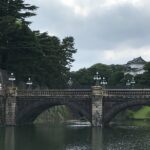
Asakusa and Senso-ji: the calm-before-the-chaos start
Asakusa is where a lot of people start for a reason. You get that older Tokyo atmosphere, and Senso-ji is the centerpiece that makes the area click fast. Even in a short visit, this stop helps you understand the city’s layers, because temples in Tokyo are not just museum-like objects. They are living public spaces, with everyday rhythms around them.
Here’s what I’d watch for in a half-day format:
- Go with an open stomach: Asakusa tends to reward light, frequent eating and small snacks, especially if your guide nudges you toward spots that match what you like.
- Plan for crowds: Senso-ji and the surrounding streets can be busy, so the guide’s pacing matters.
- Ask for the story behind what you see: the tour experience is built around local insight, so use your guide to connect the details you notice, like symbols on temple grounds, to what they mean.
A potential downside shows up in the reviews style: some people felt the day leaned too heavily toward tourist shopping, with lots of souvenir stores. That’s not automatically a problem. It’s just a cue to tell your guide early what you want less of. If you’re shopping-bored, say it. A good guide can steer you toward streets and sights that feel more like real neighborhood life.
Shibuya Crossing: Tokyo energy in a controlled dose
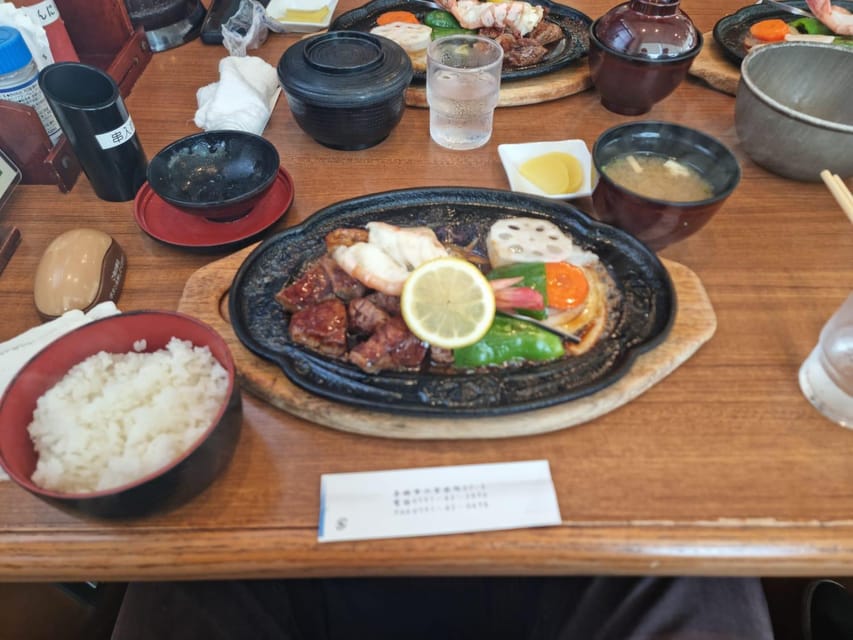
Then you hit Shibuya Crossing, one of those places that looks simple in photos but feels bigger in person. The value of having a guide here is not just navigation. It’s context. Shibuya is modern Tokyo’s high-volume broadcast, and the more you understand what you’re seeing, the less it becomes an Instagram checkpoint.
In a 4-hour tour, Shibuya works well because it’s a visual anchor. You spend time experiencing the moment, then you use the rest of your short window to balance it with something quieter.
If you go to Shibuya as part of a personalized itinerary, you can also steer what surrounds the crossing. You might focus on the area’s culture and streets rather than bouncing from one storefront to another. Still, if your route ends up too shopping-heavy, it can feel like the day got diluted. My advice is simple: decide in advance if you want shopping as a feature, or if you want it as a walk-past detail.
Meiji Shrine: the reset your legs will thank you for

Meiji Shrine is the contrast stop, the one that helps the half-day make sense. After temple streets and big-city signal lights, a forested shrine space gives you a mental exhale.
What makes this stop worth time is how it changes your Tokyo tempo. Even if you only spend a chunk of time there, the experience tends to reset your senses. If you’re the type who needs a break from crowds, this is the balancing act that keeps the whole tour from feeling like constant stimulation.
A smart approach in Meiji Shrine is to slow your pace and let your guide point out what you might otherwise miss. The tour is described as including local stories for each step, so you’ll get more out of it than simply walking through an impressive location. If you want a quieter day, tell your guide you’d like more time here and less time in commercial zones.
Choosing your own flavor: markets and themed cafes
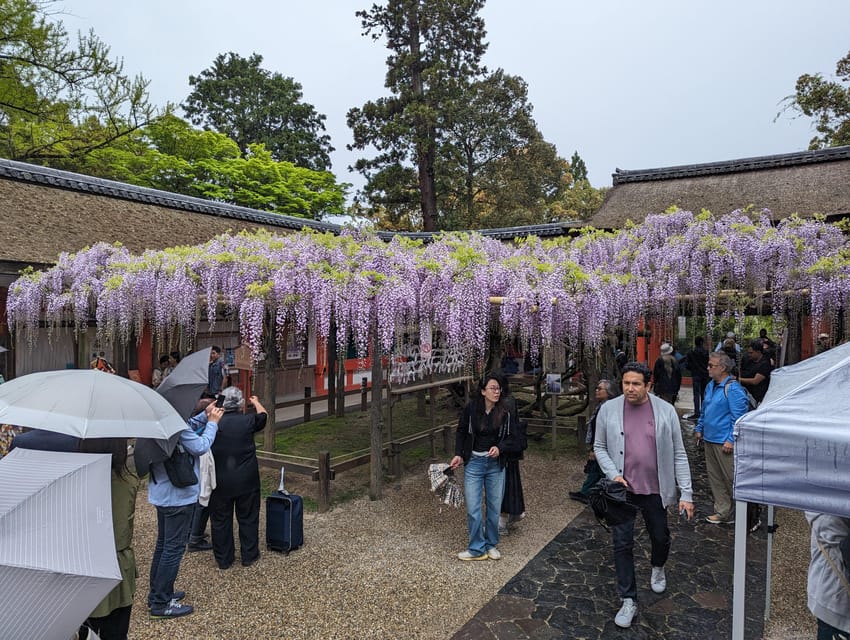
One of the biggest strengths of this tour concept is flexibility. You can choose between experiences like traditional markets or themed cafes, depending on what suits you.
This matters because Tokyo has many “right” ways to have fun, but not all of them fit your schedule. A themed cafe might be ideal if you want a low-effort, high-character break. A traditional market might be ideal if you like browsing ingredients, street foods, and everyday objects you can’t find at home.
The practical trick: don’t treat this as a separate decision at the end of the day. Give your guide your preference early. In a 4-hour window, the best route often depends on whether you want quick stops with frequent snacks, or fewer stops with longer time at each place.
Also consider your walking tolerance. One review mentioned that time was spent heavily in the underground transit because of mobility limitations. Even if you don’t have the same needs, it’s a reminder to think about movement. Ask your guide how the day will connect the major points, and if the route involves lots of long walks, consider adjusting the plan so you’re not tired before you get to the best parts.






Price and value: what $129 for 4 hours buys you
At $129 per person for about 4 hours, you’re paying for a private, personalized guide service. That’s not a budget-saver price, but it can be strong value if you compare it to the cost of building your own plan and dealing with the time loss that comes with it.
Here’s how to judge value:
- You’re buying time efficiency: Tokyo is complex. If your guide helps you avoid dead ends and wasted detours, that’s a direct return on your money.
- You’re buying customization: the tour is meant to match your interests, not just a preset checklist. That flexibility can save you from spending your limited time on things you don’t really care about.
- You’re buying guided interpretation: local stories can turn a short stop into something more meaningful.
That said, a private tour only feels worth it if the day matches your priorities. One negative experience flagged an extra cost for a vehicle rental to accommodate a cane. Another suggested the route felt too touristy and spread out, requiring transit between far distant areas.
So, if you book this, do yourself a favor: clearly communicate your priorities and your walking comfort. If you do that, you’re much more likely to get a day that justifies the cost.
Guide style, language support, and why the private group matters
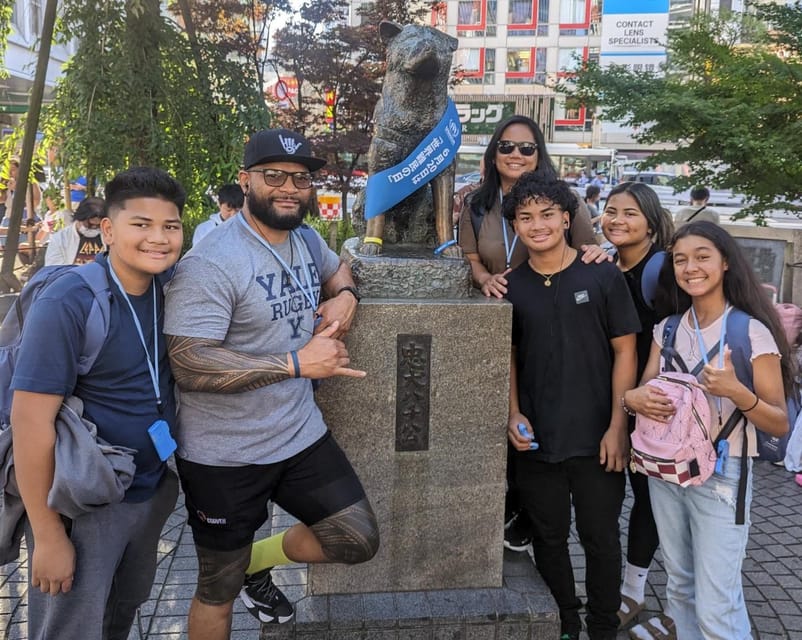
A major selling point here is the live guide support in English and Japanese. That matters in Tokyo more than you might think, because the details are everything. Even if you can read basic signage, local context is what helps you understand what you’re seeing in the moment.
The listed provider is Ian James Kerr. Based on what people highlighted, Ian has a reputation for being adaptable and friendly. One review praised him as hilarious and knowledgeable, with a focus on history lessons. Another praised flexibility to visit places the person liked.
That combination is exactly what you want for a personalized tour. Humor keeps the day light. Historical context keeps the day from feeling random. And flexibility means you can adjust on the fly when Tokyo crowds, weather, or your own energy levels shift.
Practical flow you can expect, and how to shape it
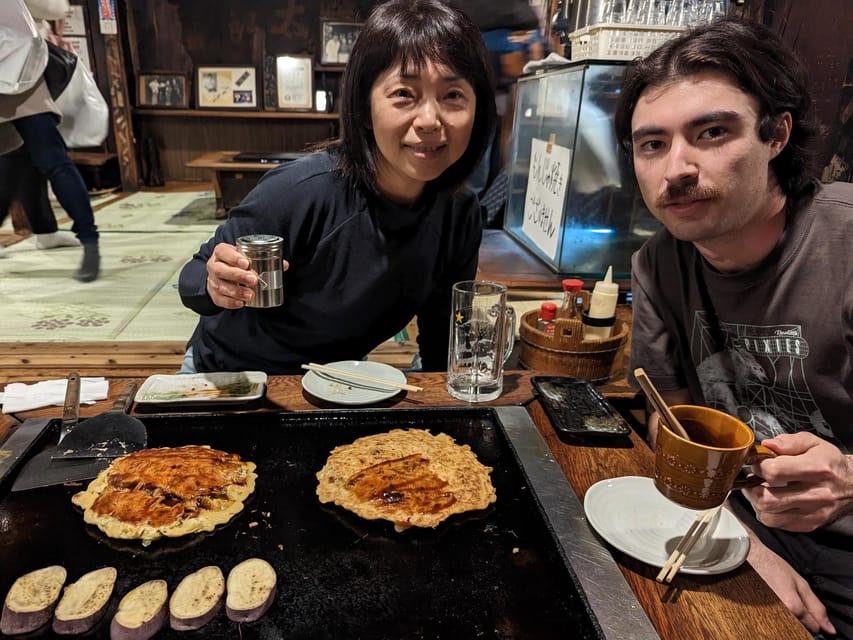
The tour highlights the big Tokyo triangle of Asakusa, Shibuya Crossing, and Meiji Shrine. In a half-day, that usually works best when your guide builds a route that connects those anchors while leaving room for your chosen detours.
A helpful way to think about the flow:
- Start with Asakusa if you want tradition first, because it sets a clear theme quickly.
- Move toward Shibuya when you want modern Tokyo energy and easy landmarks.
- Finish with Meiji Shrine if you want your last hour to feel quieter and more restorative.
But don’t treat this as fixed. This is explicitly described as flexible, and your guide should be able to adjust the order based on your preferences and energy.
Your best move: pick a theme for each hour. For example, hour one temple and streets, hour two city energy and photos, hour three calm and storytelling. When you do that, you avoid the classic half-day problem of everything blending together.
Who this tour suits best
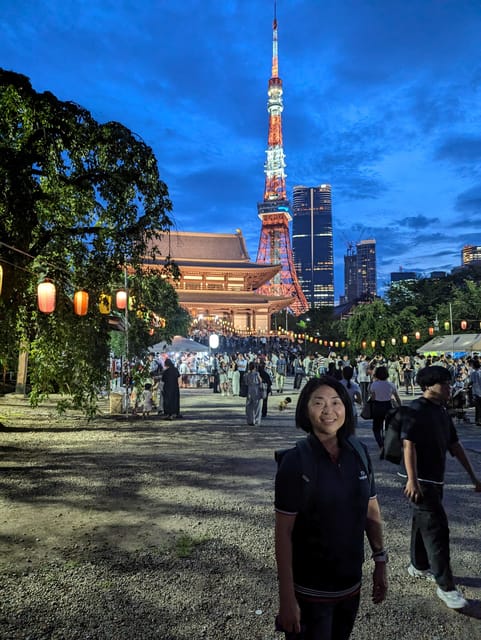
This experience is a good fit if you are:
- Visiting Tokyo for the first time and want a guided introduction to major areas
- Short on time, but still want more meaning than a simple photo loop
- Interested in customization, especially if you care about culture and food styles, not just landmarks
- Comfortable letting a guide adjust pacing, so you don’t feel forced into a rigid schedule
It may be less satisfying if you strongly dislike tourist shopping zones, or if you prefer a very slow, deeply local neighborhood day only. In that case, you need to communicate your preferences upfront, because Tokyo can be busy and commercial areas can creep into a route quickly.
Should you book this Tokyo personalized half-day tour?
I think this tour is worth considering if your goal is a 4-hour Tokyo plan shaped around you, with strong stops like Senso-ji, Shibuya Crossing, and Meiji Shrine. The private format, bilingual guide, and flexible choice between markets and themed cafes can turn a short visit into something that feels intentional.
I would hesitate only if you know you want a strictly non-shopping day, or if you have specific mobility needs that could affect how you travel between distant points, because a mismatch there can make the day feel inefficient.
If you book, do it with two clear messages to your guide: your must-see priorities, and the amount of walking or transit you are comfortable with. With that, you’re much more likely to get the best version of Tokyo in a short window.
FAQ
How long is the Tokyo Personalized Half-day Tour?
The tour lasts 4 hours.
What is the price per person?
It costs $129 per person.
Where is this tour located?
It takes place in Tokyo, Japan (Honshu).
Is this tour private?
Yes, it is a private group tour.
What languages are available for the live tour guide?
The guide is available in English and Japanese.
Can I cancel for a full refund?
Yes. You can cancel up to 24 hours in advance for a full refund.
Does it offer reserve now and pay later?
Yes. You can reserve now and pay later, meaning you can book your spot and pay nothing today.
More Half-Day in Tokyo
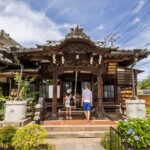

More Tours in Tokyo

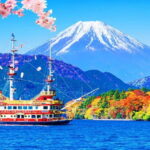
More Tour Reviews in Tokyo
Not for you? Here's more nearby things to do in Tokyo we have reviewed












Tokyo City Tours, side by side.
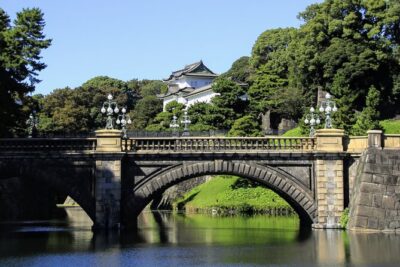 ★ 5.01-Day Tokyo Bus TourFrom $12914,250 reviews
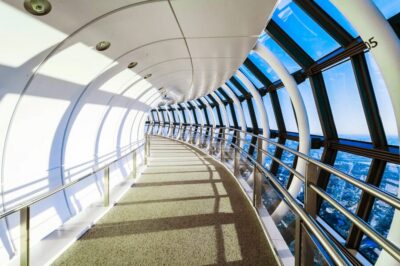 ★ 4.5TOKYO SKYTREE® Admission ticketFrom $1311,192 reviews
 ★ 4.6teamLab Planets TOKYO Digital Art Museum Entry TicketFrom $259,779 reviews
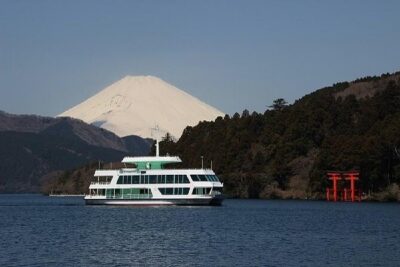 ★ 4.0Mt Fuji & Hakone Cruise, Drum Show Bullet Train 1 Day from TokyoFrom $1497,413 reviews
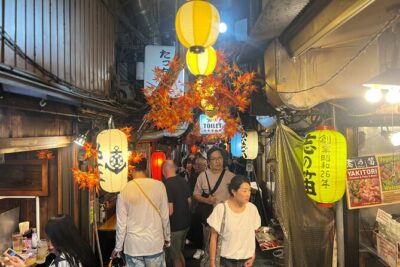 ★ 5.0Shinjuku Food Tour (13 Dishes at 4 Local Eateries)From $866,603 reviews
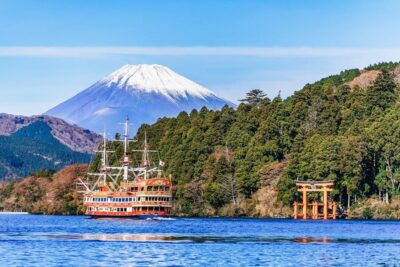 ★ 4.4Tokyo Mt Fuji 5th St & Hakone Cruise Bus Tour w/Bullet TrainFrom $1545,024 reviews
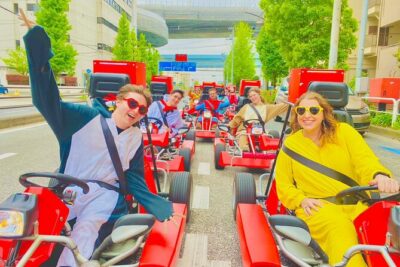 ★ 5.0Flagship 2-Hours Official Street Go-Kart Tour – Tokyo Bay ShopFrom $644,974 reviews
 ★ 4.5From Tokyo: Mount Fuji Full-Day Sightseeing TripFrom $684,970 reviews
This tour also belongs to