
Review · TOKYO CITY TOURS
Half-day Tokyo Morning Tour by Hato Bus
Tokyo in four hours, done right. I like how this morning tour compresses the big hits into a tight route, and I love the contrast between Tokyo Tower views and the calm of Senso-ji. One thing to watch, though, is the pace. You get short stops, so if you want deep wandering, you will feel the time squeeze.
This is set up for convenience: you start at Tokyo Station, ride by coach instead of wrangling trains, and you finish back near the Marunouchi area around early afternoon. Guides can be a highlight, and names like Mina and Junko show up in the experience, with clear instructions and lots of context on what you are seeing. You also get a mobile ticket, and the tour uses a hybrid bus (with the engine and cooling or heating turned off while waiting), which feels modern and thoughtful.
Quick hits for your Tokyo morning
- Tokyo Tower main observatory included at 150 m, with 360-degree city views
- Senso-ji plus Nakamise Street for classic temple energy and souvenir-snack browsing
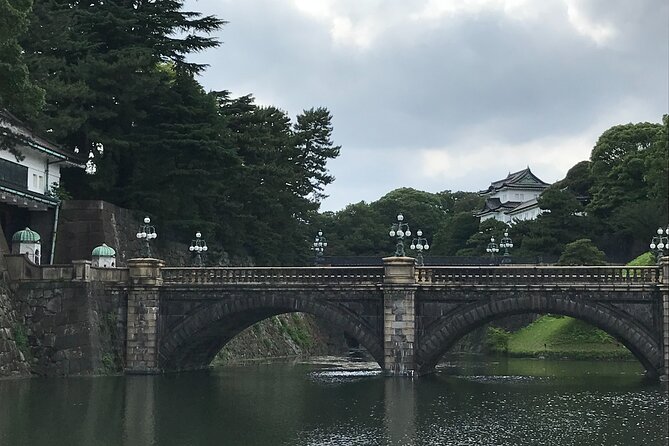
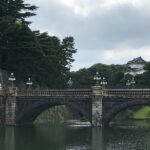
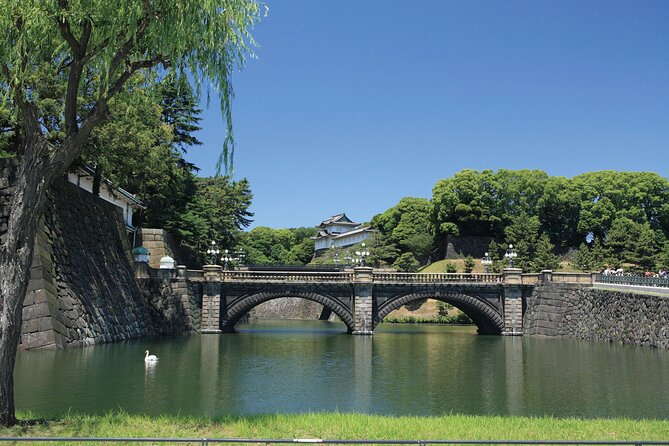
- Photo stop by the Imperial Palace with quick views like Nijubashi Bridge from outside
- Bus-first convenience so you skip most public-transport routing on a packed schedule
- Small enough group (max 40), but still timed, so you move with the crowd
The half-day value: big sights, minimal logistics stress
If Tokyo feels overwhelming on day one, this tour is built for that exact problem. You are not trying to map out trains, transfers, and station exits while also trying to read the city. Instead, you get a structured route with a professional English guide and a single bus ride that stitches together three of Tokyo’s most iconic zones.
At around four hours, it is also an easy fit for a layover morning or a travel day when you have an afternoon plan. And because the tour ends near Tokyo Station, you can realistically hop to another neighborhood, catch a train, or just keep exploring without feeling trapped by tour timing.
The flip side is that you do not come to Tokyo to “do Tokyo Tower, then do one street, then do one bridge” and call it complete. You are buying orientation and highlights, not mastery. The stops are timed, so you will see a lot, but you will not linger the way you would if you planned a full day.
More Tokyo tours and experiences for the shortlist


Meeting at Tokyo Station and riding a hybrid bus like a pro
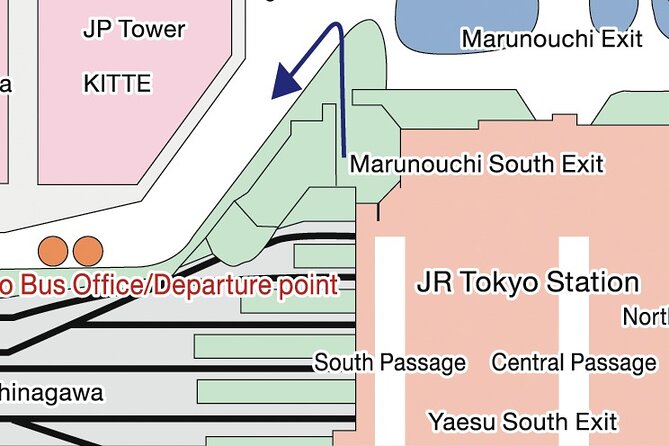
Your meeting point is Tokyo Station, 1 Chome-9 Marunouchi, Chiyoda City. The day runs forward smoothly because your guide keeps the group moving, and you finish back near Marunouchi South Exit around 1 pm, which is a practical landing pad in a city where getting “back to central” matters.
The transportation is a big part of why this works. You are on a bus for major chunks of the morning, which is relaxing if you are jet lagged or just don’t want to decode transit right away. Also, the tour notes that a hybrid bus may be used, and while waiting, the bus engine and climate controls are turned off to reduce impact. On a hot or cold morning, that detail is worth knowing, but you are not usually waiting long.
One logistics reality: traffic can change the schedule. The order of stops can shift depending on road conditions or restrictions near the Imperial Palace. So the best mindset is flexible. This tour is about the main sights, not about a clockwork minute-by-minute guarantee.
Tokyo Tower from the main deck at 150 m, plus the optional special view
Tokyo Tower is the headline for a reason. The tour takes you to the main deck (150 m), and the admission ticket is included. That means you skip the awkward part of “okay, where do we go, which line, which ticket, and will I mess it up.” You just go up and look.
From that height, Tokyo becomes a layered map: dense blocks, rail lines, and the sprawl that makes the city feel like it never ends. You also get 360-degree viewing time, which is ideal for photos. One detail I like from past experiences shared with this kind of route: on very clear days, you can sometimes see Mount Fuji from Tokyo Tower. It is not promised, but if visibility is good, that is a memorable bonus.
What is not included is the special observatory ticket at 250 m. The tour makes it clear that if you want to go higher, you pay the extra charge at the location. My take: the main deck is usually the sweet spot for value. Going to the special deck can be worth it if you love heights, but it is an add-on, not part of your base deal.
Imperial Palace: what you see, what you don’t, and how to make the photo stop count
The Imperial Palace stop is mainly for photos and quick orientation. You are given time to view the area and key features from the outside, with a focus on points like Nijubashi Bridge, described as the face of the Imperial Palace. You also get a chance to appreciate the contrast here: the government center can look Western-style from a distance, but the tour frames it as being built largely with Japanese materials.
Here is the key expectation-setting point. This is not a long walk through palace grounds. The tour itinerary gives you a short visit window, and you will likely be on the move rather than lingering. One traveler note tied to this topic is that the palace grounds are only open two times a year, New Year’s Day and late December. Even if you have a history-first mindset, manage expectations before you arrive.
How to make this stop worthwhile: focus on the views you can actually get quickly, then use the guide’s context to connect the dots. This is one of those places where your understanding grows fast if you know what you are looking at, even if you only have a short window.
If your dream is a slow, in-depth Imperial Palace day, you will probably want a separate plan later. But for a half-day highlights tour, this stop does its job: it marks the political center and helps you see Tokyo’s modern identity.
Senso-ji and Nakamise Street: temple icons and street-level Tokyo
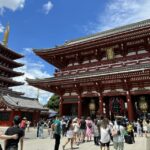
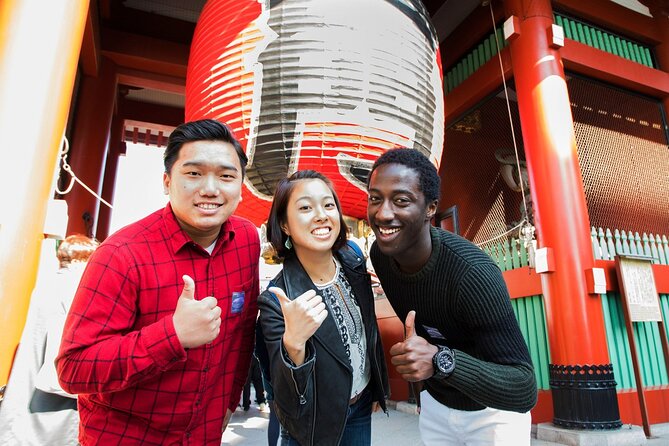
Then you go to Asakusa and Senso-ji, Tokyo’s oldest Buddhist sanctuary. The tour is scheduled for about one hour here, which is just enough time to take in the big visuals and still feel the street life around the temple.
You will see classic Senso-ji features such as the red Kaminarimon Gate, the statue associated with the god of thunder, and the five-story pagoda. These are the parts that anchor your photos, and they are also the parts that help you understand why Asakusa draws such heavy crowds.
After that, you get time around Nakamise Street, the famous shopping lane lined with vendors selling traditional souvenirs and snacks. This is the part where the tour earns its keep for first-timers. You get street-level Tokyo culture, not just landmark sightseeing. And you can snack and buy at your own pace within the limited time window.
One practical note from how this kind of schedule feels in the real world: one hour sounds generous until you remember the lines, the crowd flow, and the temptation to stop at every stall. If you are prone to wandering, set a simple game plan before you enter, like doing pagoda and gate photos first, then Nakamise second.
More Tokyo tours and experiences for the shortlist

The pace on the bus: what it feels like off and on the coach
A lot of this tour is designed to reduce friction. You are not sprinting between far-flung neighborhoods on foot. You ride the bus, get a clear guide-led flow, and then you return to the coach for the next hop. For many people, it is the perfect “morning starter pack.”
That said, reviews and operational notes point to a common tour-tension: the schedule is tight, and you spend time traveling between neighborhoods. Also, outside the bus, guides may not always have a microphone. If you are seated farther back or the group is larger, you might strain to hear some explanations off-coach. I would simply assume you might need to angle your body or move slightly when you stop.
Fitness level is listed as moderate. In real terms, you should be fine if you can handle a brisk walking pace through crowd areas and short walking segments around the sites. This is not a rugged hike, but it is not a sit-and-stare tour either.
Also, the itinerary order can shift. If you are photographing at sunrise light or have a personal schedule afterward, keep your flexibility hat on.
Included tickets, what costs extra, and the real value of $41.61
At about $41.61 per person, this is not a bargain-price “just get on a bus” kind of deal. The tour includes a professional English guide and Tokyo Tower main deck admission at 150 m. For many visitors, that included ticket is a big chunk of the value because you avoid buying and lining up for tower access on your own.
What is not included is the Tokyo Tower special observatory ticket at 250 m, plus food and drinks. There are also no extra site fees listed beyond what is included, but you should still budget for snacks on Nakamise Street because that is part of the fun here.
So is it worth it? If you compare it to the cost of getting to all these places and paying for the tower admission separately, it starts to look pretty sensible. This tour basically bundles transportation + guide + one included major attraction ticket, then uses the clock efficiently.
If your priority is only Tokyo Tower, you might consider doing Tower plus one other area on your own. If your priority is first-time orientation, quick culture, and minimal transit hassle, the bundle works well.
How group size shapes your experience (and your photos)
The tour has a maximum of 40 travelers. That is big enough for a lively group, but small enough that you can usually keep track of the plan without feeling lost. Seats for odd-number groups may be shared, which is a standard reality for group tours.
In practice, the group size affects photos. At Senso-ji and Nakamise Street, crowd density will drive what you can capture and how quickly you can move. You will not be alone with the sights. But the advantage of a guided group is that you are pushed into the flow at the right moments and you avoid the confusion of where to go next.
Also, you can sometimes choose where you end up after certain stops, and one practical note from how this tour is often enjoyed is that many people like finishing back at Tokyo Station so they can immediately continue on their own schedule. That option helps if you have a second plan later in the day.
Who this half-day tour suits best
This tour fits especially well if you are:
- short on time and want the headline sights in one morning
- visiting for the first time and want a guided orientation, not a transit puzzle
- traveling with people who would rather ride than research routes
- dealing with limited energy and want a structured pace
It may not fit you as well if:
- you want long time at the Imperial Palace grounds or deep guided history in one place
- you hate fast schedules and want to roam freely without time limits
- you plan to spend hours shopping at Nakamise, since the stop is time-bound
A common sweet spot is a travel-day morning, like a flight later that afternoon. Ending back at Tokyo Station makes it easier to keep your day moving.
Should you book this Hato Bus morning tour?
Book it if you want Tokyo Tower plus Senso-ji plus a quick Imperial Palace overview in one tight, guided route, with one major ticket included and an easy landing back at Tokyo Station. It is a strong choice when your schedule is short and your priority is getting oriented fast.
Skip it or pair it with your own planning if your heart is set on slow museum-style exploring or extended time at palace grounds. This is a highlights tour, not a deep residency in one neighborhood.
If you do book, come with one mindset: treat each stop like a first look. Take your photos, grab one meaningful snack on Nakamise Street, listen for the guide’s context, then plan a longer return trip later to the places that grabbed you most.
FAQ
How long is the Half-Day Tokyo Morning Tour?
It runs for about 4 hours.
Where do you meet, and where do you end?
You start at Tokyo Station (1 Chome-9 Marunouchi, Chiyoda City) and end near the Marunouchi South Exit around 1:00 pm.
What is included in the tour ticket price?
You get a professional English guide and admission to the Tokyo Tower main observatory (150 m).
Is Tokyo Tower the only paid admission on the route?
Tokyo Tower special observatory access (250 m) is not included. If you want the higher level, you pay the additional charge at the location.
How much time do you spend at each stop?
The schedule lists about 40 minutes at the Imperial Palace, about 40 minutes at Tokyo Tower, and about 1 hour at Senso-ji Temple.
Are meals included?
Food and drinks are not included.
More Morning in Tokyo

More Tours in Tokyo



More Tour Reviews in Tokyo

Not for you? Here's more nearby things to do in Tokyo we have reviewed





Tokyo City Tours, side by side.
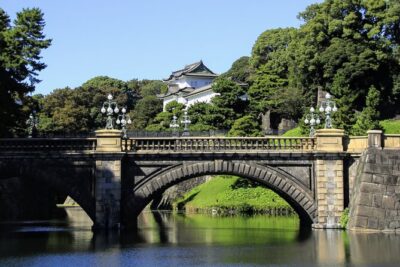 ★ 5.01-Day Tokyo Bus TourFrom $12914,250 reviews
 ★ 4.5TOKYO SKYTREE® Admission ticketFrom $1311,192 reviews
 ★ 4.6teamLab Planets TOKYO Digital Art Museum Entry TicketFrom $259,779 reviews
 ★ 4.0Mt Fuji & Hakone Cruise, Drum Show Bullet Train 1 Day from TokyoFrom $1497,413 reviews
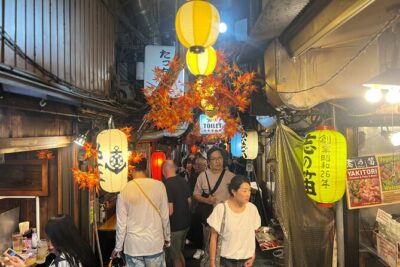 ★ 5.0Shinjuku Food Tour (13 Dishes at 4 Local Eateries)From $866,603 reviews
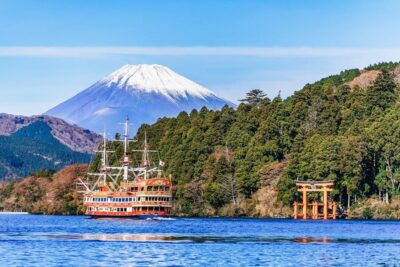 ★ 4.4Tokyo Mt Fuji 5th St & Hakone Cruise Bus Tour w/Bullet TrainFrom $1545,024 reviews
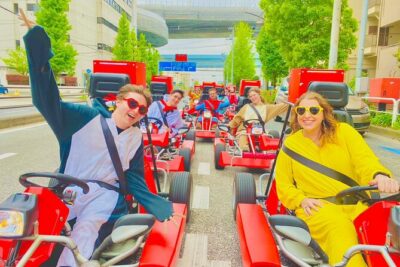 ★ 5.0Flagship 2-Hours Official Street Go-Kart Tour – Tokyo Bay ShopFrom $644,974 reviews
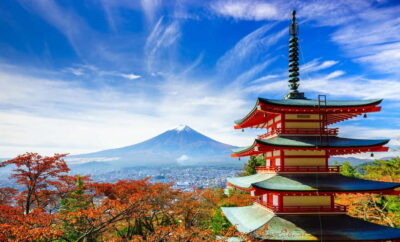 ★ 4.5From Tokyo: Mount Fuji Full-Day Sightseeing TripFrom $684,970 reviews
This tour also belongs to