
Review · TOKYO CITY TOURS
Tokyo: Private City Highlights Tour
Tokyo feels huge, then this tour makes it manageable. You get a private day that strings together Tokyo’s most famous modern and traditional stops, without you spending your energy figuring out the order. I like that you can steer the plan toward history, shopping, or tech, instead of being stuck on a fixed script.
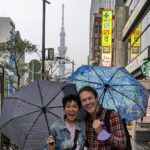
Two things I especially like: the flexibility when the day gets weird, and the fact you’re not rushing from photo spot to photo spot. On a rainy day, Ahmed worked a backup plan and kept the pacing calm. One thing to consider, though, is that entrance fees and lunch are not included, so your final spend will be a bit higher once you decide what to go into and what to eat.
Key Things to Know Before You Go
- Private vehicle plus hotel pickup means less time wrestling transit and more time at sights.
- Ahmed’s flexibility shows up in how he adjusts the route based on your interests and even weather.
- Big icons, planned pacing gives you time to look, walk, and breathe, not just snap and run.
- Skytree 634 meters delivers panoramic city views, and on clear days you might spot Mt. Fuji.
- Asakusa and Harajuku together makes the day feel like Tokyo’s past meeting its street-fashion future.
- Tsukiji Outer Market stops for food so you can build your own snack loop around sushi, sashimi, and tamagoyaki.
Why This Private Tokyo Day Feels Less Like a Checklist
This tour works because it’s designed as a private highlights day, not a strict “see everything” marathon. You’re in a vehicle with pickup and drop-off, then you spend your time where it matters: landmark areas and the moments that define them. Think: gate, shrine forest, high-view decks, famous crossings, and street shopping.
If you like having a plan but still want control, this is a good match. You can ask to linger somewhere, skip something that doesn’t grab you, or swap focus if your interests shift mid-day. The private setup is especially helpful in a city where getting between neighborhoods can turn into a math problem.
The tour’s pacing is built for enjoying the day. Stops are timed in a way that gives you room to walk around and take in details, rather than ticking boxes like you’re on a schedule with alarms.
You can also read our reviews of more city tours in Tokyo

Pickup, Transport, and the 8-Hour Reality
You start with hotel pickup and the guide waits about 10 minutes before the scheduled time in the lobby. You’ll ride in a private vehicle, and if you choose the driver-guide option, your guide will handle the navigation and speaking. Onboard WiFi is provided but subject to availability, which is nice for maps and quick messaging.
One practical thing: highways can create delays, and drivers can be late up to 30 minutes due to traffic conditions. That’s not unusual in Tokyo. My advice is to think of the tour as a half-day window, not a precision-timed train connection.
Also, the tour is wheelchair accessible, and the private format gives you options if you have limited mobility. There’s even experience of dropping someone closer to sights to reduce walking distance, so if that applies to you, say it upfront.
Finally, bring comfortable shoes. Even when you drive close, these are landmark areas, and you’ll likely do some walking on sidewalks and through temple or shopping streets. For a smooth day, wear shoes you can walk in for hours.
Asakusa and Senso-ji: Start With Tokyo’s Most Classic Temple Scene
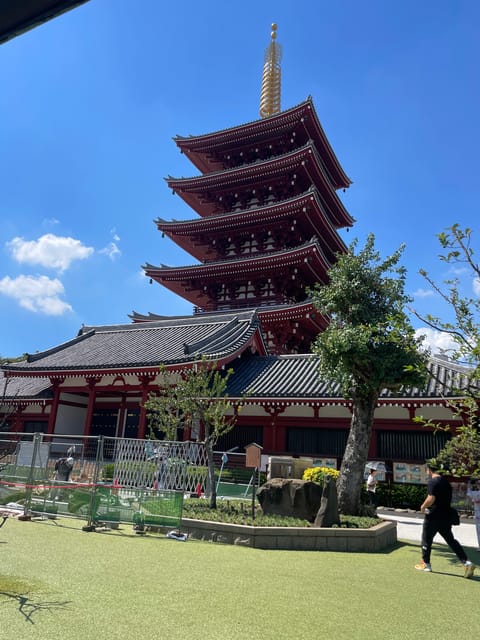
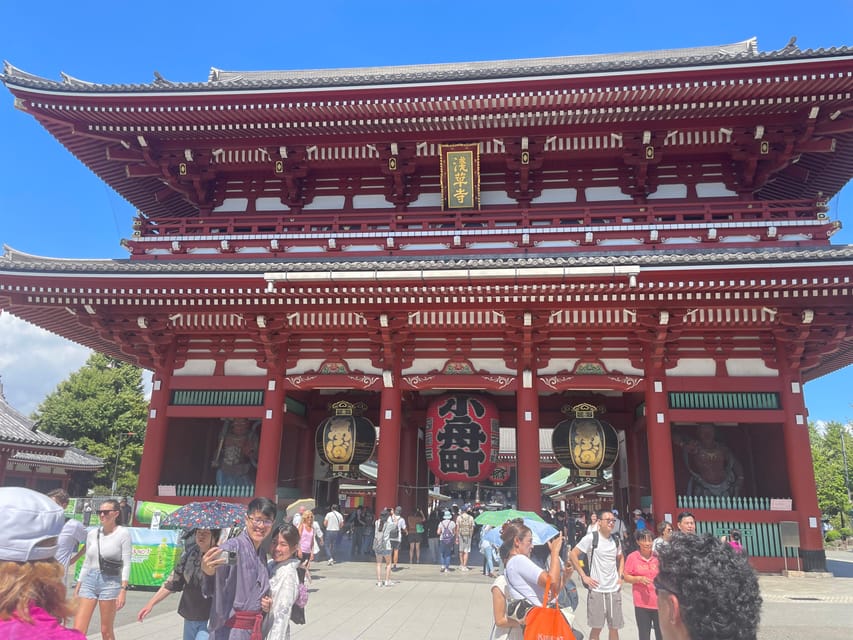
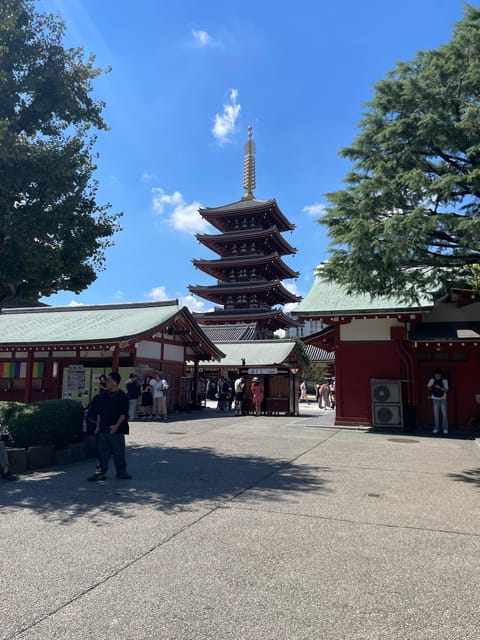
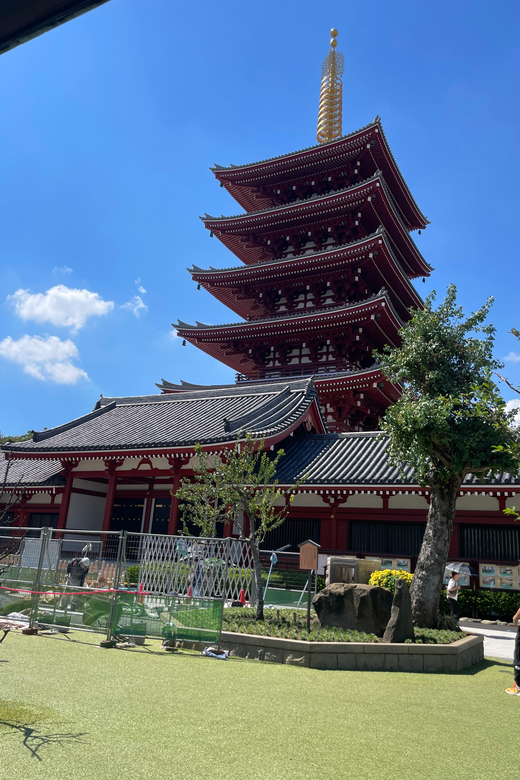
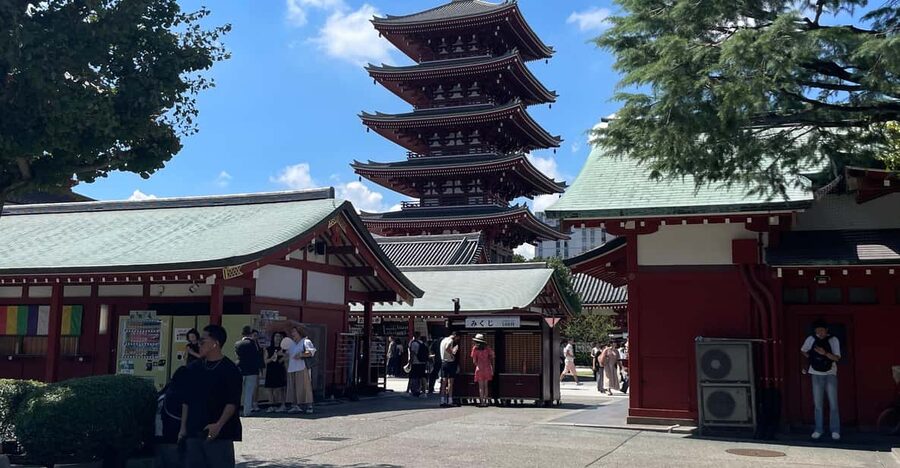
This part of the day sets the tone. You’ll head to Asakusa Shrine and spend about an hour in the area, with Senso-ji being the main draw. This is Tokyo’s best-known Buddhist temple, and it’s also one of the city’s oldest, with origins going back to 628 AD.
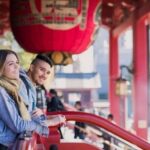
What you’re going to feel here is the flow of a centuries-old pilgrimage route. You can walk through the iconic Kaminarimon Gate, then browse Nakamise Street, a long strip of traditional shops leading toward the main temple grounds. It’s not just sightseeing, it’s a sense of rhythm, people moving in waves, and the smell of snack stalls that makes the whole area feel alive.
The one drawback is crowds. Senso-ji is famous for a reason, and you’ll be sharing space with plenty of other visitors. The upside of a private tour is that you’re not stuck in a single slow group pace. You can take your time, stop for photos when it’s less dense, and keep moving when it gets too packed.
Meiji Shrine: A Forest Reset From City Noise
After Asakusa, you get a sharp change of pace at Meiji Shrine. You’ll have about an hour here, and it’s designed as a quiet break inside a forest setting. This Shinto shrine is dedicated to Emperor Meiji and Empress Shoken, and it’s one of Tokyo’s most serene spots.
In practice, this stop helps you balance the day. The temple streets and street-shopping energy from earlier can be intense, so Meiji Shrine works like a reset button. You get space to slow down, breathe, and actually notice details like the calm paths and the way the atmosphere shifts once you step under the trees.
If you’re the type who hates feeling rushed, you’ll appreciate this part. It’s naturally paced for walking, and it doesn’t require you to sprint between points for the “perfect shot.”
Tokyo Skytree: Panoramic Views That Make the Day Click
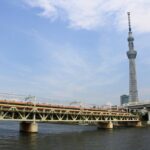
At Tokyo Skytree, the tour turns scenic. You’ll spend about an hour sightseeing at the tallest structure in Japan, standing at 634 meters (2,080 feet). The big payoff is the panoramic view over the city.
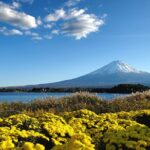
On clear days, you might even catch glimpses of Mt. Fuji from the observation decks. That’s the kind of “was it worth it?” moment that makes a highlights tour feel like more than a photo stop. Even if you don’t see Fuji, looking across Tokyo’s layers and geometry is still impressive.
The only practical consideration here is the weather. You’re dealing with an outdoor-to-indoor day. If it’s rainy or hazy, views can be less sharp. Still, the private timing helps. If the weather seems tricky, your guide can often adjust the order of stops to protect your best chance for visibility.
You can also read our reviews of more private tours in Tokyo
Imperial Palace Area: Where Time Feels Slower
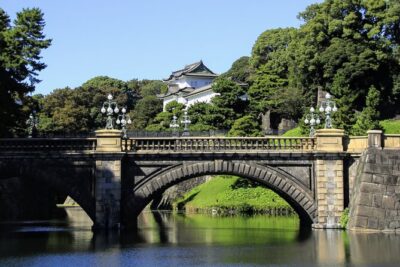
You’ll next head to the Tokyo Imperial Palace and spend about 45 minutes there, including time connected to the East Gardens. The Imperial Palace is the residence of the Emperor of Japan, and the surrounding area includes gates and beautiful gardens.
This stop is valuable because it shows a different side of Tokyo than the skyscrapers and shopping streets. You get a sense of formal space and careful order, which makes the day feel less like only consuming attractions and more like understanding contrasts.
One note for your expectations: you’re not going to treat this like a big theme-park site where everything is one clear path. The palace grounds are more about atmosphere. If you like to slow down and look, you’ll enjoy it. If you want non-stop motion, keep your pace light and let the quiet do its job.
Tokyo Tower and the Classic Skyline
Tokyo Tower is next, with about an hour set aside. It’s a more traditional icon compared with the modern scale of Skytree, and that contrast matters. Skytree gives you height and perspective. Tokyo Tower gives you an older, familiar silhouette that still feels central to Tokyo’s skyline identity.
I like including this stop in a private highlights day because it adds variety without adding complexity. You can enjoy views, take photos from good angles, then move on without feeling like you need a full planning session.
If your goal is photography, consider that light changes fast in late afternoon. Having a private guide means you can usually choose when to linger, based on what you want to capture.
Shinjuku Gyoen National Garden: A Calm Pause in the Middle
Then comes Shinjuku Gyoen National Garden for about an hour. This is a good “legs reset” stop inside the middle of a very landmark-heavy day. When you’re hopping between famous sites, a garden break helps you recover so you don’t end up tired and cranky for the rest.
Even without getting too technical about garden varieties, the value here is simple: you get a change of scenery. Trees, paths, and open space give your brain a break from crowds, signage, and the constant decision-making of where to go next.
If you’re traveling in warmer or rain-prone seasons, this garden stop can be a relief or a challenge depending on conditions. In rain, you may want to keep a bit more flexible timing and lean on your guide’s route judgment so you don’t spend too long under bad weather.
Shibuya Crossing: Famous Chaos, Controlled by Your Timing
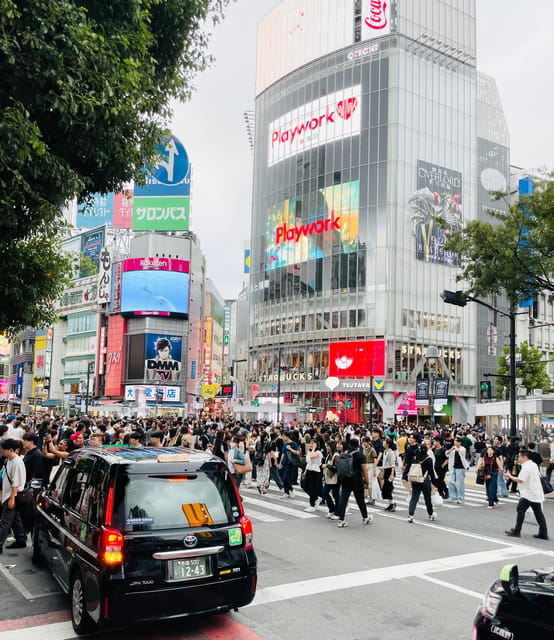
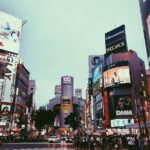
Shibuya Crossing is next, about 45 minutes. This is the iconic pedestrian scramble that symbolizes Tokyo’s modern energy, and it’s one of the busiest intersections in the world.
Here’s the thing: you don’t need much time to get the point. What matters is positioning and timing. The private format helps because you’re not rushing through this. You can watch how the crosswalk waves move, then capture the shot you want without spending your whole time fighting for space.
For me, Shibuya works best when you treat it like a moment, not a mission. Watch the flow, then get moving to your next stop while you still have energy for shopping and eating.
Tsukiji Outer Market: Food You Can Sniff, Then Choose
After Shibuji, you’ll head to Tsukiji Outer Market. This area is known for fresh seafood and local delicacies. The original Tsukiji FishMarket moved to Toyosu, but the Tsukiji Outer Market remains a popular destination and a fun place to snack.
You’ll see plenty of stalls and restaurants selling sushi, sashimi, and street food like tamagoyaki, Japanese omelette. This is the kind of stop where you can build your own “I’m in Tokyo” lunch, even though lunch isn’t included in the tour cost.
The main thing to plan for is choice overload. There are a lot of tempting options, and it can get crowded. If you have dietary restrictions, it’s smart to bring them up in advance so your guide can steer you toward easier options. Since entrance fees are not listed as included, you’ll be spending your money on food rather than tickets.
Comfort matters too. Tsukiji streets are active, and even short shopping stretches can add up. Wear shoes with grip, especially if the weather is wet.
Harajuku Takeshita Street and the Taito City Bonus
Next you’ll hit Takeshita Street in Harajuku for about 30 minutes. This is where street fashion, trendy shops, and people-watching all meet. It’s a strong contrast to temple grounds, and it helps the day feel like Tokyo in full contrast mode.
You also get a stop in Taito City for about 30 minutes. That’s another layer of Tokyo neighborhoods, adding variety beyond the biggest single-name attractions. I like this because it keeps the day from feeling like only postcard sites. Even a short neighborhood stop can make the day more real.
The practical trade-off is time. Harajuku can pull you in fast, and 30 minutes is enough to get a taste but not enough to shop every lane. My advice: decide what you want most before you arrive, then spend that time doing it. If you love photos and browsing, you’ll be fine. If you want heavy shopping, prioritize what you care about and skip the rest.
Price and Value: Is $319 Worth It for Up to Five?
The price is $319 per group, good for up to five people, for an 8-hour day. That’s the key value point: you’re paying for private transportation and a guide experience, not paying per person for the route.
To judge value, think about what you would otherwise spend if you tried to self-drive or self-guide. Tokyo taxi costs can add up fast, and coordinating multiple neighborhoods takes real time and mental energy. This tour compresses that effort. You also get a guided day where someone can adapt the order based on what you want to see, and you’re not stuck waiting for other people.
Where the value can dip is if you want everything that has an admission fee. The tour doesn’t include entrance fees and lunch, so plan for that extra spending. Also, this is a walking and landmark day, so if you want a mostly sit-and-watch itinerary, the set stops may not match your style.
Still, the high rating and the repeated themes of flexibility and pacing make it look like the tour is doing the right things for an efficient day: smooth pickup, good timing, and a guide who stays patient.
Should You Book This Private Highlights Tour?
I’d book it if you want Tokyo’s biggest highlights in one day without turning your trip into logistics homework. The combination of Asakusa, Meiji Shrine, Skytree, Imperial Palace area, Shibuya, Tsukiji, and Harajuku covers the core contrasts that make Tokyo memorable, and the private format keeps the day from feeling mechanical.
You should also book if flexibility matters to you. In the data I was given, Ahmed’s ability to adjust when the weather is bad and to keep you from feeling rushed comes through clearly. That matters in Tokyo, where conditions can change quickly.
Skip it if you’re hoping for a low-footprint day or if you know you don’t want to pay extra for entrances and meals. Also note it’s not suitable for people over 95 years, so if that age range matters for your group, you’ll need another option.
If you do book, do one thing before you go: tell your guide what you care about most. The private setup is built for your priorities, and the best outcomes usually come when you give your guide a clear target.
FAQ
What is the price for this Tokyo private tour?
It costs $319 per group for up to five people.
How long is the tour?
The tour lasts 8 hours.
What is included in the tour price?
Included are hotel pickup and drop-off, private transportation, and a driver-guide if that option is selected, plus petrol, highway tolls, and WiFi onboard subject to availability.
Are entrance fees and lunch included?
No. Entrance fees and lunch are not included.
Where does pickup happen?
Pickup is available from hotels, hostels, apartments, or other addresses in Tokyo. Pickup is not available from airports, ports, and stations, so you’ll want to confirm your pickup address before booking.
Is the tour wheelchair accessible?
Yes, the tour is listed as wheelchair accessible.
Does the tour provide WiFi in the vehicle?
Yes, WiFi is available onboard, subject to availability.
What should I bring, and what is not allowed during the tour?
Bring comfortable shoes. Smoking in the vehicle is not allowed, and drinks and food are also not allowed in the vehicle, along with alcohol and drugs, explosive substances, and making fire.
More City Tours in Tokyo


More Tours in Tokyo
More Tour Reviews in Tokyo
Not for you? Here's more nearby things to do in Tokyo we have reviewed



Tokyo City Tours, side by side.
 ★ 5.01-Day Tokyo Bus TourFrom $12914,250 reviews
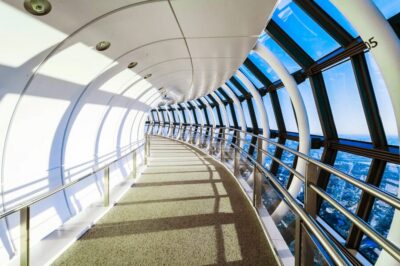 ★ 4.5TOKYO SKYTREE® Admission ticketFrom $1311,192 reviews
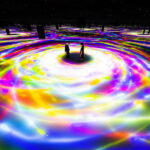
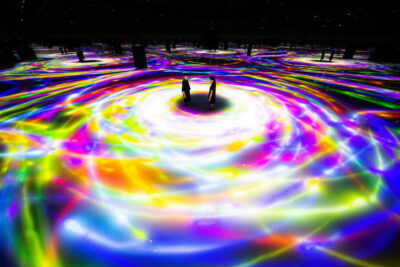 ★ 4.6teamLab Planets TOKYO Digital Art Museum Entry TicketFrom $259,779 reviews
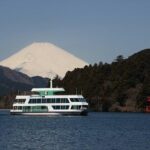
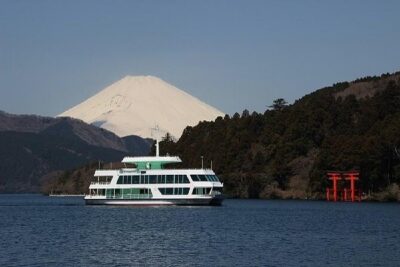 ★ 4.0Mt Fuji & Hakone Cruise, Drum Show Bullet Train 1 Day from TokyoFrom $1497,413 reviews
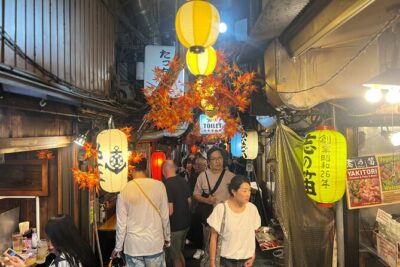 ★ 5.0Shinjuku Food Tour (13 Dishes at 4 Local Eateries)From $866,603 reviews
 ★ 4.4Tokyo Mt Fuji 5th St & Hakone Cruise Bus Tour w/Bullet TrainFrom $1545,024 reviews
 ★ 5.0Flagship 2-Hours Official Street Go-Kart Tour – Tokyo Bay ShopFrom $644,974 reviews
 ★ 4.5From Tokyo: Mount Fuji Full-Day Sightseeing TripFrom $684,970 reviews
This tour also belongs to