
Review · TOKYO CITY TOURS
Tokyo Private Tour: Temples, Culture & Modern City Highlights
Tokyo clicks fast when you walk it. This private, multilingual tour strings together temples, food streets, and big-city highlights into a day you can actually steer, with guides offering hotel pickup in central Tokyo and hands-on help along the way. You’ll move by foot plus local trains, and the route can tilt toward culture, shopping, anime, or history.
I love the flexible itinerary that lets you swap options like Akihabara, the Imperial Palace East Gardens, or Kappabashi depending on your mood. I also love the photo support and local explanations, so you’re not just seeing sights, you’re understanding what you’re looking at.
One thing to plan for: this is a walk and transit day, and meals are not included. If you’re the type who wants a car the whole time, you may find the pace harder than expected.
Key takeaways before you book
- Private walking format with hotel pickup in central Tokyo so you’re not hunting meeting points
- Multilingual guides (English, French, Japanese) with strong local context and practical guidance
- High-impact districts in one half to full day including Asakusa, Harajuku, Shibuya, and Shinjuku
- Market and shrine mix like Nakamise street energy and the calm break of Shinobazu Pond
- Options for your interests such as Akihabara (anime and electronics) or Kappabashi (kitchenware)
- Expect real walking plus trains and bring shoes you can trust
How temples, markets, and neon districts fit into one day
Tokyo can feel like five different cities wearing the same train ticket. This tour is built to help you connect the dots. You start in old Tokyo with Sensō-ji and the Asakusa neighborhood atmosphere, then you step into calmer water time by the Sumida River. After that, you bounce into the everyday intensity of market streets in Ueno.
Then the day turns into modern Tokyo. You can head for Harajuku and Meiji Jingu for the contrast between youth fashion energy and a forested Shinto shrine. From there, Shibuya and Shinjuku deliver the headline moments, including Shibuya Scramble Crossing vibes and Shinjuku’s nightlife icons like the Godzilla Head area and Golden Gai’s tiny bar alleys.
The smart part is the flexibility. Your guide can adjust the mix so the day feels like your Tokyo, not someone else’s checklist. If you’re a first-timer, that balance helps. If you’ve been before, it’s a good way to target specific neighborhoods without wasting time figuring transit routes.
You can also read our reviews of more city tours in Tokyo


What the private guide actually gives you (beyond directions)
A private guide is not just a translator. The difference is that you get context at the moment you need it, plus practical help when the city gets confusing. In this tour style, that usually shows up in two ways: navigation help and conversation.
In the navigation category, guides have helped people learn how to use the subway or trains, and even how to handle ordering food. That matters because Tokyo’s transit system is excellent but not always intuitive on day one. Having someone with real Japan experience means you spend less time stuck at wrong exits and more time walking where you planned.
In the conversation category, the guide explains what you’re seeing in simple terms, from religious customs at shrines to how neighborhoods developed. It’s the difference between watching tourists in front of a gate and actually understanding why people behave a certain way.
Finally, the tour is private to your group. That means you can move at your pace. I’ve seen guides tailor timing so you can take photos without feeling rushed, including for photography-minded visitors who want a bit more patience at each stop.
Asakusa and Sensō-ji to the Sumida River: classic Tokyo, good flow
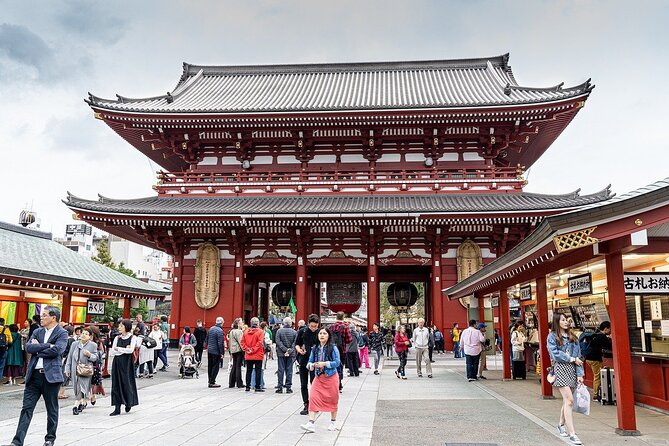
Asakusa is Tokyo’s historical heart, and Sensō-ji Temple gives you the first big wow. You’ll spend about 45 minutes here, including time to see the giant red lantern and the lively Nakamise shopping street that runs right up to the temple approach. This is where you get that classic postcard feeling, but also real street life: snack smells, souvenir chaos, and people doing the ritual rhythm.
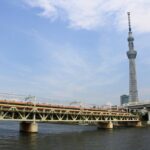
Then the tour shifts gears with a short walk to the Sumida River. You’re there for roughly 15 minutes, which is just enough time to breathe after crowds. You get scenic riverside paths and views of Tokyo Skytree in the distance. It’s a great spot for photos that don’t look like every other temple shot.
Practical note: Sensō-ji and Nakamise can get busy. If you want a calmer experience, ask your guide about timing inside the area, and be ready for a bit of crowd choreography as you move through the walkway.
Ueno’s Ameyoko market street and Shinobazu Pond breaks
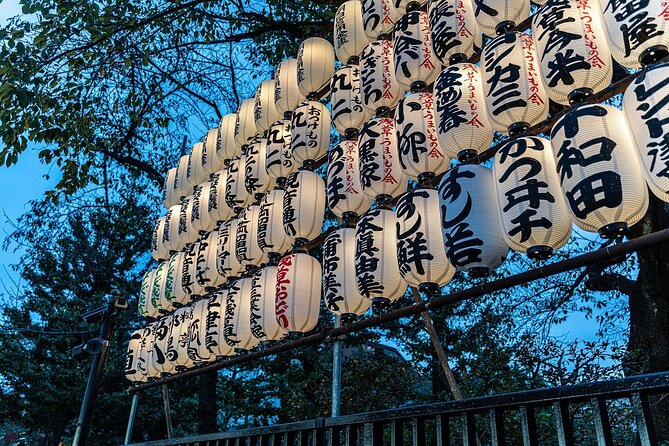
After Asakusa, the tour moves to the Ueno area with a stop at Ameyoko Shopping Street. This is one of those places where Tokyo’s everyday economy is on full display. You’ll get about 30 minutes along the market stretch near the railway tracks, with street food energy, spices, seafood, snacks, and clothing bargains.
Ameyoko is also a good place to learn what you like. If you enjoy trying small bites, this stop helps you experiment without committing to a full meal plan. If you’re not a snack person, you can still enjoy the chaos and do focused browsing, like spices and packaged treats.
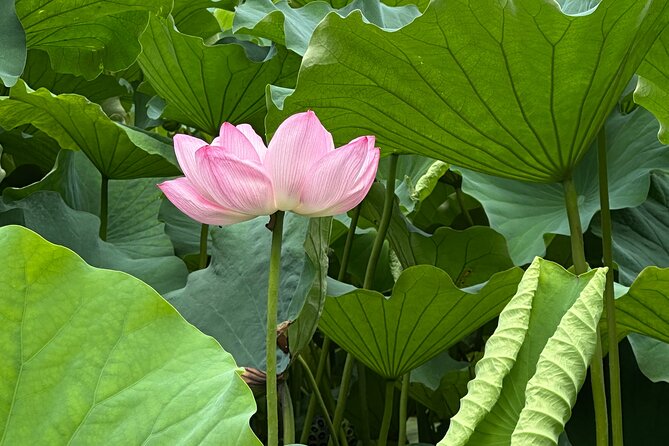
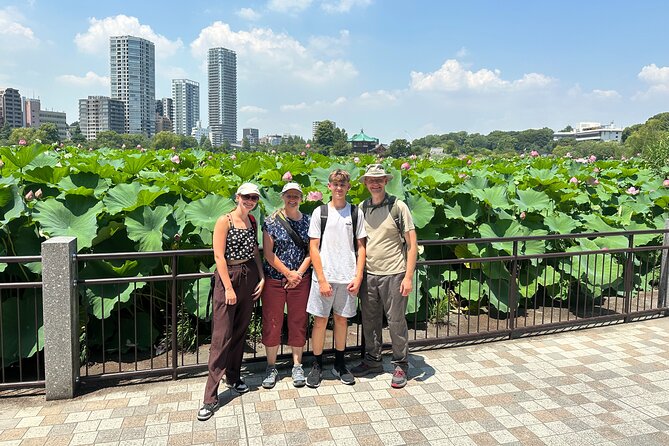
Next is Shinobazu Pond, about 30 minutes. This is your pause button. The pond area has lotus, koi fish, turtles, and birds when in season, and it’s noticeably quieter than the street market. People often come here for a relaxed stroll and photos without fighting through the same kind of crowds.
This pairing, market plus pond, is smart. It gives you contrast, and it prevents the day from turning into one long queue.
Optional Imperial Palace East Gardens and Kappabashi knife-and-cookware time
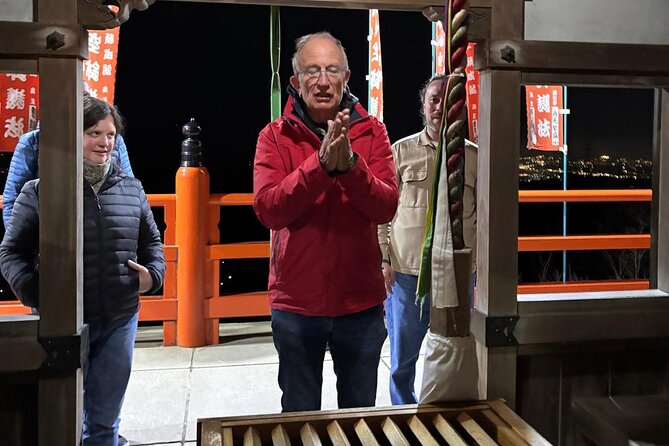
One of the best parts of this tour is that you’re not forced into one style of Tokyo. If you want history and gardens, you can swap in the Imperial Palace East Gardens and Edo Castle Ruin area for about 30 minutes. This portion includes the Ninomaru Garden and historic samurai guardhouses, which is a more thoughtful pace than shopping streets.
If you prefer hands-on shopping that’s actually useful at home, consider Kappabashi Street for around 30 minutes. This is Tokyo’s famous kitchenware district, known for Japanese knives, tableware, chopsticks, cookware, and all the tools food lovers get excited about. Even if you do not buy anything, it’s fun to browse because the shop displays are so specific and practical.
Here’s the thing: these optional stops can change your day feel fast. Gardens add quiet and walking comfort. Kappabashi adds buying energy and sometimes bargaining mood. Decide based on your energy level that day, not just your interests, because the tour already includes a lot of walking and train connections.
You can also read our reviews of more private tours in Tokyo

Harajuku and Meiji Jingu: youth fashion to a shrine forest
Harajuku is where Tokyo shows its playful side. You can spend about 45 minutes at Takeshita Street, which is famous for colorful fashion boutiques, kawaii shops, pop-culture snack stands, and high-energy side streets. It’s narrow and lively, and you’ll feel the density quickly. If you’re sensitive to crowds, use this stop as a quick walk-through and then zoom toward quieter nearby streets with your guide’s help.
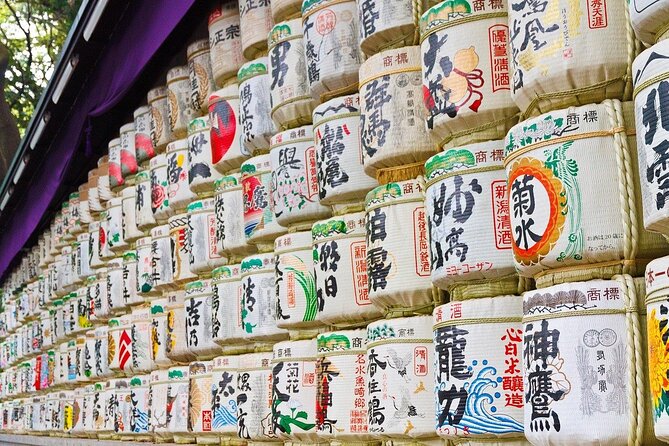
Then the day shifts to Meiji Jingu Shrine for about 45 minutes. This shrine is one of Tokyo’s most important Shinto sites, and it sits inside a forested area. The mood changes immediately when you move under the large wooden torii gates. It’s calmer, shaded, and slower.
This contrast is why it works in one tour. You see the modern, youth-driven style moment, then you step into a place where rituals and nature create a different Tokyo rhythm.
If you want photos, ask for the best places to stop inside both areas. Guides can also help you time the walk so you spend less time stopping in the thickest parts of the crowd.
Shibuya Scramble Crossing to Shinjuku nightlife icons and Golden Gai alleys
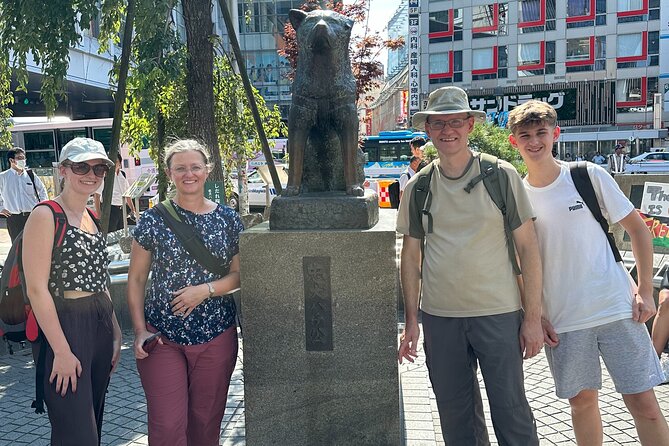
Shibuya is basically Tokyo’s main character energy. You’ll get about 1 hour here, including Shibuya Scramble Crossing, neon lights, modern malls, and the fast-moving feel of a major business and youth district. Even if you’re not into shopping, the crossing is worth it because it demonstrates how Tokyo manages huge crowds with clean timing.
Then you head to Shinjuku for about 1 hour. The tour includes a stop at the Godzilla Head area and the 3D cat billboard. This is a fun introduction to Shinjuku’s playful nightlife style, where big commercial signals mix with older local culture.
Golden Gai is the best kind of detour. You’ll see it as a maze of tiny bars in a small alley layout. It’s not a place you rush through, and it works well when you want to feel a different layer of Tokyo beyond the big streets.
If your group likes night energy, this section is the payoff. If your group prefers calm, ask your guide to pace the Shinjuku time so you’re not overstimulated. The tour’s private format makes that adjustment realistic.
Price and logistics: what $99.08 buys you
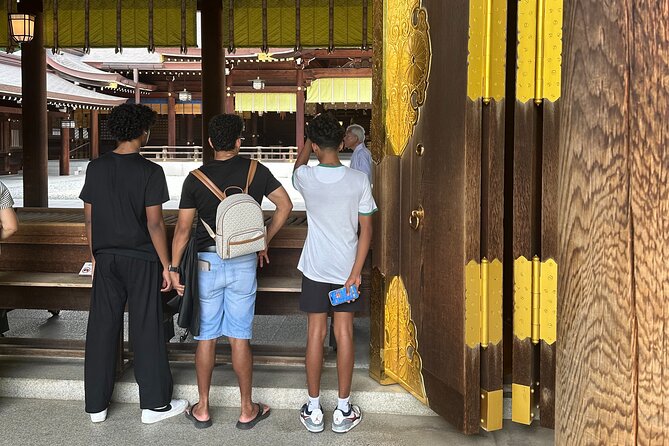
At about $99.08 per person, the value is really about what’s included. You’re paying for a private, multilingual local guide time, plus hotel pickup in central Tokyo. Admission fees for the free attractions on the route are covered, and the guide also handles photo stop guidance and cultural explanations.
What you should not expect is meals included, and transportation is not included. That means you’ll likely pay for your own subway or train rides during the day. The good news is you’re not just paying for walking. The guide’s transit help can save time, reduce stress, and help you avoid wrong turns and confusing transfer routes.
The other factor is time. The tour runs roughly 4 to 7 hours. In practice, that can still be a lot of movement, and some people end up with around 20,000 to 25,000 steps. If you’re doing this on a short layover, it can be a smart use of time. If it’s your only full day, plan a lighter evening afterward.
Also note: some shops can be cash only. Bring some yen, even if you plan to use card.
Tips to make the day smooth: Suica, cash, and shoes
This tour is easiest when you prep like a local. I recommend getting a Suica or Pasmo transit card before you start, since it’s commonly used for fast tapping on trains and stations. You’ll want it because the day typically includes public transportation segments between neighborhoods.
Bring cash too. The itinerary includes shopping streets, and at least some shops may accept cash only. That saves you from the annoying, last-minute decision of where to withdraw yen.
Finally, wear shoes that can handle long walking. The tour is a walking and transit format, and people have reported big step totals. If your feet are fine, the day feels fun. If not, every shrine and street becomes a battle.
If you care about specific interests, tell your guide at the start. Some guides have offered to tailor routes toward anime or pop-culture areas like Akihabara, and even to match nightlife interests if that fits your trip. You won’t know until you ask, and private tours are built for that.
Should you book this Tokyo private walking tour?
You should book if you want a guided mix of old Tokyo and modern districts without spending hours planning routes. It’s especially strong for first-timers who want a clear introduction to neighborhoods like Asakusa, Harajuku, Shibuya, and Shinjuku, plus time in markets and shrines.
It’s also a good fit for repeat visitors who want options like Akihabara, Kappabashi, or the Imperial Palace East Gardens without trying to stitch them together alone. And if you value practical help, like learning the subway system or knowing where to stop for photos, this style of tour supports that.
Skip it, or at least rethink it, if you want a car-based tour and minimal walking. This is a day of movement, and meals are not included, so you’ll need to plan for snacks or a lunch stop you choose with your guide.
If you book, share your priorities up front: temples and culture, street food and shopping, anime and electronics, or history and gardens. The best version of this day is the one your guide can steer.
FAQ
What’s included in the tour price?
The price includes a local English/French/Japanese-speaking guide, hotel pickup in central Tokyo, a flexible and customizable itinerary, photo help and photo spot recommendations, cultural explanations, and entrance fees for the free attractions on the route (such as temples, shrines, parks, and some observatory areas).
Are meals included during the tour?
No. Meals and drinks are not included. The tour includes food-street style areas where you can buy snacks, but you will pay for what you eat.
Is transportation provided during the tour?
Public transportation is not included, but the tour includes pickup and is designed for walking between areas with transit segments as needed. Having a Suica or Pasmo card is recommended for getting around.
Can I customize the itinerary?
Yes. The itinerary is flexible and customizable. You can choose options like Akihabara, the Imperial Palace East Gardens, Kappabashi, and adjust the time spent in districts such as Harajuku, Shibuya, and Shinjuku.
Do I need cash?
Some shops may be cash only, so it’s smart to carry some yen. You can still use transit cards like Suica or Pasmo, but shopping can be mixed.
How much walking should I expect?
Expect a walking-heavy day plus train connections. People have reported around 20,000 to 25,000 steps depending on how the day is paced and how many neighborhoods are included. Comfortable shoes are a must.
More City Tours in Tokyo


More Tours in Tokyo


More Tour Reviews in Tokyo

Not for you? Here's more nearby things to do in Tokyo we have reviewed


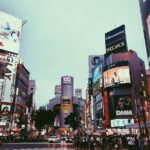
Tokyo City Tours, side by side.
 ★ 5.01-Day Tokyo Bus TourFrom $12914,250 reviews
 ★ 4.5TOKYO SKYTREE® Admission ticketFrom $1311,192 reviews
 ★ 4.6teamLab Planets TOKYO Digital Art Museum Entry TicketFrom $259,779 reviews
 ★ 4.0Mt Fuji & Hakone Cruise, Drum Show Bullet Train 1 Day from TokyoFrom $1497,413 reviews
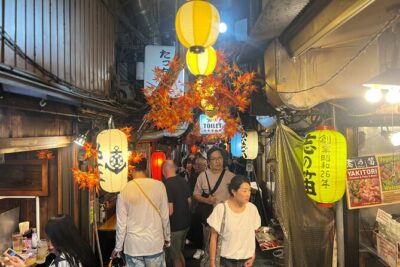 ★ 5.0Shinjuku Food Tour (13 Dishes at 4 Local Eateries)From $866,603 reviews
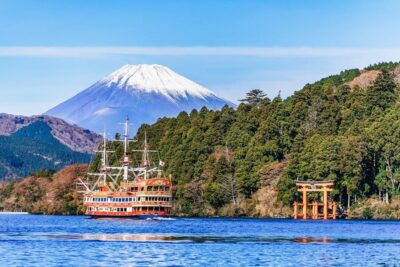 ★ 4.4Tokyo Mt Fuji 5th St & Hakone Cruise Bus Tour w/Bullet TrainFrom $1545,024 reviews
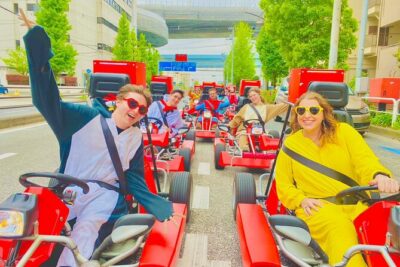 ★ 5.0Flagship 2-Hours Official Street Go-Kart Tour – Tokyo Bay ShopFrom $644,974 reviews
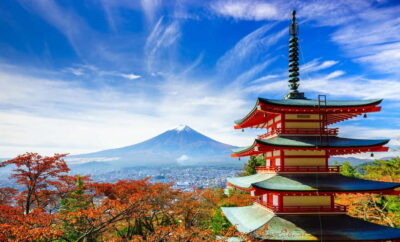 ★ 4.5From Tokyo: Mount Fuji Full-Day Sightseeing TripFrom $684,970 reviews
This tour also belongs to