
Review · TOKYO SUMO EXPERIENCES
Tokyo: Sanctuary Authentic Grand Sumo Experience & Training
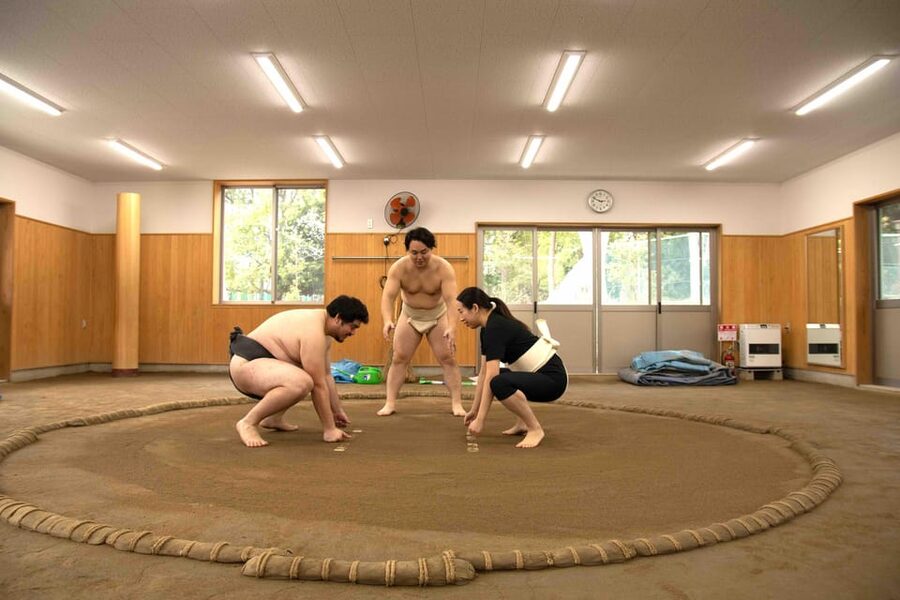
Trying sumo is one thing. Doing it is another. This 2-hour Tokyo class lets you train in the real sumo ring (dohyo), with a real belt (mawashi), plus practice the warm-ups and rituals that normally happen in the background of sumo viewing. I love how it is not just a performance, you actually get on the clay ring and wrestle. I also love that the coach leads in English and Japanese, so the basics of technique and tradition make sense fast. One drawback to plan for is the physical side, you will sweat a lot, and there is a small shower room that costs extra.
What makes this feel special in Tokyo is the setting and the format. You start with stretching, warm-ups, and traditional rituals, then you get coached on how wrestling works in the ring, and you finish by wrestling with friends and, if you are game, the coaches. The price is $199 per person, and that can feel steep until you realize you are paying for ring time, the coach, and gear, not tickets to watch from the sidelines. Also, there is no food served, so you will want water and a plan for food before or after.
Key Points You Will Care About
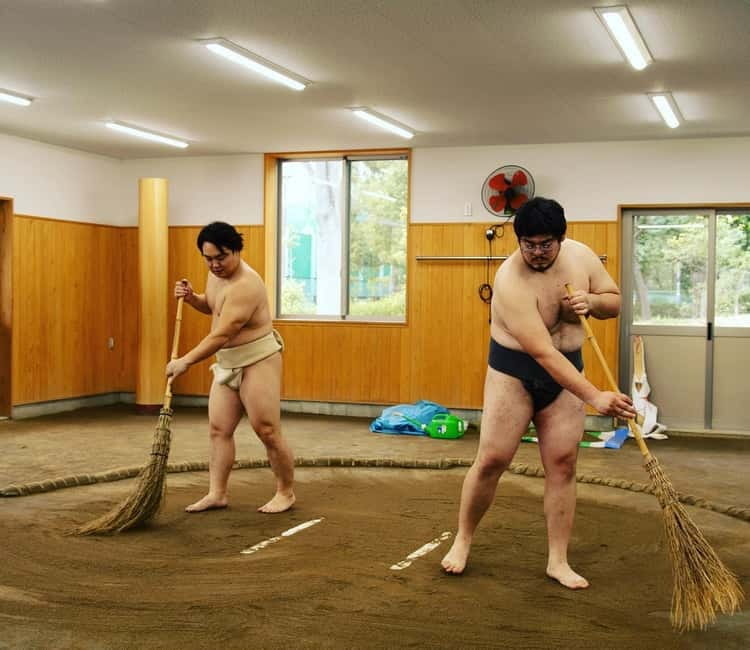
- Real dohyo, real mawashi: You train in the clay ring and wear the belt
- You participate in rituals: Warm-ups, rules, and traditional actions are part of the session
- Coach-led, English and Japanese: You get explanations you can actually follow
- Sparring at the end: You can wrestle with friends, and coaches if you want
- Gear is provided: No extra cost to get your mawashi
- Sweat-proof planning matters: Bring towels and drinks, you will sweat hard
Two Hours Inside Tokyo’s Sumo-Training World
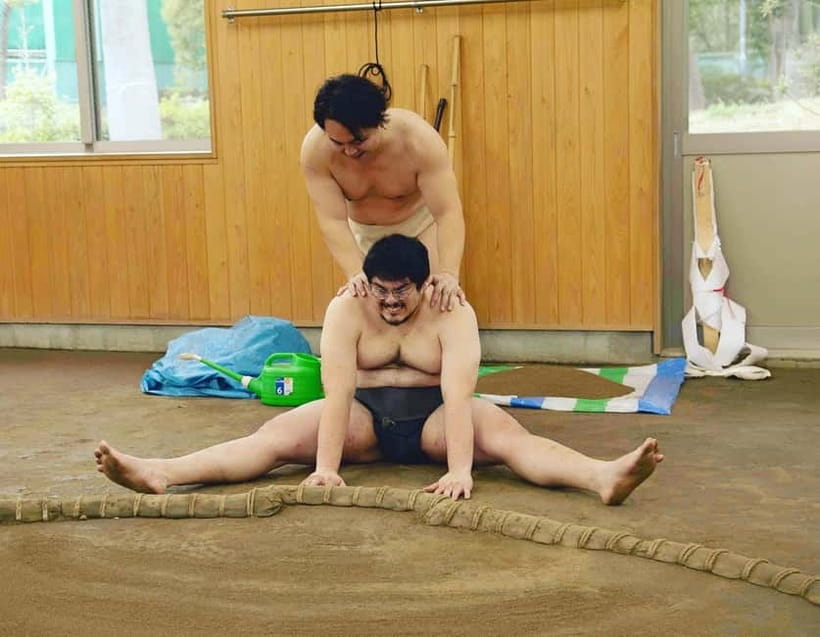
This is a short session, 2 hours, which is great for a busy Tokyo schedule. You are not committing to a half-day class. You are also not signing up for a quick photo op. The whole point is hands-on keiko-style training in the same kind of ring you see on TV, just in a beginner-friendly format.
The experience runs at Heiwanomori Park Sumo-jo in Ota City, which is a different vibe from the big-name sumo viewing spots you might be picturing. That is a good thing. It feels closer to practice than to a show. And because you wrestle at the end, you leave with something you can describe beyond watching from the edges.
You can also read our reviews of more tours and experiences in Tokyo.



Meeting at Heiwanomori Park Sumo-jo and Finding Your Way
Your meeting point is at a small office at Heiwanomori Park Sumo-jo, 2-1 Heiwanomorikoen, Ota City, Tokyo, 143-0005. If you like simple directions, this is an area you can reach on foot from Heiwajima Station, about a 10-minute walk.
Two practical notes matter here. First, the walking route is listed as the easiest way to avoid getting turned around, so follow that rather than improvising. Second, if you are taking a taxi, plan ahead, taxis will not naturally pull up to this location unless you arrange one yourself. In Tokyo, that can be the difference between smooth and annoying.
You do not need special sumo outfits. The rules say you can wear clothes, and they provide the mawashi, so you can show up in normal workout-friendly clothing and not stress about finding traditional gear.
Getting Your Mawashi and Earning Your Place in the Ring
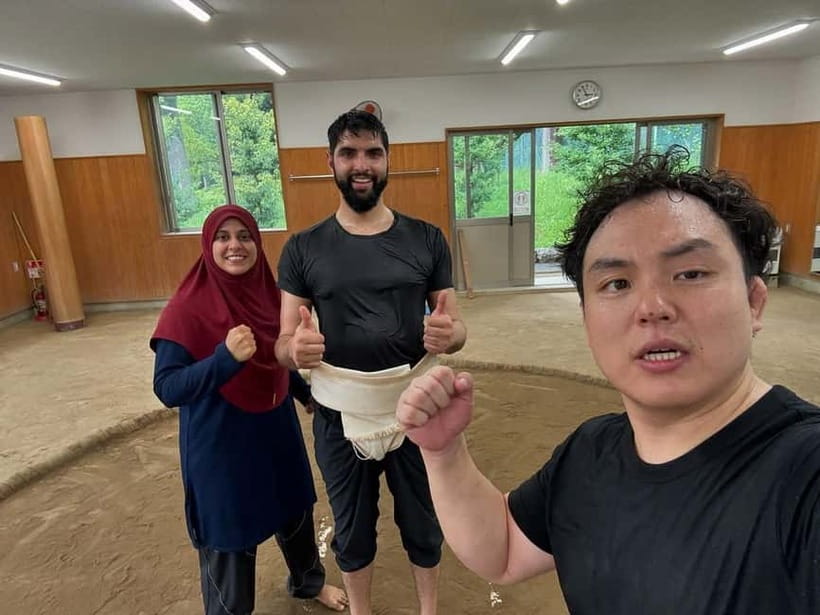
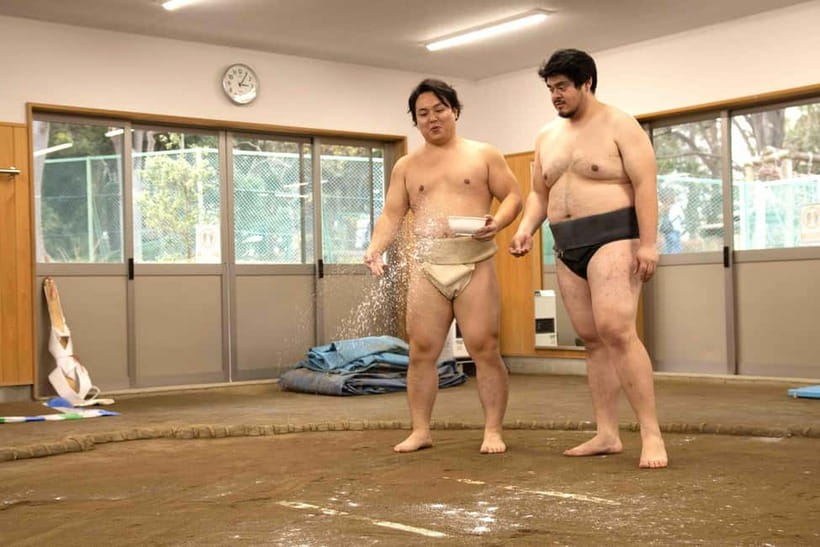
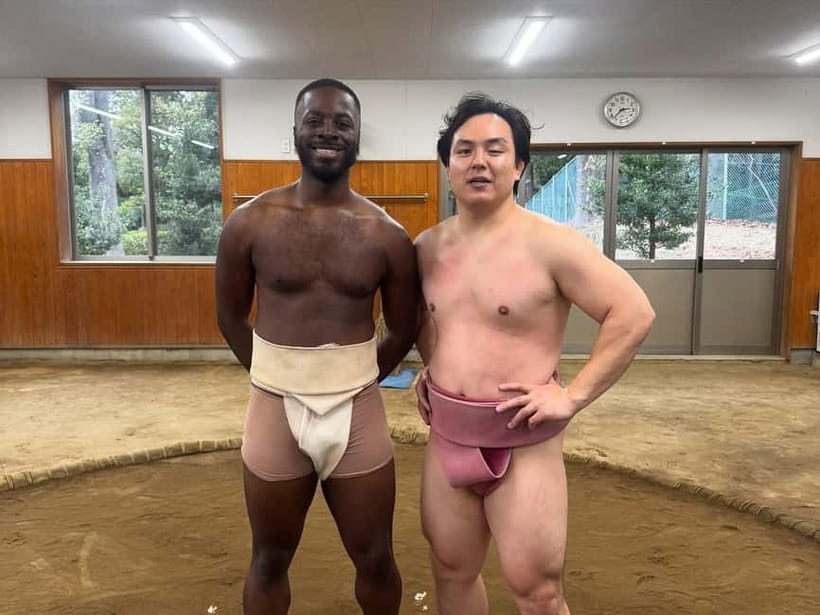
The gear setup is one of the best value pieces of this activity. They give you a mawashi at no extra cost, so you are not paying an added fee or hunting down rentals. Once you are dressed for training, you are in the right mindset. You are not cosplaying sumo. You are doing sumo.
Before you jump in, you will do the setup and warm-up portion with the coach. Since you are in a real training environment, it helps to arrive ready to sweat. Bring a towel and drinks. The guidance strongly recommends bringing more water than you think you need and two towels, one for training and one for the shower.
There is also a shower room nearby. It costs ¥100 for 5 minutes. That is short, so think quick rinse, not a full spa reset.
Warm-Ups, Stretches, and the Ritual Part You Actually Do
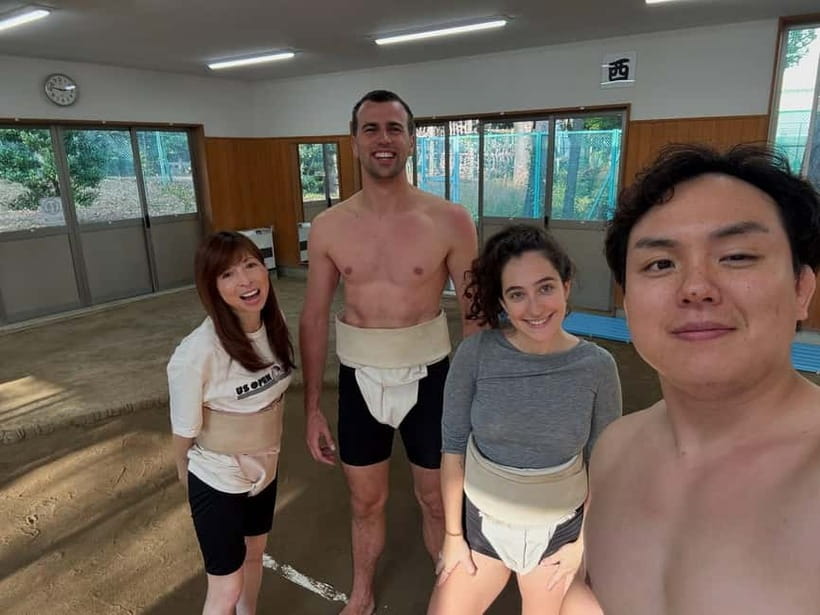
A lot of sumo experiences are heavy on watching and light on why sumo looks the way it does. This one includes the “why” in a practical way. You learn the fundamentals with stretches and warm-ups, and you also experience the traditional rituals, including Shinto-style elements.
What I like about including rituals is that it makes the sport feel less like random wrestling and more like a discipline with rules, timing, and etiquette. You learn and practice what happens before action, so the ring work at the end has context. Even if you forget every technical term, you will remember how the session begins and what that structure feels like.
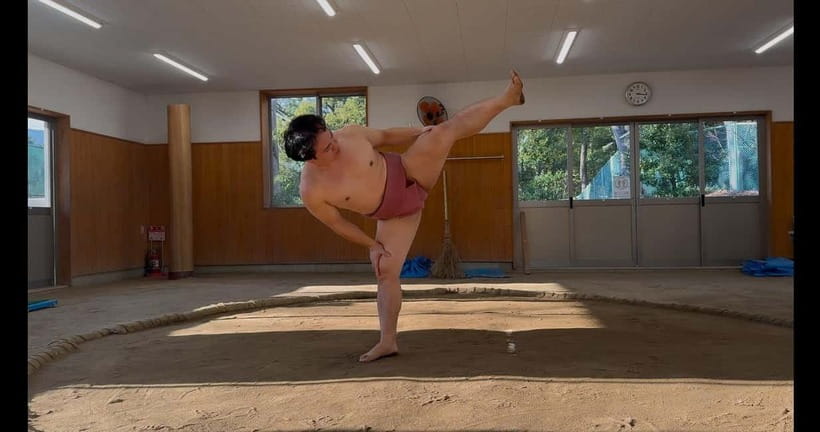
Expect demonstration and guidance as part of the training. The format is set up so you are not just standing and nodding. You are moving, doing the motions, and learning what matters.
Learning Dohyo Rules From a Coach in English and Japanese
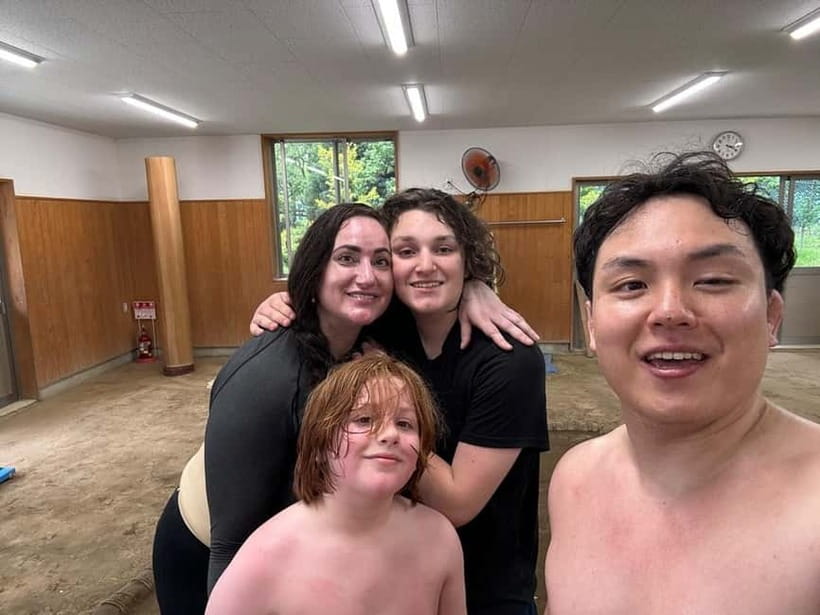
You train with a Japanese sumo coach who leads in Japanese and English, which is crucial. The activity does not assume you already know how sumo works. You get taught the rules on wrestling in the ring (dohyo), using a mawashi (belt), and you learn what the coach wants you to focus on.
This is where the experience becomes more than “try it once.” With instruction, you start to understand why certain grips, timing, and positioning feel natural. You also get corrected. That keeps you from doing the obvious wrong things for the whole session.
A small detail that I think is important for value is that coaching is part of the package, not an add-on. Reviews point to hosts and trainers like Takeshi, who are described as warm and easy-going, and skilled at explaining traditions and the way of fighting. When instruction is clear, your final bout is more fun and less chaotic.



Training in the Clay Dohyo and Sparring at the End
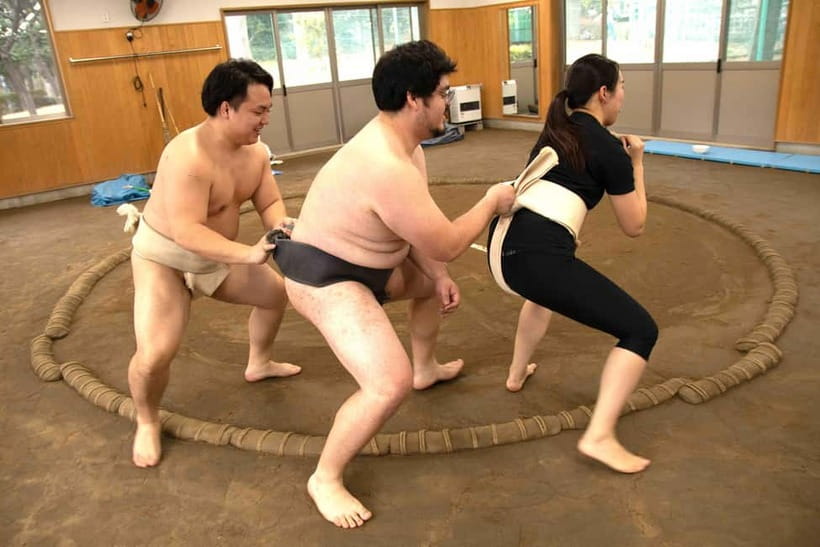
Now for the best part, you wrestle. The session ends with matches so you can try your skills with friends, and if you are brave enough, with the coaches.
Because it is a training environment, the goal is participation, not perfection. The experience is described as suitable for different ages and fitness levels, and that matters. It means you should not feel like everyone else is an expert. You can take it step by step.
Also, one review includes a wild, fun detail: the group was told they fought a five-time Japanese national champion. That tells you something about how the coaches think about the session, they know how to make it both safe and exciting, and they are comfortable adjusting to the group.
In practice, you will feel the difference between watching sumo and being inside it. The dohyo is clay underfoot. Your balance shifts. The ring forces you to commit. When you finally get that belt grip and you move as instructed, it clicks in a way you cannot get from TV.
Price and Value: What $199 Buys You in Tokyo
At $199 per person, you want to feel like the price connects to real costs and real effort. Here is what you actually get, based on the provided details.
You get:
- Real sumo training in a clay dohyo
- A real mawashi included
- A real sumo coach leading the session
- Instruction in English and Japanese
- A chance to wrestle with others at the end
That is not the same as paying for a generic martial arts demo or a museum-style tour. You are paying for hands-on training time and coaching, plus the gear and ring setup that makes it possible.
There are a couple of “price reality” items to note. Food is not served, so you may end up spending more on snacks and drinks before or after. And if you want the shower, you have a small additional cost. Still, compared to paying for separate rentals, separate instruction, and separate access to a training space, this package is more efficient.
Getting There From Around Tokyo (Practical Timing Tips)
Tokyo travel times vary by neighborhood, but the activity gives a list of train times from common areas. Use it to plan your departure time rather than guessing.
For example:
- Shimbashi to Ryogoku is listed around 28 minutes from Shimbashi and about 53 minutes from Ryogoku to some areas listed
- Asakusa is listed at about 44 minutes
- Shinjuku is listed at about 49 minutes
- Ginza is listed at about 40 minutes
Then add the last-mile walk. From Heiwajima Station, you are looking at about 10 minutes on foot.
If you are staying in central Tokyo, Ryogoku is often the sumo hub. But this class is based closer to Heiwajima, so build your day around getting to the dojo location, not around stopping near a typical sumo landmark.
What to Bring, What to Expect Physically, and Photo Rules
This is where you save yourself hassle.
Bring:
- A towel
- Drinks
They strongly suggest bringing extra water and two towels, one for sumo and one for shower. You will be sweating, and being underprepared turns a fun session into an awkward one.
Shower access is available near the place and costs ¥100 for 5 minutes. That is enough for a quick reset if you plan right after training.
Photo and video rules are also worth respecting. You are allowed to take photos and videos and share them on social media during the sumo experience, as long as you do not interfere with the session. Do not film participants without permission, and do not film people who are not allowed to be recorded. If you want clean, low-stress photos, keep your phone movement minimal and focus on your own ring moment rather than getting cinematic.
Who This Sumo Training Fits Best (and Who Should Skip It)
This class is designed for people with no experience needed. That is huge. If you are nervous, you do not have to fake confidence. The session includes basics like stretches, warm-ups, rituals, rules, and then hands-on wrestling.
It also works for families. One review story mentions a son who wanted a sumo wrestling experience. Another mentions a family of four and a nephew joining in. The tone across reviews is that the instructors are friendly and adapt to the group.
Kids rules are straightforward:
- Children under 4 can accompany you, but they may only observe
- Observation is complimentary for ages 5 and older
- If a child wants to participate, you place an order for each child taking part
If you are someone who hates physical contact or you are not comfortable with athletic effort, you might want to reconsider. Sumo training is not a gentle game. You will wrestle and get sweaty.
Should You Book Amita Sumo Dojo in Tokyo?
I would book it if you want more than a sumo show. This is one of those Tokyo experiences where you do the thing, in the real ring, with the real belt, and you learn the rules and rituals as part of training. You also get coaching in English and Japanese, so you are not left guessing.
I would think twice if you are very sensitive to physical exertion or you hate sweat and showering right after activity. Also note that no food is served, so plan snacks and hydration around the start time.
If you want an honest, interactive “I did sumo” moment in Tokyo, this is a strong choice. Just bring the towels, drink enough water, and treat the experience like training, not a performance. That mindset makes the day better.
FAQ
How long is the Tokyo sumo training experience?
The experience is 2 hours.
Where is the meeting point?
You meet at Heiwanomori Park Sumo-jo, 2-1 Heiwanomorikoen, Ota City, Tokyo, 143-0005, at a small office at the address.
Is prior sumo experience required?
No experience is needed. The session is designed for everyone.
Do you provide the mawashi (sumo belt)?
Yes. If you do not have your own gear, they provide the mawashi with no extra cost.
What should I bring?
Bring a towel and drinks. You will sweat, so bringing extra water and two towels is recommended.
Is there a shower available?
Yes. There is a shower room near the place, and it costs ¥100 for 5 minutes.
Can children participate?
Children under 4 may accompany you but may only observe. For ages 5 and older, observation is complimentary. If they want to participate, you need to place an order for each child participating.
Are photos and videos allowed?
You can take photographs and videos and share them on social media during the experience, as long as you do not interfere with others and you do not film participants who have not given permission.
Is food included?
No food will be served.
More Tour Reviews in Tokyo
Not for you? Here's more nearby things to do in Tokyo we have reviewed












Tokyo Sumo Experiences, side by side.
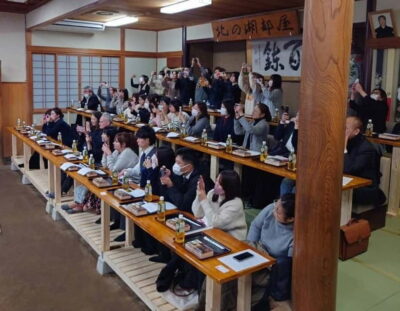 ★ 4.8Sumo Show and Dining ExperienceFrom $792,742 reviews
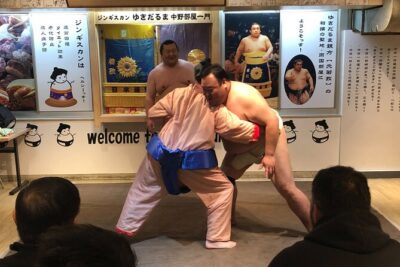 ★ 5.0the SUMO showFrom $891,960 reviews
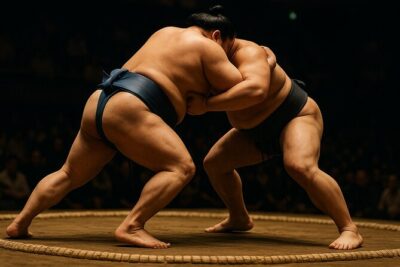 ★ 5.0Tokyo Shinjuku Sumo Show & Experience with PhotoFrom $791,750 reviews
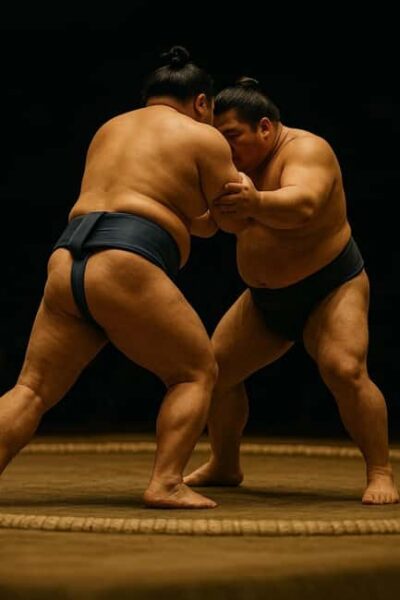 ★ 4.8Sumo Show and Experience in ShinjukuFrom $691,001 reviews
 ★ 4.7Luxury Sumo Show Experience & Japanese cuisine & DrinkFrom $103577 reviews
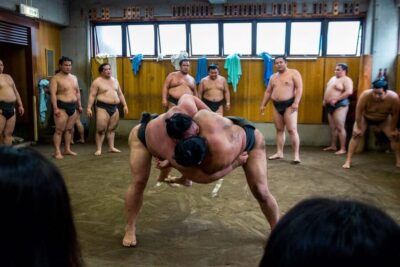 ★ 4.8Sumo Morning Practice Viewing TourFrom $81570 reviews
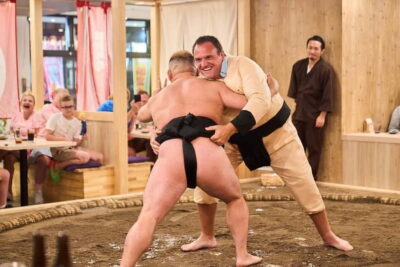 ★ 4.8Tokyo Sumo Experience: Chanko & Mochi with a Former ProFrom $103567 reviews
 ★ 5.0Ultimate Sumo Tournament: Tokyo, Osaka, Nagoya, FukuokaFrom $184468 reviews
This tour also belongs to