
Review · TOKYO SAMURAI EXPERIENCES
Unlock the Secrets of Ninja : A Private Tour into Samurai Spirit
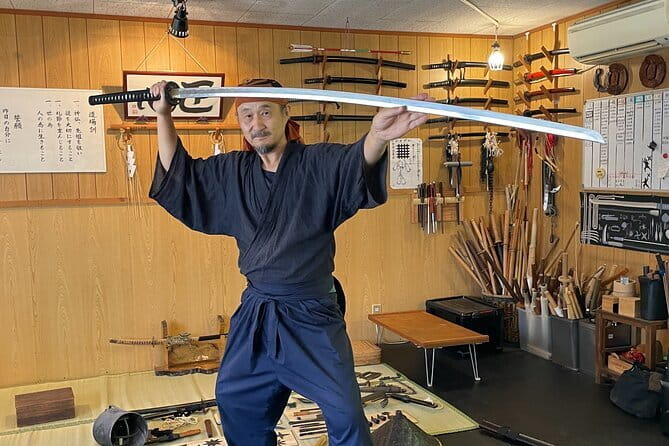
Ninja training, but in the real place. This Yokohama experience takes you to Shikinomori Ninjutsu Dojo, a working-style ninja space far from typical “dress up and snap photos” stops, with serious instruction and a mindset lesson built in.
I especially love the authentic dojo setting, including the equipment and training vibe you would expect where ninjutsu practitioners actually practice. The other big win for me is the end moment, when you earn a Level 3 Yin-Yang Shinobi Certificate, not just a souvenir.
One thing to keep in mind is logistics: there is no station pickup, and the tour ends back at the same meeting point, so you’ll want to plan your route and timing around that.
Key highlights you should know
- A real Yokohama ninja dojo location at Shikinomori Ninjutsu Dojo (Asahi Ward)
- Small group size, up to 8 travelers, which helps keep the training interactive
- English guide included, so you can follow the instruction and philosophy clearly
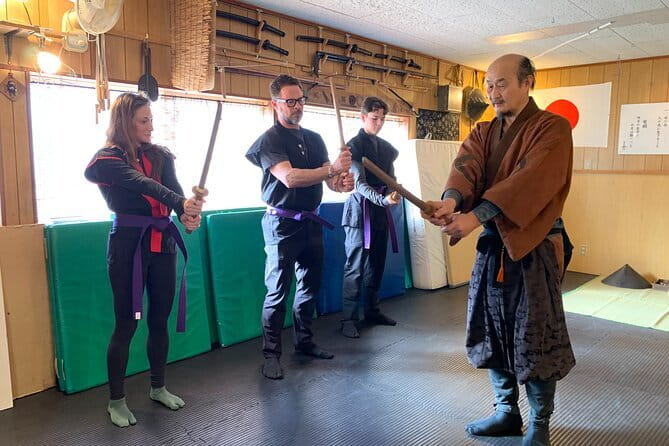
- Intro performance plus interactive games, including chances to try ninja clothing and training activities
- A Level 3 Yin-Yang Shinobi Certificate to mark what you learned
- Instructors with serious credibility, including national shuriken competition recognition mentioned in the tour details
A real ninja dojo in Yokohama, not a staged set
If you like the idea of ninja culture, this is the type of experience that gives you the smell-test. You are training in Shikinomori Ninjutsu Dojo, not in a generic room that feels like a repurposed office. That matters. A real dojo has a rhythm to it, a discipline to the way people move and talk, and it changes how the training lands.
In practice, you’ll see how the day is structured around both body and mind. The tour summary is clear that this is not a “ninja for a day” entertainment package. Instead, you’re guided through the philosophy and discipline that shaped ninja life, with a strong emphasis on the samurai-inspired mindset.
The overall tone is also worth noting. The reviews I read made it sound professional, organized, and warm. One family called it epic after seeing instruments, training, and trying uniforms. Another stressed that kids and adults both had a good time because the approach is hands-on and guided, not just watching.
You can also read our reviews of more private tours in Yokohama



Meet the instructors, including Sasuke and KYOJAKU
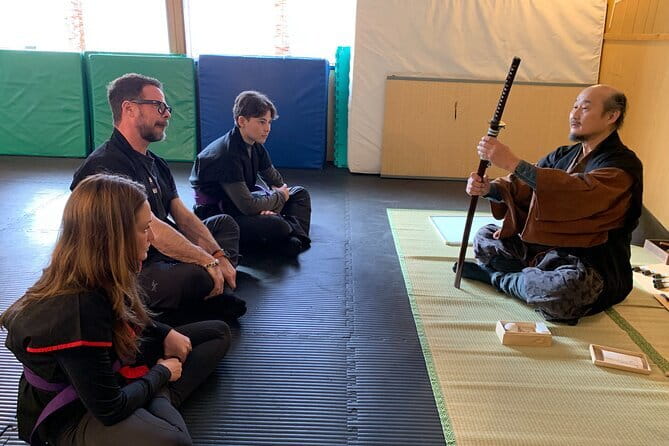
A lot of “ninja experiences” depend on the costume and the pitch. This one leans harder on the people teaching you. The tour is led by a highly accomplished ninja master described as a respected authority with national shuriken championships. That credibility shows up in how the sessions are delivered.
In the review responses, you can spot instructor names directly, including Sasuke and KYOJAKU. Their comments point to a training culture where students are encouraged to ask questions, participate, and improve. One review response thanked a visitor for insightful questions from different perspectives, which tells you the communication style goes beyond a script.
Another response praised KYOJAKU as funny and polite. That kind of instructor energy is useful, especially with kids. You want structure, but you also want the room to feel friendly enough that everyone tries, even if their first attempt is awkward.
Even if you’re traveling solo or as a couple, this helps you relax. When instructors are confident and communicative, you spend less time wondering what’s expected and more time learning what you came for.
The samurai and ninja mindset part you can actually use
Here’s what makes this experience feel different: the tour isn’t only about techniques. The description explicitly calls out the “ninja spirit,” and the training focuses on philosophy, discipline, and a samurai-inspired mindset.
That might sound abstract until you see how it’s folded into the session. Reviews mention learning about cultural philosophy, not just equipment or stunts. A family shared that they learned the meaning behind the experience, not only how to act like ninjas.
For you, the practical value is this: you leave with a clearer sense of why ninjutsu is taught as a discipline. Even if you never throw a shuriken again, you can take away ideas about focus, restraint, and purposeful movement. It’s the kind of cultural learning that doesn’t feel like homework, because it’s tied to what you do with your body during training.
If you care about Japan’s martial arts culture, this portion is also a good “bridge” between entertainment and context. It gives you a lens for understanding ninja stories that show up in games, anime, and movies. You start noticing themes like discipline, silence, and strategy.
What happens during the 2 hours: performances, games, and hands-on training
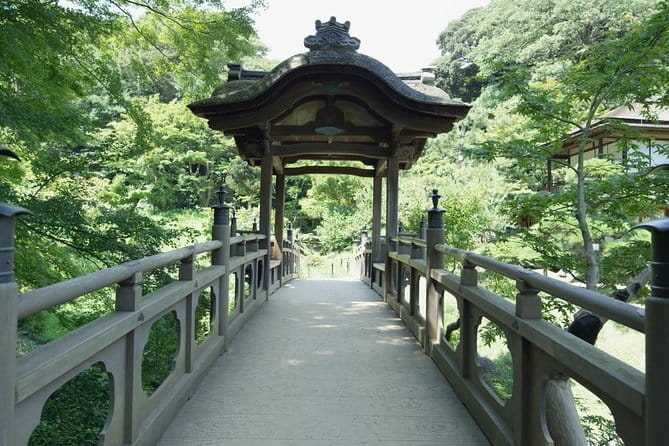
The training runs about 2 hours and it follows an engaging rhythm. Based on the details provided and what shows up repeatedly in the reviews, you can expect a structure like this:
First, there’s an introductory performance. That matters because it sets the tone and gives you a visual map for what you’ll learn next. Several reviews mention an opening show representing ancient traditions of ninja culture.
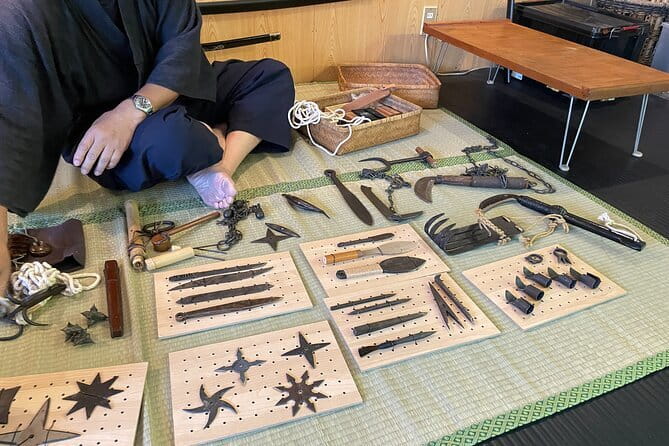
Then the session becomes interactive. Reviews describe interactive games and opportunities to try on ninja clothing. One family noted that they got to see instruments, training, and then tried uniforms. That combination is a big deal for kids, because they stay engaged when there’s always something new to try.
You should also expect practice activities tied to core ninja skills. The tour details mention a master who is recognized for shuriken championships, and at least one review mentions shuriken-related skills in a tournament context. You may get chances to practice basic throwing as part of the games, though the exact level varies by the group.
What I like about the way they pace it is that it keeps you from feeling stuck in one mode. You’re not only watching, and you’re not only doing. You get explanation, then a turn to participate. For parents, that’s a huge relief, because you’re not constantly negotiating attention.
One more plus for families and groups: the max group size is 8 travelers. Smaller groups make it easier to keep everyone included, and they reduce long waits while others take turns.
Trying uniforms, seeing equipment, and keeping it respectful

In many “ninja experiences,” the big moment is dressing up. Here, clothing and equipment show up as part of a training context, not a random photo prop.
The reviews highlight seeing instruments, then trying on traditional ninja clothing. You should take that as a sign the session makes room for both visuals and participation. It’s also an easy cultural touchpoint. If you’ve ever wondered what ninja uniforms look like in real training, this gives you a direct answer.
More importantly, the tour is tied to tradition and discipline. The description emphasizes “deep philosophy” and a mindset that shaped ninja life. That means the clothing is likely presented as part of practice and identity, not as pure costume play.
If you’re traveling with kids, this is where the experience tends to shine. Parents in the reviews praised it as great for adults and kids alike, with a fun itinerary and learning embedded in games. If your child loves martial arts or performance, they’ll probably consider it a win.
If you’re an adult and you want more substance, you’ll likely appreciate the emphasis on discipline and the fact that you’re working with instructors, not just actors.
Either way, you should plan to leave with both photos and understanding. That balance is what makes the ticket feel justified.



The Level 3 Yin-Yang Shinobi Certificate at the end
The certificate is not just a cute ending. It’s the documented proof that you completed the training level for the day. The tour details specify a Level 3 Yin-Yang Shinobi Certificate.
Why that matters to you: it gives structure to the time. Instead of thinking of the experience as a one-off show, you can frame it as a training session with an outcome. The name also hints at the tour’s theme blend, yin-yang and shinobi spirit, which lines up with the philosophy portion.
In the review responses, instructors clearly cared about student participation and improvement. That kind of attention tends to make certificates feel earned, not mass-produced.
If you like collecting meaningful travel certificates, this one will stand out more than a generic “I took a class” paper. It’s also useful if you’re traveling with kids, because it gives them a tangible moment to remember later.
Price and value: is $195.46 worth it?

At $195.46 per person for about 2 hours, this is not a budget activity. But it also isn’t trying to be. You’re paying for a real dojo setting, English guidance, a small group size, and a structured training experience led by a master with competition recognition.
Here’s how I’d think about the value for your own trip:
- You are getting more than entertainment: performance plus hands-on practice plus philosophy.
- The setting is real dojo training space, not a costume showroom.
- The group size max of 8 helps keep it interactive, so the time likely feels busier and more personal than crowded attractions.
- The included Level 3 Yin-Yang certificate adds a clear endpoint.
The main way this may feel pricey is if you only want a quick, casual photo moment. If that’s your goal, you’ll probably feel more satisfied with cheaper, simpler attractions. If you want actual instruction and cultural meaning, the price starts to make more sense.
Also, remember there is no station pickup. That doesn’t change the cost, but it affects your overall convenience value. If you need transportation support to reach the meeting point, you’ll want to budget time and local transit effort.
Who should book this ninja dojo session?
This experience fits best if you want a mix of culture and hands-on training, and you’re okay with a structured, guided session.
It’s a great choice for:
- Families with kids who want interactive games and opportunities to try uniforms
- Adults who want more than performance, and care about mindset and discipline
- Travelers who enjoy martial arts culture, especially ninja history and samurai-adjacent philosophy
- Anyone who likes learning from instructors with real credibility
It may be less ideal if:
- You dislike small group activities and prefer large crowds and flexible wandering
- You want a long tour or lots of time outside the dojo
- You don’t want to handle finding the meeting point yourself, since there is no station pickup
Where to meet at Shikinomori Ninjutsu Dojo, and how to plan
The tour starts and ends back at the meeting point. Plan around that.
Meeting address:
Shikinomori Ninjutsu Dojo, 1306-8 Kamishiranechō, Asahi Ward, Yokohama, Kanagawa 241-0001, Japan
No pickup is included from the station. That means you’ll want to give yourself a little buffer time, especially if you’re figuring out local transit for the first time. Since it’s a 2 hour session, running late could stress you out.
The tour uses a mobile ticket, which is convenient if you already travel with your phone ready for check-in. Confirmation is sent within 48 hours of booking, based on availability, so don’t book with zero flexibility.
Also, the group max is 8 travelers. That small size makes it easier for instructors to manage the flow, so arriving on time is part of being fair to the group.
Quick FAQ about the Ninjas and Samurai Spirit tour
FAQ
Where is the meeting point for this Yokohama ninja dojo experience?
It starts at Shikinomori Ninjutsu Dojo, 1306-8 Kamishiranechō, Asahi Ward, Yokohama, Kanagawa 241-0001, Japan, and it ends back at the same meeting point.
How long is the training session?
The experience runs for about 2 hours.
How much does it cost?
The price is $195.46 per person.
Is an English guide included?
Yes, an English guide is included.
Do I need to meet them at the dojo, or is there station pickup?
There is no pick up from station included. You will need to get yourself to the meeting point.
How many travelers are in the group?
The tour has a maximum of 8 travelers.
What ticket type do I receive?
You get a mobile ticket.
When will I receive booking confirmation?
Confirmation is sent within 48 hours of booking, subject to availability.
What certificate do you receive?
At the end, you receive a Level 3 Yin-Yang Shinobi Certificate.
What is the cancellation policy?
You can cancel for a full refund if you cancel at least 24 hours before the experience start time. If you cancel less than 24 hours before, the amount paid is not refunded.
Should you book this ninja dojo tour?
If you want a ninja experience with real instruction, this is an easy yes. The strongest selling points are the real dojo setting, the small group size, and the mix of performance, hands-on training activities, and philosophy. The fact that you leave with a Level 3 Yin-Yang Shinobi Certificate also makes it feel like a true training day, not just a show.
Book it if you’re traveling with kids who need interaction, or if you’re an adult who wants more cultural meaning than costumes. The main reason not to book is convenience, since no station pickup is included and you must plan to reach the dojo.
If you like structured activities where you learn something you can repeat later in your own way, this one should fit your trip well.
More Private Tours in Yokohama
More Tours in Yokohama

More Tour Reviews in Yokohama


Not for you? Here's more nearby things to do in Yokohama we have reviewed




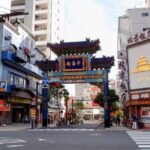


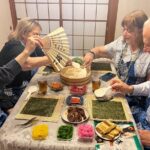


Tokyo Samurai Experiences, side by side.
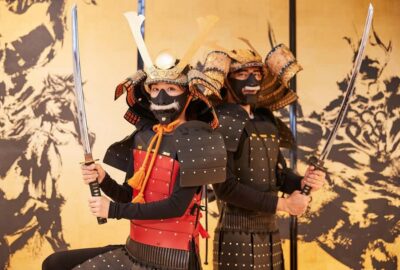 ★ 4.6Samurai Ninja Museum Guided tour and ExperienceFrom $271,010 reviews
 ★ 5.0Samurai Sword & Archery Class from Samurai DescendantFrom $193603 reviews
 ★ 5.0Best Samurai Experience in TokyoFrom $65458 reviews
 ★ 5.0Ninja Experience (Family Friendly) at Samurai Ninja Museum TOKYOFrom $47441 reviews
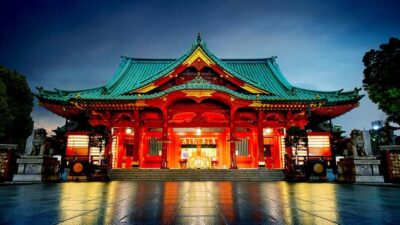 ★ 4.6Samurai Entertainment Night Show in Kanda ShrineFrom $41417 reviews
 ★ 4.8Samurai Ninja Museum Asakusa: Samurai Sword Lesson & TourFrom $63306 reviews
 ★ 5.0Ninja Samurai 2-hour hands-on lesson by Japanese master in TokyoFrom $86194 reviews
 ★ 5.0Samurai Sword Experience (Family Friendly)at SAMURAI MUSEUM TOKYOFrom $65168 reviews
This tour also belongs to