
Review · TOKYO CITY TOURS
Tokyo: Full Course Tour: Explore 15 Must-Sees & Hidden Gems
Tokyo in one day, without getting lost. This tour lines up free-to-enter highlights and lesser-known corners with a born-and-raised English guide, so you can move by foot and metro with confidence. I love the small-group pace and how much you fit in without it feeling chaotic. One consideration: you will walk a lot, around 20,000 steps, and you still need to budget for metro fares and meals.
I also like that the guides are born-and-raised and trained to top standards, not generic script readers. Names like Yasuko and Michiko show up in the guide stories, both praised for clear English and a pace that stays considerate when people have different comfort levels.
Food and everyday Tokyo life are part of the plan too. You will get a konbini moment, and vegetarian and vegan options are always available, which is a big plus on a full-day route.
Key points to know before you go
- A 10-hour, on-the-move plan: Foot plus metro between neighborhoods, covering major sights and classic local hangouts.
- Free to enter stops: The tour positions itself around places you can go in without paying attraction fees.
- Local etiquette, train savvy, and daily-life context: You do not just see Tokyo, you learn how to function in it.
- Small group, up to 7 people: Less waiting, more flexibility for questions and comfort.
- Guide quality is a standout: English ability, organization, and thoughtful pacing are consistently praised.
Why this full-day Tokyo loop works on your first visit
Tokyo can feel like a puzzle, and a one-day plan can either help you get your bearings or make you stress out. This tour is built for speed with structure: you follow a guide through a tight sequence of neighborhoods, then you learn the practical stuff that keeps things moving, like how to read transit flow and how to act politely in shared public spaces.
The value is also pretty clear. At $90 per person for a 10-hour, expert-led day, you are paying mainly for guide time, organization, and the route design that strings together major stops efficiently. On top of that, the tour states that all attractions on the itinerary are free to enter, which matters in a city where small entrance fees can quietly add up.
The main tradeoff is physical. You should be ready for long walks and frequent transitions. The rules call out comfortable shoes and around 20,000 steps, which is not “light sightseeing.” If you are comfortable walking that much, you will feel like you squeezed the best parts of Tokyo into one practical day.
You can also read our reviews of more tours and experiences in Tokyo.



Meeting at JR Yoyogi Station, then getting oriented fast
You start at JR Yoyogi Station, west exit, outside the ticket gate. That matters because it sets you up right in the stream of Tokyo transit, not somewhere awkwardly out of the way.
From the beginning, the tour’s approach is about getting you moving quickly with fewer decisions to make. You bring a public transport ticket and use an IC card like Suica, Pasmo, or Icoca for metro rides. If you already have your card loaded, you save time, and your guide can keep the group flow steady between stops.
This is also where the etiquette and “insider’s manual” part pays off. You are not just walking from landmark to landmark. You are also picking up the rhythm of day-to-day Japan, plus guidance on how to handle transit smoothly without slowing everyone down.
Meiji Jingu Shrine and Harajuku: calm forest air to street fashion
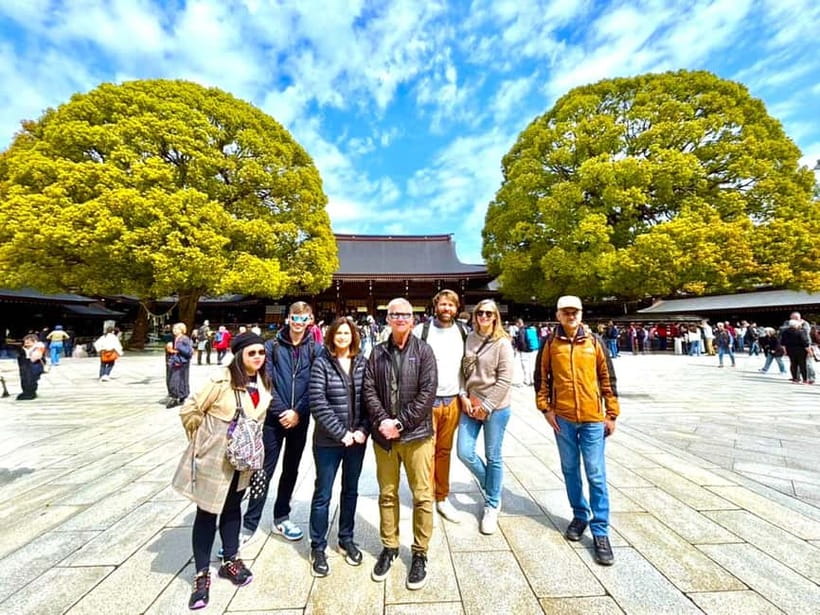
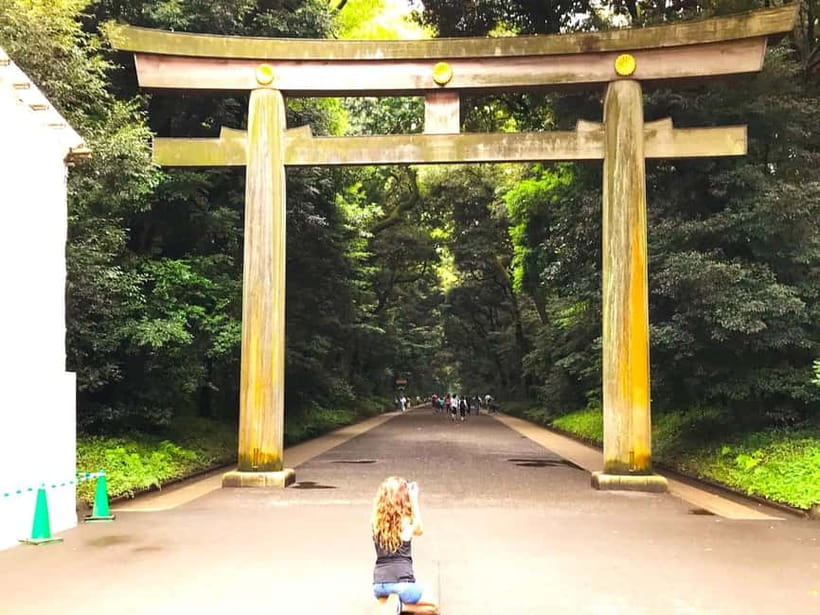
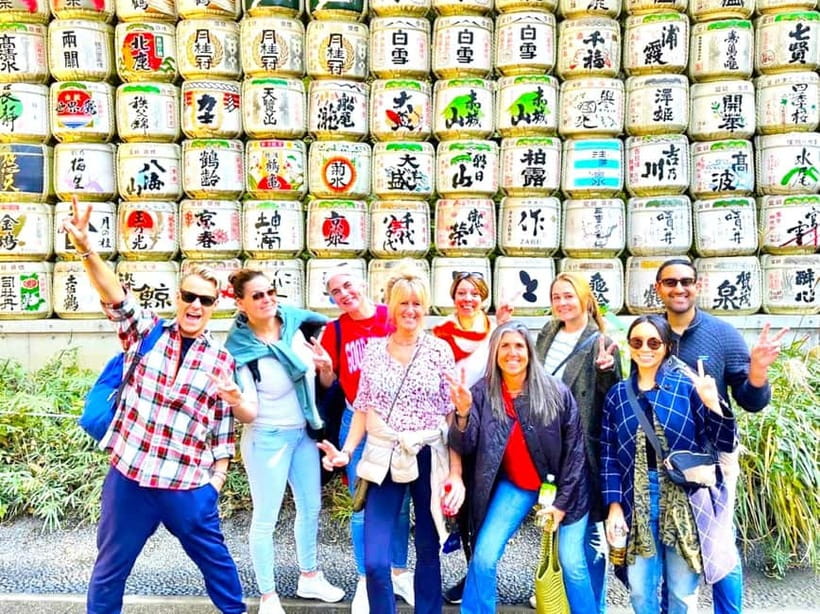
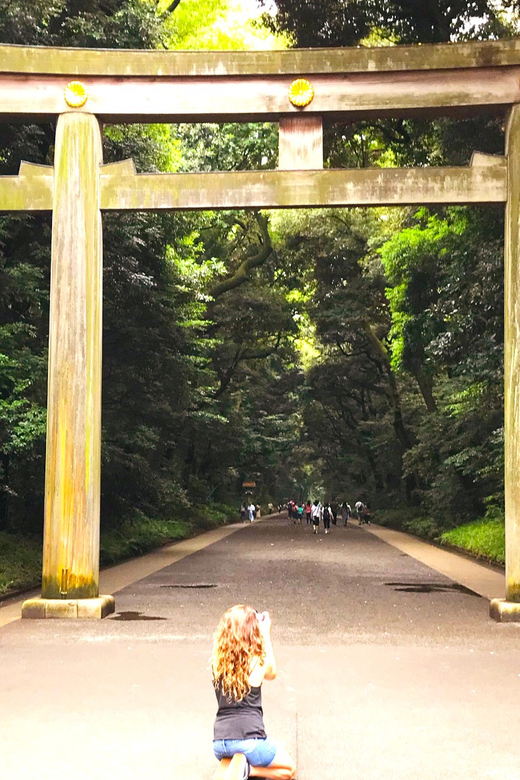
Meiji Jingu Shrine is your first major sightseeing stop, with about 30 minutes on-site. The draw is a serene forest oasis in the heart of Tokyo’s bustle, and the contrast is immediate. You go from city noise to a quieter, greener atmosphere, which helps your brain reset before the busier neighborhoods.
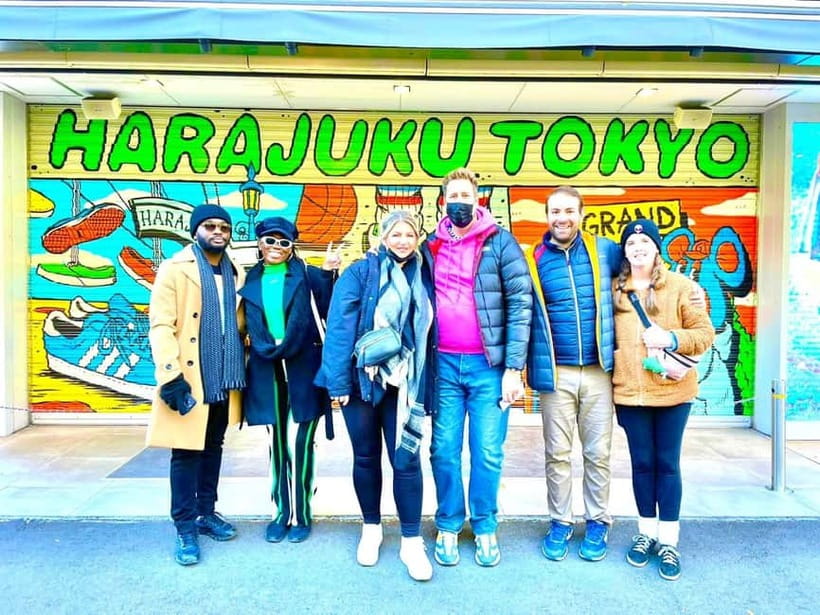
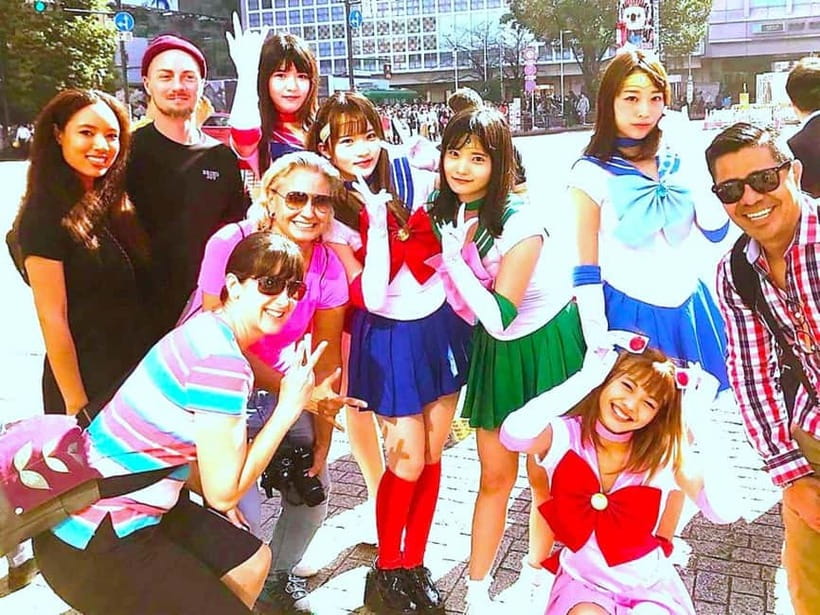
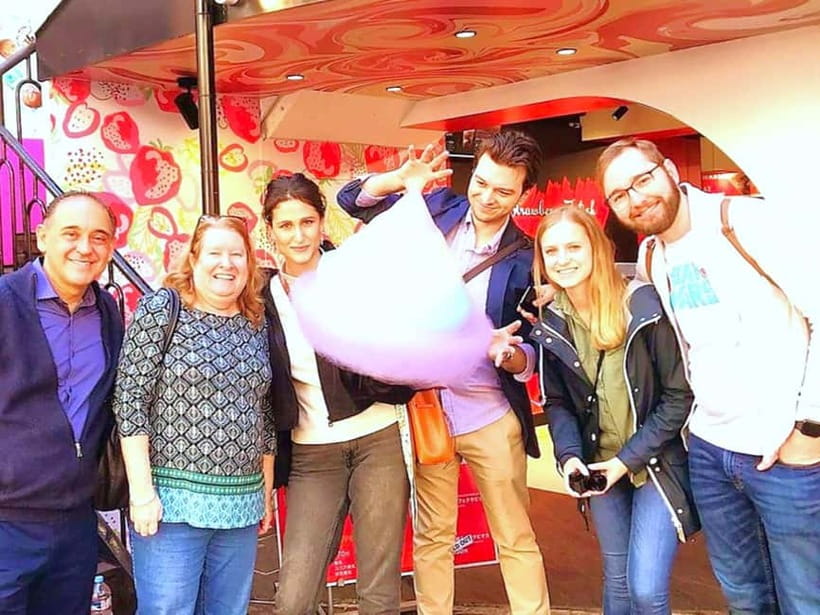
Harajuku follows next, also about 30 minutes. This is the youth culture and fashion area, with the tour framing it around kawaii style and trendy street food. Even if fashion is not your main interest, Harajuku is a great place to learn how Tokyo expresses itself in everyday street scenes.
Practical tip: with a route like this, it helps to decide early what you want from Harajuku. If you want photos, plan to move with intent. If you want snacks, keep your cash ready and be ready to stop briefly rather than turn every corner.
Seven-Eleven and the konbini mindset for real-life Tokyo
The tour includes a stop at Seven-Eleven, a konbini culture moment designed to show you how Tokyo snacks and convenience shopping work in practice. This is one of those “small” experiences that often becomes surprisingly useful on the rest of your trip.
Why it matters: it teaches you where to find reliable, high-quality quick food and drinks without hunting. When you are walking all day, that skill is real value. It also fits the tour’s vegetarian and vegan promise, which is important if you do not want to scramble for options during sightseeing.
For your day: keep some cash on hand. The tour notes that cash can be needed at shops or gems that accept cash only. Even if you mostly use your IC card, small purchases can still be easier with yen ready.
Hachiko and Shibuya Crossing: iconic photos, quick explanations
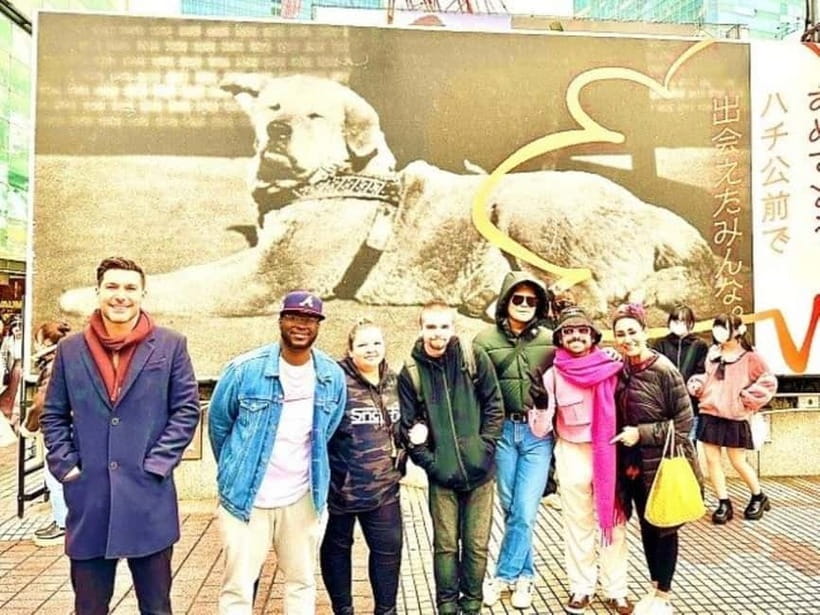
Next is the Hachiko statue for about 10 minutes. It is fast, but it is not just a photo stop. The tour also shares the story of Japan’s most loyal dog, which makes the statue feel like a place with meaning, not just a meeting point.
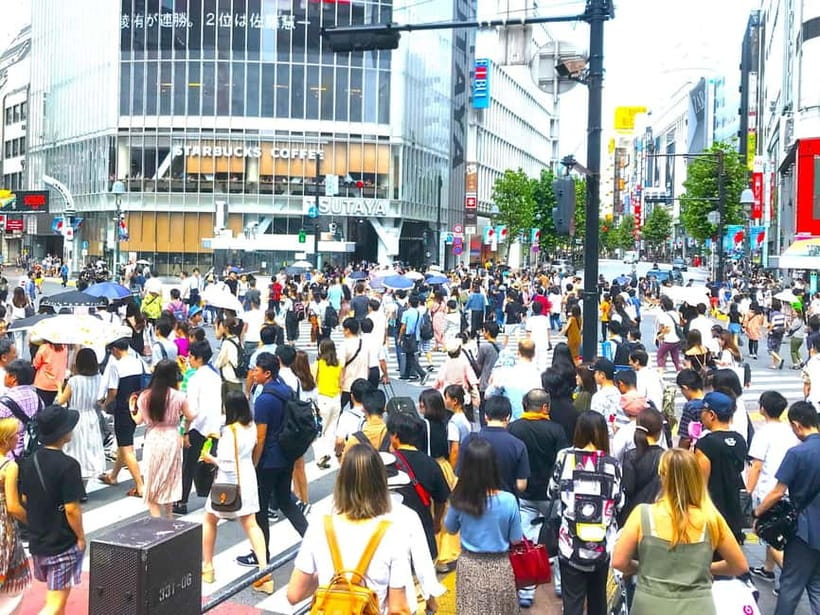
Then you hit Shibuya Crossing for about 10 minutes. This is framed as the world’s busiest intersection and the ultimate photo opportunity. Short time here is actually a smart choice. You get the experience and the pictures without turning the day into a queue-management project.
A small strategy that helps: treat these stops like “flashcard moments.” Look, take your photos, and then listen for the guide’s context. You will remember more because the tour stays focused instead of getting bogged down.




Tsukiji Hongan-ji and the Outer Market: architecture and food planning
Tsukiji Hongan-ji is next for about 30 minutes. The tour points to its Indian-inspired architecture and stained glass, which is a memorable change of pace between the street-level crowds of shopping areas and the open-air feel of bigger Tokyo spaces.
After that, you get 1.5 hours at Tsukiji Outer Market, described as Japan’s kitchen and a foodie paradise for fresh seafood and delicacies. This is one of the most “you can actually taste Tokyo” parts of the day, even though lunch is not included. Your guide will help you navigate so you can choose what fits your appetite and dietary needs.
What I like about structuring a market visit this way: you get time to browse and decide without feeling trapped. If you rush, markets turn into visual clutter. If you linger too long, the day runs late. This tour’s timing gives you enough room to sample snacks, then move on before fatigue hits.
Note on cost: lunch at Tsukiji is not included. Budget for the food you want to eat there, and consider how many snacks you can comfortably handle while still walking afterward.
Imperial Palace grounds and Marunouchi: the polished contrast
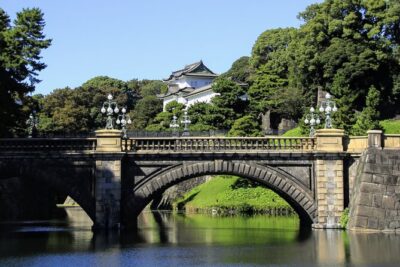
The next segment is Imperial Palace for about 15 minutes. The tour frames it as walking the grounds of the former Edo Castle and seeing the majestic stone walls. This stop gives your eyes a calmer, more formal feel after the more casual energy of Harajuku and Tsukiji.
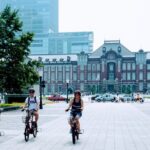
Marunouchi follows for another 15 minutes, described as a sophisticated stroll where sleek skyscrapers meet imperial heritage. This area is a nice mid-day break because it shifts you from souvenir shopping mode into observation mode. You get a sense of Tokyo’s layers, old and new side by side.
Then you add Tokyo Station Square for about 15 minutes. The red-brick landmark is a classic photo stop and a historic gateway. Even if you are not riding trains that day, this is a helpful place to understand Tokyo’s transport spine.
Akihabara to Ueno Park: neon energy to museum-and-park calm
A short train transfer gets you to Akihabara, with about 30 minutes there. The tour describes Akihabara as a neon paradise for anime, gaming, and Japanese pop culture. If you love pop culture, this is your chance to see Tokyo’s tech and entertainment fandom in person, in one concentrated zone.
If you are not a big gamer or anime fan, you can still get value here by treating Akihabara as a cultural snapshot. You will see how consumer culture and creativity show up in retail and street design, and you can pick up small souvenirs without having to plan separate shopping errands later.
Next up is Ueno Park for about 30 minutes. The tour describes it as a cultural forest of art, with world-class museums and samurai history. This is a good way to slow the day down a bit. After lots of tight city scenes, a park stop gives you space for a breather before the final temple and market block.
Ameyoko Street to Sensō-ji and Asakusa Shrine: old Tokyo at walking speed
Ameyoko Street, also called Ameyokocho, is next for about 15 minutes. The tour describes it as a bustling market with gritty energy and local street food. It is quick, but it is a strong taste of “old-meets-market” Tokyo.
Then you move to Sensō-ji Temple for about 30 minutes. The tour frames Sensō-ji as Tokyo’s oldest temple in the spiritual heart of old Asakusa. This stop is your spiritual anchor of the day, and it pairs well with the market scenes nearby because it shows Tokyo’s day-to-day faith and routine.
After Sensō-ji, you get Asakusa Shrine for about 10 minutes. It is described as a peaceful Shinto gem within the Sensoji grounds. That final short stop is a smart capstone. You end with a quieter feel after the sensory intensity of temples, streets, and food.
You finish at Asakusa Shrine, which is convenient because it places your day’s endpoint in the same old Asakusa area, where you can find dinner options afterward.
The end-of-day izakaya idea, and how to handle dinner costs
The tour includes a goal celebration party at an izakaya as a concept, with dinner at Izakaya noted as not included. That means you can keep the tour focus on sightseeing, then use the group momentum for an evening meal if you want it.
Practically, plan to spend money here if you do go. This day is already structured for walking and transit, so it is better to assume dinner will be out-of-pocket rather than trying to squeeze in a cheap meal at the last minute.
Also note the rules: no alcohol. That keeps things safe and keeps the group moving at the required pace.
Price and logistics: where the $90 is a smart deal
Let’s break down what you pay and what you still need.
The tour costs $90 per person, with professional guide fee included and taxes included. It also states that all attractions on the tour are free to enter. That is the main reason this day can feel good value even though you are paying for guiding.
What is not included:
- Transportation fares (about 1,500 JPY, roughly 10 USD)
- Food and drinks, including lunch at Tsukiji, snacks, and dinner at an izakaya
So the real comparison is: you are paying for a guide-led route that stacks lots of major stops into a single day with efficient movement. You are not paying for attraction entry fees. Your budget outside the tour is mainly transit plus food.
Small-group size also helps value. With a maximum of 7 participants, the guide can keep the group together, adjust pacing, and answer questions without a long train of people stretching out every time you stop for a photo.
Pacing, walking rules, and what to bring so your day stays fun
This is a walking tour, with explicit guidance that you need sporty shoes and easy-to-move clothes for about 20,000 steps. If you show up in shoes you only use for a museum, you will feel it by mid-day.
Bring:
- Comfortable shoes
- Cash
- Public transport ticket
- A transportation IC card like Suica, Pasmo, or Icoca for metro rides
Also bring rain gear. The tour advises an umbrella or raincoat since rain may happen as the tour proceeds. In a day with lots of outdoor temple and market time, being prepared is the difference between “Tokyo adventure” and “wet shoes regret.”
Rules to remember:
- High-heeled shoes are not allowed
- Oversize luggage, baby strollers, and baby carriages are not allowed
- Intoxication is not allowed
- Late arrivals cannot join the tour, since it departs on time
If you have back problems or low fitness, this one might be tough. The activity is also not suitable for wheelchair users or pregnant guests, based on the health and safety notes.
Should you book this Tokyo full-course tour?
Book it if you want a structured first-day Tokyo plan with a guide who helps you function in the city, not just look at it. The biggest strengths are the small-group guidance, the free-to-enter lineup, and the way the day mixes landmarks with practical Tokyo moments like konbini culture and market time.
Skip or consider alternatives if you cannot handle long walking days. With around 20,000 steps, this is not built for people who want short, slow sightseeing loops. It is also not ideal if you need accessibility support, or if you are traveling with restrictions like pregnancy or mobility limits.
If you are the type who likes checking off classic spots like Meiji Jingu, Shibuya Crossing, Tsukiji Outer Market, Akihabara, Ueno, Sensō-ji, and Asakusa Shrine in one go, this tour is a strong fit. It is also a smart choice if you want the etiquette and transit tips, because that learning pays off in every neighborhood after the tour ends.
FAQ
How long is the Tokyo tour?
The tour lasts 10 hours.
What is the group size?
The group is limited to 7 participants.
Are the attractions included in the price?
Entrance fees for the attractions on this tour are described as free to enter. The included cost covers professional guide fees and taxes.
What about transportation fares?
Transportation fares are not included. The tour notes an estimate of about 1,500 JPY (around 10 USD).
What should I bring with me?
Bring comfortable shoes, cash, and your public transport ticket.
Do I need an IC card for the metro?
Yes. The tour notes that a pre-charged Suica, Pasmo, or Icoca is required for metro travel.
Is the tour food-friendly for vegetarians and vegans?
Yes. Vegetarian and vegan options are always available. Lunch at Tsukiji and snacks and dinner at Izakaya are not included.
Where do I meet the guide?
You meet at JR Yoyogi station, west exit, outside the ticket gate (1-chōme-34 Yoyogi, Shibuya City, Tokyo 151-0053). After booking, you will receive the guide’s name and photo.
More Tours in Tokyo

More Tour Reviews in Tokyo
Not for you? Here's more nearby things to do in Tokyo we have reviewed




Tokyo City Tours, side by side.
 ★ 5.01-Day Tokyo Bus TourFrom $12914,250 reviews
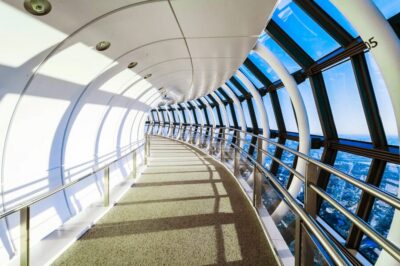 ★ 4.5TOKYO SKYTREE® Admission ticketFrom $1311,192 reviews
 ★ 4.6teamLab Planets TOKYO Digital Art Museum Entry TicketFrom $259,779 reviews
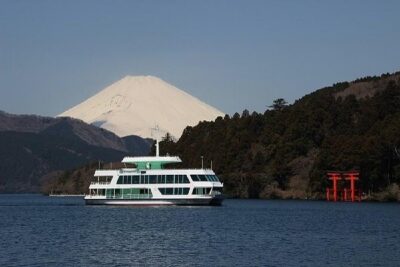 ★ 4.0Mt Fuji & Hakone Cruise, Drum Show Bullet Train 1 Day from TokyoFrom $1497,413 reviews
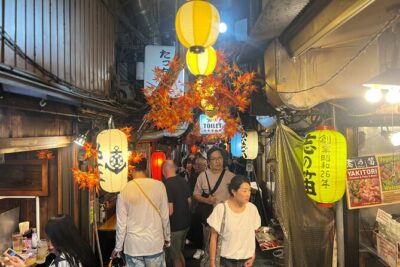 ★ 5.0Shinjuku Food Tour (13 Dishes at 4 Local Eateries)From $866,603 reviews
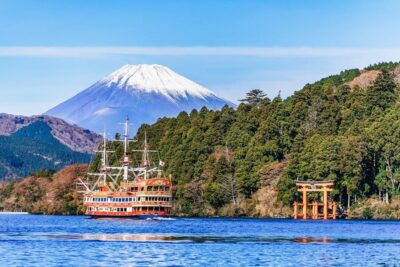 ★ 4.4Tokyo Mt Fuji 5th St & Hakone Cruise Bus Tour w/Bullet TrainFrom $1545,024 reviews
 ★ 5.0Flagship 2-Hours Official Street Go-Kart Tour – Tokyo Bay ShopFrom $644,974 reviews
 ★ 4.5From Tokyo: Mount Fuji Full-Day Sightseeing TripFrom $684,970 reviews