
Review · SHIBUYA TOURS
Tokyo: Harajuku Meiji Shrine to Shibuya Crossing Guided Tour
Two hours, three Tokyo moods, zero guesswork. I love that the Meiji Jingu start is guided step-by-step, including context tied to Hatsumode, and you get the big payoff at the Shibuya Crossing area with picture time and the Hachiko story.
One thing to keep in mind: two hours is fast, so you will not have time to wander Harajuku endlessly on your own.
You meet at JR Harajuku station, west exit, where the guide is waiting with a signboard showing gotcha. The tour is in English with a small group of up to 10 people, and it runs about 2 hours total.
Key highlights you will actually care about
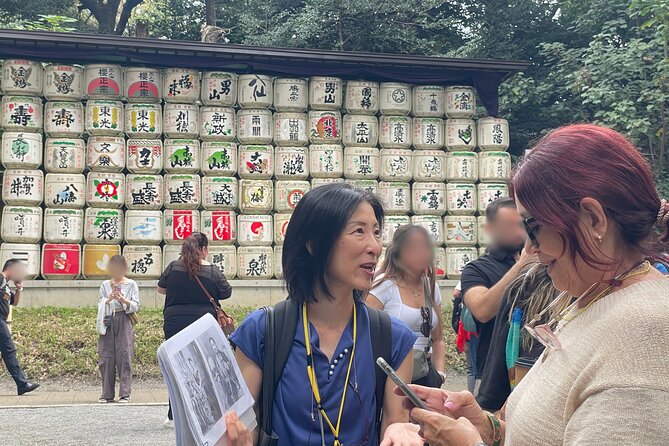
- Meiji Jingu with Hatsumode context: You do not just walk in, you understand what you are seeing and why it matters to locals.
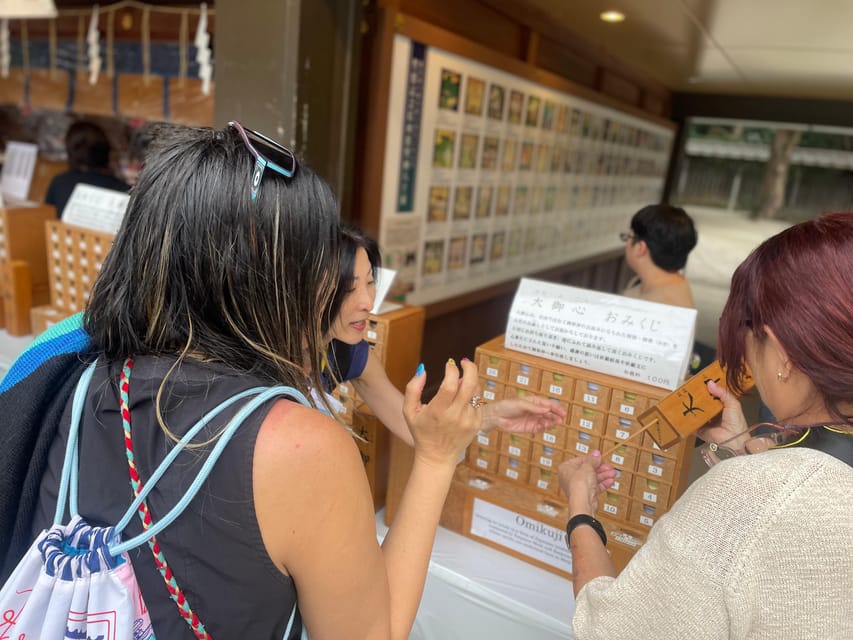
- Omikuji fortune paper is included: It is not an extra purchase you need to hunt down, and the guide helps you use it right.
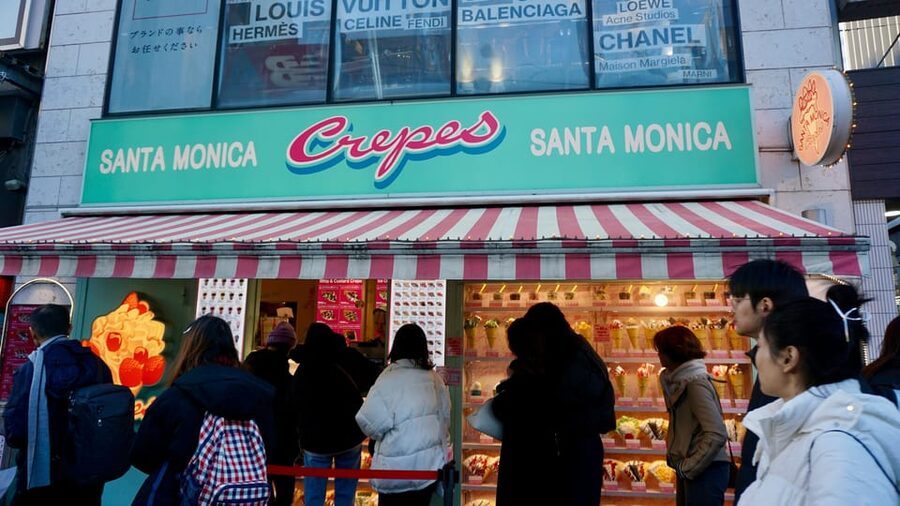
- Takeshita Street crepe break: A simple, tasty stop that keeps the pace fun instead of turning into decision fatigue.
- Hachiko statue story: The guide shares the sad tale behind the symbol of loyalty, giving your photo a reason.
- Shibuya Crossing group photo plus a viewpoint finish: You get both the iconic crosswalk moment and a scenic stop to wrap up.
- Small group, up to 10: Easier questions, fewer people to fight through, and less stress when the streets get crowded.
Why this 2-hour Harajuku to Shibuya route works
Tokyo can overwhelm you in minutes, especially when you hit Harajuku and Shibuya back-to-back. This tour is built for that exact problem. In two hours, you cover a classic shrine visit, a Harajuku street-food moment, and the photo magnet of Shibuya, without needing to plan every turn.
What makes it feel good is the rhythm. You start in a calmer space first, then you move into the sensory chaos of Harajuku, then you cap it with Shibuya’s most famous intersection. That sequence matters. It helps you switch gears instead of trying to do everything at full noise level all at once.
You can also read our reviews of more guided tours in Tokyo
Meiji Jingu: calm, etiquette, and the Hatsumode connection
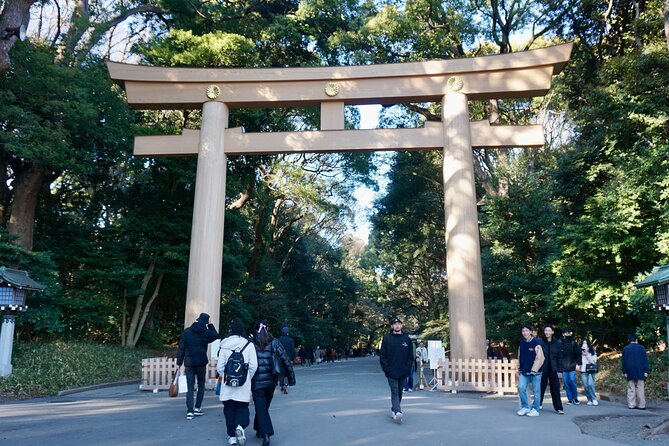
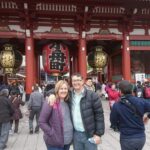
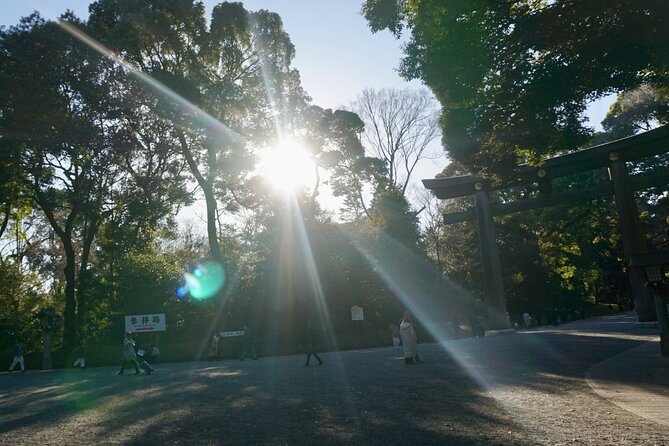
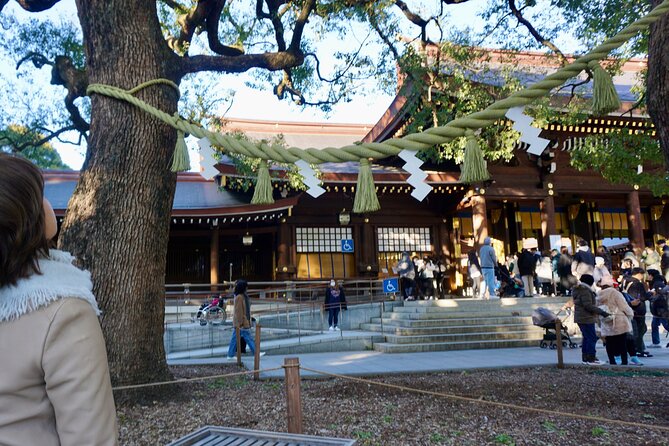
The heart of the tour begins at Meiji Jingu, described as Japan’s most visited shrine for Hatsumode, the New Year pilgrimage. That detail changes how you experience the place. You are not treating it like a generic photo stop. You are learning why people come in big numbers and what it means in daily Japanese culture.
A good local guide does two things here. First, they explain the origins of the shrine and the context around visiting. Second, they help you navigate the visit itself, so you are not guessing what to do next. That is a big deal in shrine spaces, where the rules are subtle but important.
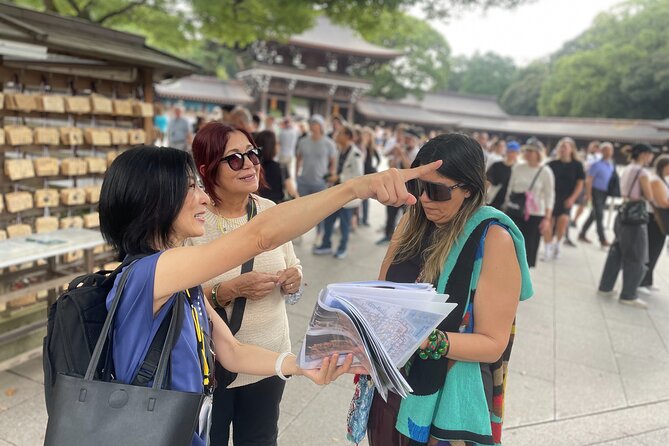
This is also where your “how to make a wish” moment fits in. One of the standout review moments for this experience was walking through the Meiji shrine with the guide and learning Japanese customs while making a wish. Guides listed in reviews include Masahito, and that kind of praise usually means you are not just being told facts, you are being shown how locals approach the experience.
What you should expect at this stop
Plan on a walk that stays respectful and focused. You will spend enough time to get oriented and follow along, not sprint through. If you like culture that you can actually practice, this is where the tour shines.
Possible drawback
If you are hoping for a long, slow shrine meditation session, two hours total across three areas means you will not get that. Think of this as guided orientation and a meaningful visit, not a half-day shrine immersion.
Takeshita Street crepe stop: a sweet reset without extra planning
After the shrine, the tour shifts into Harajuku energy via Takeshita Street. This is the point where you stop feeling like you are “touring” and start feeling like you are moving through real neighborhoods.
You get Japanese-style crepe as part of the experience. That inclusion matters for value and pacing. You do not need to research what shop to use, translate a menu, and then decide under pressure while people are lining up. You can just enjoy the break, eat, and get back on track.
Takeshita Street is also a great place for quick sensory contrasts. In a short span, you go from shrine calm into street fashion and snack culture. Even if you are not shopping, it is a smart place to watch how people live and snack in Harajuku.



A practical tip
If you have a strong dislike of sweet food, you might want to check your crepe tolerance in advance. The tour does include the crepe, so this is not the stop to skip.
Down to Shibuya: Hachiko’s loyalty story adds meaning to your photos
From Harajuku you keep walking toward Shibuya, and along the way the tour adds storytelling. One highlight is the Hachiko statue. The guide explains the sad tale behind this symbol of loyalty, and that context makes a huge difference.
A statue is easy to photograph. A story is what makes you remember it.
A few reviews praised how friendly and warm the guides were, including mention of Shigure san for teaching a lot about Japan and culture. That kind of feedback usually means the tour is not just a script. You get answers when you ask questions, and the guide connects the dots between what you see and what it means.
What this stop does well
It bridges tradition and modern Tokyo. You are leaving a shrine mindset, but you are not jumping straight into pure shopping or pure intersection sightseeing. Instead, you get a character-based moment, then you roll into Shibuya.
Shibuya Crossing photo time, plus a viewpoint finish
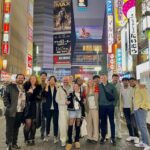
Then comes the big moment: Shibuya Scramble Crossing. This tour is designed around photo success. You get time to take pictures at the famous crossing with your group, against the backdrop that everyone recognizes.
But you also get something smarter than just standing at the sidewalk. The tour ends with a scenic vantage point overlooking Shibuya Crossing, where you get a final view to wrap up. That matters because it gives you a broader sense of the place. You are not only stuck at street level, you get the bigger picture.
The “group photo” element is also practical. Shibuya is crowded, and it is easy to lose time trying to take turns. Here, the group plan keeps the process smooth, so you can focus on getting good shots instead of coordinating chaos.
What to keep in mind
This part of Tokyo can be busy, so it is best if you embrace the photo plan rather than trying to move independently at the busiest moments. The tour works because you stay with the group.
Omikuji fortune paper: the wish moment that sticks
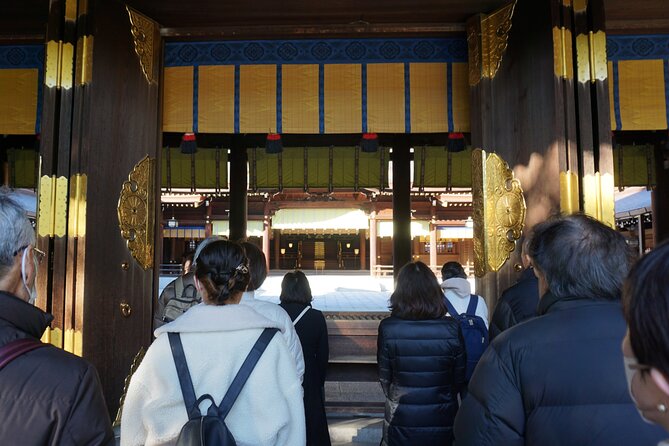
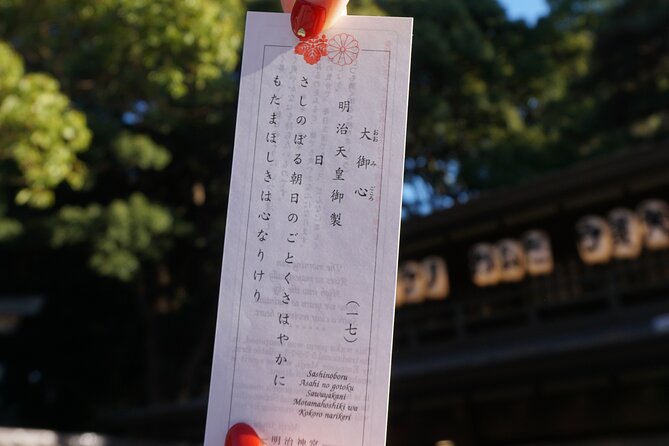
One of the inclusions that often gets overlooked until you are there is omikuji, the fortune paper. The fee for omikuji is included, so you do not need to figure it out on the spot.
The value is not the paper itself. The value is the guided understanding of what to do with it. With a guide, you learn how the fortune fits into the visit and how the wish-making moment works in context.
A review highlighted that making a wish at the shrine was a highlight, paired with learning Japanese customs. That is exactly why omikuji inclusion is a win. You leave with an experience, not just a photo.
Price and value: is $78 for 2 hours worth it?
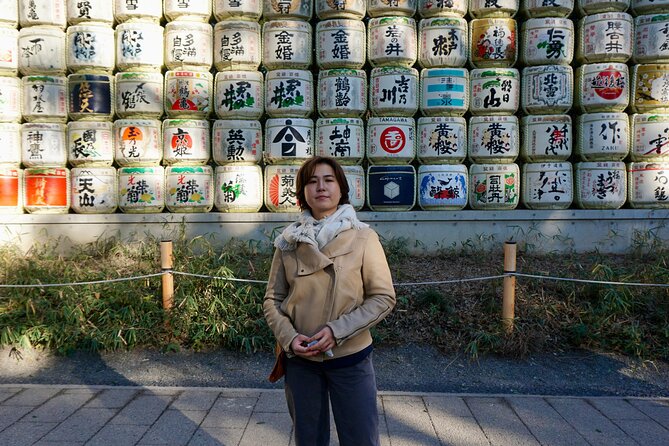
At $78 per person for a 2-hour small-group tour, you are paying for three things: expert guidance, the included omikuji fee, and the crepe stop. Add in photo time at Shibuya and the story-led Hachiko moment, and the price starts to look less like sightseeing and more like “time insurance.”
Without a guide, you can still walk from Harajuku to Shibuya. The difference is you would likely spend more time figuring out what to do at Meiji Jingu, how to handle the shrine visit smoothly, and how to get the most out of the big photo moments without getting separated in crowds.
This tour also caps the group at 10. That is not just a comfort perk. A smaller group usually means fewer questions ignored and less waiting for the slowest pace in the crowd. In a place like Shibuya, that matters.
If you enjoy structure and want fewer decisions, this price can be a bargain. If you love roaming freely with no plan, you may feel like you paid for a route you could do solo.
Who this tour is best for
This tour is a strong match if you:
- Want a guided shrine visit with clear explanations instead of guessing.
- Like photo stops but do not want to spend your trip solving logistics at the busiest intersections.
- Travel solo or in a small group and prefer a friendly, question-friendly guide style.
- Value a tight route that hits the major Harajuku and Shibuya moments in a short window.
It is less ideal if you:
- Need lots of independent browsing time in Harajuku.
- Dislike short, structured schedules.
- Do not want to eat the included crepe.
Small-group logistics: meeting at Harajuku and staying on track
The meeting point is JR Harajuku station, west exit. The guide is waiting at the west exit with a signboard showing gotcha. That detail is the kind that saves time and stress, because the difference between “west exit” and “which exit” can be a whole detour.
Because the group is capped at 10, you should find it easier to keep up and ask questions without shouting. Also, since the tour is in English with a live guide, you should feel comfortable asking about what you are seeing, including how to visit the shrine and what the omikuji moment means.
If you are planning a day with multiple stops, keep this in a window where you are not rushing to another timed reservation right after. Shibuya can swallow time when you want one last photo.
Should you book this tour?
I would book it if you want the cleanest way to experience three iconic Tokyo areas in just 2 hours, with a guide who can translate the “what do we do here” part, not just point at buildings.
I especially like it for first-time visitors who feel torn between shrine etiquette and street-level fun. You get both, plus the Hachiko story that adds emotional context to a landmark photo.
If you are unsure, this one has low-risk planning support, with free cancellation up to 24 hours in advance and a reserve and pay later option so you can keep your schedule flexible. For most people, that makes the decision easier.
FAQ
How long is the Tokyo: Harajuku Meiji Shrine to Shibuya Crossing guided tour?
It lasts 2 hours.
How much does the tour cost?
The price is $78 per person.
Where do we meet the guide?
You meet at JR Harajuku station, west exit. The guide is waiting there with a signboard that shows gotcha.
What language is the tour guide?
The tour is in English.
How big is the group?
The group is small, limited to 10 participants.
What is included in the tour?
Included items are the tour guide and the omikuji (fortune paper) fee. The tour also includes eating Japanese-style crepe at Takeshita Street.
Do we go to Meiji Jingu Shrine?
Yes. You visit Meiji Jingu with the local guide.
Do we visit Shibuya Crossing and take photos?
Yes. The tour includes photo time at Shibuya Scramble Crossing and ends with a scenic vantage point overlooking the crossing.
Is free cancellation available?
Yes. You can cancel up to 24 hours in advance for a full refund.
More Guided Tours in Tokyo

More Tours in Tokyo


More Tour Reviews in Tokyo
Not for you? Here's more nearby things to do in Tokyo we have reviewed





Shibuya Tours, side by side.
 ★ 5.0Official Street Go-Kart in ShibuyaFrom $763,435 reviews
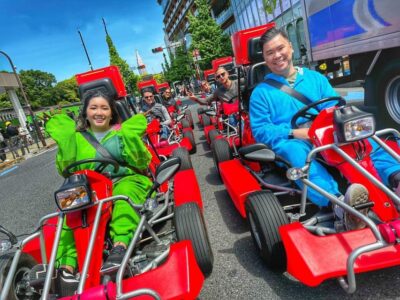 ★ 4.9Street Kart Experience in ShibuyaFrom $741,484 reviews
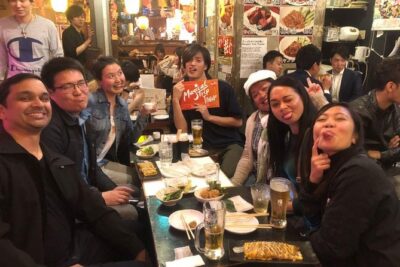 ★ 5.0Shibuya Meltdown Nightlife Tour: All-You-Can-Drink Bar HoppingFrom $1061,058 reviews
 ★ 5.0Shibuya Official Street Go-Kart in Shibuya AnnexFrom $69972 reviews
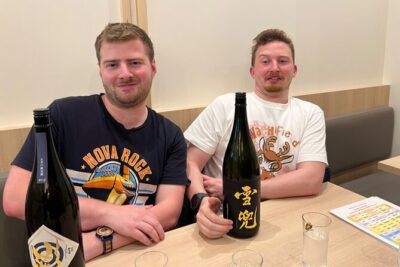 ★ 5.0Shibuya Food Tour (13 dishes and 4 Eateries)From $77770 reviews
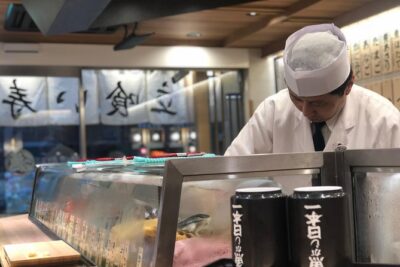 ★ 5.0Best of Shibuya Food TourFrom $217612 reviews
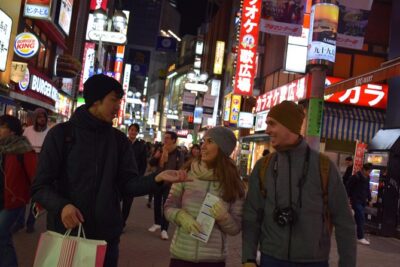 ★ 4.8Shibuya Highlights Walking TourFrom $19601 reviews
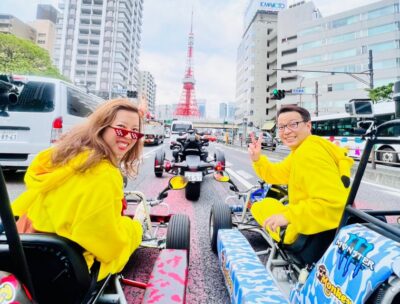 ★ 4.7Premium Go-Kart Tour with Tower & Shibuya CrossingFrom $116528 reviews
This tour also belongs to