
Review · ASAKUSA TOURS
Tokyo: Matcha Making Experience with Mochi Sweets in Asakusa
Matcha tastes better after you make it. In historic Asakusa, close to Tokyo Skytree, you get a short, hands-on matcha class that mixes fun facts with real tea-making, ending with a cozy tasting of your own cup.
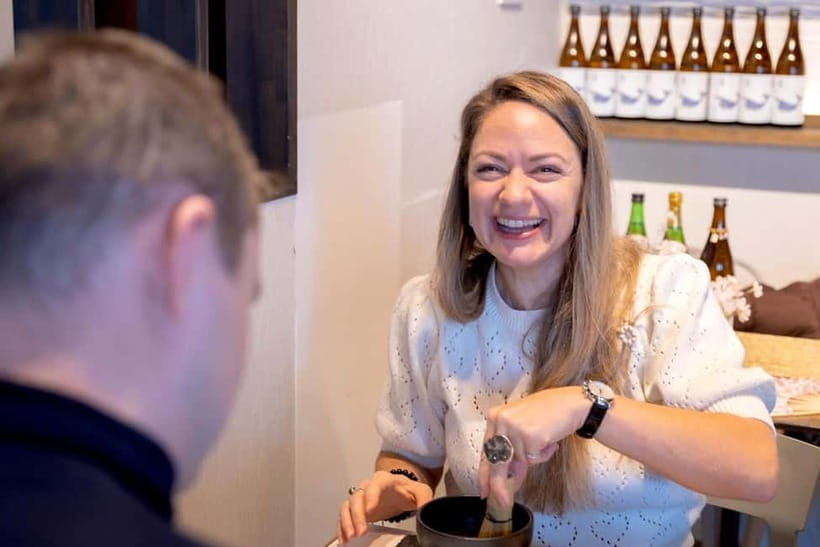
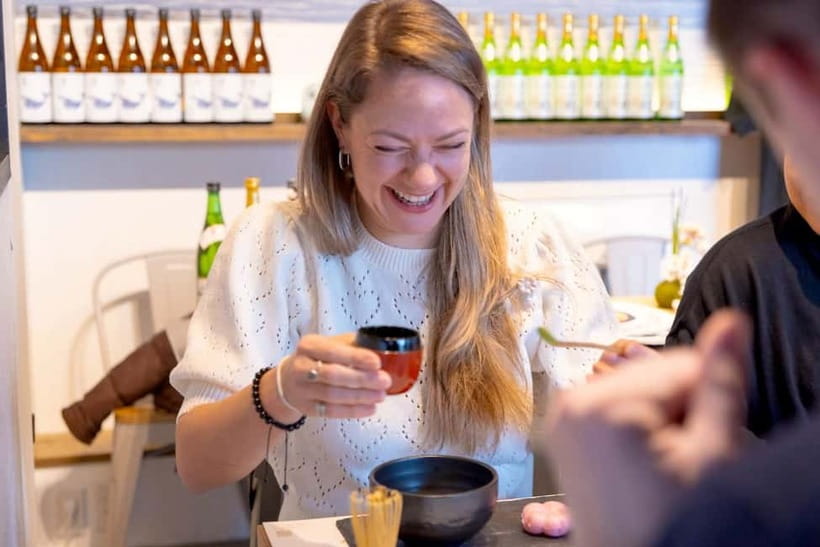
I especially like the interactive quiz format for matcha history, it keeps the lesson light and easy to follow. And I also like that you actually whisk your tea yourself using traditional tools, then sit down with Japanese sweets and English-speaking staff like Ken and Mana who make the experience funny and welcoming.
One thing to consider: it is a tight 1-hour session, and there is no hotel pickup, so you’ll need to show up on your own near Asakusa Station (on the 6F meeting point).
Key things to know before you go
- Asakusa location: about a minute from Asakusa Station, near Tokyo Skytree
- Matcha history quiz: a quick, playful way to learn before you start whisking
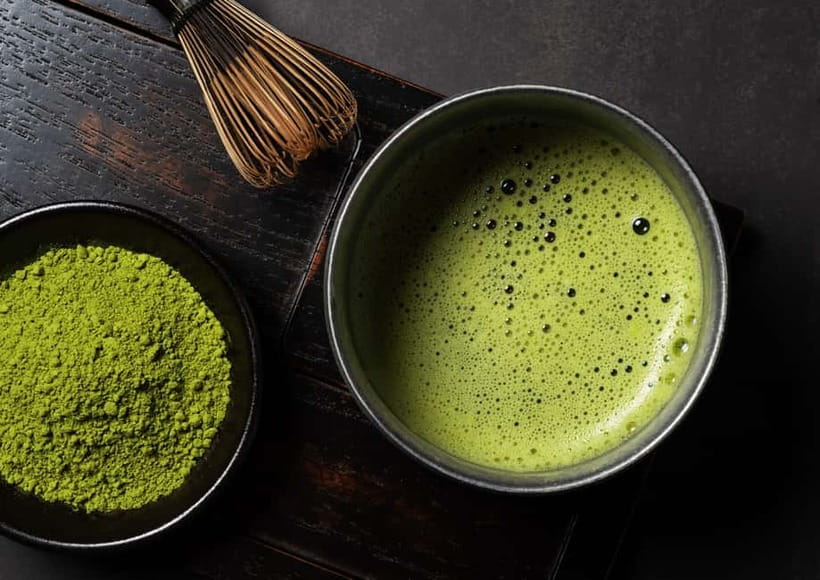
- Hands-on whisking: you make your own matcha using traditional tea tools
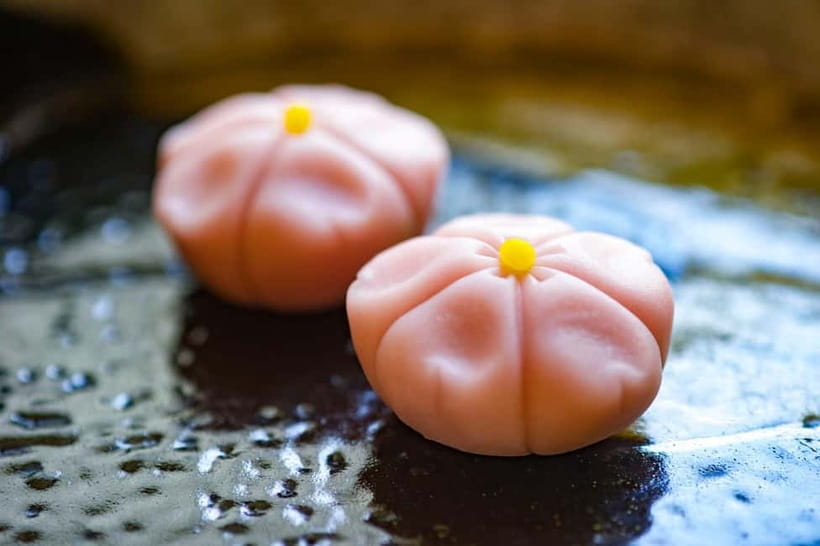
- Tea + sweets pairing: you taste matcha with Japanese sweets, including mochi-style treats
- English guidance that feels personal: hosts often mentioned for being funny, patient, and upbeat
Asakusa Meeting Point and Why This Neighborhood Fits Matcha
This class is built for an easy Tokyo day. You meet just about one minute from Asakusa Station, at the ReLik KAMINARIMON building, 6F. That’s a big deal because it means you can slot the activity between temple stops, street wandering, and Skytree-area sightseeing without burning half your day on transport.
Asakusa also makes the food theme feel natural. It is one of those older parts of Tokyo where you can sense why traditions still matter. Starting your morning (or late afternoon) with matcha in this area turns the lesson into more than a recipe. It becomes part of the place.
Your meeting point is specific and easy to find once you’re near the station. If you like having a clear plan, plug in the coordinates (35.710774, 139.7956532) and you’ll be set. The biggest practical takeaway: you’re going up to the 6F meeting spot, so don’t arrive expecting street-level check-in.
More Tokyo tours and experiences for the shortlist

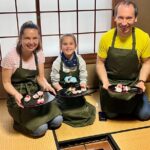
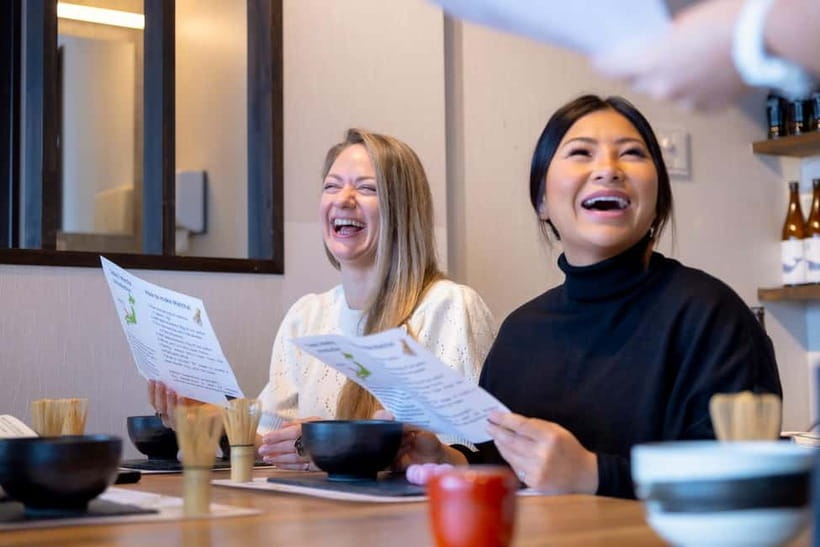
The First Segment: Matcha History Through a Light Quiz
The flow usually starts with learning, but not the heavy, lecture kind. You’ll spend the early part of the session working through matcha history and basics in an interactive quiz format. It is a smart choice because matcha can sound intimidating if you only know it as something sold in cups.
The quiz approach helps you understand what you’re tasting later. For example, you learn where matcha comes from in tea culture and why the process matters. You also pick up etiquette basics, which makes your final tasting feel more intentional instead of just a snack break.
I like that the lesson is described as lighthearted and light on pressure. The class is designed so no prior experience is needed. If you’re worried about doing things wrong, the quiz stage helps you relax, because it teaches concepts before your hands get involved.
Whisking Your Own Bowl: Tools, Technique, and What to Watch For
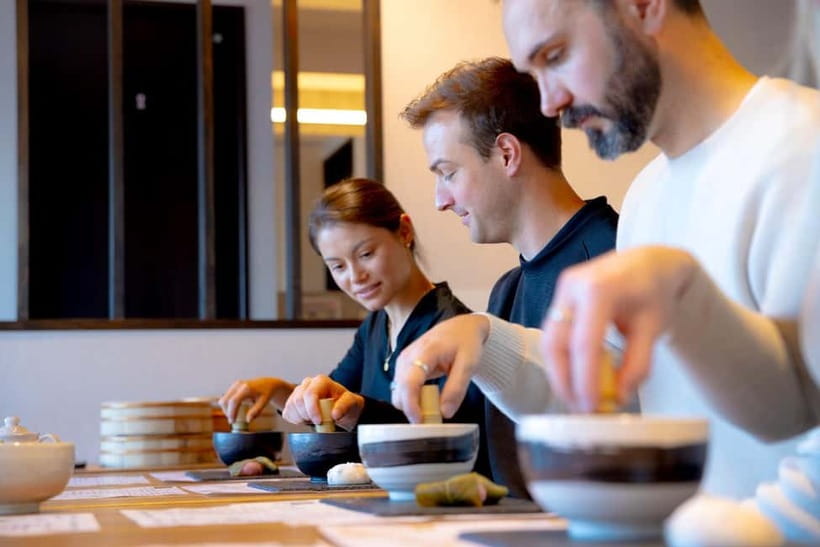
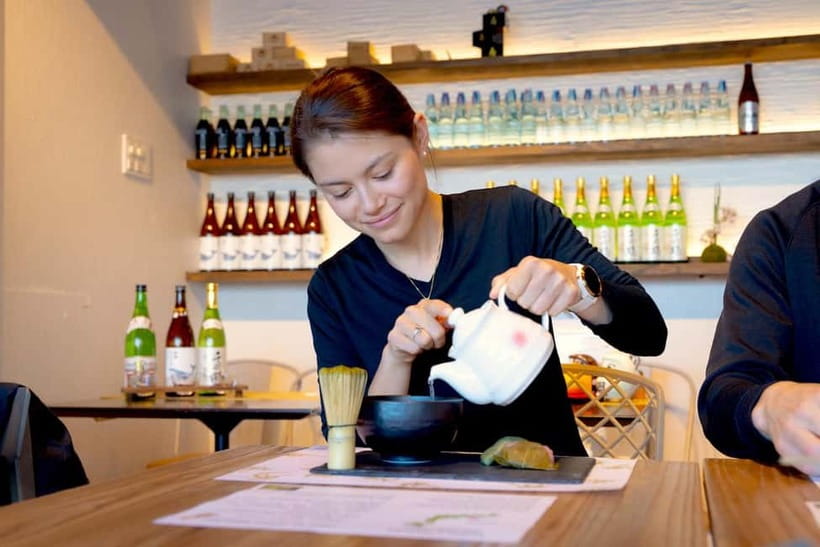
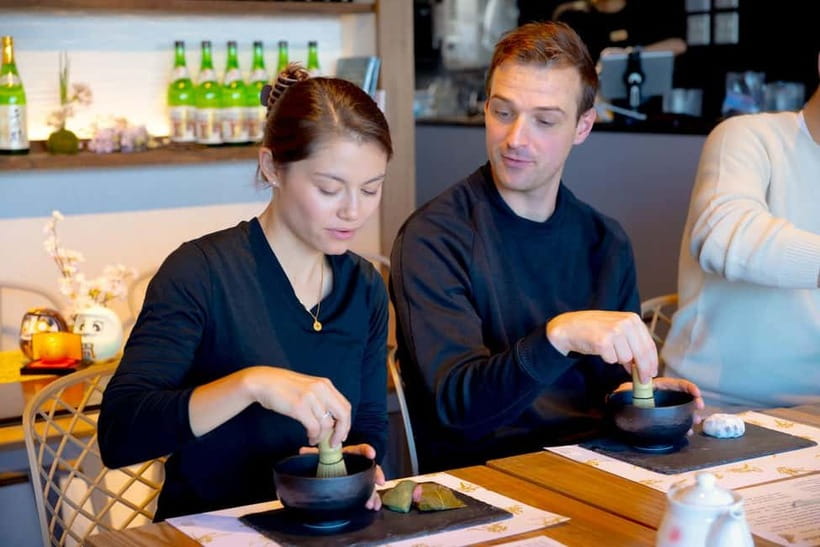
Then you get to the fun part: making matcha. You’ll whisk your own cup using traditional tools, following guidance from an instructor. The tools matter because matcha is not instant powder-into-water. Real matcha-making is about texture, aroma, and that smooth foam layer that appears when you whisk properly.
What you are doing in the class is closer to a mini tea lesson than a tasting only. You will learn the technique step-by-step, then apply it yourself. That is why the experience tends to be remembered, even by people who don’t consider themselves tea people.
A helpful detail from the class descriptions and the way it is run: you learn in an English-led, organized, seated environment. One common worry with tea activities is physical posture. Here, you get a format that avoids the hardest traditional positions, so you can focus on the whisking and the pacing instead of your knees.
Also, instructors often act like part teacher and part comedy partner, which helps. You may hear names like Ken, Hayato, Rino, and Mana tied to this experience, and the consistent theme is the same: clear instructions paired with humor and patience. That combination is exactly what you want when you’re learning a technique you might not get right on the first try.
Practical technique note you can use at home later: matcha quality and whisking both change the final cup. If your matcha tastes flat or grainy, it usually comes down to whisking method and how thoroughly it gets blended. You’ll leave this class with a much better sense of what to aim for.
The Tasting Portion: Pairing Matcha With Japanese Sweets
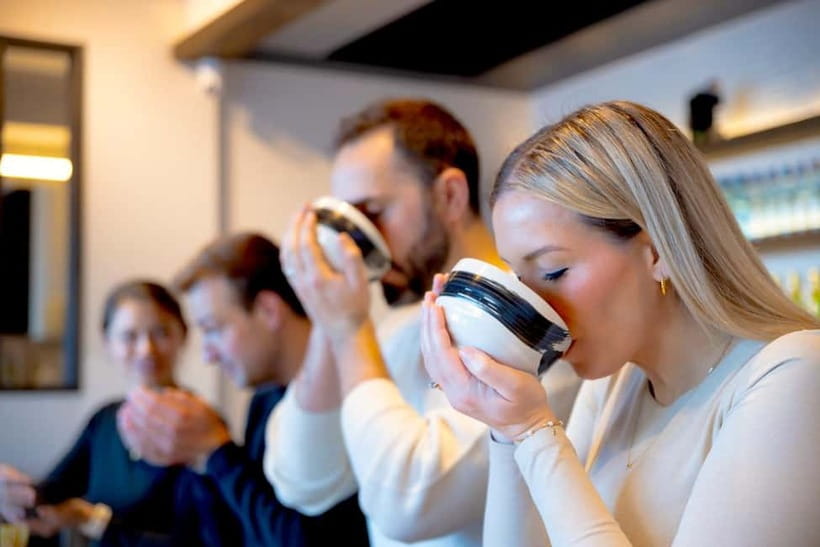
After you make it, you drink it. This class is not just a photo moment of a cup you poured. You actually sit down with local staff and eat Japanese sweets alongside your matcha.
The pairing is part of the value. Matcha has a distinct flavor profile, and it can taste stronger than sweetened drinks you might have had elsewhere. Japanese sweets, including mochi-style treats served with the tea, help balance that flavor so you experience matcha the way it’s meant to be enjoyed.
This segment also explains something important for your Tokyo experience. When you understand how sweets and tea work together, you start noticing pairing logic in other places too. You’ll be more confident ordering dessert at a café in Japan, because you’ll know what flavors are designed to complement the tea rather than just overpower it.
One subtle benefit: tasting while the staff are still there means you can ask questions in context. If something tastes too bitter or not as smooth as you expected, you’ll often learn what to adjust next time, even if it is just technique tips for whisking.
English-Speaking Hosts and the Feel-Good Pace
This class runs in English, and the biggest advantage is not just translation. It is the pacing. The staff guide you through a short lesson, hands-on technique, and a seated tasting without letting it drag.
From the instructor style people mention repeatedly, the hosts tend to be engaging and funny, with real personality. You might meet instructors like Honoka, Midori, Hiho, Hiyo, Yui, Moe, or Miyu, and the experience is consistently described as interactive. That matters because food classes can feel stiff if you’re with a group that doesn’t know each other, or if the instructor reads from notes.
Here, it sounds like you get a relaxed, organized environment instead. People also mention that it works well for families, including kids. That suggests the teaching approach is friendly and not overly technical. In other words, you should feel comfortable even if your Japanese is limited and your cooking skills are basic.
If you travel solo, this format can help you connect. Instead of wandering around looking for a place to eat, you end up making something together and then sharing the cup and sweets right there.


Time and Price: Is $22 for 1 Hour Actually Good Value?
Let’s talk money in a plain way. The price is listed at $22 per person, and the class is 1 hour. Ingredients and instructor time are included. Hotel pickup and drop-off are not included.
For Tokyo, $22 for a guided, hands-on food activity that includes both matcha and Japanese sweets is usually solid value. What you are paying for is not just tasting tea, it is the technique lesson and the equipment use. If you tried to copy this at home later, you would spend time sourcing matcha, tools, and ingredients, and you would miss the quick coaching on how the whisking should feel.
Also, the time matters. One hour is short enough to do during a busy Tokyo itinerary. You can fit it between Asakusa sightseeing and a later plan around Tokyo Skytree without feeling like you’ve committed to a half-day.
The only reason value might not feel great is if you are expecting a long, full ceremonial experience. This is a practical class with clear steps, not a multi-hour, formal tea ceremony. If you want that slower style, you might prefer another format. But if you want a memorable intro you can actually use, this is priced and timed for that.
Who This Matcha Class Suits Best, and Who Might Skip It
This class fits best if you want a focused experience with real technique. It is ideal if you:
- love matcha and want to learn how to make it beyond store-bought cups
- enjoy hands-on activities, even if you don’t have cooking experience
- want an English-led class that still feels authentic
- are traveling with family or mixed ages
It also tends to work for solo travelers because the class structure encourages interaction. People frequently highlight meeting others and learning in a seated, organized environment.
Who might skip it? If you already know matcha preparation well and you want a deeper, long-form ceremonial practice, you may feel the session is too short. Also, if you dislike any class setting, even a relaxed one, you might prefer simply buying matcha and sweets and doing your own tasting route.
Quick Practical Tips Before You Go
A few simple tips will make this go smoothly.
First, plan to arrive early enough to take the stairs or elevator to the 6F meeting point at Relink KAMINARIMON building. There is no pickup, so give yourself buffer time after you reach Asakusa Station.
Second, wear comfortable clothes. Even though you are not doing the hardest traditional kneeling position, you will still be moving a bit and using utensils. Comfort helps you focus on whisking.
Third, come with a curious mindset. Matcha can be unfamiliar if you only know it from sweet drinks. This class is designed to help you taste it properly and understand why it tastes the way it does.
Finally, consider pairing the activity with nearby Asakusa food and sights. Doing matcha early makes the later dessert stops more enjoyable because you will notice flavor balance instead of treating everything like sugar.
Should You Book Matcha Making Tokyo in Asakusa?
I think you should book it if you want a short, friendly, English-guided way to learn matcha technique and enjoy Japanese sweets in a classic Tokyo neighborhood. The best parts are the hands-on whisking, the interactive history quiz, and the staff energy, with instructors like Ken and Mana often highlighted for making the class feel easy and fun.
If you’re trying to decide between this and a basic tasting at a shop, choose this class. Tasting alone is nice, but the value here is in learning how to make matcha, then comparing your cup to what you ate with it.
Skip it only if you’re looking for a long formal ceremony or you dislike structured classes. Otherwise, for an hour near Asakusa Station with ingredients included and a memorable, practical takeaway, it is a very reasonable way to experience Tokyo food culture.
FAQ
How long is the matcha making experience in Asakusa?
The experience lasts 1 hour.
What does the price include?
The cooking class, ingredients, and the instructor are included in the price.
Is hotel pickup or drop-off included?
No, hotel pickup and drop-off are not included.
Where do I meet for the class?
You meet about 1 minute from Asakusa Station, at Relink KAMINARIMON building 6F. Coordinates: 35.710774, 139.7956532.
Is the class taught in English?
Yes, the instructor provides the class in English.
Can I cancel if my plans change?
You can cancel up to 24 hours in advance for a full refund.
More Dessert Tours in Tokyo
More Tour Reviews in Tokyo
Not for you? Here's more nearby things to do in Tokyo we have reviewed






Asakusa Tours, side by side.
 ★ 4.8Japanese Dance Cabaret Theater Asakusa-Kaguwa TicketFrom $492,270 reviews
 ★ 4.7Meiji Shrine, Asakusa, Skytree Bus Tour and CruiseFrom $1221,986 reviews
 ★ 4.9Roll and Authentic Sushi Making Class in AsakusaFrom $581,957 reviews
 ★ 4.8Asakusa Walking Tour with Sensoji Temple VisitFrom $221,583 reviews
 ★ 5.0Tokyo Asakusa Rickshaw TourFrom $421,375 reviews
 ★ 4.5Tokyo Panoramic 1 Day: Meiji Shrine, Asakusa, Odaiba and SKYTREE®From $851,222 reviews
 ★ 5.0Tokyo Go Kart: Asakusa, Skytree, and Akihabara **IDP MUST**From $99988 reviews
 ★ 4.7Asakusa, Skytree & Akhihabara Go-Kart City ExperienceFrom $96761 reviews
This tour also belongs to