
Review · TOKYO TEA & SAKE EXPERIENCES
Japanese Traditional Sweets making and Tea Ceremony
Two sweets, one serene tea moment. In a 95-minute class in Tokyo, you shape Nerikiri wagashi and then slow down for an Uji matcha tea moment. I like that it is hands-on from the very first step, not just watching someone else work.
I especially appreciate the ingredient choices. You use white/red bean paste produced by Kyoto’s long-established shops, and the class pairs that sweetness with single-origin special matcha so the flavors actually make sense together. You also make two sweets that match the season, so it feels like more than a generic craft project.
One thing to keep in mind is communication and pacing. The class is mainly Japanese and English translation is provided as much as possible, so if you need 100 percent clarity, sit where you can hear well, and plan to arrive on time since the event can’t be held for delays.
Key things to know before you go
- Two seasonal sweets: you make 2 wagashi that fit the season, not just one quick form.
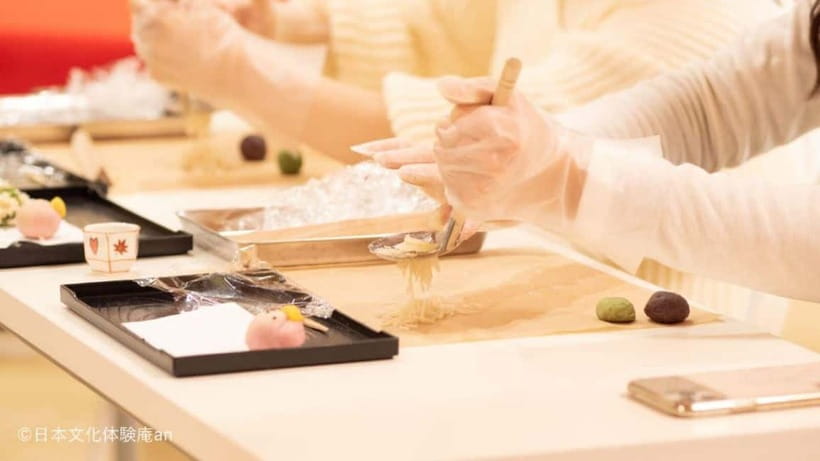
- Nerikiri from colored bean paste: you start with coloring the white bean paste and shaping it into seasonal designs.
- Kyoto bean paste emphasis: the class specifically uses bean paste from Kyoto’s long-established shops.
- Uji matcha tea ceremony: you get a structured tea-ceremony experience with Uji matcha.
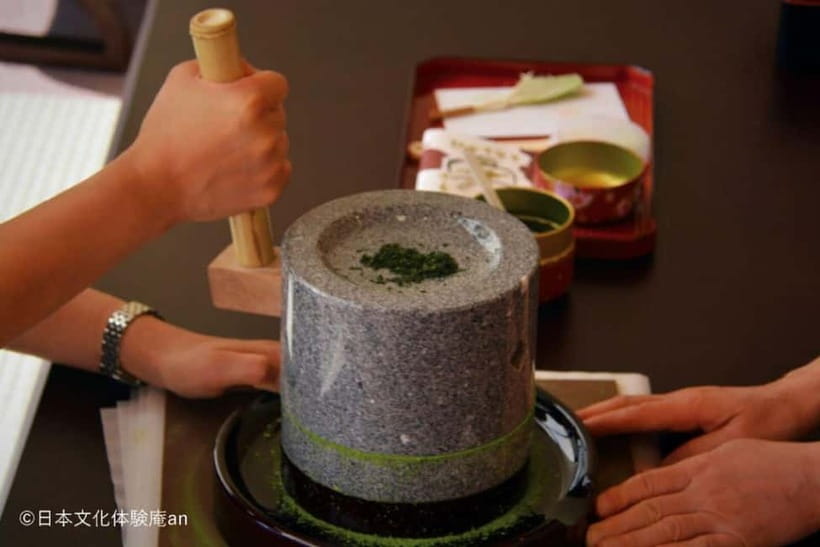
- Matcha grinding demo: you see matcha grinding before the tea portion starts.
- Optional add-ons: take-out box (100 JPY) and a completion certificate (300 JPY) are available if you want them.
Nerikiri and tea in one 95-minute rhythm
This is the kind of experience that works because it has clear stages. You start with sweet-making, take a short break, then move into tea, with time to eat what you made and drink your own matcha.
The schedule is tight but not rushed in concept. You get an explanation of traditional sweets, you make two types of Nerikiri, then you move into tea with an instructor-led flow that includes a matcha grinding demonstration and a tea-ceremony portion.
More Tokyo tours and experiences for the shortlist


Step by step: making your Nerikiri wagashi
Your session begins with an overview of Japanese traditional sweets. Then you get into the main action, starting with the flower-shaped Nerikiri style and then moving on to the second Nerikiri type, called Kinton Nerikiri.
The most important practical detail is that you color the white bean paste yourself. That means you are not only shaping, you are also participating in the look of the final sweet, which is where the creative fun really lives.
You’ll work with bean paste crafted in the style used for high-grade wagashi, where the whole point is that the shape and color are designed like seasonal flowers or fruits. It is also a great way to slow down your brain, because Nerikiri shaping asks for patience in tiny motions.
What seasonal Nerikiri teaches you, beyond the craft
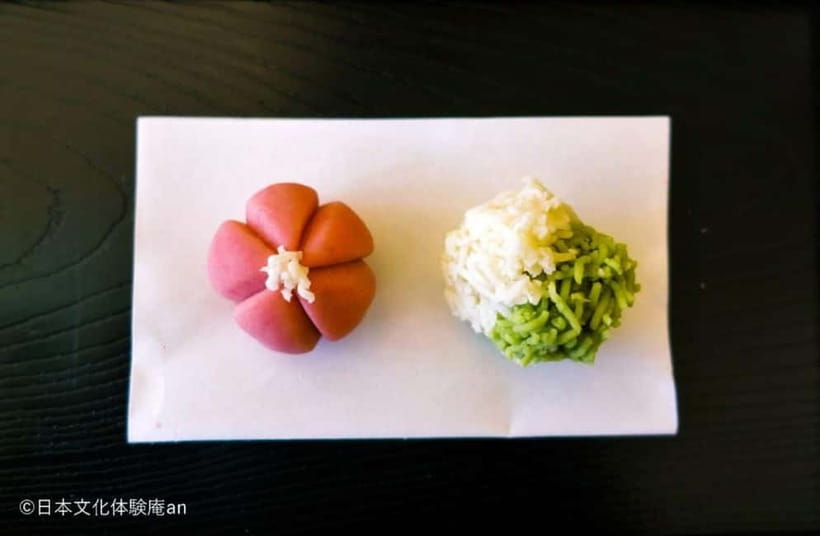
Making Nerikiri is not just arts and crafts. The seasonal theme changes the design targets, so you naturally pay attention to form and detail, not speed.
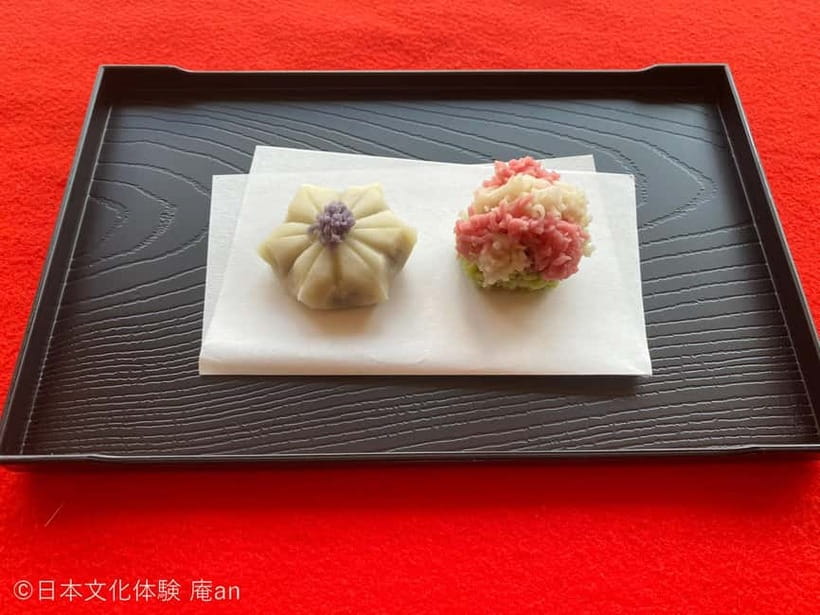
You will make two Japanese sweets that match the season, and that matters because it changes how you think about the materials. Instead of making something generic, you are creating for a specific moment in the year, using colored bean paste in molds or shapes that your instructor guides you through.
One benefit of doing two sweets is that it gives you a quick comparison. Even if the process feels similar, the shaping style differs, so you learn that Nerikiri techniques can vary while staying within the same traditional sweet category.
Ingredient quality: Kyoto bean paste plus your matcha cup
The class calls out that it uses white/red bean paste produced by Kyoto’s long-established shops. In plain terms, that is meant to give you a more refined sweetness and texture than you might expect from basic ingredients.
Then you pair it with matcha made for the ceremony portion. The experience specifies single-origin special matcha, and the tea-ceremony part uses Uji matcha, so the program is clearly trying to connect the sweet taste and the tea taste in a deliberate way.
This pairing is one of the best value points of the whole class. If the bean paste is too sweet or too flat, the matcha would feel off. Here, the structure is designed to keep the sweetness balanced with the tea.
The mid-class break that helps you enjoy both halves
Around the middle of the experience, you get a break. The schedule shows a gap between the sweets-making section and the tea explanation, which is smart because it lets your brain reset before you switch from shaping to tasting.
This is more than a timing thing. Matcha and wagashi are sensory tasks, and it helps to take a breath so you can actually notice the flavors later, not just power through to the end.
Use this break to take a breath, hydrate if you need to, and quickly review what you just made. When you return for tea, you’ll enjoy seeing how the instructor connects the tea steps to what you prepared.





Tea ceremony time: grinding, explanation, and your own matcha
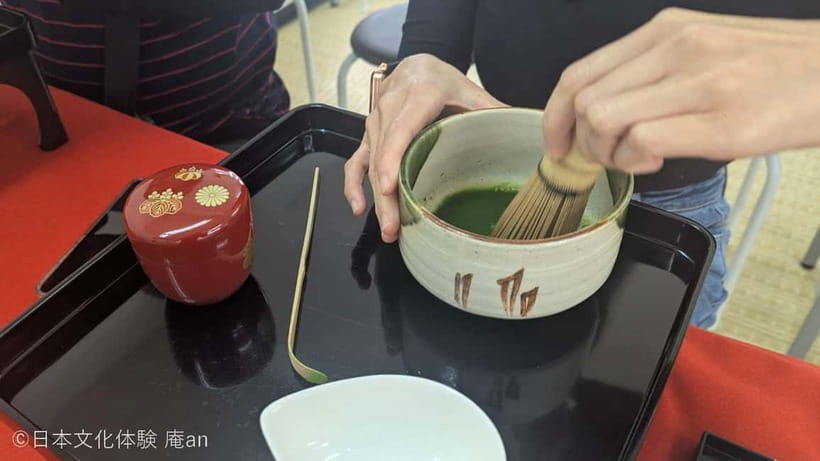
After the break, the instructor shifts into tea. You’ll get an explanation about tea, then a matcha grinding demonstration, followed by the tea-ceremony experience.
The grinding demo is a key part because it sets your expectations for the tea portion. Even if you already like matcha, watching the process helps you understand why the class treats tea as a ritual, not just a drink.
Then comes the structured tea-ceremony portion. The goal here is that you do not only observe, you participate in the experience of preparing and enjoying the tea in a traditional format.
If you are sensitive to strong flavors, use the first sips to calibrate. Matcha can taste intense, and the sweet you made is there for a reason, to balance the experience in your cup.
Eating your Nerikiri and drinking matcha at the end
Near the end of the class, you get time to eat and drink. You can enjoy the Japanese sweets you prepared along with the matcha tea, which is the moment that turns the craft work into a real taste memory.
This is also where the class design shows its value. You make the sweets earlier, so the flavors are not abstract. You taste what you shaped, and you can actually compare how the two seasonal Nerikiri types feel when paired with matcha.
At about the 85-minute mark there is picture time, then the session finishes around 95 minutes with departure. If photos matter to you, keep your items neat so you are ready when that window comes.
Price and value: is $18 a fair deal for this format?
At about $18 per person for 95 minutes, this class is priced for hands-on visitors who want both sweets and tea in one session. You are paying for guided instruction, ingredient access, and the full sequence from Nerikiri making to tea ceremony to tasting.
What you get included is the Japanese Traditional Sweets making and Tea Ceremony. That matters because many food experiences charge extra for the tasting portion, while here the tasting is part of the built-in flow.
Two optional extras are listed. You can add a take-out box for 100 JPY if you want something to go, and a completion certificate costs 300 JPY, with a nominative option if you share names in advance.
Language, hearing, and timing, your real-world considerations
The class language is Japanese. English translation is provided as much as possible, but it is still wise to assume you may miss small details, especially during demonstrations when attention is on the hands.
One practical tip is positioning. If the room is busy, you will likely hear best from the front or sides where you can see the instructor’s mouth and hands clearly, especially during tea and matcha steps.
Also, plan timing carefully. The experience notes they will not be able to hold the event for delays, and those who do not participate will not be allowed to enter, so treat the start time like a train.
If you want help adding more English support, you are told to contact them. That is a good move if you have food-tech questions or you need clearer step-by-step guidance.
Who this fits best, and who might want a different class
This experience is a good match if you want a compact, structured cultural activity. You get a full wagashi-making segment with Nerikiri, then a tea-ceremony segment with Uji matcha, all in one sitting.
It also fits well if you enjoy skill-building. You are not just tasting, you are learning a technique sequence: coloring bean paste, shaping two sweets, grinding and preparing matcha, then tasting your own work.
You might want to choose something else if you need very detailed instruction in English or if you strongly prefer low-noise, slow pacing. The class format relies on demonstration, so hearing and following the steps matters.
Should you book this Japanese sweets and tea ceremony?
Book it if you want value from participation. The included flow combines Nerikiri wagashi making, Uji matcha tea ceremony, and a chance to eat and drink what you made and prepared, all within 95 minutes for a straightforward price.
Skip or rethink if language access is your biggest requirement. Since the experience is mainly Japanese with English translation provided as much as possible, it can be less comfortable if you need constant, exact interpretation throughout every minute.
If you do book, come ready to take your time with details. Nerikiri shaping is the heart of the class, and the tea portion makes more sense when you slow down and taste intentionally, not just sip quickly.
FAQ
How long is the Japanese Traditional Sweets making and Tea Ceremony experience?
The experience duration is 95 minutes.
Where is the meeting point?
The meeting point is AN TOKYO Japanese Culture Experience at coordinates 35.6916541, 139.7715022.
What is included in the price?
The included items are Japanese Traditional Sweets making and Tea Ceremony.
How many Japanese sweets will I make?
You will make 2 Japanese sweets that match the season.
What sweets technique will you learn?
You will make flower-shaped Nerikiri and Kinton Nerikiri, starting by coloring white bean paste.
What matcha is used for the tea ceremony?
The tea ceremony uses Uji matcha, and the class uses single-origin special Matcha.
Is there an English translation available?
English translation is provided as much as possible. If you want to add English support, you should contact the organizers.
Can I take the sweets home or get a certificate?
Yes. A sweets take-out box costs 100 JPY. An experience completion certificate costs 300 JPY, and if you want it nominative, you should provide your names in advance.
What if I need to cancel?
Free cancellation is available up to 24 hours in advance for a full refund. If you cancel after 17:00, it is treated as the next day.
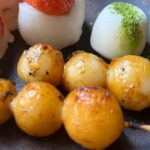
More Dessert Tours in Tokyo

More Tour Reviews in Tokyo
Not for you? Here's more nearby things to do in Tokyo we have reviewed









Tokyo Tea & Sake Experiences, side by side.
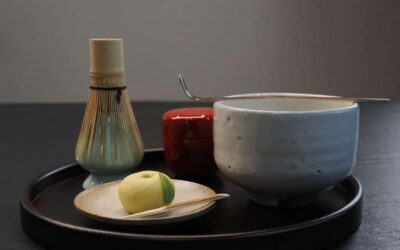 ★ 5.0Traditional Tea Ceremony with a Tea MasterFrom $38528 reviews
 ★ 5.0Sake Tasting Masterclass in Shinjuku (8+ Varieties with a Pro)From $72271 reviews
 ★ 5.0Tea Ceremony Workshop in Tokyo by the Experienced InstrucorFrom $38189 reviews
 ★ 4.9Asakusa: Kimono Tea Ceremony with Matcha and SweetFrom $66153 reviews
 ★ 4.9Tea Ceremony Experience in a Private Tea Room in ShibuyaFrom $30125 reviews
 ★ 4.7Practicing Zen with a Japanese Tea CeremonyFrom $63105 reviews
 ★ 5.0Matcha Kimono Tea Ceremony in TokyoFrom $59104 reviews
 ★ 4.9Tea ceremony experience in Japanese-style room 60minFrom $4586 reviews
This tour also belongs to