
Review · SHIBUYA TOURS
Make Traditional Nerikiri Sweets & Matcha experience in Shibuya
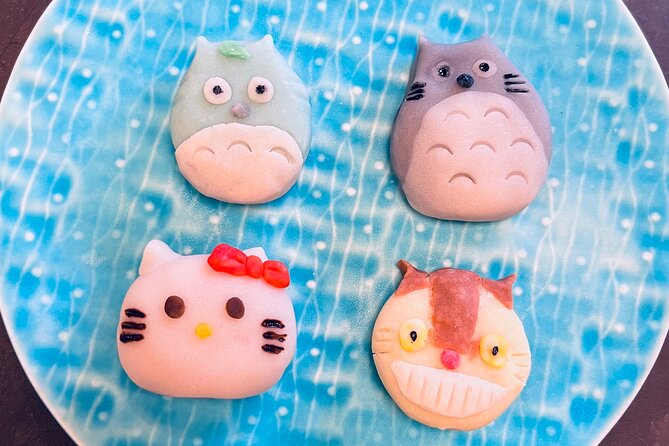
Nerikiri turns dessert into tiny art. In Shibuya’s Harajuku area, you’ll learn to shape traditional wagashi from bean paste, then finish with hot matcha and a neat, table-style tea moment. It’s hands-on, Japanese, and practical, since you can recreate the basic technique later.
Two things I love here are the teaching style and the take-home payoff. Hana sensei is patient and clear, even when your first attempt looks like modern art. And you end up making four sweets total that you can bring home, not just one lucky bite.
One consideration: because this is a small home setup and the class is only about 1 hour 30 minutes, you need to show up ready to focus for a short sprint. If you want a long, slow cooking day, this is still great, just know it’s a compact session.
Key things you’ll notice right away
- Small group size (max 4) means more hands-on help and less waiting around
- Omotesando and Harajuku on foot makes it easy to pair with Shibuya sightseeing
- Three pre-made shapes plus your original design gives you both structure and creativity
- Matcha plus a tea-style tasting adds context, not just sugar
- Four take-home sweets make the price feel more like value than a one-time show
- Hana sensei’s guidance comes through in clear, patient instruction
Nerikiri in Harajuku: why this class feels so Japanese
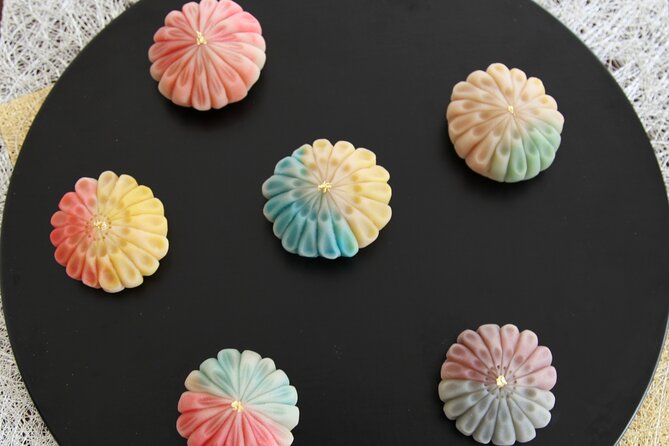
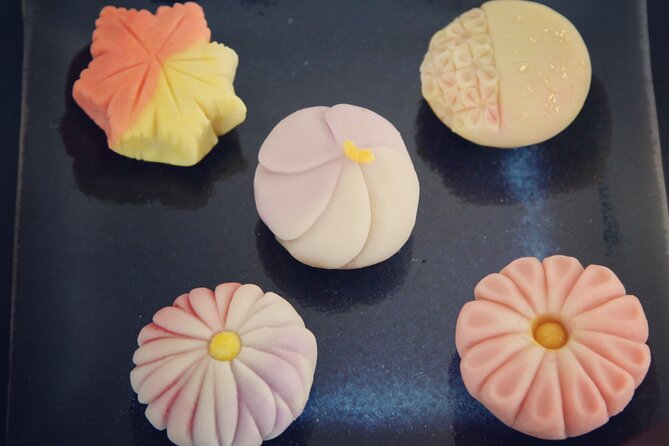
Nerikiri is wagashi made by shaping soft bean paste into crisp-looking designs. Think of it like edible craftsmanship, not “just dessert.” In this class, you get that exact vibe, because the work is precise and the outcome is meant to be admired first.
What makes it especially good for travelers is the balance of art and technique. You’re not only copying a shape. You’re learning how the paste behaves, how to form edges, and how to refine your design so it looks intentional. That’s why it feels cultural in a real way, not just a themed activity for photos.
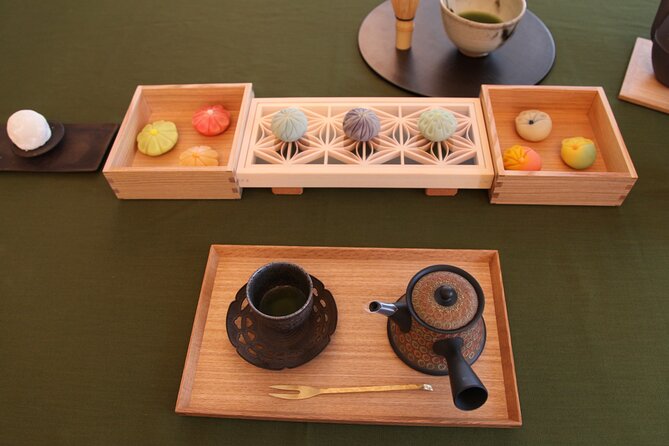
And then you get the other half of the experience, matcha. You’ll enjoy a table-style tea ceremony where the emphasis is on the pairing: matcha with carefully selected Japanese sweets. It’s a gentle lesson in how Japanese sweets are often judged together with taste, texture, and presentation.
More Tokyo tours and experiences for the shortlist


The easy walk-in start: CHUMS Omotesando to a local home
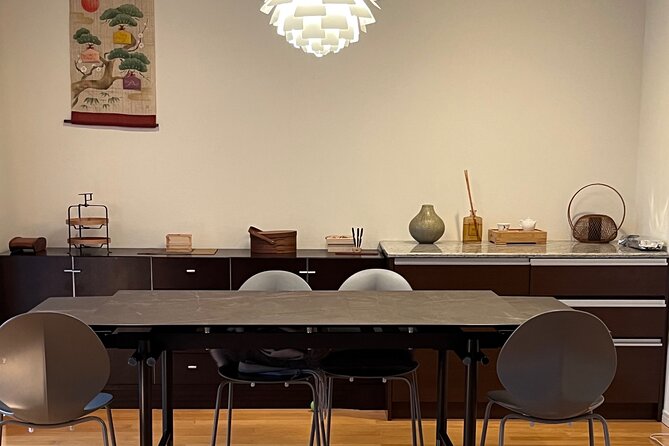
You’ll meet across CHUMS Omotesando, in front of the Brown building. From there it’s about a 30-second walk together to the instructor’s place. The whole setup is close enough to feel low-stress, especially if you’re already planning to wander between Shibuya and Harajuku.
Location matters in Tokyo, and this one is practical. You’re around a 3-minute walk from Omotesando Station, so you’re not spending your class time fighting transit changes. That also helps if you’re doing a busy day itinerary, because you can return to your sightseeing route quickly.
One more small thing that makes the experience smoother is the timing option. Sessions run at 9:00, 13:00, and 15:30. If you start at 9:00, you can still shop and explore after, since many stores open around 11:00. If you start later, you can treat the class like an afternoon reset, then head back out with lighter crowds.
What you actually make: three shapes, then your own nerikiri design
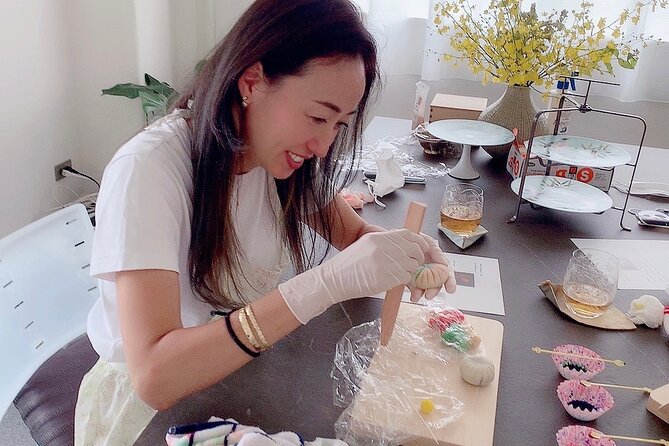
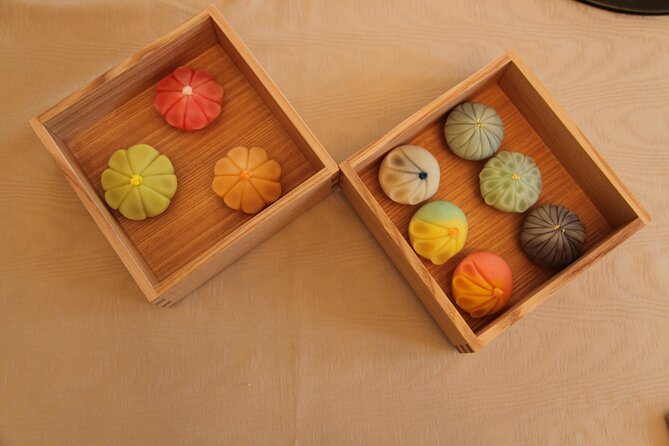
The class begins with design inspiration. You’ll choose from sample designs, then create three different shapes based on those examples. This is a smart way to teach, because it removes the blank-page panic. You get a target, so your hands can learn the technique while your brain stays calm.
Next comes the part you’ll remember: you’ll create an original nerikiri design. You’re still working within the medium of bean paste, sugar, and other ingredients, but you’re now translating your ideas into edible form. That’s where the class becomes fun, even if you think you’re not artistic.
Here’s why I think this structure is such good value. If you’re the type who wants a guaranteed win, the sample shapes get you there. If you’re more creative, the final piece lets you experiment. And because everything you make can be taken home, you aren’t leaving with a “lesson souvenir.” You leave with actual food pieces you created.
You also get to see how small adjustments matter. The difference between a “pretty” design and a “wow” design is often about tiny shaping decisions. The instructor helps you refine your technique so the finished sweets look deliberate, not accidental.
The matcha tea moment: tasting with intent, not just sipping
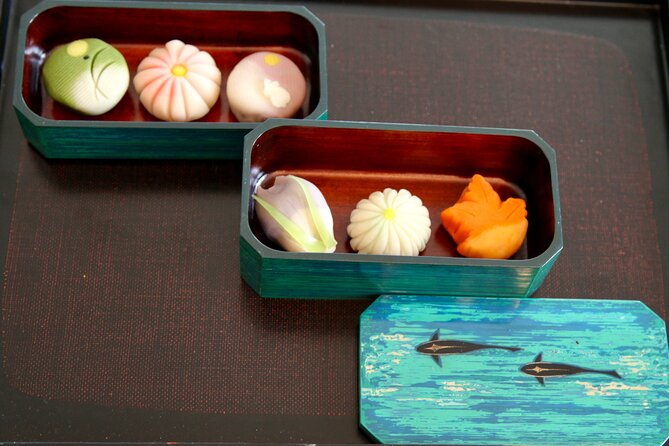
After you finish shaping, you’ll move into the tea part. You’ll enjoy freshly prepared matcha along with Japanese sweets chosen from around Japan. This is where the experience widens from “making” to “understanding.”
The class uses a table-style tea ceremony format, so it’s not the kind of marathon ceremony you’d need a day for. It’s still formal enough to feel special, with a clear sense of order. You get to slow down, taste, and compare flavors instead of rushing to the next station of your Tokyo day.
If you’re curious about Japanese tea culture, this is a good entry point. You learn the basic flow of how matcha and wagashi are presented together, and you can use that knowledge later when you try matcha in cafés or buy sweets in shops.
Also, matcha is not just a drink here. It’s part of the learning. Pairing matters. Bitter-smooth matcha balances sweet, delicate wagashi, and you’ll notice how different sweets change the way the tea tastes in your mouth.
Hana sensei’s teaching style: why the class feels calm
A lot of food classes in Tokyo can be fast, noisy, or overly strict. This one feels different because the instruction is patient and encouraging. Hana sensei is the name you’ll hear again and again in the experience, and the guidance matches that reputation.
You’re dealing with ingredients that need handling, and you’re making something that looks complicated even when it’s not. The trick is learning the sequence: what to do first, when to adjust, and how to shape without overthinking.
In plain terms, she gives you enough structure so you don’t freeze, and enough freedom so you can enjoy the process. If you’ve ever felt clumsy in craft activities, this setup helps you gain confidence quickly. You don’t have to be good at drawing or sculpture to end up with something you’re proud to take home.
One more practical detail: the class is described as suitable for a wide range of ages, from young kids to seniors. That tells you the pacing and teaching are designed to work for different comfort levels, not just for adults.
And if you have dietary needs, the experience states it’s suitable for vegans and vegetarians. That’s important when you’re trying to find Japanese food activities that don’t force you to sit out.






Take-home nerikiri: what to expect when you leave with sweets
The big payoff is that you get to take home everything you make. You’ll create four sweets total, and those pieces are your edible work product, not just a sample you get to look at.
This matters for value because it turns the class into a multi-sensory experience with a real return. You get the learning moment in the kitchen, then you get the satisfaction of eating what you built later. It’s also a great souvenir that doesn’t require packaging you’ll struggle with on the flight.
Practical tip: once you get back to your hotel, treat it like a sweet that wants calm storage. Keep it protected and follow whatever guidance you’re given at the end of the class for how to handle the pieces.
If you’re traveling with family, this is also a win. The kids can show you their design. Older relatives can enjoy the quiet craft part. Everyone gets something to bring home, which reduces the usual travel mismatch where adults want culture and kids want snacks.
Best timing with Shibuya and Harajuku: build your day around the class
Because the workshop is near Omotesando and walkable to Harajuku and Shibuya, you can slot it into almost any itinerary. The experience itself is about 1 hour 30 minutes, so it doesn’t swallow your whole day.
If you want an easy plan, go with a 9:00 start. Many shops open around 11:00, so you can do the workshop early, then spend the middle of the day shopping and wandering. That timing also helps you avoid late-day exhaustion when Tokyo crowds stack up.
After the class, you can head to landmarks nearby in the general direction of your sightseeing list. The area makes it easy to visit Meiji Shrine, Takeshita Street, and Shibuya Crossing afterward. You’ll already be in the right zone, which means less time in transit and more time doing the fun stuff.
A small mindset tip: treat this class as your calm activity. Shibuya can be loud and fast. Nerikiri is the opposite. You shape, you slow down, you focus on small details. That contrast makes the day feel well-balanced.
Price and value: is $60 worth it?
At about $60 per person for roughly 1 hour 30 minutes, the value depends on what you want from the experience.
Here’s what you get for your money: a small-group class, instruction on traditional nerikiri techniques, materials and ingredients, and four sweets you made plus hot matcha with a tea-style tasting of Japanese sweets. You’re also getting a local home visit, which is not a small detail in Tokyo. You’re seeing everyday life, not only a showroom.
If you only want food to eat, you can buy wagashi elsewhere for less. But if you want a real skill plus a take-home outcome, the price starts to make sense fast. You’re paying for guidance, time, and the ingredients, not just the final dessert.
The max group size of four also matters. It’s much easier to learn when the instructor can check what you’re doing and help fix shaping and technique.
In other words, this isn’t just a sugar stop. It’s a craft lesson that ends with something you can actually enjoy later.
Who should book this and who might skip it
This is a great fit if you:
- Want a hands-on Japanese food experience that you can repeat at home in some form
- Like crafts where detail and technique matter
- Want an activity that works for different ages in your group
- Prefer a small-group setting with real guidance
- Are interested in wagashi and matcha culture, not just tasting sweets
You might consider a different activity if:
- You want a very long cooking class or a multi-course meal
- You dislike craft work and mainly want a walking tour
- You need a more casual, stop-and-sample style experience rather than making something from start to finish
Should you book the Nerikiri and Matcha experience in Shibuya?
If you’re the kind of traveler who enjoys doing something with your hands, not just looking, I’d book it. The combination of small-group attention, a clear nerikiri process, and a matcha tea moment makes it feel worth your time even in a packed Tokyo itinerary.
It’s also a smart “first Japan” activity because it teaches a core part of Japanese sweets culture in a manageable chunk. You leave with skill, context, and four edible pieces you made yourself. That trio is the real magic here.
If you’re nearby in Omotesando or Shibuya anyway, this class is the kind of plan that makes Tokyo feel less like a checklist and more like a place you actually experienced.
FAQ
What do I make in the class?
You’ll make traditional nerikiri sweets. The class includes creating three shapes based on sample designs, plus an opportunity to make your own original design. You make four sweets total.
How long is the Nerikiri and matcha experience?
It runs for about 1 hour 30 minutes.
Where do we meet in Shibuya?
You meet across CHUMS Omotesando, in front of the Brown building, then take a short walk together to the instructor’s place.
How far is the meeting point from Omotesando Station?
The activity is described as about a 3-minute walk from Omotesando Station.
What’s included besides the sweets?
You’ll enjoy a table-style tea ceremony with freshly prepared matcha, along with Japanese sweets served with the matcha.
Is this class suitable for vegetarians or vegans?
Yes. The experience states it is suitable for vegans and vegetarians.
Is there a cancellation window for a full refund?
Yes. You can cancel up to 24 hours in advance for a full refund.
More Dessert Tours in Tokyo

More Tour Reviews in Tokyo
Not for you? Here's more nearby things to do in Tokyo we have reviewed












Shibuya Tours, side by side.
 ★ 5.0Official Street Go-Kart in ShibuyaFrom $763,435 reviews
 ★ 4.9Street Kart Experience in ShibuyaFrom $741,484 reviews
 ★ 5.0Shibuya Meltdown Nightlife Tour: All-You-Can-Drink Bar HoppingFrom $1061,058 reviews
 ★ 5.0Shibuya Official Street Go-Kart in Shibuya AnnexFrom $69972 reviews
 ★ 5.0Shibuya Food Tour (13 dishes and 4 Eateries)From $77770 reviews
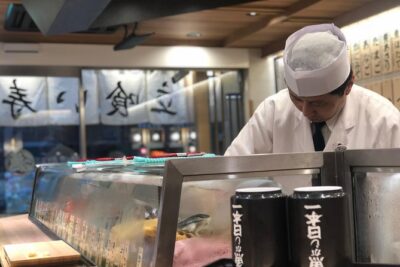 ★ 5.0Best of Shibuya Food TourFrom $217612 reviews
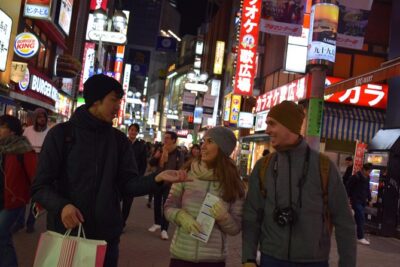 ★ 4.8Shibuya Highlights Walking TourFrom $19601 reviews
 ★ 4.7Premium Go-Kart Tour with Tower & Shibuya CrossingFrom $116528 reviews
This tour also belongs to