
Review · TOKYO CITY TOURS
Tokyo: A Half-Day Trip Bus Tour in the Morning
Tokyo first-timers get their bearings fast. This half-day morning route is a smart way to see three of the city’s most recognizable sights without wrestling with trains or figuring out timing, thanks to an English-speaking, nationally certified guide and an eco-friendly hybrid bus.
I especially like the pacing: you get short, useful photo stops plus enough time to actually look around at each landmark. You’ll also come away with great Tokyo contrasts, from the calm Nijubashi Bridge area to big-city skyline views from Tokyo Tower, then down into the old-street energy of Sensō-ji. The one drawback to plan for is that you do not get inside the Imperial Palace itself, just the outer area and garden views.
Key Highlights You Should Care About
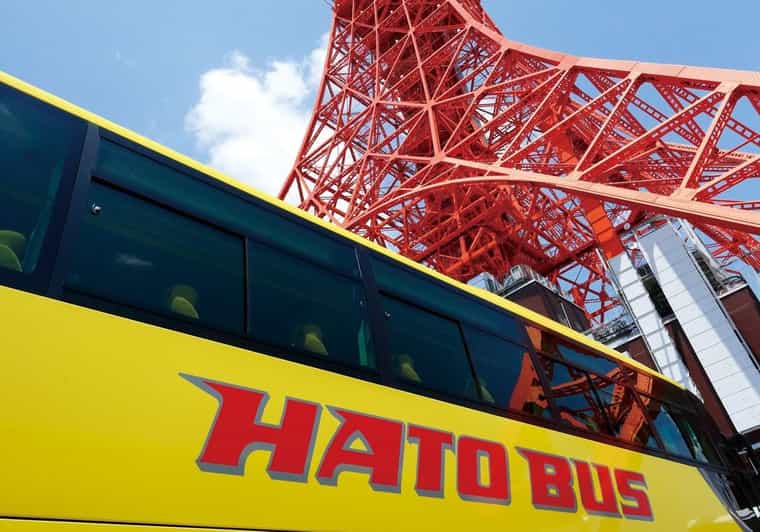
- Hybrid bus morning start that helps you beat the confusion of first-day Tokyo logistics
- Imperial Palace outer area plus Nijubashi Bridge walk, without palace entry
- Tokyo Tower observatory included, with clear-day chances to spot Mount Fuji
- Sensō-ji guided context plus time to roam the Nakamise shopping street
- Highly rated English guide experience, with past guides like Aki, Kumiko, Yuko, Azumi, and Shota described as warm and clear
- Short stop times that add up, so you can cover more in just 4 hours
The Point of This Tour: Three Tokyo Icons, One Easy Morning
This is the kind of tour that works when you want to see the big pictures early. You hit the Imperial Palace outer area, Tokyo Tower, and Sensō-ji in one morning circuit, which is a huge deal in Tokyo where distances and station transfers can eat hours.
The tour runs about 4 hours (270 minutes) and is priced at $40 per person. For value, I like that entrance fees are included, and you’re paying for a guide who helps you interpret what you’re looking at, not just a bus ride between photo stops. If you’re only in Tokyo for a few days, this is a strong “first-day orientation” option.
More Tokyo tours and experiences for the shortlist



How the Hybrid Bus Tour Works From Shinjuku or Tokyo Station
You do not get hotel pickup. Instead, you meet the group at one of the listed starting points, typically either Hato Bus Tokyo office or Hato Bus at Shinjuku Station East Exit, depending on the option you book.
That sounds basic, but it matters: you’ll save time and avoid the long pickup windows that can make tours feel like waiting around. Once on board, the bus is wheelchair accessible, and you’ll ride in a comfort-focused way, including air conditioning (a real plus on hot days).
One small practical heads-up: there are a few steps when boarding and exiting. If mobility is an issue, it is smart to factor that in early so the day stays easy.
Imperial Palace Outer Area: Nijubashi Bridge Views Without the Palace Entry
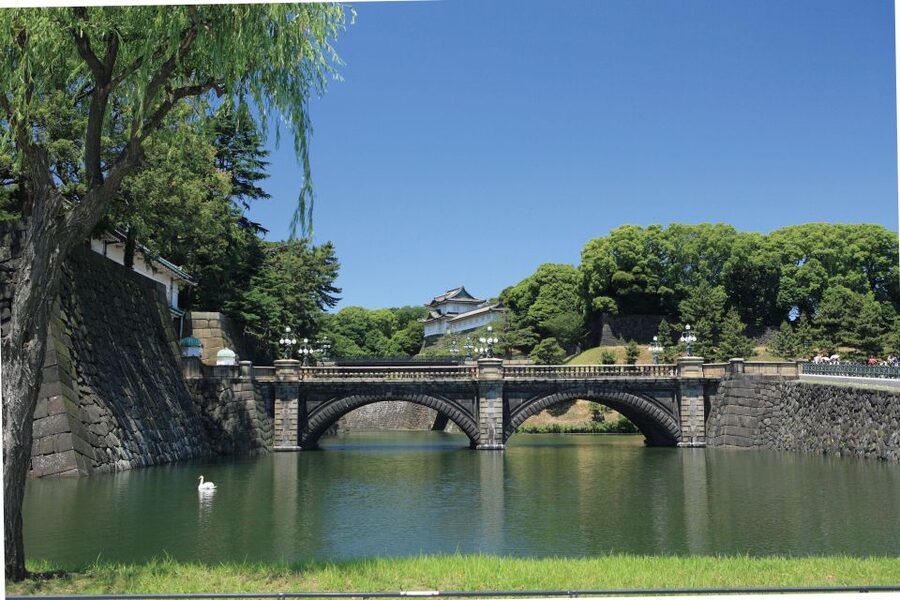
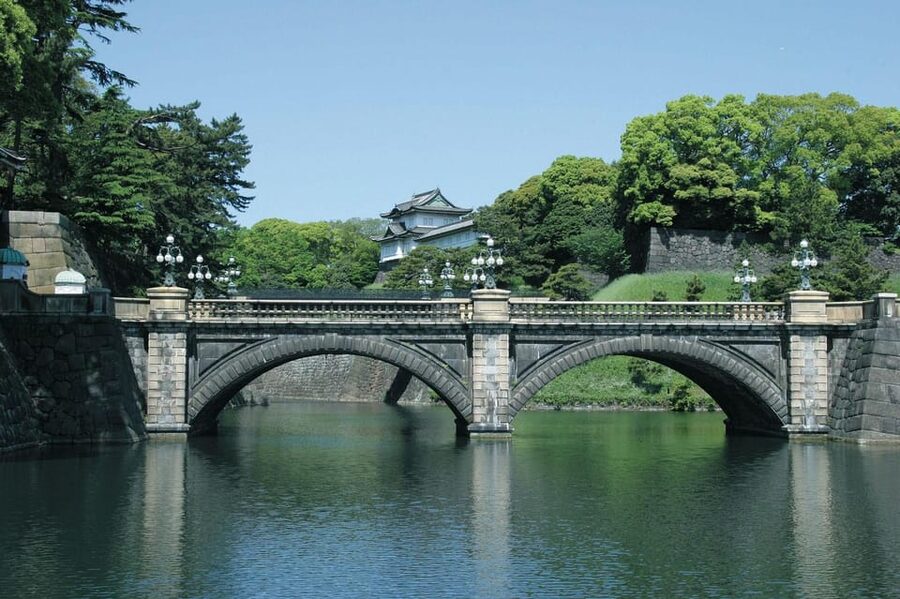
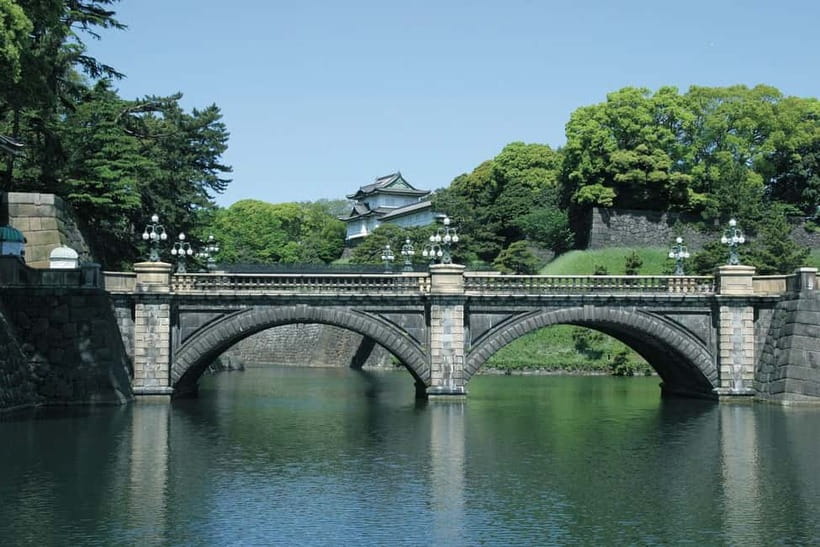
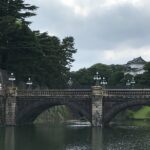
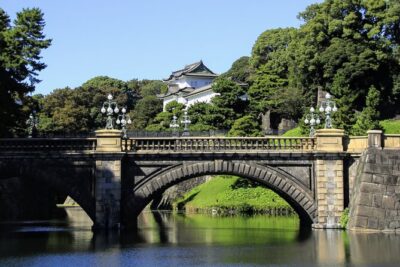
Your first sightseeing stop is the Imperial Palace outer area. You’ll do a photo stop and a walk around Nijubashi Bridge, with time to see key surroundings even though entry into the Imperial Palace itself is not permitted. You’ll also view the statue of Masashige Kusunoki, which is a meaningful stop for history-minded visitors.
What I like here is the balance. Tokyo Tower and Sensō-ji are about scale and motion, but this start is about formality and space. Even without palace entry, you still get the feel of the imperial grounds and the elegant urban design around them.
If you were hoping for interior palace access, adjust your expectations before you go. The tour also notes that East Gardens of the Imperial Palace are not included, so don’t count on additional garden wandering beyond the outer area.
Tokyo Tower at 150 Meters: City Views That Feel Like Tokyo
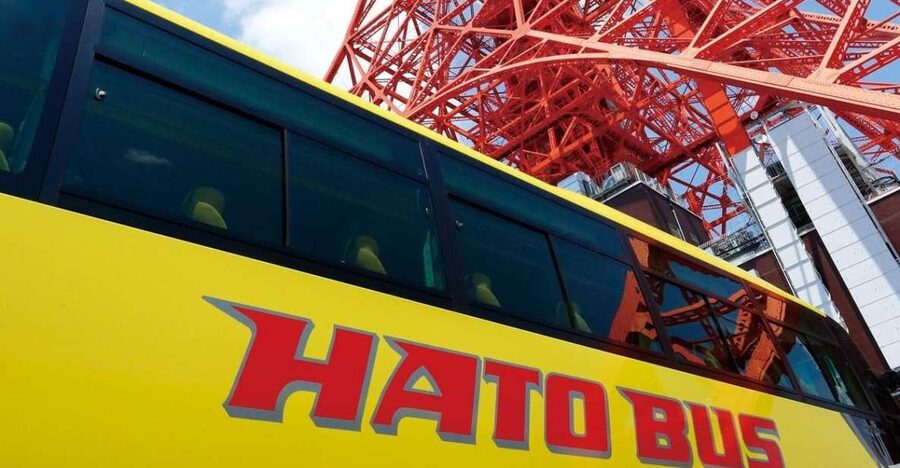
Next up is Tokyo Tower, one of those landmarks you recognize instantly, even if you’ve only seen it on photos. You’ll visit the main observatory, 150 meters above the ground, and you’ll have time for sightseeing and some photo-taking.
Here’s the real reason this stop is worth scheduling early: the view is the kind of thing you carry with you all day. Looking over Tokyo from Tokyo Tower helps every later neighborhood feel more connected, because you start to understand where places sit in relation to each other.
Weather will decide the highlight. The tour says you can spot Mount Fuji if the weather is clear, so if skies look promising, bring your phone charged and your patience ready for viewing shifts as the light changes.
Sensō-ji and Nakamise: Old Tokyo in One Walk
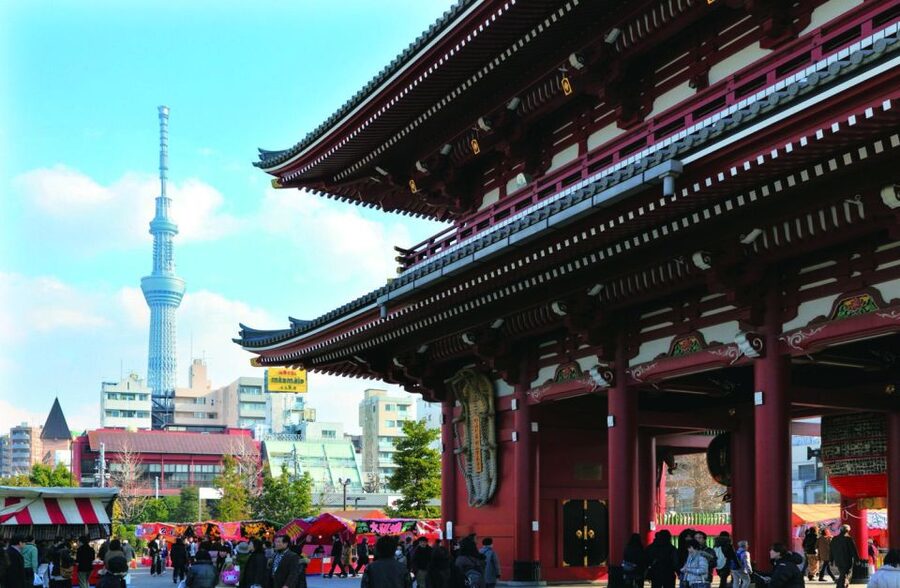
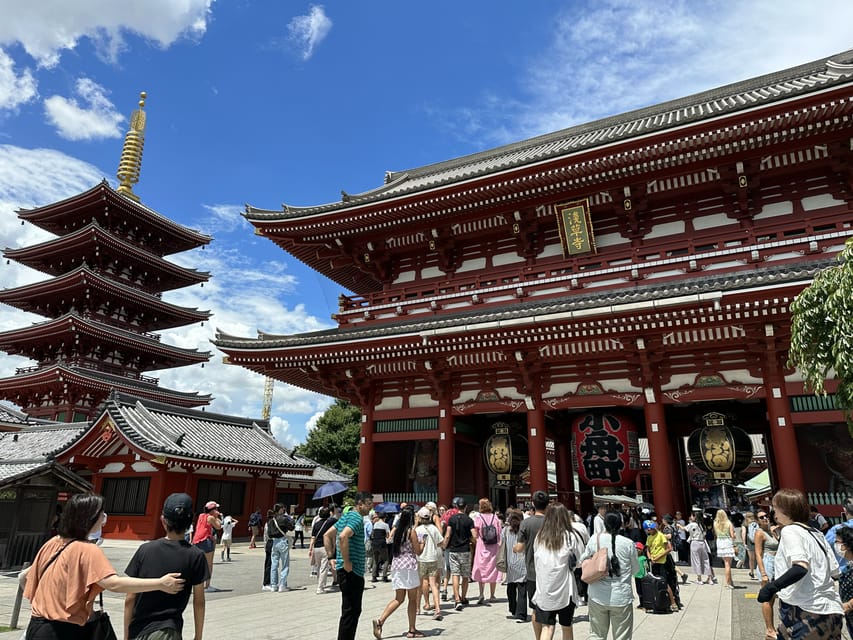
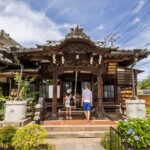
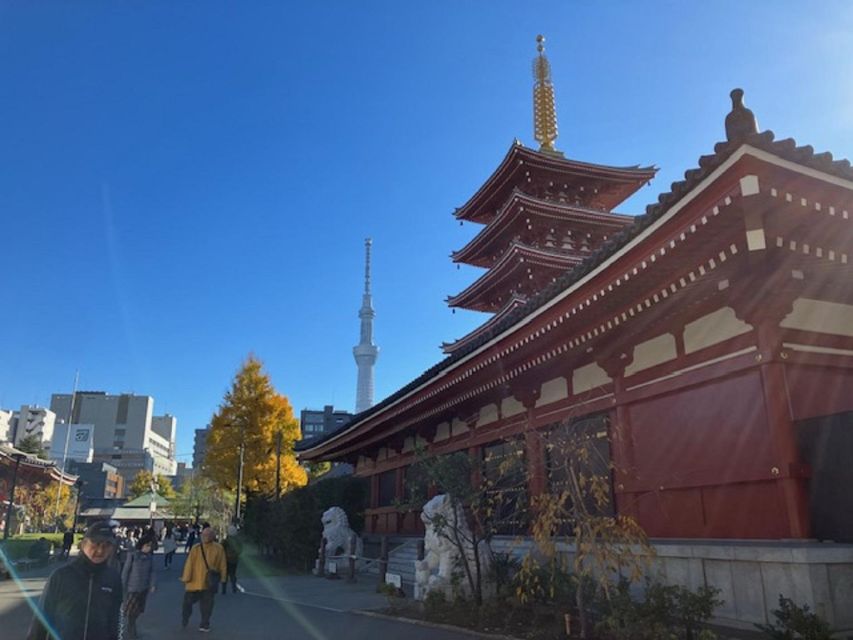
Sensō-ji, also known as Asakusa Kannon Temple, is the oldest temple in Tokyo. On this stop, you get a guided tour plus time to explore on your own, with a photo stop and room to move at your pace.
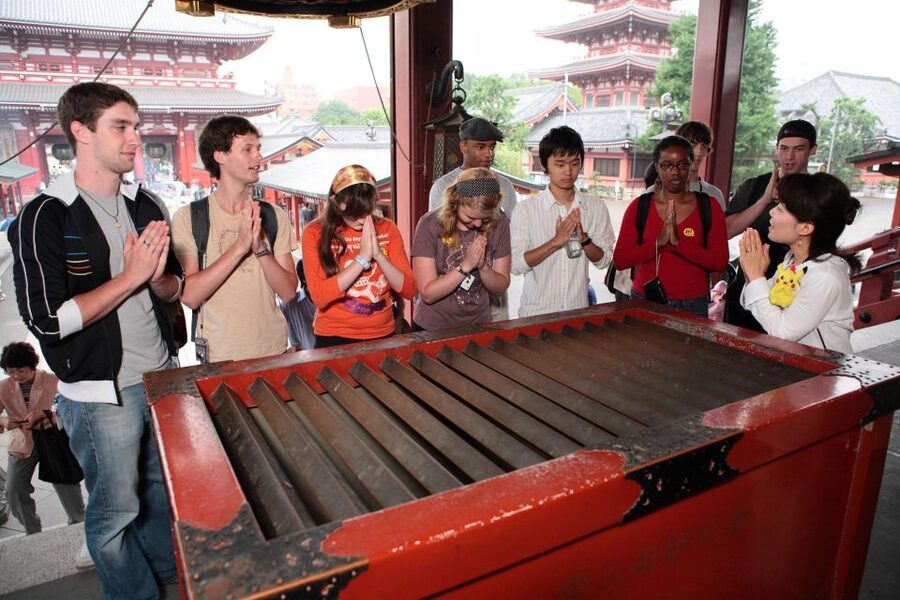
This is where Tokyo slows down in the best way. Sensō-ji is not just a building, it’s an atmosphere, and the guide’s commentary helps you understand what you’re seeing, including details about the temple’s age and craftsmanship. One of the most repeated praises in the tour experience is that guides explain the differences in how people approach worship here, including how it connects to Shinto and Buddhism themes.
After the guided portion, you’ll have time to wander Nakamise, a roughly 200-meter-long traditional shopping street. This is the practical part of the tour: you can shop for souvenirs, snack along the way, and decide what you want to eat without a scripted schedule. The market can lean toward cash-friendly purchases, so it helps to have some yen ready.
More Tokyo tours and experiences for the shortlist

Timing and Pacing: Why Short Stops Work Here
A common fear with “see a lot” tours is that everything feels rushed. This one is built around short, structured blocks of time that still leave breathing room.
- Imperial Palace outer area gives you time for a walk around Nijubashi Bridge plus a look at key points.
- Tokyo Tower balances visiting the observatory with time to soak in views.
- Sensō-ji is the longest stop, with guidance and then independent time for shopping and photos.
In other words, the day isn’t just transportation. Each stop has a purpose, and the free time is placed where it makes sense, especially at Nakamise where you can decide what you want to do with your senses.
Guide Quality Is the Difference Maker
With tours, the bus gets you there. The guide helps you understand why it matters. This experience places a lot of weight on the guide, and the English commentary is a core part of the value.
I’ve seen several guide styles associated with this route, including names like Aki, Kumiko, Yuko, Azumi, Kioko, Shota, Makoto, and Kiki. Past groups describe guides as patient, funny, and accommodating, and many mention clear instructions and lots of context for what you see, especially at Sensō-ji and during the Imperial Palace area walk.
Some guides also add light cultural bits during the bus ride, like teaching a few Japanese phrases or showing how kimono and obi are put together. That kind of extras is not the main reason to book, but it makes the morning more memorable, and it helps you feel like you’re traveling with someone who wants you to get something out of the stops.
Comfort, Crowds, and What to Do With Them
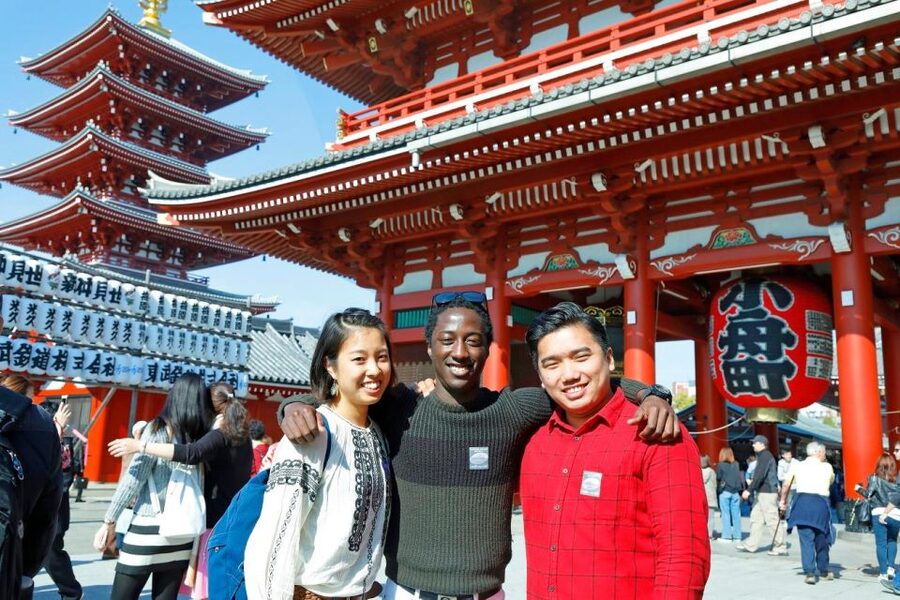
Tokyo crowds are real, especially at Sensō-ji. The good news is that this tour’s plan is designed for crowd conditions, with a guide to keep the group oriented and short stop times that avoid turning into all-day waiting.
Still, you should plan your own strategy for the temple area:
- Wear shoes you can walk in on uneven ground.
- Keep your camera ready for photo moments during the guided segments.
- If you want the best shopping and snack flow, Nakamise is where it will feel most busy, so expect shoulder-to-shoulder movement.
On hot days, the bus comfort helps. The tour includes an air-conditioned hybrid bus, and guides have been described as patient even when temperatures soar.
What You Get, What You Don’t
Included features that matter:
- Professional licensed English-speaking tour guide
- Imperial Palace outer garden area and Nijubashi Bridge
- Sensō-ji / Asakusa Kannon Temple
- Tokyo Tower main observatory
- All entrance fees
- Hybrid bus transport, with wheelchair accessibility
Not included:
- Hotel pickup and drop-off
- Imperial Palace inner entry (you stay in the outer area only)
- East Gardens are not included
So this is best thought of as an organized sightseeing sampler with interpretation, not a deep-dive historical day or a palace-entry experience.
Who This Tour Is Best For
This tour is a great fit if:
- You want a first-day introduction to Tokyo’s layout through three iconic anchors
- You prefer English guidance so you spend less time guessing at landmarks
- You have limited time and want a structured route that avoids too many transfers
- You want a comfortable morning with an air-conditioned bus
It is less ideal if:
- You specifically want to enter the Imperial Palace grounds or East Gardens
- You hate group schedules and prefer wandering freely the whole time
For families, it’s also worth noting that children under 6 travel free, though seats are not provided, so you’ll want to consider how your group manages that.
Tips to Make Your Morning Smoother
A few small choices can make a big difference:
- Bring some cash for Nakamise snacks and souvenirs, as purchases can be cash-favored.
- If clear weather is likely, aim to be ready for Tokyo Tower views by keeping your camera accessible.
- Expect steps when boarding and exiting the bus.
- Keep your day light: this is a tour with walking at several stops, including the Nijubashi Bridge area and Sensō-ji surroundings.
Also, double-check your exact meeting and return point in your booking details. The tour is designed to conclude at the starting point, but the most dependable plan is to confirm the exact stop shown for your option.
Should You Book This Morning Half-Day Bus Tour?
If you’re weighing this against DIY plans, I’d lean toward booking when you value structure and interpretation. For $40 and about 4 hours, you’re getting three major sights with entrance fees included, plus the kind of guide support that helps you understand what you’re looking at instead of just collecting photos.
I would especially recommend it for first-time visitors, people with tight schedules, and anyone who doesn’t want Tokyo logistics to steal their energy on day one. Just go in knowing the Imperial Palace part is outer-area viewing, not interior entry, and you’ll enjoy the morning much more.
FAQ
Is hotel pickup included?
No. You meet the group at the designated meeting point, either Hato Bus Tokyo office or Hato Bus Shinjuku Station East Exit, depending on your booking option.
What places does the tour include?
You visit the Imperial Palace outer area around Nijubashi Bridge, Tokyo Tower, and Sensō-ji (Asakusa Kannon Temple), with time for photos and sightseeing at each stop.
Can I enter the Imperial Palace buildings?
No. The tour includes viewing the historic outer gardens and surroundings, but entry into the Imperial Palace itself is not permitted.
How long is the tour?
The tour runs about 4 hours, listed as 270 minutes.
Is the guide available in English?
Yes. The tour is conducted in English with an English-speaking guide.
Are entrance fees included?
Yes. The tour includes entrance fees for the included attractions.
Where does the tour start and end?
The meeting point can vary by option booked. The tour is designed to conclude at the original starting point, but check your confirmation for your exact return stop.
Is this tour wheelchair accessible?
Yes, the tour is wheelchair accessible.
FAQ
What is the cancellation policy?
Free cancellation is available up to 24 hours in advance for a full refund.
Can I reserve now and pay later?
Yes. The tour offers a reserve now and pay later option.
More Morning in Tokyo

More Tours in Tokyo





More Tour Reviews in Tokyo


Not for you? Here's more nearby things to do in Tokyo we have reviewed












Tokyo City Tours, side by side.
 ★ 5.01-Day Tokyo Bus TourFrom $12914,250 reviews
 ★ 4.5TOKYO SKYTREE® Admission ticketFrom $1311,192 reviews
 ★ 4.6teamLab Planets TOKYO Digital Art Museum Entry TicketFrom $259,779 reviews
 ★ 4.0Mt Fuji & Hakone Cruise, Drum Show Bullet Train 1 Day from TokyoFrom $1497,413 reviews
 ★ 5.0Shinjuku Food Tour (13 Dishes at 4 Local Eateries)From $866,603 reviews
 ★ 4.4Tokyo Mt Fuji 5th St & Hakone Cruise Bus Tour w/Bullet TrainFrom $1545,024 reviews
 ★ 5.0Flagship 2-Hours Official Street Go-Kart Tour – Tokyo Bay ShopFrom $644,974 reviews
 ★ 4.5From Tokyo: Mount Fuji Full-Day Sightseeing TripFrom $684,970 reviews
This tour also belongs to