
Review · TOURS
From Osaka: Kyoto & Nara Highlights Day Tour (7 attractions)
Kyoto and Nara in one packed day. What makes this outing special is the 7-stop route that hits the classic hits without you having to plan trains or transfers. I especially like how the guides, including Jeon, Min, Jo, and Tae Hyun, help you read each site instead of just rushing past it.
I also like the way the day builds in real breaks, like time to wander Uji on your own and opportunities to linger at viewpoints when crowds allow. One possible drawback is that this can feel time-pressured at the biggest places, especially on busy days when you might not see every interior area the way you want.
Key Things to Know Before You Go
- Small-group energy on a minivan, which keeps the day feeling organized instead of chaotic
- Two-guide languages available, English and Korean, so you can actually follow the story
- Nara Park deer time is part of the morning flow, with plenty of chances to watch and feed
- Lantern-lit atmosphere at Kasugataisha gives you a slower, more spiritual pace
- Uji Omotesando lunch on your own means you can eat what you like, including matcha treats
- Kiyomizu-dera terrace views are the payoff end-of-day moment, weather permitting
Efficient Kyoto and Nara Coverage Without the Transit Headache

This is the kind of day trip I recommend when you want Kyoto and Nara highlights but don’t want to spend your morning figuring out buses, platforms, and connections. You start in Osaka and get transported between spots with a guide watching the timing. That matters because Kyoto and Nara are popular, and you can lose a lot of time to route planning.
The tour also has a clear rhythm: first you set the spiritual mood in Nara, then you shift to Kyoto’s temple views and shrine scenery. I like that the route covers both Buddhism and Shinto, so the day feels like a cultural map of Japan rather than a checklist.
The value part is simple: you pay for transportation plus an English or Korean guide, and then you budget separately for meals and admissions. For many people, that’s the sweet spot between cost and convenience.
You can also read our reviews of more tours and experiences in Tokyo.



Morning Logistics: Where to Meet and How to Start Smoothly
The tour meets in front of Tsurutontan Soemoncho, and you should be there by 07:50 AM for an 8:00 AM departure. Getting there early makes a difference because the day is tight and the guide needs everyone accounted for before rolling out.
You also get a heads-up that the schedule can shift. Japanese law limits vehicle operating time to 10 hours, so timing can be adjusted, and the itinerary can change due to traffic and weather. I treat that as normal here. If rain hits, it usually means different pacing, not a canceled vibe.
Finally, this tour is stroller-friendly, but it is not wheelchair-accessible. If you’re traveling with a baby stroller, just let the operator know so they can plan the flow better.
Nara Park and Todaiji: Deer Encounters and a Giant Buddha Moment
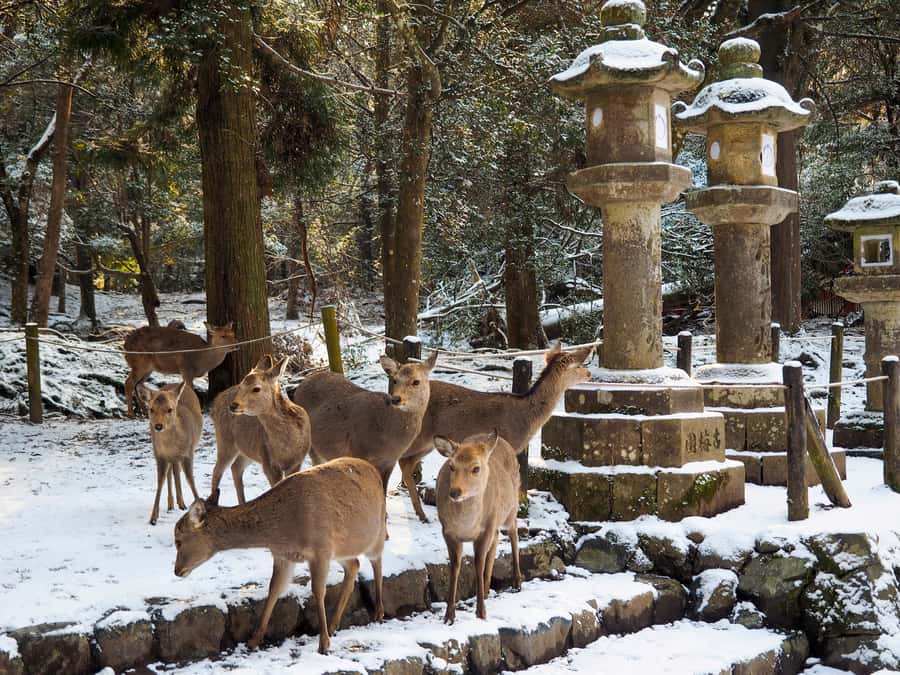
The day’s first major hit is Nara Park, where hundreds of deer roam freely. This is one of those experiences that feels instantly memorable, because it’s not a staged attraction. You’ll get time to interact, and many people enjoy feeding them while watching how calm the park atmosphere is.
A practical note: the deer are bold, so keep your snack habits smart. If you carry food, hold it securely and avoid waving it around like a movie scene. Also keep an eye on kids, since deer can get curious fast in crowded areas.
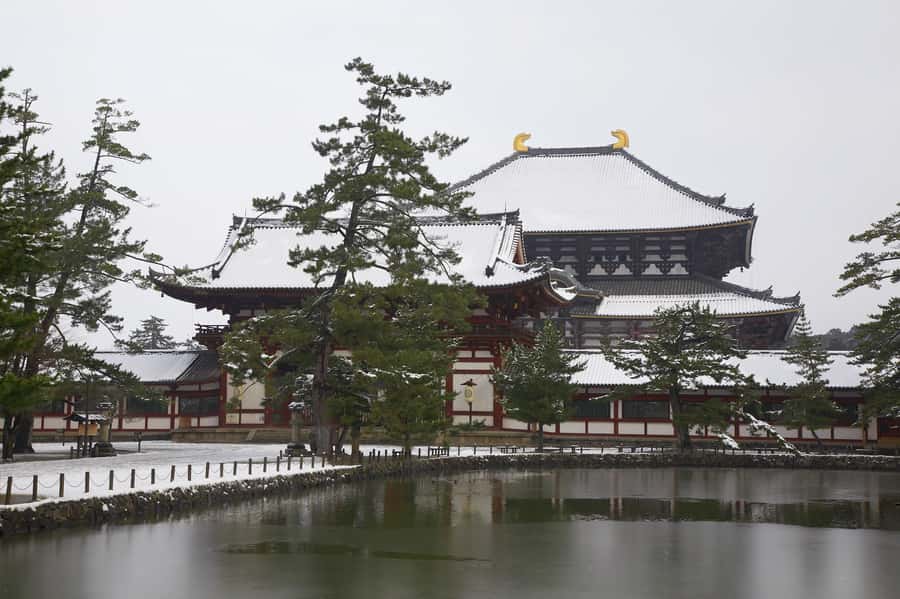
Next comes Todaiji Temple, home to the Great Buddha. Even if you’ve seen Buddha images before, seeing it in person inside a huge wooden hall hits differently. You get the feeling of scale right away, and the guide helps you understand what you’re looking at, not just that it’s famous.
If you prefer photography, you’ll want to be ready at this stop. The hall and the routes through it can get crowded, and the best angles often depend on where the flow of visitors moves.
Kasugataisha Shrine: Lantern Paths That Slow Your Pace
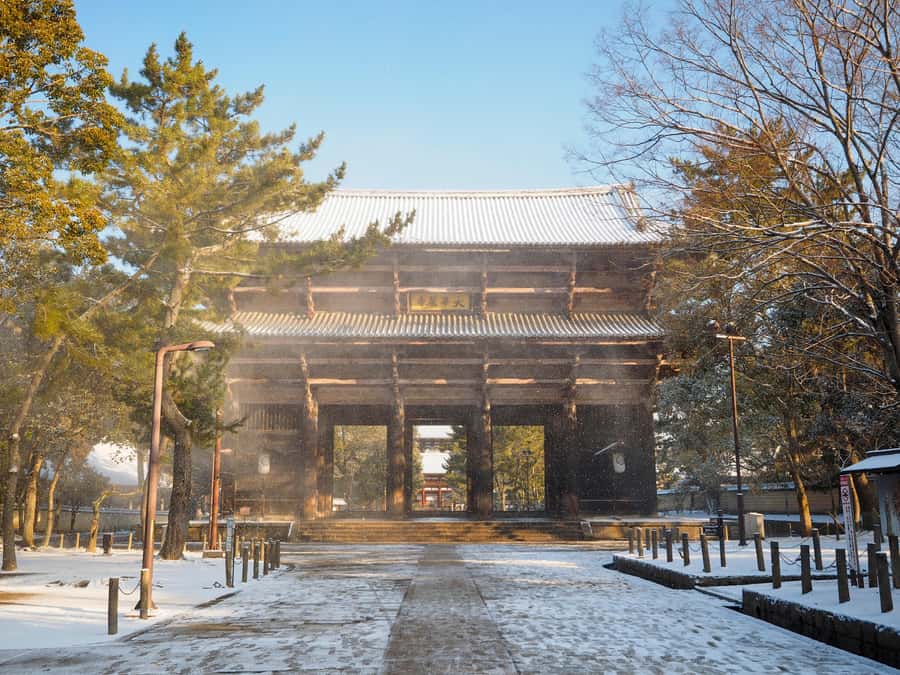
After Todaiji, you shift into a more atmospheric stop at Kasugataisha Shrine. This is where the tour earns its emotional points. The shrine is known for hundreds of stone and bronze lanterns, and walking the pathways creates a quieter, more reflective mood than the bigger crowds at some of the other landmarks.
This is also a good place to slow down and actually look. Lanterns are not just decoration here. They connect with the sacred feel of the place, and once you notice the repetition and placement, the whole route starts to make sense.
If you like spiritual architecture and symbolism, this stop tends to be a favorite. It’s also a nice counterbalance when you’ve already walked through big, high-energy sites.
Uji Omotesando and Byodoin Temple: The Tea Town Break
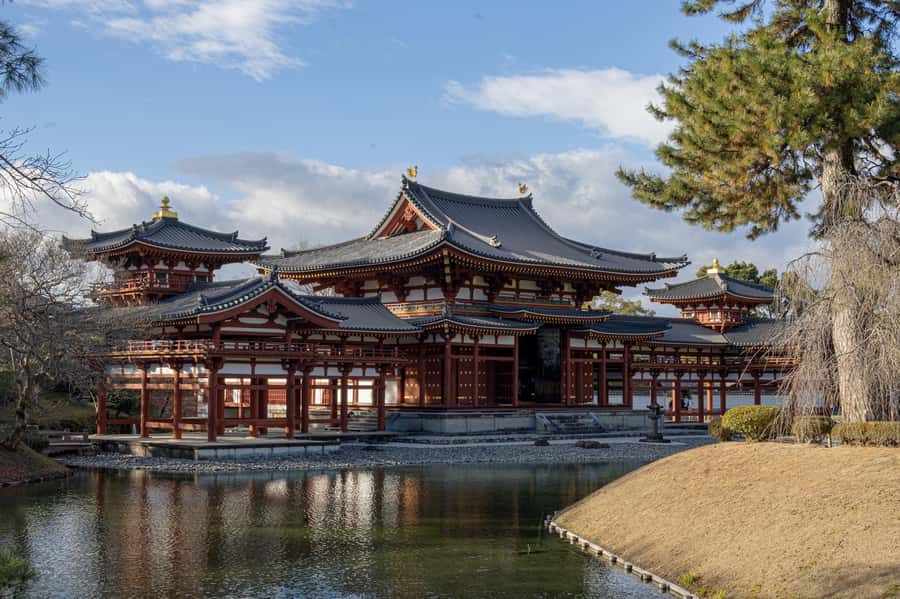
By midday, you’ll reach Byodoin Temple, the Buddhist site famous for its Golden Phoenix Hall and the image used on Japan’s 10-yen coin. The building and pond setting create a strong postcard look, and the guide can help you appreciate why this particular scene became an icon.
From there, the tour heads to Uji Omotesando, a traditional street lined with tea houses. This is where lunch happens, and the best part is that it’s at your own expense, so you can choose what you’ll actually enjoy. Some guides have been known to recommend spots and steer people toward good options, and Uji is especially good for matcha treats.
From the descriptions people shared later, you might run into choices like udon in Uji, fried rice options, and even duck burger style meals. I’d treat this as a flexible lunch zone, not a single assigned meal. That way you can adapt if the line at one place is too long.
Timing matters here. If you’re the type who likes wandering before you eat, go early in the allotted window. If you just want food fast, pick a place with a queue that moves.




Fushimi Inari Taisha: Torii Gates and the Mount Inari Walk
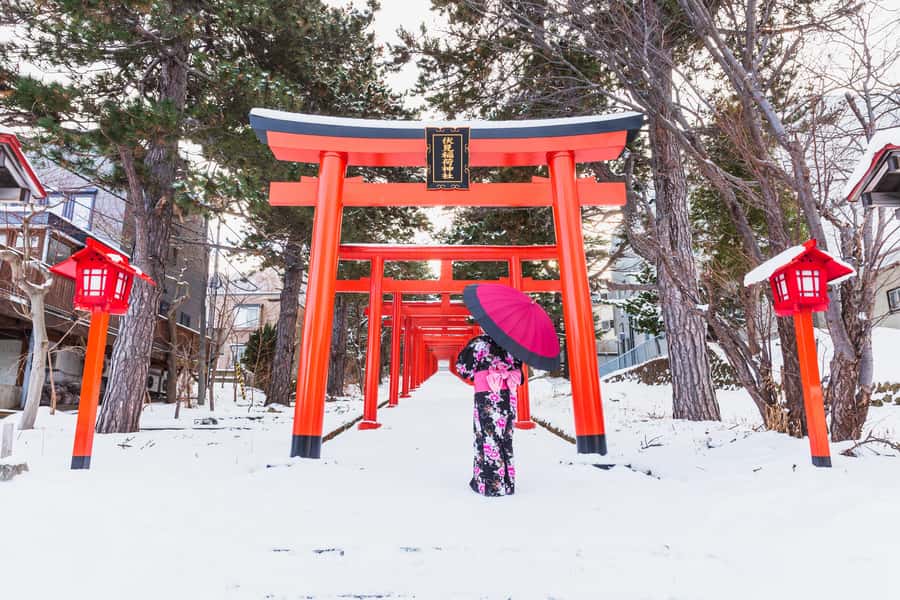
The iconic finale before Kyoto’s big temple view is Fushimi Inari Taisha. This shrine is famous for thousands of vermilion torii gates winding up Mount Inari, and walking into the tunnels of gates creates a surreal feeling.
This stop is popular, so expect crowds. But the crowd behavior matters less when you’re moving through the torii pathways because you can still find your own angle as you go. The deeper you walk, the more the gates start to feel like a corridor.
One thing to keep in mind: you might not see every small detail if you try to reach the farthest points immediately. If your priority is atmosphere and photos, you can choose your own turnaround spot. If your priority is the whole hike experience, bring comfortable shoes and accept that you’ll be walking more than at most temple stops.
Kiyomizu-dera: Panoramic Terrace Views and UNESCO-Level Drama
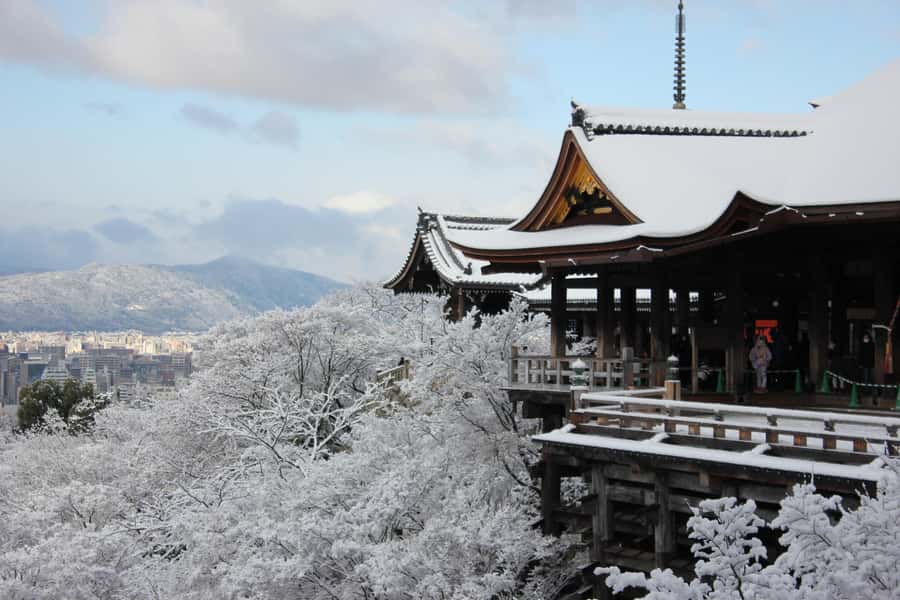
The tour ends at Kiyomizu-dera, a UNESCO World Heritage site known for its grand wooden stage. The real payoff is the panoramic view over Kyoto from the temple area. If you’re traveling in spring or autumn, the surroundings can look stunning, including cherry blossoms or maple colors depending on the season.
This is a classic Kyoto scene for a reason. The architecture, the elevated layout, and the view line up into one strong moment. And if the weather is cooperating, this is the place where your day-trip pictures will look most dramatic.
The practical caution is crowd management again. Kiyomizu-dera can be full, so it helps to set expectations. You may need to pick the priorities you care about most, stage views, main halls area, or slower walking around the grounds.
What the Tour Price Covers, and Where You’ll Spend Extra
At about $53 per person, the big value is what’s included: transportation and an English or Korean guide. For day trips that cover Kyoto plus Nara from Osaka, that’s a competitive deal, especially if you’d otherwise pay for multiple legs of local transit and spend time figuring it out.
What is not included is also clear. Meals are on you, and admission fees and activity charges are not included. So I suggest you carry some cash or a card you can use for entry fees, snacks, and lunch.
One more cost-related tip: if you plan to buy snacks or matcha at Uji, set aside a small buffer. These streets are built for visitors, so prices can be higher than what you’d pay for groceries back in Osaka.
How Guides Actually Make the Day Better
The strongest theme in the experience is the guide factor. People have praised guides like Jeon, Min, Jo, and Tae Hyun for being friendly, attentive, and patient. In practical terms, that means you spend less time confused, and you get better context once you’re standing in front of something old and important.
Some guides also help with photo timing and even share pictures at the end of the tour. That’s a small thing, but it can save you from doing group photos the hard way at crowded stops.
If you’re a slower walker or traveling with a baby or family group, guides have been described as accommodating. Still, this is a full-day itinerary with a lot of walking. If you have mobility needs, plan for slower pacing at each stop and ask the guide where crowds are easiest to navigate.
Crowd Reality and How to Avoid Feeling Like It’s a Marathon
One caution shows up clearly in the downside: at peak times, the day can feel like a race from place to place. That happens when popular sites get packed and your visit windows get squeezed.
You can reduce the feeling by choosing your priorities early:
- If you want the best photos, arrive ready to shoot quickly at the main viewpoints, then relax.
- If you care about history details, ask the guide questions when you have space, not at the exact moment everyone turns.
- If you love wandering, use the open areas at Nara Park and Uji Omotesando as your breathing spaces.
Also, bring a light rain layer if you travel outside the dry season. Weather can affect comfort and walking routes, and the tour does mention adjustments for conditions.
Who This Day Tour Is Perfect For
I think this tour fits best if you want a guided, high-visibility day that still leaves room for personal exploring. It’s a great choice for first-timers who want the “you should see this” Kyoto and Nara highlights, and it also works for families because it’s structured and includes lots of iconic stops.
It’s less ideal if you strongly dislike crowds or if you need lots of free time inside temple halls. Then a more flexible plan, with fewer stops, might feel calmer.
If you care about convenience, the pickup timing, included transportation, and multi-language guide are major wins. If you care about value, the $53 price makes sense once you factor in guide time plus getting to spots that are far apart.
Should You Book This Kyoto and Nara Highlights Day Tour?
Book it if you want maximum iconic sights in one day with a guide who helps you understand what you’re seeing. It’s especially worth it if you’re starting from Osaka and you’d rather avoid the friction of planning and transfers.
Skip it or consider a different style of tour if you know you get stressed by crowds and tight schedules. This itinerary is popular, and while the guide can help you move smart, you still need to choose what matters most to you.
If you go in with flexible expectations and comfortable shoes, you’ll come away with real Kyoto and Nara memories, from the torii gate tunnels at Fushimi Inari to the terrace views at Kiyomizu-dera.
FAQ
What time does the tour start, and where do I meet?
You should be in front of Tsurutontan Soemoncho before 07:50 AM, and the tour departs at 8:00 AM.
What are the main stops included in the tour?
The tour includes Nara Park, Todaiji Temple, Kasugataisha Shrine, Byodoin Temple, Uji Omotesando, Fushimi Inari Taisha, and Kiyomizu-dera.
Is transportation included in the price?
Yes. Transportation is included, and the tour returns back to the meeting point at the end.
Are meals included?
No. Meals are not included, so lunch and snacks are at your own expense.
Are admission fees included?
No. Admission fees and activity charges are not included.
What languages are the guides?
The guide provides English and Korean support.
Is the tour wheelchair accessible or stroller-friendly?
The tour is not wheelchair-accessible, but it is stroller-friendly. If you bring a stroller, you should inform the operator in advance.
FAQ
Can I pay later and reserve without paying today?
Yes. The listing offers reserve and pay later, so you can book your spot and pay nothing today.
What is the cancellation policy?
You can cancel up to 24 hours in advance for a full refund.
More Tours in Tokyo
More Tour Reviews in Tokyo
Not for you? Here's more nearby things to do in Tokyo we have reviewed





Tours, side by side.
 ★ 5.0Mt Fuji and Hakone 1-Day Bus Tour Return by Bullet TrainFrom $16326,383 reviews
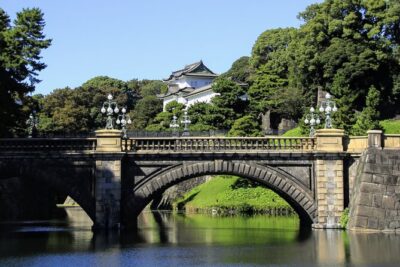 ★ 5.01-Day Tokyo Bus TourFrom $12914,250 reviews
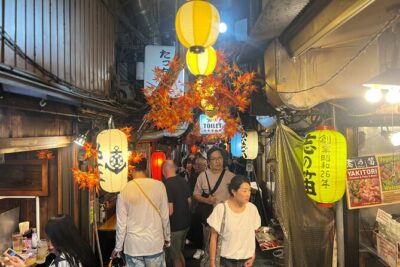 ★ 5.0Shinjuku Food Tour (13 Dishes at 4 Local Eateries)From $866,603 reviews
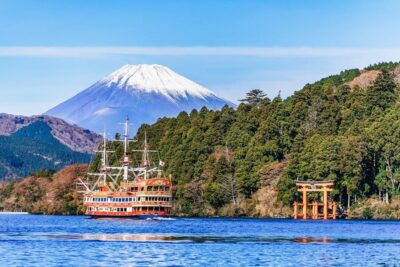 ★ 4.4Tokyo Mt Fuji 5th St & Hakone Cruise Bus Tour w/Bullet TrainFrom $1545,024 reviews
 ★ 5.0Flagship 2-Hours Official Street Go-Kart Tour – Tokyo Bay ShopFrom $644,974 reviews
 ★ 4.7Mt. Fuji Tour, Hakone Ropeway, Owakudani, Lake AshiFrom $544,002 reviews
 ★ 5.0Tokyo 6hr Private Tour with Government-Licensed GuideFrom $1553,902 reviews
 ★ 5.0Tokyo Bar Hopping Tour in Shinjuku (All-You-Can-Drink + Dinner)From $1063,587 reviews