
Review · TOKYO CITY TOURS
Tokyo: Private Shinto Shrines Tour by Car with Local Guide
Tokyo’s shrines feel like a reset button. This private half-day route strings together four of Tokyo’s most revered Shinto sites, then adds the practical comfort of a car and hotel pickup so you can focus on the spiritual atmosphere instead of logistics. It is also a great way to learn what each shrine is known for, not just take photos.
I especially like that the tour targets different themes at each stop, from love and fortune to business protection. I also like the goshuin angle, because your guide helps you collect the sacred stamps as a real keepsake, not just a casual souvenir. One drawback to plan around: lunch is not included, so you’ll want to eat before you start or build time after you return.
Key things to know before you go
- Four shrines in about half a day so you get variety without burning a whole day
- Private car with hotel pickup and drop-off for a smoother start and finish
- Love, success, and fortune themes tied to each shrine
- English-speaking guide who explains proper prayer etiquette so you feel confident
- Goshuin (sacred stamp) collection assistance to help you bring home more than memories
- Optional Koami Jinja stop if time allows, known for protection after disasters
A half-day that balances comfort and spiritual focus
This tour is built for people who want meaning, but also want their day to run on time. You start with hotel pickup, ride in an air-conditioned vehicle, and cover multiple shrine neighborhoods without the hassle of transfers. That matters in Tokyo, where moving across districts can eat up your energy.
The schedule is also tight in a smart way: you visit four shrines, each with a different reputation. You can think of it as a guided sampler of Tokyo Shinto culture, with time to pause at each site for the ritual flow. If you’ve been to shrine gift shops but never really understood what people come to pray for, this is a fast on-ramp.
Group size is capped at up to three per group, which keeps the experience personal. And because it is private, you can adjust the pace to how long you want to linger at each place. I like that the guide is there to explain what you are seeing and what to do, so you do not spend the whole day guessing.
You can also read our reviews of more guided tours in Tokyo

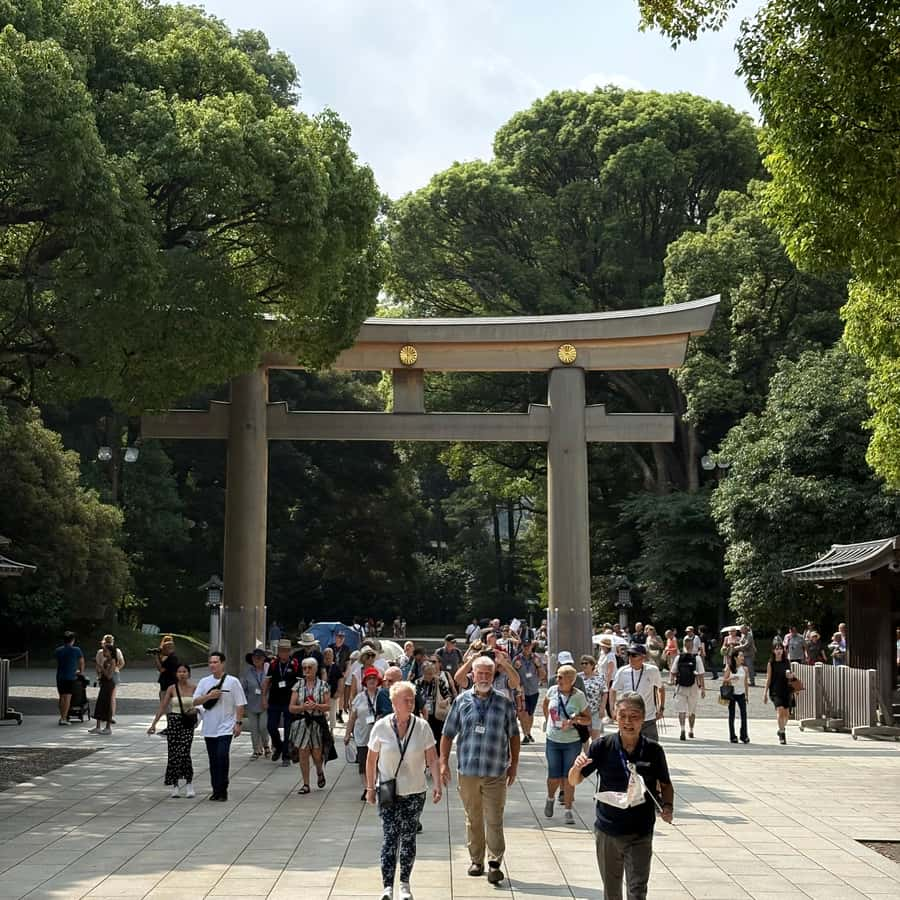
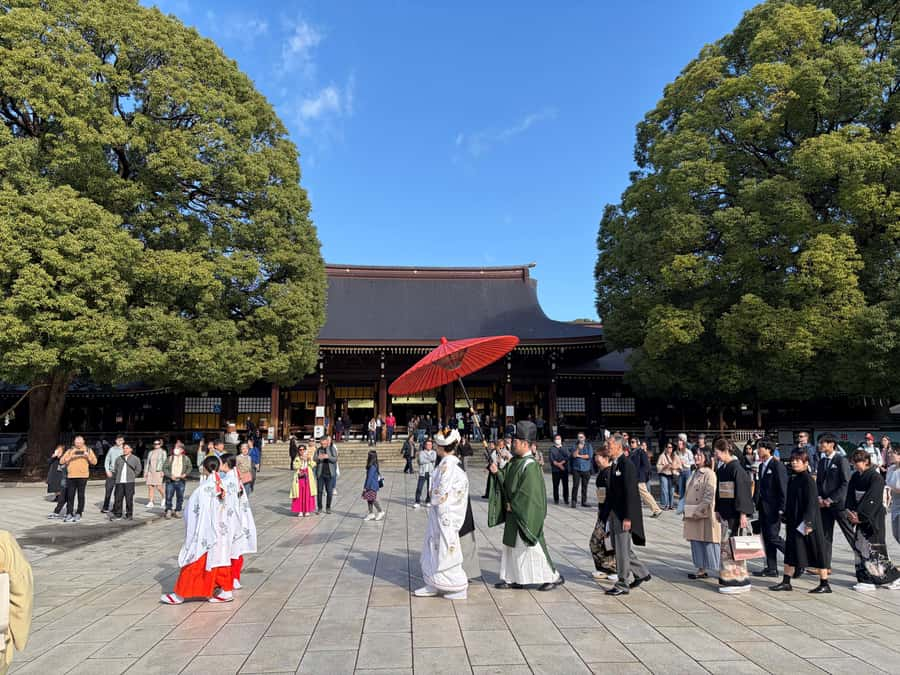
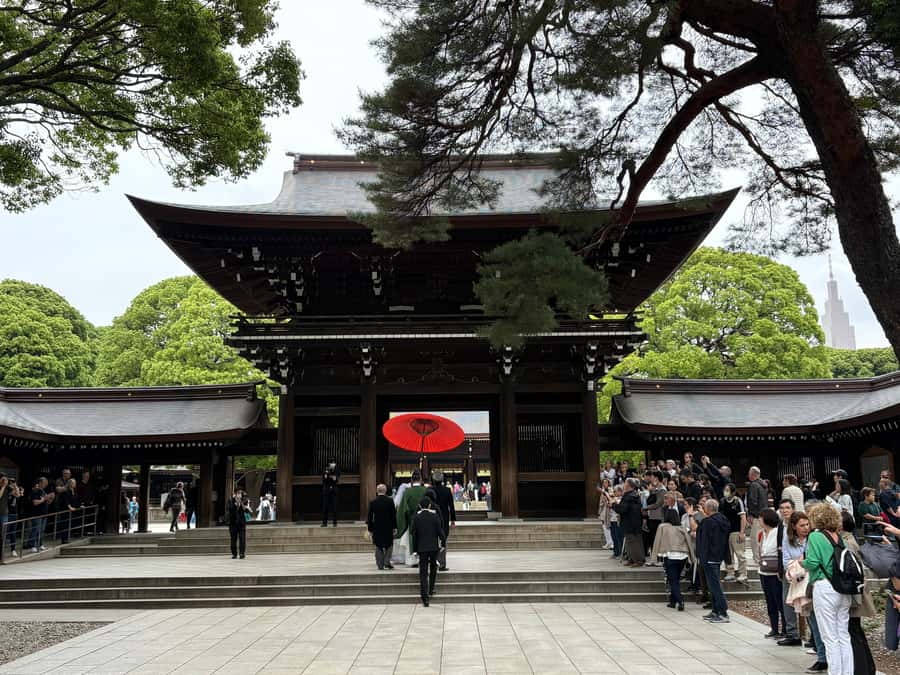
Meiji Shrine: forest calm in the middle of the city
Your first stop is Meiji Shrine, famous for its peaceful setting inside a lush forest-like area in central Tokyo. This is one of those places where the city noise feels far away, even though you are still in the capital.
What makes Meiji Shrine a strong opening is the way it centers you quickly. The site is connected to Emperor Meiji, and your guide can connect that historical meaning to the atmosphere you’re feeling. If you come in tense, distracted, or jet-lagged, this first stop often acts like a mental warm-up. It gives you something tangible to slow down for.
Practical note: since you are walking within shrine grounds, comfortable shoes really are the right call. This is the kind of tour where you want your feet to feel good so your attention can stay on the rituals.
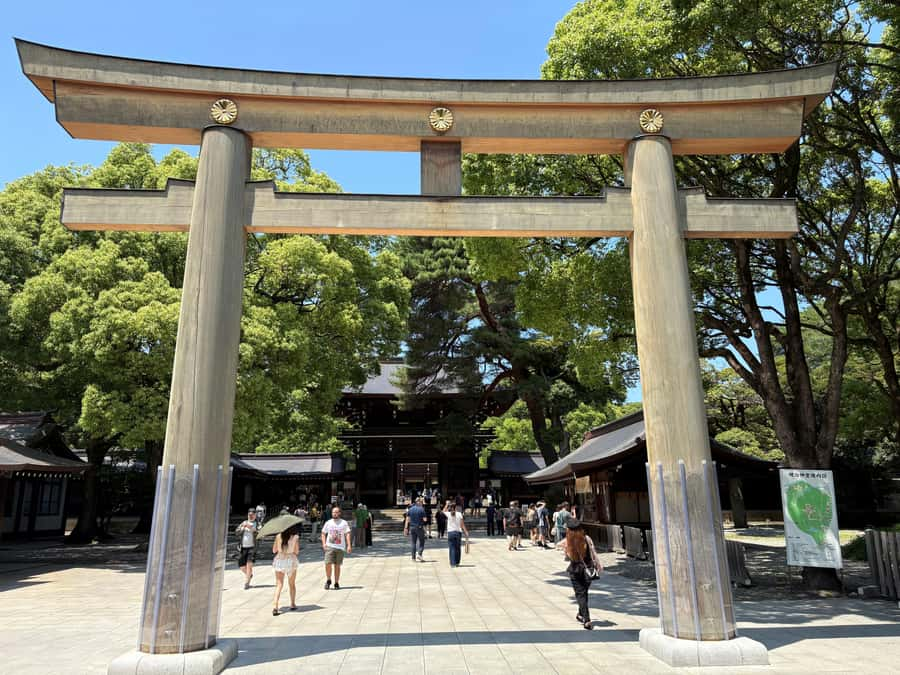
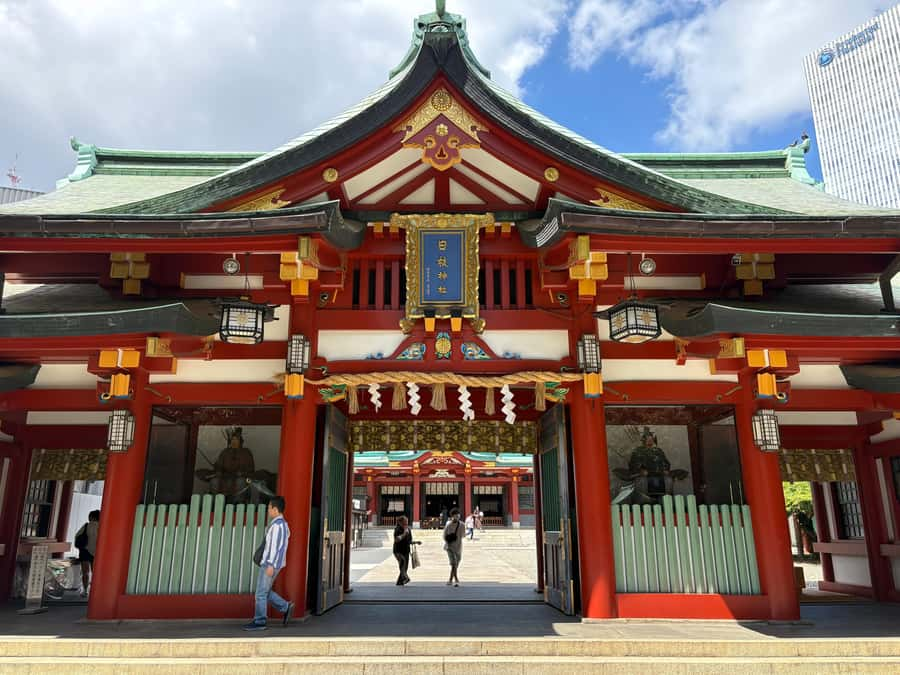
Hie Shrine: red torii gates and relationship blessings
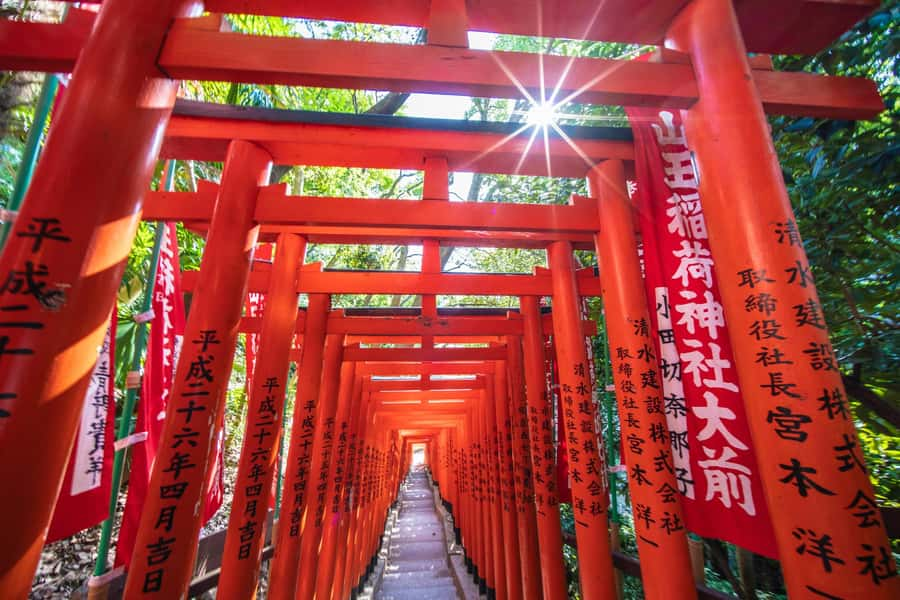
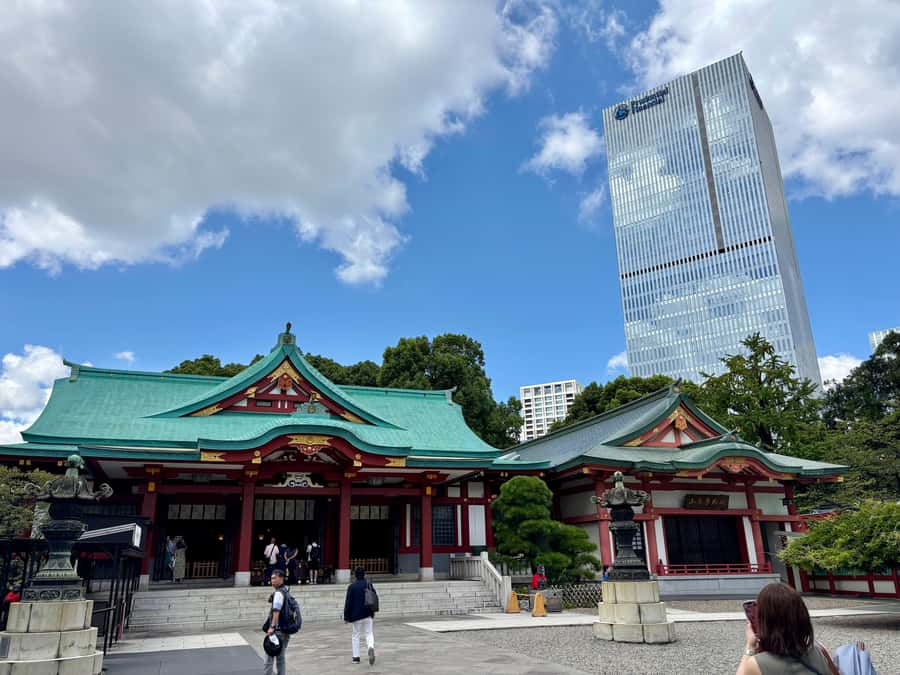
Next up is Hie Shrine, known for its striking tunnel lined with bright red torii gates. Even if you’ve seen lots of torii gates in Japan, this one tends to be memorable because of how the pathway draws you forward.
The key idea at Hie is that people visit for good fortune and lasting relationships. Your guide’s job here is helpful because it translates the shrine reputation into real context. You learn what the prayers are typically for, and you get coached on proper etiquette so you can participate respectfully without freezing up.
This stop is often the one that makes the tour feel like more than a checklist. The torii tunnel gives you a visual rhythm, so you can slow down and actually experience the place rather than only rushing to the next location.
Tokyo Daijingu: one of the big love-shrine stops
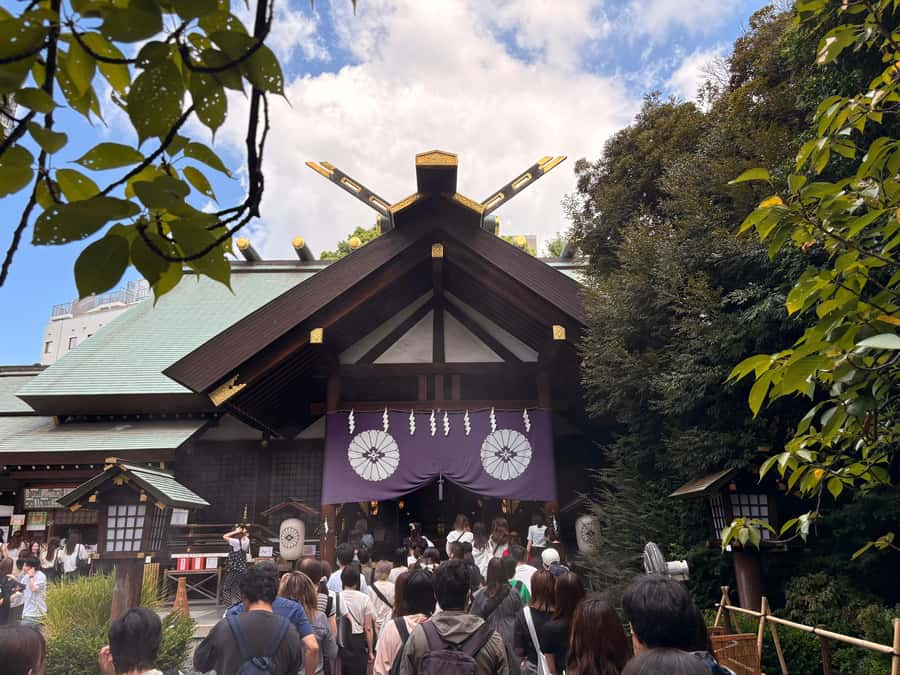
You then visit Tokyo Daijingu, listed among Japan’s top love shrines. Here the focus shifts toward romantic happiness and the idea of praying with intention.
I like the way this tour’s themes progress. Meiji Shrine sets a calm, grounded tone. Hie Shrine adds movement and social meaning. Tokyo Daijingu then gives you a direct path for visitors who want their prayers to focus on love, relationships, or emotional good fortune.
Just as important, you are not left on your own to interpret shrine behavior. The English-speaking guide shares cultural insights and explains the proper way to make a Shinto prayer. That helps you feel like you’re doing the right thing, not just performing a routine from a distance.
If you are the type who prefers experiences with clear purpose, this is the stop that will likely click fastest. You can treat it like a quiet moment in the day where you focus on what you want for your personal life.
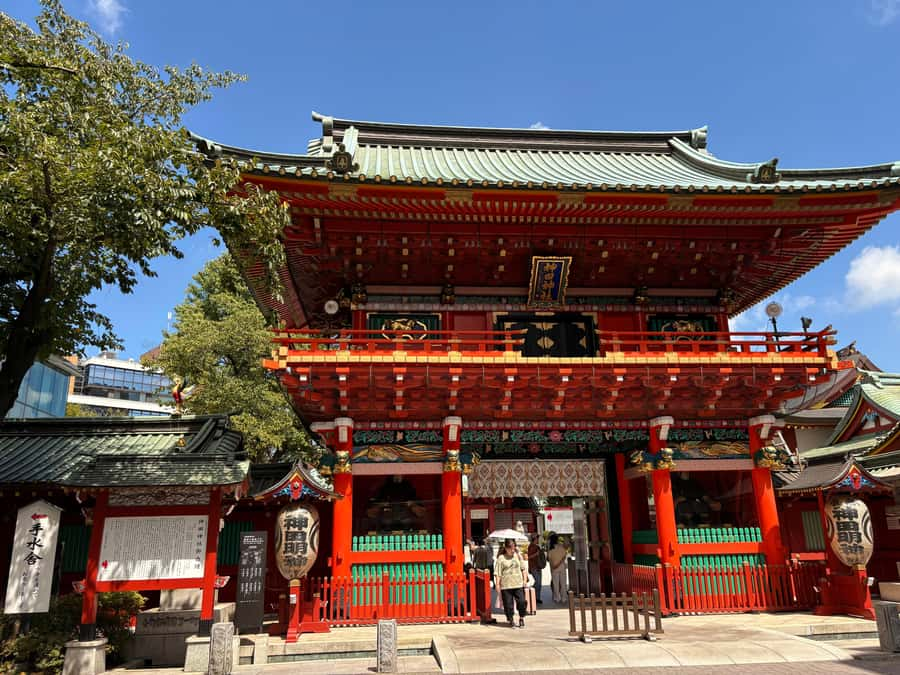
Kanda Myojin: business protection and modern Tokyo energy
The tour wraps at Kanda Myojin, a shrine especially loved by entrepreneurs and tech innovators. That angle matters. It gives Kanda Myojin a contemporary feel, even though it is firmly rooted in tradition.
This is a great final stop if you are in Tokyo for work, planning a new project, or just want a blessing that focuses on momentum and protection. The idea is not only luck, but also safeguarding what you’re building.
Your guide ties that reputation to what you are seeing around you, which makes the shrine feel connected to real life rather than a museum-like relic. By the time you arrive here, you usually have the rhythm of the tour down, so you can take the last minutes to slow down and focus.
If you still have time, the itinerary may include an extra stop. That’s where the day can turn into a little bonus mission instead of feeling rushed.
You can also read our reviews of more private tours in Tokyo


Optional Koami Jinja: a protection shrine with a survivor story
If time permits, you may stop at Koami Jinja, a smaller shrine known for good luck and protection. The story behind it is part of why people value it, since it survived earthquakes and wartime bombings.
Even if Koami Jinja is not the biggest shrine on your list, it can be the one that feels most personal. Smaller places often let you breathe. And when a shrine has a history of survival, it gives the visit extra emotional weight.
This is an optional add-on, so you should treat it like a chance for a bonus blessing rather than a guaranteed must-see. If you love meaningful stories and want a protection-focused prayer, ask your guide how much time you can realistically spare.
Goshuin stamps: the keepsake you can actually feel
One of the tour’s best practical touches is goshuin help. Included in the experience, the guide supports you in collecting sacred stamps tied to each shrine you visit. This matters because goshuin collection can feel confusing if you do not know the process, and the guide removes that friction.
You also get a useful keepsake angle from the way the stamp books are handled. There is a common approach where you can get a stamp in all shrines for 500 yen for the stamp book. If that interests you, it’s worth confirming the right option when you meet your guide.
What I like about goshuin is that it turns a half-day spiritual outing into something you will keep looking at long after your trip. It becomes part log, part memory, and part reflection.
Proper Shinto prayer etiquette, explained without stress
A private tour is most valuable when it helps you avoid awkward moments. This one does that with an English-speaking local guide who explains proper etiquette for making a Shinto prayer.
You do not need to memorize rules beforehand. You just follow what the guide shows you and use their explanations to understand what you are doing. That helps you participate confidently, even if you have never visited a shrine in Japan.
The bigger win is clarity. Instead of wondering why people behave a certain way, you can focus on the meaning behind the rituals and the themes of each shrine. That is where a spiritual tour becomes more than sightseeing.
And since the driver and guide handle timing and movement between sites, you can stay present at each place instead of checking maps every few minutes.
Price and value: $248 per group up to 3
At $248 per group up to 3, this is not a budget option. But it is also not priced like a luxury day either. The value comes from what you get together:
- Private transportation by car with an air-conditioned vehicle
- Hotel pickup and drop-off
- English-speaking guide for cultural context and prayer etiquette
- Toll fees, parking fees, and fuel costs included
- Goshuin assistance so you do not miss out on the best souvenir-style element
- Route design that covers multiple major shrines in a short span
If you were trying to replicate this on your own, the costs add up fast once you factor in taxis, time lost between districts, and the cost of adding a guide. For small groups especially, a private guide can turn a confusing religious circuit into a smooth, understandable experience.
The one thing to watch is food planning. Lunch is not included, so decide whether you want to grab something nearby before the tour or plan a meal after you finish. That simple choice can make the day feel stress-free instead of rushed.
What you should bring, and how to plan your day
Keep your prep simple. Bring comfortable shoes and expect some walking within shrine grounds. Dress in a way that lets you move comfortably.
Smoking is not allowed on this tour, so you’ll want to plan any breaks around that. Since it is a private car tour, there may be opportunities for stops, but your best move is to focus on staying comfortable during the shrine visits themselves.
Timing-wise, plan this as a half-day anchor. Because you cover four shrines, you might feel tempted to do something else immediately afterward. Give yourself a little buffer, especially if you want time to shop for small shrine items or pick up a goshuin stamp book.
Who this tour is best for
This tour fits well if you:
- Want spiritual meaning but prefer a guide to explain etiquette and history
- Are short on time in Tokyo and want a strong half-day plan
- Like the idea of prayers for specific goals like love, fortune, relationships, and success
- Prefer private comfort and are traveling with up to two other people
- Want a real keepsake via goshuin assistance
If you love wandering completely on your own with no structure, this may feel a bit guided. But if you want the best parts of shrine culture without the guesswork, it is a very practical way to do it.
Should you book Tokyo’s private Shinto shrine tour?
If your main goal is a smooth, respectful, spiritually focused route with a guide who helps you understand what you are doing, I think this is an easy yes. The private car with hotel pickup, the thematic flow across four shrines, and the goshuin assistance make it feel like more than a simple drive-by tour.
I’d skip it or choose a different option if you are determined to DIY every part and you have plenty of time to figure out logistics on your own. The price is set for convenience and explanation, so you should book it when you value that.
One smart tip before you go: tell your guide what you want the day to feel like, peace, love, good fortune, success, protection. With a private tour, that focus can shape how you experience each shrine.
FAQ
How many shrines do I visit on this tour?
You visit four shrines in a half-day plan. If time allows, there may be an optional stop at Koami Jinja.
What kind of transportation is included?
The tour includes a private, air-conditioned car, along with hotel pickup and drop-off.
Is there an English-speaking guide?
Yes. The guide is English-speaking (the experience also lists Japanese and English).
Do I get help collecting goshuin stamps?
Yes. Goshuin (sacred stamps) collection assistance is included.
What is the total price and group size?
The price is $248 per group up to 3.
Is lunch included?
No. Lunch is not included.
What should I bring?
Wear comfortable shoes since you will be walking around shrine areas.
Is smoking allowed?
No. Smoking is not allowed.
More Guided Tours in Tokyo


More Tours in Tokyo






More Tour Reviews in Tokyo


Not for you? Here's more nearby things to do in Tokyo we have reviewed












Tokyo City Tours, side by side.
 ★ 5.01-Day Tokyo Bus TourFrom $12914,250 reviews
 ★ 4.5TOKYO SKYTREE® Admission ticketFrom $1311,192 reviews
 ★ 4.6teamLab Planets TOKYO Digital Art Museum Entry TicketFrom $259,779 reviews
 ★ 4.0Mt Fuji & Hakone Cruise, Drum Show Bullet Train 1 Day from TokyoFrom $1497,413 reviews
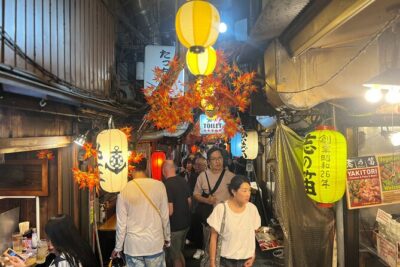 ★ 5.0Shinjuku Food Tour (13 Dishes at 4 Local Eateries)From $866,603 reviews
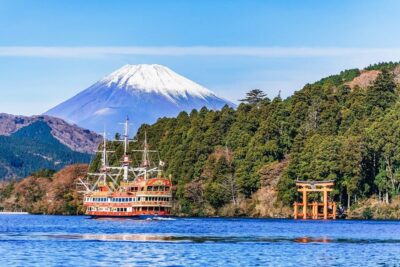 ★ 4.4Tokyo Mt Fuji 5th St & Hakone Cruise Bus Tour w/Bullet TrainFrom $1545,024 reviews
 ★ 5.0Flagship 2-Hours Official Street Go-Kart Tour – Tokyo Bay ShopFrom $644,974 reviews
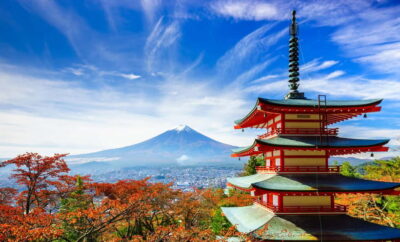 ★ 4.5From Tokyo: Mount Fuji Full-Day Sightseeing TripFrom $684,970 reviews