
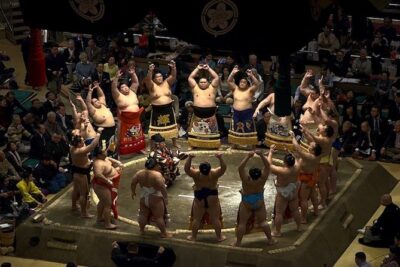
Sumo in Shinjuku feels unreal. You get pro-level power up close, plus the fun part where you step into the ring and try a traditional outfit after the main show. I also love the way the program spotlights shiko foot stomping and the salt purification ritual, so you see sumo as performance, not just sport.
One thing to keep in mind: this is not a tournament. It is a curated, audience-focused experience, so you should come for the show, the history context, and the interactive moments, not official tournament stakes.
Key Highlights You Should Know
- Pro wrestlers, close and personal: you see techniques and in-ring rituals up close in Shinjuku.
- Rituals that make sumo feel theatrical: shiko foot stomping and salt purification are part of what you watch.
- Hands-on challenge time: after the main matches, you can step into traditional sumo gear and face the wrestlers.
- Photo moments: you have chances to take pictures with the wrestlers during the experience.
- English live guide: you get explanations while you watch, so you are not just observing.
Why Shinjuku Is a Sumo Shortcut
Tokyo’s sumo world is usually linked to Ryōgoku, the historic heart of the sport. This experience keeps things simple by placing your sumo fix in Shinjuku, one of the city’s most convenient, easy-to-reach districts. That matters because most people want the full cultural hit without spending half a day routing across town.
What I like about the Shinjuku setup is the tone. You are not just watching from a distance. The show is built to translate what makes sumo special into something you can actually feel, with live demonstrations of technique and the layered drama that surrounds each bout. Even better, you are doing it in central Tokyo, which means you can realistically pair it with a normal evening plan rather than turning it into an all-day pilgrimage.
You also get a clear “two-part” experience: first the demonstrations and matches, then the interactive segment where you take part. That structure helps you get value even if you are new to sumo. You start by understanding what you are seeing, then you get to try it, even if it is lighthearted and guided.
If you want sumo energy but you have limited time in Tokyo, this is a smart route.
More Tokyo tours and experiences for the shortlist

The 90-Minute Plan, With Real Time for the Interactive Part
The advertised duration is 1.5 hours, and the timing is built around a focused show format. In practice, the experience often feels longer because the interactive section needs time for photos, outfit changes, and the challenge segment in the ring.
Here’s the flow you should expect, in plain terms:
First you arrive and meet up at the building entrance with your English live tour guide. Then you settle in as pro wrestlers demonstrate key moments, including the pre-bout routines and live bouts. The goal is to show you how sumo looks when it is performed with intent and discipline, not just how it reads on TV.
After the main matches, the vibe shifts. The show becomes more interactive. That is when you step into a traditional sumo outfit, enter the ring, and challenge the wrestlers yourself. It is not “win a belt” wrestling. It is more like a guided try-on and try-out moment, with plenty of laughter and respect baked in.
One practical takeaway: since you will move in and out of the ring area, wear comfortable shoes. If you treat this like a standing-only event, you will feel more relaxed. And if you arrive a little early, you will have less stress dealing with elevators, entry points, and group check-in.
Seeing Pro Techniques, Rituals, and Live Bouts Up Close
This is the part that makes it worth it even if you are not planning to become a sumo superfan. The experience focuses on what sumo looks like in motion, up close enough to notice posture, force, and footwork.
The program spotlights the shiko foot stomping, the earth-rumbling part of the pre-bout routine. You will also see salt purification as part of the ritual segment. Even if you know nothing about sumo culture, these moments give you a “why this is different” explanation instantly. They show that sumo is not only about grabbing and pushing. It is also about ceremony and presence.
Then you get the live bout portion, where the wrestlers show powerful technique and raw energy. This is where you start to understand why sumo has such a strong visual identity. It looks simple at first glance, but watching it live helps you appreciate how much control and timing are involved.
And because the guide is English-speaking, you get helpful context while you are watching. That is important for value. Without explanations, you can easily miss why certain actions matter. With the guide, you follow the structure instead of just reacting to what looks dramatic.
If you like sports but you hate leaving “not sure what I’m seeing” behind, this format is a good match. You get the show, plus enough explanation to make it click.
Stepping Into the Ring and Wearing Sumo Gear
The interactive part is where this experience turns into a memory you can’t replicate by watching YouTube later.
After the main matches, you step into a traditional sumo outfit and enter the ring for a challenge moment. This is not staged in a way that feels fake or unsafe. It is presented as a respectful audience interaction, with a tone that feels equal parts tradition and comedy.
You also get photo opportunities with the wrestlers. That is a big deal for first-timers. Sumo wrestlers have a physical presence that photos capture well, especially when you are standing close and the wrestlers are mid-demonstration.
The “challenge the wrestlers” moment is the part people remember most. It is fun, but it also teaches you something instantly: sumo footwork and balance are not easy. Even if your “match” is playful, you feel how different it is from regular wrestling or martial arts sparring.
Quick tip for maximum fun: go in with the mindset of participation, not performance. You are not training to beat a pro. You are collecting the experience of being in the environment and handling the gear, while seeing how pro wrestlers move.
This is also a strong choice if you travel with someone who likes hands-on activities. The show is enjoyable on its own, but the interactive ring moment is what makes it feel like more than a passive ticket.
Tournament or Show: What This Experience Really Is
A clear label helps you decide if this is the right fit. This is not a tournament. That means the program is structured around demonstrations, live bouts in a show format, and audience interaction, instead of official tournament progression.
Why that matters: if you are expecting the full tournament atmosphere, long bouts, and the strict competition stakes, this will feel different. If you want the spectacle and ceremony of sumo, plus the best parts translated for visitors, this format is a good tradeoff.
In other words, you are buying a “sumo introduction plus participation” experience. You are not buying a seat in the real competitive season storyline. That is a key value decision.
Also, because it is guided and English-friendly, it is designed for short attention spans in the best way. You get ritual, technique, and humor in one compact plan. People new to sumo often love this because it gives them a complete picture quickly.
If you are already deeply into sumo and want only authentic tournament rules and full competitive context, you might prefer other options. But for a first-time Tokyo sumo hit that includes interaction, this is exactly the kind of show style that works.





Getting There: Your F2 Elevator Meeting Point in Shinjuku
Logistics in Tokyo can be the difference between a smooth night and a stressful scramble. This experience gives you a specific meeting instruction: you take the elevator to F2 and meet at the entrance.
You also get a coordinate reference: 35.7025146484375, 139.70802307128906. That is useful if you like to sanity-check where you are before walking around inside a large building area.
Here is the practical advice I’d follow. When you arrive, slow down and confirm you are at the correct entrance. The show relies on getting everyone together on time. The elevator instruction matters, so don’t default to stairs if the directions say elevator.
One more thing to consider: building layouts in Shinjuku can be confusing at night, especially if your app pin drops you near a service entrance or back-side access. If you have a flexible start time, give yourself a small buffer. It turns finding the right spot into a quick check rather than a minor panic.
Once you are inside and meet your guide, everything is straightforward. The show structure takes over, and your focus shifts back to the wrestlers.
Price and Value: Why $62 Makes Sense Here
At $62 per person, you are paying for more than “watching sumo.” You are paying for proximity, translation, and participation.
Let’s break down the value in plain terms:
- You get an English live tour guide, which helps you understand rituals and rules you might otherwise miss.
- You watch professional wrestlers perform techniques and in-ring moments.
- You get interaction: traditional outfit time plus a ring challenge.
- You receive photo moments, which is part of what makes the experience feel personal rather than generic.
If the show was only passive watching, $62 would be harder to justify. But when the program gives you both explanation and participation, it becomes a “best of both worlds” evening. It is also a good option for travelers who want cultural immersion without spending money on multiple separate activities.
Also, the booking model is designed to reduce risk. You can reserve and pay later, and free cancellation is available up to 24 hours in advance. That matters if your Tokyo plans might shift due to weather or tight train schedules.
So who gets the best value? First-timers who want a clear sumo introduction. Couples and small groups who want an entertaining activity that still feels respectful. Travelers who like hands-on demonstrations and want a story they can tell later.
Who This Sumo Show Fits Best
This experience is a strong match if you fall into any of these categories:
You are new to sumo and want a quick, guided taste. The English context helps you follow what matters, like the ritual segments and what you should notice during bouts.
You want an activity that feels fun but still culturally grounded. The show includes the ceremonies, the pro-level technique, and a respectful audience challenge moment.
You travel with someone who wants participation. Watching is fun, but the outfit and ring challenge are the kind of shared memory that pulls people in.
You want a Shinjuku-friendly evening. Since you are in central Tokyo, you can slot this in without building your day around a long commute.
It may be less ideal if you are strictly tournament-focused. Since it is not a tournament, the competitive stakes are not the point. If you want a hardcore sports schedule, you might prefer a different sumo format.
Should You Book This Tokyo Sumo Show?
I’d book this if you want a compact, guided sumo experience in central Tokyo that includes real interaction. The combination of pro wrestlers, visible rituals like shiko and salt purification, an English guide, plus the chance to wear a traditional outfit and challenge the wrestlers makes it more than a basic performance ticket.
Skip it if you need tournament-only authenticity or you dislike audience-participation formats. Also, if you tend to arrive late or hate hunting for exact entrances, plan a buffer for the F2 elevator meeting instruction.
If you like hands-on cultural shows and you want your first sumo memory to include more than just sitting in the dark, this one is a solid choice.
FAQ
Is this a sumo tournament?
No. This experience is not a tournament. It is a show format with demonstrations, live bouts, and audience interaction.
How long is the Tokyo Shinjuku sumo show?
The duration is listed as 1.5 hours.
Is the tour guide available in English?
Yes. The experience includes a live tour guide in English.
Where do I meet the guide?
You will take the elevator to F2 and meet at the entrance. The provided coordinates are 35.7025146484375, 139.70802307128906.
Do I get to try a sumo outfit and enter the ring?
Yes. After the main matches, you step into a traditional sumo outfit, enter the ring, and challenge the wrestlers yourself.
How much does it cost and what is the cancellation policy?
The price is $62 per person. There is free cancellation, and you can cancel up to 24 hours in advance for a full refund.
More Shows & Entertainment in Tokyo



More Tour Reviews in Tokyo
Not for you? Here's more nearby things to do in Tokyo we have reviewed












Tokyo Sumo Experiences, side by side.
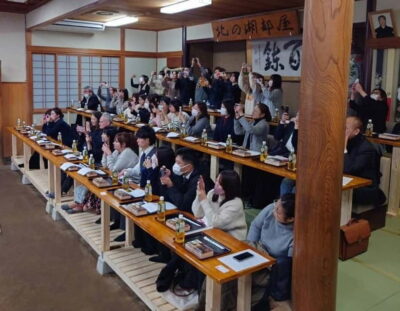 ★ 4.8Sumo Show and Dining ExperienceFrom $792,742 reviews
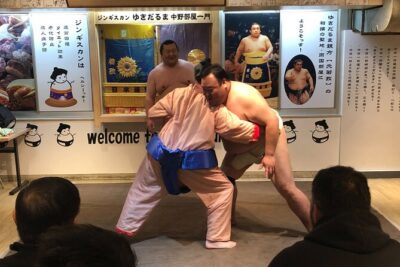 ★ 5.0the SUMO showFrom $891,960 reviews
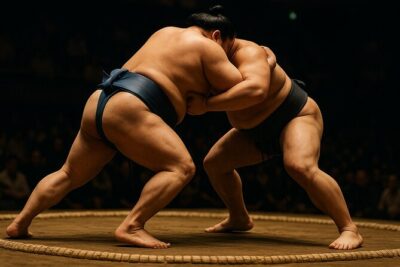 ★ 5.0Tokyo Shinjuku Sumo Show & Experience with PhotoFrom $791,750 reviews
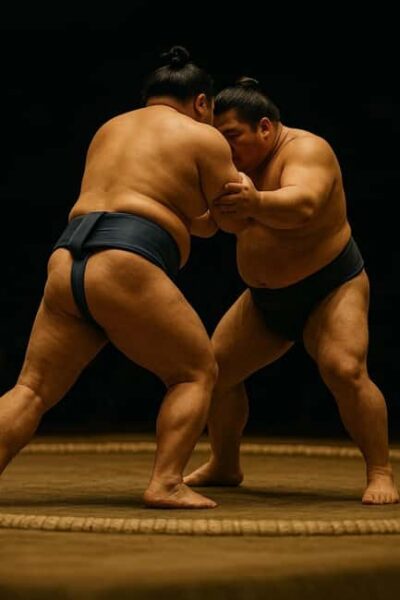 ★ 4.8Sumo Show and Experience in ShinjukuFrom $691,001 reviews
 ★ 4.7Luxury Sumo Show Experience & Japanese cuisine & DrinkFrom $103577 reviews
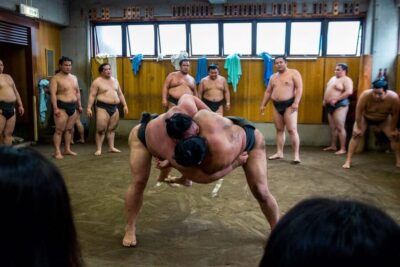 ★ 4.8Sumo Morning Practice Viewing TourFrom $81570 reviews
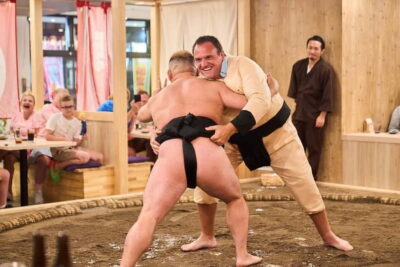 ★ 4.8Tokyo Sumo Experience: Chanko & Mochi with a Former ProFrom $103567 reviews
 ★ 5.0Ultimate Sumo Tournament: Tokyo, Osaka, Nagoya, FukuokaFrom $184468 reviews
This tour also belongs to