
Review · TOKYO TEA & SAKE EXPERIENCES
Tokyo: Tea Ceremony & Japanese Traditional Sweets
Tokyo tea has a way of slowing time. This one-hour experience teaches you how to prepare matcha step by step, then lets you make and enjoy seasonal nerikiri sweets. I like how structured it is, so first-timers feel comfortable, and I also like that it is guided by an expert who keeps things clear in English. One thing to consider is the time limit, you only get an hour, so you will want to arrive on time and come ready to participate.
The ceremony itself is built around watching the otemae demonstration, then doing the whisking and shaping yourself. If you want a calmer, more hands-on Tokyo moment that is not about rushing between sights, this is a strong option. The only real drawback: since it is English only and capped at a small group, it might not be the best fit if you were hoping for a Japanese-only immersion or a bigger, no-pressure crowd.
Key things you will notice
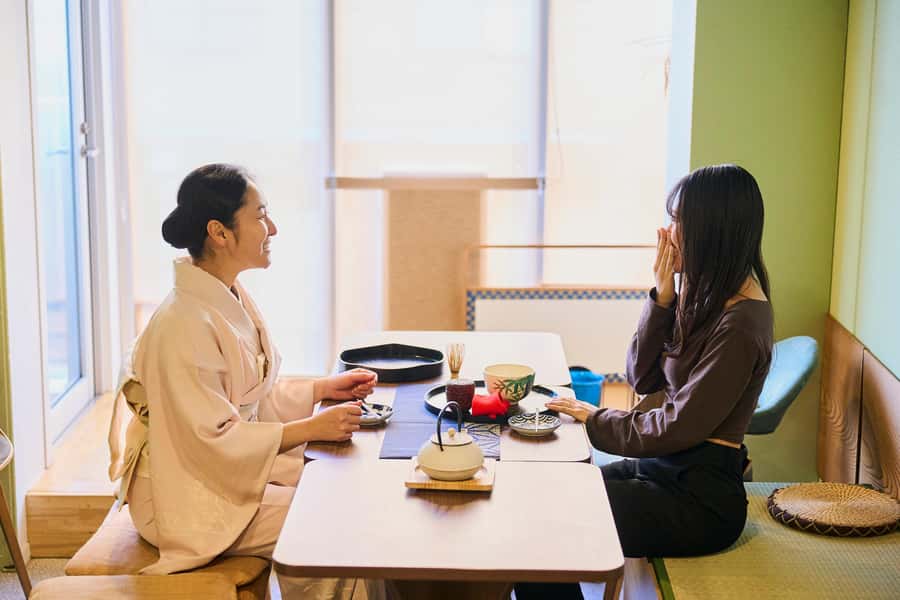
- Small group of up to 10, so you are not lost in the back row
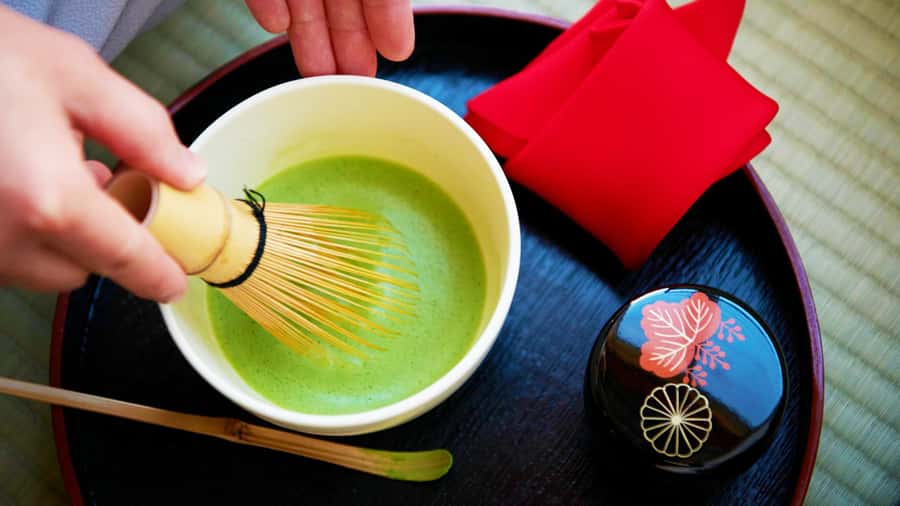
- Hands-on matcha, including whisking your own bowl and tasting it
- Otemae demonstration first, which helps you understand what you are about to do
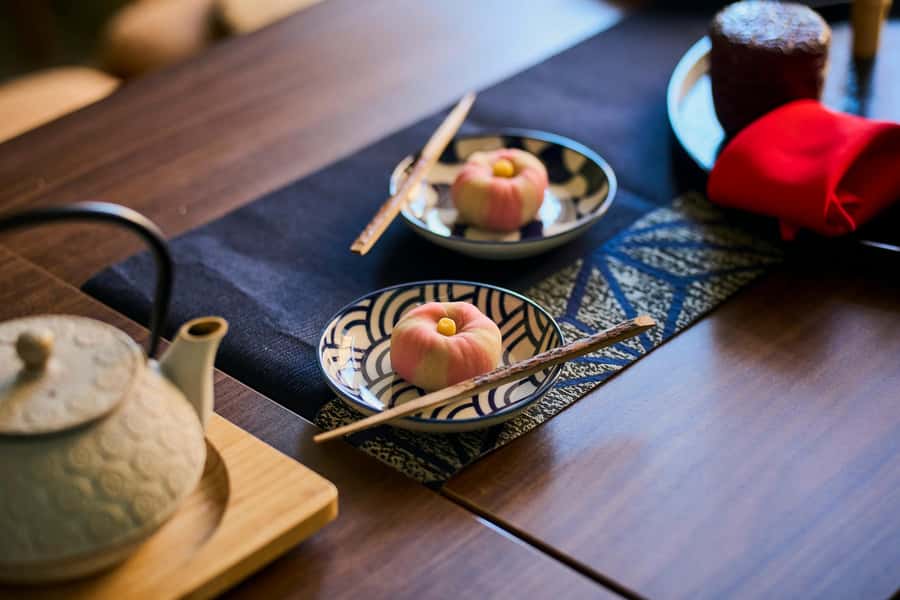
- Nerikiri making, a seasonal confection shaped by hand
- English guidance throughout, with an expert host supporting the lesson
Why this one-hour matcha lesson in Tokyo feels surprisingly satisfying
Tokyo can be loud, fast, and crowded. This experience is different because it is designed around a set rhythm: you watch the formal tea-making steps, then you do them yourself, then you pair the results with sweets. In just an hour, you get the feeling of doing something traditional with care, instead of just observing from a distance.
I also like the balance here. You are not stuck only watching a demonstration, and you are not left alone with a kit. The format gives you enough guidance to taste what you made and ask questions if something is unclear.
The price is also easier to justify when you think about what is included. At $27 per person, you are paying for a licensed tea master with over 10 years of experience, a full tea ceremony, plus you make seasonal Japanese sweets yourself, all in a small group with English support.
Price and what you are really paying for ($27 in context)
$27 is not “cheap,” but it also is not the kind of money that only makes sense for big-name attractions. Here, you are paying for three things that are harder to get in DIY mode.
First, you are getting direct instruction from a tea master who is licensed and experienced. Second, you are not just tasting matcha, you are preparing it yourself. Third, the sweets are part of the learning, you will craft nerikiri as a hands-on activity that reflects seasonal motifs and colors.
If you plan to spend a day doing multiple paid activities, this works well because it is short, focused, and included materials are part of the experience. You just show up, follow the steps, and leave with the satisfaction of having made something, not just watched it.
Getting to the meeting point near Hakusan Station
You meet close to transit, which matters in Tokyo. The meeting point is about a 5-minute walk from the Toei Mita Line Hakusan Station. When you arrive, go to the 2nd floor, as shown on Google Maps.
The address is:
2nd Floor, Phil Park Hakusan Hills, 1-26-17 Hakusan, Bunkyo-ku, Tokyo
You can use the provided map link to confirm the exact spot, and the coordinates are 35.7201985, 139.7538703.
Practical tip: when a tour says 2nd floor, it is worth checking that you are entering the right building and level right away. A lot of Tokyo spaces have similar entrances, and a quick double-check saves stress.
Walking in and settling before the tea ceremony begins
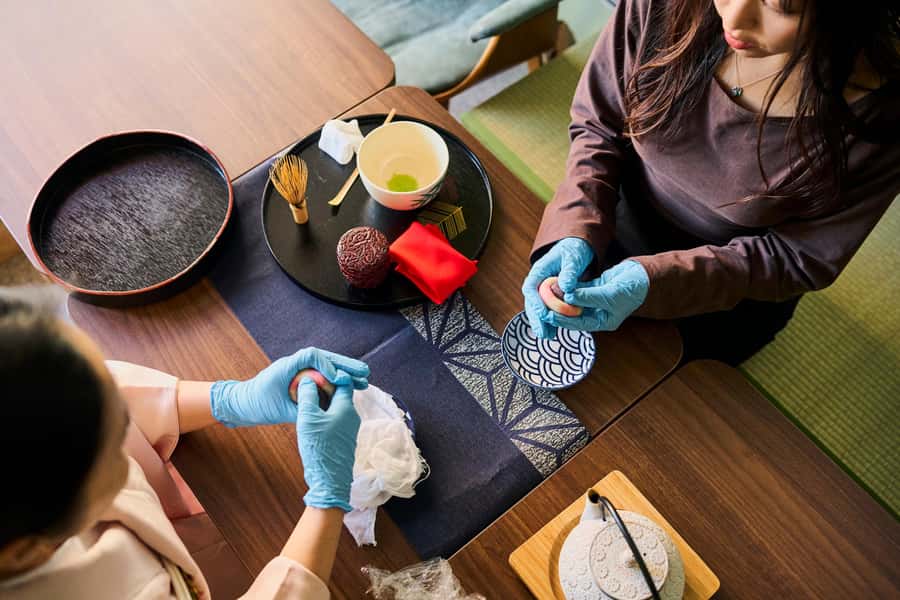
The experience is run as a small group capped at 10 participants, which changes the whole vibe. It is easier to hear instructions, easier to follow along, and easier to ask basic questions without feeling like you are interrupting.
You will also be moving from orientation into the formal parts of the tea ceremony, so plan to wear comfortable clothes you can move in. You do not need anything fancy, but you do want to be able to sit and follow the steps with ease.
This is also an English-led experience. Japanese language support is not available, so if you want the explanations in a language you are fully comfortable with, you are in the right place.
Otemae demonstration: see the steps before you touch anything
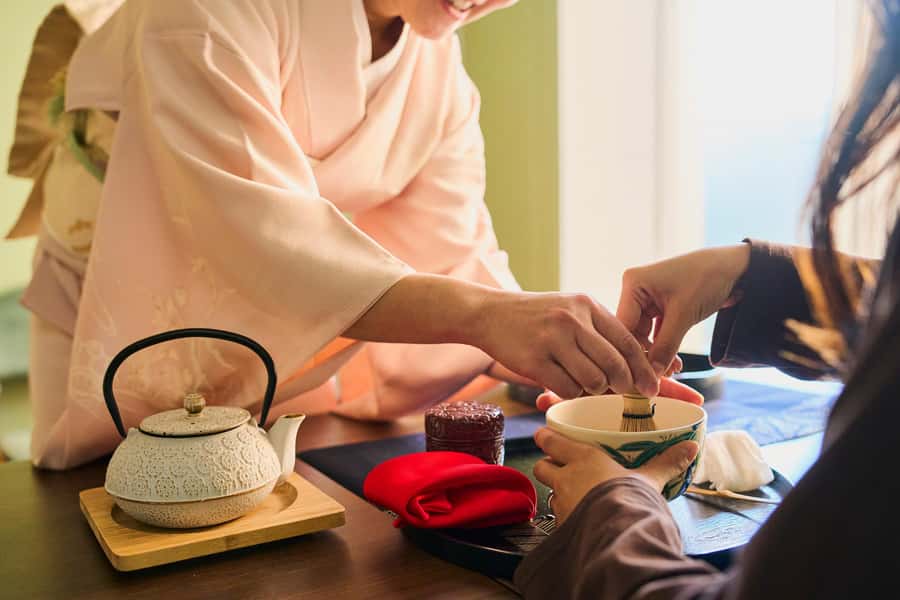
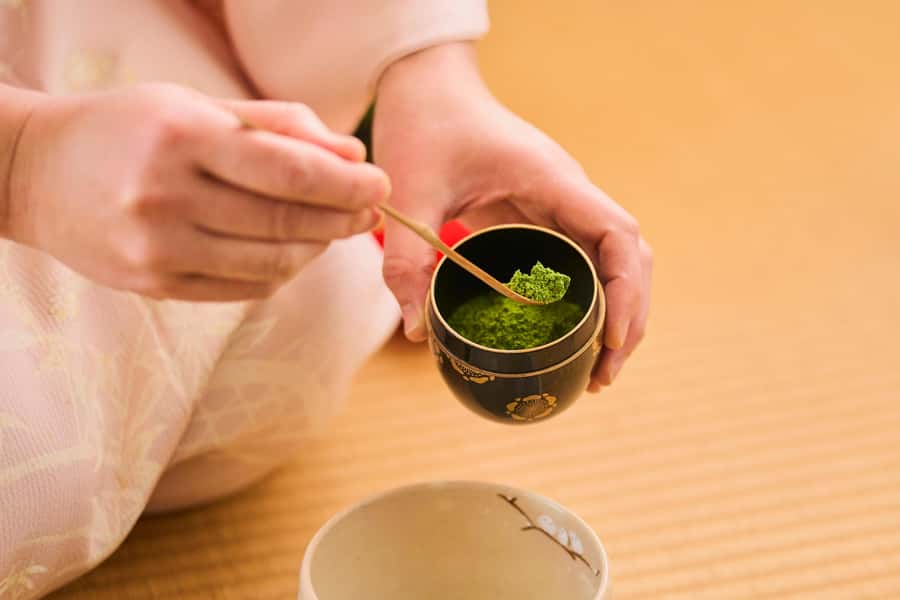
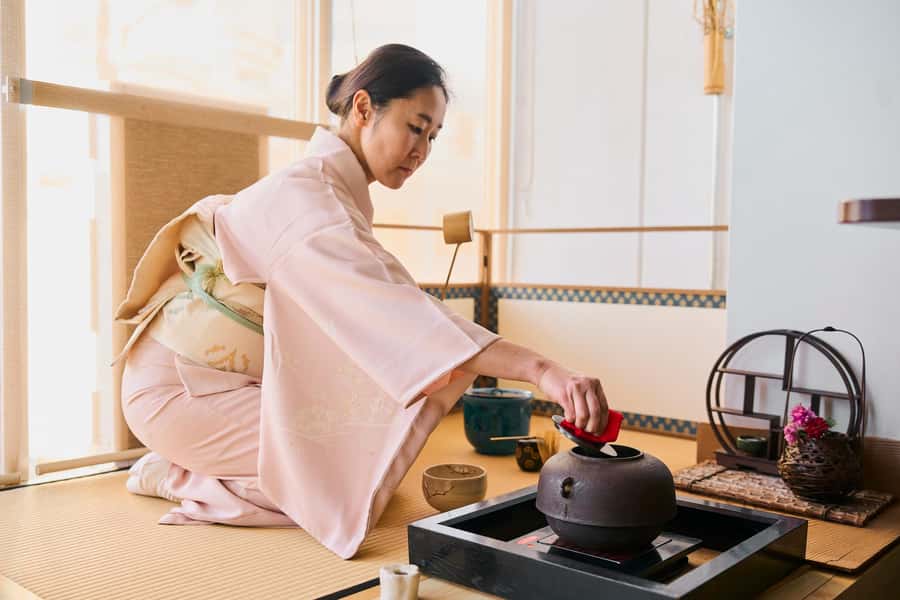
A key part of the flow is that you watch the otemae demonstration before you prepare your own matcha. I like this order because it reduces guesswork. Instead of trying to figure out technique while someone rushes you, you first see how the movements and sequence are meant to work.
Think of the demonstration as your “pattern.” After you watch it, you are not just learning random steps. You are learning the sequence, the pacing, and what to pay attention to when it is your turn.
A small bonus here is that you get the calm, graceful component up front. Even if you are someone who prefers doing hands-on stuff, watching the demonstration for a few minutes helps you appreciate why the tea-making process is treated with care.
Your matcha lesson: whisking and tasting what you made
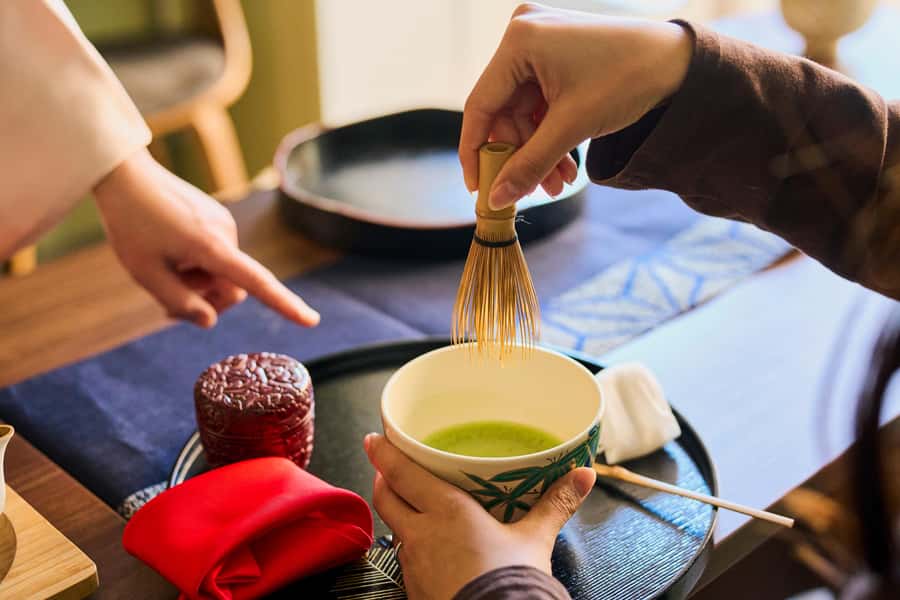
This is the part most people remember. You prepare matcha with guidance from the licensed tea master, then you whisk your own bowl of matcha and taste it. The workshop is designed so first-timers can participate without feeling intimidated.
In practical terms, here is what you should look for during your turn:
- Focus on following the host’s timing and step order
- Pay attention to how you handle the whisking process, not just the end result
- After your bowl is ready, take a slow sip so you can actually taste the matcha you made
The experience emphasizes the rich flavor of matcha, and pairing that with your own hands-on preparation makes the taste feel more meaningful. It is one thing to try matcha in a café, and another to understand how the preparation changes what you end up with in the cup.
If you are traveling with friends, this is also a great shared activity. You can compare how each person’s bowl turned out, and you can talk about what you noticed while whisking.
Making nerikiri sweets: seasonal art you shape yourself
Then comes the sweetest part of the program. You will have the unique opportunity to make nerikiri, a beautiful Japanese confection that reflects changing seasons.
What I really like about the nerikiri component is that it is not just decoration. The tour frames it as something you craft with your hands, and the sweets are shaped with vibrant colors and delicate forms to represent seasonal flowers and motifs. That means you are creating an edible version of a theme, not just assembling generic candy.
The workshop pairs your handmade nerikiri with freshly prepared matcha. That pairing matters. You get the contrast between a tea that is prepared with care and sweets that are designed for visual detail and seasonal symbolism.
One consideration: because the tour is only one hour, you will likely move at a steady pace. That is not a bad thing, but if you are hoping for slow, unhurried sculpting time, manage expectations. You are learning the process and making something beautiful within a short class window.
The guide and host factor: how the English explanation helps
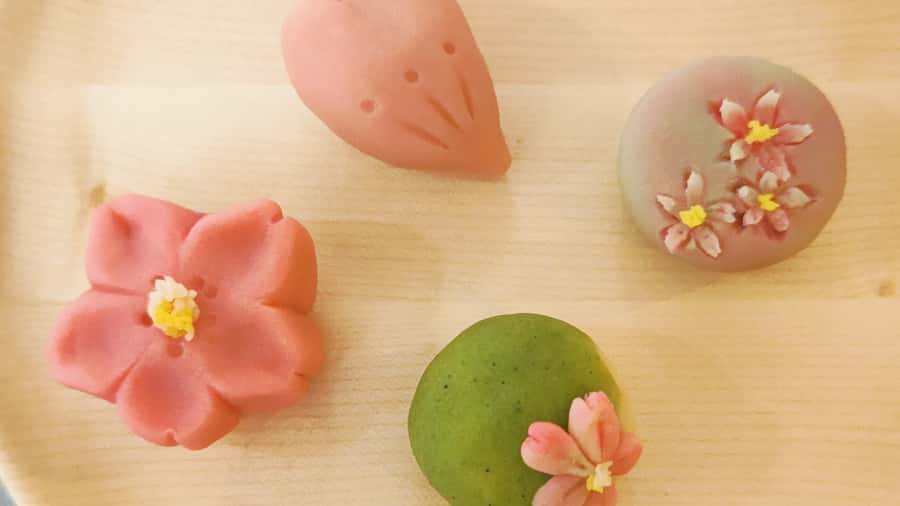
The experience is guided by a tea master with over 10 years of experience. On top of that, there is an expert host who provides clear explanations in English.
This combination is exactly what you want for a traditional activity. A tea master brings the authenticity of technique and the respect for form. The host helps translate the meaning and keeps the experience accessible, especially if you are not familiar with matcha culture.
From the tone of real feedback shared about the experience, the support style seems to be a big strength. People appreciate that the instructor is kind and informative, and that questions get answered in a way that keeps the mood relaxed rather than stiff.
In your case, that means you should feel free to ask the practical questions. How do I hold this? What did I miss? Is my matcha stage okay? You are not expected to be perfect. You are expected to learn.
How long you have, and how to plan your day
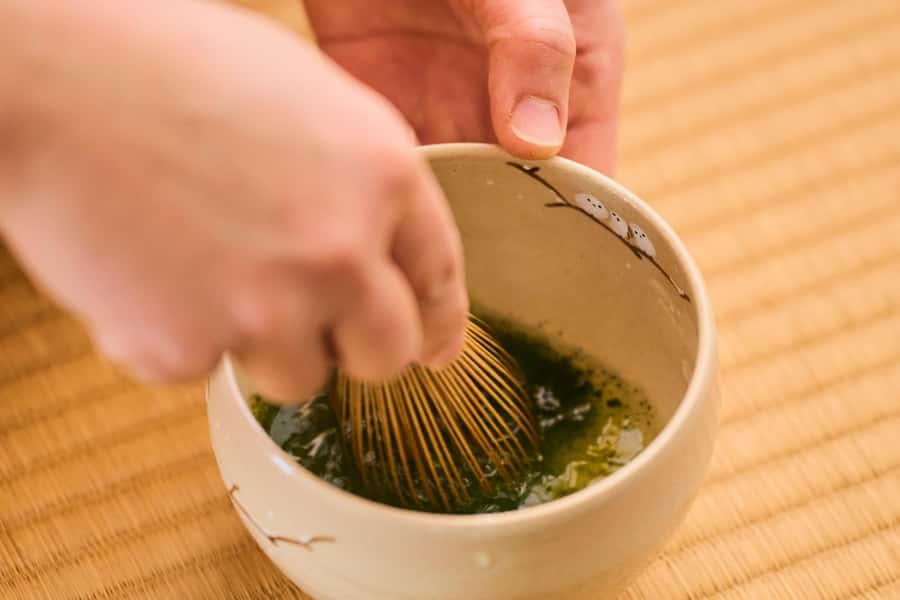
The duration is one hour. That is long enough to watch the demonstration, whisk matcha, and make nerikiri, but short enough that it will not swallow your whole afternoon.
This makes it a good fit for Tokyo itineraries that already include shopping, museums, or long walks. It is also a nice break if you feel like you have been out in crowds for hours. The guided structure and the quiet, seated focus naturally slow you down.
If you like to plan by logistics, treat this as a “bookend” activity. Schedule it either earlier in the day when you still have energy to participate, or later when you want a calmer reset before dinner.
Who should book this tea ceremony, and who might not
You should book if:
- You want a hands-on matcha and sweets experience, not just sightseeing
- You prefer small groups and clear English guidance
- You want a calmer break from busy Tokyo energy
- You are curious about seasonal Japanese confections and want to craft one yourself
You might skip or reconsider if:
- You need a longer workshop format where you can spend more time perfecting the process
- You were hoping for Japanese language support, since the experience is English only
It is also a good match for couples and small groups because everyone participates. It is not dependent on a certain level of fitness or on special knowledge. The main requirement is being ready to sit, follow instructions, and enjoy the process.
Should you book this Tokyo tea ceremony and sweets class?
If you want one hour of meaningful, guided tradition, this is a strong choice. The value comes from the mix: you get instruction from a licensed tea master, you make and taste matcha yourself, and you craft seasonal nerikiri sweets. The small group size and English support make it approachable, even if you have never touched a whisk before.
I would book it if your goal is not just to see Tokyo, but to experience a small, calm slice of it with your hands. And I would also book it if you want something short that still feels personal, the kind of activity you can talk about later because you helped make it.
FAQ
How long is the Tokyo tea ceremony experience?
The experience lasts 1 hour.
What is included in the price?
You get an English guide, the tea ceremony, and traditional Japanese sweets.
Can I learn to make matcha during the session?
Yes. You will learn how to prepare matcha and you will whisk your own bowl to taste.
Do I make Japanese sweets myself?
Yes. You will have the opportunity to make nerikiri as part of the experience.
Is the tour guided in English?
Yes. The experience is conducted in English only, and Japanese language support is not available.
Where is the meeting point?
It is about a 5-minute walk from Toei Mita Line Hakusan Station. Meet on the 2nd floor of Phil Park Hakusan Hills at 2nd Floor, Phil Park Hakusan Hills, 1-26-17 Hakusan, Bunkyo-ku, Tokyo.
How big is the group?
The group is limited to 10 participants.
Is the experience wheelchair accessible?
Yes, it is wheelchair accessible.
What is the cancellation and pay-later option?
You can cancel up to 24 hours in advance for a full refund. You can also reserve now and pay later, so you pay nothing today.
Tokyo Tea & Sake Experiences, side by side.
 ★ 5.0Traditional Tea Ceremony with a Tea MasterFrom $38528 reviews
 ★ 5.0Sake Tasting Masterclass in Shinjuku (8+ Varieties with a Pro)From $72271 reviews
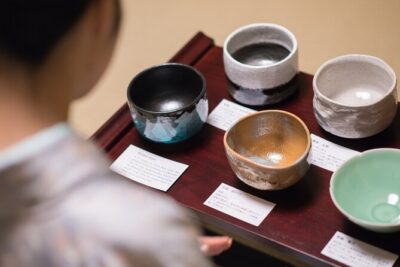 ★ 5.0Tea Ceremony Workshop in Tokyo by the Experienced InstrucorFrom $38189 reviews
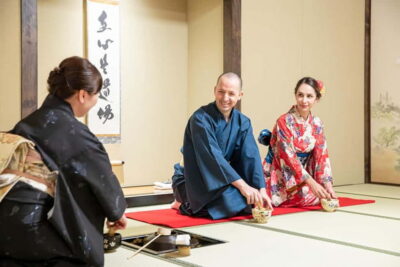 ★ 4.9Asakusa: Kimono Tea Ceremony with Matcha and SweetFrom $66153 reviews
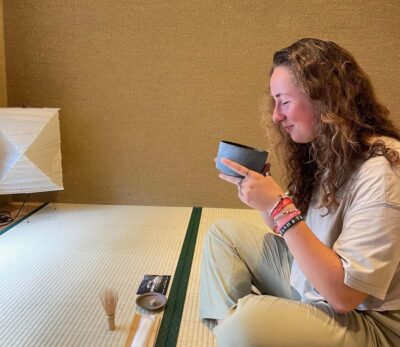 ★ 4.9Tea Ceremony Experience in a Private Tea Room in ShibuyaFrom $30125 reviews
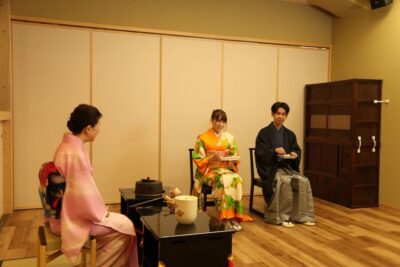 ★ 4.7Practicing Zen with a Japanese Tea CeremonyFrom $63105 reviews
 ★ 5.0Matcha Kimono Tea Ceremony in TokyoFrom $59104 reviews
 ★ 4.9Tea ceremony experience in Japanese-style room 60minFrom $4586 reviews
This tour also belongs to