
Review · TOKYO TEA & SAKE EXPERIENCES
Tokyo: Practicing Zen with a Japanese Tea Ceremony
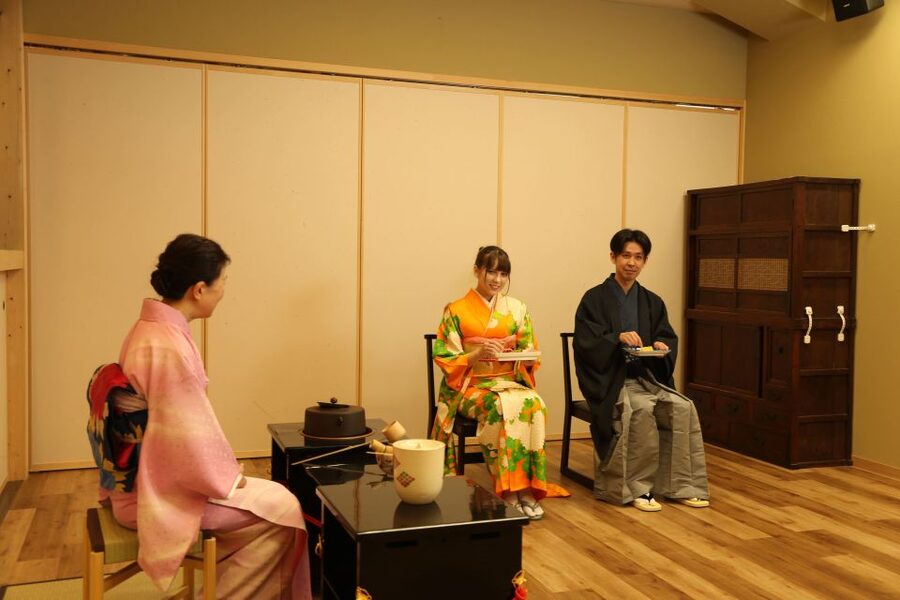
Zen practice can be surprisingly practical. This 75 minute Tokyo tea ceremony turns quiet into a skill, not just a mood, with step by step instruction, matcha, and a guided session that links the ritual to Zen Buddhism. I especially liked the way the host explains both the art of the utensils and the calm mindset behind the movements, and I also loved the carefully paired Japanese sweets with your green tea. One consideration: the room is calm, but it is still a shared building, so if you are very sensitive to outside sound, the zen vibe may not be perfectly silent.
If you want an authentic experience without turning it into a museum tour, this fits. You get to watch the ceremony, learn the why behind the how, taste the tea and sweets, then conduct a second ceremony yourself with expert guidance. The group is small, limited to 10, and there are seating options if you do not want to sit on the floor.
Key things I’d watch for in this Zen tea class
- Small group size (max 10) keeps the guidance personal and helps you actually see what the instructor is doing.
- You perform a second ceremony yourself, not just watch one cup get made.
- Matcha and traditional sweets pairing gives you a sense of how the flavors and ritual connect.
- Zen Buddhism explained through movements and design helps the ceremony make sense, not just look pretty.
- English instruction makes it easy to follow the details and ask questions.
- Seating available so you can participate comfortably without doing floor sitting.
Where tea, Zen, and Tokyo Tower sit in the same frame
This class meets at the main entrance of the Kikai Shinko Kaikan building, on the first floor, directly across from Tokyo Tower. That location matters more than you might think. Tokyo Tower is a busy landmark, and meeting near it makes the experience feel grounded in real city life, not staged in a faraway temple setting.
Once you’re inside, the focus shifts. You trade sightseeing noise for deliberate, slow actions. No one is rushing you to “take a selfie and move on.” The whole point is to practice attention.
The class runs 75 minutes, and it’s taught by an English speaking instructor. The small group setup, limited to 10 participants, is what lets you learn the motions instead of just learning the story.
You can also read our reviews of more tours and experiences in Tokyo.



The vibe and rules that keep the room from turning into chaos
A tea ceremony sounds simple until you’re in a room with strangers and everyone suddenly starts talking. Here, the expectation is clear: you should not make noise. That rule helps protect the mood, and it also makes the instruction easier to hear.
I like that the experience is not built around performance for an audience. It’s set up like a working lesson. The ceremony is quiet, the movements are measured, and the host is able to guide you without competing with the sound level.
There is also an important comfort detail. Seats are available for guests who prefer not to sit on the floor. That means you can still learn the ritual precisely, even if floor sitting is not your thing. You won’t need special hero stamina to participate.
The first ceremony: watching matcha made with intent
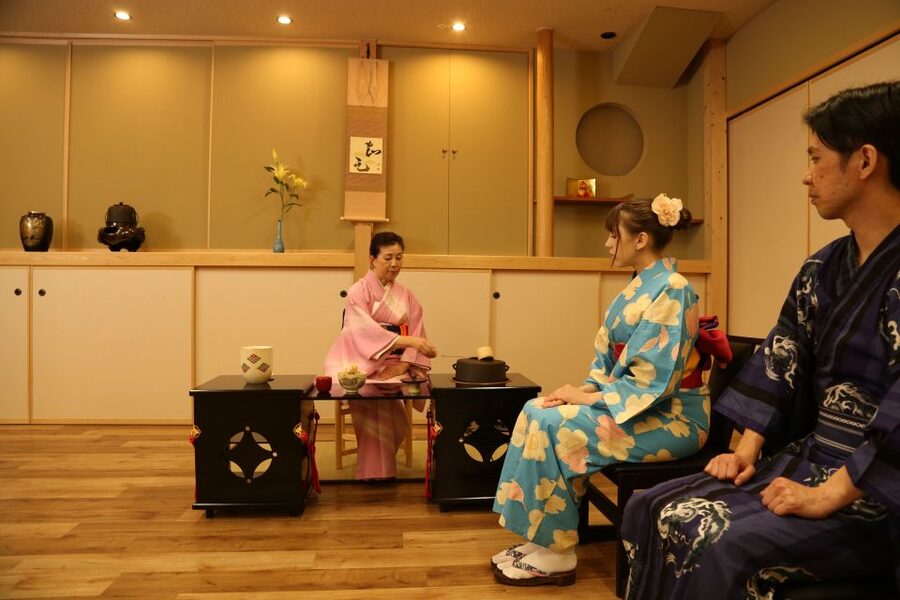
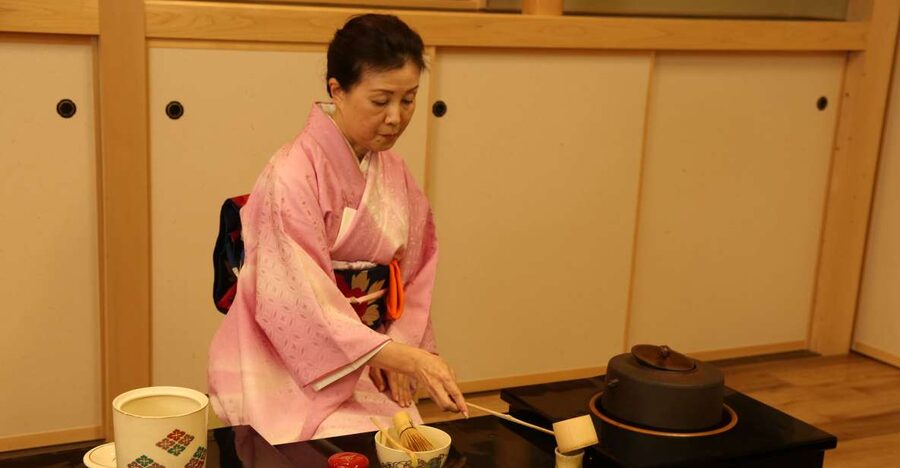
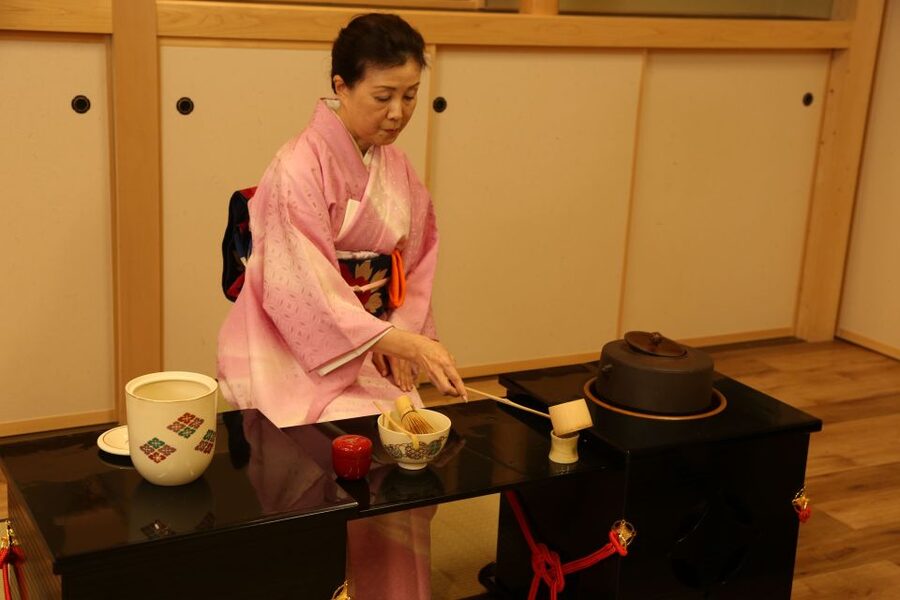
Your experience starts with a traditional Japanese tea ceremony. You’ll first observe how the instructor prepares matcha green tea and how each movement has a purpose. This is not a random “here’s how we whisk tea” demo. The steps are slow enough to see, and structured enough to remember.
What you get from the observation matters. If you’ve only ever had matcha as a drink, you might not realize how much the ritual shapes the flavor. The tea itself is part of an experience built on timing, temperature, and attention. When the host explains what’s happening and why, the matcha stops being a beverage and becomes a practice.
You’ll also enjoy traditional Japanese confection, specially paired with the green tea. This pairing is one of the quiet joys of the class. The sweet acts like a bridge, so when the matcha arrives, it tastes more balanced and deliberate, not just intense and grassy.
The Zen connection: how art, architecture, and calm movements fit together
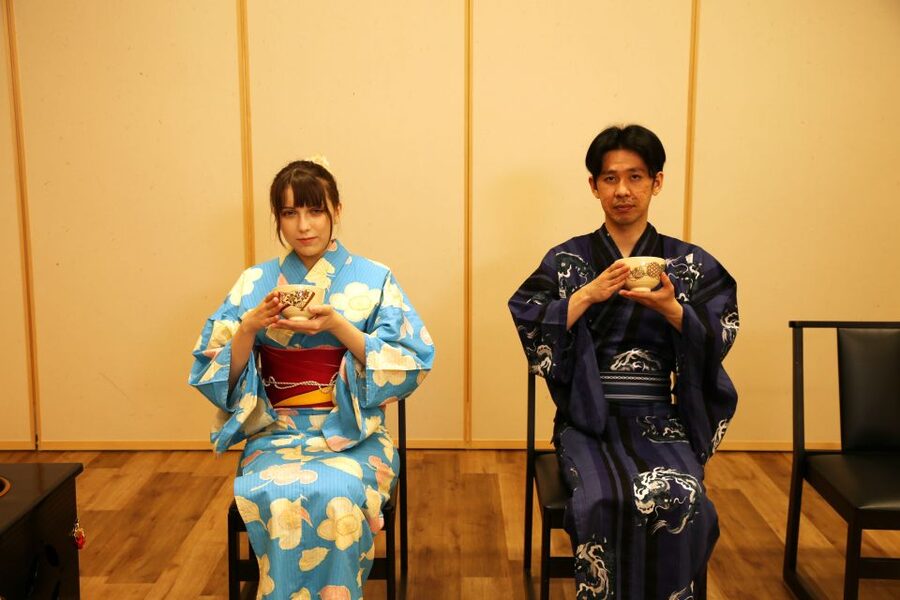
The ceremony isn’t only about tea. It’s tied to Zen Buddhism, and you learn how that shows up in Japanese art and architecture, plus the mindset behind the ritual. The host’s explanations turn abstract ideas into something you can actually feel while watching.
Here’s the practical takeaway for you: Zen in this context is not about being weirdly calm for the cameras. It’s about doing each small step on purpose. The utensils are handled carefully. The posture and pace are intentional. Even the order of actions supports the mental goal of steadiness.
In the notes from past participants, hosts like Junko, Ken, and Midori stand out for making the history and the reasoning clear in English. And that matters. If you understand the logic behind a movement, it becomes easier to do correctly when it’s your turn.
Utensils and details you will actually notice (because you use them)
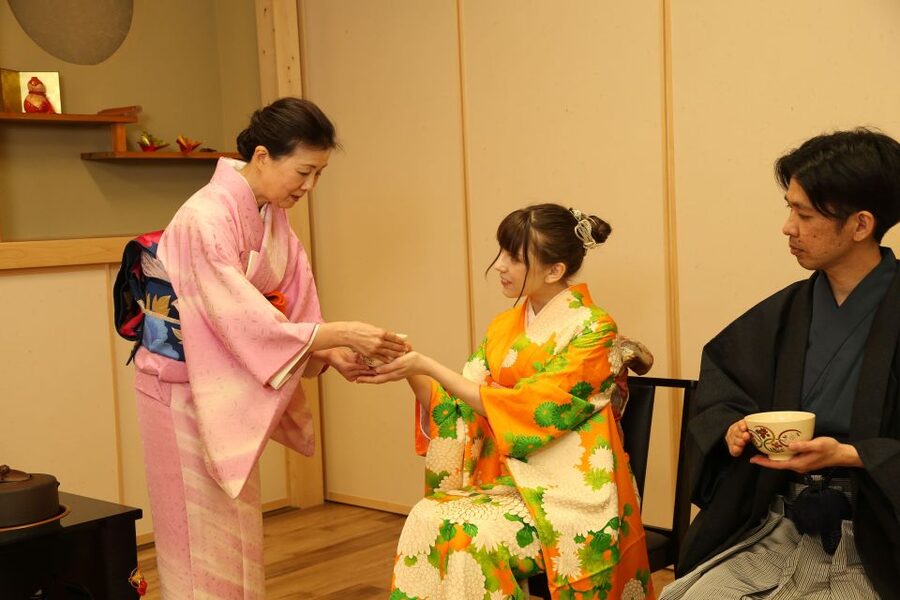
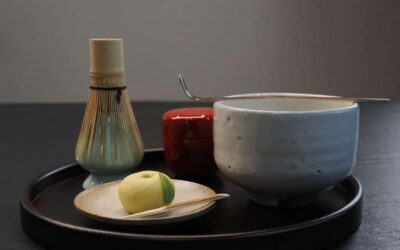
Most people think a tea ceremony is mainly about whisking matcha. In reality, it’s a whole system of objects and gestures. You’ll learn the specific utensils involved and how each one contributes to the ceremony’s flow.
This is where the experience becomes genuinely valuable. You do not just get one neat photo opportunity. You learn what the tools are, what to look for, and how the steps connect. When you handle the utensils yourself later, that earlier explanation makes a difference.
If you’re the kind of traveler who likes to understand what you’re looking at, you’ll enjoy this part. It turns the ceremony into something you can recognize and recreate with accuracy after you go home.



Your turn: conducting the ceremony the second time
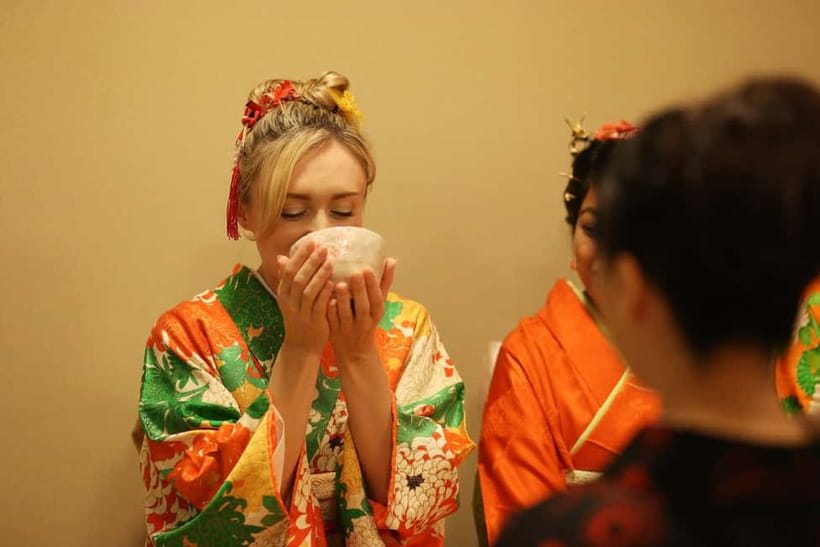
After the first ceremony and your tasting, you do it yourself. That second tea ceremony is performed with expert guidance, so you are not left to guess.
This is the moment that changes the experience from “nice class” into something you can keep. You’ll practice the sequence, learn the movements that go with each step, and build confidence with the utensils. You’re guided, but you are also the one doing the work.
A key detail: the class makes this doable for different bodies. Since seating is available, you can participate comfortably even if you do not want to sit on the floor. You still learn the ritual accurately.
I also appreciate the pacing here. You are not thrown into a long, complicated performance right away. You get taught, you taste, you try. That structure keeps it from feeling like pressure.
Taste as part of the teaching, not an afterthought
You’ll taste matcha green tea and traditional sweets as part of the lesson. This matters because it reminds you that the ceremony is sensory, not only intellectual.
The sweet is paired to complement the tea, which helps you notice the flavor differences created by the ritual. Matcha can feel strong if you’re drinking it as a casual beverage. In this setting, it feels smoother, more balanced, and more “connected” to the moment.
So yes, you get a lesson. But you also get an experience with taste and texture, which is a better memory than facts alone.
How much is it, and is it worth $63?
At $63 per person for 75 minutes, the best way to judge value is to compare what you receive. You are not only watching a performance. You get a guided explanation of Zen Buddhism as it relates to the tea ceremony, you taste matcha and Japanese sweets, and you perform a second ceremony yourself with coaching.
That mix is what makes the price feel reasonable. Many short experiences end when the tea is poured. Here, the instructor helps you build the skill of doing it.
Also, the group is small, limited to 10. That size supports better instruction and better visibility. If you’ve ever been stuck in a crowd at a workshop where you cannot see, you’ll appreciate the opposite setup.
The only thing you should budget for is transportation. It is not included, so you will need to get yourself to the meeting point near Tokyo Tower.
Who should book this Zen tea ceremony
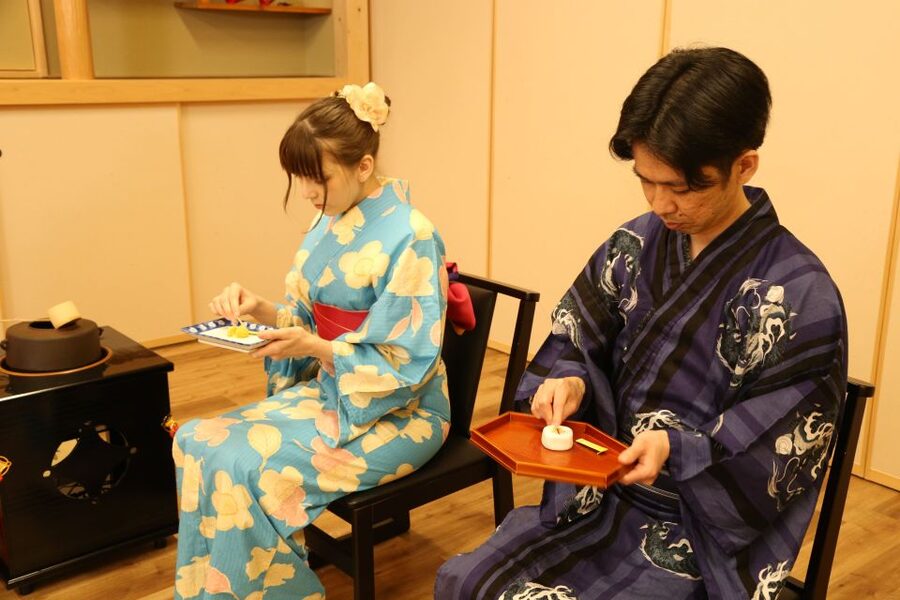
This is a great match if you want something quiet and meaningful in the middle of a loud city. It’s also ideal if you like cultural experiences where you can participate, not only observe.
You’ll probably enjoy it most if:
- You are a first timer who wants the context behind the ritual
- You enjoy hands on learning
- You appreciate English explanations and structured steps
- You want a calm break that still feels “active,” since you conduct the second ceremony
It is not ideal for very young children, since it is not suitable for children under 4. And if you are very sensitive to sound, keep in mind the setting is a shared building, so total silence may not be guaranteed.
Practical tips for getting the most out of your 75 minutes
Come with a flexible mind. This is not a fast, checklist style tour. It’s a chance to slow down and follow instructions that might feel unfamiliar at first.
Also, treat the tea ceremony like it matters. You will learn better if you focus during the explanation and watch the host’s hands, not your phone screen. If you tend to multitask, this is your “put the mind where the moment is” challenge, politely.
Finally, ask questions if you have them. The host is guiding in English, and the whole point is understanding the why behind the movements.
Should you book Practicing Zen with a Japanese Tea Ceremony?
I’d book it if you want one Tokyo activity that is calm, authentic, and active. The reason is simple: you don’t just taste matcha, you learn how the ritual works and you try it yourself. With small group limits, English instruction, seating options, and a clear teaching structure, it’s set up for actual participation.
I would think twice if you need absolute silence, because the experience takes place in a real building in real city life. And if you’re looking for a long, varied itinerary with multiple stops, this is a focused one lesson, one venue experience.
If you’re here for meaning as well as photos, this is a strong choice.
FAQ
Where is the meeting point for the tea ceremony?
Please meet your instructor at the main entrance of the Kikai Shinko Kaikan building on the 1st floor. The building is right opposite Tokyo Tower. If you cannot find the instructor, visit True Japan Tour, Room B109, on the B1 floor of the building.
How long is the experience, and is it a small group?
The experience lasts 75 minutes. It is a small group limited to 10 participants.
What languages are offered?
The instructor provides the experience in English.
Is it wheelchair accessible?
Yes, the experience is wheelchair accessible. Seats are available for guests who prefer not to sit on the floor.
What is included in the price?
The price includes the tea ceremony, traditional sweets, matcha green tea, and a second tea ceremony performed by you with guidance.
Can I cancel, and can I pay later?
Yes. There is free cancellation up to 24 hours in advance for a full refund. You can also reserve now and pay later.
More Tour Reviews in Tokyo
Not for you? Here's more nearby things to do in Tokyo we have reviewed












Tokyo Tea & Sake Experiences, side by side.
 ★ 5.0Traditional Tea Ceremony with a Tea MasterFrom $38528 reviews
 ★ 5.0Sake Tasting Masterclass in Shinjuku (8+ Varieties with a Pro)From $72271 reviews
 ★ 5.0Tea Ceremony Workshop in Tokyo by the Experienced InstrucorFrom $38189 reviews
 ★ 4.9Asakusa: Kimono Tea Ceremony with Matcha and SweetFrom $66153 reviews
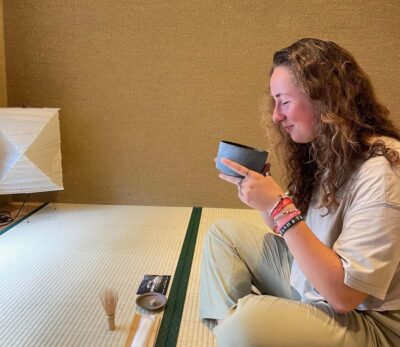 ★ 4.9Tea Ceremony Experience in a Private Tea Room in ShibuyaFrom $30125 reviews
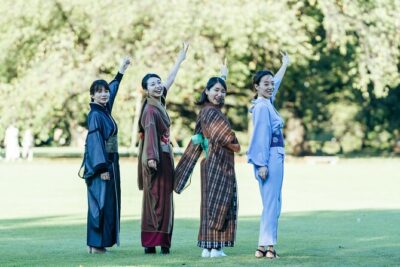 ★ 5.0Matcha Kimono Tea Ceremony in TokyoFrom $59104 reviews
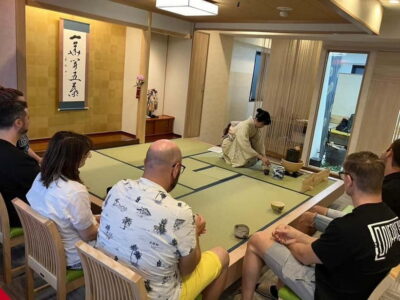 ★ 4.9Tea ceremony experience in Japanese-style room 60minFrom $4586 reviews
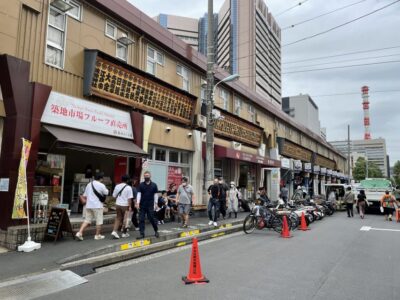 ★ 4.9Tsukiji: Outer Market Walking Tour & Sake Tasting ExperienceFrom $7081 reviews
This tour also belongs to