
Review · SHINJUKU TOURS
Sake Tasting Masterclass in Shinjuku (8+ Varieties with a Pro)
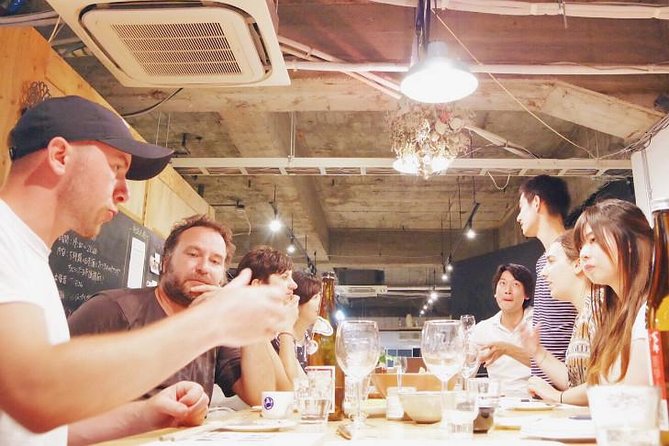
Sake tastes better when you know what to ask. This Shinjuku sake masterclass turns Japanese alcohol into something you can actually compare and buy with confidence. I love the small-group setup (max 8) that keeps questions flowing, and I love that you taste at least six sakes alongside snacks made to match. One heads-up, the pace can feel like a lot for brand-new beginners, and some people end up pretty buzzed because the tasting is generous.
You’ll meet your guide in Nishishinjuku and get a hands-on Sake 101 lesson over about two hours, focused on brewing basics, labels, and flavor words you can use at a shop or restaurant. Expect beverages and snacks (not a full meal), a tasting chart you create during the session, and lots of practical tips for ordering.
Key takeaways before you go
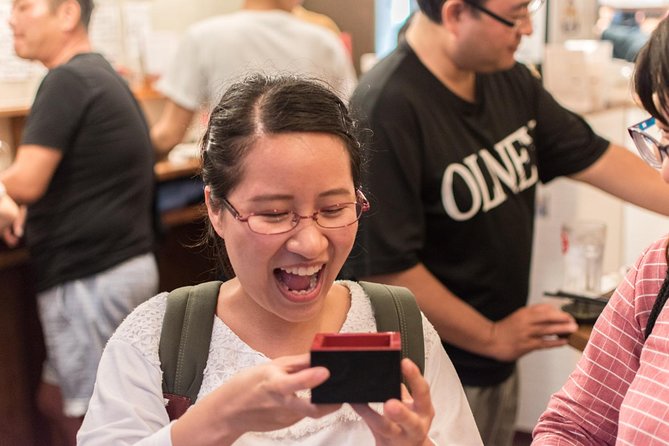
- Small group, real attention: up to 8 people, so your guide can slow down when you have questions.
- At least six tastings, often more: the format is structured, and several hosts run 9 to 10 pours depending on the group.
- Label and buying tips are part of the deal: you’ll learn what to look for when you shop or order.
- Snack pairings teach your palate: savory bites help you notice how a sake’s style changes the experience.
- No spittoon culture: plan to pace yourself, drink water, and eat beforehand.
- A take-home reference helps: you get a sheet to remember what you liked and what to buy next.
Shinjuku’s Nishishinjuku meeting point makes this easy to fit
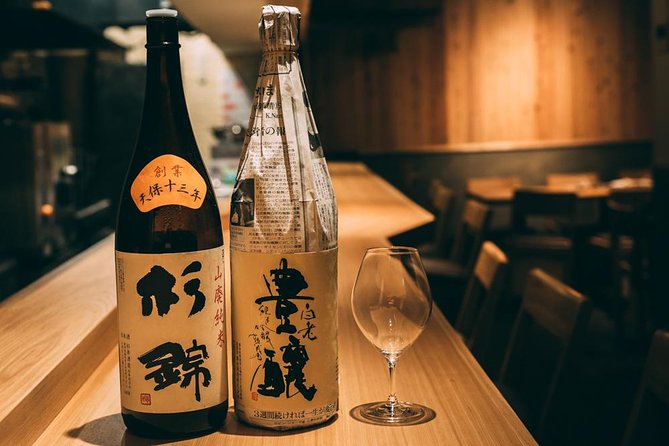
This tour is set in Tokyo’s Shinjuku area, with the start point at the Ushinobi Shinjuku, Wagyu & Sake NSK Building (201, 1-chōme-22-1 Hyakuninchō, Shinjuku City). The start time is 1:00 pm, and it ends back at the same meeting point, so you’re not juggling transit for the rest of your afternoon.
Why I like this location choice: it keeps the experience simple. Shinjuku is easy to reach by public transportation, and you can pair this with an afternoon of exploring after you’re done, without having to plan an awkward “get back to the hotel” route.
You can also read our reviews of more food & drink experiences in Tokyo

What you really learn in the Sake 101 session (and why it matters)
The class is built around Sake 101: how sake is made, a bit of brewing and history context, and how to read labels in a way that connects to taste. You’ll learn the vocabulary that helps you move beyond liking or not liking, and start picking bottles by style, not by guesswork.
The practical part is huge. Knowing the terms and brewing basics helps you understand why two sakes that sound similar can taste totally different. And once you can connect label terms to flavor, ordering at a restaurant stops feeling like random luck.
The tasting lineup: at least six sakes you can compare side by side
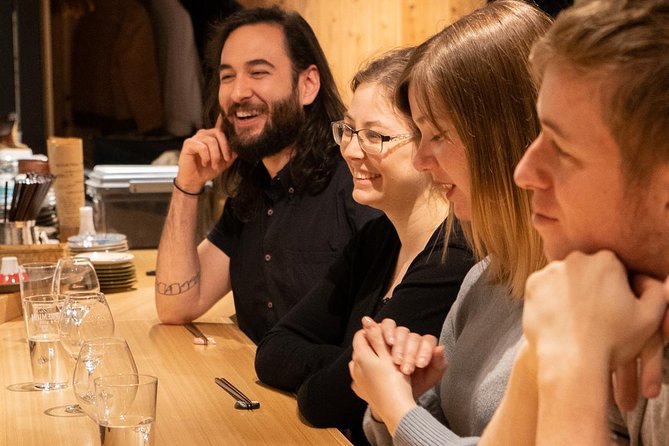
You’ll sample more than six different types of sake during the two-hour session, and the goal is to help you find your favorites by comparing styles. Some groups report tasting around nine or ten, so come hungry for information and ready to slow your pace.
Here’s how to use this part well: taste each pour with a quick mental note. Instead of trying to memorize everything, focus on what you notice first, like aroma, sweetness level, acidity, and how the finish feels. By the end, you’ll create your own tasting chart, which makes your likes actionable later when you’re shopping.
Also, the training vibe helps. Several hosts are described as entertaining and personable, and that matters because you’ll remember the lessons that come with a good story. One guide, Max, is specifically noted as a certified sake sommelier, and that shows in the way the explanations land for people who start with zero experience.
Snack pairings turn guessing into real flavor skills
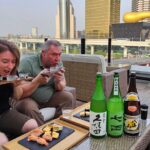
You don’t just sip. You get snacks that are paired with what you’re tasting, so you can feel how sake behaves with food. Since it’s not a full meal, treat the snacks like training wheels: they’re there to help your palate notice differences, not replace dinner.
This pairing structure is smart for two reasons. First, sake can taste very different depending on what it’s paired with. Second, your brain learns faster when it can connect flavor changes to a concrete bite.
A good practical move: start with a bite, then taste the sake, then take another bite. That small rhythm helps you catch what’s really changing, especially when you go from a lighter style to something richer.
Getting personal attention in a max 8 group
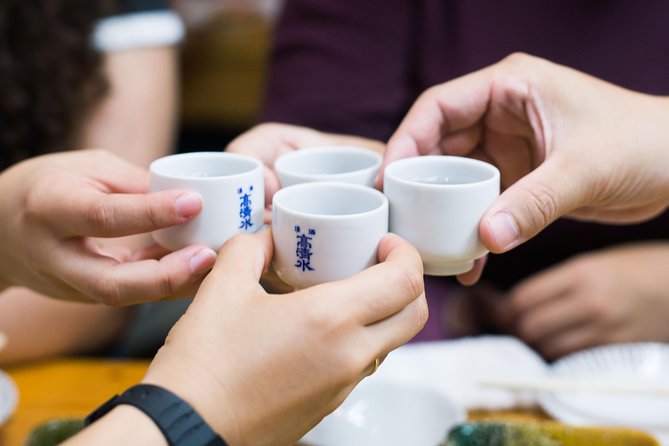
This is capped at 8 travelers, which keeps it conversational instead of lecture-style. That matters because sake has a lot of terms, and you’ll probably have questions early, like what a label actually means or how to choose when you’re standing in front of rows of bottles.
Hosts you may encounter include Max, Joe (including one host referred to as Hawaii Joe), Tadashi, Megan, Cassy, and Andrea, all described as friendly and engaging in different ways. The common thread is that they answer questions and share ordering advice beyond the tasting itself, including what to look for when you’re buying later.
If you’re the type who likes to ask follow-ups, this group size is a win. It’s also one reason people say they feel confident ordering after the tour.
You can also read our reviews of more drinking tours in Tokyo

Expect a buzz, so eat first and sip water
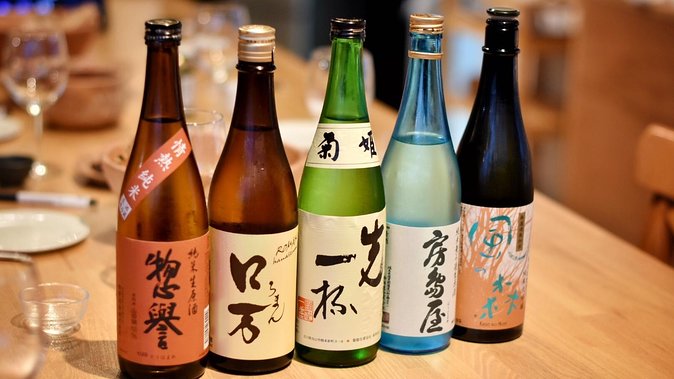
One thing I’d treat as non-negotiable: eat beforehand. Multiple hosts and participants highlight that the tastings can move fast and feel generous, and that you can get intoxicated if you’re not careful.
Because it’s a real tasting format (not built around spitting), you’re drinking what you taste. So bring a practical mindset: drink water between pours, pace your own sips, and don’t schedule anything that requires laser focus right after.
If you’re very new to sake, also know that the information can run faster than you expect. One person said the information felt above their level as a first-timer. You’ll still get value, but if you’re anxious about terminology, go in with patience and ask your guide to slow down when needed.
Value check: $72.29 for two hours, six-plus tastings, and pairing tips
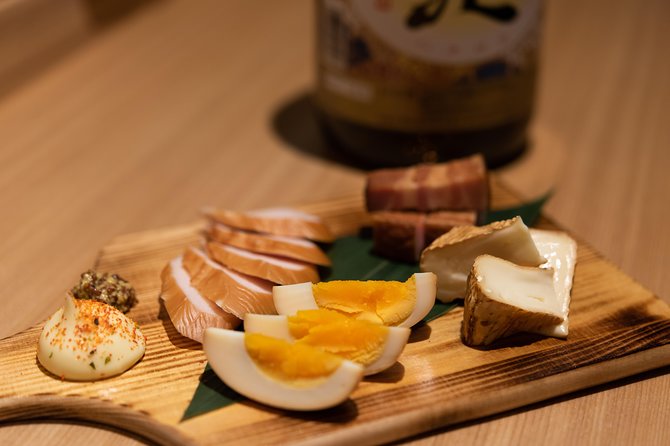
At $72.29 per person for about two hours, the value is mostly in what you get bundled together: beverages, snacks, a guided tasting, label learning, and practical shopping or ordering tips. This is not just “try a few sips.” It’s a structured way to learn what to buy next.
Compare it to doing sake tastings on your own. You’d likely pay similar money for a smaller set of pours, and you wouldn’t get the label decoding and food-pairing education that makes the experience stick. The take-home reference sheet and your tasting chart add to the value because they help you follow through after the tour.
Where the value is strongest: if you plan to buy sake or order it during your trip. The tour gives you the map, not just the taste.
Logistics that actually matter on the day
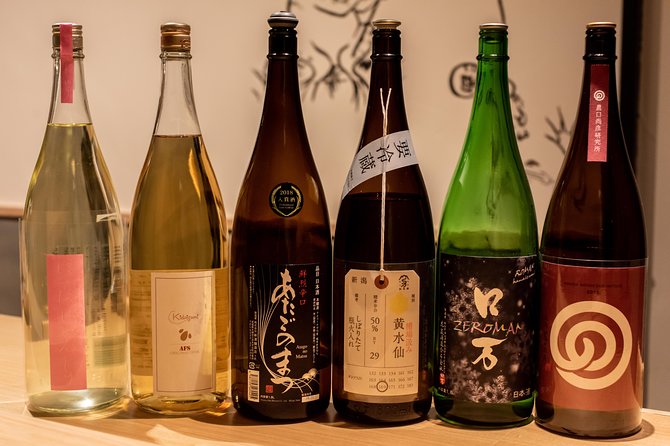
You’ll use a mobile ticket, and the start point is near public transportation in Shinjuku. There’s no hotel pickup and no transportation included to and from attractions, so plan to get yourself to the meeting point.
Since the tour ends where it begins, build your schedule around that. Aim for an easy afternoon after the masterclass, not something requiring exact timing, especially if you’re sensitive to alcohol.
One more practical note: double-check the exact meeting address and building details before you go. A few people reported confusion finding the place the first time, even though the host experience once you arrive is consistently praised.
Who should book this sake masterclass in Shinjuku
This works best if you want a hands-on way to learn Japanese sake without guessing. If you like food, enjoy guided tastings, or want a shortcut to ordering correctly at restaurants, you’ll likely find the ordering and buying tips especially useful.
It also suits couples and small groups, since people describe the vibe as fun, upbeat, and question-friendly. If you’re traveling solo, the small cap still gives you a chance to interact with the guide rather than fading into the crowd.
The main reason not to book is timing or drinking preference. If you cannot handle alcohol, or you’re not comfortable with a generous tasting format that can lead to getting buzzed, consider other options. Also, if you hate fast-paced explanations and need a very basic, step-by-step intro, you might want to ask the guide to simplify early.
Should you book it? My honest take
Book this Sake Tasting Masterclass in Shinjuku if you want a fun, high-impact way to understand what you’re tasting and turn it into real-world ordering confidence. The best part is the mix of education and practice: label basics, brewing context, food pairing, and a tasting chart you can actually use later.
Skip it only if you’re worried about alcohol effects or you want a slow, ultra-beginner class with minimal intensity. Otherwise, this is one of those Tokyo experiences that pays off immediately and continues paying off when you’re choosing sake afterward.
FAQ
How long is the sake tasting masterclass?
It runs for about 2 hours.
How many sake varieties will I taste?
You will sample more than six types of sake during the workshop.
What’s included in the price?
Beverages and snacks are included. Snacks are not a full-size meal.
Is transportation or hotel pickup included?
No. Hotel pickup and drop-off and transportation to and from attractions are not included.
Where do I meet the host?
You start at Ushinobi Shinjuku, Wagyu & Sake NSK Building, 201, 1-chōme-22-1 Hyakuninchō, Shinjuku City, Tokyo 169-0073, Japan.
What time does the tour start?
The listed start time is 1:00 pm.
How many people are in the group?
The maximum group size is 8 travelers.
What is the minimum drinking age?
The minimum drinking age is 20 years.
Can I request dietary accommodations?
Yes. If you have food restrictions, message in advance at least a week before the tour date.
Is free cancellation available?
Yes. You can cancel up to 24 hours in advance for a full refund. If you cancel less than 24 hours before, the amount paid is not refunded.
More Drinking Tours in Tokyo
More Food & Drink Experiences in Tokyo

More Tour Reviews in Tokyo





Not for you? Here's more nearby things to do in Tokyo we have reviewed












Shinjuku Tours, side by side.
 ★ 5.0Shinjuku Food Tour (13 Dishes at 4 Local Eateries)From $866,603 reviews
 ★ 5.0Tokyo Bar Hopping Tour in Shinjuku (All-You-Can-Drink + Dinner)From $1063,587 reviews
 ★ 4.9Shinjuku Food Tour (15 Dishes and 4 Eateries)From $852,033 reviews
 ★ 5.0Best of Shinjuku: Izakaya Food Tour (4 Stops, 14+ Tastings)From $921,863 reviews
 ★ 4.9Shinjuku Local Bar and Izakaya Guided Walking TourFrom $341,794 reviews
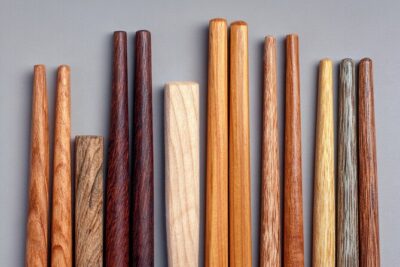 ★ 5.0Tokyo Shinjuku Chopsticks Making ClassFrom $201,763 reviews
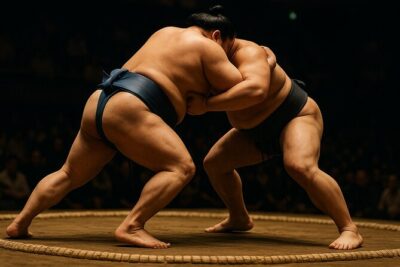 ★ 5.0Tokyo Shinjuku Sumo Show & Experience with PhotoFrom $791,750 reviews
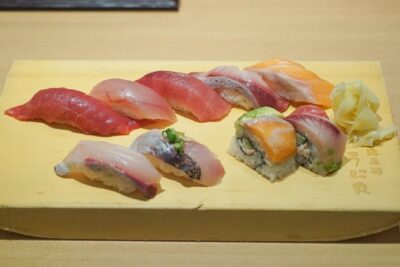 ★ 5.0Tokyo Night Foodie Tour in Shinjuku – Seasonal Sushi, Wagyu BeefFrom $1111,161 reviews
This tour also belongs to