
Review · TOKYO TEA & SAKE EXPERIENCES
Tokyo: Traditional Tea Ceremony with a Tea Master
Matcha taught me to slow down. Ocharu Tea Ceremony in Tokyo turns that idea into a friendly, structured 60-minute class, right across from Tokyo University. You’ll taste wakocha first and then make your own matcha with a tea master in English.
Two things I really like about this experience are the way it mixes multiple tastings with hands-on practice, and the chance to pair high-grade green tea with seasonal sweets from Ougiya. One thing to consider: it is not wheelchair accessible, and the whole session is designed to fit into one hour, so it moves at a steady pace.
Key Points at a Glance
- Wakocha, Gyokuro, and Genmaicha in one focused flight, so you compare styles instead of just sampling
- Hands-on matcha whisking using traditional tools, not just watching from your seat
- Seasonal wagashi from Ougiya, a respected confectioner known for making sweets with a tea-style balance
- Certificate plus group photo, so you leave with a real keepsake, not just a memory
- Across from Tokyo University, which makes it easy to add to your day without extra transit
Where Ocharu Tea Ceremony Fits Into Your Tokyo Day
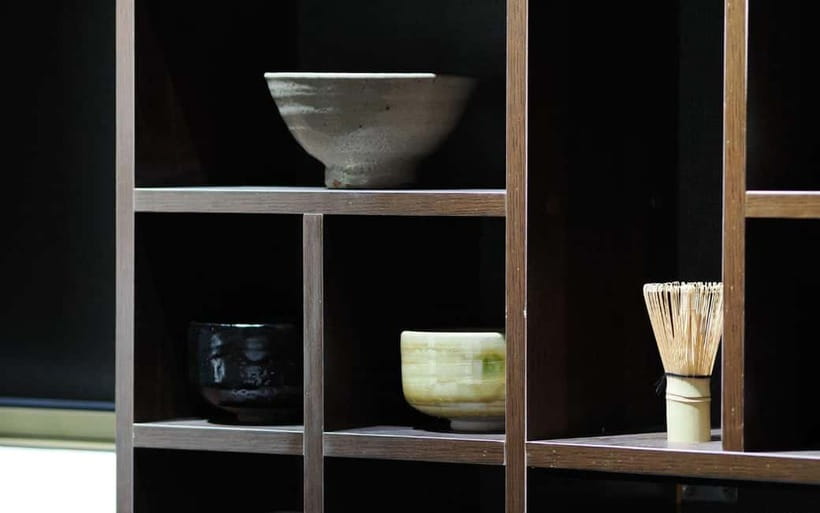
If you like experiences that are easy to plan and low stress to navigate, this one has a big advantage: it’s in Honshu, Japan, and the Ocharu Tea Ceremony room is opposite Tokyo University. That matters because Tokyo can be a lot of walking, train transfers, and timing. Here, you can usually build your schedule around a single, fixed location.
The meeting point is straightforward too. Look for the building with a green logo that says OCHARU. Arrive about 5 minutes early so you can check in and settle before the tea master starts. English instruction is part of the setup, so you won’t feel stuck.
A note from recent sessions: some people find the sign a bit hard to spot at first because it can be higher up than you expect. If you do get turned around, the simplest move is to step into the shop area and confirm you’re at the right place rather than roaming the block.
You can also read our reviews of more tours and experiences in Tokyo.



The Tea Menu: What You Taste and Why It Matters
This is not one tea ceremony, then done. It’s a sequence of teas designed to teach you what Japanese tea can taste like, from lighter and floral to deep and grassy, then back to comfort.
Wakocha welcome: black tea with a Shizuoka twist
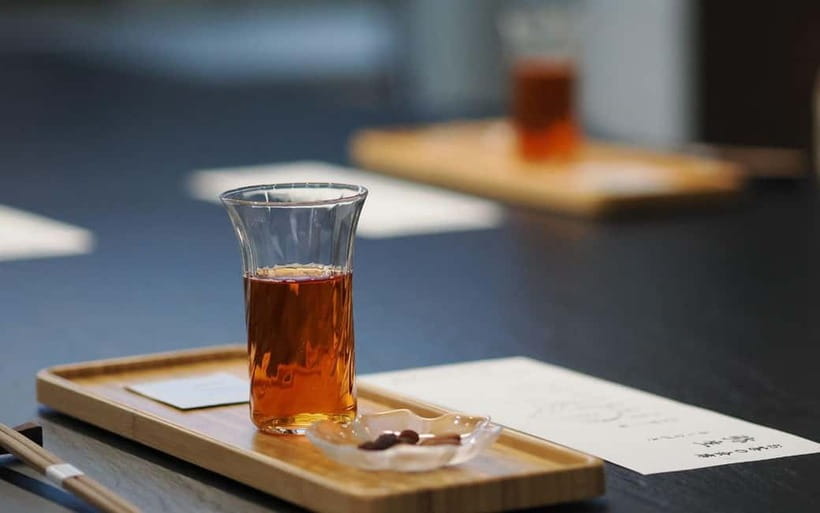
You begin with wakocha, a Japanese black tea from Shizuoka, served with a traditional tea cake. This start is smart for first-timers because black tea is often more familiar than matcha or top-grade green tea. It also sets up the tasting process: you’re already thinking in flavors and aromas before you ever touch the whisk.
Expect the tea cake to act like a bridge between sips, especially if you’re still getting used to tea etiquette and the pace of the room. The goal is to get you relaxed and ready to pay attention.
Gyokuro sencha tasting: where quality shows up fast
Next comes Gyokuro sencha, described as top grade and brewed by the tea master. If you’ve only had mass-market green tea, Gyokuro can feel like a different category. The experience here is built around comparison: you get freshly brewed tea and you can taste the leaves themselves.
This step is the anchor of the tasting portion. It teaches you that green tea quality is not just a marketing label. It changes the aroma, mouthfeel, and overall flavor intensity, and you’ll notice it even with limited prior tea knowledge.
Seasonal wagashi from Ougiya: sweets that match the tea
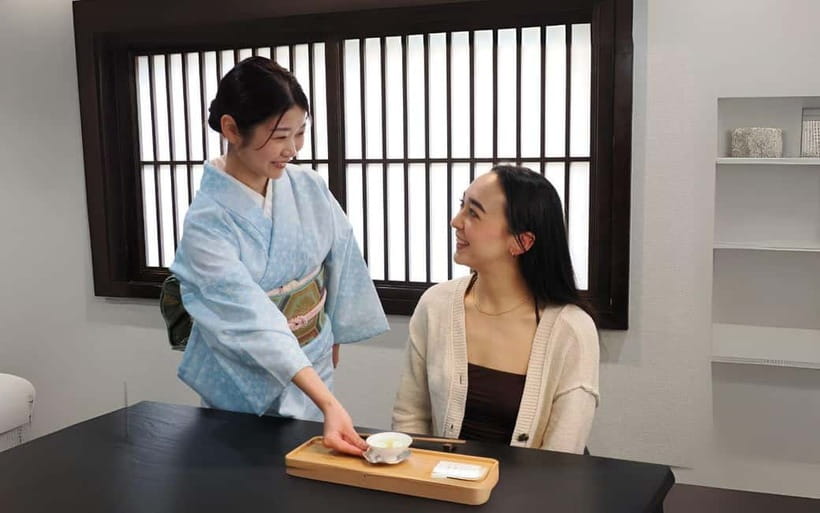
Wagashi play a key role in the ceremony because they’re not separate from the tea experience. They’re seasonal and meant to pair well. In this session, you’ll have seasonal wagashi from Ougiya, a well-known confectioner.
What I like about this is the balance. If you’re the type who worries that tea tastings will be overly dry or repetitive, the wagashi gives you sweetness in a controlled, Japanese-style way. It’s also a good way to slow down and taste, since you’re switching between tea and sweets rather than rushing through one flavor track.



Genmaicha finale: roasted comfort at the end
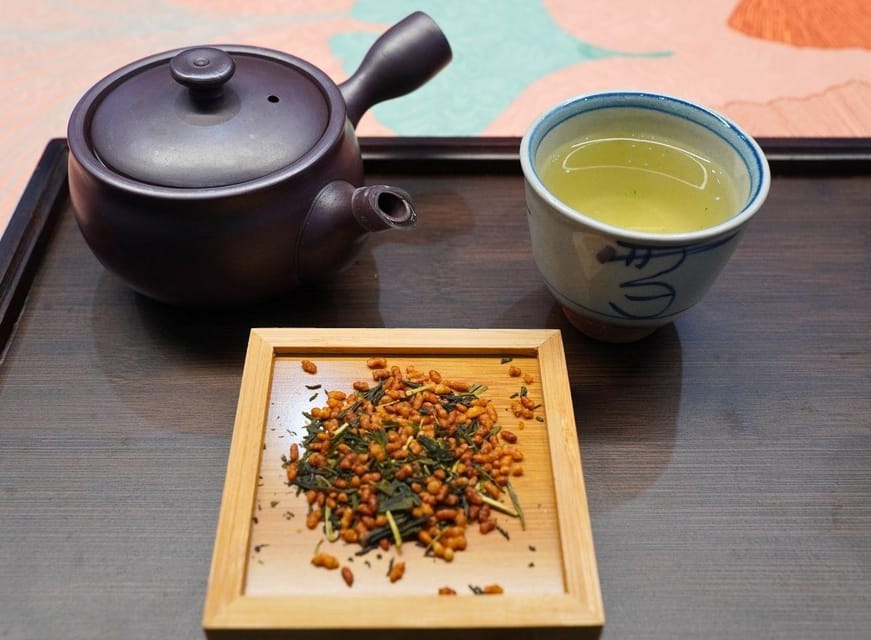
The ceremony ends with a cup of Genmaicha, a blend of sencha and roasted rice from Niigata Prefecture. This finish is practical. Roasted rice tends to soften the sharp edges that some people notice in green tea. It gives you something comforting to close on after matcha.
If you’re sensitive to the bitterness that can happen in under-heated green tea brewing, the Genmaicha finale can feel like relief. It helps the whole hour land smoothly instead of leaving your palate tired.
Matcha Making: Your Hands-On Moment (and Common Mistakes to Avoid)
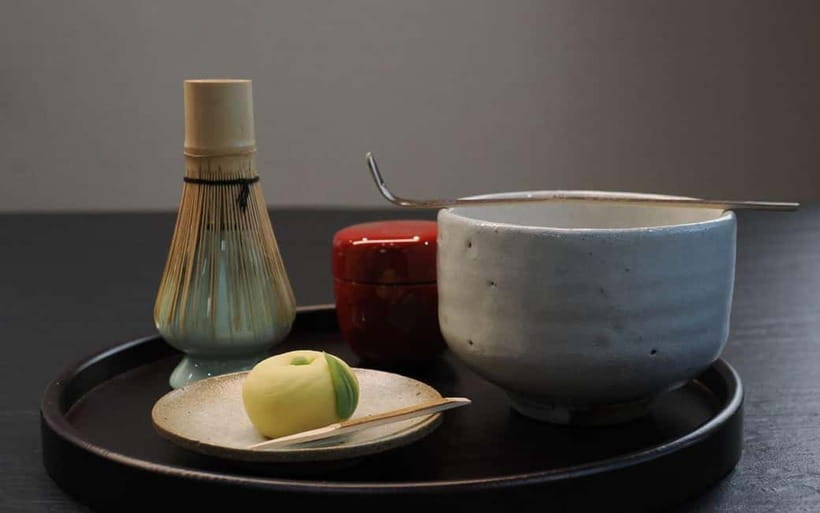
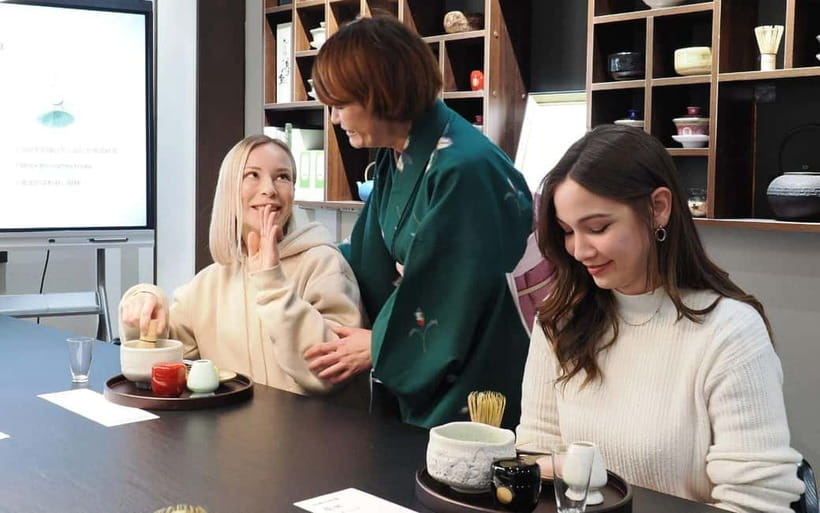
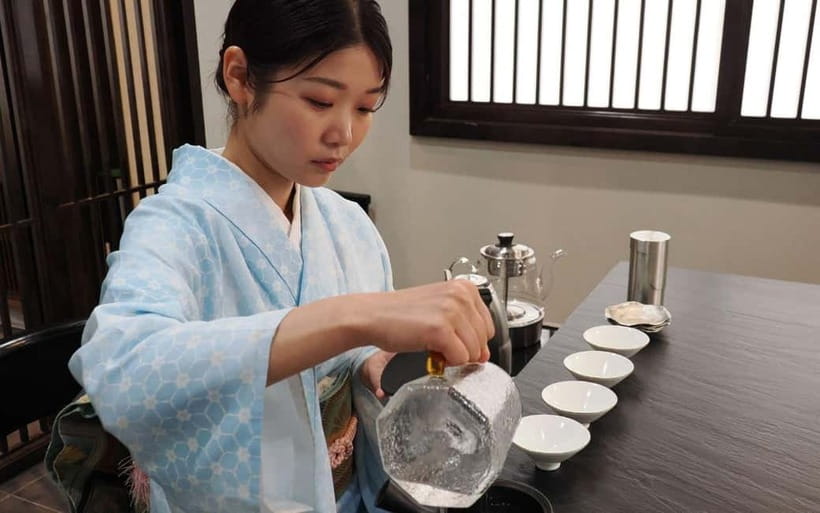
The heart of the experience is your matcha making session. You’ll whisk your own matcha under expert guidance using traditional tools and utensils.
This is where the ceremony stops being entertainment and becomes a skill. You’re not just hearing about matcha. You’re practicing the motions and learning how the tea master wants it handled.
From recent feedback, the guidance can be calm and clear, and you’ll often get enough time to try doing it yourself, not only the first whisk. Some sessions feel interactive, and that’s a big part of why people love this format.
If you want a simple mindset going in, use this rule: treat matcha like a process, not like a drink you pour. Watch what the tea master does, then copy it, then adjust. In a one-hour class, that repetition matters.
Also, a helpful detail from reviews: after the experience, you may keep certain items like chopsticks. That kind of small souvenir adds up because it turns the session into something you can revisit at home.
The Tea Master Experience: Friendly Teaching in English
One of the most praised parts of this ceremony is how the tea master teaches. Many sessions are described as relaxed and friendly, with guides who explain the steps in a way that feels approachable.
Recent guides mentioned in recent sessions include names like Ekiko (and sometimes spelled similarly as Aikiko), plus Shinichi-san. That doesn’t mean you’ll get the same person, but it does suggest the experience often leans toward personable teaching, not stiff performance.
A practical caution: English can be very clear for most people, but a few reviews mention that accents can sometimes be challenging. If you’re sensitive to audio clarity, it may help to sit where you can hear well and ask questions if you’re unsure. Most tea masters encourage questions because it improves the learning flow.
Keepsakes: Certificate and Group Photo
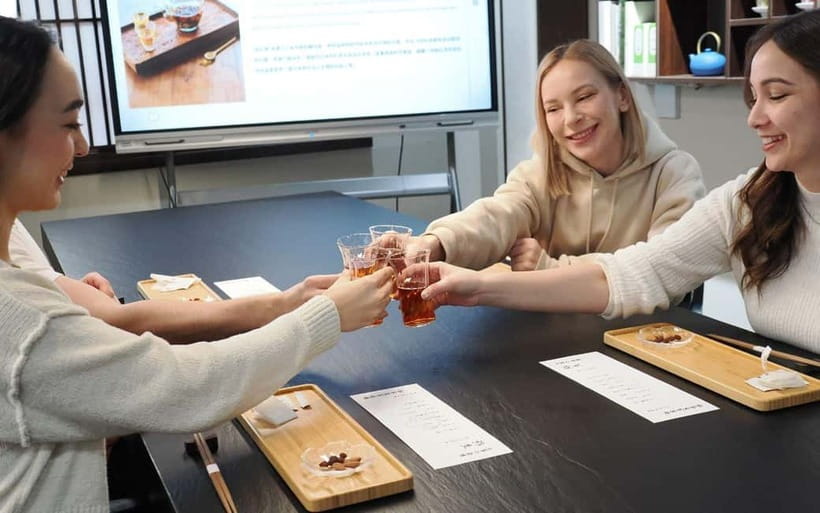
You’ll leave with a certificate and a group photo. This is more than a nice extra. It gives the ceremony structure a clean ending, especially if you’re traveling alone or doing the experience as a highlight.
One detail that stood out in reviews is that your certificate may include your name in Japanese, even when you might not expect it. That makes the paper feel personal, not generic.
If you like tangible memories more than photo-only souvenirs, this part is a win. It also helps you remember the sequence of teas you learned, since you can look at the certificate later and recall what each flavor meant.
Value for $38: What You’re Actually Paying For
At $38 per person for about 1 hour, this is positioned as a value-friendly cultural activity in Tokyo. The price feels fair because you’re getting several things in one place:
- Multiple tea tastings (wakocha, Gyokuro sencha, Genmaicha)
- Seasonal wagashi from Ougiya
- A hands-on matcha session with traditional tools
- Your own keepsakes (certificate and group photo)
- An English-speaking tea master and access to the dedicated Ocharu room
You could spend a similar amount just buying tea somewhere, but you wouldn’t get the teaching and practice. That’s the difference here. You’re not only consuming flavors. You’re learning what to notice.
Is it expensive compared to buying snacks at a convenience store? Yes. But it’s cheap compared to many guided cultural workshops that provide less tasting and less hands-on involvement.
Logistics: Getting There and Knowing What to Expect
Plan for an easy start, but don’t rush the check-in. The process begins promptly once the group is ready, so arriving 5 minutes early gives you breathing room.
Since it’s across from Tokyo University, you can often tie it to other nearby stops. One review even notes the proximity to the campus and the zoo area, which can help you map a simple half-day plan. You’re not stuck with a single “tea only” destination far from anything else.
Also, this is described as an English-instructor experience. It works well for first-timers and tea regulars because the teaching explains both what you’re drinking and why it matters.
Extra Things You Might Find in the Building
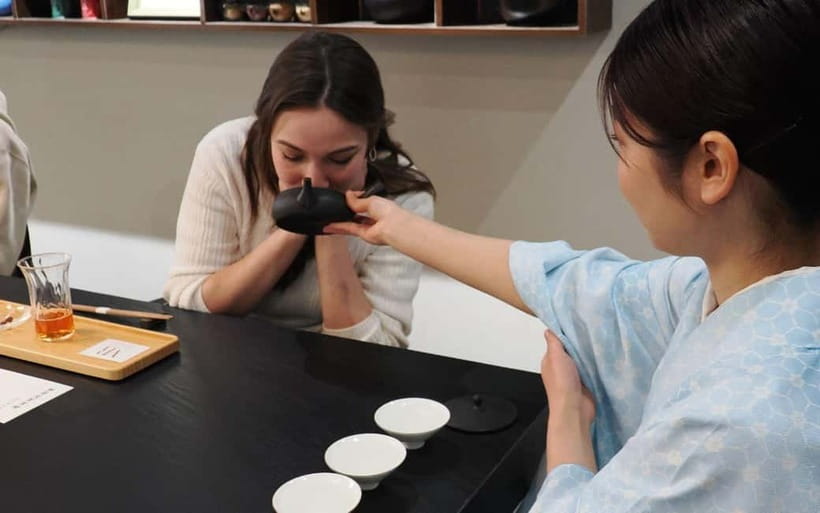
There can also be small perks around the main room. Some reviews mention a downstairs café where you can drink matcha and buy tea to take home. Another review notes green tea beer at a store on the first floor.
These extras are not the core reason to book, but they’re useful if you want to extend the experience by buying a tea you like. If you plan to bring something back, this is one of the easier places to do it without turning your day into a shopping errand.
Who This Tea Ceremony Works Best For
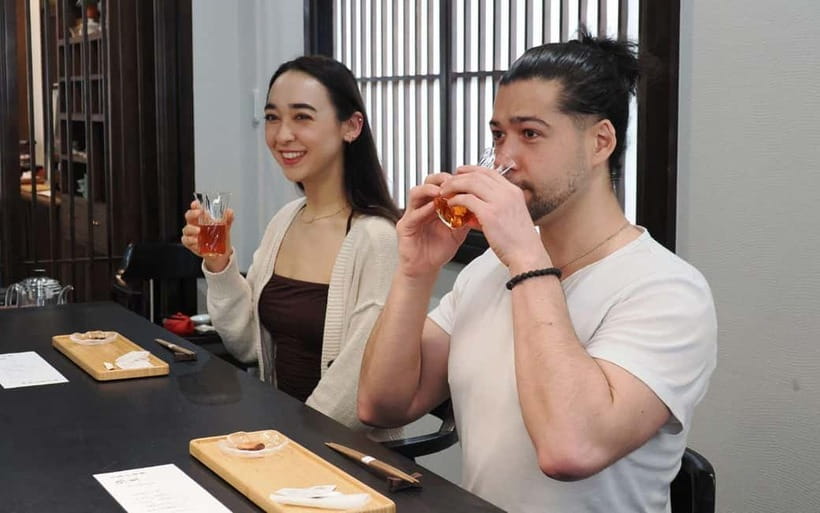
This is a great fit if:
- You want a Tokyo cultural activity that’s calm, structured, and not overly long
- You’re curious about the difference between black tea, sencha, Gyokuro, matcha, and Genmaicha
- You like hands-on activities and want to practice rather than only watch
- You want a guided experience in English with a clear start and finish
It might be less ideal if you:
- Need wheelchair access (this one is not suitable for wheelchair users)
- Prefer long, silent, ultra-formal ceremonies with lots of time between steps
- Get easily frustrated by quick instructions or language differences (a few accent-related comments show up in reviews)
Should You Book Ocharu’s Traditional Tea Ceremony?
If you want a smart, beginner-friendly way to understand Japanese tea beyond the basics, I’d book it. For $38 and one hour, you get a teaching-focused tasting, a real matcha making session, and keepsakes to match. It’s also easy to schedule because the location is right across from Tokyo University.
I’d skip or reconsider only if mobility access matters for your group, or if you already know that you hate structured activities that move at a steady pace. Otherwise, this is exactly the kind of Tokyo experience that leaves you with skills you can use later, not just a photo in your camera roll.
FAQ
How long is the Tokyo Traditional Tea Ceremony?
The experience lasts about 1 hour.
What is the price per person?
The price is $38 per person.
What tea will I taste during the ceremony?
You’ll have a welcome cup of wakocha, taste Gyokuro sencha, enjoy seasonal wagashi, make and drink matcha, and finish with Genmaicha.
Do I make matcha, or only taste it?
You’ll make your own matcha during the session with guidance from the tea master using traditional tools.
Is the tea master instruction available in English?
Yes, the instructor teaches in English.
What do I receive at the end?
You receive a certificate and a group photo.
Is the experience suitable for wheelchair users?
No, it is not suitable for wheelchair users.
More Tour Reviews in Tokyo
Not for you? Here's more nearby things to do in Tokyo we have reviewed












Tokyo Tea & Sake Experiences, side by side.
 ★ 5.0Sake Tasting Masterclass in Shinjuku (8+ Varieties with a Pro)From $72271 reviews
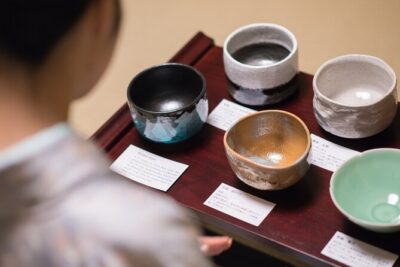 ★ 5.0Tea Ceremony Workshop in Tokyo by the Experienced InstrucorFrom $38189 reviews
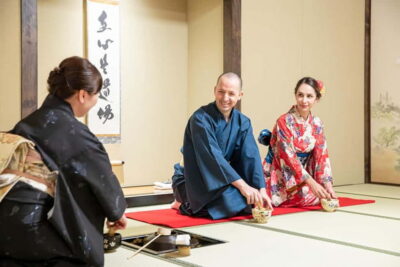 ★ 4.9Asakusa: Kimono Tea Ceremony with Matcha and SweetFrom $66153 reviews
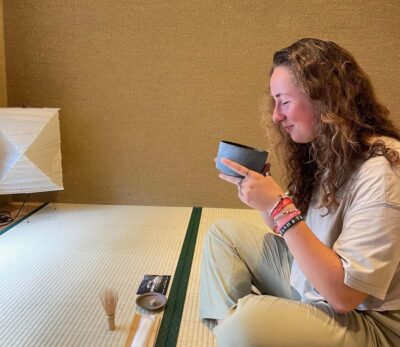 ★ 4.9Tea Ceremony Experience in a Private Tea Room in ShibuyaFrom $30125 reviews
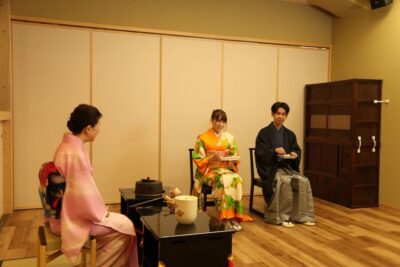 ★ 4.7Practicing Zen with a Japanese Tea CeremonyFrom $63105 reviews
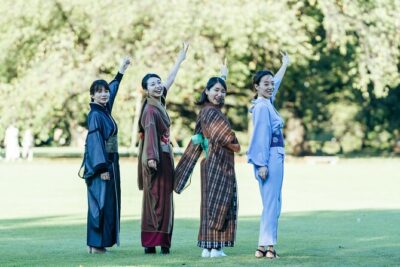 ★ 5.0Matcha Kimono Tea Ceremony in TokyoFrom $59104 reviews
 ★ 4.9Tea ceremony experience in Japanese-style room 60minFrom $4586 reviews
 ★ 4.9Tsukiji: Outer Market Walking Tour & Sake Tasting ExperienceFrom $7081 reviews
This tour also belongs to