
Review · TOKYO TEA & SAKE EXPERIENCES
Matcha Kimono Tea Ceremony in Tokyo
Putting on kimono in minutes feels like time travel. I came away loving the easy-to-wear kimono and the careful focus on first flush matcha from their 100+ collection. The small-group style makes the Q&A feel real, but you should plan for the practical stuff like socks for the tatami room and arriving on time since delays can end your spot.
In a laid-back Shinjuku workshop setting, you’ll get a clear lecture on tea types, tea-ceremony manners, and how Japanese matcha differs from overseas versions. Then comes the hands-on part: you’ll use proper tools to whisk matcha, learn how to drink it the right way, and enjoy snacks plus a welcome drink during the process.
Key things I would not skip
- Easy-to-wear kimono rental designed to go on fast, not the usual 30 minutes
- First flush matcha tastings from a carefully selected, high-quality lineup
- Japanese vs overseas matcha explained in plain terms, with you tasting the difference
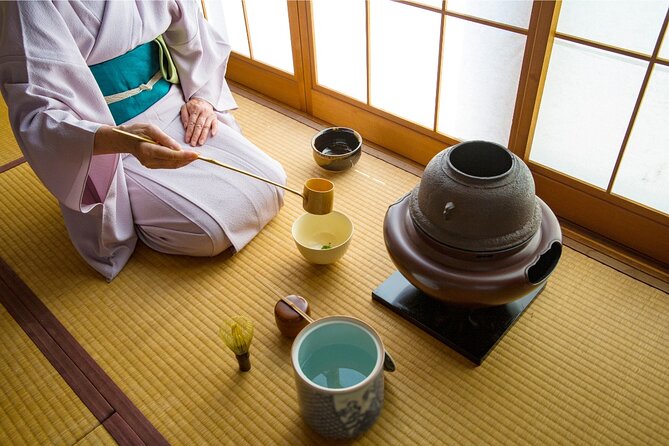
- Hands-on whisking and etiquette using tea ceremony tools you get to use
- Small-group workshop (max 10) so questions do not get lost in the shuffle
- Decaf and another matcha option available, so it is easier to match your preferences
Shinjuku meeting point, mobile ticket, and the time box
This is a 90-minute, small-group matcha and kimono session in Shinjuku, starting and ending at the same meeting point. The location is near public transportation, and you’ll use a mobile ticket. That matters because Tokyo has a lot of “one more train” energy. Here, the schedule is tight, and the start time is the real anchor.
The group stays small, with a maximum of 10 travelers. That size is a big deal for a workshop. It means you can actually ask questions while others are whisking, and you do not spend the whole time watching from the back.
There are two practical timing notes you should take seriously. First, the activity is about 1 hour 30 minutes, so try not to book anything immediately before or after. Second, if you arrive more than 10 minutes late, the reservation is automatically canceled and no refund is accepted. In other words, treat this like a train departure, not a casual stroll.
You can also read our reviews of more tours and experiences in Tokyo.



Easy-to-wear kimono: the “quick change” advantage
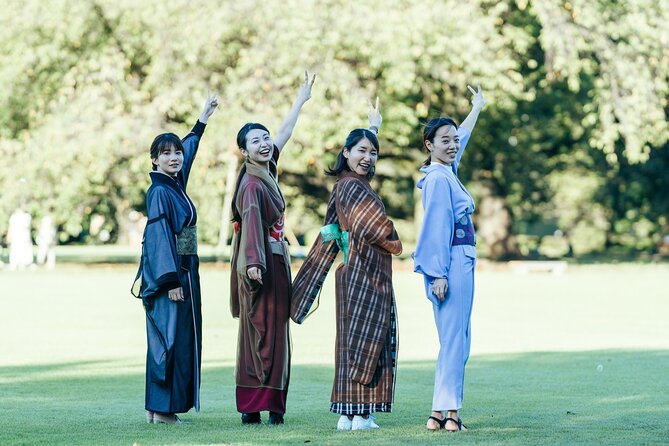
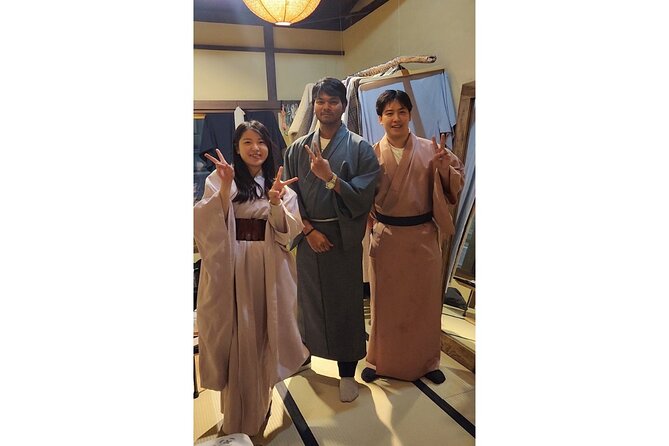
One of the biggest reasons this workshop works for busy schedules is the kimono. This is not the typical heavy, fussy kimono setup where you end up wearing it for a photo session and feeling cramped. The kimono here is specifically designed to be easy to put on, and it’s meant to be faster than a traditional kimono experience that can take about 30 minutes.
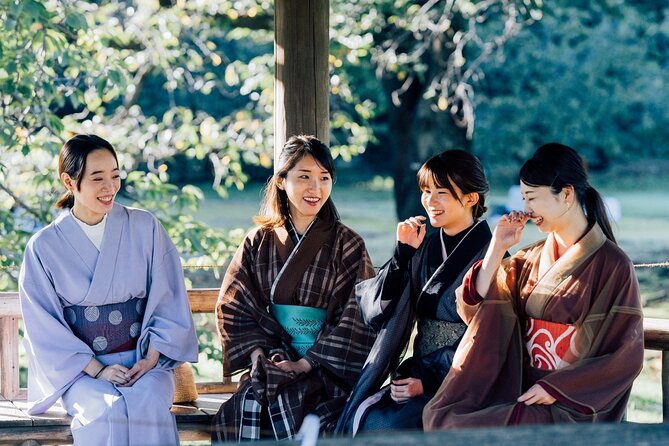
You’ll get time before the lecture to wear your kimono. That is smart because it lets you transition from tourist mode into “I’m actually doing something” mode. Also, kimono makes the ceremony visuals click. You are not just hearing about the ritual, you’re in it.
There is also a very concrete comfort rule: you’re asked to wear socks in the tatami room. If you forget, you can buy them at the workshop place. That is worth planning for. I’d rather pay a few dollars for socks than spend the beginning of your session rummaging like it’s a scavenger hunt.
Tea ceremony basics start with what matcha really is
Once everyone is settled, the session turns into a friendly lecture on tea. You’ll cover differences among teas like green, black, and Chinese teas, plus the cultural ideas behind Japanese tea practice. One highlight is the philosophy they tie to the ceremony, often described as “Teaism.” Even if you know nothing about tea, the goal is to give you a mental framework you can actually remember when you’re back home.
The matcha part is where this gets specific. They talk about matcha varieties and cultural importance, then focus hard on what makes matcha different in Japan. The workshop also includes a direct comparison of Japanese matcha vs overseas matcha, noting that the differences are very significant.
From there, you move into tasting and matching. You do not just get served one cup and told to like it. You’ll be encouraged to find your favorite using your eyes, nose, and tongue. That is a simple “sensory checklist,” and it makes the tasting feel personal instead of passive.
They also mention a big tasting base: an exclusive first flush matcha selection and a larger range from their 100+ matcha collection. That first flush focus matters. First flush is a seasonal concept tied to early harvest growth, and in practice, it often means a cleaner, brighter profile compared with later harvests. You’ll feel that during the tasting process because the flavors are not all aiming for the same “green powder” impression.
They also offer options beyond the standard matcha. There is a decaf option plus another matcha option listed as Terror matcha. If you usually avoid caffeine or you prefer to experiment with different styles, this gives you flexibility.
The hands-on matcha making: tools, technique, and manners
After the lecture, you shift from listening to doing. This is where you’ll make a bowl of matcha the traditional way. You’ll use the tea ceremony tools rental, and the instructor’s job is to make the technique feel doable, not mysterious.
You’ll learn how to prepare a beautiful bowl of matcha, plus the basic manner of how to drink it. That “how to drink it” piece sounds small, but it changes the whole experience. Instead of sipping quickly, you slow down and follow the ritual pacing that tea ceremony is built on. Even if you end up making it again at home, knowing the basic etiquette helps you avoid turning it into just another drink.
The workshop also includes a welcoming drink and snacks, and that helps keep the experience comfortable. You’ll be switching between tasting, listening, and whisking, so the little food and drink breaks matter. They also reduce that awkward moment where you’re hungry and trying to concentrate on whisking foam.
Because the group is small, you can usually get personal corrections while you’re working. That is one reason this format tends to land well for first-timers. You’re not stuck with a “good luck” instruction at the start.
Snacks, drinks, and keeping the vibe relaxed
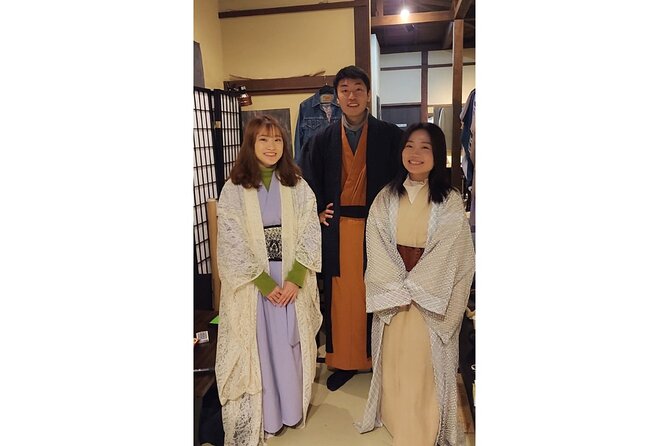
A good tea workshop should not feel like a test. This one stays warm and relaxed, with a flow that fits into a busy Tokyo day. You get Japanese traditional snacks alongside tea service, plus a welcome drink that can include coffee and/or tea, paired with matcha.
That mix is practical. Many people come into Tokyo wanting culture, but they also want a moment of comfort. Snacks and a welcome drink help you settle in, and the workshop pace makes it easier to focus on technique.
There’s also a photo element. In the experience feedback, people highlight that the host helps with photos. If you are wearing an actual kimono, you will want more than a quick selfie. The workshop setup makes it easier to capture you in costume without needing to juggle your phone and a bunch of awkward angles.



Price and value: what $59.46 buys you in real terms
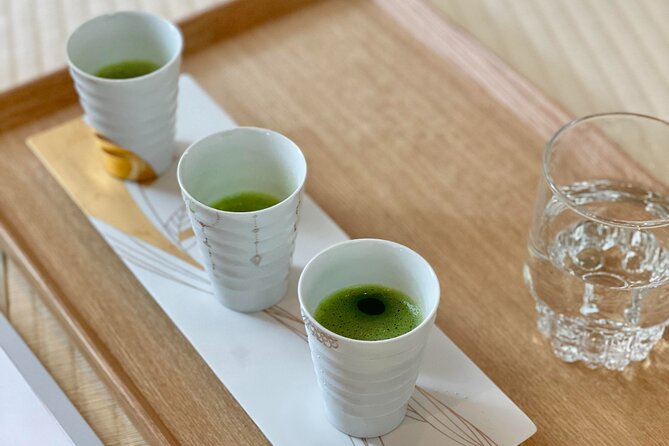
At $59.46 per person, this is not a “cheap souvenir” experience. It’s closer to a paid workshop with real included components. The value comes from what you get beyond the lecture.
Here’s what is included:
- Easy-to-wear kimono rental
- Tea ceremony tools rental
- Japanese traditional snacks
- Welcome drink (coffee and/or tea, plus matcha)
- A guided tasting and instruction format built around making and drinking matcha
When you look at it that way, the price starts to make more sense. You’re not only learning. You’re also getting costume time, tools, food, and a guided hands-on outcome in about 90 minutes.
It helps that this is not a brand-new pop-up. They note that over 1500 guests visited last year. That sort of number usually means the operation has had time to smooth out the flow, teach consistently, and keep the group size manageable.
One more value point: you get structured comparison. Learning the differences between Japanese matcha and overseas matcha is useful because it teaches you what to look for later, whether you buy matcha in Japan or try to recreate the drink at home.
Who should book this matcha and kimono workshop
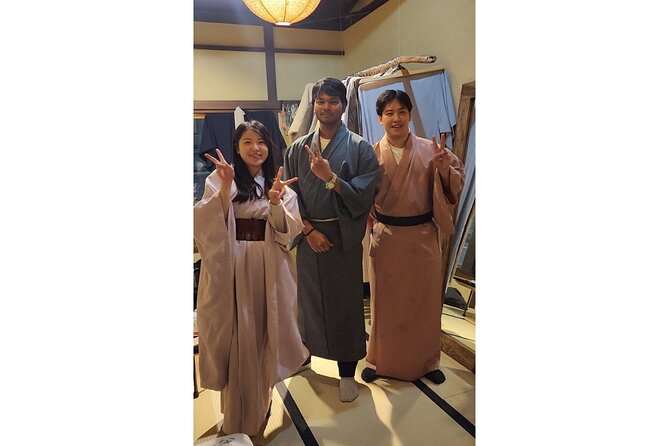
This workshop is a strong fit if you:
- Love matcha and want to understand why different matcha tastes so different
- Want a cultural activity in Tokyo that feels hands-on, not just sightseeing
- Are curious about tea ceremony etiquette, even if you think you do not know anything yet
- Prefer small-group settings where you can ask questions
- Want kimono without the time-consuming hassle of a complicated dressing session
It’s also a good choice for solo travelers. Small groups often make solo visits feel less awkward, and the Q&A format helps you talk to the host without having to “perform” in front of strangers.
You might think twice if you:
- Struggle with tatami seating or sock rules
- Have a super tight schedule and cannot risk a late arrival (the 10-minute delay cancellation is strict)
- Only want a casual drink and do not want the lecture or tasting portion
Should you book the Tokyo Matcha Kimono Tea Ceremony?
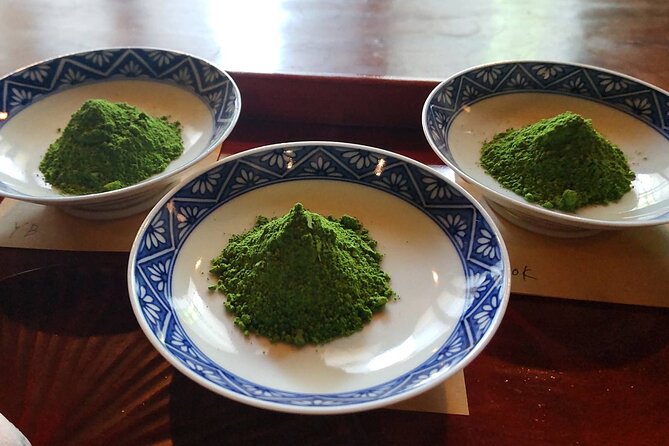
Yes, if you want a focused, 90-minute matcha workshop that pairs easy-to-wear kimono with real instruction and a tasting-driven approach. The strongest reasons to book are practical: you get the tools, you make the bowl, you learn how to drink it, and the session is structured so you leave with something you can actually repeat.
If you’re the type who likes “try it, then understand it,” this is your kind of Tokyo experience. Just plan for socks in the tatami room and arrive on time so your spot is secure.
FAQ
How long is the matcha kimono tea ceremony workshop?
It runs about 1 hour 30 minutes.
What is included in the price?
You get snacks, an easy-to-wear kimono rental, tea ceremony tools rental, and a welcome drink that can include coffee and/or tea, plus high-quality matcha.
Do I wear a kimono, and is it difficult to put on?
You rent an easy-to-wear kimono. It is designed to be easy to put on quickly, unlike normal kimono that can take about 30 minutes.
Is there a decaf option?
Yes. Decaf and another matcha option called Terror matcha are available.
Do I need socks for the tatami room?
Yes. You are asked to wear socks in the tatami room, and you can buy them at the workshop place if you forget.
How big is the group?
The experience has a maximum of 10 travelers.
Where is the meeting point, and do you return there?
You start at MPPG+HH, Shinjuku City, Tokyo, Japan, and the activity ends back at the meeting point.
What happens if I arrive late?
If you are delayed by more than 10 minutes from the starting time, the reservation is automatically canceled, and no refund is accepted in that case.
More Tour Reviews in Tokyo
Not for you? Here's more nearby things to do in Tokyo we have reviewed












Tokyo Tea & Sake Experiences, side by side.
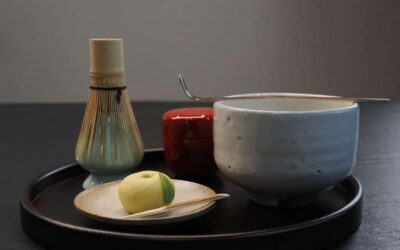 ★ 5.0Traditional Tea Ceremony with a Tea MasterFrom $38528 reviews
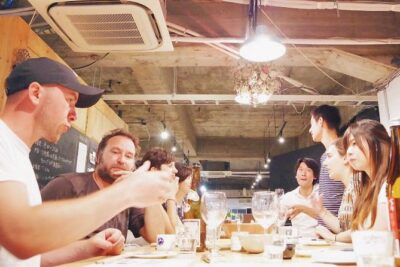 ★ 5.0Sake Tasting Masterclass in Shinjuku (8+ Varieties with a Pro)From $72271 reviews
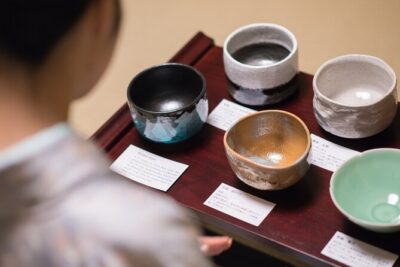 ★ 5.0Tea Ceremony Workshop in Tokyo by the Experienced InstrucorFrom $38189 reviews
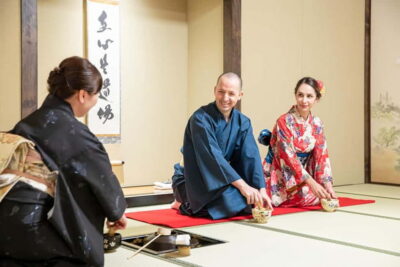 ★ 4.9Asakusa: Kimono Tea Ceremony with Matcha and SweetFrom $66153 reviews
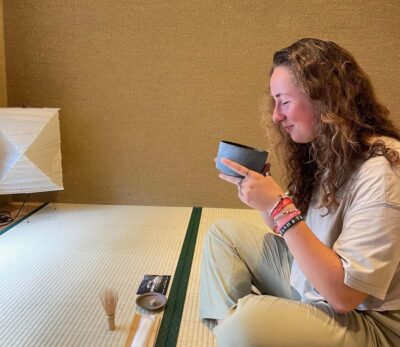 ★ 4.9Tea Ceremony Experience in a Private Tea Room in ShibuyaFrom $30125 reviews
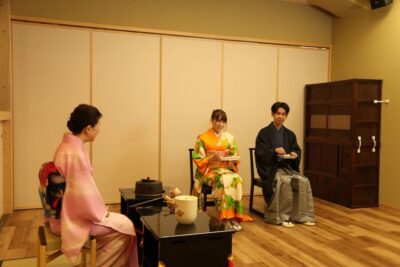 ★ 4.7Practicing Zen with a Japanese Tea CeremonyFrom $63105 reviews
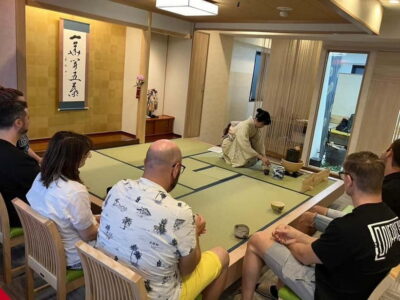 ★ 4.9Tea ceremony experience in Japanese-style room 60minFrom $4586 reviews
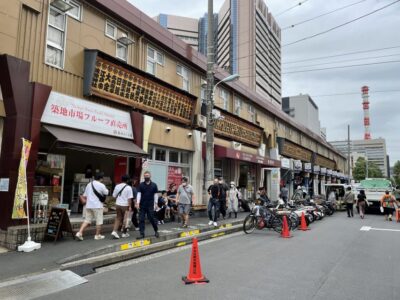 ★ 4.9Tsukiji: Outer Market Walking Tour & Sake Tasting ExperienceFrom $7081 reviews
This tour also belongs to