
Review · ASAKUSA TOURS
Tokyo: Old Town Asakusa Guided Tour -Senso-ji Temple Visit
Senso-ji hits fast, even in 90 minutes. This Tokyo old town walk is built around the key sights of Asakusa, from the Kaminarimon Gate to the main hall, with clear explanations of temple practices and how to act respectfully.
I love the small-group size, capped at 10 people, because it keeps questions from getting lost in the crowd. I also like the way guides such as Yoshiko and Yoshi use strong English and local context to make the temple feel understandable, not just photogenic.
One consideration: at $43 for about 1 hour 30 minutes, it is more guided and structured than a free-range stroll. If you want hours of wandering and shopping on your own, this may feel a bit short.
Key things to know before you go
- Small group up to 10 keeps the pace friendly and the questions practical
- Kaminarimon, Nakamise-dori, main hall are covered in a tight, sensible route
- Temple guidance on rituals and respect helps you behave correctly without guessing
- Fortune-drawing time adds a hands-on cultural moment
- Mobile ticket means less fuss when you get there
- Admission ticket is free, so you are paying for guidance and orientation, not entry fees
Tokyo old town in 90 minutes: What this Senso-ji visit feels like
Asakusa can feel like sensory overload at first, especially around the big temple and the shopping street that feeds into it. This tour helps you get oriented quickly, so you are not spending your limited time just trying to work out where everything is.
You start with the Senso-ji area and work through the main visual anchors people come for. Along the way, your guide talks about heritage and cultural practices, which matters here because temples are not just landmarks. They come with expectations for how you move, how you speak, and how you show basic courtesy.
You can also read our reviews of more guided tours in Tokyo

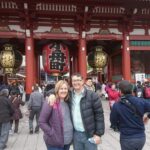
Price and timing: Is $43 for 1 hour 30 minutes worth it?
Let’s talk value in plain terms. The listed price is $43 per person for about 1 hour 30 minutes, and the admission ticket is free, so your money mostly goes toward guided interpretation and keeping your route efficient.
If you enjoy history and rituals but do not want to plan every step, this is a reasonable tradeoff. You are paying to save time and avoid the common mistake of rushing past important details because you did not know what you were looking at.
If you are the type who wants to roam freely, buy souvenirs without a timetable, and take your own route at your own pace, you might feel boxed in. In that case, you could also consider spending the same time on your own, but you would miss the shortcut value of having someone explain what matters.
My rule of thumb: if you want help making sense of Senso-ji and its customs fast, this price starts to make sense. If you mainly want photos and shopping, you may prefer to self-guide.
Meet at Burger King Asakusa Azumabashi: Getting started without stress
The meeting point is Burger King Asakusa Azumabashi, with the full address listed at Kaminarimon, 2-chōme in Taito City. That is actually helpful, because it puts you in the Asakusa zone tied directly to the Senso-ji area.
The tour is also described as near public transportation, which is exactly what you want in Tokyo. You do not want a first-minute scavenger hunt, especially when you are already navigating a busy neighborhood.
The tour ends back at the meeting point, which keeps logistics simple. It also means you can plan your next meal or stop nearby without guessing how far you will wander on your own.
Senso-ji Temple: Kaminarimon Gate, main hall, and how to act
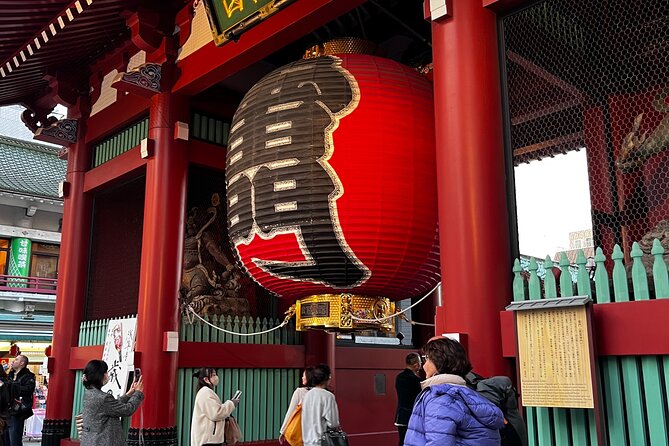
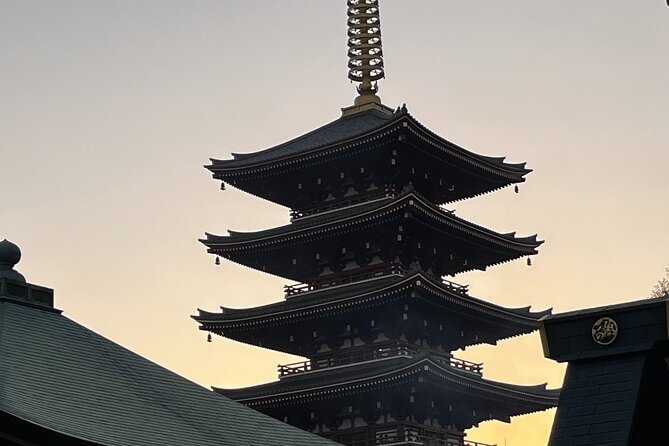
The heart of the experience is a guided visit to Senso-ji Temple, built around three big anchors: the Kaminarimon Gate, the Nakamise-dori street approach, and the temple main hall.
Kaminarimon Gate is the classic entry image people associate with Senso-ji. What a guide adds here is context, not just pointing. You get cultural framing for what the gate symbolizes and how visitors typically experience the space.
Then comes the main hall area, where the atmosphere shifts from street energy into a more solemn temple setting. The value of a guide becomes obvious because the tour includes tips about rituals and tradition, including how to be respectful. Instead of wondering what is appropriate, you get guidance up front and can focus on the experience itself.
One more good detail: the tour includes time for drawing fortunes. That turns the visit from purely observational into a real cultural moment. Even if you are not big on superstition, it is a simple, memorable way to participate in temple practice.
What can feel “quick” here
This is not a long ceremonial visit. It is designed to cover key areas in about 90 minutes, so you will not get the slow, sit-and-watch pace of a full temple day. Think of it as orientation plus a taste, not a marathon.


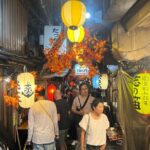
Nakamise-dori shopping street: Souvenirs with direction, not chaos
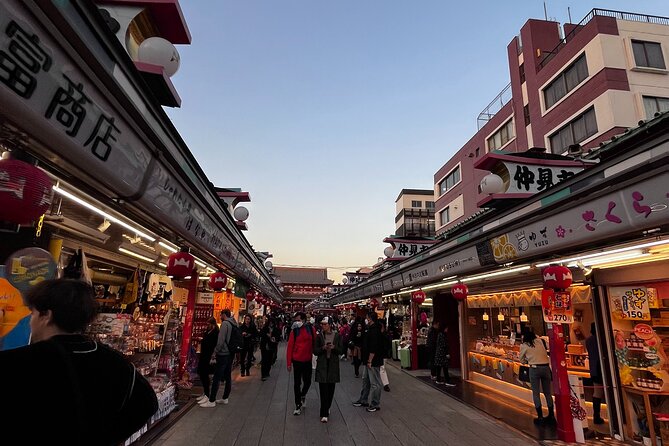
After seeing the temple approach, you move through Nakamise-dori, the shopping street where visitors often stop for snacks and traditional souvenirs. This is where Asakusa can get crowded fast, and without a plan, you might feel like you are just walking through noise.
With a guide, the street becomes more useful. You get help navigating the shop flow and spotting “unique” souvenir opportunities instead of randomly buying the first thing that looks familiar.
The guide approach also helps if you have questions about items. The tour format is built for interaction, so you can ask what to look for and how to handle purchases comfortably.
A real-world plus from guide experiences: some visitors have worked with hosts like Yoshi to help with practical shopping moments, including help purchasing a kimono. Even if you do not plan to buy clothing, that kind of support tells you the tour is not just talk. It is guidance in the places where you actually make decisions.
Small-group pacing: Why 10 people matters more than you think
A cap of 10 travelers might sound like a minor detail, but it changes the whole feel of the walk. In a crowd-heavy area, larger groups often stretch out and turn into a line of heads and shoulders with little room for questions.
With this group size, your guide can slow down when someone needs clarification. You can also hear explanations without turning it into a shouted-at-each-other experience.
Another underrated benefit: in places tied to tradition, it helps to move together. If your group is manageable, you spend less time accidentally drifting away from what the guide is pointing out. You also have a better chance of staying aligned for the fortune-drawing moment.
If you like tours that feel personal but not intense, this is a smart size.
Guide quality: Yoshiko and Yoshi-style explanations that work
The strongest praise tied to this tour is the guide factor. People highlight clear English and strong local knowledge, and the examples given include guides named Yoshiko and Yoshi.
Here is why that matters for you. In a temple setting, it is easy to miss meaning. A good guide turns the obvious sights into an understandable story: what you are seeing, why it matters, and what visitors should do to show respect.
You are also less likely to waste time trying to interpret signs or guessing cultural norms. Instead, you get the answers right when you need them, while you are standing in the right spot.
Also, the tone comes through as friendly and attentive. That is important because you are on foot, in a busy area, and you might have moments where you want a quick recommendation. A guide who notices the group needs makes the entire experience smoother.
What you should do before you go (practical tips)
Since this is a short guided walk, your job is simple: be ready to follow a route and ask questions when you have them. Wear comfortable shoes, because Asakusa involves a lot of walking and standing around main photo points.
Plan to arrive a bit early at the meeting point so you are not scrambling. The start location is specific, and being calm at the beginning keeps the whole tour from feeling rushed.
Also, keep your eyes open for souvenir moments. Nakamise-dori is the place where you can turn the cultural visit into tangible memories, especially if you like gifts that feel connected to the setting.
If you know you want a particular item, think about setting a budget before you start shopping. The street is packed with choices, and you will thank yourself later if you are not overwhelmed.
Who should book this Asakusa Senso-ji tour
This tour is a great fit if you want:
- A fast orientation to Senso-ji and the Asakusa streets that support it
- Help understanding rituals and the basics of showing respect
- A short, organized plan that covers the main sights without a full-day commitment
It also suits solo travelers who prefer not to figure everything out alone. In Tokyo, it is common to love a place but lose time to navigation and uncertainty. This tour cuts down that uncertainty.
If you hate structured schedules and you prefer wandering without explanations, you might find the time limit restrictive. You might still love the area, but you may prefer a self-guided plan so you can linger at your favorite corners.
It is also a good option for people who appreciate small-group attention. With a maximum of 10 travelers, you get more personal pacing than the big group tours.
Quick FAQ on tickets, timing, and what’s included
FAQ
How long is the Tokyo Senso-ji guided tour?
The tour is about 1 hour 30 minutes.
How much does the tour cost?
The price is $43.00 per person.
What sights are included during the tour?
You’ll visit Senso-ji Temple, including the Kaminarimon Gate, Nakamise-dori shopping street, and the temple’s main hall.
Is there an admission fee?
The admission ticket is free.
Where do we meet for the tour?
The meeting point is Burger King Asakusa Azumabashi, Tokyo 111-0034, Taito City, Kaminarimon, 2-chome, 20 6 cross building royal palace.
Is the ticket mobile-friendly?
Yes, the tour uses a mobile ticket.
What is the cancellation policy?
You can cancel for a full refund up to 24 hours in advance. The experience also requires good weather, and if it is canceled due to poor weather, you’ll be offered a different date or a full refund.
Should you book this guided Senso-ji visit?
I would book it if you want your Asakusa time to feel guided and meaningful without taking half your day. The mix of Kaminarimon, Nakamise-dori, and the main hall, plus guidance on rituals and respect, is exactly the kind of payoff that turns a temple visit from scenery into understanding.
I would skip it if you mostly want free roaming and you have strong comfort reading the area on your own. Also, if 90 minutes feels too brief for your style, you may prefer a longer self-guided temple day where you control every pause and photo.
For most first-timers, especially those who value clarity and efficiency, this is a solid way to see the core of Senso-ji and leave with useful context, not just pictures.
More Guided Tours in Tokyo



More Tours in Tokyo


More Tour Reviews in Tokyo
Not for you? Here's more nearby things to do in Tokyo we have reviewed







Asakusa Tours, side by side.
 ★ 4.8Japanese Dance Cabaret Theater Asakusa-Kaguwa TicketFrom $492,270 reviews
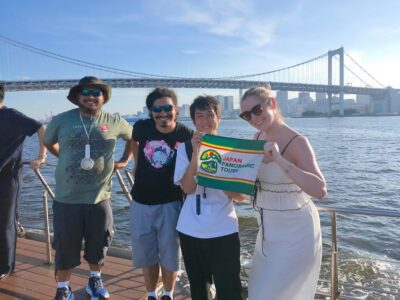 ★ 4.7Meiji Shrine, Asakusa, Skytree Bus Tour and CruiseFrom $1221,986 reviews
 ★ 4.9Roll and Authentic Sushi Making Class in AsakusaFrom $581,957 reviews
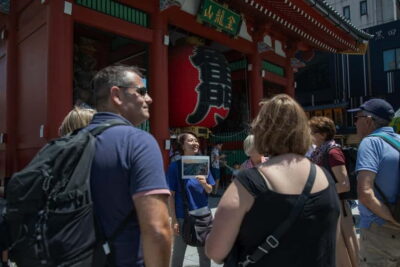 ★ 4.8Asakusa Walking Tour with Sensoji Temple VisitFrom $221,583 reviews
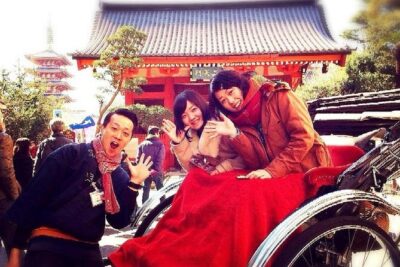 ★ 5.0Tokyo Asakusa Rickshaw TourFrom $421,375 reviews
 ★ 4.5Tokyo Panoramic 1 Day: Meiji Shrine, Asakusa, Odaiba and SKYTREE®From $851,222 reviews
 ★ 5.0Tokyo Go Kart: Asakusa, Skytree, and Akihabara **IDP MUST**From $99988 reviews
 ★ 4.7Asakusa, Skytree & Akhihabara Go-Kart City ExperienceFrom $96761 reviews
This tour also belongs to