
Review · TOKYO CITY TOURS
Authentic Geisha Performance with Dinner in Tokyo
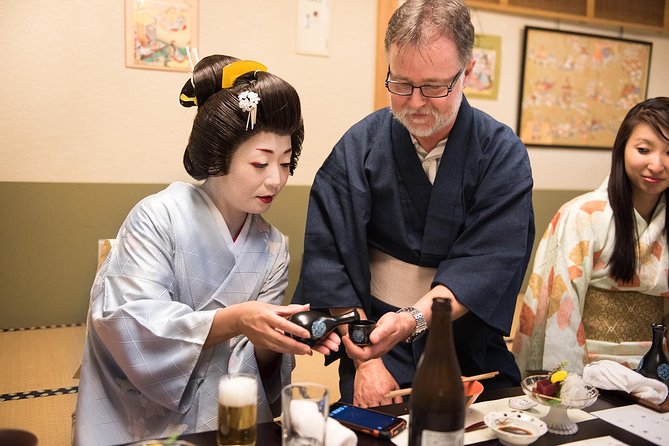
Geishas, dinner, and real Tokyo etiquette. I like how this 2-hour night pairs a kaiseki meal with a live geisha performance, and I like that you get real chat time with support from an English interpreter. One drawback to plan for up front: the venue can involve stairs, and a kaiseki menu may include seafood items, so strict dietary needs take extra care.
From a 6:00 pm start, you are greeted at Sansyūya in Asakusa and settled into chair seating. The English interpreter helps translate, explains what is happening, and keeps the evening moving smoothly. For photos and commemorative moments, you are also set up to capture the night in a way that feels part of the ceremony, not like a distraction.
This is also a small-group format, with a maximum of 15 people. That matters because it keeps the tone intimate, not showy, and it gives you more time with the geisha. Still, the exact lineup can vary, and you might see only one geisha depending on availability and group size.
Key things that make this Tokyo geisha dinner worth your night
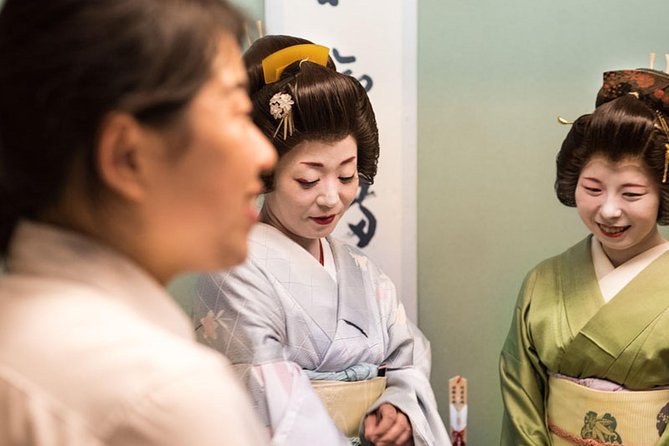
- Sansyūya in Asakusa: a traditional ryotei setting where the evening feels built for guests, not a theme park
- Kaiseki dinner with ceremony-level pacing: a multi-course meal that sets the tone before the performance
- Time to talk, not just watch: translation support so questions and conversation have real traction
- Photo opportunities and commemorative moments: structured chances to capture the evening
- Small-group dinner size (up to 15): more personal attention and better flow than big tours
- Sometimes only one geisha performs: depending on the night, the show style can be scaled to your group
A 6:00 pm arrival at Sansyūya in Asakusa
This experience is built around one specific evening rhythm. You meet in the Asakusa area of Tokyo, at an actual traditional restaurant (ryotei) called Sansyūya. The start time is 6:00 pm, so think of it as a plan that protects your afternoon and lets you roam Tokyo first, without worrying about another booked activity.
When you arrive, you are hosted right away and placed into seating. Chair seating is the default, which is helpful if you are not used to formal floor arrangements. Also note the venue is non-smoking, with designated areas outside if you smoke.
Asakusa is a smart neighborhood choice for this kind of night. It is not just famous sights and neon. It is an area where traditional-meets-modern Tokyo still feels close enough that you can walk away from the dinner and feel like you are still in the same culture you just learned about.
Practical heads-up from real-world experience: getting to the right building can be tricky, even with a map. Plan to go slowly, watch for the correct entry, and expect you may need to use stairs to reach the restaurant area. If stairs are a problem, this is the one part that could change the whole experience for you.
More Tokyo tours and experiences for the shortlist
Kaiseki dinner, then dance and music, with conversation built in
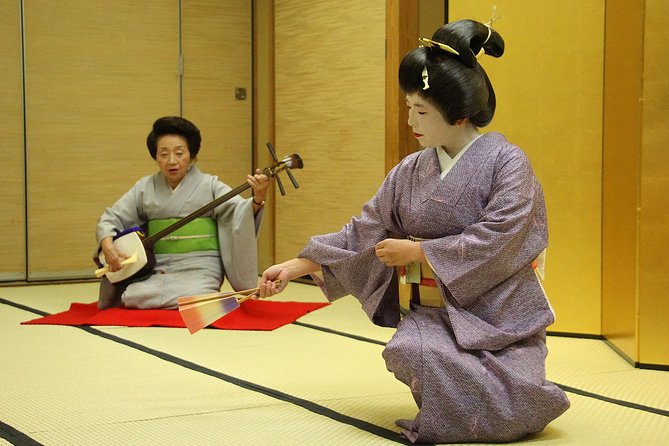
The evening follows a simple sequence, and it works. First you eat. Then you watch the geisha performance. Then you shift back into interaction mode.
You will be served an elegant Japanese dining course. Because this is kaiseki-style, the meal typically comes in multiple courses rather than one big plate-and-go. That matters because kaiseki is about pacing and presentation. You are not rushing through food while people hustle you toward the next stop.
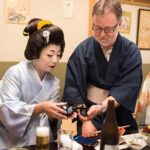
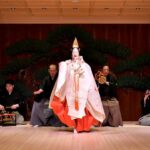
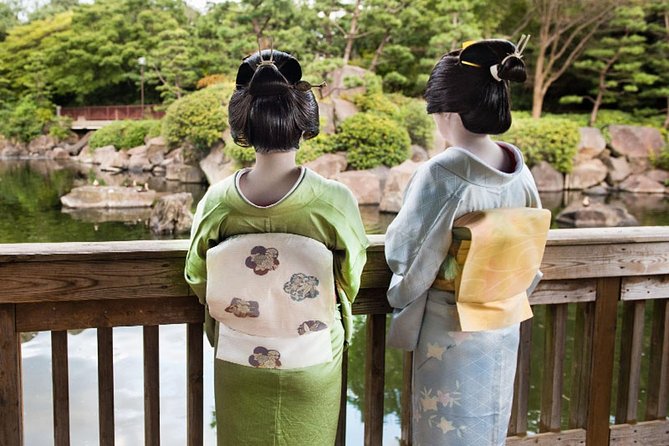
After you settle in with your small group, the geisha entertainment starts. The geisha here are trained in traditional arts, including dance and music, plus the art of communication. That last part is what makes this feel different from a normal stage show. The performance is entertainment, but the overall evening is also about how the geisha connect, respond, and converse through an interpreter.
You also get photo opportunities with the geisha, along with commemorative moments. That is not just for souvenirs. It is part of how the evening marks the visit.
One detail you should know: depending on availability and group size, there may be only one geisha attending. That does not automatically mean a smaller experience, but it does mean the performance and interaction style could shift.
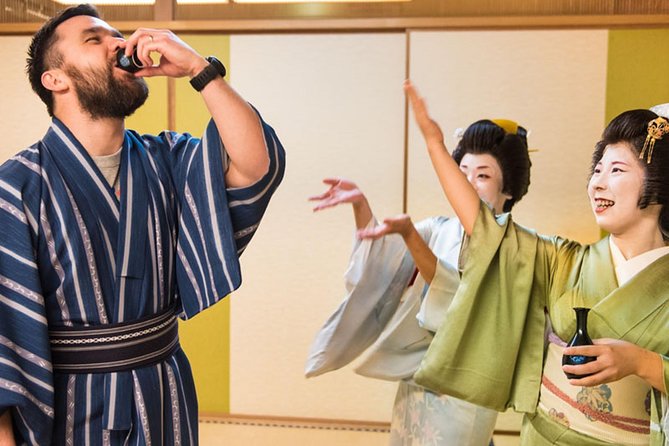
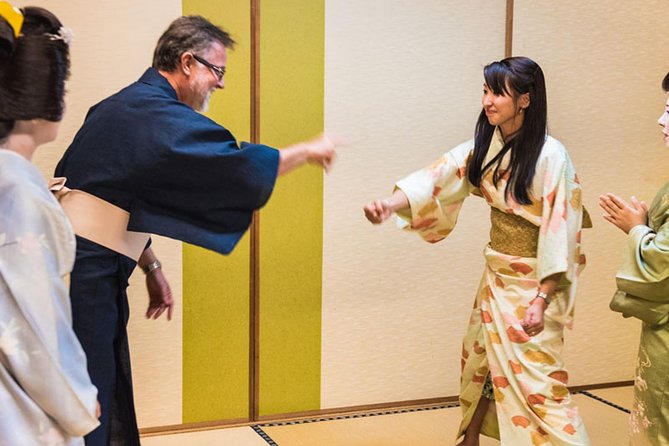
Finally, the night often includes games. You should expect some playful, traditional-style activities as part of the interaction, with the geisha and the interpreter guiding you so you are not left guessing what is happening.
The interpreter role is the difference between watching and understanding
If you want this to feel like cultural exchange instead of a one-way show, the interpreter matters. An English interpreter is included, and they do more than translate words.
They help you understand etiquette and what to look for during the performance. They also help you communicate with the geisha trained in dance, music, and conversation. Without translation support, a lot of questions stay stuck in your head. With support, you can actually ask about training, daily life, and cultural meaning.
You might also hear people talk about the evening as educational. That is not an accident. With a good interpreter, the experience becomes a guided walkthrough of gestures, pacing, and why these traditional arts still matter. In some instances, interpreters such as Musuko Igarashi or Mami H are mentioned as especially effective at keeping the conversation lively and clear.
Even if your Japanese is basically zero, you should still be able to participate. The goal is not perfection. It is connection. And in an evening like this, connection is the real prize.
Small-group dinner size, and why it can change your show
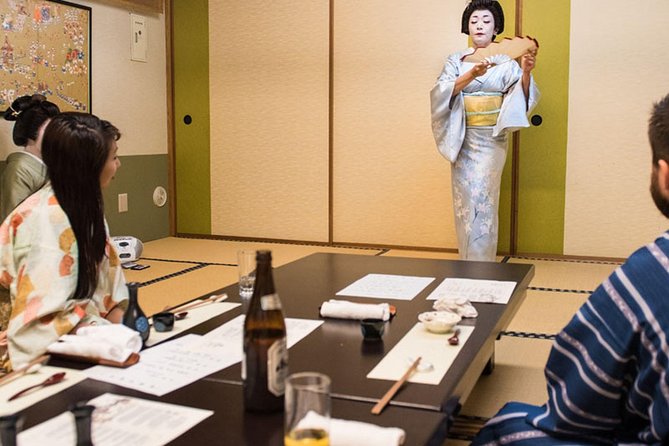
This is a group dinner experience. The format is typically around 6 to 20 people, with a maximum of 15 travelers in the group setting. That size keeps the atmosphere closer to a shared dining night than a mass event.
But the key variable is geisha count and venue details. Depending on availability, especially during peak season, there may only be one geisha attending. The venue may also change depending on group size and what is available for that date.
So how do you judge value if the lineup changes? Look at what is consistent in the offering: you get the elegant Japanese dining course, the authentic geisha performance and entertainment, interpreter help, and photo opportunities. The experience may scale up or down in who performs, but the structure is still there.
Chair seating being default is another small-group plus. It lowers friction so you can focus on the food and performance instead of figuring out how to sit through formal seating.
If you prefer maximum interaction, a private dinner event for your group is available upon request, if selected. The guidance also notes that for more than 5 people, booking 2 geisha is recommended for a better match to group size.
Price and value: what you are really paying for
At $239.83 per person for about 2 hours, this is not a casual splurge. You are paying for several things stacked together:
- A traditional, multi-course Japanese dining experience
- A live geisha performance as part of your evening
- English interpreter support throughout the interaction
- Photo opportunities and commemorative moments
- A chair-seating setup in a traditional restaurant environment
When I think about value for something like this, I ask: what would it cost me to recreate the same evening on my own? Booking a proper ryotei dinner and then finding a vetted geisha performance with interpretation support is not something you can easily DIY in a day. The tour is solving a complex coordination problem for you.
Where the value can wobble is when your expectations do not match the format. This is a group experience, not a long, private seminar. It is also a kaiseki dinner, which can include seafood preparations. Some people are totally fine with that. Others with strict dietary needs might find kaiseki challenging, especially if they need everything cooked through and served hot.
If that is you, do not assume. Ask questions before the evening. You will feel a lot calmer if you confirm what you can and cannot eat, rather than finding out mid-course.
Also, remember what is not included. Transportation to and from attractions is not included, and gratuities are optional. Hotel pickup and drop-off are not part of the deal either.
More Tokyo tours and experiences for the shortlist


Practical Tokyo notes: stairs, smoking, and finding Sansyūya
Tokyo evenings can be easy, or they can be annoyingly hard, depending on your walking tolerance and your navigation plan. This experience sits in the middle.
Chair seating is default, so you are not fighting formal floor seating. But expect stairs to access parts of the venue. Some people have flagged that as a key limitation, so if stairs slow you down, build in time to move carefully, or skip this if it is a deal-breaker.
Smoking is also practical. All seats are non-smoking, with designated areas outside for those who smoke. That means you should not plan to hang out with a cigarette between courses unless you step out.
Getting there is your responsibility. The start time is fixed at 6:00 pm, so treat it like an appointment. Instructions are said to be thorough, and the restaurant staff or a hostess can guide you if you get turned around. Still, plan on taking a bit of time to arrive with a clear buffer.
If you are pairing this with other plans that evening, aim for a calm schedule. You want your head clear for the conversation parts and the games.
Should you book this geisha dinner and performance in Tokyo?
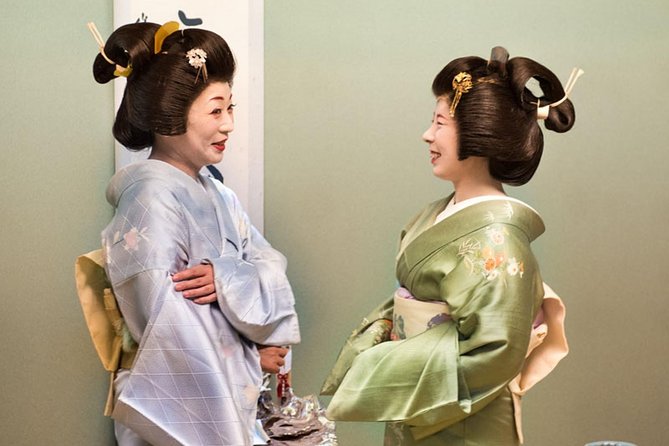
Book it if you want a structured, culturally grounded night in Tokyo where you do not just watch, you interact. It is especially good for a date night or for anyone who loves Japanese arts and wants a real taste of how geisha entertainment works in a traditional dining setting. The small-group format helps, and the interpreter support is the difference between seeing performance art and understanding what you are seeing.
Skip it, or at least think twice, if stairs are a major issue for you. Also think hard if you have strict dietary rules, because a kaiseki menu can include seafood preparations you might need to avoid.
For my money, the deciding factor is simple: you are paying for a rare combination of kaiseki dinner, geisha arts, and English-supported conversation in a traditional ryotei room. If that combination matches what you want from Tokyo, this is one of those bookings that can turn into a favorite memory, not just a line on a list.
FAQ
How long is the Tokyo geisha performance with dinner?
It lasts about 2 hours (approx.).
Where is the dinner and what time does it start?
The dinner is at Sansyūya, a traditional restaurant (ryotei) in the Asakusa area of Tokyo. The start time is 6:00 pm.
What is included in the price?
You get an elegant Japanese dining course, an authentic geisha performance, an English interpreter, and photo opportunities with the geisha and commemorative moments. Chair seating is the default unless otherwise specified. An all-you-can-drink option is available for groups of 10 or more at 2,900 JPY per person, payable in cash at the venue, and it is not available for groups of 9 or less.
Is transportation or hotel pickup included?
No. Transportation to and from attractions is not included, and there is no hotel pickup and drop-off.
Can children join this experience?
Children must be age 10 or older and accompanied by an adult.
What is the cancellation policy?
The experience is non-refundable and cannot be changed for any reason. Cancellation fees are: 100% if cancelled 14 days or less before the event, 50% if cancelled 21 days or less before the event, and 25% if cancelled 30 days or less before the event.
More Dinner Experiences in Tokyo
More Dining Experiences in Tokyo
More Tour Reviews in Tokyo






Not for you? Here's more nearby things to do in Tokyo we have reviewed












Tokyo City Tours, side by side.
 ★ 5.01-Day Tokyo Bus TourFrom $12914,250 reviews
 ★ 4.5TOKYO SKYTREE® Admission ticketFrom $1311,192 reviews
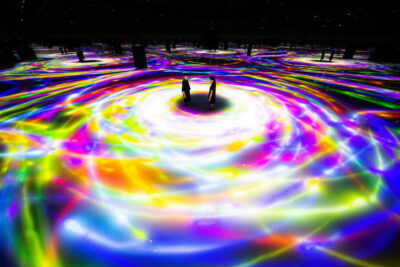 ★ 4.6teamLab Planets TOKYO Digital Art Museum Entry TicketFrom $259,779 reviews
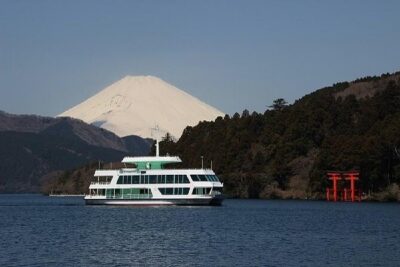 ★ 4.0Mt Fuji & Hakone Cruise, Drum Show Bullet Train 1 Day from TokyoFrom $1497,413 reviews
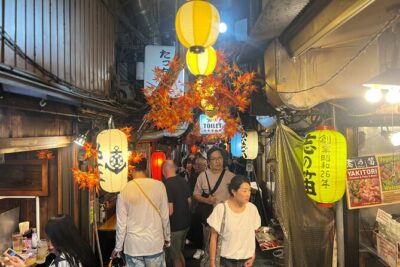 ★ 5.0Shinjuku Food Tour (13 Dishes at 4 Local Eateries)From $866,603 reviews
 ★ 4.4Tokyo Mt Fuji 5th St & Hakone Cruise Bus Tour w/Bullet TrainFrom $1545,024 reviews
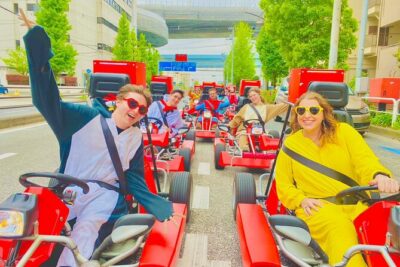 ★ 5.0Flagship 2-Hours Official Street Go-Kart Tour – Tokyo Bay ShopFrom $644,974 reviews
 ★ 4.5From Tokyo: Mount Fuji Full-Day Sightseeing TripFrom $684,970 reviews
This tour also belongs to