
Review · MOUNT FUJI TOURS
From Tokyo: Must-Visit Mount Fuji Highlight Full-Day Tour
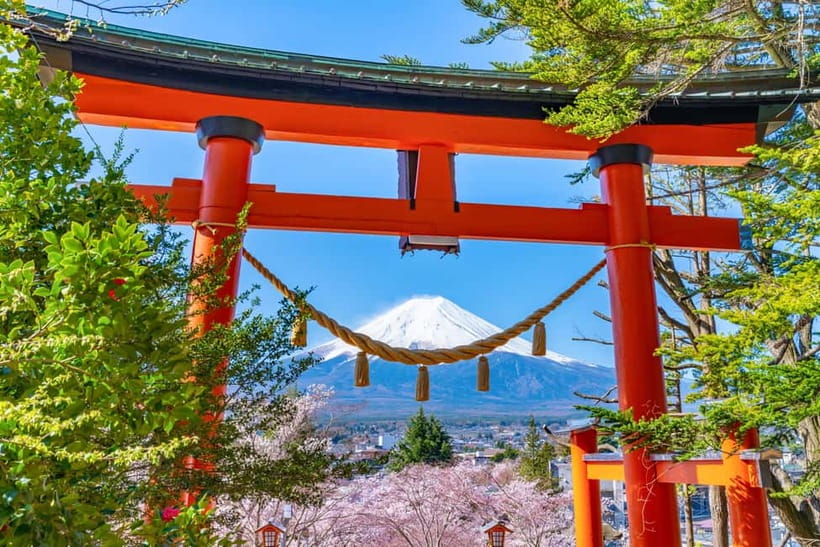
Fuji day trips feel like a photo hack. This one is interesting because you can pick a photo-first route or a calm nature route, then still get multiple chances at that famous mountain view. I especially loved the classic Chureito Pagoda angle and the way the day feeds you lake viewpoints for Fuji reflections. One thing to plan for: it is an 11-hour day with stairs and uneven ground at several stops.
You get round-trip coach transport from central Tokyo, plus an English-and-Korean speaking guide (and Chinese is also available). I found the pacing easy to follow, and the bus setup helps because you are not spending your limited time in Japan figuring out trains and transfers.
Bring a little backup for energy and timing. Lunch is not included, and visibility for Mt. Fuji depends on weather, so the guide may adjust timing if conditions shift.
Key takeaways before you go
- Choose your day vibe with Course A or Course B, both built around different Mt. Fuji photo angles
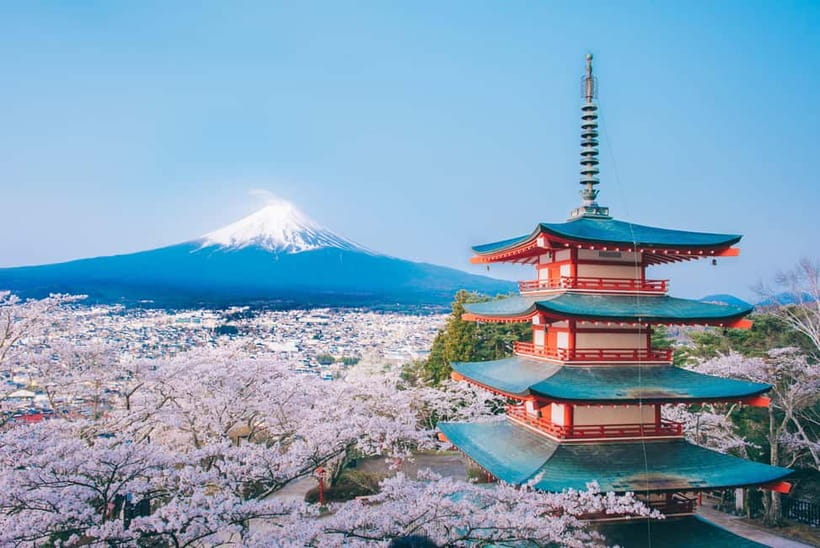
- Chureito Pagoda is the headline stop, including a short, steep stair climb for the best framing
- Lake Kawaguchi, Oishi Park, and Lake Yamanaka give you Fuji looks from water level, plus reflections when skies cooperate
- Oshino Hakkai’s eight spring ponds adds a quieter, local feel beyond postcard viewpoints
- Guides like Kei and Goldie focus on photo timing, and I suggest sitting on the left side of the bus for better roadside angles
- It is a big-group day by design, with max group sizes up to 49 and comfort built for an 11-hour round-trip
The big idea: why this Mt. Fuji tour feels worth $69
This tour is built for people who have one day, not one month. You leave Tokyo and spend the day working Mt. Fuji from multiple angles, with guided stop-and-go time that is hard to match if you self-drive or try to hop between spots on your own.
At $69 per person, the value is not just the sights. It is the fact that you get guided timing for photo windows, round-trip transport that avoids transfer headaches, and a day plan that tries to hit both “classic Fuji” images and the quieter lake and spring-pond side of the region.
There is a tradeoff. This is not a slow, chill day. It is an 11-hour circuit, so you will be on and off the bus a lot. If you hate walking or want long sitting time at just one place, this style may feel tight.
More Tokyo tours and experiences for the shortlist
Pickup, coach ride time, and what the day actually feels like
The tour starts with pickup in central Tokyo. Depending on the option, you meet at Starbucks near Shinjuku L Tower or near Tokyo Station Marunouchi North Exit 2. From there, you ride a bus/coach out toward Honshu’s Fuji area.
A few things matter for comfort here:
- Group size can be large (up to 49 per group), so it helps that the coach ride is designed for full-day touring.
- The day includes breaks at designated stops, so you are not just stuck for hours with no chance to stretch.
- The guide is live and multi-language supported (English, Korean, and Chinese are offered).
Also, plan like a local. Even with scheduled stops, the real world happens. Traffic and weather can change what the guide can safely do within the day, and Japan’s rules limit vehicle operation time, so the guide may shift timing in real time.
Two routes, two moods: Course A vs Course B
You get a real choice here. The tour is offered as two route styles, and your decision affects the emotional tone of the day.
Course A, the highlight-photo chase
Course A is the one for postcards and “I need that shot” energy. It lines up the famous framing spots first, then moves through lakes, flowers, waterfall mist, and tea-plantation views.
The flow is built for photographers because it chains the most recognizable Mt. Fuji backdrops into a single day:
- Arakurayama Sengen Park and the five-story Chureito Pagoda area
- Nostalgic street time for Fuji-in-the-background photos
- Lake reflections and colorful flowerbeds
- Shiraito Waterfall as a cool-mist break
- Obuchi Sasaba, rolling green tea fields with Mt. Fuji in the distance
Course B, signature scenic spots with a calmer beat
Course B leans more into slower sightseeing and “wandering energy.” You still get big Fuji viewpoints, but the middle of the day shifts toward culture and peaceful water.
Course B includes:
- A early viewpoint moment around Lawson Fujikawaguchiko Town Hall for your first clear look
- Arakurayama Sengen Park again, with the pagoda icon
- Mt. Fuji Museum, with an option to switch to a matcha café
- Oshino Hakkai, eight spring ponds for a more local feel
- Lake Yamanaka and Hirano Beach for wide, lakeside walking and calmer water
If you are more interested in atmosphere than speed, Course B may feel more balanced.





Arakurayama Sengen Park and Chureito Pagoda, the postcard moment
This is the stop almost everyone is chasing. Arakurayama Sengen Park is where Mt. Fuji meets the iconic five-story Chureito Pagoda, a pairing that shows up so often in photos for a reason.
What to expect on the ground:
- You get a dedicated photo stop, plus time to actually look around.
- You should plan for a short but steep stair climb. In guides’ words and feedback from the day, people often mention around 400 steps to get up to the best view.
Why it is worth it:
- The park gives you a clean “layered” composition, pagoda foreground, Fuji in the background.
- When the sky is clear, it is one of the most reliable places to get that classic Fuji image.
Your only drawback is physical. If your knees are not happy with stairs, you may feel it. And if clouds roll in, you might still enjoy the pagoda area but lose the mountain reveal.
Shimoyoshida Honcho Street, Lawson Fujikawaguchiko, and the timing trick
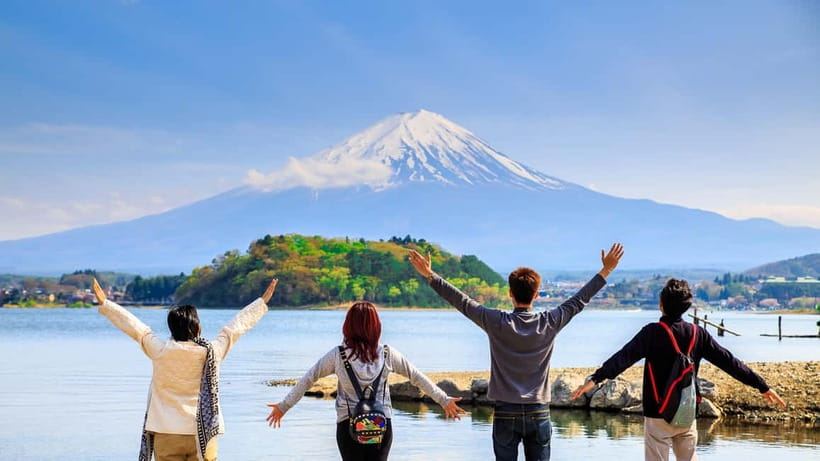
Between major landmarks, the tour uses small stops that are smarter than they look on paper.
Honcho Street for nostalgic Fuji-in-frame shots
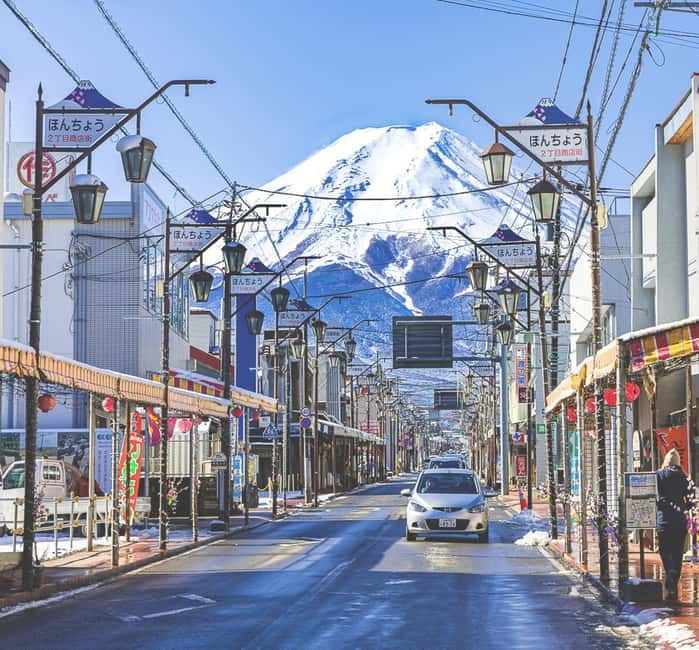
On Course A, you spend time at Shimoyoshida Honcho Street with free time. This is where the Fuji story becomes less “monument” and more “daily Japan,” with retro street vibes and photo chances when the mountain shows between rooftops.
Lawson Fujikawaguchiko for the quick Fuji check
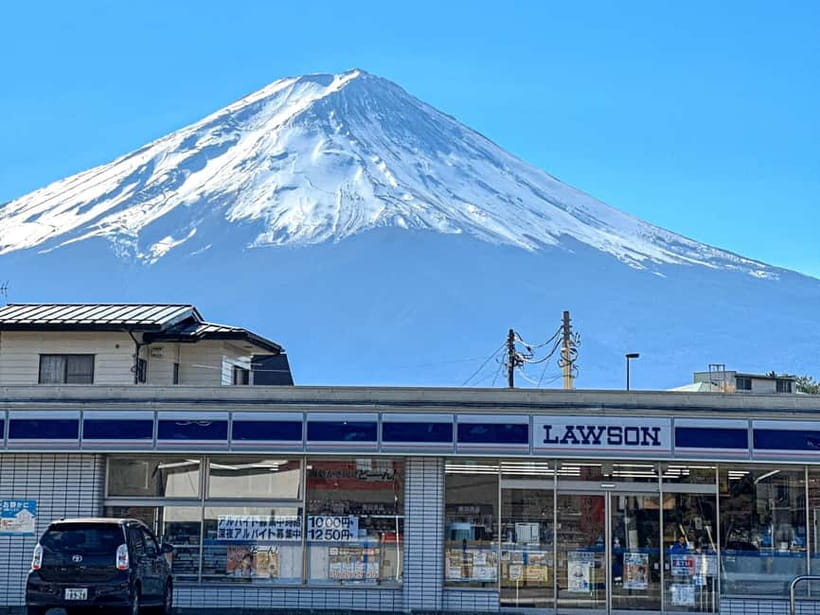
Both routes include a Lawson Fujikawaguchiko stop. On Course B it is specifically around Lawson Fujikawaguchiko Town Hall for a first view idea. The practical point here is timing:
- Mt. Fuji visibility can change during the day.
- A well-timed roadside peek can save your photos, even if later stops are foggier.
One tip I picked up from people who focus on shots: sit on the left side of the bus when you can. It can help with roadside angle photos while you travel.
Lake Kawaguchi and Oishi Park, reflections and flower color
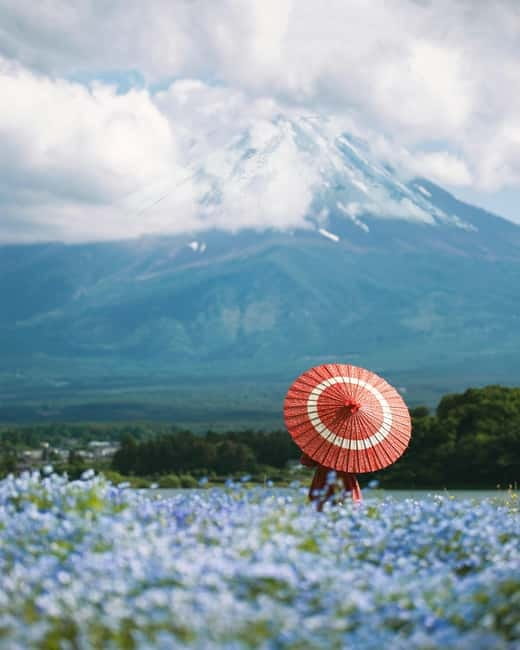
Course A spends time around Lake Kawaguchi and Oishi Park, and this part of the day is one of the best “change the angle, keep the Fuji theme” sections.
Here is what these stops add:
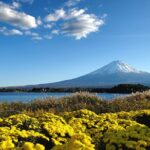
- Lake Kawaguchi is about water-level views. When the weather cooperates, you get the chance to see Fuji reflected on the lake surface.
- Oishi Park adds color with flowerbeds, so you are not just capturing a mountain outline, you’re capturing a whole scene.
In real life, lake-area photography works in a simple pattern:
- If Fuji is clear, go wide first for the mountain shape.
- Then look for reflections and foreground flowers, because those make the shot feel less like a poster copy.
If the skies are gray, you can still enjoy the area, but the “reflection payoff” may be limited. That is not the tour’s fault. It is just how Mt. Fuji days work.
Shiraito no Taki (Shiraito Waterfall), misty break time
The tour adds Shiraito Waterfall, known for cascading white streams and cool mist. This is a nice reset because it shifts your focus from mountain-only views to something moving and close.
You get time here for:
- a photo stop
- plus a lunch window (but again, meals are not included, so you pay for what you eat)
What makes it satisfying, even when Fuji is shy:
- Waterfall photos do not need perfect visibility of the summit.
- The misty air can make the whole moment feel cooler and more alive after the bus ride.
One small practical note: if you want to eat without stress, bring snacks or plan to buy something nearby, since lunch is not automatically covered.
Oshino Hakkai, eight spring ponds for a quieter kind of Fuji day
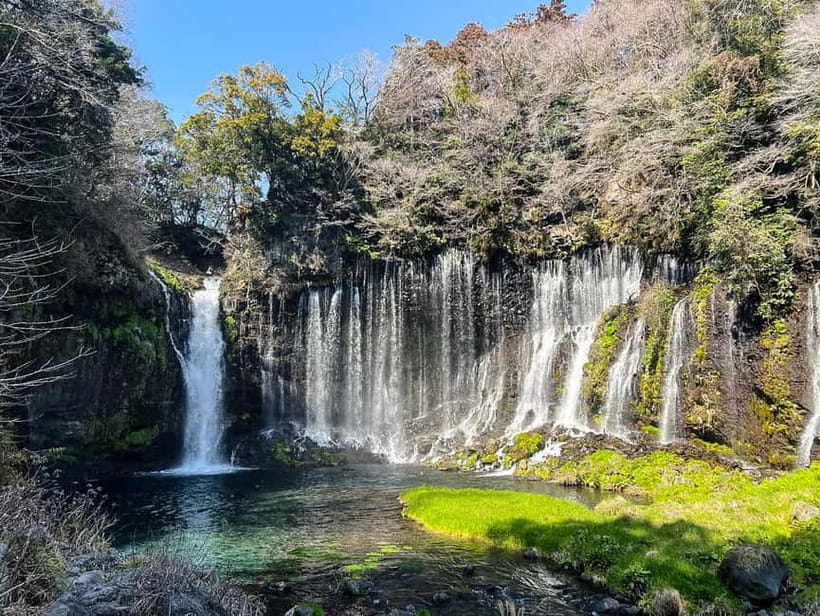
Oshino Hakkai is a change of pace. Instead of just chasing views, you step into a calmer setting with eight crystal-clear spring ponds.
Why I like this stop:
- It gives you a different texture of the Fuji region. It is not only about the mountain being in frame.
- It is the kind of place where you can slow down your photos, take a few minutes for each pond, and just look.
If you are the type who wants one cultural or local-feeling stop in the middle of a photo-heavy day, this fits that role well.
Mt. Fuji Museum vs Mt. Fuji World Heritage Centre, when you want context
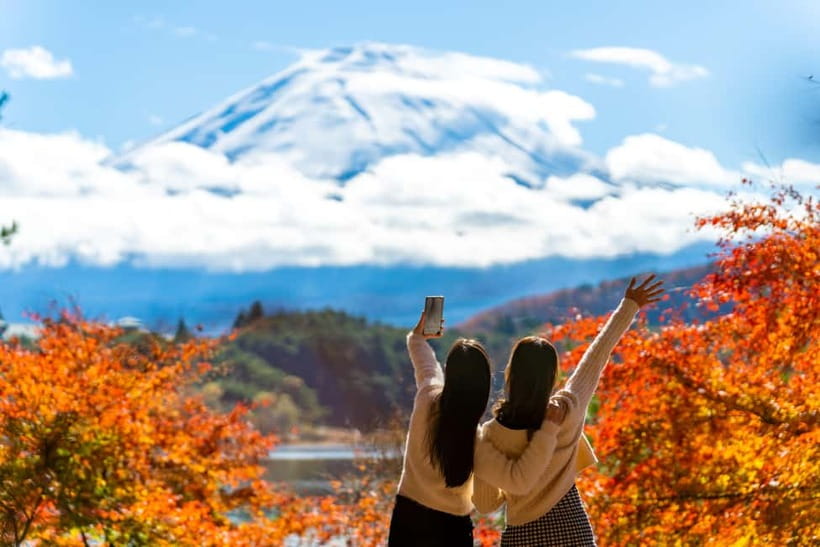
Midday can get repetitive if every stop is “look and shoot.” That is why the tour includes a museum-style break depending on route.
On the signature route (Course B), you have a chance to visit the Mt. Fuji Museum, described as interactive and tied to the mountain’s culture and geology. There is also an option to go to a matcha café nearby.
On the highlight photo route (as shown in the day plan), you may stop at the Mt. Fuji World Heritage Centre for photo time and free time.
These stops do one useful thing:
- They help you turn a set of scenic locations into a coherent story.
- They also give you shade and a slower pace, which matters on long travel days.
Lake Yamanaka and Hirano Beach, wider views when water turns calm
Course B includes Lake Yamanaka and Hirano Beach. This section is designed for a lakeside reset, with time to walk and take in wide views.
The point of this stop is simple:
- You get another Fuji perspective, now mirrored or softened by calmer water conditions.
- It is a nice counterbalance to the busier pagoda and street areas.
If you like “one more look before I go,” this is where you cash it in. Even if you already got your classic shot, the lakes can make the day feel bigger and more complete.
Obuchi Sasaba tea plantation, green fields and distant peaks
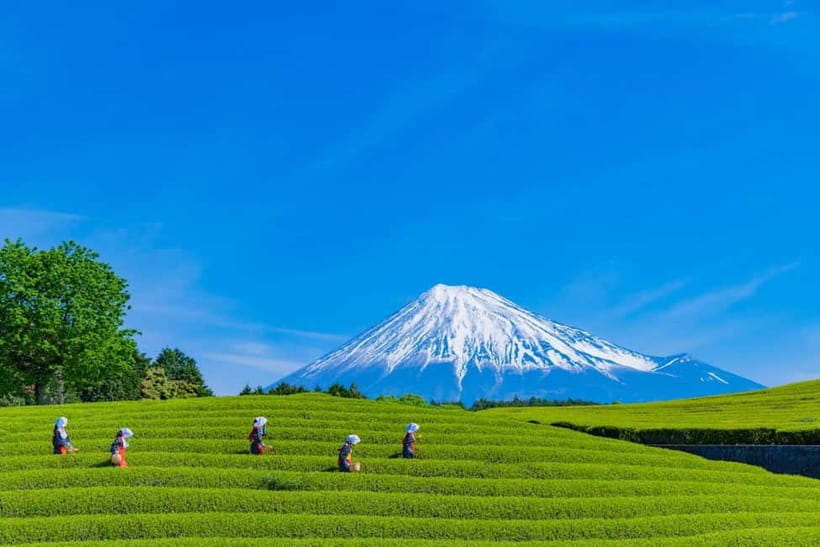
Course A ends by shifting into a different kind of landscape feel, Obuchi Sasaba, a tea plantation area. You get time for sightseeing and photos with rolling green fields and Mt. Fuji framed in the distance when visibility allows.
Why this works as a final major stop:
- Tea fields give a natural foreground that makes Fuji look larger and farther away.
- It helps your final photos feel different from earlier lake shots and waterfalls.
If you are here for a varied photo set, this is a smart closer.
Small details that make the day easier (and better photos)
This is where the tour earns its high ratings. A good guide can turn a rigid bus day into something you actually enjoy.
Here are the things I think matter most from the way people describe the day:
- Guides stay animated and on schedule. People often mention guides who kept interest high even during long travel.
- They help you with photo directions. You get clear guidance on where to stand and when to shoot.
- Weather awareness is real. One of the best practical skills is knowing when to change the order of photo moments so you get Fuji while it is visible.
- Meet-up clarity is strong. Several guides share step-by-step guidance for finding the right spots, and group chat messages can make it easier to return to the bus correctly.
Names that come up repeatedly in feedback include Kei, Goldie, Yui, Jun, Hooni, and Jeffery. If your guide is one of those styles, you can expect a friendly, organized day.
Practical gear checklist:
- Comfortable shoes. You will walk and climb.
- Snacks. Lunch is not included, and having a snack helps keep energy stable.
- A light layer. Lakes and waterfall areas can feel cooler.
Price and logistics, what you are really paying for
Yes, the headline is $69 per person. What you are paying for is not just the sites. You are paying for:
- Round-trip transportation from Tokyo without managing transfers
- A guide who handles group timing and stop coordination
- A long day plan that hits several Mt. Fuji regions in one run
If you try to DIY this, costs can rise quickly once you price in transport and the time you spend moving between scattered spots. This tour is designed to compress the effort into a single day, which is exactly what most short Tokyo trips need.
The value check is personal:
- If you want a classic Fuji photo set and you hate logistics, it feels like a good deal.
- If you want lots of slow time, you might prefer a smaller, more flexible private plan.
Who this tour fits best
I think this fits best if you:
- Have limited time in Tokyo and want Mt. Fuji without the stress
- Care about photos and want multiple viewpoints, not just one
- Like a guided structure for stops and timing
- Want at least one quieter stop (Oshino Hakkai ponds) amid the big-name scenery
It is less ideal if you:
- Have trouble with stairs. The pagoda area involves a steep climb (people have mentioned about 400 steps)
- Need wheelchair accessibility. The tour is not wheelchair-accessible as stated
- Want a very relaxed day with minimal walking. This is a move-around-and-shoot format
The good news is it is stroller-friendly, as long as you tell the operator you will bring one.
Should you book this 11-hour Mt. Fuji tour?
If you want the best odds of a memorable Fuji day from Tokyo, I would book it. The biggest reason is repeat opportunity: you are not relying on one viewpoint. You get a classic frame at Chureito Pagoda, plus lakes and additional scenic stops built to give you alternate ways to enjoy Mt. Fuji based on what the weather allows.
Choose your course based on your mood:
- Pick Course A if you want the “postcard chain” of iconic spots and a fuller mix of waterfall and tea fields.
- Pick Course B if you want a slightly calmer feel with museum context and the spring-pond stop in the middle.
Last practical call: pack snacks, wear good shoes, and be ready for Fuji to play hard to see some days. When the sky cooperates, this route plan gives you a lot of ways to catch that payoff. When it does not, you still get a full day of real places, not just one view.
FAQ
How long is the Mount Fuji full-day tour from Tokyo?
It runs for about 11 hours.
How much does the tour cost?
The price listed is $69 per person.
What is included in the price?
Round-trip transportation from central Tokyo is included, and you get an English- and Korean-speaking guide (Chinese is also available).
Are meals included?
No. Meals are not included. There is a lunch break window during the day, but you will need to buy your own food.
Which Mt. Fuji sights are included?
The tour includes stops such as Arakurayama Sengen Park and the Chureito Pagoda area, Lake Kawaguchi and Oishi Park, Shiraito Waterfall, Oshino Hakkai, and Lake Yamanaka. Course options also include additional stops like Mt. Fuji Museum or Mt. Fuji World Heritage Centre, plus Obuchi Sasaba.
Are there two different routes or courses?
Yes. You can choose between two route styles. Course A is built around highlight photo spots, while Course B focuses on signature scenic spots.
What language support do I get from the guide?
The guide provides live support in English and Korean, and the tour also offers Chinese.
Is the tour stroller-friendly or wheelchair-accessible?
It is stroller-friendly, and you should inform the operator if you will bring a baby stroller. It is not wheelchair-accessible.
What should I bring for the day?
Wear comfortable shoes and bring snacks, since lunch is not included.
More Full-Day in Tokyo
More Tours in Tokyo

More Tour Reviews in Tokyo

Not for you? Here's more nearby things to do in Tokyo we have reviewed












Mount Fuji Tours, side by side.
 ★ 5.0Mt Fuji and Hakone 1-Day Bus Tour Return by Bullet TrainFrom $16326,383 reviews
 ★ 4.0Mt Fuji & Hakone Cruise, Drum Show Bullet Train 1 Day from TokyoFrom $1497,413 reviews
 ★ 4.4Tokyo Mt Fuji 5th St & Hakone Cruise Bus Tour w/Bullet TrainFrom $1545,024 reviews
 ★ 4.5From Tokyo: Mount Fuji Full-Day Sightseeing TripFrom $684,970 reviews
 ★ 4.7Mt. Fuji Tour, Hakone Ropeway, Owakudani, Lake AshiFrom $544,002 reviews
 ★ 4.2Mt. Fuji 5th Station & Hakone Cruise 1-Day Bus TourFrom $1292,381 reviews
 ★ 4.7Mt Fuji Top 5 Spots Day Tour: Arakurayama Park,Oshino HakkaiFrom $532,066 reviews
 ★ 5.0Private Tour to Mt. Fuji and Hakone (Fully Licenced Operator)From $4971,910 reviews