
Review · IMPERIAL PALACE TOURS
Tokyo Private Tour! Edo Castle & Imperial Palace East Gardens
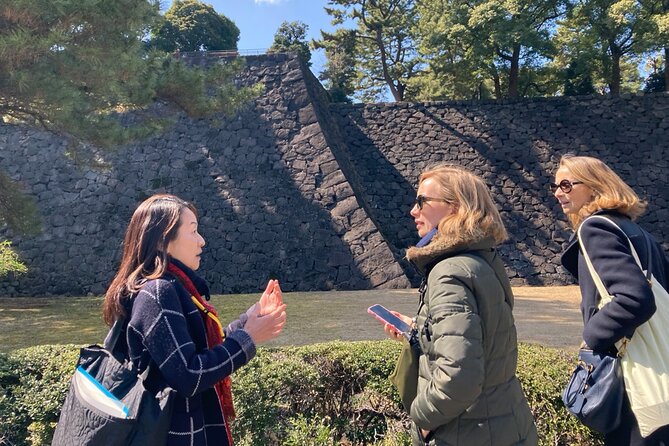
That old stone and fresh greenery calm you fast. This private tour threads you through the Imperial Palace East Gardens with a guide who keeps you on track and explains what you are seeing. It is also an easy fix for first-timers who worry about getting turned around in central Tokyo.
Two things I really like about this experience are the no-getting-lost guiding and the way the tour adds historical context to everyday sights. When guides such as Naoko, Akiyoshi, Shigeru, Mikio, and Ishida Katsura lead the walk, the stories tend to land, with time for questions and clear explanations.
One consideration: the tour stays outside the palace buildings. You do not go inside the Inner Palace, so manage expectations if you were hoping to see the main palace structures up close.
Key things to know before you go
- Private, guided pacing for about two hours, starting and ending at the same meeting point
- Imperial Palace East Gardens only, plus nearby features like the Edo Castle Ruins and Ninomaru Garden
- A guide as your GPS, so you are not stuck decoding routes and signs
- Photo-friendly views with peaceful garden breaks away from Tokyo traffic
- Entrance rules matter, including baggage inspection at the grounds
How a guided East Gardens walk saves your Tokyo time
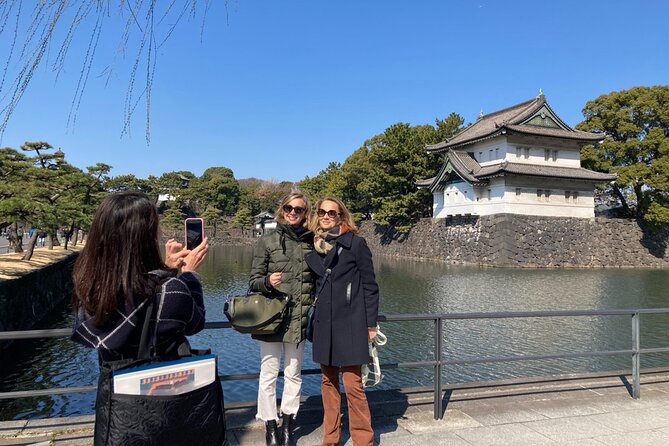
The Imperial Palace East Gardens sit in the middle of Tokyo, but they feel like a breather. You get the sense that the city noise should not be allowed in here. The grounds are also big enough that if you try to do this solo, you can end up wandering and missing the spots that make the place worth your time.
That is where the private format earns its keep. You are not just “walking around a park.” You are walking a route a guide understands, with explanations that connect the buildings, garden layouts, and gate areas to Japan’s imperial and Edo-era story. It is the kind of context that turns a pleasant stroll into a trip memory you can actually explain to friends later.
I also like the clean simplicity of the format. About two hours is long enough to cover the main highlights, without turning into an all-day commitment that competes with your other Tokyo plans. You are not forced into a rigid script either, since a private group can generally move at a pace that fits your questions and comfort level.
You can also read our reviews of more private tours in Tokyo

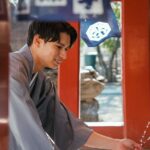
What you actually see inside the East Gardens area
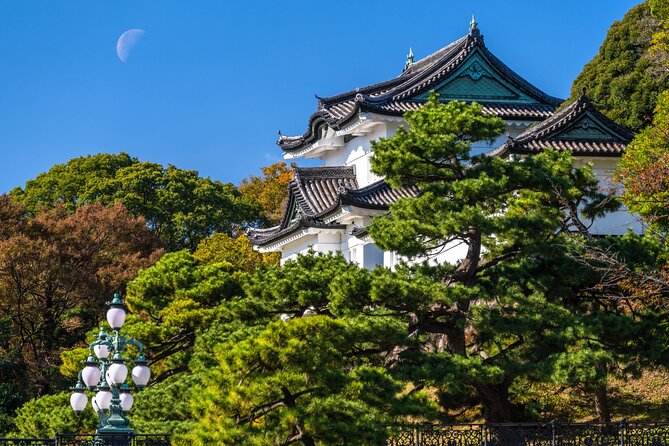
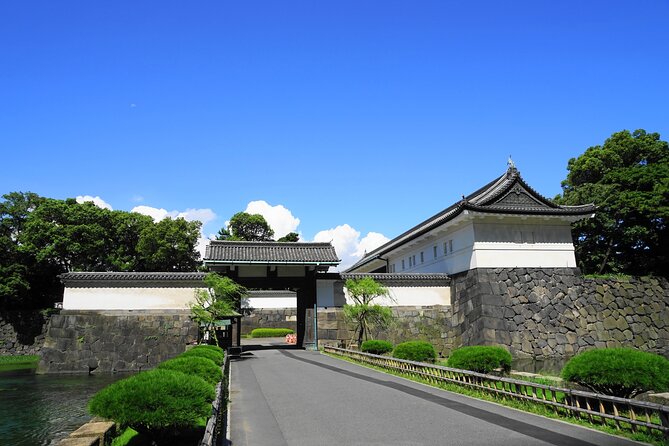
This tour focuses on the Imperial Palace East Gardens and related points within the same grounds network. Along the way, you can expect to cover areas tied to the Edo period, including the Edo Castle Ruins, plus places like Ninomaru Garden and Ote-mon Gate. Even if you have seen photos online, a guide helps you connect the landmarks to what they used to mean.
It helps to know what the tour is not. You do not go into the Inner Palace, and you do not enter the main palace buildings. That matters because Tokyo has a lot of “palace” content that people assume means indoor access. Here, the value is in the outdoor spaces you can visit, and the interpretation that makes those outdoor spaces meaningful.
If you want a quick check before you go, ask yourself: do you want a guided walk with strong context, or do you need interior palace access? This tour is clearly in the first category.
Imperial Palace grounds stop: nature, an old bridge, and a Japanese-style garden
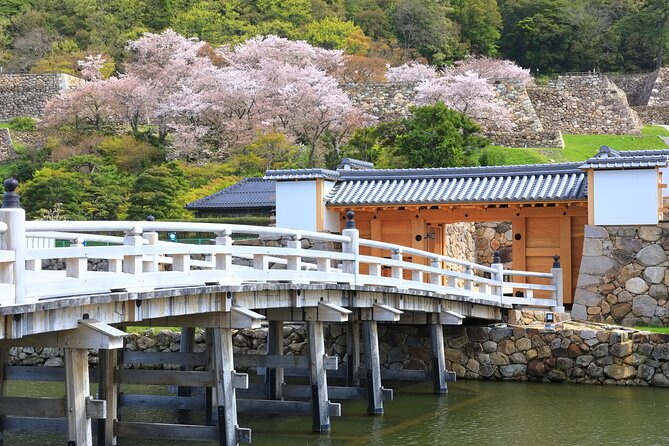
Your main stop is a walk around the Imperial Palace area with a strong emphasis on the grounds themselves. You will move through spots where nature and carefully shaped garden elements do the heavy lifting. Look for the Japanese special garden component and the old bridge mentioned in the tour description, plus viewpoints of historical buildings and cultural heritage structures on the perimeter routes.
The garden style matters. Japan often treats gardens like a form of storytelling, with sightlines, seasonal plant choices, and pathways that guide your pacing. A guide’s job is to point out what to notice, not just to name it. That is why the best guides on this tour tend to talk about what you are looking at in practical terms, like why that particular layout feels calm, and how the era connections show up in the way the grounds were designed.
You also learn about the royal family’s history as part of the walk. Even if you have read basic facts before arriving, it is the localized, ground-level explanations that make the information stick. You can expect the guide to tie the landscape and gate areas to Japan’s imperial timeline in a way that feels specific to where you stand.
The role of the guide: why names keep popping up
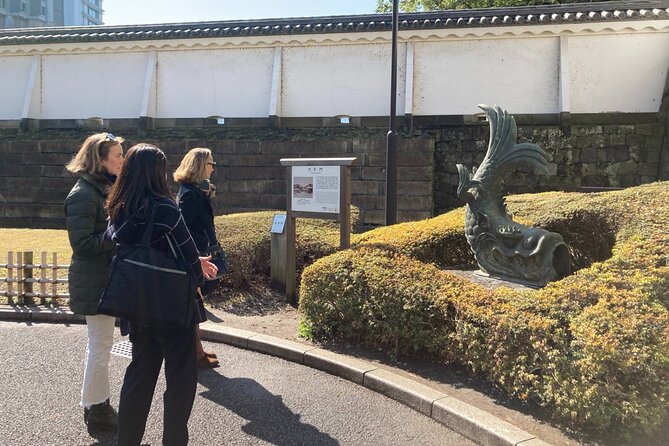
What drives the high rating here is not just the destination. It is the guide. Many people give standout praise for guides who stay lively, answer questions patiently, and speak English clearly enough to keep the conversation flowing.
You will often see names like Naoko, Akiyoshi, Shigeru, Mikio, Yoshiko, and Ishida Katsura connected to great experiences. That tells you something important: the tour is set up so the guide can actually change your experience. One person even noted that the guide made a small Japanese-paper keepsake during the tour, which turns history into something you carry home.
Plant and garden talk shows up too. One guide, Shigeru, was praised for being detailed about the plants, which is a big deal in a place like this where you might otherwise see only trees and hedges.
Language is the one variable. One low rating described a guide who spoke very little English and left the group struggling after about 45 minutes. Most reports emphasize strong English, but it is still a good idea to be ready to ask for clarification if you need it, especially if your group includes kids or anyone who wants a straightforward explanation.
Peaceful breaks, photo opportunities, and seasonal timing
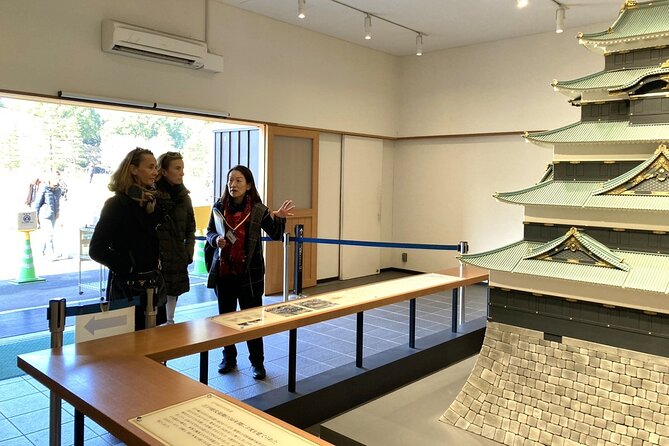
One reason this tour works well in a city like Tokyo is that the East Gardens feel like a pause button. People describe the area as calm and a welcome retreat from the hustle. That calm is part of the practical value, too. If your Tokyo days include busy stations, crowded streets, and nonstop walking, this kind of garden time helps reset your energy.
The photo opportunities are real, but a guide makes them easier. Instead of snapping random shots, you learn where to stand so the story lines up with the view. Gates, bridge lines, and garden paths all have better angles than you would guess on your own.
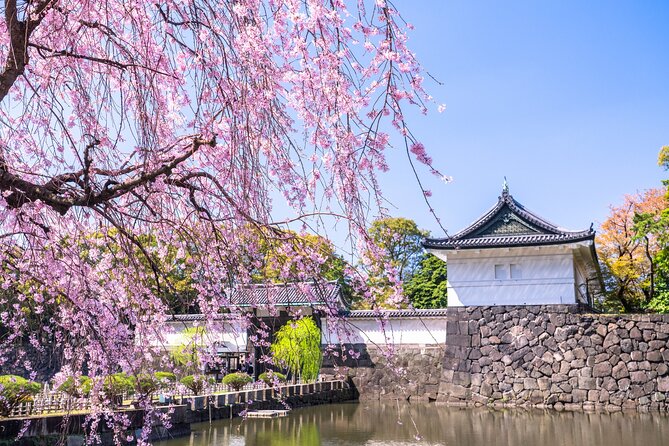
Seasonal timing can also change the experience. One response specifically pointed out cherry blossoms in March and April, with blooms described as very beautiful. If you are traveling in those months, it is worth paying attention to the dates you choose in Tokyo, since this is one of the city’s settings where spring can feel extra special.




Heat and walking pace: how to stay comfortable on a two-hour tour
This is an easy length for a walking tour, about two hours. Still, Tokyo weather can be intense, and garden shade is not always guaranteed. One review mentioned a very hot day around 35C and praised the guide for providing practical comfort items like umbrellas and neck coolers. That is a smart reminder for you.
If you go in summer, bring your own basic comfort plan as well. Hat, water, and sunscreen are not optional. Also consider light layers, since you are outdoors and then you may jump back into humid city air quickly.
Pacing is another practical point. Some people mention guides matching their pace, even if they were fast walkers. That is a big plus in a private setting. If you like to move briskly while still getting answers, you can usually find a rhythm that works for your group.
Meeting point reality: find Wadakura Fountain and start smoothly
The meeting point is clear and central: Wadakura Fountain National Park, address 3-1 Kōkyogaien, Chiyoda City, Tokyo 100-0002, Japan. The tour starts there and ends back at the meeting point, which saves you from guessing your way to the next stop.
Wadakura Fountain is in an area that is described as near public transportation, which helps a lot if you are pairing this with other parts of your day. When a tour returns to the original meeting point, it also helps you plan dinner without sprinting across the city.
One small tip that matters: build a little buffer around the start time. The palace grounds are not “just a park gate,” and entry checks can add minutes. A calm arrival keeps your tour stress low.
Entrance rules you should take seriously, especially with what you carry
When you enter the Imperial Palace grounds, you are subject to a baggage inspection. That is not the time to discover your bag contents are not what you thought they were. Keep your bag neat and easy to check.
There is also specific advice related to Japanese knives or other items that could be used as weapons if you plan to buy them at places like Tsukiji or Asakusa. The guidance is to leave those items in a coin locker or similar storage before the meeting. In other words, plan your shopping so any restricted purchases do not block your entry that day.
It is also worth remembering the tour’s access limits. You are not entering the Inner Palace. You are visiting the East Gardens and related outdoor areas. That makes the experience more predictable, but it is the key “know before you go” detail.
Value math: why $65.41 can work better than you expect
At $65.41 per person, you are not just paying for walking. You are paying for a guide, private handling of the route, and the added value of interpretation that you would not reliably get from signs alone.
The listing also notes that an admission ticket is free, which can make the cost feel more reasonable compared with tours that include paid museum entrances. You are mainly paying for the guide time and the private experience, not a stack of add-on fees.
There are also notes about group discounts and the use of a mobile ticket. Even if you ignore the discount angle, the private guiding is the real “buy.” If you have multiple people in your group, the private format can feel especially smart, because you are not stuck with the slowest walker or the no-question style of a larger group.
So if you are the type who likes your sightseeing organized, your questions answered, and your time respected, the price tends to make sense.
Who this tour fits best
This is a great fit for:
- First-time Tokyo visitors who want one historic anchor without spending hours planning routes
- People who like context and stories tied to exact places, not generic facts
- Families who want a smoother experience and fewer logistics headaches, especially with private pacing
- Anyone who wants a calmer Tokyo moment, in a setting that feels protected from the city chaos
If you already have deep palace knowledge and you mainly want the views, you might not need a guide. But most people who book this are looking for exactly what a guide provides: direction, interpretation, and a route that makes the East Gardens feel connected rather than random.
Should you book the Tokyo Private Tour: Edo Castle & Imperial Palace East Gardens?
Book it if you want an easy, structured way to see the East Gardens highlights, and you care about understanding what you are looking at as you walk. The standout reason is the guide impact, with strong praise for guides who stay lively, clear, and patient with questions. The scenery also delivers a real reset from Tokyo’s pace.
Skip or reconsider if you want to enter the Inner Palace buildings. This tour is not built for that. Also, if language is make-or-break for your group, remember there can be variation, even though most experiences emphasize strong English.
If you are planning one compact history-focused morning or afternoon, this private guided stroll is a solid use of time in Tokyo.
FAQ
How long is the Tokyo Private Tour: Edo Castle & Imperial Palace East Gardens?
The tour lasts about 2 hours.
Where do we meet for the tour?
You meet at Wadakura Fountain National Park, 3-1 Kōkyogaien, Chiyoda City, Tokyo 100-0002, Japan.
Is this a private tour?
Yes. It is a private tour/activity, and only your group participates.
What does the tour include?
The tour includes a tour guide.
Does the tour include admission to the Inner Palace?
No. Admission to the Inner Palace is not included, and the tour does not go inside the Imperial Palace.
Is there an admission ticket involved?
The tour notes an admission ticket that is free for the activity. You should still expect the security and entry process at the grounds.
Will there be baggage inspection when entering the grounds?
Yes. Upon entering the grounds of the Imperial Palace, visitors are subject to a baggage inspection.
What is the cancellation policy?
You can cancel up to 24 hours in advance for a full refund. If you cancel less than 24 hours before the start time, the amount you paid is not refunded.
What happens if the minimum number of travelers is not met?
If the experience is canceled because the minimum is not met, you will be offered a different date or a full refund.
More Private Tours in Tokyo


More Tours in Tokyo


More Tour Reviews in Tokyo
Not for you? Here's more nearby things to do in Tokyo we have reviewed








Imperial Palace Tours, side by side.
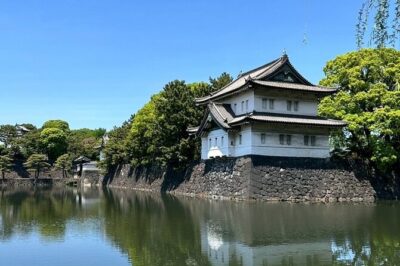 ★ 5.0Imperial Palace and Shogun Historical Walking TourFrom $222,251 reviews
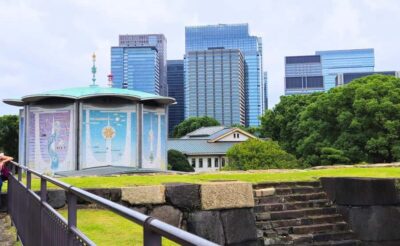 ★ 4.9Imperial Palace Japanese History Walking TourFrom $32987 reviews
 ★ 4.9Imperial Palace and Shogun Walking TourFrom $16935 reviews
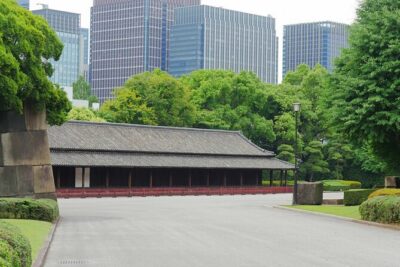 ★ 5.0Imperial Palace East Garden and Edo Castle Walking Tour in TokyoFrom $25510 reviews
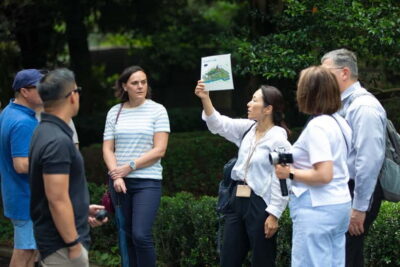 ★ 4.8Imperial Palace East Gardens Walking TourFrom $19353 reviews
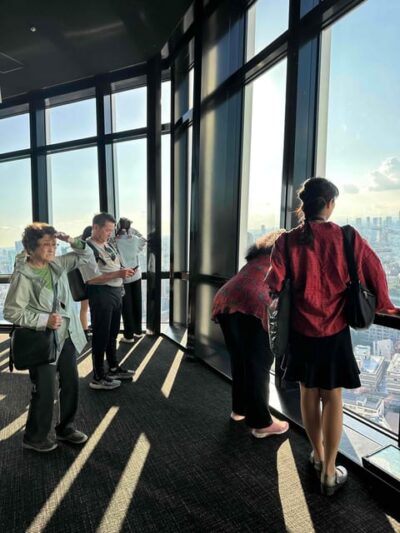 ★ 4.5Imperial Palace, Sensō-ji Temple, & Tokyo Tower TourFrom $40339 reviews
 ★ 5.0Tokyo Castle, Imperial Palace, Shogun & Garden Walking TourFrom $31211 reviews
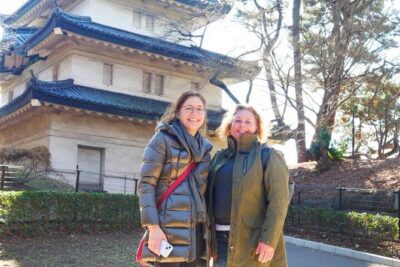 ★ 4.7Edo Castle & East Garden of the Imperial Palace TourFrom $42112 reviews
This tour also belongs to