
Review · IMPERIAL PALACE TOURS
Tokyo, Edo Castle & East Garden of the Imperial Palace Tour
Imperial Tokyo feels surprisingly walkable. In a guided, 2-hour stroll through the East Garden of the Imperial Palace, you’ll connect the greenery, paths, and historic corners to the imperial family and Japan’s story. I also like the short length. It’s long enough for real context, without eating your whole day.
Here’s the key consideration: you cannot enter the Inner Palace. You’ll be exploring the grounds and the East Garden area, not going inside the buildings people usually imagine when they hear Imperial Palace.
East Garden Walk: What You’ll See in Real Terms
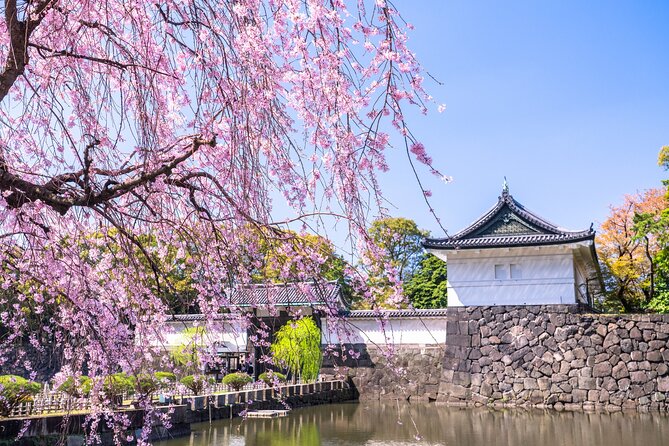
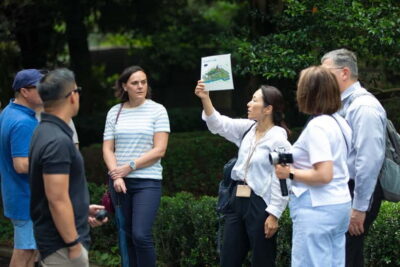
This tour is built for people who want an easier, calmer change of pace in central Tokyo. Instead of jumping between big-ticket sights all day, you follow a guide along the Imperial Palace grounds with stops focused on garden features and historical details.
What you can expect as the main experience:
- Walking around the Imperial Palace area with the East Garden in the mix
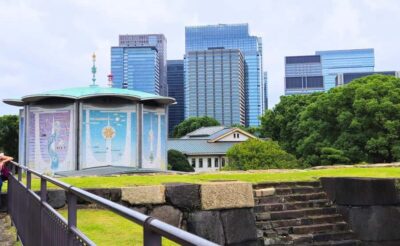
- Seeing a special garden setup, plus an old bridge and the surrounding scenery
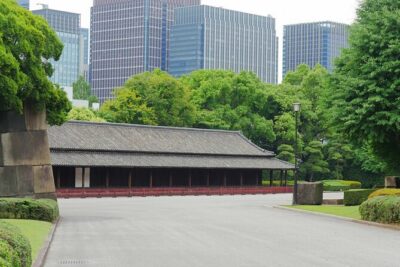
- Spotting historical buildings and heritage points from the areas you’re allowed to visit
- Learning how different eras shaped what you see today, with a focus on the imperial family
One practical win: the tour is described as an outdoor walking experience with admission handled for you. That matters because it keeps the day simple. You show up, you walk, you learn, and you’re not juggling extra tickets on the spot.
Also, the tour stays honest about access. You don’t go inside the Imperial Palace, and you don’t get that “stand in a throne room” kind of experience. If you want that, you’ll need a different type of visit. If you want history made tangible through gardens, paths, and context, this fits well.
Where the Tour Starts at Wadakura Fountain (and How to Plan Your Time)
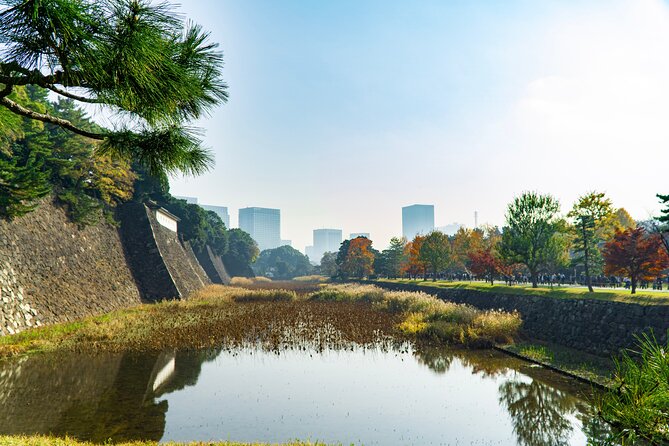
The meeting point is Wadakura Fountain National Park, address 3-1 Kōkyogaien, Chiyoda City, Tokyo 100-0002, Japan. The activity ends back at the meeting point, so you do not need to worry about coordinating a separate pickup.
Timing is roughly 2 hours. That makes it easy to schedule on the front or back end of your Tokyo day. If you’re doing temples and neighborhoods earlier, this is a nice contrast. If you’re planning a later afternoon shopping and transit loop, this tour helps you “reset your brain” before you dive into the city again.
You’ll also want to plan for the fact that this is a group tour with a cap of up to 50 travelers. That’s big enough to feel social, but small enough that you’re not getting swallowed by a huge crowd at every stop. Still, it’s a walk, so comfortable shoes matter.
You can also read our reviews of more tours and experiences in Tokyo.


Imperial Palace Entry Rules: Baggage Checks and What to Do About Weapons
Once you enter the grounds of the Imperial Palace, you’ll be subject to a baggage inspection. This is one of those details that can save you stress if you handle it early.
Two good pieces of guidance from the tour notes:
- If you have bags, you should expect inspection at entry.
- If you plan to buy Japanese knives or other items that could be used as weapons at places like Tsukiji or Asakusa, you’re advised to leave them in a coin locker (or a similar storage option) before meeting.
That advice is worth taking seriously. Knife purchases are a popular souvenir idea in Tokyo, but they can collide with security rules at sensitive sites. If you already bought something and forgot lockers exist, you might be stuck dealing with it last minute. If you haven’t bought yet, plan your purchase for a different day or store it before your tour.
This security check is also part of why the experience feels orderly. Your guide will keep the group moving, so the inspection doesn’t turn into a long wait. But you should still arrive on time so you don’t become “the reason the group holds up.”
The East Garden Highlights: Gardens, an Old Bridge, and Historic Corners
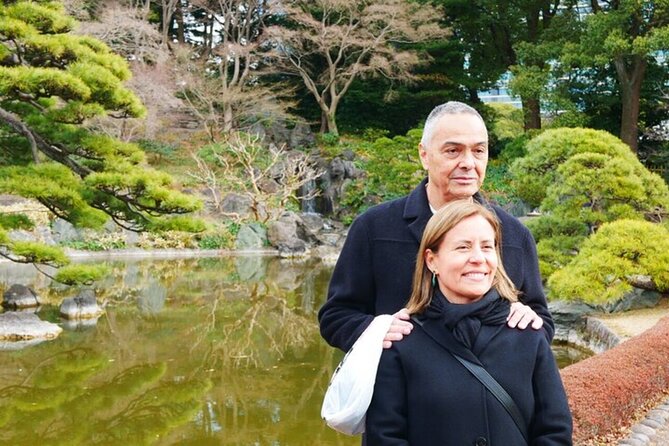
The tour’s main stop focuses on the Imperial Palace grounds with special emphasis on the East Garden. The description is specific about what the walk includes, and that helps you know what to watch for as you go.
Here’s what’s built into the experience:
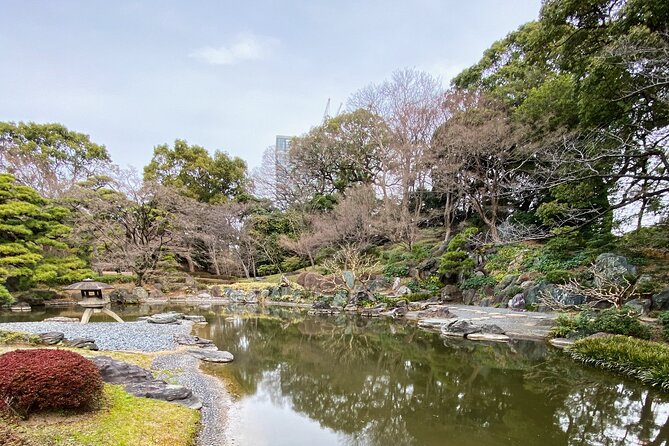
- Japanese special garden areas: You’re not just walking past green space. The route is designed to show you the garden style and how it frames the palace grounds.
- An old bridge: Bridges are often where guides can explain design and historical continuity, and this one is part of the set route.
- Historical buildings and heritage points you can view from the permitted areas: You’ll get context for what you’re seeing, rather than relying only on signs.
- Imperial family history tied to what’s around you: The tour is positioned as a chance to follow in the footsteps of successive emperors, meaning the guide explains why the space matters across time.
This is where a good guide makes the biggest difference. In past departures, guides including Masahito have been praised for giving an in-depth account of the palace and the imperial family, from origins through the present. That type of narration helps the garden stops land emotionally and historically, not just visually.
You’ll also get that “change of pace” effect people want. East Garden grounds tend to slow you down. You stop thinking in terms of photo-by-photo sightseeing and start thinking in terms of place. If you like walking where you can actually hear yourself think, you’ll likely appreciate it.
One small but useful tip: if the group allows it, ask the guide to help take pictures at the main viewing points. In some departures, the guide team has offered picture-taking help at different sites, which is handy if your camera skills are… ambitious.
Edo Castle Connections: How the Tour Name Fits the Day
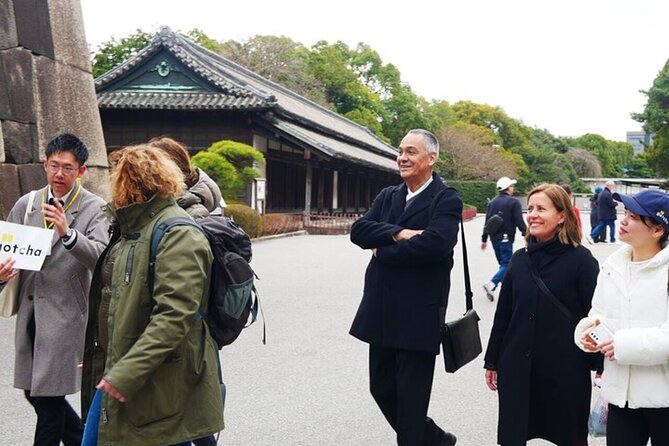
The full tour name includes Edo Castle, but the provided walk description focuses on the Imperial Palace East Garden and the grounds around it. So how does Edo Castle fit?
The honest way to think about it is this: you’re at the Imperial Palace area, but your guide can connect the site to broader Japanese timelines and power shifts. The tour is described as teaching Japanese history through what you can see and what you can learn on the walk.
If you’re specifically chasing Edo-period context, this tour can still be a good fit because it’s history-focused. But it likely won’t replace a dedicated Edo Castle day where the route centers on Edo-era remains and museum-style background.
So aim for this tour if you want:
- A paced introduction to imperial-era context
- Garden and architecture as your anchor points
- A guide to connect the dots while you walk
Price and Value: Is $43.11 Worth It?
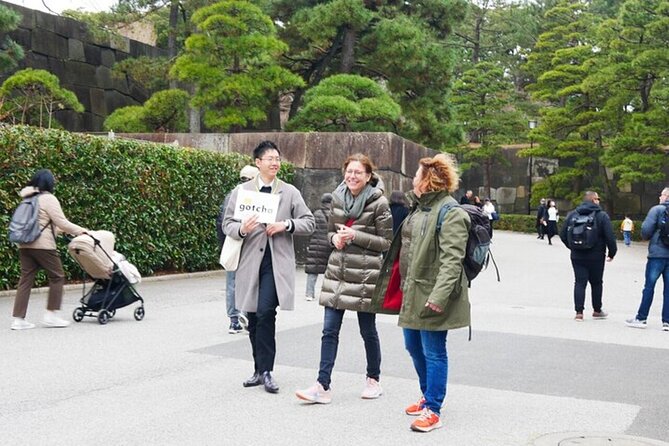
At $43.11 per person, this is not the cheapest activity in Tokyo, but it also isn’t priced like an all-day major attraction. The value comes from what’s included and what isn’t.
What you pay for:
- A tour guide for about 2 hours
- A structured route that turns “pretty grounds” into an explanation of what matters
What you do not pay for (and that keeps the day from getting complicated):
- Admission is handled as free for the tour experience
- The tour notes clearly state what you cannot enter, so there are fewer surprises
You should also factor in group size and format. A tour capped at 50 travelers tends to keep the experience manageable. And the tour includes a mobile ticket, which removes one more chore from your day.
The only thing to be really aware of is access limitations. Because you can’t enter the Inner Palace, the tour is about the outside grounds experience plus guided context. If you’re expecting full interior access, you’ll feel the price is higher than what you get.
But if your goal is a guided, outdoor, history-and-gardens walk in central Tokyo, this price is reasonable. It’s essentially buying time, narration, and route planning.


Who This Walking Tour Suits Best (and Who Might Want Something Else)
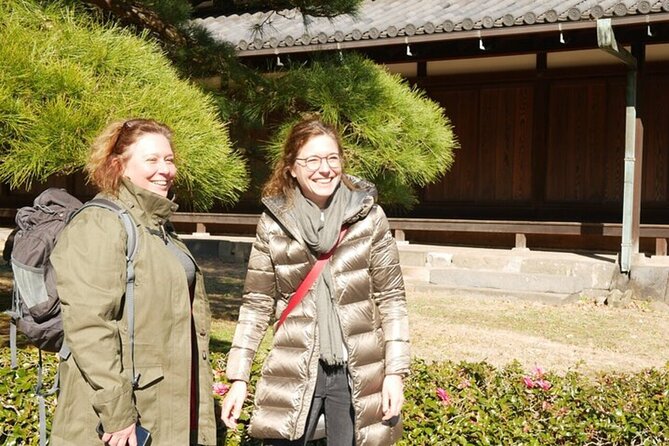
This tour is a great match if you:
- Want a chill walking break from the intensity of big Tokyo sightseeing days
- Like learning while moving, with an experienced guide leading the story
- Prefer outdoor cultural time over museum-heavy schedules
- Are visiting for the first time and want an orientation-style experience around one of Japan’s most symbolic locations
You might want a different option if you:
- Are specifically hoping to enter interior palace spaces
- Want a fully Edo Castle-centered route with dedicated Edo-era remains and sites
- Need a completely step-free or low-walking experience, since this is described as a walking tour around the grounds
One more timing note to plan around: the East Garden is closed on Mondays and Fridays. So if your trip lands on those days, you’ll need a different day or a different activity.
Should You Book This Imperial Palace East Garden Tour?
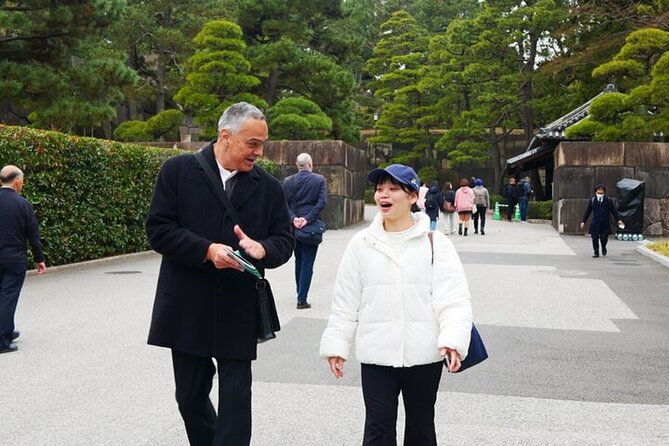
I’d book it if your priority is a guided outdoor history walk that gives you context you’d miss if you wandered alone. The short 2-hour format is practical, the meeting is straightforward at Wadakura Fountain, and the experience is honest about limits, since you won’t enter the Inner Palace.
Skip it, or at least reconsider, if interior palace access is the whole point for you. Also, check the East Garden closure days first so you don’t build your schedule around a day the garden won’t be open.
If you want a smarter way to spend a morning or afternoon in Chiyoda, this is a solid pick.
FAQ
How long is the Tokyo Imperial Palace East Garden tour?
It’s approximately 2 hours.
Where does the tour start, and where does it end?
The tour starts at Wadakura Fountain National Park (3-1 Kōkyogaien, Chiyoda City, Tokyo 100-0002, Japan) and ends back at the same meeting point.
Can I enter the Inner Palace on this tour?
No. The tour does not allow entry into the Inner Palace.
Is the East Garden open every day?
No. The East Garden is closed on Mondays and Fridays.
Is admission included for this experience?
Admission ticket access for the experience is described as free.
What security checks should I expect before entering the grounds?
Upon entering the Imperial Palace grounds, visitors are subject to a baggage inspection. If you bought items that could be used as weapons, the tour notes suggest storing them in a coin locker or similar place before the meeting.
More Tours in Tokyo


More Tour Reviews in Tokyo
Not for you? Here's more nearby things to do in Tokyo we have reviewed








Imperial Palace Tours, side by side.
 ★ 5.0Imperial Palace and Shogun Historical Walking TourFrom $222,251 reviews
 ★ 4.9Imperial Palace Japanese History Walking TourFrom $32987 reviews
 ★ 4.9Imperial Palace and Shogun Walking TourFrom $16935 reviews
 ★ 5.0Imperial Palace East Garden and Edo Castle Walking Tour in TokyoFrom $25510 reviews
 ★ 4.8Imperial Palace East Gardens Walking TourFrom $19353 reviews
 ★ 4.5Imperial Palace, Sensō-ji Temple, & Tokyo Tower TourFrom $40339 reviews
 ★ 5.0Tokyo Castle, Imperial Palace, Shogun & Garden Walking TourFrom $31211 reviews
 ★ 4.7Edo Castle & East Garden of the Imperial Palace TourFrom $42112 reviews
This tour also belongs to