
Review · AKIHABARA TOURS
Tokyo: Original Street Kart Experience from Akihabara
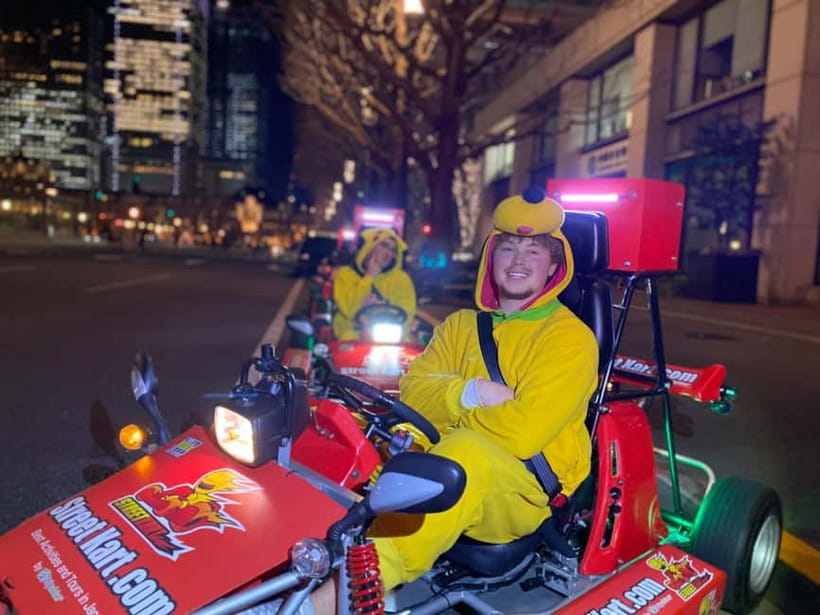
Tokyo traffic is one thing, Tokyo at kart-speed is another. Custom go-karts, real-city streets, and costume energy make this experience feel like Tokyo meets your favorite game.
I love the way the guides keep it fun but controlled, with group driving and lots of photo stops, and I love that you can show up as your character, not just as a tourist. The one drawback to plan for is paperwork and rules, because you must have the right driving documents in hand and you cannot wear common footwear or bring a cell phone.
Why This Street Kart Ride Feels Different
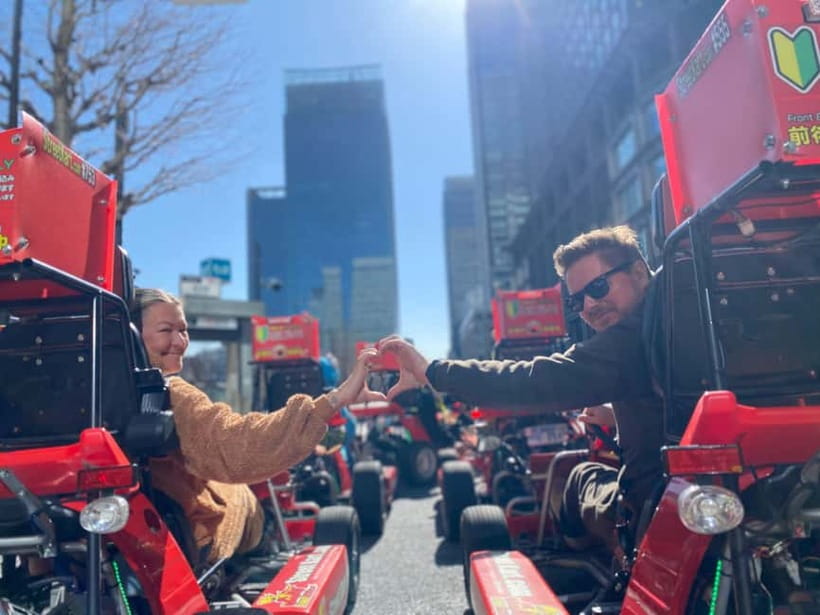
If you want Tokyo in motion, this is one of the few activities that gives you a front-row seat to everyday streets. I also like the practical pacing: you get enough time to feel the adrenaline and still come back with great memories, especially when guides like Johnny, Mads, Billy, Usama, and Khan are in the driver’s seat of the whole experience, from safety checks to photos.
Here is the catch: your ride depends on being properly cleared to drive in Japan. If you do not have the right IDP or translation (based on your country), you will not be able to participate.
Key Points I’d Highlight Before You Book
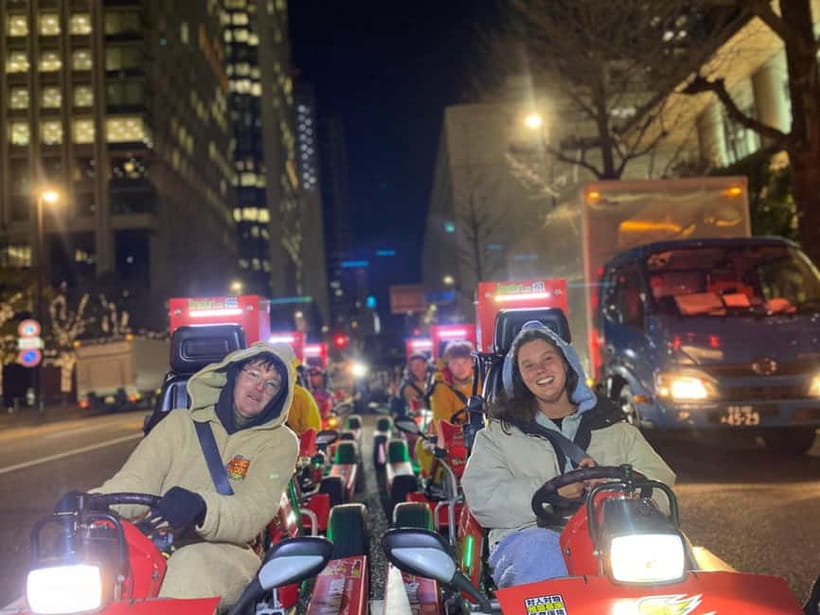
- Custom-made go-karts built for real-road formation driving, not a closed track
- Costume rental so you can blend into Tokyo’s anime culture, especially in Akihabara
- Frequent photo moments, with photo data provided afterward and some guides going the extra mile for prints
- Route hits Tokyo landmarks like Marunouchi, Tokyo Station, Imperial Palace views, and Ginza
- Small group size capped at 6, which makes it easier to stay together and feel looked after
- Safety is handled actively with clear instructions and hand-signal style guidance at stops
You can also read our reviews of more tours and experiences in Tokyo.



Entering Street Kart Akihabara 1: Finding the Start Line
Your first task is simple: arrive ready to move quickly. You will meet at Street Kart Akihabara 1, inside a building where you can spot the go-karts through the glass doors. It is the kind of setup where being on time matters, because you are not just checking in and wandering, you are suiting up and getting on the road.
Once you find the base, the flow is straightforward. You meet your English-speaking guide, go through the pre-ride process (including safety instruction), then choose your costume rental option. In many experiences like this, the safety talk can feel like a formality. Here, the guides are consistently described as communicating clearly, with thoughtful patience, and that matters because you are driving in a moving city environment.
Suit Up in Costume: Anime and Game Energy on Real Streets
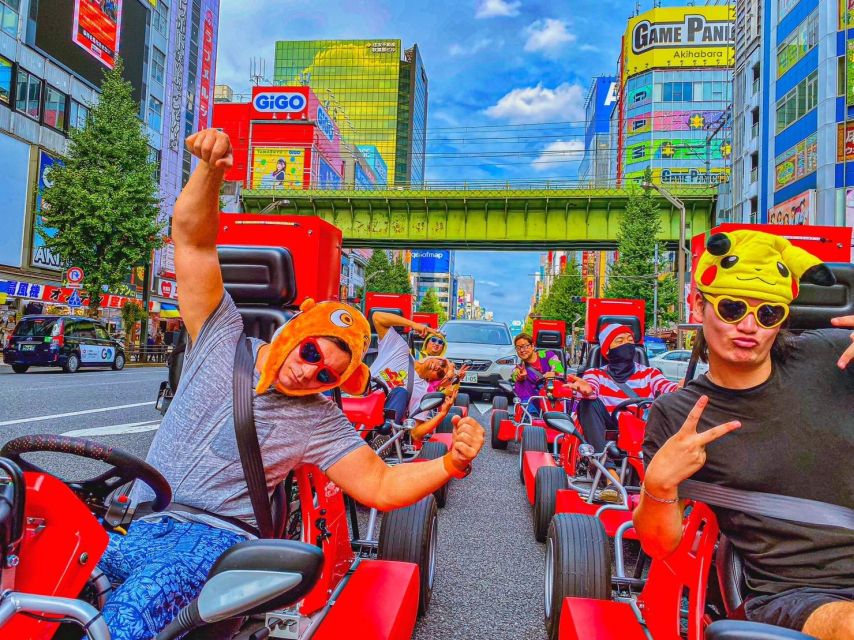
This is not a costume contest where you wear something and forget it. You are wearing your outfit while driving through some of Tokyo’s most recognizable districts, and it changes how you feel in the ride.
Costumes are provided as part of the experience, and you get to pick from options tied to anime, animation, and games. People in costume attract attention. During the ride, you will likely get waves and smiles from onlookers, plus photos from people on the sidewalk. That social momentum is a big part of why this feels memorable long after the hour is over.
One practical note I really like: the experience is designed so the costume and the route work together. You are going through Akihabara where character outfits make perfect sense, and you also hit areas like Tokyo Station and Marunouchi where the contrast between formal Tokyo and your character look becomes part of the fun.
The Go-Kart Ride Itself: Adrenaline With a Guide Steering
The heart of the experience is the custom go-kart ride. You are not driving a one-size-fits-all rental kart on a track. You ride a custom-made go-kart, and you follow your guide through the streets.
What you should expect is controlled excitement. Multiple ride accounts describe driving in formation with a lead driver doing most of the direction, plus safety communication using clear signals. That is important because Tokyo streets can look chaotic from a tourist viewpoint, even if the city runs with strong order underneath.
If you are worried about feeling overwhelmed, you can take comfort in how the guides are described: they review safety rules thoroughly, they stay communicative, and they help you feel comfortable while you get the hang of the kart. It is still an active driving experience, so your skill level matters, but you are not thrown into it blind.
Safety and Street Skills: What the Guides Make You Ready For
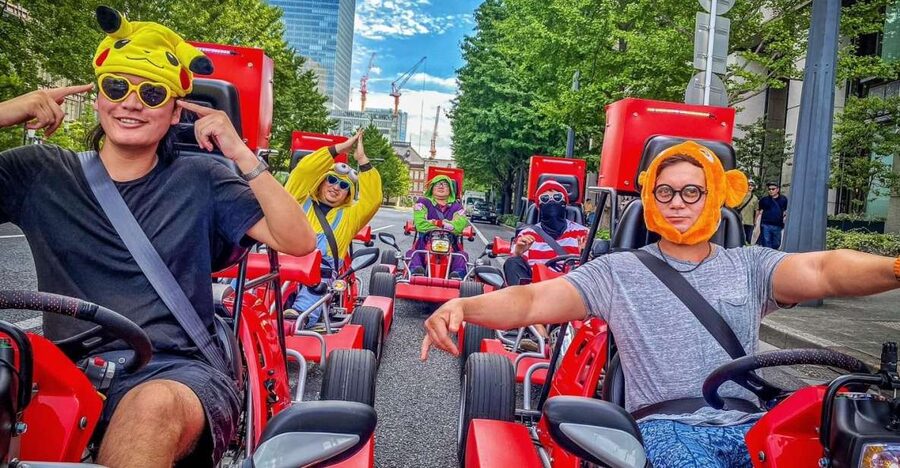
Go-karting on real roads is not like being on a closed circuit. That is why safety guidance is a core part of the value here, not just a legal checkbox.
You will get:
- Safety instructions before you drive
- Guidance from the guide during the ride
- A group structure designed to keep everyone together
In ride reports, guides are praised for being attentive and for using clear communication, including hand signals at intersections. That is a big deal. When you are driving a kart, your eyes are focused on the road and timing. Hand signals help you process the situation fast without needing constant verbal instructions.
Also, bring a realistic mindset. You do not need racing-driver confidence, but you do need to stay calm, follow directions, and wear the right shoes. The experience explicitly bans high-heeled shoes, sandals or flip flops, and slippers, and you cannot bring cellphones.



Route Walkthrough: Marunouchi, Tokyo Station, and Imperial Palace Views
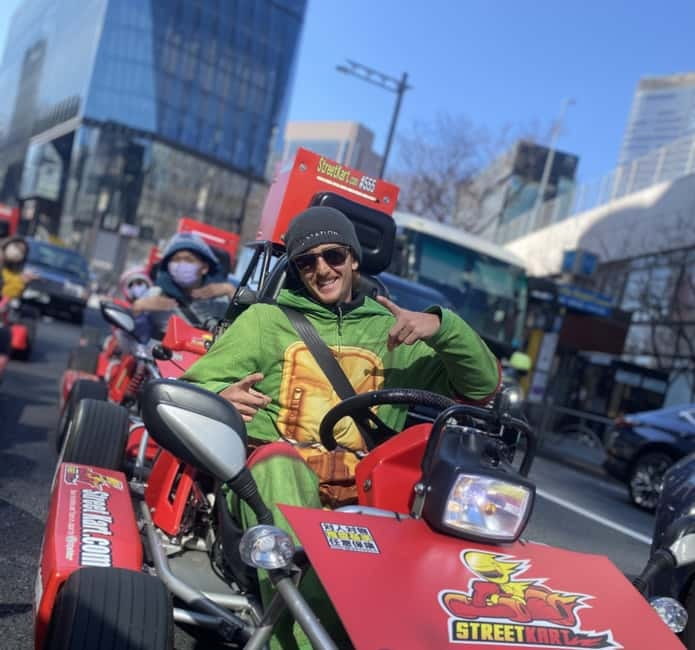
The route is built around Tokyo’s big landmarks, so you get that wow factor without spending hours on trains. One of the most exciting parts is how you feel the scale of the city while driving close to major areas.
Here is what you will experience in this part of the ride:
- You drive through the historic business district of Marunouchi
- You get a glimpse of the Imperial Palace area in the background
- You sense the presence of Tokyo Station, the hub for 28 train platforms
Why this matters for you: Tokyo Station is one of those places you can walk around for hours and still feel like you did not see it fully. From the kart, you get a moving perspective, and because you are driving, you feel connected to the city flow rather than just watching it from the sidewalk.
Possible drawback: landmark routes are popular for a reason, but the street-kart version may not feel like a long cinematic tour. You are still limited to 1 hour, so if you want a route heavy on wide-open roads, you might wish there were a bit more time in the brightest stretches. That said, the ride’s mission is variety plus adrenaline, not a slow sightseeing loop.
Ginza Drive: Luxury Shopping District Energy From a Kart Seat
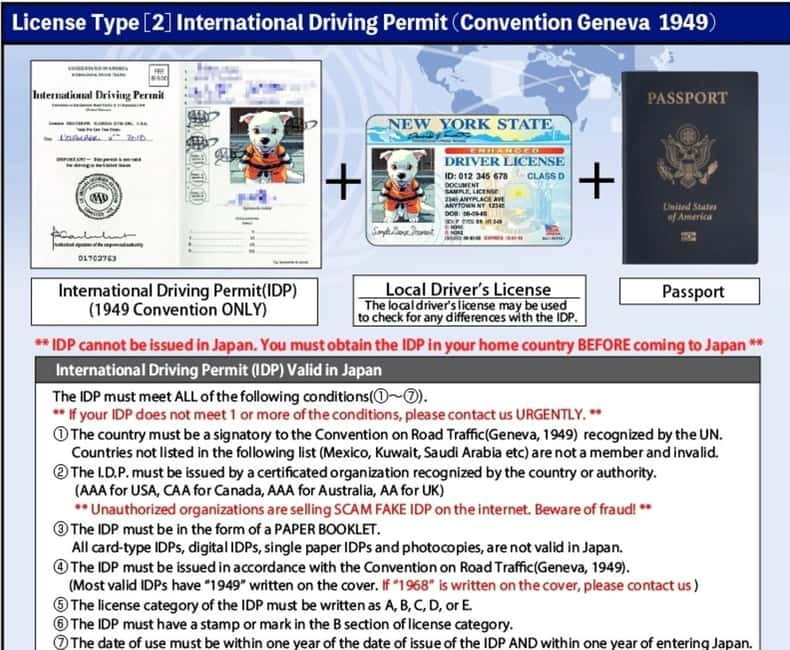
After the central landmarks, the ride shifts into Tokyo’s shopping-zone energy with a stop through Ginza, described as a luxurious shopping district.
Why this is a cool match for a costume ride: if you picked a game or anime character outfit, Ginza becomes a funny, high-style contrast. You are dressed for a cartoon, but the streets are polished and modern. That contrast is half the photo magic.
From a practical standpoint, Ginza is also a great place to notice how the experience handles real traffic rhythm. You are seeing Tokyo not as a postcard, but as a living city where people go about their day while you pass by in costume.
Akihabara: Where Character Costumes Make Perfect Sense
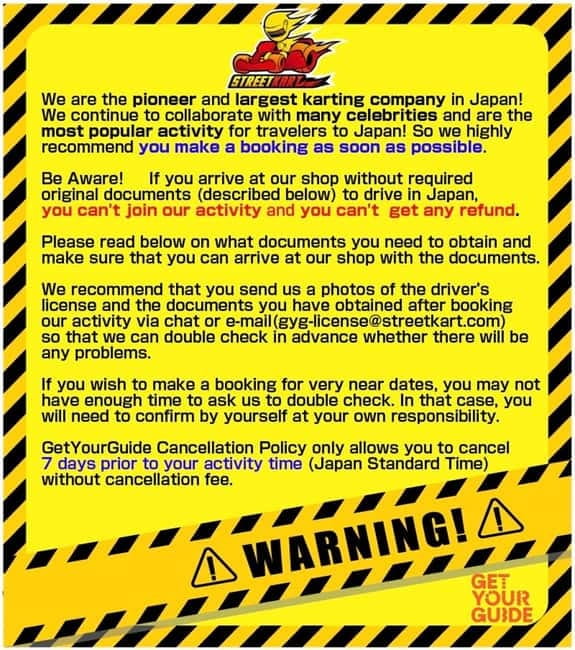
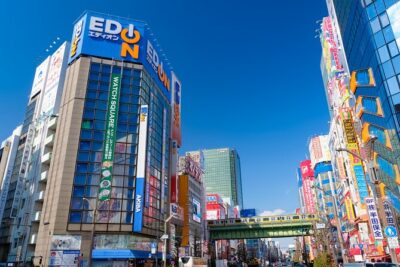
Then comes the district that ties the theme together: Akihabara. You are driving through a place that functions like a spotlight for Japanese anime and games, and it turns your costume from a personal choice into a match with the neighborhood.
This is where you should expect to feel the most “Tokyo weird, in a good way.” Akihabara is the kind of place where people recognize references, and your outfit fits the street culture immediately. Multiple ride accounts highlight that people wave and smile, which makes the whole experience feel like performance art meets street sport.
If you are the kind of traveler who loves visuals, Akihabara gives you the best chance of having your photos look like Tokyo character content, not just tourist snapshots.
Photo Data That Actually Helps You Remember the Details
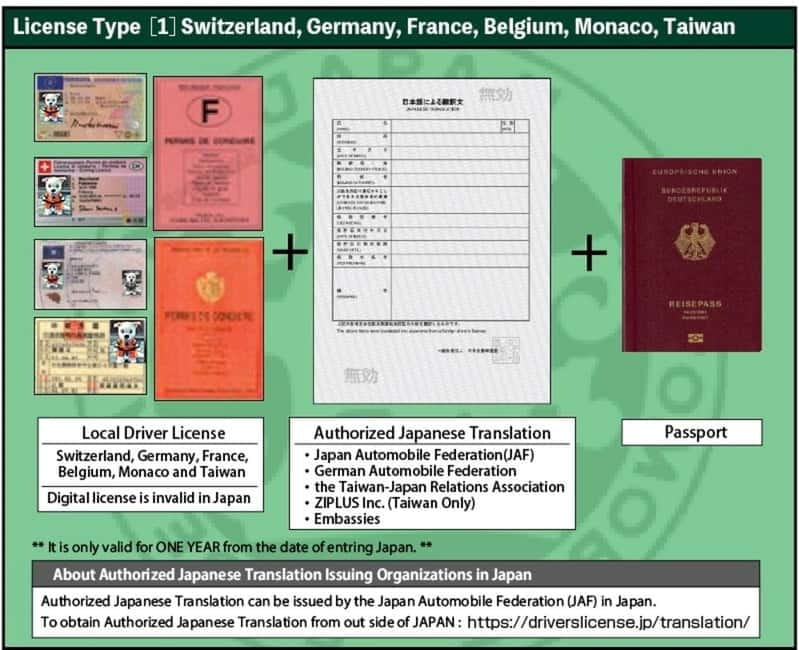
This tour includes photo data, and guides are repeatedly described as taking plenty of pictures during the ride. Some guides even go a step further by printing photos for you as a souvenir, which is the kind of extra touch that turns a digital-only memory into something you can hold.
Here is why I think this matters: with go-karting, your focus is on steering and staying safe. You are often not in a position to stop and frame your own shots. When your guide is managing the camera moment, you get photos without the mental load.
One practical takeaway: the tour includes photo data, but it does not mean it includes video gear. If you want a video, you are looking at action camera options, and those come with extra fees.
What’s Included, What Costs Extra (So You Don’t Get Surprised)
Included:
- Tour on a custom-made go-kart
- Guide
- Costume rental
- Photo data
Not included:
- Action camera rental fee
- Micro-SD purchase fee (to save video footage from the action camera)
- Camera mount rental fee (to attach an action camera)
Also, one rider noted that bringing your own action camera and mount was not supported. So if video matters to you, plan on using the provided setup rather than assuming you can freestyle with your own gear.
My advice: if you mainly want great photos, you are already covered. If you want helmet-cam style footage, budget for the add-on and make sure you understand what kit works with the kart system.
Duration and Group Size: Why the 1 Hour Works
This is a 1 hour experience, and the group is limited to 6 participants. That short window is a feature, not a flaw, because the ride is intense and focused.
With a small group, it is easier for the guide to:
- keep everyone together
- manage safety and pacing
- coordinate photo stops
- give you clear directions without radio silence
The only mismatch I can foresee is if you are the type of traveler who expects a long, slow city tour. This is street karting first. Sightseeing is part of the ride, not a replacement for a full day of neighborhoods and museums.
Night vs Day: When the Tokyo Lights Make More Sense
You may be able to pick a starting time, because availability includes different slots. Many accounts specifically recommend doing this at night, since you see Tokyo with neon lights and city glow while driving.
If you want the strongest “wow” effect for your photos and memories, night rides can be the sweet spot. If you prefer calmer traffic and less visual intensity, daytime might feel easier on your senses. Either way, the route includes the same major districts, so you are not sacrificing landmarks for atmosphere.
Who This Is Best For (And Who Should Skip It)
This tour is ideal if you:
- want a high-energy Tokyo activity that feels different from trains and temples
- like anime and games enough to enjoy the costume theme in the real streets
- value safety and clear guidance, not chaos
It is not suitable for:
- Children under 18
- Pregnant women
- People with back problems
- People with mobility impairments
- Wheelchair users
- Visually impaired or hearing-impaired participants
So, be honest about your comfort with active driving. The guides seem excellent at keeping things safe, but the physical nature of karting still applies.
The Big Planning Item: IDP and Passport Requirements for Driving
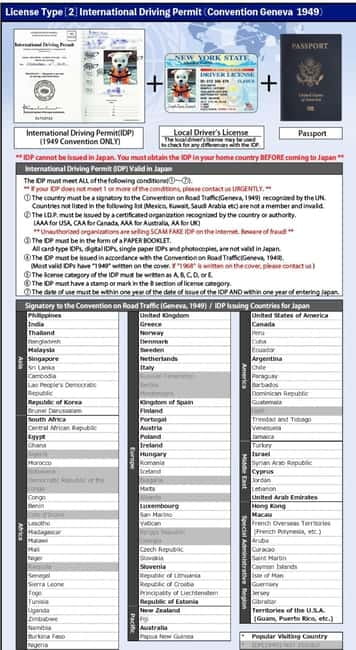
This is the part you should handle before you even book a dinner reservation. All participants need special documents to drive in Japan.
In most cases, you need:
- An International Driving Permit (IDP) in the booklet format compliant with the 1949 Geneva Convention
- A physical IDP that your home country issued (not something you get online while traveling)
- A physical passport
Country rules matter. Licenses from Switzerland, Germany, France, Taiwan, Belgium, or Monaco require a Japanese translation from JAF, not an IDP. And licenses from countries not covered by the 1949 Geneva Convention, such as China, Indonesia, Mexico, Qatar, Saudi Arabia, are not permitted for driving in Japan.
My practical advice: check your country’s rule early. If you wait until the last minute, you may find out your license type does not qualify, and then you lose your best slot for an activity.
Is $51 Worth It for One Hour of Street Karting?
At $51 per person for 1 hour, the value is best understood as a package deal.
You get:
- a real-road kart ride with a guide
- costume rental, so you do not have to bring or buy an outfit for the activity
- photo data, so your memories are handled
- a small-group experience that limits chaos and supports safety
What you might pay extra for, depending on your goals:
- the cost and hassle of getting the right IDP or translation (if you do not already have it)
- action camera add-ons if you want video footage
If you care about costume plus landmark districts plus photos, this price lands in a reasonable zone. If you want a long scenic tour, you may feel the time is short, and one review even mentioned the route could be a bit more scenic. Still, for a one-hour adrenaline hit with Tokyo-specific fun, it holds up.
Should You Book This Street Kart Experience in Tokyo?
I would book it if you want one memorable, high-energy Tokyo moment where you are part of the scene, not just an observer. The combination of custom go-karts, costume rental, and guide-led photo attention is exactly what makes this feel like more than another ticketed activity.
Skip it if:
- you are missing the correct driving documents
- you cannot meet the footwear rules
- you want a relaxed, long sightseeing day
- you need accessibility support beyond what is described as suitable
If you meet the driving requirements and you like playful energy, this is the kind of Tokyo story you tell for years.
FAQ
What is the duration of the Street Kart experience?
The experience lasts 1 hour.
Where do I meet the guide and start the ride?
Meet at Street Kart Akihabara 1, looking for the go-karts through the glass doors of the building.
How much does it cost?
The price is $51 per person.
Is there an English-speaking guide?
Yes, the tour includes a live guide in English.
How many people are in each group?
The group is small, limited to 6 participants.
What is included in the price?
You get the go-kart tour, a guide, costume rental, and photo data.
What is not included, if I want extra video?
Action camera-related add-ons are not included, including the action camera rental fee, micro-SD purchase fee, and camera mount rental fee.
What documents do I need to drive in Japan?
You must have the required driving documents: for most countries, a physical International Driving Permit (IDP) in the 1949 Geneva Convention format issued by your home country, plus your physical passport. Some countries require a Japanese translation from JAF instead.
Are there any rules about phones and clothing?
Yes. Cellphones are not allowed, and you cannot wear high-heeled shoes, sandals or flip flops, or slippers.
Can I cancel and get a full refund?
Yes. You can cancel up to 7 days in advance for a full refund.
More Tour Reviews in Tokyo
Not for you? Here's more nearby things to do in Tokyo we have reviewed












Akihabara Tours, side by side.
 ★ 5.0Official Street Go-Kart Tour – AkihabaraFrom $611,578 reviews
 ★ 5.0Tokyo Go Kart: Asakusa, Skytree, and Akihabara **IDP MUST**From $99988 reviews
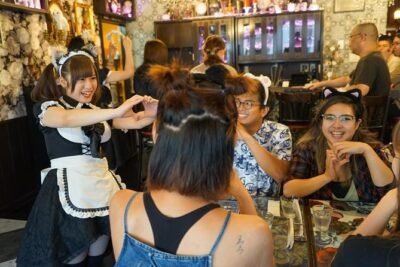 ★ 5.0Akihabara Anime & Game Adventure Walking Tour (Group or Private)From $90404 reviews
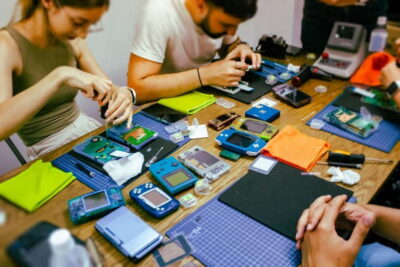 ★ 5.0Gameboy Mod Workshop at AkihabaraFrom $360253 reviews
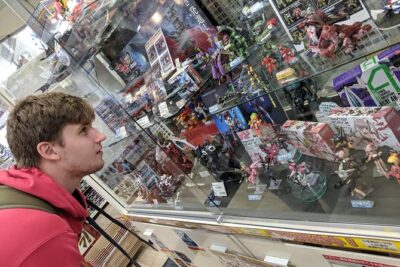 ★ 5.0Akihabara Tailor-made Private Tour for Anime FansFrom $132142 reviews
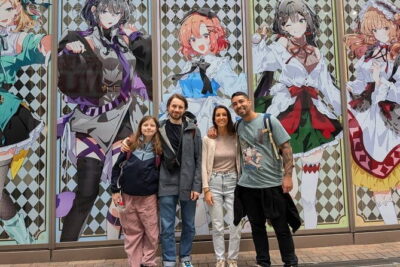 ★ 5.0Ramen Making from Scratch +Akihabara Tour –Tokyo Cooking ClassFrom $123107 reviews
 ★ 5.0Tokyo’s Must-Sees: 5-hour Tsukiji, Akihabara & Asakusa TourFrom $10188 reviews
 ★ 4.8Tokyo Akihabara, Anime, Manga, Video Games & Maid Cafe TourFrom $3881 reviews
This tour also belongs to