
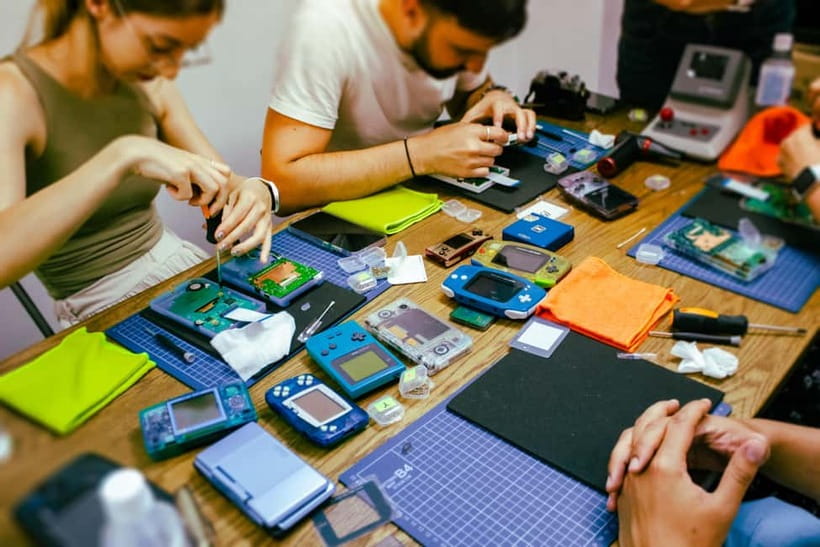
Review · AKIHABARA TOURS
Tokyo: Gameboy Mod Workshop at Akihabara
A Game Boy you make yourself beats store-bought. This workshop in Akihabara turns that idea into a hands-on project, where you build a custom Game Boy from a classic DMG-01 kit, with a step-by-step rebuild led by local Gameboy Masters and multilingual assistants. You also get a mini lesson on handheld history and tech, so you are not just assembling plastic, you are learning why the original mattered.
One catch to plan for: the workshop space is on the second floor of Wakita Building, with no elevators or escalators, so mobility can be an issue.
Key points worth knowing before you go
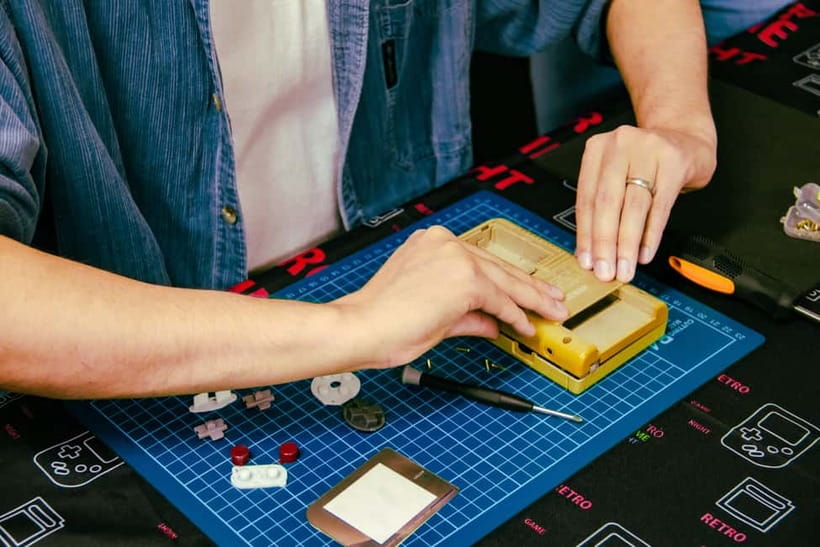
- DMG-01 build: you personalize a provided original-style Game Boy, not just a decoration.
- Choose the look: pick colors, buttons, and parts so your console actually feels like yours.
- Small group pace: limited to 4 participants, which keeps help close and the process unhurried.
- Tech support during assembly: if you hit a snag, the team steps in fast and calmly.
- Take-home payoff: you leave with a working Game Boy plus a chance to buy retro games on site.
Why modding a classic Game Boy feels like the real Akihabara
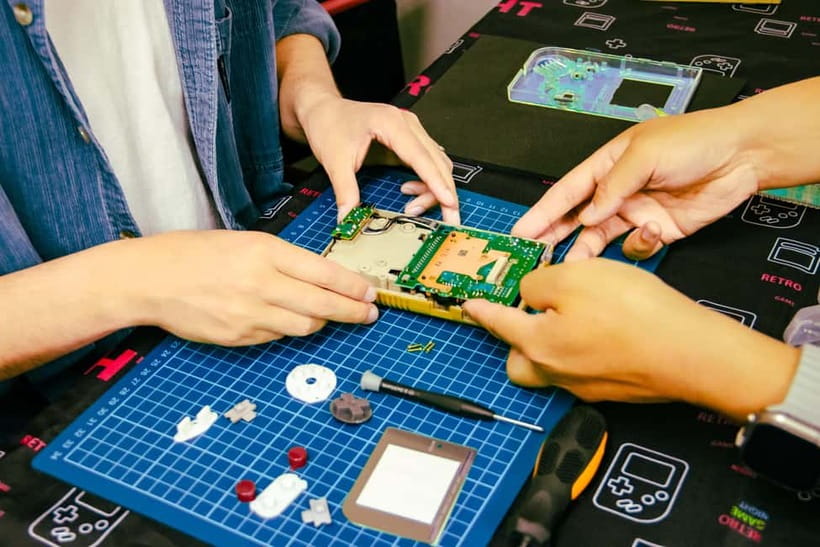
Akihabara is easy to treat like a shopping theme park, but this is different. You are not just browsing shelves of retro gear. You are learning the console from the inside, then bringing it back to life with your own choices.
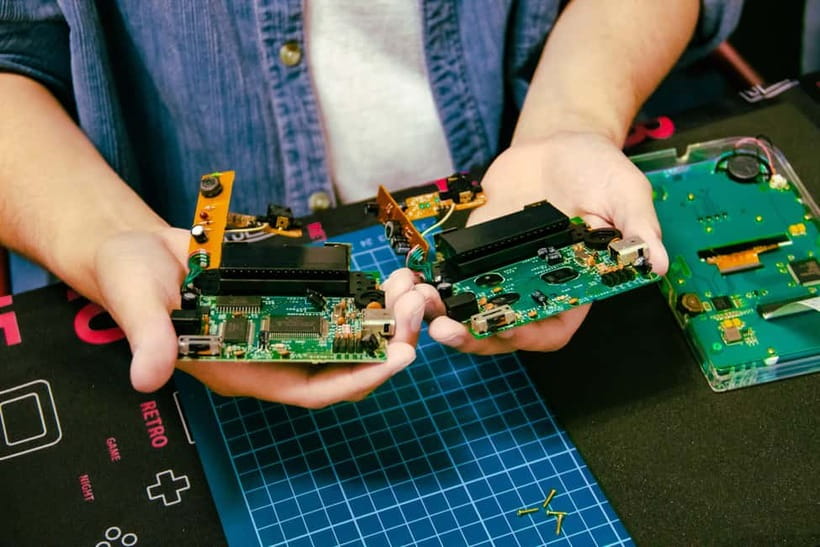
The big win is the combination of craft and context. First you get a short explanation of where Game Boy fits into handheld gaming and what modern mod culture changes. Then you get hands-on with your own device, taking it apart and rebuilding it with parts you choose. That mix matters. When you understand how the parts interact, your finished Game Boy feels more intentional, and troubleshooting later is less scary.
And the vibe is very fan-driven. People at this workshop are visibly proud of what they do, and you get that sense that the goal is not a factory assembly line. It feels more like a friendly workshop night, just with serious care and clean instructions.
More Tokyo tours and experiences for the shortlist


Finding the workshop at Wakita Building, second floor
You meet at the second floor of Wakita Building in Akihabara. The address is provided, and you will just need to follow it to the building entrance and then up to the workshop level.
This location is part of the experience. You are in the heart of the retro world, so the whole day connects naturally to the rest of your Akihabara wandering afterward. The drawback, again, is accessibility. If stairs are difficult for you, this is likely not the right fit because there are no elevators or escalators.
The mini history lesson that actually helps your build
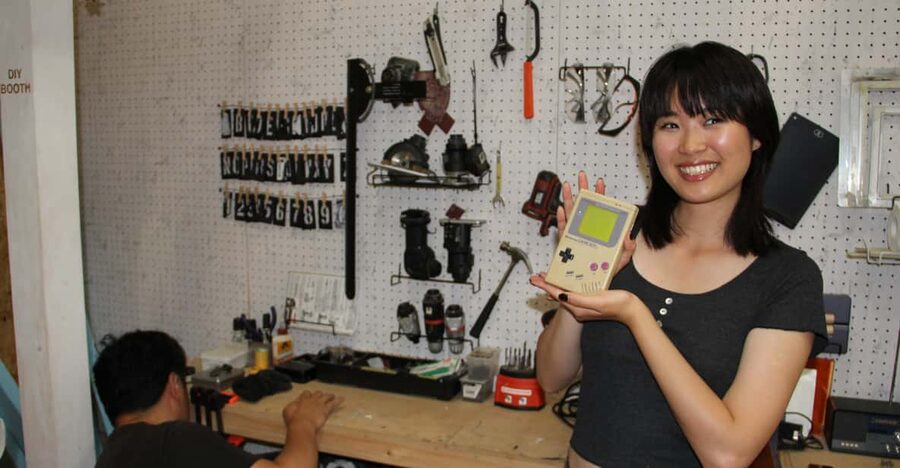
A lot of retro activities stop at nostalgia. This one adds a little structure, so you understand what you are touching.
Before you get deep into assembly, the team explains the history and influence of the Game Boy and how handhelds evolved around it. You also get the chance to ask questions in English and Japanese. In practice, that means you can connect the hardware to the games you care about. It is also a good way to orient yourself if you have never modded anything before.
I also like that the instruction is not just one-way talking. There are physical consoles and demonstrations mentioned in the flow, which helps you learn what parts look like before you take yours apart. That reduces the mental load when the actual work starts.
Picking your DMG-01 and customizing the look
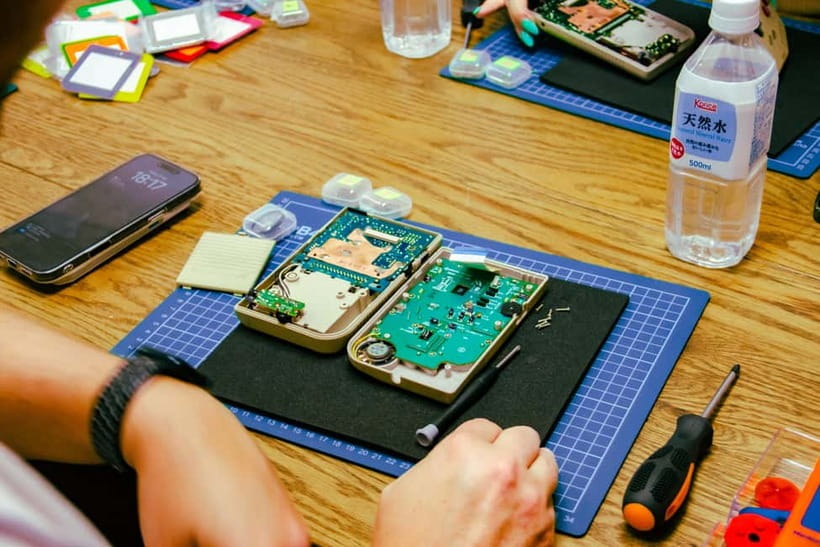
One of the most fun parts is that you get to pick your own device. This matters more than it sounds. When you start with a unit you chose, you treat it like your project instead of a random kit assigned to you.
Then comes the customization menu. You get options to personalize:
- Screen changes
- Buttons
- Colors for the case or clamshell style parts
- And the surrounding pieces around the screen
You are not locked into a single design. Many guests mention they had plenty of choices, and that decision time is respected. If you are the type who likes to obsess over tiny details, this section is a gift. If you are indecisive, do not worry. Staff help you narrow it down and confirm what fits together.
In terms of who guides you, names that show up include Ro, Gabi, Franz, and Shio-san. You might also hear staff called Gameboy Masters, and the common thread is that the tone is supportive and interactive, not stern.
The hands-on build: take apart and rebuild with confidence
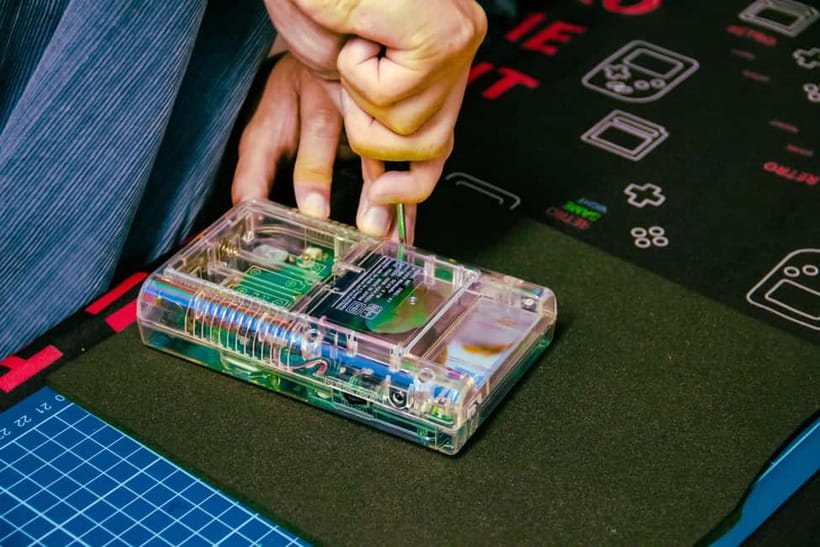
This is where the workshop becomes more than a class. You take your Game Boy apart, rebuild it, and watch everything come together into something that looks and feels new to you.
The process usually follows a simple rhythm:
- You learn what each component does, at least at a practical level.
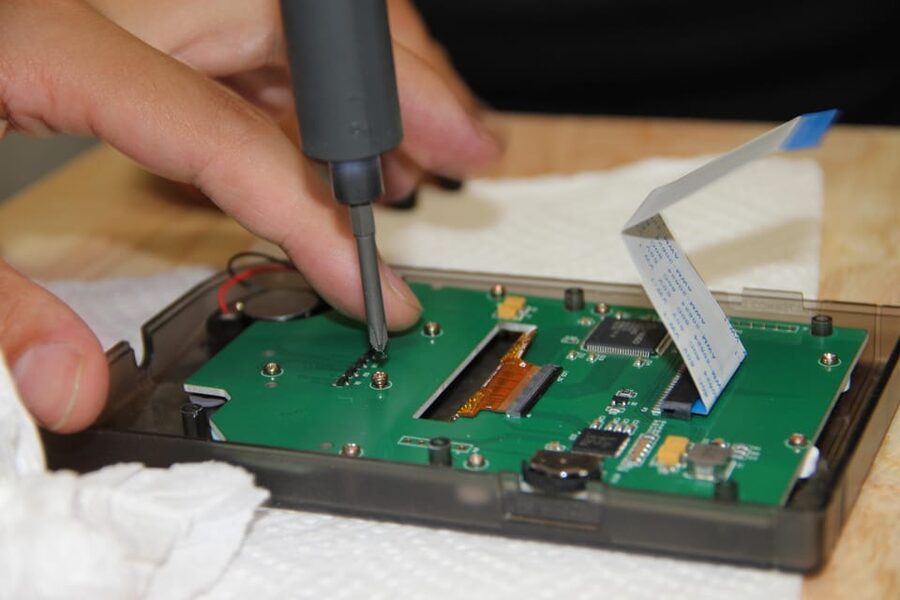
- You disassemble your unit with guidance.
- You swap in the parts you chose, including screen and controls.
- You reassemble carefully.
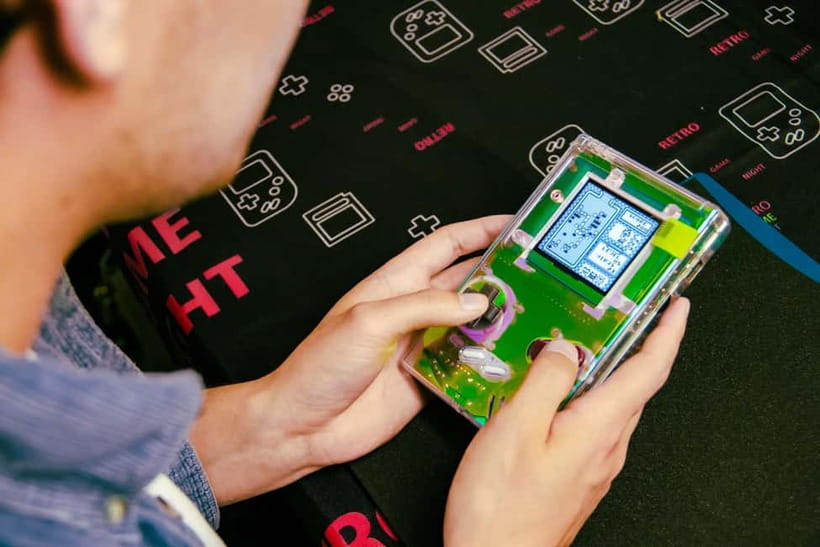
- You get a working result you can take home.
The most reassuring part is how they handle mistakes or confusion. Guests consistently highlight quick help if something does not go smoothly. That is huge for first-timers. Modding can be intimidating if you worry you will break something. Here, help is close enough that the workshop does not turn into a DIY stress test.
Because the group is small, you are not stuck waiting for the next available turn. You get attention while you work, which keeps the two-hour window realistic.






Upgrades you feel immediately: screen, buttons, and a better daily player
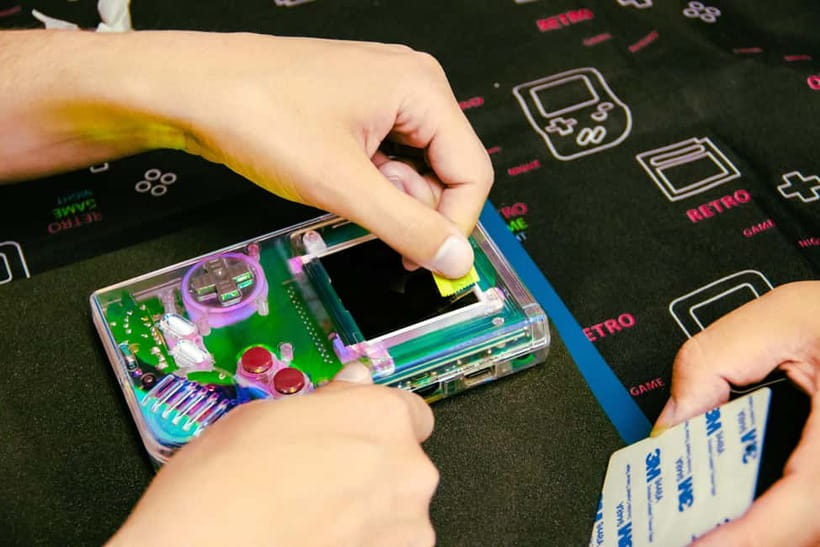
The finished product is the point. Many guests mention an improved experience, including a backlit screen. Even if your build is still classic on the outside, that sort of upgrade changes how often you actually use your Game Boy once you leave Japan.
Buttons matter too. The workshop lets you choose them, so your console is not just functional. It is comfortable in your hands in the way you want. And since you pick the visual shell details, it becomes the kind of souvenir you do not keep in a drawer.
You also get a case to display and keep your Game Boy safe, which is a thoughtful detail. It sounds small, but if you travel with fragile items, having a proper home for it matters.
Games to buy on site, plus the fun of testing right away
After the build, you are not just sent away with a project. You can choose from a selection of retro games to try and purchase. That is a practical bonus.
If you have ever left a shop with the right console but no way to play it, you know the annoyance. Here, you can grab a cart or two while you are still in the workshop mindset, then keep playing right away.
A number of guests specifically noted that the game prices felt fair compared with other well-known Akihabara shopping spots. If you want one or two classics to match your new setup, this is an efficient time to buy rather than treating it as a scavenger hunt later.
Bring some yen, and plan to treat this like part of your budget, not an afterthought.
The real value of $360 for a 2-hour build
Let us talk about the price honestly. At $360 per person for a 2-hour workshop, this is not cheap. You are paying for hands-on labor, specialized parts, and the challenge of sourcing and maintaining enough retro hardware to run sessions for small groups.
What makes it feel like value is the deliverable. You are not paying for a short demo. You leave with a working, personalized Game Boy that you can use. That turns the experience into something with long-term payoff, not just a photo opportunity.
It also helps that the staff support is included. In a DIY shop, you would still have to troubleshoot alone. Here, the process is structured and the team checks things along the way, so you are not left guessing whether your build is sound.
If you love retro gaming, design, or tech, the value can feel obvious. If you are strictly hunting for the cheapest souvenir, this will likely feel expensive. But if you want something you will actually play, it is one of the more satisfying upgrades money can buy.
Who should book this workshop in Tokyo
This is one of those activities that fits multiple traveler types.
- Solo travelers: Small group size means it is easy to chat with the staff and meet other fans without feeling like you are performing in front of a crowd.
- Couples and gift-givers: If your partner grew up with Game Boy, this becomes a nostalgia gift with real hands-on payoff. Several guests booked it specifically as a present for someone who remembers those handheld days.
- Tech-curious travelers: Even if you are not a hardcore electronics person, the instructions are clear enough for beginners, and the history context keeps it from turning into random assembly.
- Older kids and teens who like tinkering: Guests mention kids around 10 to 14 enjoying it, especially when they can take things apart and choose parts.
If you are the type who likes puzzles, crafting, or gadgets, you will probably have a great time. If you hate careful tasks or you only want to watch, you might find it slower than you expected. This is very much a build-your-own activity.
Things to think about before you go
The workshop is designed for a small group, so you can expect attention, not a rush-job. Still, a few practical considerations matter.
Accessibility: the second-floor location without elevators or escalators is the biggest potential issue.
Time window: it is 2 hours. That is enough to build and get a working result, but it also means you should show up ready to focus. If you plan to stack multiple long Akihabara errands back-to-back, leave a buffer.
Price vs. interest: $360 makes sense if you care about the build. If you are only casually interested, you might prefer a cheaper retro shopping stop.
Should you book the Tokyo Gameboy Mod Workshop?
If you want a souvenir that you actually use, this is a strong yes. The personal choices, the hands-on rebuild, and the take-home working Game Boy are exactly the kind of experience that turns a trip memory into an everyday habit.
Book it if you:
- Care about Game Boy, handheld gaming, or retro tech
- Like customizing things and learning how they work
- Want a small-group activity with real guidance
Skip it if:
- Stairs are a problem for you, since it is on the second floor without elevators or escalators
- You are looking for a low-cost activity where you only observe
FAQ
FAQ
How long is the Tokyo Game Boy mod workshop?
The duration is 2 hours.
Where is the meeting point?
You meet on the second floor of Wakita Building. Follow the provided address to find the location.
Is the workshop limited to a small group?
Yes. It is a small group, limited to 4 participants.
What languages do instructors speak?
The workshop is guided in English and Japanese.
What Game Boy model do I build?
You build a DMG-01 Game Boy using provided parts.
What can I customize during the workshop?
You can customize items including the screen, buttons, and colors, plus parts that shape the overall look of your Game Boy.
Do I take my Game Boy home?
Yes. You leave with a fully functioning Game Boy that you built and customized.
Is the workshop wheelchair accessible?
No. The workshop is on the second floor without elevators or escalators.
What is the cancellation and payment flexibility?
You can cancel up to 24 hours in advance for a full refund, and you can reserve now and pay later.
More Workshops & Classes in Tokyo

More Tour Reviews in Tokyo
Not for you? Here's more nearby things to do in Tokyo we have reviewed










Akihabara Tours, side by side.
 ★ 5.0Official Street Go-Kart Tour – AkihabaraFrom $611,578 reviews
 ★ 5.0Tokyo Go Kart: Asakusa, Skytree, and Akihabara **IDP MUST**From $99988 reviews
 ★ 5.0Akihabara Anime & Game Adventure Walking Tour (Group or Private)From $90404 reviews
 ★ 5.0Akihabara Tailor-made Private Tour for Anime FansFrom $132142 reviews
 ★ 5.0Original Street Kart Experience from AkihabaraFrom $51111 reviews
 ★ 5.0Ramen Making from Scratch +Akihabara Tour –Tokyo Cooking ClassFrom $123107 reviews
 ★ 5.0Tokyo’s Must-Sees: 5-hour Tsukiji, Akihabara & Asakusa TourFrom $10188 reviews
 ★ 4.8Tokyo Akihabara, Anime, Manga, Video Games & Maid Cafe TourFrom $3881 reviews
This tour also belongs to