
Review · AKIHABARA TOURS
Akihabara Anime & Game Adventure Walking Tour (Group or Private)
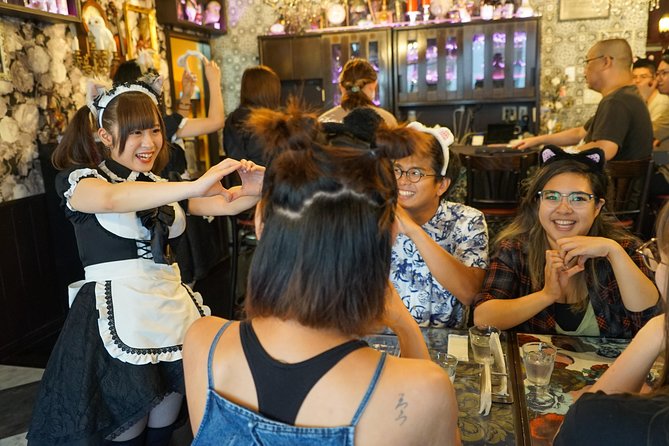
Akihabara can overwhelm fast. This 3-hour walk turns the chaos into a tight hit list, with maid cafe entry plus a drink and a Japanese photo booth (Purikura) built in, so you spend less time guessing and more time doing. I especially like the combo of retro gaming shopping, capsule toy hunting, and the sidetrip into maid cafe culture. One possible drawback: if you’re hoping for deep, museum-style anime history at every stop, you may find the pace more browsing-focused than lecture-like.
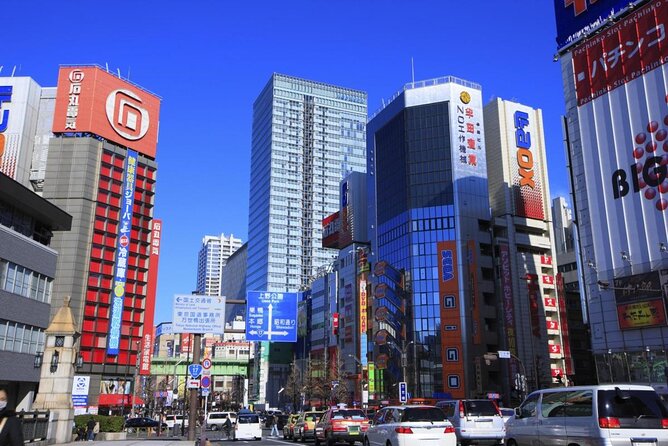
You’ll meet at the JR Akihabara Electric Town Gate area and keep things moving with a guide, with the group capped at 7 people, which matters in this neighborhood. The stops are designed to be very local-feeling, and the maid cafe can vary depending on circumstances, so I’d plan for a similar experience rather than a specific venue. If you’re visiting in summer, bring water and a hat, because Akihabara’s fun comes with heat and crowds.
Key things I’d highlight before you book
- Maid cafe entry and one drink are included, not just a quick photo stop
- Purikura photo booth time is scheduled into the tour flow
- Retro-first shopping at Super Potato sets the tone for the whole walk
- Gachapon Hall is built for play, from rare finds to new releases
- Taito Station Akihabara gives you Space Invaders energy near the station
- Small group size (max 7) keeps the guide’s attention closer to you
Meeting at Akihabara Electric Town Gate, then letting the guide steer

Akihabara is not shy. Even on a calm day, the visual noise comes in waves, so starting with a clear meeting point and a set route helps you avoid aimless circling.
The tour runs about 3 hours and ends back at the meeting point. It’s capped at 7 travelers, which means you’re more likely to get answers to questions than just walk behind a crowd. You’ll also use a mobile ticket, which is handy when you’re juggling maps, trains, and snack breaks.
My practical tip: wear comfortable shoes. This is a walking adventure, and some of the specialty shops in Akihabara are multi-level, so you’ll want the flexibility to take stairs when they appear.
You can also read our reviews of more walking tours in Tokyo


Super Potato: Retro gaming shopping with real photo ops
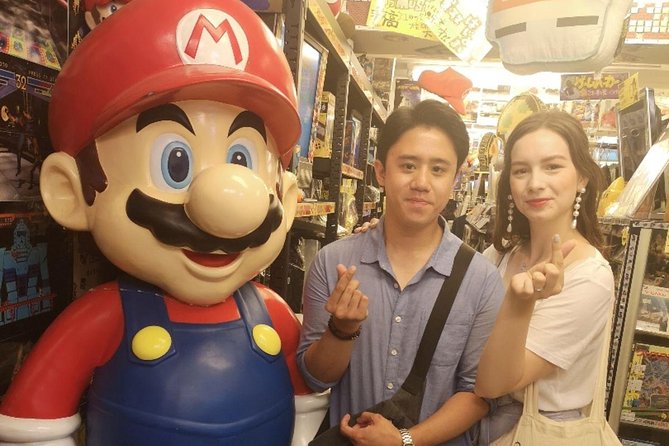
Your first proper stop is Super Potato, a retro video game store that game fans usually treat like a time machine. You’ll spend about 30 minutes here, and admission is listed as free as part of the tour.
What I like about this stop is the way it gives you a concrete Akihabara anchor. Before you get lost in character goods, you get the roots of the hobby, from older games to collectible-style browsing. If you grew up gaming, this is the place where the tour’s theme clicks.
If retro isn’t your top interest, you can still use this as orientation. Even if you don’t buy, it’s one of the better places to understand what kind of “collector energy” Akihabara runs on.
Akiba Cultures Zone: Anime goods, idol culture, and the subculture feel
Next up is Akiba Cultures Zone, about 30 minutes. This is where the tour leans into the broader Akihabara vibe, including anime goods, idol culture, and maid cafes as part of the local ecosystem.
This stop works for first-timers because it reframes the neighborhood. Instead of seeing it as one long street of shops, you start noticing patterns: what’s themed, what’s collectible, and what’s designed for casual browsing. It’s also where you’ll see plenty of photo-friendly storefronts and displays.
The trade-off is simple: you’ll be shopping-adjacent. If you hate crowds or you’re trying to keep purchases zero, treat this as a look-and-learn phase, not a buying mission.
Gachapon Hall: Capsule toy hunting, from kids’ fun to adult collecting

Then you hit Akihabara Gachapon Hall for about 15 minutes. This place is often described as a holy land of gachapon, the capsule toy machines, and the point here is action, not just sightseeing.
Why this is such a good tour stop: gachapon is uniquely suited to a short visit. You can choose a machine, try your luck, and walk away with something fun without needing a full shopping spree. It’s also a low-pressure way to participate in the culture because it’s easy to explain to anyone in your group.
One practical thought: the fun comes with temptation. If you’re staying strict on budget, set a capsule limit in your head before you go in.
Heaven’s Gate maid cafe, plus Purikura and drink included
The biggest cultural moment is the scheduled maid cafe stop at Heaven’s Gate, roughly 1 hour. Admission is covered, and you get one drink included as part of the tour.
What’s really valuable here is the built-in structure. You’re not just wandering until you find a place, and you’re not going in cold with no idea what to expect. Also, this tour pairs the maid cafe visit with a Japanese photo booth experience (Purikura), which is one of the easiest souvenir wins in Akihabara because it’s part of the moment, not an afterthought.
You may also be offered a Polaroid photo shooting with a maid for purchase. And if you’re curious about the show side, there’s an optional maids’ live performance listed at ¥1,430 per person.
Two important considerations to keep this smooth:
- A maid cafe may vary depending on the situation, so don’t expect every tour to visit the exact same venue.
- The operator says it cannot guarantee allergy-free meals or dietary accommodations because food is prepared in kitchens that do not belong to the tour provider. If you have strict needs, plan to communicate carefully with the cafe staff, and consider skipping food if that’s safer for you.
If you’re worried about comfort in a themed setting, go in with a simple attitude: you’re there for the experience, the photos, and the playful atmosphere. The tour is designed to make that first-time step feel manageable.
You can also read our reviews of more private tours in Tokyo




Taito Station Akihabara and the Space Invaders landmark moment
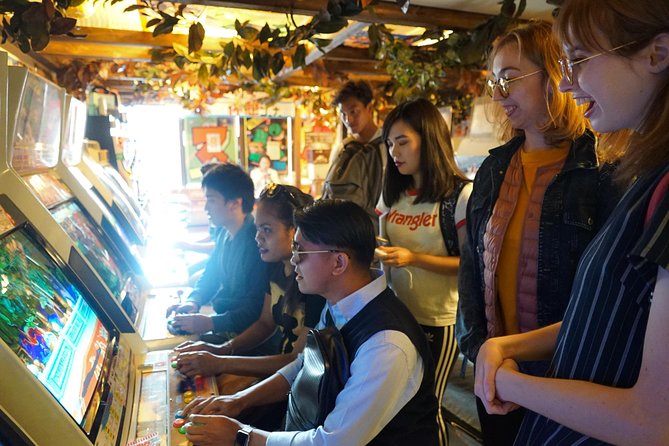
After the maid cafe, you head to Taito Station Akihabara for about 25 minutes. It’s a short walk from Akihabara Station, and the famous Space Invaders sign is the landmark.
This stop is a great reset. You’ve already handled niche shopping culture, maid cafe performance energy, and photo booth fun. Now you return to something more game-focused, with arcades that feel like the neighborhood’s heartbeat.
I like that the tour doesn’t keep you stuck in one kind of store. You go from retro retail to anime goods to capsule toys to an arcade anchor. It’s a balanced spread that helps you avoid one-stop-tour fatigue.
If you don’t play much, you can still enjoy this section by watching how people interact with machines and displays, and by taking a few photos where allowed. The tour gives you time, not just a quick pass-by.
Final Akihabara walk for cosplay, vending machines, and atmosphere

The last stretch is about 15 minutes and focuses on the wider street energy, including cosplay and the mysterious vending machines Akihabara is famous for.
This part is less about a single shop and more about letting the neighborhood land. After you’ve seen what the shops sell and how the subculture works, the final walk helps you understand why Akihabara feels different from other shopping districts in Tokyo.
My advice here is simple: keep your eyes up. The street-level details are where this area rewards you, especially for things like themed vending machines and impromptu character sightings.
Price and value: what you actually get for $90.86
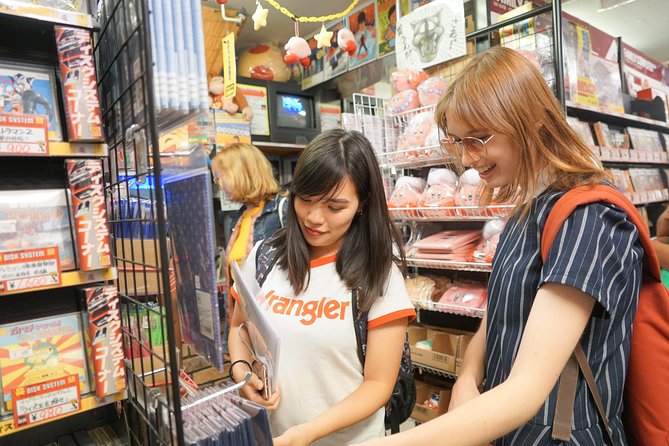
At $90.86 per person for about 3 hours, the value isn’t in paying for entry to a bunch of random attractions. It’s in three practical wins:
- You get maid cafe entry plus a drink, which can be the priciest part if you book it separately.
- Purikura is included, so you’re not spending time figuring out where to do it and you get a planned slot for it.
- Time-saving routing in a neighborhood famous for getting overwhelming. Akihabara is easy to wander in circles, even if you’re trying.
It’s also worth noting what may add cost. The tour lists extra drinks and food as available for purchase. The Polaroid with a maid is also optional. If you add the maids’ live performance at ¥1,430 per person, that’s another budget line.
So, is it worth it? If you want the full “anime and game culture sampler” in a short window, yes. If you’re the type who hates structured stops and prefers to roam with zero itinerary, you might feel like it trades freedom for convenience.
Guides, group pace, and one reality check
Because this is a small-group experience, the guide’s style really matters. In the information provided, guides with names like Naoki, Ai, Yuki, Seina, Eye, Ryo, Kenji, Taka, and Tommy are described as friendly, energetic, and helpful with tailoring the pace to interests or family needs. That’s a big reason the rating is so high.
But keep expectations realistic. Some experiences like this can feel more like guided browsing than deep explanation at every stop, and a few people have pointed out that the amount of historical context can vary by guide. If you care about specific topics, bring a short list and say it early, so the guide can steer you toward what you actually want to see.
Also, double-check that you start at the right meeting point. This kind of tour is built around group timing, so arriving exactly where the guide expects you matters.
Who should book this Akihabara anime and game adventure?
This tour is a strong fit if you:
- Love anime shopping, arcade culture, and retro game hunting
- Want a low-effort first-timer plan for Akihabara, including the maid cafe experience
- Like structured photo moments, especially Purikura
- Prefer a small group (max 7) instead of a large crowd tour
It may be less satisfying if you:
- Want a heavy, educational history lesson at every stop
- Dislike browsing and walking in dense shop areas
- Have strict dietary needs and need guaranteed allergy-free handling from the tour provider
Should you book it? My decision guide
Book it if you want Akihabara in one afternoon without burning energy on planning. The included maid cafe entry with a drink and the Purikura photo booth alone make it feel like more than just a shopping walk. Add the retro and arcade stops, and you get a pretty well-rounded sampler of the neighborhood’s main themes.
Skip it or consider a different approach if you’re primarily looking for quiet sightseeing, deep museum-style context, or a completely self-guided wander. Akihabara rewards curiosity, but this tour chooses a specific route and pace, so it’s best when you’re excited to follow.
If you do book, go in with comfortable shoes, a flexible attitude about browsing, and a quick list of what you care about most. That combination makes this tour land the way it’s intended: fun, efficient, and very Tokyo.
FAQ
How long is the Akihabara Anime and Game Adventure Walking Tour?
It runs for about 3 hours.
What is included with the maid cafe stop?
You get entrance to the maid cafe and one drink included.
Is there a photo booth included in the tour?
Yes. The tour includes a Japanese photo booth experience (Purikura). A Polaroid photo shooting with a maid is available for purchase.
Can the tour accommodate allergy-free or special dietary needs?
The tour provider notes it cannot guarantee allergy-free service or cater to dietary restrictions, since food is prepared in kitchens that do not belong to the provider.
Will the maid cafe always be the same one?
Not necessarily. The tour says the maid cafe you visit may vary depending on the situation.
What extra costs might come up during the tour?
Additional drinks and food are available for purchase. A maids’ live performance is listed as ¥1,430 per person, and the Polaroid photo shooting with a maid is available for purchase.
More Walking Tours in Tokyo


More Tours in Tokyo






More Tour Reviews in Tokyo


Not for you? Here's more nearby things to do in Tokyo we have reviewed












Akihabara Tours, side by side.
 ★ 5.0Official Street Go-Kart Tour – AkihabaraFrom $611,578 reviews
 ★ 5.0Tokyo Go Kart: Asakusa, Skytree, and Akihabara **IDP MUST**From $99988 reviews
 ★ 5.0Gameboy Mod Workshop at AkihabaraFrom $360253 reviews
 ★ 5.0Akihabara Tailor-made Private Tour for Anime FansFrom $132142 reviews
 ★ 5.0Original Street Kart Experience from AkihabaraFrom $51111 reviews
 ★ 5.0Ramen Making from Scratch +Akihabara Tour –Tokyo Cooking ClassFrom $123107 reviews
 ★ 5.0Tokyo’s Must-Sees: 5-hour Tsukiji, Akihabara & Asakusa TourFrom $10188 reviews
 ★ 4.8Tokyo Akihabara, Anime, Manga, Video Games & Maid Cafe TourFrom $3881 reviews
This tour also belongs to