
Review · SHIBUYA TOURS
Private Mochi Sweets Making class near Shibuya area
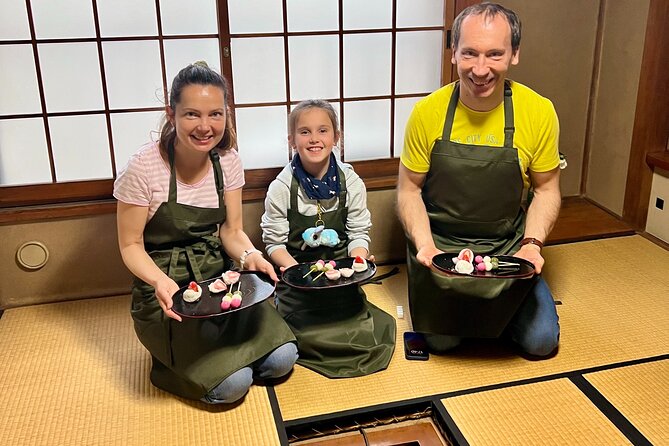
Mochi turns into a story you can eat. In Sakura’s Sangenjaya home near Shibuya, you make mochi and dango step-by-step and hear why these treats matter in everyday Japanese life. It is a small, hands-on class that feels like you were let into a real household, not herded through a production line.
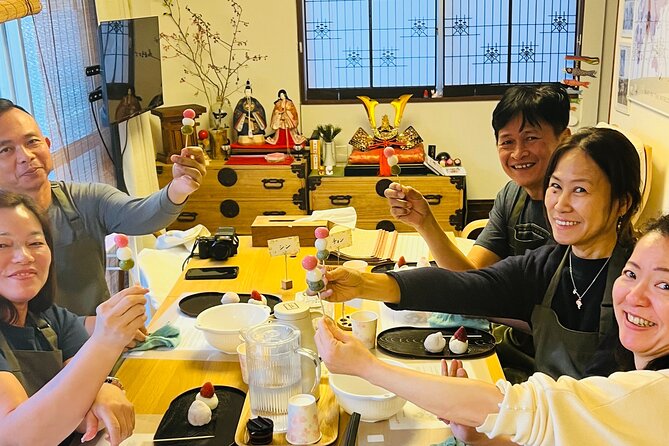
I especially like the small-group setup. You get personal coaching while you shape the sweets yourself. I also love the green tea and take-away payoff, since you taste what you made and leave with a box so nothing goes to waste.
One thing to think about is logistics at the home. The class happens on the second floor (stairs required), and there is also a dog in the house, so an allergy would be a deal breaker.
Key highlights you should care about
- Sakura leads every step: it is not a show-and-tell demo, you cook and shape your own mochi.
- Mochi plus dango in one session: you get more than one sweet to practice and take home.
- Matcha or tea, including decaf: caffeine options are built in.
- Small group, max 8 people: easier questions, more feedback, more time with your instructor.
- Local neighborhood feel: the home base is in Sangenjaya, a calmer spot than the big sights.
- Ingredients are described as simple and mindful: the dango recipe is noted as having no gluten, no alcohol, and no additives.
Mochi and dango in Sakura’s home, near Shibuya
If you want the Japan you feel in your hands, this class hits the mark. You are not just watching someone else cook. You are working the dough, shaping sweets, and tasting your own results while Sakura talks through the meaning behind them.
This is also a strong choice if you already plan to spend time around Shibuya but want a break from the crowds. Sangenjaya is close enough to fit into a day, but it has more of that quiet neighborhood texture that makes Tokyo feel real.
Most important, Sakura is the reason the experience works. She teaches in her own home, and her reputation is built on scale and consistency. She has taught more than 1,000 guests from over 35 countries from her home, and she has been invited to Switzerland as an instructor. That kind of experience shows in how the steps get explained.
You can also read our reviews of more private tours in Tokyo
Getting to the meeting point in Sangenjaya (and why the neighborhood matters)
The class meets at 1-chōme-11-13 Sangenjaya, Setagaya City, Tokyo 154-0024. The location is described as near public transportation, so you do not have to rely on private rides just to get there.
Because the home is in a local neighborhood, I like to treat arrival time as part of the experience. Plan a little walking buffer. Sangenjaya has nice streets to stroll, and it feels like a place where people actually live, not a staged shopping strip built for day tours.
Two practical notes before you go:
- The venue is on the second floor, so expect stairs.
- There is a dog in the house. If you have a dog allergy, you will want to skip this one.
Stop 1: Your Sangenjaya start, then straight into hands-on wagashi work
Think of this as one main stop, the class in Sakura’s home. When you arrive, you will settle in, get matched with the right setup, and then begin making sweets right away. It is structured, but it still feels relaxed, like a small workshop.
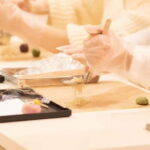
The flow is simple: instructions first, then you do the work. You shape the sweets yourself, and Sakura guides you through the details so you do not feel lost when the dough gets tricky. That matters, because mochi is a texture challenge. It is not hard once you know what you are aiming for.
The short duration is part of the appeal too. You are there for about 2 hours, long enough to learn a real process, short enough that it does not eat your whole day in Tokyo.
What you make in 2 hours: fruit daifuku and dango
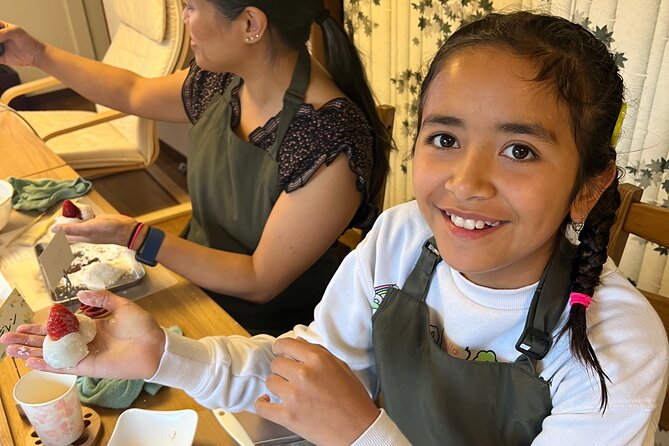
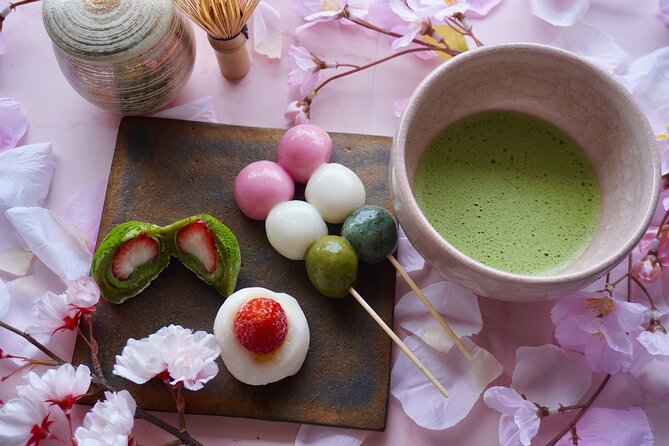
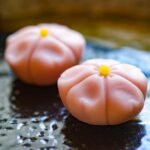
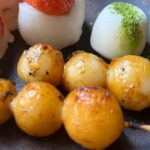
You will learn how to make mochi-based sweets, including fruit daifuku and dango. Daifuku is the classic mochi treat with filling, and dango is the chewy skewer sweet that shows up in different seasonal and festival moments.
One helpful detail: the dango recipe is described as no gluten, no alcohol, and no additives. If you have dietary limits and you want something clearer than generic store sweets, this is a meaningful plus.
You also get the fun part, variety. Several people mention enjoying that the lesson covers more than one type of sweet, including multiple dango and mochi variations. So you end up with a wider range of flavors and textures than you would get from a single-cookie style class.
Step-by-step instruction that is built for real beginners
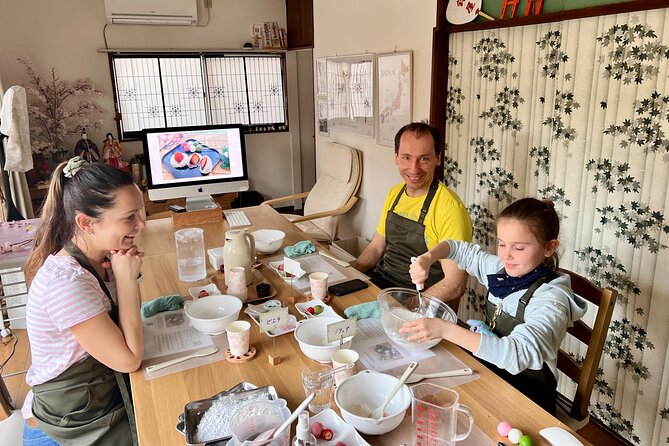
This class avoids the common trap where you are basically a spectator with a spatula. It is not a demonstration-style class. You experience each step yourself.
Sakura teaches gently and effectively, and that teaching style matters if you have kids with you or if you just do not cook much. In the class description and the write-ups, you can see a pattern: patience, clear guidance, and check-ins during the hands-on parts.
A few things you should expect during the making:
- You will be shaping and cooking with guidance, not just assembling.
- You will learn the process in a way that is meant to be repeatable later.
- You will have enough time to get comfortable with the texture, since the class stays small.
If you are traveling solo, it is still a good fit. If you are with family, it is also designed to work at different ages. Sakura’s background as a mother is part of why the teaching lands well for kids, and many people mention their children leaving happy and satisfied.
More Tokyo tours and experiences for the shortlist


Green tea and matcha tasting, plus a take-home bag
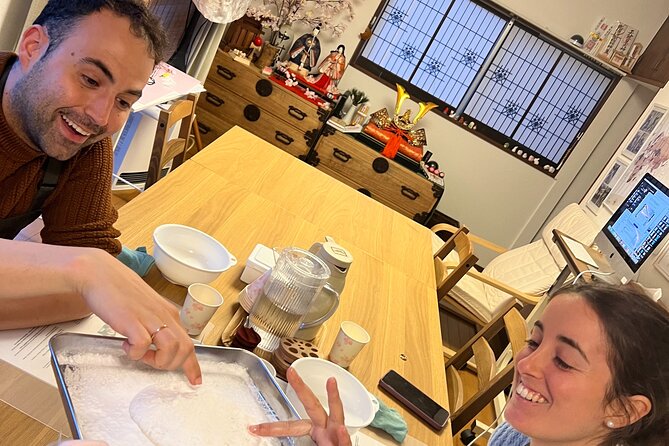
Once you make the sweets, you get to sample your creations with green tea or matcha. If you do not want caffeine, decaffeinated black tea is available, and matcha is listed as an option too.
This matters more than people think. Mochi and dango can be sweet and chewy, so the tea pairing helps you reset your palate. Tea is also part of the cultural angle of the class, since Japanese sweets often come with a thoughtful drink, not just dessert for dessert’s sake.
You also receive a take-out bag. Many people mention using it for leftovers, which is a real world win if you overestimate your appetite while learning something new with your hands.
The cultural stories: why mochi shows up in Japanese life
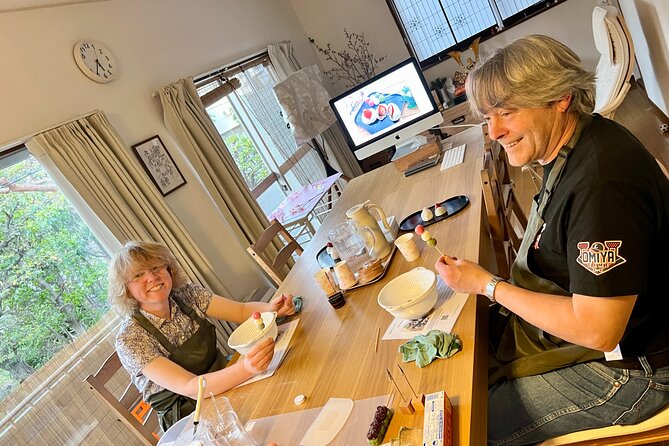
The sweets are the main event, but Sakura also teaches mochi’s cultural history and traditional recipes. This is not a dry lecture. It comes through in how she explains when mochi is eaten and what it symbolizes in Japan.
Some people describe a short presentation or slideshow as part of the intro. Either way, you should expect context before the hands-on work, so the process feels more meaningful than just making sugar shapes.
The best part of this cultural layer is that it helps you understand what you are tasting. You do not just eat mochi and go, that is chewy. You get a reason for why it is tied to seasons, occasions, and traditions.
If you are the type who likes to learn one Japan fact that actually connects to food, this class delivers. It gives you enough background to talk about it after, without turning your day into a museum visit.
Price and value: $79.28 for two hours in a private home
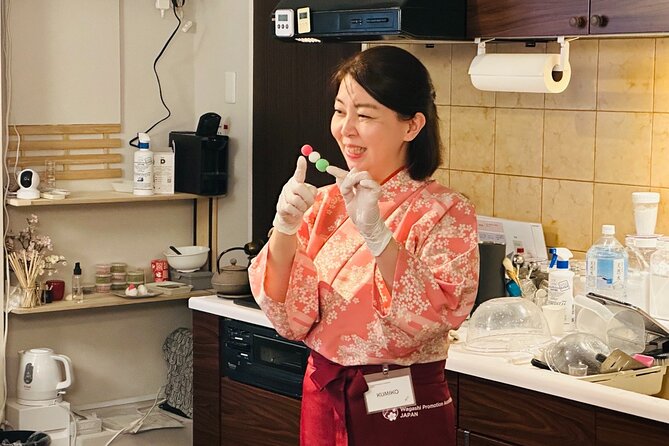
At $79.28 per person for about 2 hours, this is not a budget cooking class. But it is also not overpriced in a generic way. You are paying for a few specific things that are hard to replicate:
- A private home setting near Shibuya
- Small group size, max 8 people
- True hands-on instruction at each step
- Tea service, including matcha, plus decaf option
- A class designed for repeatability, with recipes and ingredient choices described clearly
If you compare this to typical food experiences that are mostly tasting, you end up with much more participation for the money. If you compare it to cooking classes that are big-group and impersonal, the smaller setup makes a difference. You are not waiting for your turn with a tool.
So for me, the value equation is straightforward: you should book if you want to actually make mochi, not just sample it, and you want that local home feel.
Who this mochi class is best for (and who should reconsider)
This is one of those experiences that works across travel styles.
Book it if you:
- Want a hands-on food activity, not a long walking tour
- Prefer small groups and personal coaching
- Are traveling as a couple, family, or a small group and want a shared memory
- Like learning the cultural meaning behind what you eat
It may be a poor fit if you:
- Need an accessibility setup without stairs, since the venue is on the second floor
- Have a dog allergy, because there is a dog in the house
- Expect a high-energy, nightlife-style experience, since this is calm, domestic, and focused on the class
Also, since mochi has a chewy texture and dango is similarly chewy, consider it if you love that style of sweets. If you dislike chewy desserts in general, you might find the texture learning more frustrating than fun.
Practical tips so your class day stays smooth
You will get aprons available for rent, so you do not have to hunt for anything fancy. Still, I recommend you show up prepared to get a little sticky and flour-dusty, because you are working with mochi textures.
A few quick habits help:
- Wear comfortable shoes, then accept the stairs for the second floor.
- Eat lightly before the class if you tend to get overwhelmed by sweet food.
- If you want decaf tea, confirm that preference on arrival since caffeine options exist.
And if you want to get more out of the class, ask Sakura about timing and technique during the making. The more you ask, the more you can recreate the sweets later.
Should you book Sakura’s mochi and dango class near Shibuya?
Yes, if your goal is learning, not just tasting. This class is one of the best ways to experience Japanese sweets in a real household setting. The small group size and Sakura’s teaching background make it feel personal, and the fact that you make both fruit daifuku and dango means you leave with a variety of skills and flavors.
Skip it if stairs are an issue for you or if dog allergies are a concern. Beyond that, it is a strong fit for families, couples, and solo travelers who want a satisfying, culture-linked food activity that fits neatly into a Tokyo day.
FAQ
How long is the private mochi sweets making class?
The class runs for about 2 hours.
What is the price per person?
The price is $79.28 per person.
Where does the class meet?
The meeting point is 1-chōme-11-13 Sangenjaya, Setagaya City, Tokyo 154-0024, Japan.
What sweets will I learn to make?
You will learn to make mochi and dango by hand, including fruit daifuku and dango.
Is matcha included?
Yes. Green tea or matcha is served, and matcha is available.
Are there non-caffeine tea options?
Yes. If you do not like caffeine, decaffeinated black tea is provided.
What is included in the class?
Coffee and/or tea is served, there is a take-out bag, and aprons are available for rent.
What is not included?
Private transportation, bottled water, brunch, soda or pop, and alcoholic beverages are not included.
How large is the group?
The class has a maximum of 8 travelers.
Is there anything I should know about allergies or pets?
There is a dog in the house, and the host recommends not booking if you have a dog allergy. Service animals are allowed. The venue is on the second floor, so stairs are required.
More Dessert Tours in Tokyo
More Private Tours in Tokyo


More Tour Reviews in Tokyo






Not for you? Here's more nearby things to do in Tokyo we have reviewed












Shibuya Tours, side by side.
 ★ 5.0Official Street Go-Kart in ShibuyaFrom $763,435 reviews
 ★ 4.9Street Kart Experience in ShibuyaFrom $741,484 reviews
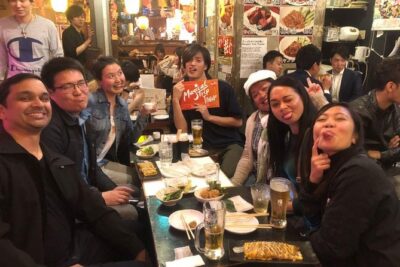 ★ 5.0Shibuya Meltdown Nightlife Tour: All-You-Can-Drink Bar HoppingFrom $1061,058 reviews
 ★ 5.0Shibuya Official Street Go-Kart in Shibuya AnnexFrom $69972 reviews
 ★ 5.0Shibuya Food Tour (13 dishes and 4 Eateries)From $77770 reviews
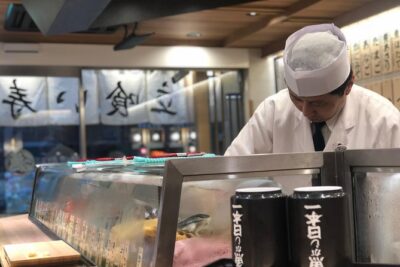 ★ 5.0Best of Shibuya Food TourFrom $217612 reviews
 ★ 4.8Shibuya Highlights Walking TourFrom $19601 reviews
 ★ 4.7Premium Go-Kart Tour with Tower & Shibuya CrossingFrom $116528 reviews
This tour also belongs to