
Review · MOUNT FUJI TOURS
Private Car Tour to Mt. Fuji Lake Kawaguchiko or Hakone
Fuji in one private day feels unfair. You get a private local guide and a day built around the best Mt. Fuji views, plus handpicked stops like Arakura Sengen and Lake Kawaguchiko. I love that the route can be adjusted for your group, not just followed like a checklist (customizable). The big drawback is weather, because clouds can hide the mountain at the exact wrong moment.
This is one of those tours where the “value” is not the number of stops, it is the pacing and decision-making. I like that you can pack in shrines, pagodas, lakes, caves, and seasonal swaps without worrying about trains, tickets, or long waits. One more consideration: some of the most famous add-ons have extra costs or seasonal closures, so you need to plan your priorities ahead of time.
You are riding in an air-conditioned private minivan, with hotel pickup and drop-off in Tokyo, and you receive a mobile ticket. For a group of up to 8, the price is high on paper, but the day often feels like it runs “faster” because a good guide picks the right angles, then keeps you moving safely through the region.
Key things to know before your private Fuji or Hakone day
- Door-to-door pickup plus a real guide means you lose less time to Tokyo logistics and ticket lines.
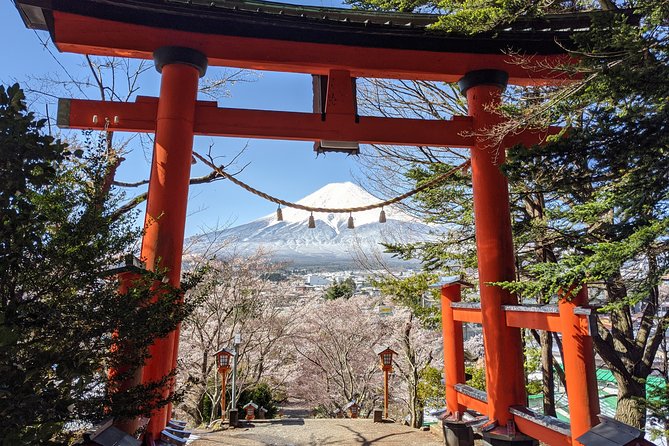
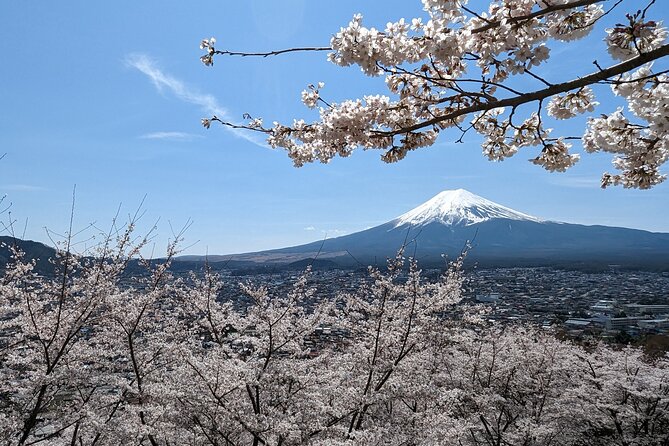
- Fuji-photo strategy built around Arakura Sengen and Chureito Pagoda gives you multiple chances to frame the mountain.
- Lake Kawaguchiko and Oshino Hakkai balance classic sights with snack and craft time for an easier, more local feel.
- Aokigahara cave options and the Mt. Fuji ropeway add variety beyond the usual shrine and postcard loop.
- The 5th station is optional, toll-fee based, and seasonal, so ask your guide what is realistic on your dates.
- Hakone can replace or expand your day with ropeway views, Owakudani volcanic scenery, and Lake Ashi cruising.
Price and Logistics: What you pay for, and why it often makes sense
At $1,286.89 per group (up to 8 people), this is not a budget day trip. You are paying for four things that matter in Japan: private transportation, a guide who can explain what you are seeing, route flexibility, and someone handling the day so you do not burn hours on planning.
Here is the practical way to judge value. If you are traveling as a family, with older parents, or with kids who need gentler pacing, private transport can remove a lot of friction. Several guide-and-driver pairings in the reviews stood out for being professional and responsive, including big groups that stayed comfortable for the full day. If you are only two people and you are very confident with trains, you might find cheaper options. But if you want a day that feels tailored, the math can shift fast.
One more reality check. Some of the best experiences on paper are not automatically included. Entrance fees for attractions, lunch, and add-ons are not included, and the 5th station has extra on-the-spot toll details. So budget for that if your heart is set on reaching higher ground.
You can also read our reviews of more private tours in Tokyo
How the day runs: Pickup, private transport, and a guide who adjusts
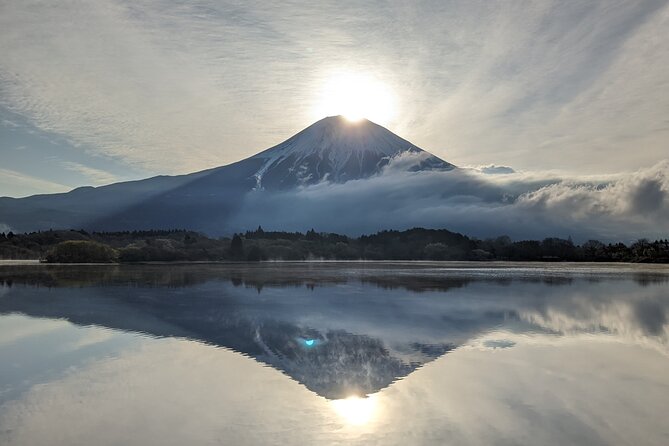
The day starts with hotel pickup and drop-off, using a round-trip private, air-conditioned minivan. You also get one bottled water per person, which sounds small until you hit a warm day and you are grateful you are not scrambling for drinks.
The tour is operated by a Japanese team, and you can have a professionally guided experience in multiple languages, including English, French, Spanish, Chinese, and Korean. The big advantage here is what happens during the day. Guides in the reviews kept things smooth even when Mt. Fuji was shy behind clouds, and they still found strong alternatives around lakes and lava caves. They also adapted to timing and traffic, which can be intense when you leave Tokyo.
You also get a mobile ticket. That matters more than people think, because it reduces stop-and-start moments when you are moving between areas for photos and viewpoints.
Arakura Sengen and Chureito Pagoda: The Fuji “photo loop” that works in bad weather too
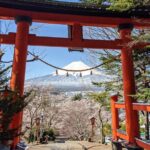
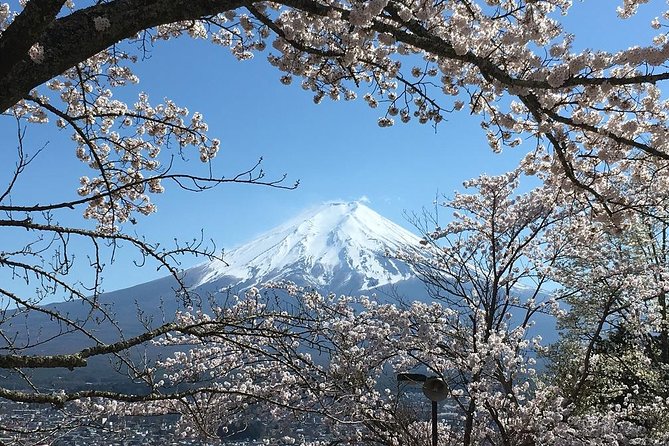
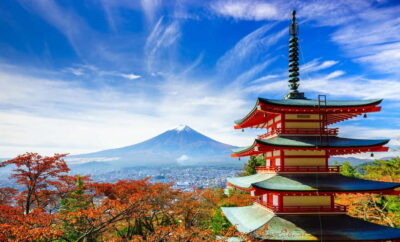
If you only do one thing for Mt. Fuji, do it near Arakura Sengen. This area gives you the famous view over with the pagoda silhouette, and it is built for quick photo stops. The tour includes Arakura Fuji Sengen Shrine, Chureito Pagoda, and the wider Arakurayama Sengen Park area where you can take panoramic shots.
What I like about this setup is that it gives you multiple tries. Even if the mountain is partially hidden, the angles and sightlines around the park often help you catch something. In the reviews, guests were happy even when clouds stole the top view, because the guide still delivered scenic moments and kept the day feeling worthwhile instead of stalled.
Practical tip: wear shoes you can walk in up and around the viewpoints. The visits are short, but you are still doing steps and moving viewpoints quickly.
Lake Kawaguchiko highlights: Best angles, flowers, crafts, and Oshino Hakkai
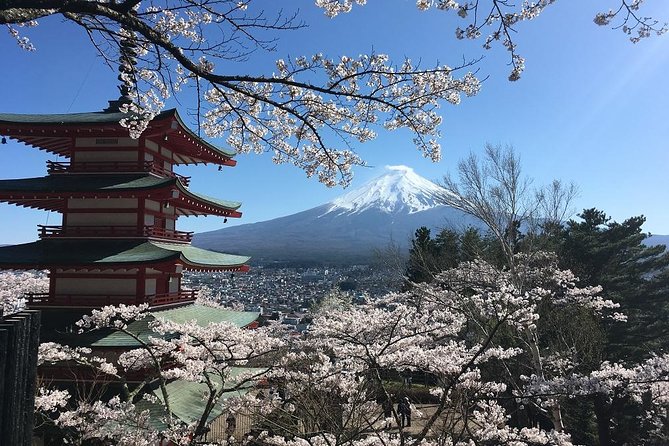
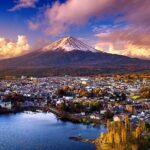
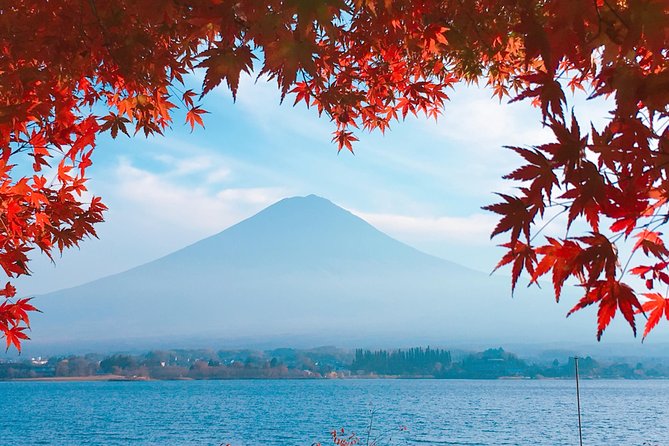
Lake Kawaguchiko is often the place where your day stops feeling like a drive and starts feeling like an actual experience. You get time for scenic photos from different locations depending on the season. This is paired with classic cultural stops around the northern Mt. Fuji area.
One stop I particularly like for practicality is Kitaguchi Hongu Fuji Sengen Jinja Shrine. It is the main shrine protecting the northern Mt. Fuji region and tied to the first step of ascension tradition. The visit is not long, but it adds meaning to why this whole region is sacred rather than just photogenic.
Then you layer in “breaks that feel Japanese,” not just more looking. Fuji Oishi Hana Terrace is a relaxed area for local crafts and souvenirs, plus regional ice cream and sorbets made with local fruit. Oishi Park follows, with seasonal flowers and especially known lavender. These stops are short enough to keep the pace, but long enough to let you actually stop and absorb the air.
Oshino Hakkai is another anchor. These eight ponds formed from Mt. Fuji snowmelt are part of the Fujisan Cultural Site. It is also a place where you can snack and shop around the ponds without feeling like you are in a rushed drive-by. If you want an easy way to buy small gifts that are tied to the area, this is a good moment.
5th Station reality: When it is open, what it costs, and why you might skip it
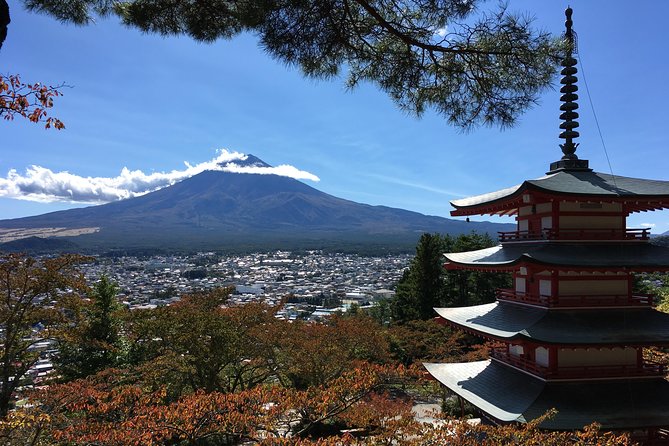
Going up toward Mt. Fuji’s 5th station is a major bucket-list item for many people. The tour can take you to the closest car-access point at 2,300 meters, and reaching the 5th station requires an extra toll payment of 2,100 yen paid on the spot. The time expectation is usually about two hours for this activity.
The key detail is access. The 5th station is closed from July to mid-September during climbing season, and it is also closed in winter. So if your dates fall in a blocked period, you still get the lower viewpoints and the rest of the Fuji region day, but you will not be able to do the “top air” experience.
I recommend treating the 5th station as a priority you confirm early with your guide. If it is open and visibility looks good, it is worth it. If the forecast says clouds and you are pressed for time, you may decide to spend your best daylight on lakeside viewpoints and the areas where the mountain often shows up more reliably.
More Tokyo tours and experiences for the shortlist
Aokigahara caves and the Fuji ropeway: Where the day gets adventurous
Most Mt. Fuji days are shrine, pagoda, and photo. This one adds a different type of stop: the Aokigahara Jukai forest region with cave adventures.
You can choose among Narusawa Ice Cave, Fugaku Wind Cave, and Saiko Bat Cave. Each is short, typically 15 to 30 minutes, and they are not included in the tour price. If you want variety, this is where the day stops feeling repetitive. The caves also help when Mt. Fuji visibility is uncertain, because even if clouds ruin the top shot, you still get a memorable experience.
After the caves, the Mt. Fuji Panoramic Ropeway is another strong add-on when it is working. It takes you to 1,075 meters high above sea level in about three minutes, then you get panoramic views of Mt. Fuji, Lake Kawaguchiko, and Fuji Yoshida. Queue time can affect how long this takes, so your guide will likely time it with the rest of the day.
If your group includes kids or people who do not love steep walks, these cable-car style views can be a good compromise.
Seasonal swaps around Yamanashi: Flowers, strawberries, ski, and wine visits
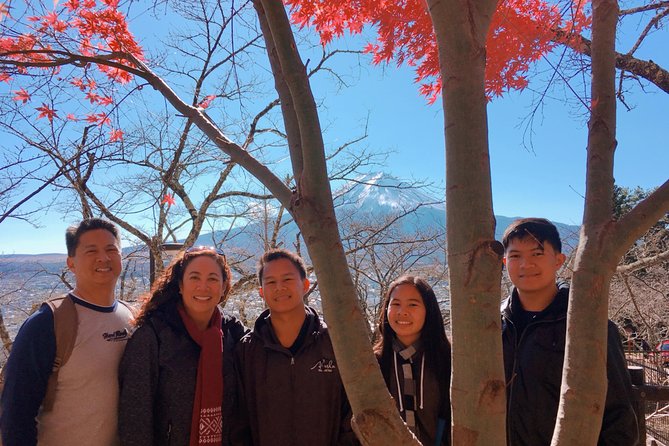
One of the best parts of this tour is that the Fuji area is not the same every month. Depending on your travel dates, your guide can add seasonal experiences such as shibazakura (moss phlox) at Fuji Motosu Resort from mid-April to late May, or seasonal fruit tastings from Yamanashi, which is known as Japan’s fruit kingdom.
You might also find:
- all-you-can-eat sweet Japanese strawberries by reservation
- snow and ski options on Mt. Fuji for beginners, with rentals for outfits and even sled for kids
- wine visits in Yamanashi, including tastings if you request it
These are not all free, and some require reservation, so think of them as “choose your season” options. If you are the kind of traveler who likes to match the day to the calendar, you will appreciate how flexible your guide can be.
When the day turns to Hakone: Ropeway views, Owakudani, and Lake Ashi cruising
This private car option can also be done as a Hakone day trip, or as a Fuji day with Hakone-style add-ons depending on what you choose.
If you go the Hakone route, expect big scenery changes. The Hakone Ropeway is built for mountain viewing, and you ride up to about 1,350 meters, then take in aerial views of Mt. Fuji on clear days. From there, Owaku-dani Valley gives you volcanic activity scenery, plus the famous black eggs that people say add years to your life, because tourist logic deserves at least one superstition.
Then you get shrine time at Hakone Shrine or Kuzuryu Shrine, including a torii gate that is popular for photos. After that, the Hakone Open-Air Museum can add a relaxed museum break with outdoor sculpture and photo-friendly layouts.
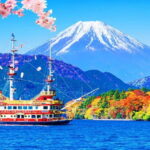
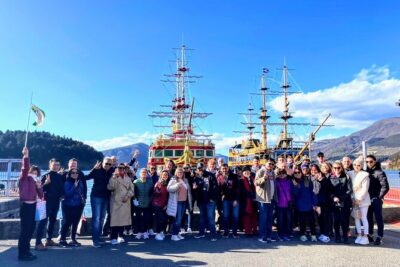
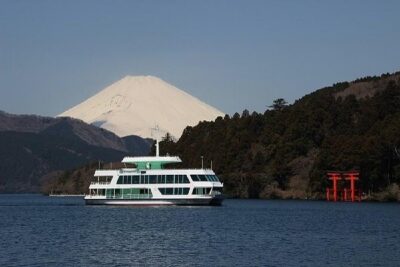
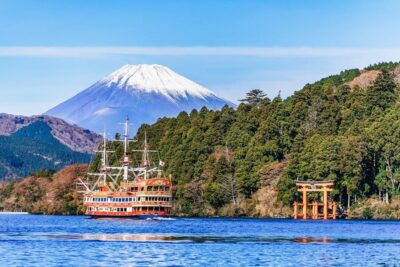
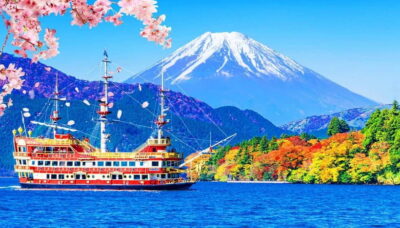
Finally, Lake Ashi cruising is part of the flow. You can choose a more famous pirate ship or a regular cruise ship, and the regular option can help you avoid heavier crowds. The ride is short, but it is a classic way to see the caldera lake from the water rather than only from roads.
If you want a hot springs day in the Hakone region, just remember hot spring rules apply once you arrive, including clothing and tattoo restrictions.
Budget Reality: entrance fees, food, and the extras you should plan for
Entrance fees are not included, so attractions like the music museum, caves, ropeway, art museum, and any hot spring experiences will cost extra. Food and drinks are also not included, and lunch is on you.
This matters because the day is full, and you might not want to hunt for restaurants while your guide is trying to keep the route timed. If you have dietary needs, tell your guide ahead of time. Vegetarian options are available.
Also plan for gratuity. The information provided suggests a typical range of 5 to 20 percent, so if you like to know the number in advance, keep that in mind.
Pacing and comfort: A private tour that works for families and older parents
What I really value about this kind of private Fuji and Hakone day is pace control. Reviews mention that the tours stayed comfortable even with elderly parents and kids, with guides and drivers keeping everyone moving without rushing them through every spot.
A few practical takeaways from the way this operates:
- Your guide can decide when to do the short photo stops vs. the longer timed experiences.
- When traffic hits, your driver focuses on safe, efficient route choices rather than just arriving late.
- If Mt. Fuji is hidden, the guide still keeps the day meaningful with lakes, forest caves, and scenic viewpoints.
That adaptability is why guests often say things like the day felt customized. Not every tour can swap in a different viewing angle before the weather changes.
Who should book this private Fuji or Hakone car tour
This fits best if you want:
- a door-to-door day from Tokyo, without train transfers
- a private guide who can explain the why behind shrines, viewpoints, and cultural stops
- flexibility for family needs, different ages, and changing weather
- a structured day with enough variety to keep it from feeling like you are just chasing a single photo
It might not be your best match if you are trying to do Mt. Fuji on a strict budget, or if you love independent travel enough that you do not need a guide to handle timing and ticketing.
Should you book this tour?
I would book it if Mt. Fuji is the headline and you want the day to feel planned, not stressful. The private format is the main selling point, especially for families, mixed-age groups, or anyone who values a guide who can adjust when clouds, traffic, or timing get messy.
I would think twice if you are only going for the cheapest way to get to one viewpoint, or if you are traveling during a period when your preferred add-on like the 5th station is closed. If that matters, message your priorities early, and let your guide shape the day around what is actually possible.
Either way, this is the kind of day trip where the details matter, from the Fuji-photo loop to the caves, and from seasonal fruit and flowers to the option of Hakone’s ropeway and Lake Ashi cruise.
FAQ
What is the group size for this tour?
The tour is priced per group and is for up to 8 people.
How long is the tour?
It runs about 10 to 11 hours.
Is hotel pickup and drop-off included?
Yes. Hotel pickup and drop-off are included.
Do I get an English guide?
Yes. English guides are available, along with French, Spanish, Chinese, and Korean professional guides.
What is the cost, and does it change if I use only part of the tour?
The price is per group up to 8, and the information provided says the price remains the same with or without the vehicle.
Are entrance fees included?
No. Entrance fees for attractions are not included.
Is lunch included?
No. Food and drinks, including lunch, are not included.
Is Mt. Fuji 5th Station included?
Mt. Fuji 5th Station is not included. If you go, you may need to pay a toll fee of 2,100 yen on the spot, and access is closed from July to mid-September and also in winter.
What happens if Mt. Fuji views are blocked by weather?
The schedule can change due to weather or traffic. The information provided also says the tour will not be cancelled or refunded even if some spots are not fully visible due to weather.
What are the cancellation terms if the weather is bad?
You can cancel up to 24 hours in advance for a full refund. The experience requires good weather, and if it is cancelled due to poor weather, you will be offered a different date or a full refund.
More Private Tours in Tokyo
More Tours in Tokyo




More Tour Reviews in Tokyo


Not for you? Here's more nearby things to do in Tokyo we have reviewed












Mount Fuji Tours, side by side.
 ★ 5.0Mt Fuji and Hakone 1-Day Bus Tour Return by Bullet TrainFrom $16326,383 reviews
 ★ 4.0Mt Fuji & Hakone Cruise, Drum Show Bullet Train 1 Day from TokyoFrom $1497,413 reviews
 ★ 4.4Tokyo Mt Fuji 5th St & Hakone Cruise Bus Tour w/Bullet TrainFrom $1545,024 reviews
 ★ 4.5From Tokyo: Mount Fuji Full-Day Sightseeing TripFrom $684,970 reviews
 ★ 4.7Mt. Fuji Tour, Hakone Ropeway, Owakudani, Lake AshiFrom $544,002 reviews
 ★ 4.2Mt. Fuji 5th Station & Hakone Cruise 1-Day Bus TourFrom $1292,381 reviews
 ★ 4.7Mt Fuji Top 5 Spots Day Tour: Arakurayama Park,Oshino HakkaiFrom $532,066 reviews
 ★ 5.0Private Tour to Mt. Fuji and Hakone (Fully Licenced Operator)From $4971,910 reviews
This tour also belongs to