
Fuji day dreams start with a real plan. This private Mt. Fuji tour is built for convenience, with round-trip pickup from your Tokyo hotel and a driver who keeps the day moving without turning it into a marathon. I really liked the private car setup (no riding buses with strangers) and the chance to see Fuji from multiple viewpoints, like Chureito Pagoda and Lake Kawaguchiko. The main drawback to consider is that costs can creep up once you add optional sites and seasonal shuttle fees at the 5th Station.
What makes this tour feel different is how customizable it can be. You can pick your preferred 5 to 6 stops from the list depending on time, and guides on the day (I saw names like Sikii, Amir, Shah, Azhar, Harry, and Zubi) tend to adjust the order and pacing to your preferences and the sky conditions.
One more practical note: traffic around Tokyo can be rough. The tour includes transportation time, but leaving early is often the best way to protect your hours and get the best chance at clear views.
Key highlights at a glance
- Hotel pickup round trip so you skip the stress of trains, transfers, and last-minute taxis
- English speaking guide plus private car for photo help and smoother routing between spots
- Chureito Pagoda and Arakura Sengen Shrine for the classic Fuji-with-pagoda view
- Mt. Fuji 5th Station access for the closest common visitor viewpoint, with seasonal shuttle rules
- Lake Kawaguchiko and Oishi Park for lake views, flowers, and easy downtime
- Optional add-ons like Ropeway, Itchiku Kubota Museum, and Narusawa Ice Cave for variety beyond photos
Private Car From Your Tokyo Hotel, and Why It Matters
If you have ever tried to do Mt. Fuji by public transport, you know the trap. You spend your good daylight figuring out which bus goes where, then you still fight time lost to transfers. This tour solves that with round-trip transfers from Tokyo hotels, so you start the day focused on Fuji, not logistics.
The car is air-conditioned and modern, and the day is designed around parking and driving time between sites. That matters because the best Fuji viewpoints tend to be spread out, and many of the classic stops are not “next-door” to each other. With your own vehicle, you can hop between shrines, spring ponds, and lake overlooks without the constant walking and waiting.
It also helps that you are not sharing your schedule with a big coach group. On private tours like this, you get the freedom to ask for extra time for photos, change the order, or adjust plans if one spot runs longer than expected. This flexibility showed up in lots of real-world comments tied to guides like Amir and Shah, who were praised for being accommodating and for helping people get the shots.
You can also read our reviews of more guided tours in Tokyo

Choosing Your 5 to 6 Stops: Making the Day Feel Yours
The tour offers a menu of places, then you pick your favorite 5 to 6 depending on time. That is a big deal, because it prevents the common “see everything, enjoy nothing” problem. You can build a day that leans scenic, spiritual, or a bit more artsy, while still keeping a comfortable pace.
Here’s what I would think about when picking:
- If you want iconic Fuji photos, build around Chureito Pagoda, Lake Kawaguchiko, and Oishi Park.
- If you like tradition and easy walking, prioritize Kitaguchi Hongu Fuji Sengen Jinja Shrine and Oshino Hakkai.
- If you want something different from outdoor viewpoints, add Narusawa Ice Cave and the Itchiku Kubota Art Museum.
- If you want a “between views” activity, include the Mt. Fuji Panoramic Ropeway.
One caution: some stops get crowded, especially the most famous photo points. That does not mean you should skip them, but it is wise to plan your priorities and accept that peak-hour lines can cut into your time for lingering.
Chureito Pagoda and Arakura Sengen Shrine: Steps, Views, and the Classic Shot
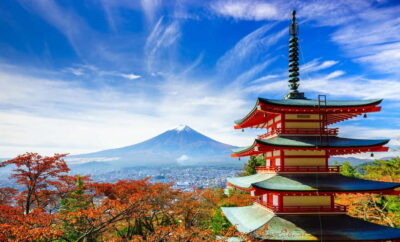
Chureito Pagoda in Fujiyoshida City is the place people picture when they think about Fuji next to something old and beautiful. It sits inside Arakura Sengen Shrine, and reaching it means climbing a set of steps. The payoff is the famous viewpoint where Fuji often lines up behind the pagoda, depending on the weather and your exact position.
This stop is listed for about an hour, and for most people that is the right amount. You want time to walk up, take photos, and enjoy the view without feeling rushed. Just remember that crowds gather fast here. If you are the type who hates shoulder-to-shoulder sightseeing, go early in the day if your schedule allows, or be ready to work around people for the perfect angle.
The good part is that the view is not only “one photo and done.” Even if conditions are not perfectly clear, you still get that sense of scale as Fuji shifts in and out behind the shrine structures. It is an easy stop to love because it is visually strong and straightforward.
Kitaguchi Hongu Fuji Sengen Jinja: The Yoshida Trail Gateway Feeling
Next up is Kitaguchi Hongu Fuji Sengen Jinja, a Shinto shrine at the northern foot of Mt. Fuji. This stop is often a surprise in a good way because it feels more like a working spiritual site than a tourist photo corner. It is also described as the main entrance to the Yoshida Trail, which gives the place extra meaning if you have ever dreamed about climbing.
You get around 40 minutes here, which is enough to slow down and notice details without the day turning into a checklist. The shrine area tends to have a calm rhythm compared to the most famous “Fuji postcard” spots. If you are traveling with parents, grandparents, or anyone who appreciates cultural context, this is a solid anchor stop.
It also pairs well with the pagoda. Together, they give you Fuji from two angles: the iconic composed view, then the cultural doorway feeling of being at the foot of something people have followed for generations.
Oshino Hakkai: Spring Ponds That Let You Breathe
Oshino Hakkai is known for crystal-clear spring water that flows from Mt. Fuji’s snowmelt and underground sources. This is a small village area near the mountain, and it is a refreshing change of pace from temples and viewpoints.
You get about an hour, and it is the kind of stop where your time improves when you do less. Walk slowly, look at the water, and enjoy the small local surroundings. You do not have to be an expert in Japanese geography to appreciate why this place matters. If you have already seen Fuji in the distance, Oshino Hakkai brings you closer to how the mountain feeds the area.
The practical upside is that it is easy to enjoy even when the sky is not perfect. If clouds move in, this stop still delivers something real, not just “maybe we will see the mountain.”
You can also read our reviews of more private tours in Tokyo
Mt. Fuji 5th Station: Closest Common Viewpoint, With Seasonal Rules
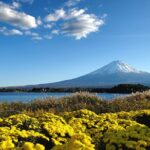
Mt. Fuji 5th Station is where many tourists get their closest, most dramatic “I am really here” feeling. It sits at around 2,300 meters, and it is a popular starting point for hikers aiming for the summit. The tour gives about an hour at the station, which is time enough to stand, look around, and soak up the altitude without committing to a full climb.
The bigger heads-up is seasonal access. During hiking season, private cars are not allowed to go to the 5th Station area. In that case, you may need to take a bus. The tour information also mentions a shuttle bus ticket during hiking season.
That can sound annoying, but it is actually good to know upfront. It means your driver still has a plan, and you are not scrambling when you hit a closed road. If you are visiting during peak climbing months, budget for the shuttle-related add-on and expect the timing to be a little more structured.
Also, weather can make or break the “wow” factor here. When clouds are low, Fuji can hide below them. The good news is that even on less cooperative days, being above the cloud layer can still create a clear moment. Several guide comments mention this exact kind of luck, where conditions changed enough for people to see Fuji from the station.
Lake Kawaguchiko and Oishi Park: Fuji Meets the Calm
After the mountain-focused stops, you move into a different mood at Lake Kawaguchiko. This area is famous for serene views and for the simple fact that it gives you a wide perspective. You have about an hour here, plus plenty of room to browse nearby eateries and take breaks without burning the clock.
Then Oishi Park adds color and comfort. You get about 30 minutes, which is short, but it is the kind of short stop that works. The park is known for strong Fuji views and colorful flower gardens. You can also try soft-serve ice cream there, which is the kind of tiny pleasure that makes a long day feel easier.
This is also a place where your guide’s pacing matters. If everyone piles into the same viewpoint at the same time, you lose the gentle, unhurried vibe. Guides like Shah and Amir were repeatedly praised for photo help and adjusting the order to keep the day smooth. That matters most on lake days, because the best angles often come with small shifts in position.
Ropeway, Ice Cave, and Itchiku Kubota Museum: Variety Beyond Photos
The tour’s optional stops are where the day can turn from “see Fuji” into “collect Fuji moments.”
Mt. Fuji Panoramic Ropeway
The ropeway offers a ride that lifts you up for views over the lakes and the area below. You get about an hour, and since it is a set activity with clear timing, it can be a good option if the weather is inconsistent. Even when clouds roll in, getting that elevation view can feel like a reset.
Itchiku Kubota Art Museum
If you want to step away from the outdoors for a bit, the Itchiku Kubota Art Museum is a smart choice. It is about 40 minutes and focuses on the textile artist Itchiku Kubota, including his revival of Tsujigahana silk dyeing. The museum is near Lake Kawaguchiko and is described as having views of Mt. Fuji, so it is not “art in a box.” It is also a chance to warm up, sit down, and re-enter the sightseeing loop without fatigue.
Narusawa Ice Cave
The Narusawa Ice Cave is formed by ancient lava flows, and it stays cool year-round. You get about 40 minutes. It is a great stop on a hot day, because it gives you temperature contrast plus a slightly mysterious setting. This one is also a good “third act” option, after you have gotten your main Fuji viewpoints and you want one different kind of experience.
One balancing note: these optional sites are not included in the base tour price. If you choose all of them, your day can get pricier. But if you pick one or two, they deliver variety without turning the schedule into a sprint.
Lake Yamanaka: A Wilder Feel for a Final Fuji View
Lake Yamanaka (Yamanakako) is listed for about an hour and is described as the largest of the Fuji Five Lakes. It is a good “finish strong” stop, especially if you want a slightly less frantic feel than the most famous photo zones.
You can enjoy panoramic views and the general atmosphere around the water. The tour makes room for that kind of relaxed sightseeing. If you have already done the lakeside shots at Kawaguchiko, Yamanaka helps you compare how Fuji looks from a different stretch of coastline.
This is also a great place for anyone in your group who just wants time to wander without a strict “one viewpoint, one minute” vibe.
Price and Value: What $440 Covers, and What Costs Extra
The base price is $440 per group, up to 3 people, for a day that runs about 9 to 10 hours. That price can feel high on paper if you think only about the admission fees. But in practice, you are paying for:
- Private transportation in an air-conditioned vehicle
- Pickup and drop-off from Tokyo hotels
- Parking fees, petrol and gas, and highway tolls
- A driver and an English speaking guide component
For many families or small friend groups, that can beat the cost of doing it independently, once you factor in taxis plus the time stress.
That said, you should budget for add-on fees. Not included are several items that can affect your final total:
- Mt. Fuji entrance fee of 2800 yen per group
- Optional admissions like the Itchiku Kubota Art Museum (1,500 yen per person)
- Narusawa Ice Cave (400 yen per person)
- If traveling during hiking season, the Mt. Fuji 5th Station shuttle bus ticket (2,500 yen per person)
- Lunch
- Other listed admissions such as Saiko Iyashi no Sato Nenba (500 yen per person), plus activities like the ropeway
So the real value question is not the sticker price, it is your choices. If you keep the day to the free or low-cost stops, you get a big value win. If you add every paid option, the total rises, but you also get a more varied day.
Pacing, Crowds, and Weather: How This Tour Can Feel Great or Just Okay
The best version of this tour happens when you hit Fuji with clear skies in the morning and manage crowds smartly. The worst version usually has nothing to do with the tour itself, and everything to do with visibility and timing around popular sites.
A key detail: the tour requires good weather. If weather conditions are poor, the experience may be canceled and you are offered another date or a full refund. You will also notice that negative weather complaints are not accepted as a reason to blame the operator. In other words, you should go in knowing this is a weather-driven day.
Where this tour shines is in flexibility. Some guides were praised for creating a great day even when conditions were not ideal, keeping the group moving and offering ideas when the sky did not cooperate. That is especially important if you are traveling with someone who wants structure but cannot handle long delays.
Where it can fall short is crowd density. A common complaint level was that some stops were crowded, which can make the experience feel more like “stand in line for the view” instead of “enjoy the place.” A private setup still cannot erase crowds, but a good guide can reduce your time in the densest spots and help you choose the best timing for photos.
Also, do not ignore the earlier real-world warning about unrealistic stop expectations. If you try to force in too many paid and crowded stops without a plan, you can feel rushed. The best approach is to pick fewer “must-do” icons and leave some slack for how long each place actually takes.
Who Should Book This Private Fuji Day, and Who Might Not
This tour is tailor-made for:
- Small groups of up to 3 who want private logistics
- First-timers who want the classic Fuji hits without train changes
- People who care about comfort, air-conditioning, and minimal walking transfers
- Travelers who want an English speaking guide to explain what you are seeing and help with timing
It may not be ideal if you:
- Have a very strict budget and plan to do multiple paid add-ons
- Hate crowds so much that you want only remote viewpoints
- Expect a fully scripted itinerary with zero flexibility. The tour lets you choose stops, and your day works best when you actively decide what matters most to you
If you have mobility concerns, you are likely to appreciate the private format. Comments mention that at least one guide, Zubi, helped with mobility by suggesting which places required more walking. Still, you should plan realistically for steps at places like Chureito Pagoda.
Should You Book This Mt. Fuji Private Day Tour?
I would book it if you want a smooth Fuji day with real flexibility, especially if you are coming from Tokyo and you do not want to lose hours to transport. The private pickup and the ability to choose 5 to 6 stops is the value engine here.
Book it with a plan, though. Choose your priorities first, then decide on paid add-ons like the Ropeway, Ice Cave, and the Kubota museum based on your interests. If you do that, the day becomes a collection of Fuji moments rather than a rushed hop from one crowded spot to another.
If you have a clear-weather window and you want the classic icons plus at least one “different” stop, this is a strong way to get there. Just remember, Fuji plays by its own rules, and the best outcomes usually come from arriving early and staying flexible.
FAQ
What is the group size limit for this Mt. Fuji day tour?
The tour is priced per group and is up to 3 people.
How long is the Mt. Fuji day tour?
It runs about 9 to 10 hours.
Do you get pickup from Tokyo hotels?
Yes. Round-trip transfers from Tokyo hotels are offered.
Is a mobile ticket included?
Yes, a mobile ticket is included.
What is included in the tour price?
Included items are private transportation, an air-conditioned vehicle, parking fees, petrol and gas, and highway tolls.
What is not included?
Lunch and several entrance fees are not included, including the Mt. Fuji entrance fee (2800 yen per group). Other optional admissions listed include the Itchiku Kubota Art Museum, Narusawa Ice Cave, and the 5th station shuttle bus ticket during hiking season.
If I visit during hiking season, can the car go to Mt. Fuji 5th Station?
During hiking season, private cars are not allowed to go to Mt. Fuji 5th Station, so you will have to take the bus.
What is the cancellation policy if the weather is poor?
The experience requires good weather. If it is canceled due to poor weather, you will be offered a different date or a full refund. You can also cancel for a full refund up to 24 hours in advance of the experience start time.
More Guided Tours in Tokyo

More Tours in Tokyo





More Tour Reviews in Tokyo


Not for you? Here's more nearby things to do in Tokyo we have reviewed












Mount Fuji Tours, side by side.
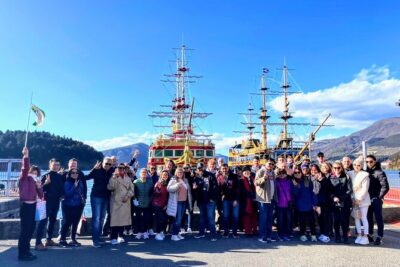 ★ 5.0Mt Fuji and Hakone 1-Day Bus Tour Return by Bullet TrainFrom $16326,383 reviews
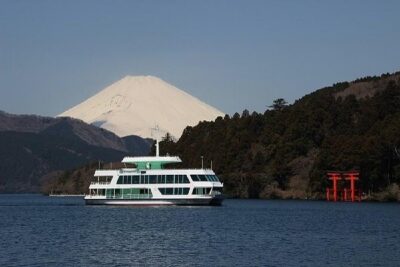 ★ 4.0Mt Fuji & Hakone Cruise, Drum Show Bullet Train 1 Day from TokyoFrom $1497,413 reviews
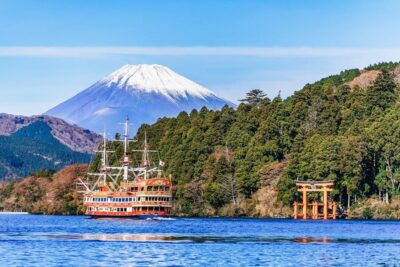 ★ 4.4Tokyo Mt Fuji 5th St & Hakone Cruise Bus Tour w/Bullet TrainFrom $1545,024 reviews
 ★ 4.5From Tokyo: Mount Fuji Full-Day Sightseeing TripFrom $684,970 reviews
 ★ 4.7Mt. Fuji Tour, Hakone Ropeway, Owakudani, Lake AshiFrom $544,002 reviews
 ★ 4.2Mt. Fuji 5th Station & Hakone Cruise 1-Day Bus TourFrom $1292,381 reviews
 ★ 4.7Mt Fuji Top 5 Spots Day Tour: Arakurayama Park,Oshino HakkaiFrom $532,066 reviews
 ★ 5.0Private Tour to Mt. Fuji and Hakone (Fully Licenced Operator)From $4971,910 reviews
This tour also belongs to