
Review · TOKYO CITY TOURS
Traditional Japanese Music ZAKURO SHOW in Tokyo
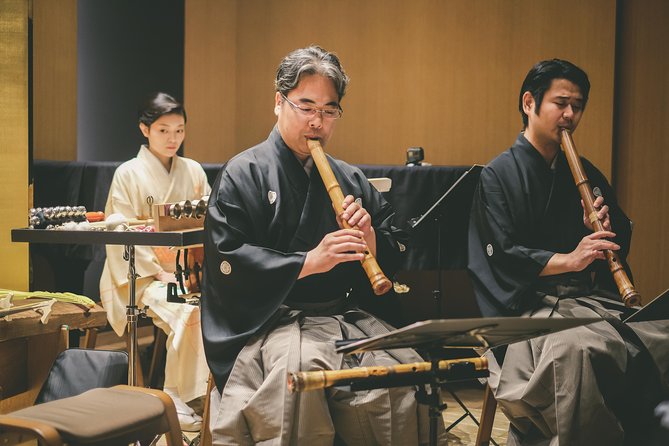
Tokyo can feel loud. This show keeps it personal. The Traditional Japanese Music ZAKURO SHOW gives you traditional Japanese music up close, with performers in kimono who explain what you are hearing, and why it matters in Japan. I especially like the combination of live instruments right in front of you and the way the program adds context before each piece. One drawback to plan for is the show is only about 1 hour, so if you want a long concert, you may wish it ran longer.
The setting in Omotesando helps too. It feels cozy, and you are not stuck in a distant, sightseeing-only viewing setup. I also love that the show mixes classic and more modern traditional selections, instead of repeating the same famous sounds back to back. If you get impatient waiting for translations, you might want to know that the explanations happen between musical numbers rather than as a separate talk.
For most people, this is an easy cultural win. You get English translations so you can follow along, and the variety of instruments makes it easy to stay engaged even if you do not know Japanese music already. I like that the pace fits neatly into a day plan. You should still keep your schedule buffer tight if you are hopping between neighborhoods, since Tokyo is busy and transit takes time.
Key highlights you should care about
- Up-close “wagakki” performance: Instruments are positioned so you can see them and not just hear them.
- English commentary between songs: Explanations and dialogue help you follow the story of each piece.
- A mix of eras in one program: You hear both older and newer traditional Japanese music.
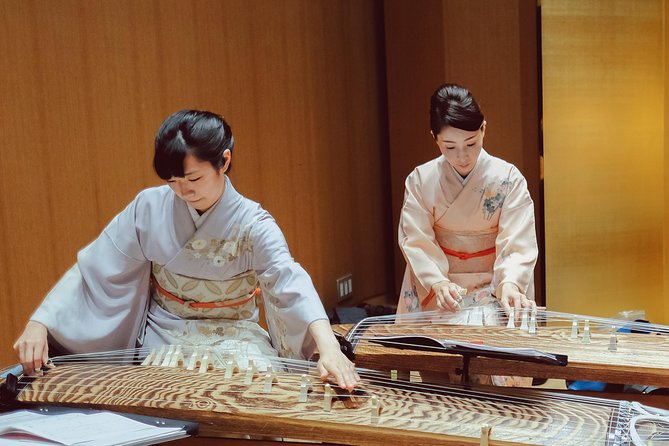
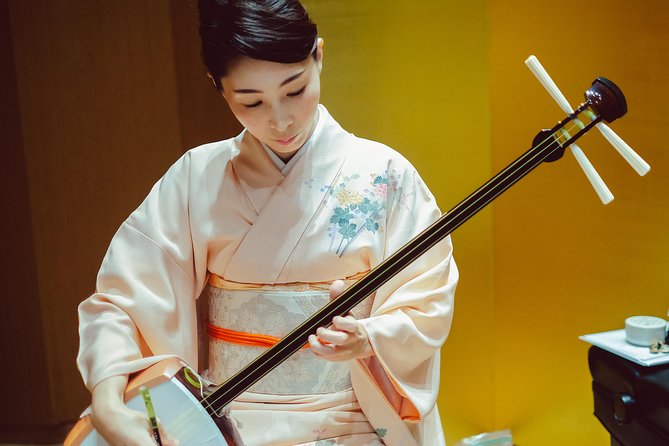
- Taiko, koto, shamisen, shakuhachi in the same show: This is a compact way to experience multiple sounds.
- A Western song cover included: The program even includes a cover of a Western hit, with one performance noted as including Nirvana.
Why the Zakuro show feels worth your time in Tokyo
This is the kind of Tokyo activity that scratches a very specific itch: you want culture you can understand in real time, without turning it into a lecture. The ZAKURO Show is built around performance plus explanation. You hear the music, then you get the context for what makes it Japanese, and how each instrument works.
I like that the program is designed with sequence in mind. It is not random background music. Each tune is carefully selected to give you a running thread, with dialogue that connects technique to tradition. That matters, because if you only catch the sound, you might miss why it hits differently.
It also helps that the event runs about 1 hour. In Tokyo, one hour can be the difference between a trip that feels smooth and a trip that feels stressful. This fits neatly when you want something meaningful but not exhausting.
More Tokyo tours and experiences for the shortlist

Omotesando, cozy rooms, and easy public-transport access
The show takes place in Omotesando, a neighborhood known for its walkable streets and design-forward vibe. In practice, what matters most for you is the feel of the venue: it is described as beautiful and cozy. That type of room matters for traditional music because the sound stays clear, and the performances feel more human.
Another practical win: it is near public transportation. That is huge for Tokyo. You do not want to lose half your event time routing through transfers, especially when the show itself is relatively short.
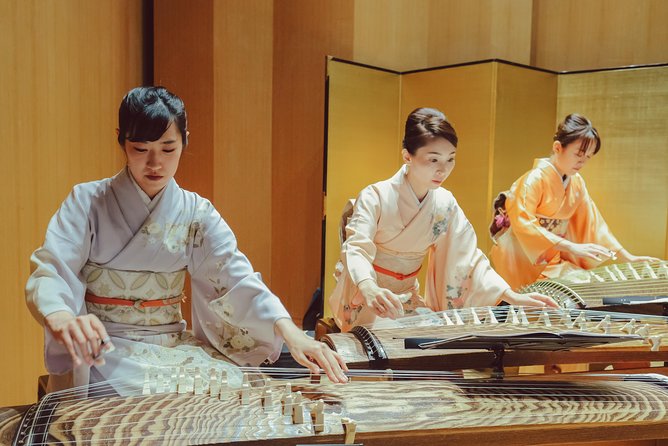
You also benefit from the way the show is staged. The performers, in colorful kimono, and their instruments are right in front of you. That changes the whole experience. You can look at hands and posture during plucked strings, see the shape and movement of a flute, and get a better sense of what a taiko player is doing without straining to watch.
The 60-minute program: koto, shamisen, shakuhachi, taiko, plus context
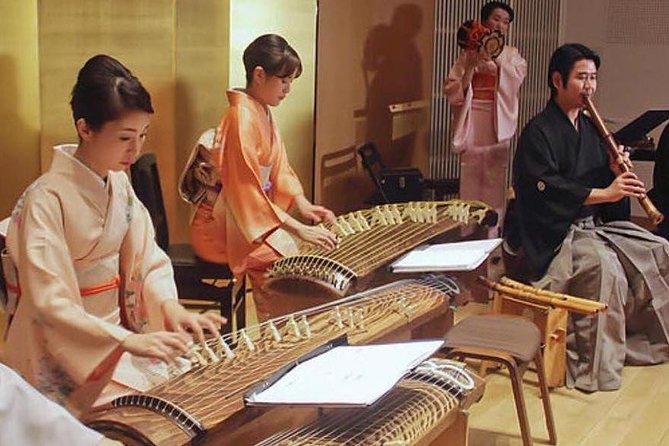
Think of the performance as a guided tour through sounds. You start with traditional Japanese instruments and then move through a range that shows both contrast and continuity.
Here is what you can expect to encounter in the lineup:
- Koto, the long zither that creates that distinctive, resonant pluck
- Shamisen, the string instrument that often brings a sharper, more driving rhythm
- Shakuhachi, the bamboo flute that can sound airy one moment and breathy the next
- Taiko drums, where timing and energy take over the room
The show also includes an intentional mix of material. You get both ancient and modern Japanese traditional music. That is important because it prevents the performance from turning into a museum piece. You hear tradition as something that still moves forward.
Then there is the surprise element: the program includes a cover of a Western hit to showcase the unique sound of Japanese instruments. One review specifically mentions a version of a Nirvana song. If you recognize the melody, it becomes a fast “aha” moment for how wagakki can reinterpret familiar tunes without losing character.
How the English narration works during the music
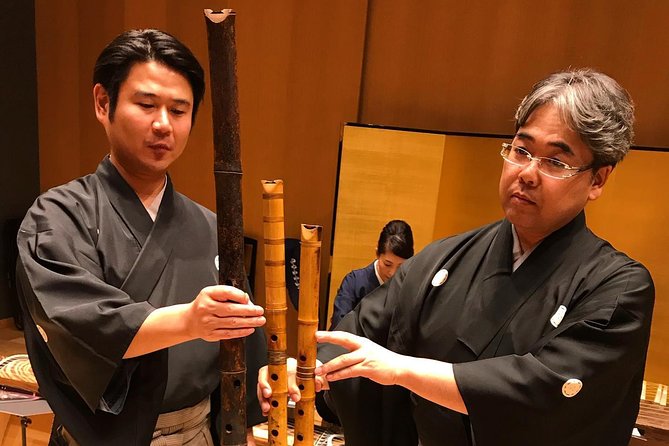
This is where ZAKURO earns its high satisfaction scores. The format is not just music plus a slideshow. Performers provide live commentary during the show, with English translation so you can follow along as the set unfolds.
You can think of it as instrument coaching. Between musical numbers, the musicians and the host explain secrets of their craft and share historical knowledge. That gives you something to listen for while the next piece begins. Suddenly, you are not only reacting to sound, you are picking up details like how technique shapes tone.
From a practical standpoint, you will feel less lost. Traditional music can be intimidating when you do not know what you are hearing. Here, the show breaks things into understandable chunks. You learn what each instrument is doing, and then you hear it happen.
I also like the “right in front of you” staging. When explanations match what you can see, your attention stays where it should: on the performance.
The real value of $39.64 for a 1-hour cultural show
The price is listed as $39.64 per person, and the event is often booked about 33 days in advance. For Tokyo, that is a reasonable cost for a ticketed, guided performance where you get multiple specialist instruments in one session.
But value is not only the dollar amount. It is what you get for that hour. You are paying for:
- multiple top-level musicians playing several instruments
- live commentary with English translations
- a program that covers both historical and modern traditional music
- close viewing access in a smaller, cozy setting
If you have been looking at other cultural shows that feel more like watching a stage from afar, this one is built to be legible. You spend less mental energy guessing what you are hearing, and more energy actually listening.
Also, the show is short enough that you can treat it like a “one-block” experience. You do not have to rework your whole day around it. That kind of scheduling flexibility is a hidden value in Tokyo.





Itinerary breakdown: what happens during the one stop
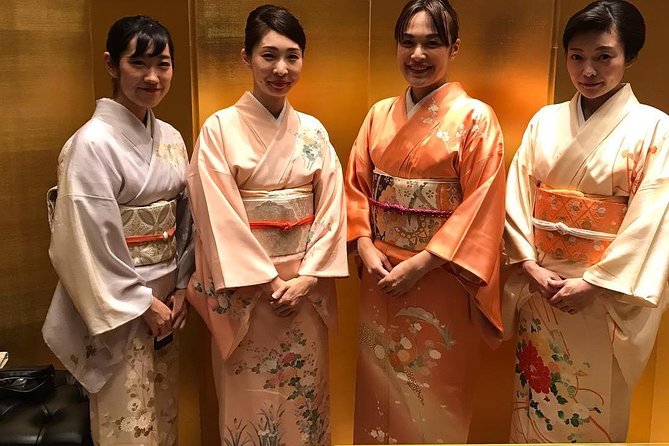
There is really one main stop: the Zakuro Show. That simplicity is part of the appeal. You walk in, you settle, and the performance carries the whole experience.
When the show starts, you get a friendly introduction aimed at international audiences. The musicians take turns performing on different instruments, and they talk about their craft between numbers. The pieces are selected to give you context, meaning the set is designed to be followed, not just endured.
Expect the performance to cover:
- traditional Japanese instruments performed live in front of you
- explanations that connect technique to cultural background
- a set that ranges from older styles to more modern traditional selections
- at least one Western-hit cover played on Japanese instruments
What I recommend you do is treat the hour like a listening lesson. Even if you only catch half the explanation in English, the musical changes will guide the rest. You will quickly learn the difference between string instruments, flute phrasing, and taiko rhythm, because they are presented as contrasts, not as a single blur.
Who will enjoy this, and who might want to choose something else
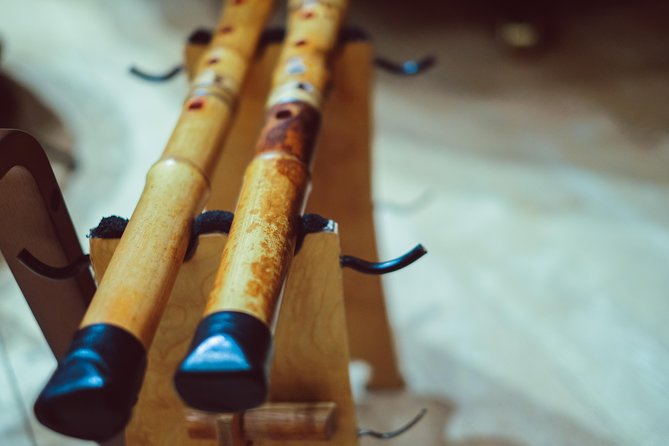
This show is ideal if you want traditional Japanese culture in a form that is easy to follow. I think it works especially well for:
- music lovers who want to hear multiple wagakki instruments in one night
- first-time visitors who want context, not just a performance
- people who like short, high-quality activities that fit into a packed Tokyo itinerary
It is also a strong pick for families and groups, since the format is described as suitable for most travelers and the show is designed for international audiences.
The main reason someone might hesitate is the duration. If you feel disappointed when an experience ends quickly, you might want a longer concert. But if you like compact events with clear structure, the one-hour timing is a plus.
Should you book the Traditional Japanese Music ZAKURO SHOW?
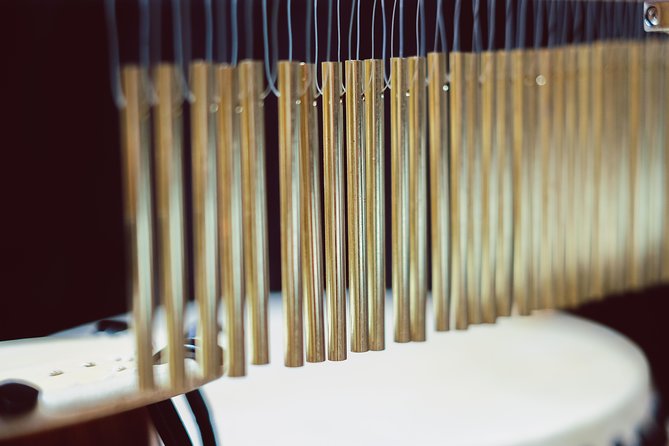
If you are deciding between “see something cultural” and “understand what you are seeing,” I would book ZAKURO. The mix of live instruments, English-friendly explanations, and a program that moves across eras gives you a lot of listening value for one hour.
I would especially recommend it if:
- you want a break from typical sightseeing
- you like hands-on, in-the-room performances
- you are curious about how Japanese instruments reinterpret not only tradition, but also familiar melodies
I would skip it only if you are looking for a lengthy concert with no intermission-style explanations, or if you strongly prefer performances without narration.
Either way, plan your evening with an easy transit route to Omotesando. Then let the show do the work of turning sound into understanding.
FAQ
How long is the ZAKURO Traditional Japanese Music show?
The performance is listed at about 1 hour.
What instruments will I hear at the show?
The program includes traditional instruments such as taiko drums and koto, along with others like shamisen and the shakuhachi flute.
Is there English translation during the performance?
Yes. The performers provide live commentary with English translations, so it is tourist-friendly.
Where does the show take place?
It is held in Omotesando, Tokyo, in a cozy setting near public transportation.
Will I need to print a ticket?
No, the experience uses a mobile ticket.
Can I cancel for a full refund?
Yes, free cancellation is available. You can cancel up to 24 hours before the experience start time for a full refund.
More Shows & Entertainment in Tokyo

More Tour Reviews in Tokyo
Not for you? Here's more nearby things to do in Tokyo we have reviewed












Tokyo City Tours, side by side.
 ★ 5.01-Day Tokyo Bus TourFrom $12914,250 reviews
 ★ 4.5TOKYO SKYTREE® Admission ticketFrom $1311,192 reviews
 ★ 4.6teamLab Planets TOKYO Digital Art Museum Entry TicketFrom $259,779 reviews
 ★ 4.0Mt Fuji & Hakone Cruise, Drum Show Bullet Train 1 Day from TokyoFrom $1497,413 reviews
 ★ 5.0Shinjuku Food Tour (13 Dishes at 4 Local Eateries)From $866,603 reviews
 ★ 4.4Tokyo Mt Fuji 5th St & Hakone Cruise Bus Tour w/Bullet TrainFrom $1545,024 reviews
 ★ 5.0Flagship 2-Hours Official Street Go-Kart Tour – Tokyo Bay ShopFrom $644,974 reviews
 ★ 4.5From Tokyo: Mount Fuji Full-Day Sightseeing TripFrom $684,970 reviews