
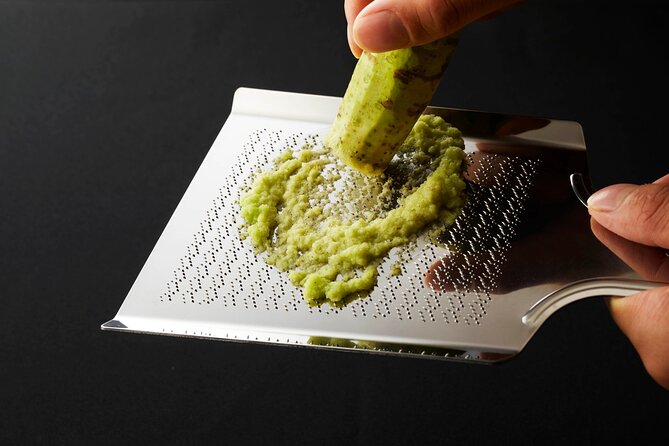
Review · TOKYO SUSHI CLASSES
【Private】Premium Fish filletting sushi making course
Filleting fish starts this sushi class. You’ll love the whole-fish filleting from the beginning and the steady bilingual coaching that keeps everything clear, even if you’re new. One heads-up, if handling raw fish turns your stomach, this format may be more hands-on than you expected.
This is a premium, private 3-hour workshop in Minato City, built around Edomae habits: careful cutting, ingredient balance, and seasonality. You also get a chance to tailor the focus, from fish prep to nigiri technique and, if you want, rice work too.
Key highlights you can plan around
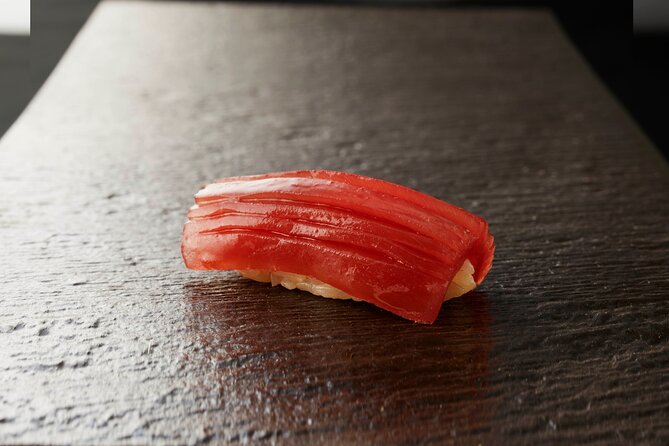
- Whole-fish filleting as the opening move, so you learn where the flavor really starts
- Bilingual guidance throughout, including knife technique and nigiri shaping
- Classic fish prep steps like marinating, curing, and aging, not just plating
- Precise neta cutting for sushi toppings, with technique-based instruction
- Nigiri made in three different preparations, so you learn variety, not one style
- Restaurant-grade ingredient handling, with fish sourced from ports or Toyosu
Whole-fish filleting is the real education
Most sushi classes skip the hard part and jump straight to building nigiri. Here, the lesson starts with fish, and that changes what you take home. When you see how fillets are cleaned, trimmed, and portioned, sushi starts making sense as a craft, not a mystery box.
In Edomae tradition, the cutting method is what brings out the best in each piece. That’s why this course spends real time on the knife work, including how the fish is portioned into usable shapes for topping slices. The big win for you is perspective. After this, you’ll look at nigiri at a restaurant and know why certain cuts taste cleaner, feel firmer, or hold shape better.
The other practical benefit is confidence. Once you understand how fillet quality and portion size affect the final nigiri, you can judge what’s good, and what’s just pretty on the plate.
You can also read our reviews of more private tours in Tokyo
A private Tokyo studio class, not a big group show
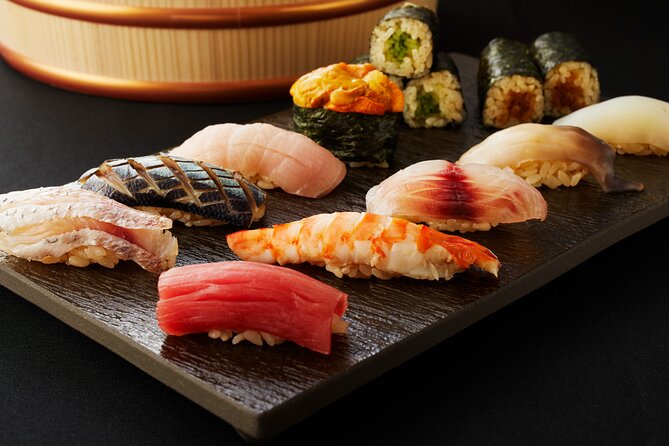
You’re in A-PULSE AZABU STUDIO in Nishiazabu, Minato City, with the session timed for a 12:00 pm start. It’s a private experience, meaning only your group participates, so you’re not competing for attention or waiting your turn while others fill the seats.
That private setup matters for two reasons. First, knife technique needs feedback, fast, and often. Second, bilingual instruction helps you ask the kind of questions that make the lesson stick. The vibe here feels more like working with a mentor than following a script.
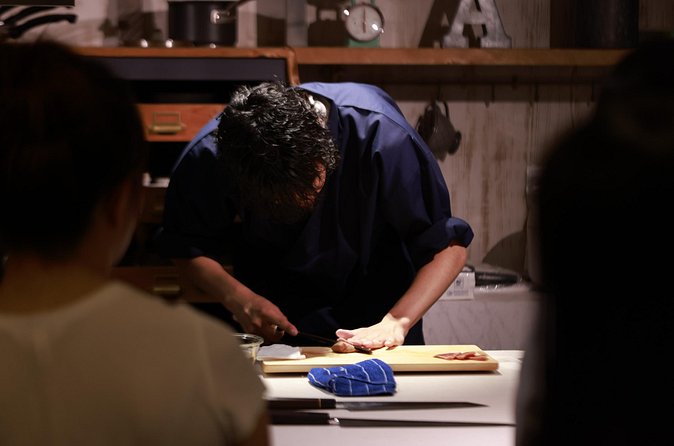
Based on the style of instruction described in feedback, the opening demonstrations are smooth and focused, almost like a performance. That matters because you get a visual target right away: you can see the rhythm, the angle, and the control before you start doing it yourself.
The 3-hour flow, step by step
You should plan for a workshop that moves through several stages, with hands-on time plus live demonstration. The total time is about 3 hours, and the session ends back at the meeting point.
1) Live knife work and professional nigiri preparation
Before you’re cutting, you watch expert knife movement and nigiri technique. This is where you learn what “good” looks like, not just what to do. Pay attention to how the hands stay steady, how the blade travels, and how portions are sized for a balanced bite.
Even if you’re a beginner, this part sets the pace. You’ll see how the instructor thinks in sequences, from fish handling to rice behavior to finishing touches.
2) Filleting whole fish, with traditional technique
Then you get to the main event: filleting whole fish using traditional knife methods. This is hands-on and core to the experience. You’re not just learning the final presentation, you’re learning the preparation that makes the topping taste right.
A key detail here is that fish is handled and conditioned carefully. The class uses top-quality ingredients, with fish sourced from ports or Toyosu, and the chef conditions the fish so it performs well for cutting and serving. That means your work is based on ingredients that cooperate, not mystery items bought for a demo.






3) Classic fish prep: marinating, curing, and aging
After the fillet work, you move into classic preparation steps like marinating, curing, and aging. The lesson isn’t only “what” you do, it’s why those steps change texture and flavor.
This part helps you understand a big sushi truth: nigiri is not just raw fish plus rice. It’s balance. Seasonality and preparation steps shape how a piece tastes on your tongue, including the softness, firmness, and depth of flavor.
4) Cutting precise sushi neta (topping slices)
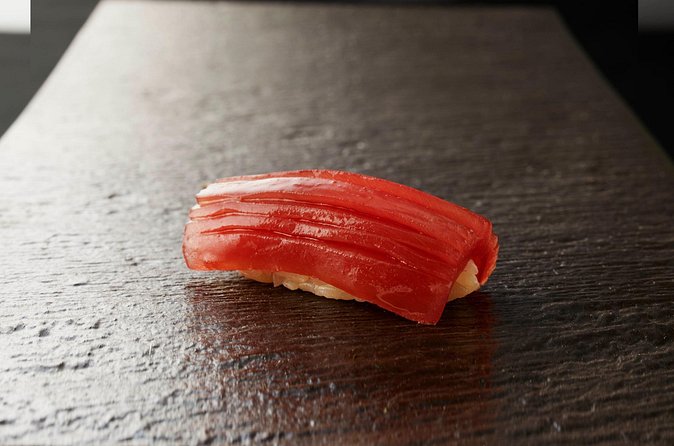
Next comes neta cutting. This is where technique shows up in tiny decisions: thickness, straightness, and how the cut matches the final bite. You’re aiming for pieces that layer well on rice and taste consistent from first chew to last.
If you’ve ever wondered why restaurant nigiri can feel slightly different from piece to piece, the answer is usually in cutting discipline. This segment teaches you to notice those differences and reproduce the logic.
5) Forming nigiri with three different preparations
Then you form nigiri using three different preparations. This is one of the most valuable parts because it prevents you from leaving with a one-trick routine.
You’ll practice shaping, portion control, and finishing. The feedback from prior learners focused heavily on nigiri shaping by hand as a standout moment, including how patient guidance helps beginners create pieces that look elegant. That’s the goal: not perfection forever, just a real first attempt that tastes good and teaches you the right habits.
6) Photographing and savoring what you made
Finally, you photograph and eat your handcrafted sushi. This is not a quick snack. It’s a chance to connect the flavor to the technique you just practiced.
Do this part slowly. Taste the difference between preparations. Notice how rice behavior changes the experience, and how fish prep affects aroma and texture.
Optional customization: rice prep or skill focus
The course can be customized. It may include rice preparation, or it can focus on specific skills you care about. If you want the full Edomae foundation, ask ahead about rice work. If you’re most excited about knife technique or fish aging, steer the session there.
Knife skills you can actually take to a restaurant meal
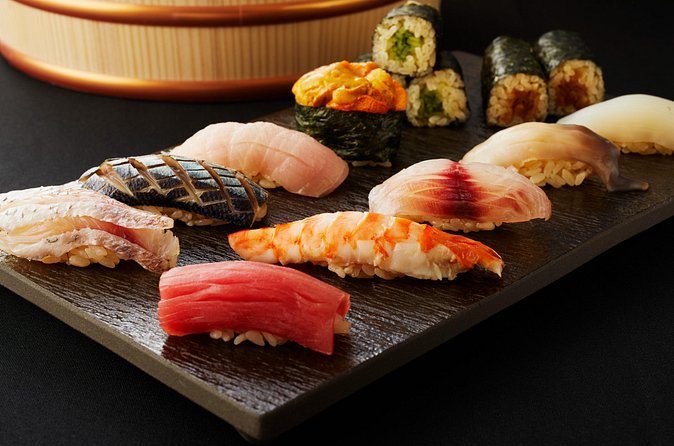
The best sushi instruction is the kind that changes how you eat. This course makes you pay attention, not just consume. You learn how cutting angles and thickness influence the bite size, and how trimming affects mouthfeel.
In practical terms, here’s what to watch for while you’re learning. When a topping slice is the right thickness, it doesn’t overpower the rice. When it’s cut with the right discipline, it sits neatly and holds together as you lift it.
Also, focus on pacing. The flow in a good workshop shows that speed comes after control. The goal is not rushing. It’s repeating movements that keep portions consistent.
If you’re the type who likes hands-on learning, this class is built for you. If you’re more of a watch-and-eat person, you’ll still benefit from the demonstrations, but you should know the format includes real work.
Ingredients and fish conditioning, not just fresh vibes
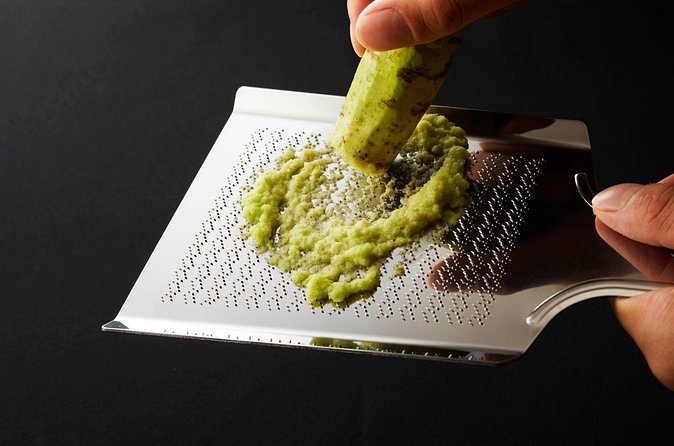
A lot of cooking classes claim fresh ingredients. This one ties ingredient quality to performance. The fish is directly sourced from ports or from Toyosu, and the chef conditions the fish so it’s ready for proper cutting.
Why this matters: fish that isn’t conditioned can tear, crumble, or behave differently when you slice it. When you’re learning technique, the ingredient should support your learning, not fight you. That’s what helps you get a successful outcome, especially if it’s your first time filleting or shaping nigiri.
The class also uses crisp, colorful vegetables as part of the meals included. That side of the experience matters because it rounds out the meal and gives you contrast, especially after the concentrated flavors of sushi toppings.
Price and value: is $260.61 a good deal?
At $260.61 per person for about 3 hours, this is not a budget class. It’s premium pricing, and you should judge it like one.
Here’s what you get that supports the cost:
- A private setting, so instruction can stay tight to your questions and technique
- Rare “fish-first” learning, including filleting whole fish, not just assembling sushi
- Professional-level knife work demonstrations, plus hands-on practice
- Fish prep methods like marinating, curing, and aging, which many classes skip
- Three nigiri preparations, giving you variety and a stronger skill foundation
- Meals included, so you’re not just paying for a lesson with empty calories
So the value is strongest if you want more than a tasting. You want the craft, the steps, and the feeling that comes from making something well with your own hands.
The possible mismatch is if you mainly want a light, low-effort activity or you don’t eat much fish. Since you’ll be working with fish preparation and making nigiri, it’s best for people who genuinely enjoy the ingredients.
Who this course suits best
This course fits best if you want an Edomae-focused experience and you’re curious about how sushi is built from the ground up.
You’ll enjoy it most if:
- You’re a first-timer who wants structure and patient instruction
- You like learning through doing, not only watching
- You’re interested in knife technique and fish preparation, not just dining
- You want a private class that lets you ask questions in a bilingual setup
It may not be the right fit if:
- You’re very squeamish about raw fish handling
- You want a relaxed, purely observational activity
- You’re looking for an alcohol-inclusive dining experience, since alcoholic beverages are optional and extra
Practical tips before you go
Go in ready to work with your hands. Keep an open mind about texture and smell, especially during fish prep stages like curing and aging.
Bring a photo-ready mindset. Photographing is part of the flow, so wear something comfortable and easy to move in. You’ll likely be close to the work area, and you don’t want clothing that restricts your range.
Also, think about what you want most before you arrive. If your main goal is fish prep, focus your questions there. If your goal is shaping and presentation, lean into the nigiri shaping portion and ask for feedback on rice handling and portioning.
Should you book this private fish filletting sushi making course in Tokyo?
If you want the sushi lesson that goes beyond assembling, I’d book it. The standout strength is the structure: filleting first, then fish prep, then neta cutting, then nigiri shaping in multiple preparations. That sequence teaches you how sushi becomes sushi, not just how it looks.
I’d especially recommend it to beginners who want to learn without being intimidated. The instruction style described in feedback emphasizes friendliness, patience, and step-by-step guidance. You’re also in a private environment, so the experience stays personal.
Only hesitate if you’re uncomfortable with raw fish work or you’re expecting a casual snack-and-sip kind of class. Otherwise, this is a strong pick for anyone who wants a real Tokyo craft story, delivered with knife precision and bilingual clarity.
FAQ
How long is the premium fish filletting sushi making course?
It’s about 3 hours.
Where is the meeting point in Tokyo?
You meet at A-PULSE AZABU STUDIO (エーパルス 3-chōme-8-18 Nishiazabu, Minato City, Tokyo 106-0031, Japan).
What time does the class start?
The start time is 12:00 pm.
Is this experience private?
Yes. It’s a private tour or activity, and only your group participates.
What will I learn and make during the workshop?
You’ll learn to fillet whole fish, prepare fish using classic methods such as marinating, curing, and aging, cut sushi neta, and form nigiri sushi with three different preparations.
What’s included in the price?
Meals are included.
Are alcoholic beverages included?
No. Alcoholic beverages are not included and are optional with an extra charge.
What is the cancellation policy?
You can cancel for a full refund up to 24 hours in advance of the experience start time. If you cancel less than 24 hours before, the amount you paid is not refunded.
More Private Tours in Tokyo


More Tour Reviews in Tokyo
Not for you? Here's more nearby things to do in Tokyo we have reviewed












Tokyo Sushi Classes, side by side.
 ★ 5.0Sushi Making Tokyo Roll and Authentic Japanese Sushi ClassFrom $593,971 reviews
 ★ 4.9Roll and Authentic Sushi Making Class in AsakusaFrom $581,957 reviews
 ★ 4.9Sushi Making Class in a Happi Coat near a Famous SpotFrom $421,377 reviews
 ★ 5.0Tokyo Sushi Making Class in Tsukiji with Professional ChefFrom $491,177 reviews
 ★ 5.0Tsukiji Fish Market Guided Tour and Sushi Making with Pro ChefFrom $104775 reviews
 ★ 4.9Tsukiji Fish Market Sushi Making Class with Pro ChefFrom $63506 reviews
 ★ 4.9Sushi Making ClassFrom $67390 reviews
 ★ 5.0Tokyo Tsukiji Fish Market Tour and Sushi Making LessonFrom $99390 reviews
This tour also belongs to